Blogs
Does silicone have side effects?
Silicone is chemically stable but not unconditionally safe. Learn where real industrial side effects arise and how grade selection prevents costly failures.

Silicone is chemically stable but not unconditionally safe. Learn where real industrial side effects arise and how grade selection prevents costly failures.
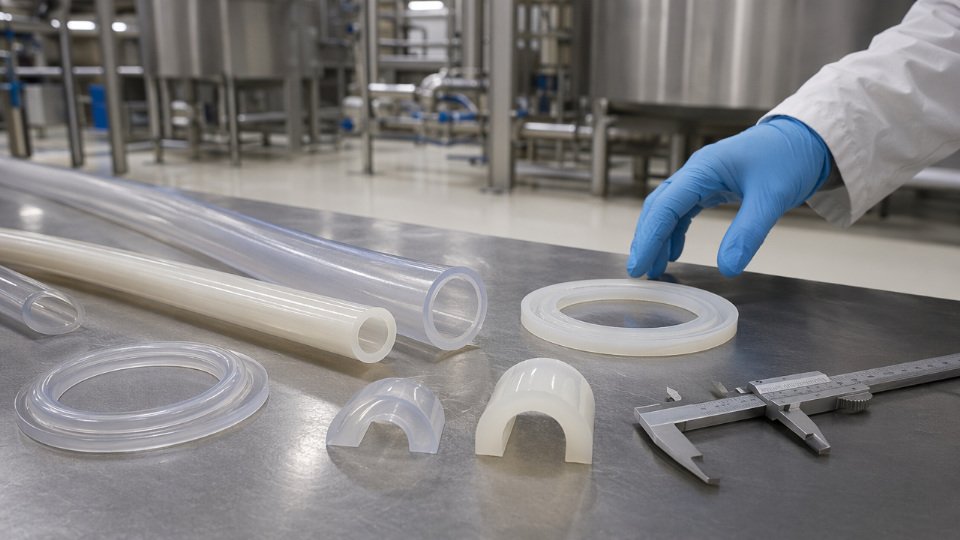
Silicone vs plastic health safety explained: learn how grade, cure system, and certifications determine which material is truly safer for food and pharma use.
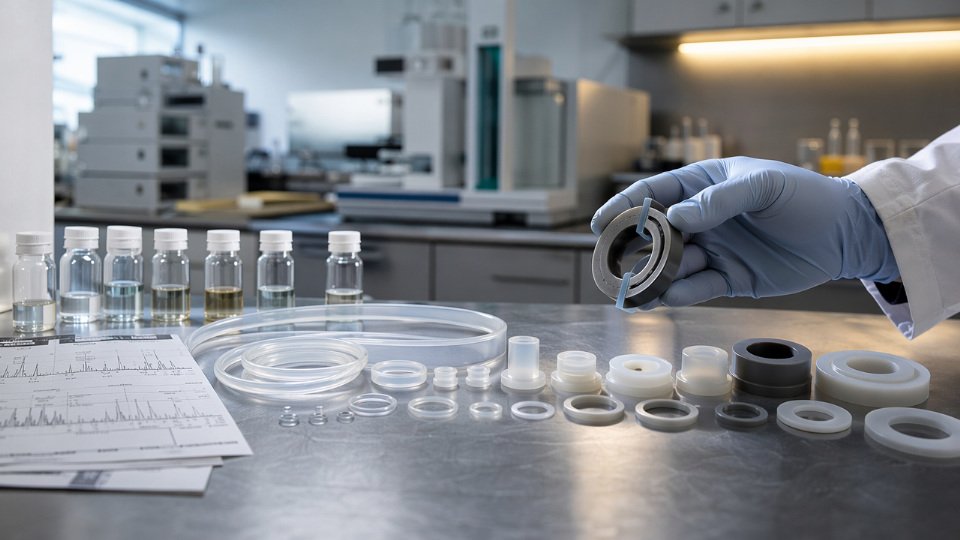
Learn why silicone safety depends on grade and molecular weight. Discover how to specify compliant PDMS and avoid costly D4/D5/D6 regulatory failures.
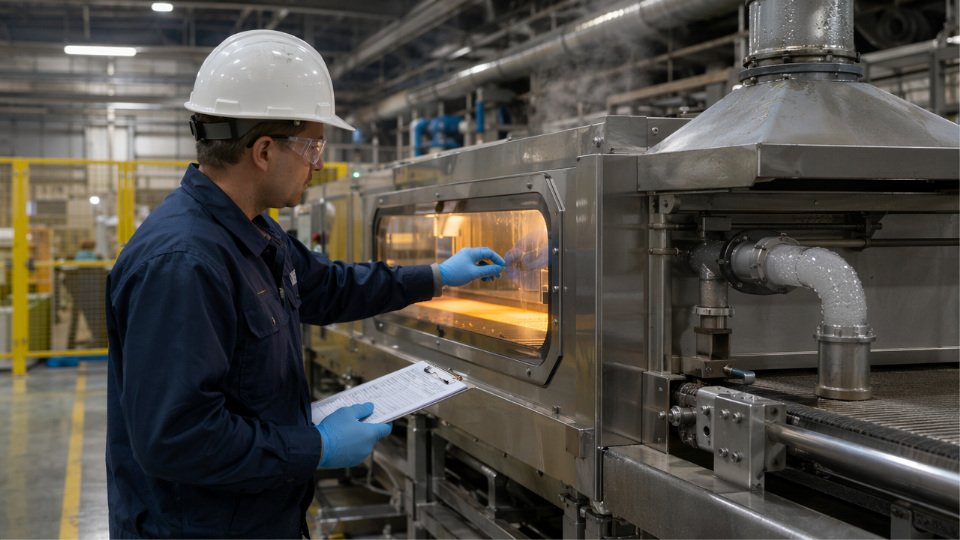
Learn the key signs of silicone toxicity — from respiratory irritation and skin reactions to chronic cyclosiloxane exposure risks — and how to stay compliant.

Silicon affects your body in radically different ways depending on form. Learn how silica dust causes silicosis, while dietary silicon supports bone health.
In modern industry, many engineers and procurement managers face a recurring problem: traditional oils fail under extreme temperatures, degrade quickly, or cause compatibility issues with sensitive materials. This leads to equipment failure, product defects, higher maintenance costs, and even safety risks in critical applications such as electronics, medical devices, and
Selecting the wrong dimethyl silicone oil can quietly destroy product performance, reduce efficiency, and increase long-term costs without immediate visibility. Many buyers assume “silicone oil is silicone oil,” but in reality, viscosity mismatches, purity inconsistencies, and incorrect functional selection can lead to lubrication failure, poor dielectric performance, unstable emulsions, or
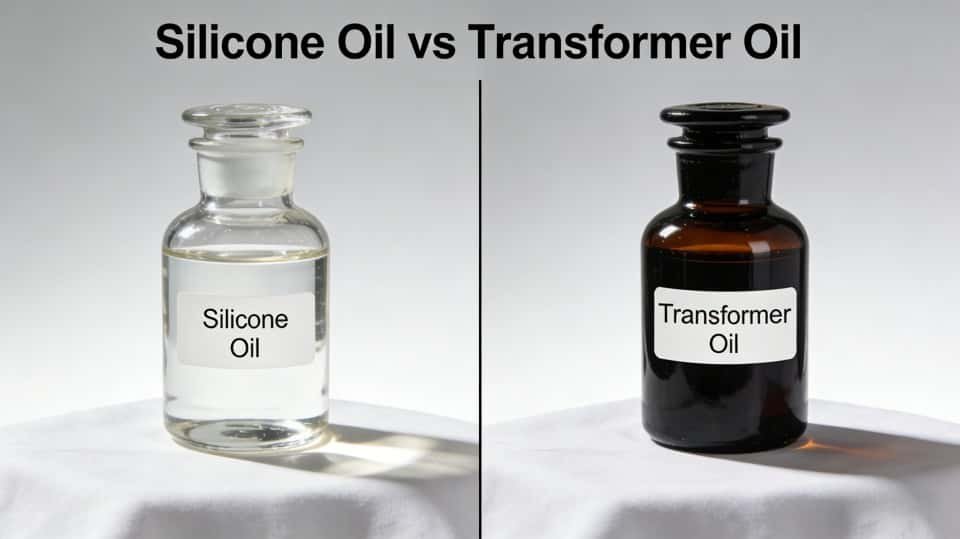
In industrial systems, choosing the wrong insulating or cooling fluid can lead to catastrophic equipment failure, overheating, dielectric breakdown, or even fire hazards. Many engineers and procurement managers face confusion when comparing silicone oil and transformer oil—especially in high-voltage, high-temperature, or safety-critical environments. Selecting the wrong medium not only increases
In many industrial, automotive, and consumer applications, choosing the wrong lubrication medium can lead to catastrophic equipment failure, accelerated wear, contamination risks, or even safety hazards. Engineers, procurement managers, and maintenance professionals often face confusion when deciding between silicone oil and conventional lubricants. While both are used to reduce friction
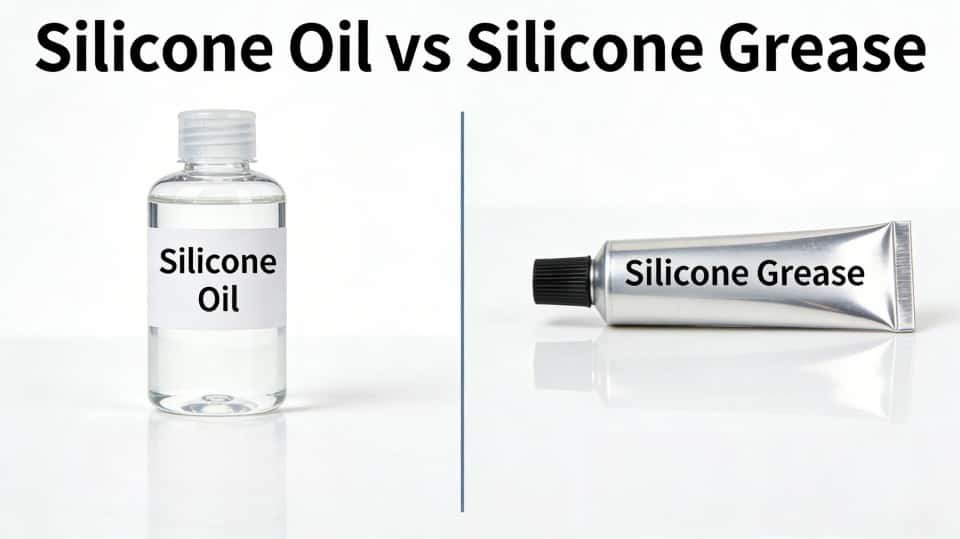
In many industrial, mechanical, and consumer applications, engineers and procurement specialists often face a subtle yet critical decision: whether to use silicone oil or silicone grease. At first glance, both are derived from similar chemical foundations and appear interchangeable, but in real-world applications, choosing the wrong one can result in