 (3)](https://siliconchemicals.com/wp-content/uploads/2026/04/dimethyl-silicone-oil-3.jpg)
In modern industry, many engineers and procurement managers face a recurring problem: traditional oils fail under extreme temperatures, degrade quickly, or cause compatibility issues with sensitive materials. This leads to equipment failure, product defects, higher maintenance costs, and even safety risks in critical applications such as electronics, medical devices, and precision machinery. The challenge becomes even more severe when a single fluid must perform multiple roles—lubrication, insulation, heat transfer, and surface protection—without compromising performance. Dimethyl silicone oil emerges as a highly engineered solution designed to overcome these limitations, offering unmatched thermal stability, chemical inertness, and multifunctional performance across industries.
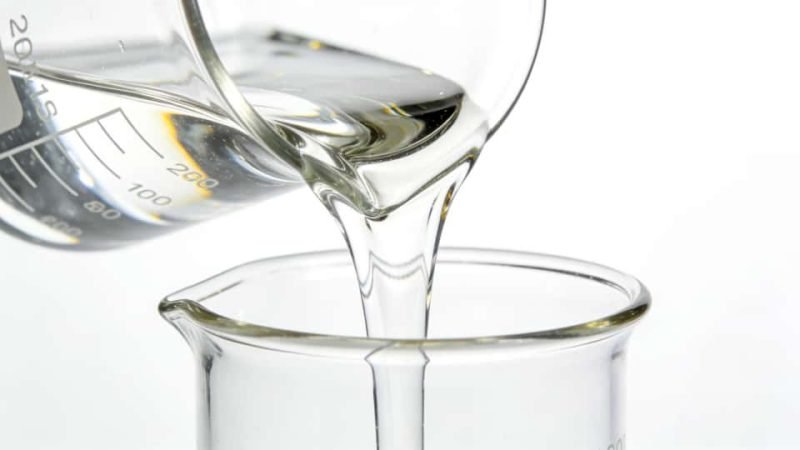
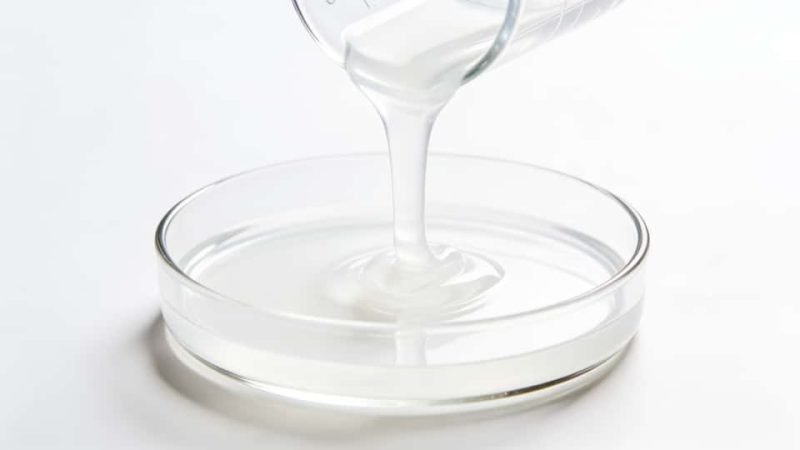
Dimethyl silicone oil (polydimethylsiloxane, PDMS) is widely used as a lubricant, heat transfer fluid, electrical insulating medium, defoamer, release agent, waterproofing additive, and cosmetic ingredient due to its excellent thermal stability, low surface tension, chemical inertness, and wide viscosity range, making it one of the most versatile industrial and consumer-grade fluids available today.
To fully understand why dimethyl silicone oil has become a cornerstone material across industries—from electronics and automotive to pharmaceuticals and personal care—it is essential to explore its molecular structure, performance characteristics, and application-specific advantages in detail.
Dimethyl silicone oil maintains stable viscosity across a wide temperature range from -50°C to 200°C.True
The Si-O backbone provides exceptional thermal stability and low temperature dependency compared to hydrocarbon oils.
Understanding Dimethyl Silicone Oil: Structure, Properties, and Functional Advantages
Dimethyl silicone oil, chemically known as polydimethylsiloxane (PDMS), is composed of repeating siloxane units with the backbone structure –Si–O–Si–. Unlike traditional mineral oils based on carbon-carbon chains, PDMS features a silicon-oxygen backbone, which fundamentally alters its physical and chemical behavior. The bond energy of Si–O (~444 kJ/mol) is significantly higher than that of C–C bonds (~348 kJ/mol), resulting in superior thermal stability and resistance to oxidation.
Key Physical and Chemical Properties
| Property | Typical Value Range | Technical Significance |
|---|---|---|
| Viscosity (cSt @ 25°C) | 0.65 – 1,000,000 | Wide customization range |
| Thermal Stability | Up to 200–250°C (continuous) | Suitable for high-temp systems |
| Pour Point | Below -50°C | Excellent low-temp flow |
| Surface Tension | ~20–22 mN/m | Superior spreading ability |
| Dielectric Strength | 15–20 kV/mm | Ideal for insulation |
| Volatility | Very low | Long service life |
These properties explain why dimethyl silicone oil is not just a lubricant, but a multifunctional engineering fluid.
Core Industrial Applications of Dimethyl Silicone Oil
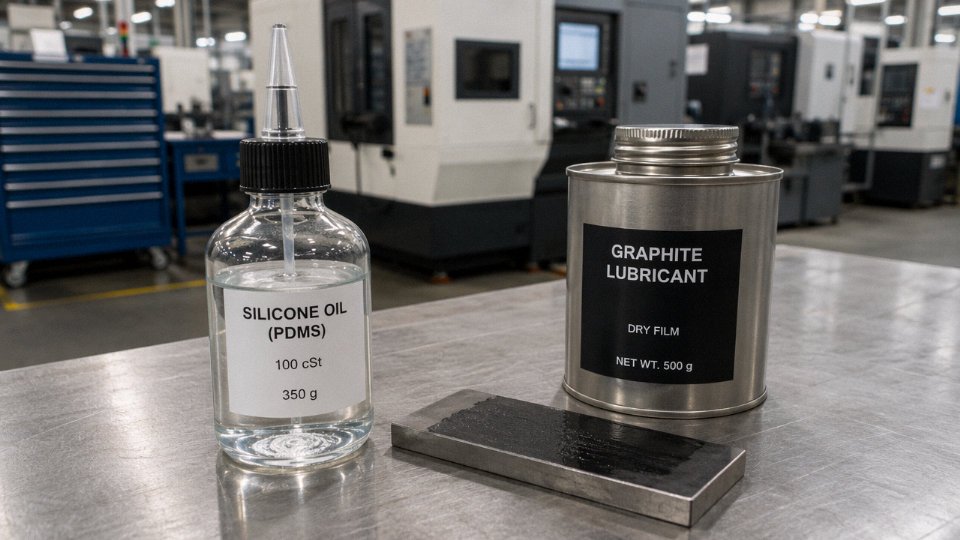
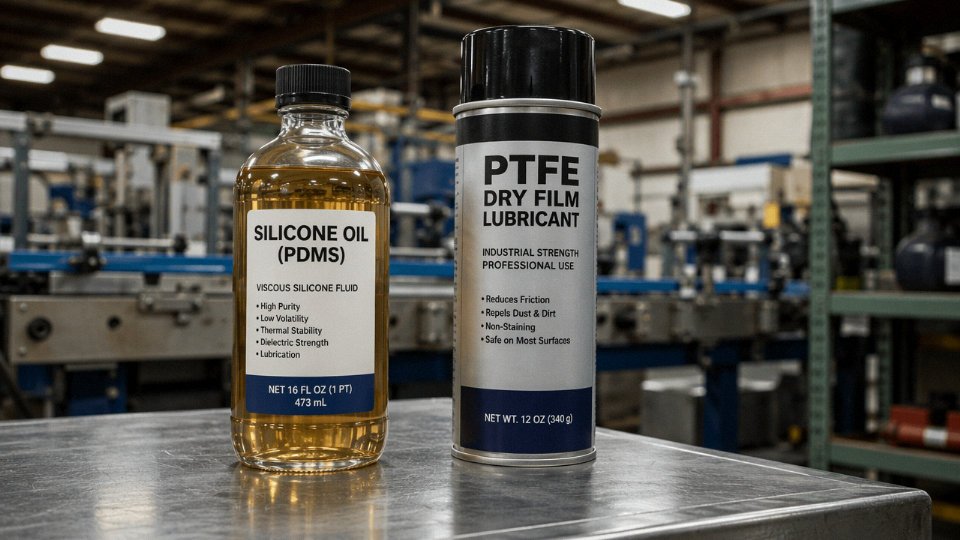
1. Lubrication in Extreme Conditions
Dimethyl silicone oil is widely used as a high-performance lubricant in applications where traditional oils fail. Its low viscosity-temperature coefficient ensures consistent lubrication from sub-zero environments to high-temperature operations.
Typical Applications:
- Precision instruments
- Bearings in aerospace equipment
- Plastic-to-plastic lubrication
- Rubber component lubrication
Advantages:
- Non-reactive with plastics and elastomers
- Minimal viscosity change
- Long-lasting lubrication film
| Application Area | Why PDMS Is Used |
|---|---|
| Aerospace bearings | Wide temp range |
| Plastic gears | Non-reactive |
| Medical devices | Biocompatibility |
2. Electrical Insulation and Dielectric Fluid
Due to its high dielectric strength and low electrical conductivity, dimethyl silicone oil is extensively used in electrical and electronic systems.
Key Uses:
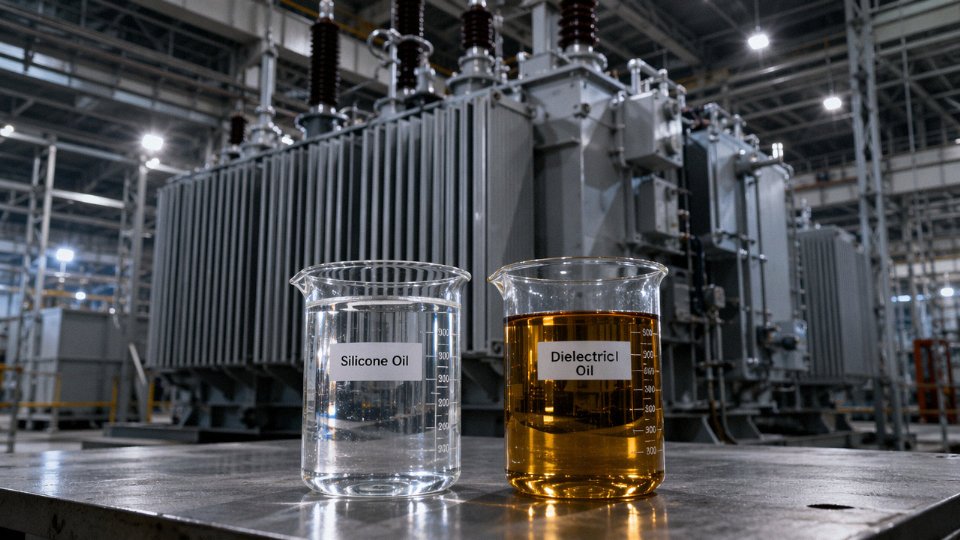
- Transformer cooling fluids (specialized silicone oils)
- Capacitor impregnation
- High-voltage insulation systems
Technical Benefits:
- Excellent arc resistance
- Stable under electrical stress
- Non-flammable (in some formulations)
3. Heat Transfer Fluids
In systems requiring stable thermal performance, dimethyl silicone oil acts as an efficient heat transfer medium.
Industries Using PDMS Heat Transfer Fluids:
- Chemical processing
- Solar energy systems
- Electronics cooling
| Parameter | PDMS Performance |
|---|---|
| Thermal conductivity | Moderate but stable |
| Oxidation resistance | Excellent |
| Service life | Long-term |
4. Defoaming and Antifoaming Agent
Dimethyl silicone oil is one of the most effective defoaming agents due to its low surface tension and ability to disrupt foam structures.
Used In:
- Wastewater treatment
- Food processing
- Paints and coatings
- Fermentation systems
Mechanism:
- Spreads rapidly over foam bubbles
- Breaks surface tension
- Collapses foam instantly
5. Release Agent in Manufacturing
In molding and casting processes, dimethyl silicone oil prevents adhesion between materials and molds.
Applications:
- Rubber molding
- Plastic injection molding
- Die casting
Advantages:
- Clean release
- No residue
- Improves product finish
6. Waterproofing and Surface Treatment
PDMS forms a hydrophobic layer on surfaces, making it ideal for water-repellent coatings.
Applications:
- Textiles
- Glass coatings
- Construction materials
| Surface Type | Effect |
|---|---|
| Fabric | Water repellency |
| Glass | Anti-fogging |
| Concrete | Moisture barrier |
7. Cosmetics and Personal Care
Dimethyl silicone oil is widely used in personal care products due to its smooth texture and safety profile.
Common Products:
- Skin creams
- Hair conditioners
- Makeup formulations
Benefits:
- Non-greasy feel
- Enhances spreadability
- Improves sensory experience
Advanced Application Matrix by Industry
| Industry | Application Type | PDMS Function |
|---|---|---|
| Automotive | Shock absorbers, lubricants | Damping & lubrication |
| Electronics | Insulation, cooling | Dielectric & thermal |
| Medical | Lubricants, implants | Biocompatible fluid |
| Food Processing | Antifoaming agents | Foam control |
| Textile | Finishing agents | Softening & waterproofing |
Viscosity Selection and Functional Matching
Choosing the correct viscosity is critical for performance optimization.
| Viscosity Range (cSt) | Typical Use Case |
|---|---|
| 0.65–10 | Cosmetics, defoamers |
| 50–500 | Lubricants, coatings |
| 1000–100,000 | Damping fluids |
| >100,000 | Grease base fluids |
Higher viscosity oils provide better damping and film strength, while lower viscosity oils offer better spreadability and faster response.
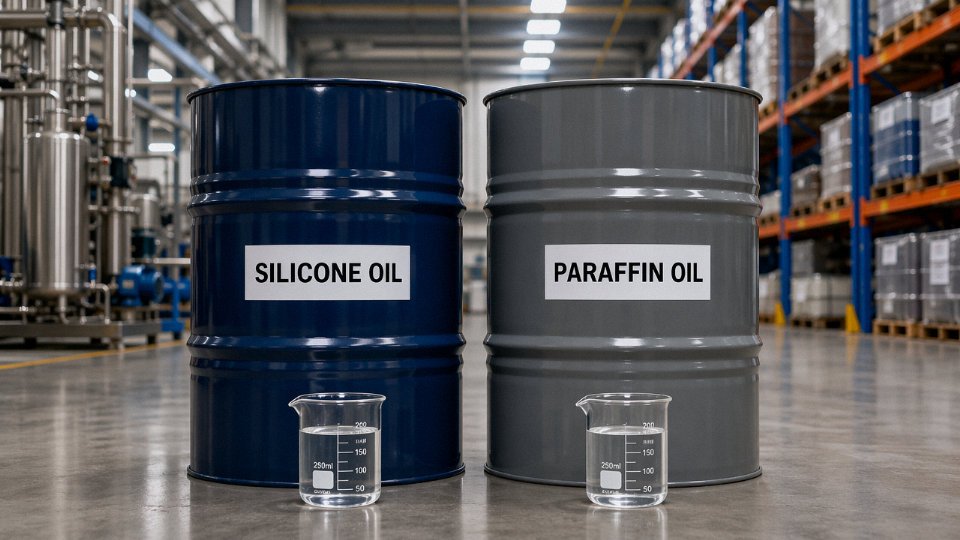
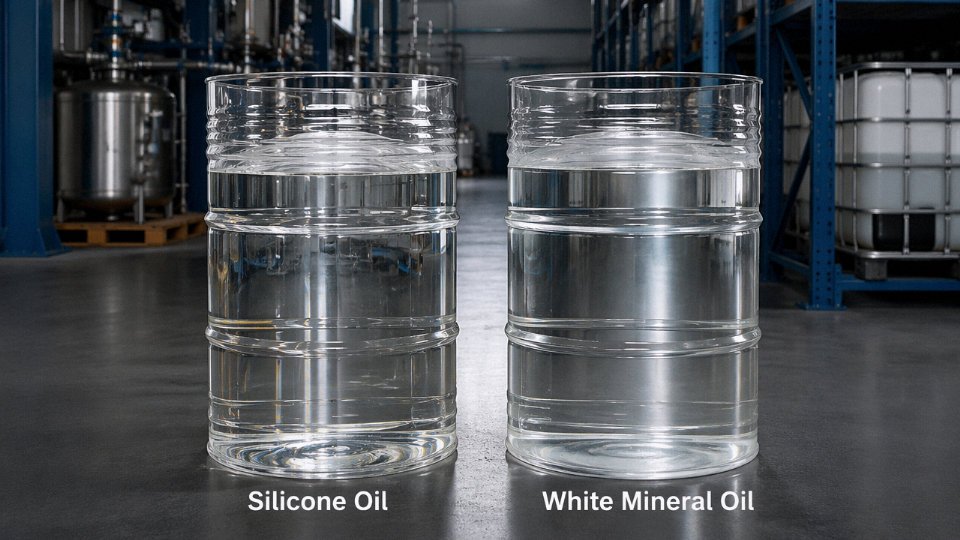
Comparative Analysis: PDMS vs Conventional Oils
| Property | PDMS | Mineral Oil |
|---|---|---|
| Thermal Stability | Excellent | Moderate |
| Oxidation Resistance | High | Low |
| Compatibility | Excellent | Limited |
| Environmental Stability | Superior | Degrades faster |
Real-World Case Study
A European electronics manufacturer replaced mineral oil with dimethyl silicone oil in their high-voltage insulation system. The results showed:
- 40% increase in equipment lifespan
- 25% reduction in maintenance cost
- Improved thermal stability under load conditions
Common Challenges and Solutions
| Challenge | Solution |
|---|---|
| High cost vs mineral oil | Longer lifespan offsets cost |
| Low lubricity under load | Additives or blending |
| Compatibility concerns | Pre-testing required |
Summary
Dimethyl silicone oil is a multifunctional, high-performance fluid engineered for modern industrial and consumer applications. Its unique silicon-oxygen backbone enables superior thermal stability, chemical resistance, and versatility unmatched by conventional oils. Whether used as a lubricant, insulator, defoamer, or cosmetic ingredient, PDMS continues to play a critical role in advancing technology and product performance across industries.
Talk to [Silicon Chemicals](https://siliconchemicals.com/) — Let’s Find the Right Solution for Your Application
If you’re selecting dimethyl silicone oil for a specific industrial, electronic, or formulation use, the details matter—viscosity, purity, volatility, and application matching can significantly impact performance and cost efficiency.
At Silicon Chemicals, we work closely with global customers to provide application-driven silicone oil solutions—from standard grades to customized formulations tailored to your exact process conditions.
Reach out today to discuss your requirements, request samples, or get expert technical guidance tailored to your industry.