Polysulfide silanes are a class of sulfur-containing silane coupling agents that feature two alkoxysilyl groups linked by a polysulfide chain (–Sₓ–). This unique structure enables them to function simultaneously as silica–rubber coupling agents and sulfur donors in vulcanization systems. They are most widely used in silica-filled rubber compounds, especially in tire tread formulations, where they significantly improve filler–polymer interaction, reinforcement efficiency, and dynamic performance.
Siliconchemicals Polysulfide Silanes are engineered for high-performance silica–rubber coupling in demanding elastomer applications. By integrating coupling functionality with controlled sulfur activity, they deliver balanced reinforcement, process stability, and long-term dynamic performance. They are widely applied in tire tread compounds, industrial rubber goods, and silica-reinforced elastomers, where abrasion resistance, fatigue performance, and rolling efficiency are critical.
| Product Code | Chemical Name | CAS No. | Molecular Formula | Structure Type | Structure Type | Product Form | Typical Content | Typical Applications |
|---|---|---|---|---|---|---|---|---|
| AS-69 | Bis[3-(triethoxysilyl)propyl]tetrasulfide | 40372-72-3 | C18H42O6S4Si2 | Polysulfide-functional | Triethoxy | Neat liquid | ≥69% | Tire tread compounds, silica-filled rubber |
| AS-69C | Bis[3-(triethoxysilyl)propyl]tetrasulfide (50%) + Carbon black (50%) | N/A | Mixture | Polysulfide-functional | Triethoxy | Masterbatch | 50% active | Rubber compounding, improved handling |
| AS-75 | Bis[3-(triethoxysilyl)propyl]disulfide | 56706-10-6 | C18H42O6S2Si2 | Polysulfide-functional | Triethoxy | Neat liquid | ≥75% | Low-hysteresis rubber, dynamic performance optimization |
Product List
Polysulfide silanes are sulfur-containing silane coupling agents specifically developed for silica-filled rubber and elastomer systems. Their structure combines dual alkoxysilyl anchoring groups with a polysulfide linkage, allowing them to act simultaneously as coupling agents and sulfur contributors during vulcanization.
They are most widely applied in tire tread compounds and high-performance rubber formulations, where reinforcement efficiency, dynamic behavior, and durability must be carefully balanced.
The Polysulfide Silanes product range typically includes:
These products are supplied to meet different processing requirements, curing systems, and performance targets in rubber manufacturing.
(Reactivity & Vulcanization Perspective) From a functional standpoint, polysulfide silanes can be classified as:
Selection is typically guided by rubber formulation design, filler type and loading, curing system, and targeted mechanical and dynamic performance, such as abrasion resistance, rolling resistance, and fatigue life.
Siliconchemicals Polysulfide Silanes are engineered for high-efficiency silica–rubber coupling in performance-critical elastomer systems, particularly tire tread and dynamic rubber applications.
Siliconchemicals Polysulfide Silanes — Coupling Strength with Controlled Cure.
Contact Siliconchemicals to discuss your application needs, request technical data, or explore customized amino silane solutions tailored to your formulation and processing requirements.
Polysulfide silanes are characterized by a bis-silane architecture in which two alkoxysilyl groups are connected through a polysulfide bridge (–Sₓ–). This structure enables them to function simultaneously as silica–rubber coupling agents and controlled sulfur contributors during vulcanization.
A typical polysulfide silane consists of:
The number of sulfur atoms (e.g., disulfide vs. tetrasulfide) directly influences curing behavior and dynamic performance.
This mechanism delivers:
Polysulfide silanes therefore function as true coupling agents with built-in cure activity, making them essential for high-performance silica-filled rubber and tire tread formulations.
Polysulfide silanes deliver high-efficiency silica–rubber coupling while actively contributing to the vulcanization process, resulting in balanced mechanical and dynamic performance in elastomer systems.
These advantages make polysulfide silanes essential in tire tread compounds and high-performance rubber applications where reinforcement efficiency, dynamic performance, and cure control must be carefully balanced.
Polysulfide silanes are primarily used in silica-filled rubber and elastomer systems where strong filler–polymer coupling and controlled vulcanization are critical, including:
Polysulfide silanes are particularly effective in applications requiring a balanced combination of reinforcement strength, dynamic performance, and controlled curing behavior in silica-filled rubber compounds.
Polysulfide silanes are used to achieve efficient silica–rubber coupling with controlled sulfur activity, enabling high performance in silica-filled elastomer systems where both reinforcement and curing behavior are critical.
In summary, polysulfide silanes are essential when high reinforcement efficiency, controlled curing, and superior dynamic performance are required—particularly in tire tread and high-performance rubber applications.
Selecting the appropriate polysulfide silane depends on balancing coupling efficiency, sulfur contribution, cure behavior, and dynamic performance requirements in silica-filled rubber systems. The following framework is commonly used in rubber and tire compounding.
Define whether the compound is designed for:
Your priority strongly influences the sulfur level and product form you should select.
The polysulfide bridge length (sulfur rank) is the most important selection variable:
If dosing accuracy, handling, or dispersion is a concern, consider product form:
Polysulfide silanes are optimized for silica and hydroxylated mineral fillers. Higher silica loadings generally benefit more from effective coupling, but also increase sensitivity to mixing efficiency and moisture control.
Because polysulfide silanes contribute sulfur activity, evaluate compatibility with your:
In scorch-sensitive formulations, disulfide types or masterbatch forms often provide better control.
Final selection should be confirmed through:
Choose polysulfide silanes by balancing sulfur rank (disulfide vs. tetrasulfide), processing needs, and curing behavior to achieve the desired combination of reinforcement, dynamic performance, and manufacturing stability in silica-filled rubber compounds.
Packaging: 500 g / 1 kg / 5 kg / 25 kg / 200 kg drums / 1000L IBC container (Customized packaging is available).
Selecting the right silane coupling agent is only the beginning. Successful implementation depends on a reliable end-to-end delivery process—from technical evaluation and product selection to production, quality control, and final shipment. Our integrated support model ensures consistent performance, stable supply, and efficient execution across global applications.
From technical selection to final shipment, we deliver silane coupling agents as a complete, reliable solution—not just a chemical product.
Contact us to discuss your application requirements, request samples, or initiate a customized silane supply program.
Disclaimer
“The information provided herein is based on general industry experience and is intended for reference purposes only. Actual performance and optimal usage conditions may vary depending on formulation, processing methods, substrate characteristics, and end-use requirements. Users are responsible for conducting their own tests and evaluations to determine suitability for their specific applications. No warranty, express or implied, is made regarding the completeness, accuracy, or applicability of this information.”
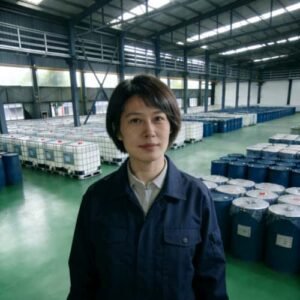
Selecting the right silane coupling agent is only the first step. Achieving optimal performance often requires application-specific evaluation and formulation optimization. Our technical team provides comprehensive support to ensure successful implementation across diverse material systems.
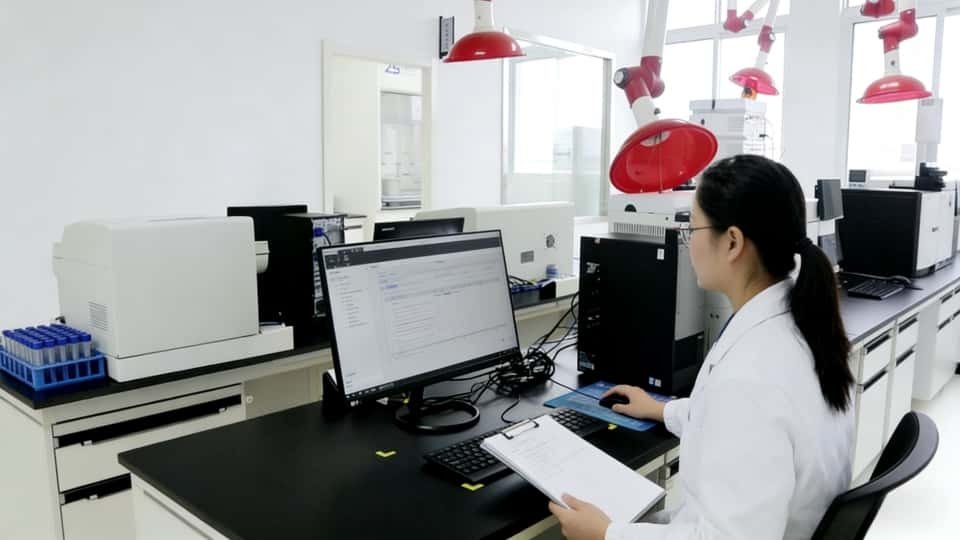

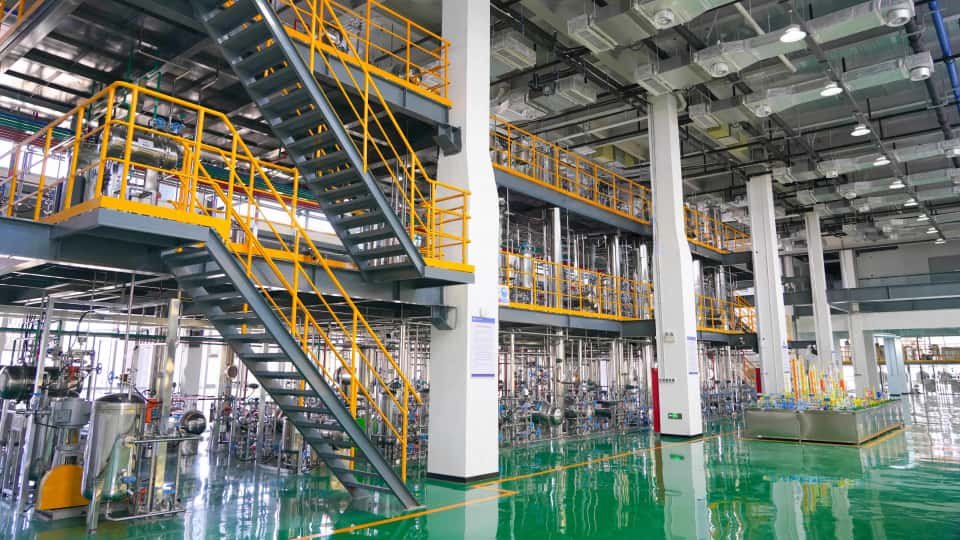

From Standard Supply to Customized Requirements
Built on technical expertise, manufacturing capability, and reliable supply
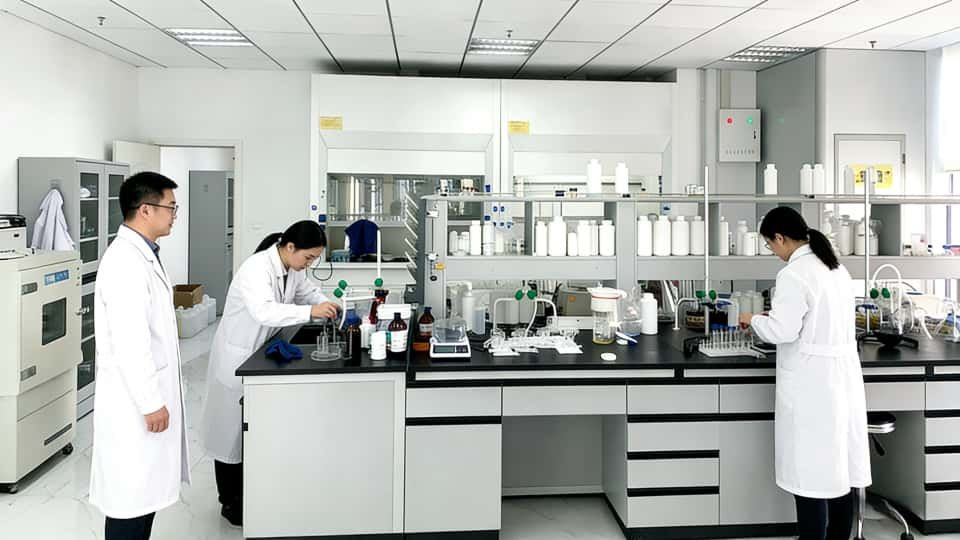
Supports batch quality verification & application-oriented testing, ensuring consistent performance & reliable product quality.
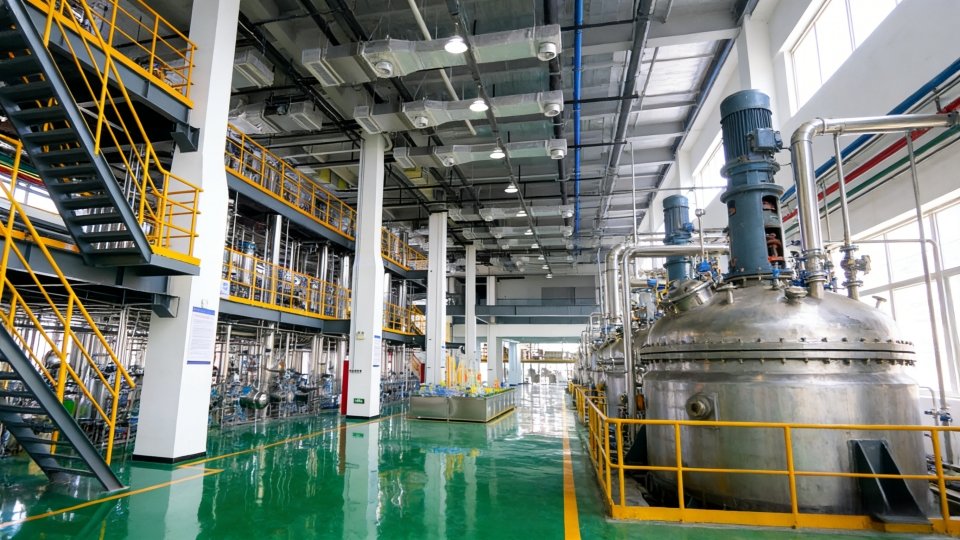
Stable, scalable manufacturing with standardized processes, supporting both regular supply and bulk industrial demand.
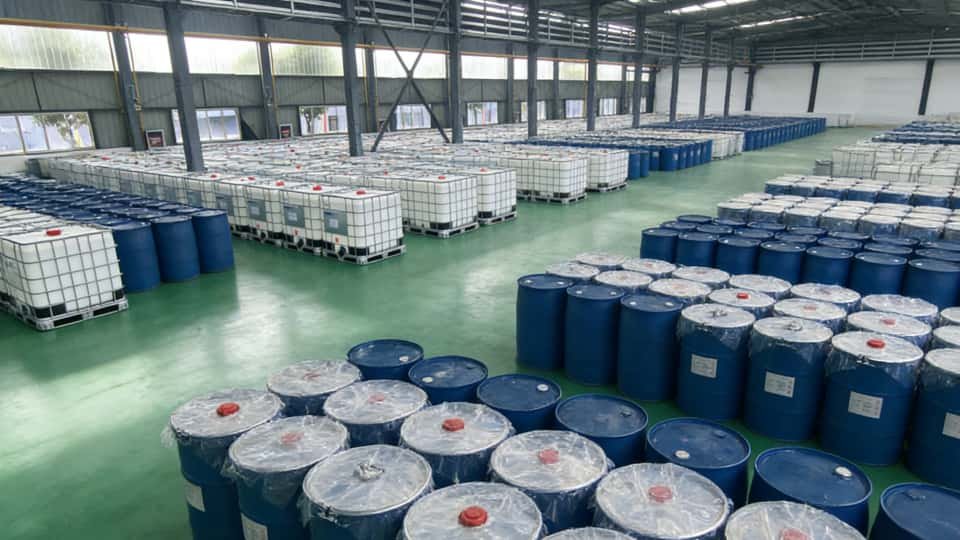
Products are stored under controlled conditions with standardized packaging, enabling efficient order fulfillment and reliable global delivery.

Clear communication and application-focused support, helping customers select suitable products and streamline procurement.
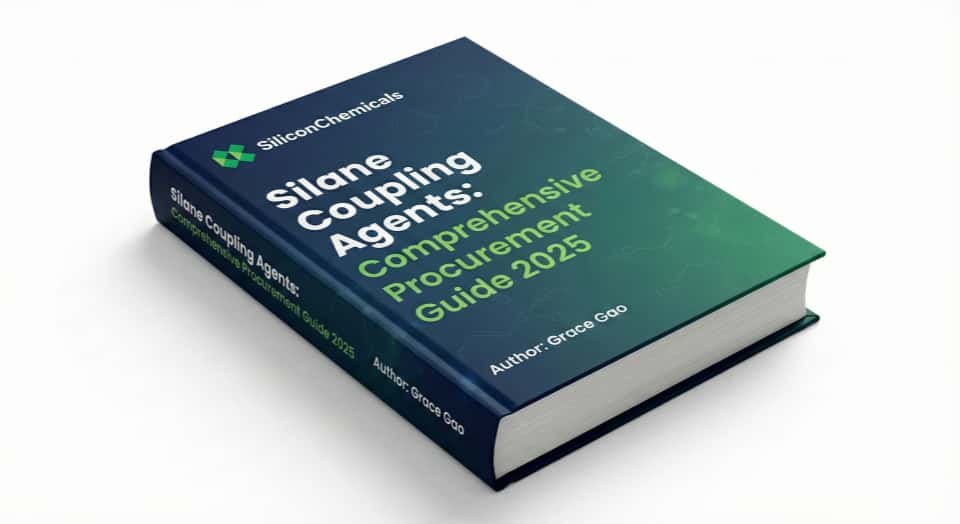
Navigate the complexities of the global silane market. This definitive report provides actionable insights, vetted supplier landscapes, and strategic sourcing methodologies to optimize your supply chain in the year ahead.