Water-Repellent Silicone Oils are silicone-based fluids specifically engineered to create hydrophobic surface barriers that prevent water penetration while maintaining breathability and substrate integrity. They are typically based on polydimethylsiloxane (PDMS) or modified siloxane systems designed to reduce surface energy and increase water contact angle. These materials function by forming a thin, low-surface-energy film that causes water to bead and roll off rather than spread or absorb into the substrate.
SiliconChemicals® Water-Repellent Silicone Oils are advanced siloxane-based fluids engineered to create durable hydrophobic surface barriers across textiles, construction materials, leather, and specialty coatings. Designed around optimized PDMS and alkyl-modified siloxane systems, these products significantly increase water contact angle while maintaining substrate breathability and flexibility.
| Product Code | Functional Class | Base Chemistry | Reactive Type | Hydrophobic Strength | Contact Angle Potential | Substrate Type | Delivery Form | Solid Content | Durability Level | Typical Applications |
|---|---|---|---|---|---|---|---|---|---|---|
| WR-100 | PDMS Water-Repellent | Linear PDMS | Non-reactive | Medium | 95–105° | Textile | Neat Oil | 100% | Moderate | Fabric soft DWR |
| WR-300 | PDMS High MW | High MW PDMS | Non-reactive | Medium+ | 100–110° | Textile / Leather | Neat Oil | 100% | Moderate | Surface finish |
| WR-500 | Alkyl-Modified C12 | PDMS + C12 | Non-reactive | High | 105–115° | Textile | Neat Oil | 100% | High | DWR finishing |
| WR-700 | Alkyl-Modified C16 | PDMS + C16 | Non-reactive | High+ | 110–120° | Textile / Polymer | Neat Oil | 100% | High | Functional fabrics |
| WR-900 | Long-Chain Alkyl C22 | PDMS + C22 | Non-reactive | Very High | 115–125° | Textile / Leather | Neat Oil | 100% | Very High | Heavy-duty DWR |
| WR-1200 | Siloxane Reactive | Silane/Siloxane | Reactive | High | 110–125° | Concrete / Stone | Neat Oil | 100% | Long-term | Masonry protection |
| WR-1500 | Deep Penetration Grade | Silane-rich | Reactive | High | 115–130° | Porous mineral | Neat Oil | 100% | Long-term | Concrete waterproofing |
| WR-200E | Emulsified PDMS | PDMS | Non-reactive | Medium | 95–105° | Textile | Emulsion | 30% | Moderate | Easy process DWR |
| WR-500E | Emulsified Alkyl | PDMS + C12 | Non-reactive | High | 105–115° | Textile | Emulsion | 40% | High | Textile finishing |
| WR-700N | Nano Emulsion | Modified siloxane | Semi-reactive | High+ | 110–120° | Textile | Nano emulsion | 20–30% | High | Premium DWR |
| WR-1800 | Fluoro-Enhanced Hybrid | Siloxane + Fluoro | Reactive | Ultra High | 120–140° | High-performance textiles | Neat / Emulsion | Custom | Very High | Outdoor gear |
| WR-CUSTOM | Custom Engineered | Tailored system | Custom | Adjustable | Adjustable | Multi-substrate | Custom | Custom | Custom | OEM applications |
Product List

Water-Repellent Silicone Oils are engineered to provide hydrophobic surface protection across textiles, mineral substrates, polymers, and specialty materials. Their product range is best organized by chemical base, reactivity, hydrophobic strength, and delivery form, ensuring clear industrial selection logic.
Base: Linear or high molecular weight polydimethylsiloxane
Hydrophobic Level: Moderate
Base: PDMS with C12–C30+ alkyl substitution
Hydrophobic Level: High to Very High
Base: Functional siloxane or silane-modified systems
Hydrophobic Level: High (long-term durability)
Commonly used for:
Base: Modified siloxane blends
Hydrophobic Level: Very High to Ultra High
| Type | Description | Durability |
|---|---|---|
| Non-Reactive | Physical film formation | Moderate |
| Semi-Reactive | Partial surface interaction | High |
| Fully Reactive | Chemical bonding to substrate | Long-term |
| Delivery Form | Application Advantage |
|---|---|
| Neat Fluid (100%) | Maximum formulation flexibility |
| Self-Emulsifying | Easier water dispersion |
| Emulsion (30–60%) | Ready-to-use industrial processing |
| Nano-Emulsion | Premium, uniform surface coverage |
| Performance Level | Contact Angle Range | Typical Use |
|---|---|---|
| Standard | 95–105° | General textile treatment |
| Enhanced | 105–115° | Functional fabrics |
| High | 110–125° | Construction protection |
| Extreme | 120°+ | High-performance systems |
| Industry | Recommended Functional Class |
|---|---|
| Textile DWR | Alkyl-Modified / Hybrid |
| Outdoor Fabrics | High-Performance Alkyl |
| Concrete & Masonry | Reactive Siloxane |
| Leather & Synthetics | Medium-Chain Alkyl |
| Wood Protection | Reactive Siloxane |
| Coatings | Short-Chain Alkyl |
Water-Repellent Silicone Oils are classified by chemical structure, reactivity, hydrophobic strength, and application method. This layered classification enables accurate selection based on substrate type, required durability, and processing conditions.
SiliconChemicals® Water-Repellent Silicone Oils are high-performance siloxane systems engineered to create durable, low-surface-energy barriers on textiles, mineral substrates, leather, wood, and specialty coatings. Built on optimized PDMS, alkyl-modified siloxanes, and reactive silane/siloxane technologies, these products deliver reliable hydrophobicity while preserving substrate breathability and flexibility.
SiliconChemicals® Water-Repellent Silicone Oils are selected when applications demand:
SiliconChemicals® provides consistent quality, customizable formulations, and technical support to ensure optimal hydrophobic protection across diverse industrial environments.
The performance of Water-Repellent Silicone Oils is fundamentally governed by their molecular architecture. Built on a flexible siloxane backbone and enhanced with hydrophobic methyl or alkyl groups—and, in advanced systems, reactive silane functionalities—these materials reduce surface energy, promote outward molecular orientation, and form durable moisture-resistant barriers. Understanding this structural foundation is essential to explaining how silicone-based water repellents achieve long-term hydrophobic protection while maintaining substrate breathability and mechanical integrity.
Water-Repellent Silicone Oils are primarily based on a polydimethylsiloxane (PDMS) backbone, often modified with alkyl or reactive silane functionalities to enhance hydrophobic performance and durability.
–[Si(CH3)2–O]n––[Si(CH₃)₂–O]_{n}––[Si(CH3)2–O]n–
Key characteristics:
–[Si(CH3)(Ralkyl)–O]n––[Si(CH₃)(R_{alkyl})–O]_{n}––[Si(CH3)(Ralkyl)–O]n–
Where:
Reactive systems may contain:
These systems chemically bond to mineral substrates such as:
Water-repellent silicone oils function through a combination of surface energy reduction, molecular orientation, and (in reactive grades) chemical anchoring.
Silicone molecules migrate and align at the substrate interface.
Result:
For non-reactive grades:
In silane-modified systems:
Result:
Unlike film-forming polymers that seal pores, siloxane systems:
This is critical for:
| Structural Element | Functional Contribution |
|---|---|
| PDMS backbone | Flexibility, UV stability, low surface energy |
| Methyl groups | Baseline hydrophobicity |
| Long alkyl chains | Increased water contact angle |
| Reactive silane groups | Chemical anchoring & durability |
| High molecular weight | Thicker, more stable film |
Water-Repellent Silicone Oils provide:
They operate by combining: Surface energy reduction + Molecular alignment + (Optional) chemical bonding
Water-Repellent Silicone Oils function by forming low-surface-energy, hydrophobic surface layers—either through physical film formation or chemical anchoring—resulting in durable moisture resistance while preserving substrate flexibility and breathability.
Water-Repellent Silicone Oils are widely used across industries where moisture resistance, surface protection, and durability under environmental exposure are required. Their ability to form low-surface-energy barriers while maintaining substrate flexibility and, in many cases, breathability makes them suitable for both porous and non-porous materials.
Silicone-based water repellents are core components in durable water-repellent (DWR) finishing.
Applications:
Benefits:
Reactive siloxane systems are widely used for deep-penetrating water protection in building materials.
Applications:
Benefits:
Long-term weather durability
Used to enhance surface protection without compromising texture.
Applications:
Benefits:
Silicone water-repellent systems protect wood while preserving natural breathability.
Applications:
Benefits:
Used as additives or primary agents in coating systems.
Applications:
Benefits:
Reduced surface contamination
Selected where controlled hydrophobicity and environmental stability are critical.
Applications:
Water-Repellent Silicone Oils are applied wherever materials must resist water penetration while maintaining flexibility, durability, and, when required, vapor permeability. Their adaptability across textiles, construction, leather, wood, and coatings makes them one of the most versatile hydrophobic technologies in modern industrial chemistry.
Water-Repellent Silicone Oils are used when materials must resist moisture penetration while maintaining flexibility, durability, and—in many cases—breathability. Unlike conventional sealants or waxes, silicone-based systems provide long-term hydrophobic protection without forming rigid, impermeable films. Below are the core technical reasons industries choose silicone-based water-repellent systems.
Silicone molecules possess inherently low surface energy due to their siloxane backbone and outward-facing methyl or alkyl groups.
Result:
This is the fundamental mechanism behind hydrophobic performance.
Depending on the system (non-reactive or reactive):
This leads to:
Unlike acrylic or polymer sealants that block pores, silicone-based water repellents:
This is critical in:
Silicone chemistry provides:
This ensures consistent performance in outdoor and high-temperature environments.
By reducing moisture ingress, water-repellent silicone oils help prevent:
Compared to hydrocarbon waxes:
Compared to fluorinated systems:
Compared to rigid sealants:
Maintained flexibility and breathability
Water-repellent silicone oils can be engineered for:
Their adaptability makes them suitable across multiple industrial sectors.
Water-Repellent Silicone Oils are chosen because they combine strong hydrophobic performance with durability, flexibility, and breathability—offering reliable long-term moisture protection without compromising substrate integrity.
Selecting the appropriate Water-Repellent Silicone Oil requires balancing substrate type, required durability, hydrophobic performance target, and processing conditions. The correct choice depends less on “strongest hydrophobicity” and more on matching chemistry to application environment.
Below is a professional decision framework used in industrial formulation.
Different materials require different silicone chemistries.
| Substrate | Recommended Chemistry |
|---|---|
| Textiles | PDMS or alkyl-modified silicone |
| Outdoor functional fabrics | Long-chain alkyl-modified systems |
| Concrete / Masonry | Reactive siloxane / silane systems |
| Natural stone | Deep-penetration reactive systems |
| Leather | Medium-chain alkyl-modified silicone |
| Wood | Reactive or semi-reactive siloxane |
Mineral substrates typically require reactive systems for long-term durability.
Determine how long the water-repellent effect must last.
Durability correlates with:
| Performance Level | Contact Angle Target |
|---|---|
| Standard | 95–105° |
| Enhanced | 105–115° |
| High | 110–125° |
| Extreme | 120°+ |
Higher contact angles are achieved through:
For porous materials such as:
Ensure the selected system:
Reactive siloxane systems are typically preferred.
Confirm compatibility with:
Choose between:
Consider:
Silicone-based water repellents often provide a balanced alternative to fluorinated systems.
Practical Selection Examples
| Application | Recommended Type |
|---|---|
| Cotton DWR finishing | C12–C16 alkyl-modified silicone |
| Outdoor performance textile | Long-chain alkyl-modified system |
| Concrete façade | Reactive siloxane |
| Decorative stone | Deep-penetration silane/siloxane |
| Wood decking | Semi-reactive siloxane |
The right Water-Repellent Silicone Oil is selected by aligning substrate chemistry, durability requirements, and hydrophobic performance goals—while ensuring compatibility with processing and environmental conditions.
Packaging: 500 g / 1 kg / 5 kg / 25 kg / 200 kg drums / 1000L IBC container (Customized packaging is available).
Looking for the right Water-Repellent Silicone Oil for your substrate and performance target?
SiliconChemicals® offers a complete portfolio—from PDMS-based systems and alkyl-modified grades to reactive siloxane technologies—engineered for textiles, construction materials, leather, wood, and specialty coatings.
Contact our technical team to:
Optimize hydrophobic performance with reliable silicone technology and application-focused support—partner with SiliconChemicals® today.
Disclaimer
“The information provided herein is based on general industry experience and is intended for reference purposes only. Actual performance and optimal usage conditions may vary depending on formulation, processing methods, substrate characteristics, and end-use requirements. Users are responsible for conducting their own tests and evaluations to determine suitability for their specific applications. No warranty, express or implied, is made regarding the completeness, accuracy, or applicability of this information.”
Selecting the right silane coupling agent is only the first step. Achieving optimal performance often requires application-specific evaluation and formulation optimization. Our technical team provides comprehensive support to ensure successful implementation across diverse material systems.


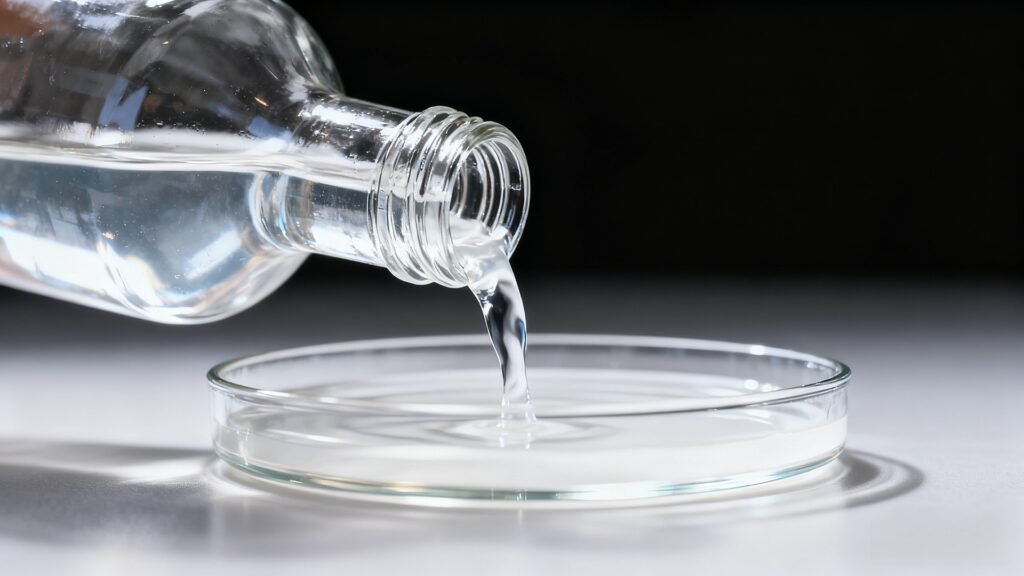
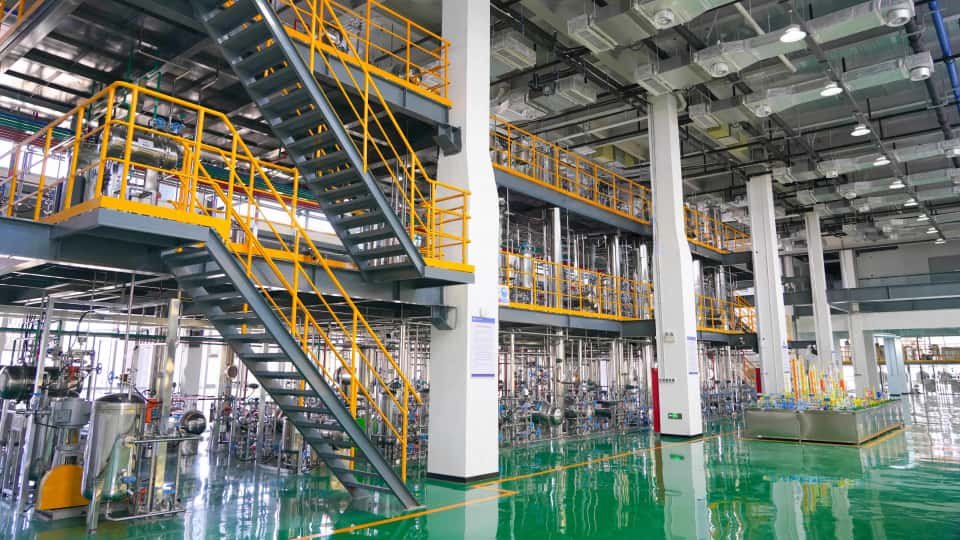
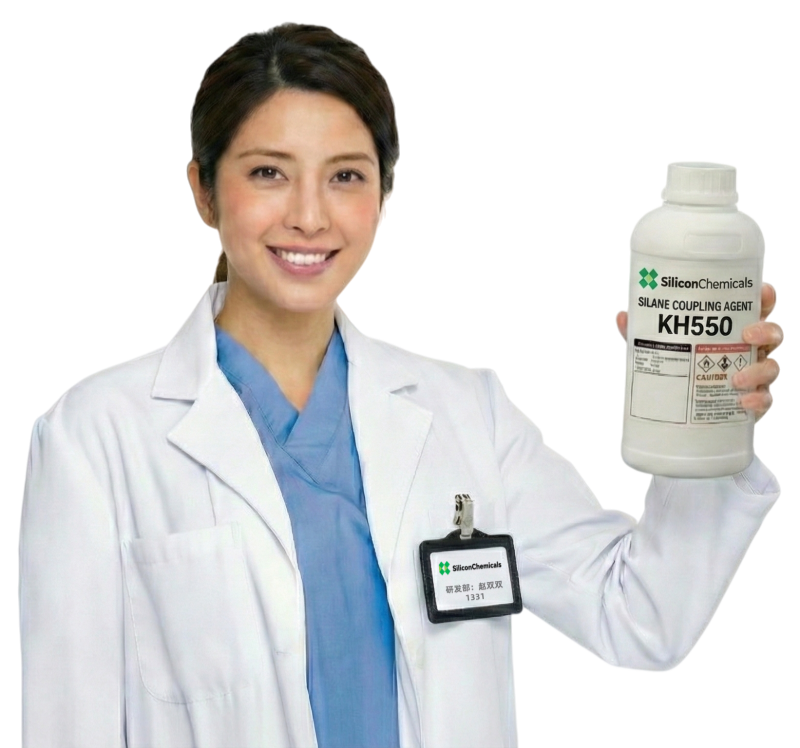
From Standard Supply to Customized Requirements
Built on technical expertise, manufacturing capability, and reliable supply

Supports batch quality verification & application-oriented testing, ensuring consistent performance & reliable product quality.
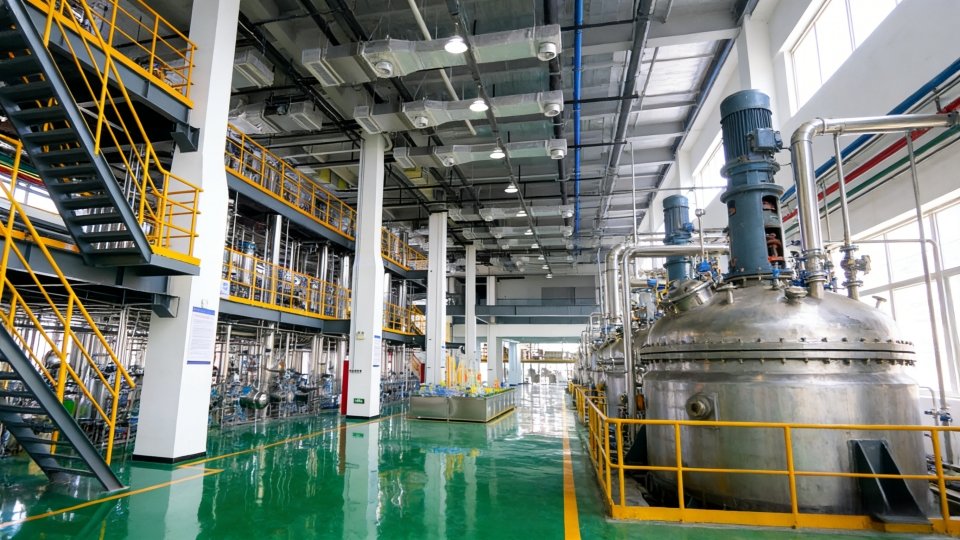
Stable, scalable manufacturing with standardized processes, supporting both regular supply and bulk industrial demand.
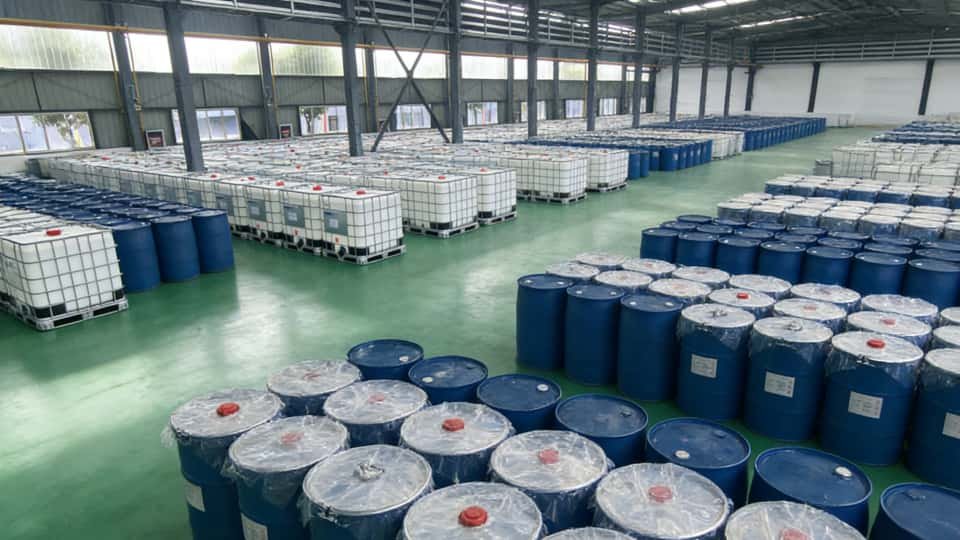
Products are stored under controlled conditions with standardized packaging, enabling efficient order fulfillment and reliable global delivery.

Clear communication and application-focused support, helping customers select suitable products and streamline procurement.
Navigate the complexities of the global Silicone Oil market. This definitive report provides actionable insights, vetted supplier landscapes, and strategic sourcing methodologies to optimize your supply chain in the year ahead.