Polyether Silicone Oils (also called silicone polyethers) are nonionic modified silicone polymers containing polyether chains (–EO/PO segments) grafted onto the silicone backbone. They combine: The low surface tension of silicone. The hydrophilicity of polyether segments. This creates a unique amphiphilic molecule.
SiliconChemicals® Polyether Silicone Oil (silicone polyether) is a nonionic modified silicone polymer containing hydrophilic EO/PO polyether segments grafted onto the siloxane backbone. This amphiphilic structure combines the ultra-low surface tension of silicone with water compatibility, enabling superior interfacial control.
| Model Code | Polymer Structure | EO/PO Ratio | Ionic Type | Active Content (%) | Viscosity (cSt, 25°C) | HLB Level | Functional Focus | Primary Application | Performance Positioning |
|---|---|---|---|---|---|---|---|---|---|
| PES-100 | PDMS + EO | High EO | Nonionic | 100 | 100 | High | Wetting agent | Water-based coatings | Fast spreading |
| PES-300 | PDMS + EO/PO | Balanced | Nonionic | 100 | 300 | Medium | Surfactant | Agriculture adjuvant | Enhanced coverage |
| PES-500 | PDMS + EO/PO | Balanced | Nonionic | 100 | 500 | Medium | Foam stabilizer | Flexible PU foam | Cell control |
| PES-1000 | PDMS + EO/PO | Balanced | Nonionic | 100 | 1000 | Medium | PU stabilizer | Rigid PU foam | Insulation structure |
| PES-2000 | PDMS + EO/PO | Low EO | Nonionic | 100 | 2000 | Low | Defoaming | Coatings / Ink | Bubble reduction |
| PES-EOHigh | PDMS + High EO | Very High EO | Nonionic | 100 | 500 | High | Emulsifier | Personal care | Excellent dispersion |
| PES-POHigh | PDMS + High PO | High PO | Nonionic | 100 | 800 | Low | Flow agent | Industrial coatings | Slip improvement |
| PES-EM30 | Emulsified PDMS | Balanced | Nonionic | 30 | 300 | Medium | Textile wetting | Textile auxiliaries | Balanced effect |
| PES-Agro | EO/PO Modified | Optimized | Nonionic | 100 | 300 | High | Super spreading | Crop protection | Rapid leaf coverage |
| PES-Coat | Low surface tension | Balanced | Nonionic | 100 | 150 | Medium | Flow & leveling | Industrial coatings | Surface smoothness |
| PES-LowFoam | Controlled EO/PO | Low EO | Nonionic | 100 | 400 | Low | Foam control | Ink systems | Stable processing |
| PES-Med | Cosmetic grade | Balanced | Nonionic | 100 | 500 | Medium | Mild surfactant | Personal care | Skin-friendly |
| PES-HighTemp | Modified backbone | Balanced | Nonionic | 100 | 1000 | Medium | Thermal stable | Specialty PU | Heat resistance |
Product List
Polyether Silicone Oils (Silicone Polyethers) are nonionic, amphiphilic modified silicones containing EO/PO polyether chains. Classification is based on EO/PO ratio, HLB value, viscosity, functional behavior, and industrial sector.
| EO/PO Structure | HLB Level | Functional Behavior |
|---|---|---|
| High EO | High HLB | Strong water compatibility |
| Balanced EO/PO | Medium HLB | General surfactant |
| High PO | Low HLB | Foam control / slip |
| Block Copolymer | Adjustable | Tunable performance |
Higher EO → better dispersion & wetting
Higher PO → reduced foam & improved slip
| Functional Type | Application Sector | Performance Objective |
|---|---|---|
| Wetting Agent | Coatings / Agriculture | Rapid surface spreading |
| Foam Stabilizer | Flexible PU | Uniform cell structure |
| Foam Regulator | Rigid PU | Density control |
| Flow & Leveling Agent | Paints / Inks | Surface smoothness |
| Defoamer | Industrial systems | Air release control |
| Emulsifier | Personal care | Stable dispersion |
| Viscosity (cSt) | Performance Behavior |
|---|---|
| 100–300 | Fast spreading |
| 300–800 | Balanced surfactancy |
| 800–2000 | Durable interfacial control |
| 2000+ | Specialty PU systems |
| Sector | Recommended Category |
|---|---|
| PU Flexible Foam | Foam stabilizer |
| PU Rigid Foam | Thermal insulation stabilizer |
| Coatings & Inks | Flow & leveling |
| Agriculture | Super-spreading adjuvant |
| Textile | Wetting & finishing |
| Personal Care | Mild nonionic surfactant |
Polyether Silicone Oils function by reducing surface tension and controlling interfaces. Their amphiphilic structure allows precise control over wetting, foam stability, leveling, and dispersion across industrial systems.
SiliconChemicals® Polyether Silicone Oil is a nonionic, amphiphilic modified silicone polymer containing EO/PO polyether segments grafted onto the siloxane backbone. This unique structure combines the ultra-low surface tension of silicone with water compatibility, enabling efficient interfacial control in industrial formulations.
Functioning as high-performance silicone surfactants, these products provide controlled wetting, spreading, foam stabilization, or defoaming depending on EO/PO ratio and molecular design. They are essential in polyurethane foam production, coatings and inks (flow and leveling), agricultural adjuvants, textile auxiliaries, and personal care emulsification systems where precise surface tension management is critical.
Polyether Silicone Oil is designed for systems requiring precise interfacial control, surface tension reduction, and foam regulation. By integrating hydrophilic polyether chains into a silicone backbone, this material becomes amphiphilic, allowing it to function effectively at air/liquid and liquid/liquid interfaces. Its structural versatility enables use in polyurethane foam production, coatings, agriculture, and textile processing.
SiliconChemicals® Polyether Silicone Oil consists of:
[−Si(CH3)2–O−]n[-Si(CH₃)₂–O-]_n[−Si(CH3)2–O−]n
modified with polyether side chains containing:
This creates an amphiphilic molecule:
The EO/PO ratio determines hydrophilic–lipophilic balance (HLB).
Polyether silicone oils act as silicone surfactants.
Mechanism at interfaces:
Performance varies with EO/PO ratio:
This interfacial activity allows controlled cell structure in polyurethane foam, improved leveling in coatings, and enhanced spreading in agricultural formulations.
The combination of silicone’s low surface tension and polyether’s water compatibility makes Polyether Silicone Oil a critical additive for advanced industrial surface engineering systems.
Polyether Silicone Oil is designed for systems where interfacial control, wetting efficiency, foam regulation, and surface leveling are critical. Its amphiphilic structure allows it to function effectively at air/liquid and liquid/liquid interfaces, making it a versatile additive in industrial and specialty formulations. Through controlled EO/PO balance, performance can be tailored for foam stabilization, spreading, or defoaming effects.
Performance Objective:
Controlled cell structure, improved mechanical strength, uniform density distribution.
Performance Objective:
Enhanced flow and leveling, defect reduction (craters, fisheyes), improved surface smoothness.
Performance Objective:
Improved spreading on leaf surfaces, enhanced coverage and active ingredient efficiency.
Performance Objective:
Rapid wetting, improved dispersion, and uniform treatment.
Performance Objective:
Stable emulsions, smooth spreading, improved sensory characteristics.
Through precise interfacial activity and tunable hydrophilic balance, SiliconChemicals® Polyether Silicone Oil provides engineered surface performance across polyurethane, coating, agriculture, textile, and personal care industries.
Polyether Silicone Oil is selected when precise interfacial control, surface tension reduction, and foam regulation are required. Its amphiphilic structure—combining hydrophobic silicone and hydrophilic polyether segments—enables efficient activity at air/liquid and liquid/liquid interfaces.
Silicone segments dramatically reduce surface tension, enabling:
This is critical in coatings, inks, and agricultural spray formulations.
Depending on EO/PO ratio:
This tunability makes polyether silicone oils indispensable in polyurethane production.
In coatings and inks, Polyether Silicone Oil reduces surface defects such as:
Leading to smoother film appearance and improved finish quality.
Being nonionic, these materials are compatible with a wide range of formulation systems, including water-based and solvent-based systems.
Use Polyether Silicone Oil when you need:
✔ Surface tension control
✔ Wetting and spreading efficiency
✔ Foam stabilization or regulation
✔ Improved coating leveling
✔ Controlled interfacial performance
It is a core additive in polyurethane foam, coatings, agriculture, textile processing, and specialty surface engineering applications.
Choosing the correct Polyether Silicone Oil requires understanding surface tension targets, foam behavior, EO/PO balance, and compatibility with the formulation system. Because these materials function at interfaces, performance depends heavily on molecular design and hydrophilic–lipophilic balance (HLB).
Identify whether the goal is:
The primary function determines EO/PO structure selection.
| EO/PO Structure | Functional Result |
|---|---|
| High EO | Strong hydrophilicity & wetting |
| Balanced EO/PO | Foam stabilization |
| High PO | Foam control / defoaming |
| Block Copolymer | Tunable performance |
Higher EO → increased water compatibility
Higher PO → reduced foam & improved slip
For coatings and agricultural systems, measure:
Ultra-low surface tension grades are ideal for super-spreading systems.
| Viscosity (cSt) | Application Behavior |
|---|---|
| 100–300 | Rapid spreading |
| 300–800 | Balanced surfactant effect |
| 800–2000 | Durable interfacial control |
| 2000+ | Specialty PU systems |
Higher viscosity may improve stability but reduce spreading speed.
Nonionic structure provides broad compatibility, but formulation trials remain critical.
Selecting the correct Polyether Silicone Oil ensures precise interfacial control, stable foam structure, improved coating appearance, and efficient wetting performance. By aligning EO/PO balance, viscosity, and application target, formulation engineers can achieve predictable and optimized surface behavior across industrial systems.
Packaging: 500 g / 1 kg / 5 kg / 25 kg / 200 kg drums / 1000L IBC container (Customized packaging is available).
When surface tension management and foam regulation determine product quality, molecular design becomes decisive. Selecting the appropriate EO/PO balance and viscosity ensures controlled wetting, spreading, leveling, or stabilization performance across industrial systems.
SiliconChemicals® provides:
Share your process conditions, target interface behavior, and performance objectives — and we will deliver a precisely engineered polyether silicone solution.
Contact SiliconChemicals® for tailored recommendations, technical data, and performance optimization support.
Disclaimer
“The information provided herein is based on general industry experience and is intended for reference purposes only. Actual performance and optimal usage conditions may vary depending on formulation, processing methods, substrate characteristics, and end-use requirements. Users are responsible for conducting their own tests and evaluations to determine suitability for their specific applications. No warranty, express or implied, is made regarding the completeness, accuracy, or applicability of this information.”
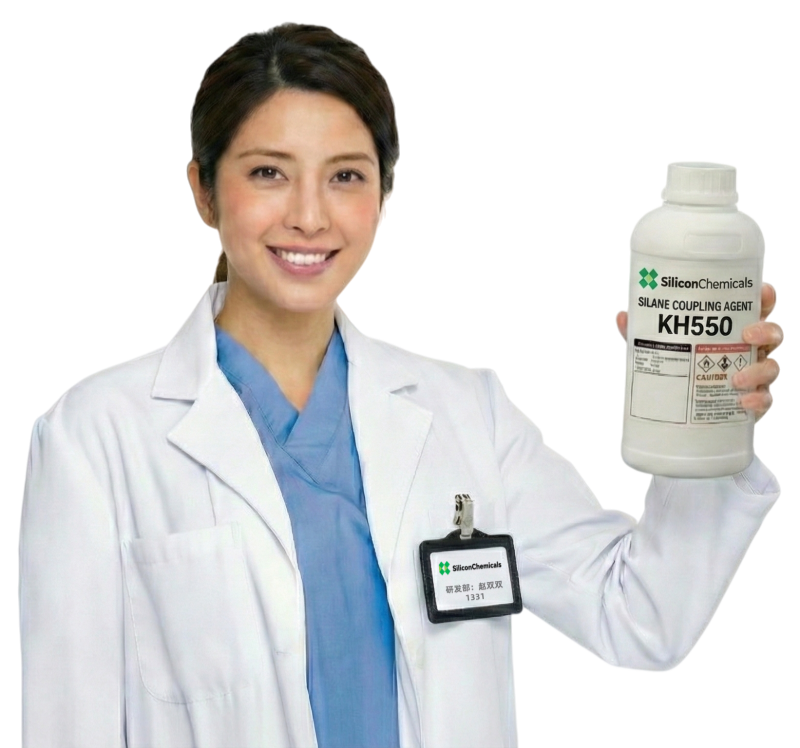
Selecting the right silane coupling agent is only the first step. Achieving optimal performance often requires application-specific evaluation and formulation optimization. Our technical team provides comprehensive support to ensure successful implementation across diverse material systems.



From Standard Supply to Customized Requirements
Built on technical expertise, manufacturing capability, and reliable supply

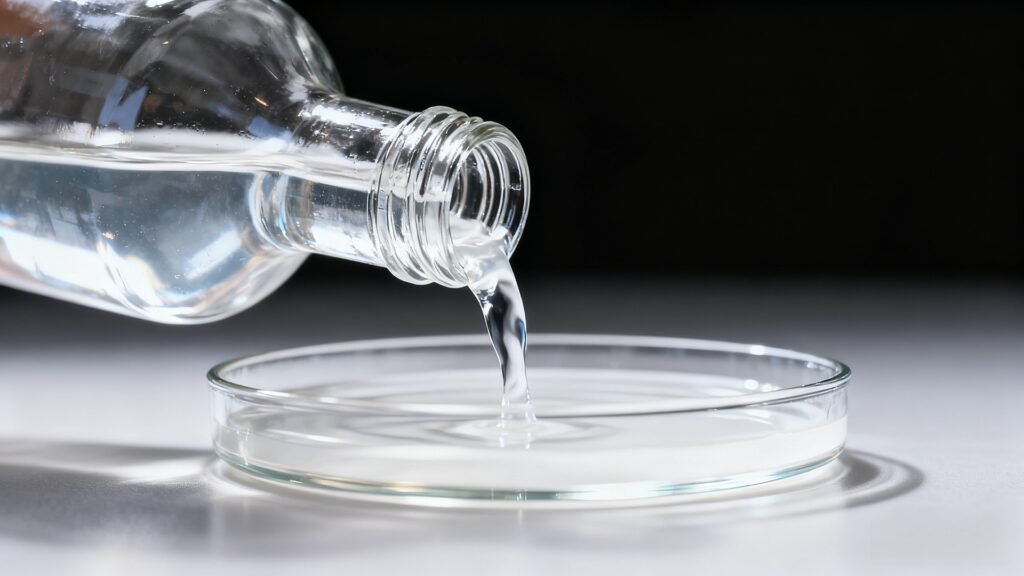
Supports batch quality verification & application-oriented testing, ensuring consistent performance & reliable product quality.

Stable, scalable manufacturing with standardized processes, supporting both regular supply and bulk industrial demand.
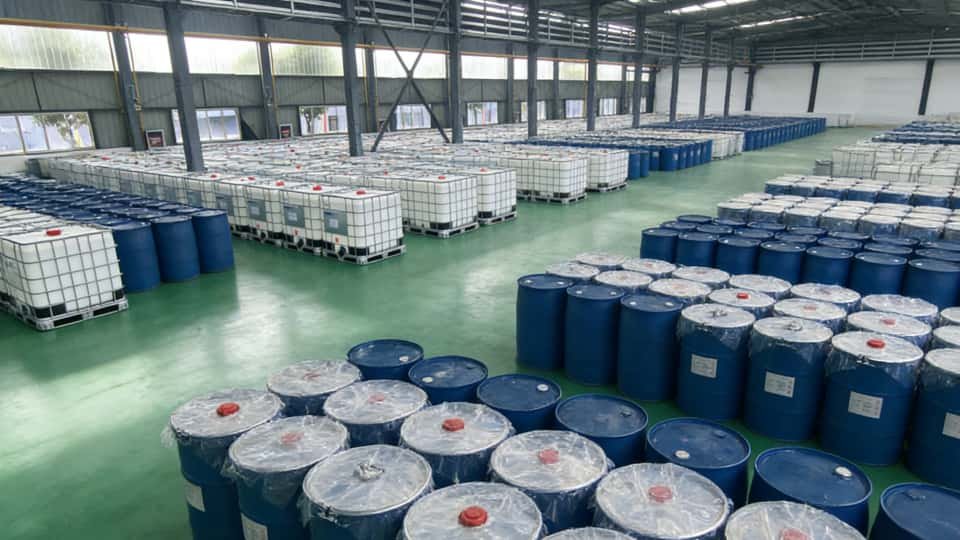
Products are stored under controlled conditions with standardized packaging, enabling efficient order fulfillment and reliable global delivery.

Clear communication and application-focused support, helping customers select suitable products and streamline procurement.
Navigate the complexities of the global Silicone Oil market. This definitive report provides actionable insights, vetted supplier landscapes, and strategic sourcing methodologies to optimize your supply chain in the year ahead.