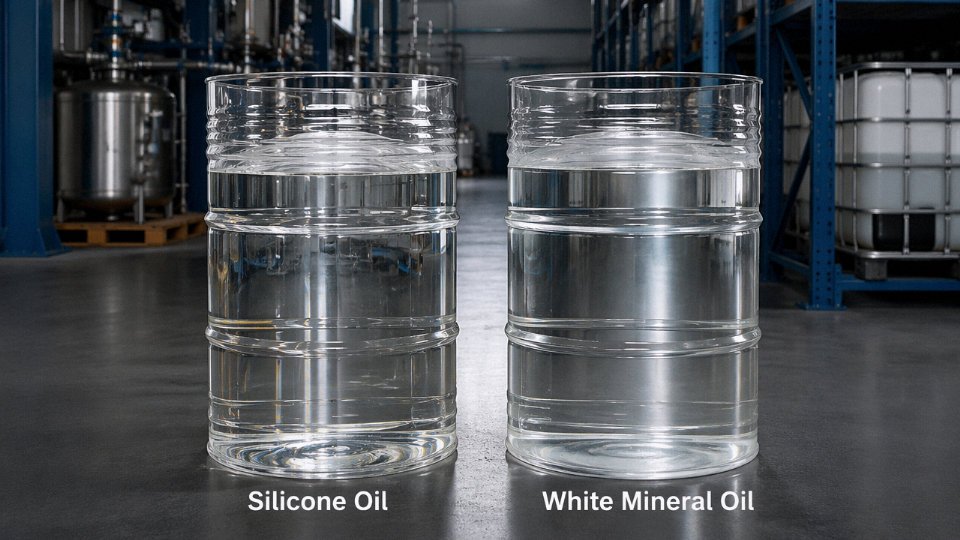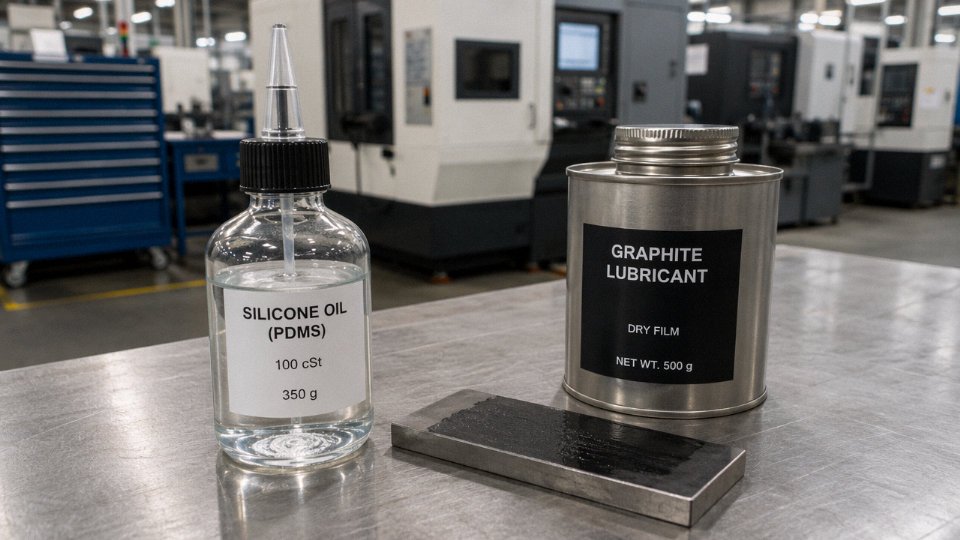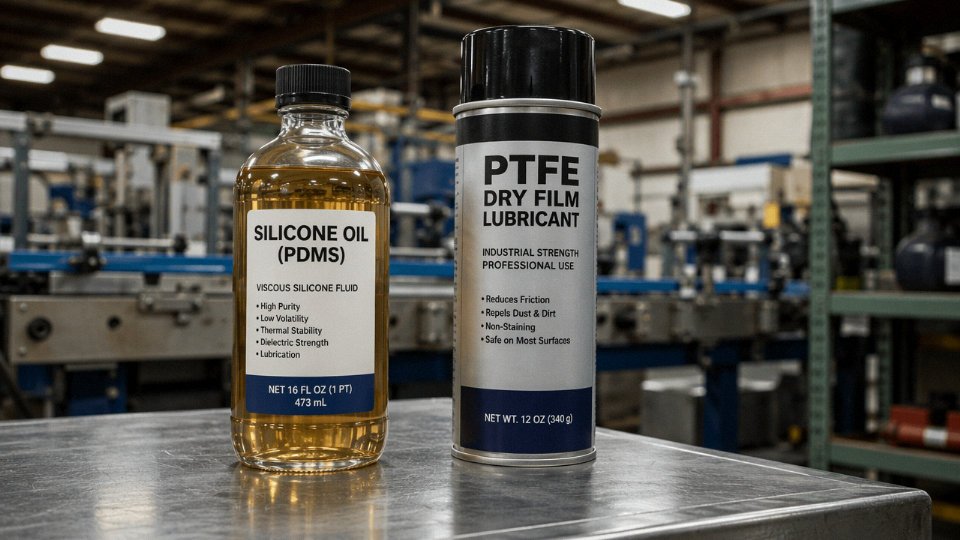
In many industrial, automotive, and consumer applications, choosing the wrong lubrication medium can lead to catastrophic equipment failure, accelerated wear, contamination risks, or even safety hazards. Engineers, procurement managers, and maintenance professionals often face confusion when deciding between silicone oil and conventional lubricants. While both are used to reduce friction and enhance performance, their chemical nature, performance boundaries, and application suitability differ dramatically. Selecting the wrong type can result in reduced efficiency, increased maintenance costs, and shortened equipment lifespan. This article eliminates that confusion and provides a definitive technical guide to help you choose correctly.
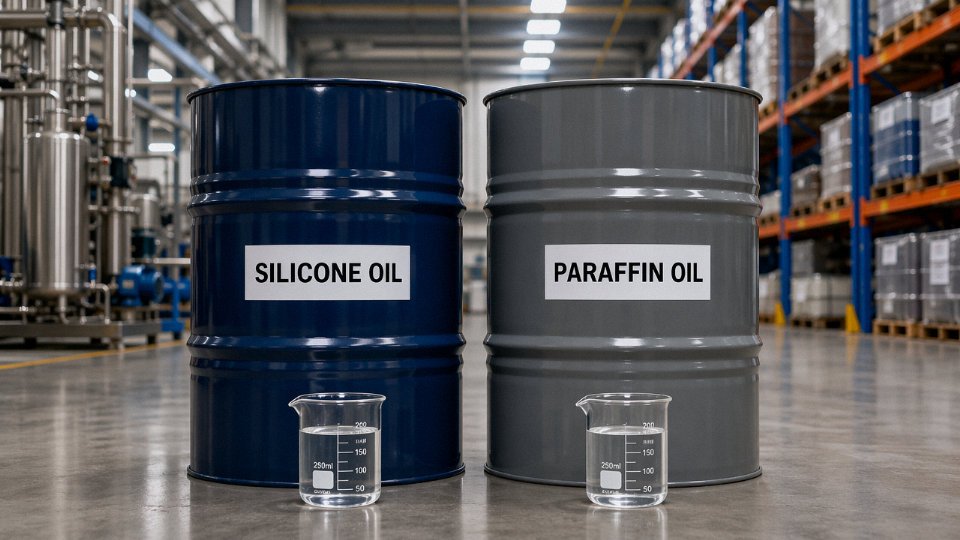
Silicone oil is a chemically inert, thermally stable, and highly versatile synthetic fluid primarily based on polydimethylsiloxane (PDMS), offering excellent performance in extreme temperatures and sensitive environments, whereas traditional lubricants (including mineral oils and synthetic hydrocarbons) are designed primarily for mechanical lubrication under load, providing superior load-bearing and anti-wear properties but with limitations in thermal stability and chemical resistance. The correct choice depends on operating conditions, load requirements, temperature range, and environmental compatibility.
Understanding the distinction between silicone oil and conventional lubricants is not just a theoretical exercise—it directly impacts operational efficiency, product performance, and long-term cost optimization. The deeper you understand their differences, the more strategically you can deploy them in real-world applications.
Silicone oil can replace all traditional lubricants in mechanical systems.False
Silicone oil lacks sufficient load-bearing and extreme pressure performance required for many mechanical lubrication systems.
Fundamental Chemical Differences: Silicone Oil vs Conventional Lubricants
At the molecular level, silicone oil and traditional lubricants differ entirely in backbone structure, which directly determines their performance envelope.
Silicone oil is based on a silicon-oxygen (Si–O–Si) backbone, typically represented by polydimethylsiloxane (PDMS). This inorganic backbone provides exceptional flexibility, thermal stability, and resistance to oxidation. In contrast, most conventional lubricants—whether mineral oils or synthetic hydrocarbons—are based on carbon-carbon (C–C) chains, which are more susceptible to thermal degradation and oxidation.
Comparative Chemical Structure Table
| Property | Silicone Oil (PDMS) | Mineral Oil | Synthetic Lubricants (PAO, Ester) |
|---|---|---|---|
| Backbone Structure | Si–O–Si | C–C | C–C (modified) |
| Thermal Stability | Excellent (>200°C) | Moderate (~120°C) | Good (~150–180°C) |
| Oxidation Resistance | Outstanding | Moderate | Good |
| Polarity | Low | Low | Variable |
| Chemical Inertness | Very High | Medium | Medium |
| Compatibility with Plastics | Excellent | Variable | Variable |
The Si–O bond in silicone oil has a bond energy of approximately 452 kJ/mol, significantly higher than the C–C bond (~348 kJ/mol), which explains its superior thermal stability.
Functional Performance Comparison: Where Each Excels
Understanding performance differences is critical for selecting the correct material.
Key Performance Comparison Table
| Performance Parameter | Silicone Oil | Conventional Lubricant |
|---|---|---|
| Lubricity (Load Bearing) | Low–Moderate | High |
| Temperature Range | -50°C to 250°C | -20°C to 150°C |
| Volatility | Very Low | Moderate |
| Dielectric Properties | उत्कृष्ट (Excellent) | Poor |
| Water Resistance | Excellent | Moderate |
| Shear Stability | Excellent | Moderate |
| Boundary Lubrication | Limited | Strong |
| Toxicity | Low (varies by grade) | Variable |
Silicone oil excels in environments where stability, cleanliness, and inertness are critical. However, it lacks the extreme pressure (EP) additives and anti-wear chemistry found in traditional lubricants, making it unsuitable for heavy mechanical loads.
Tribological Behavior: Friction, Wear, and Surface Interaction
From a tribology perspective, silicone oil behaves differently due to its low surface energy and molecular flexibility. It forms a thin lubricating film but lacks strong adsorption to metal surfaces, which reduces its load-bearing capability.
In contrast, conventional lubricants often contain additives such as:
- Zinc dialkyldithiophosphate (ZDDP) for anti-wear
- Sulfur-phosphorus compounds for extreme pressure
- Friction modifiers for improved efficiency
Tribological Mechanism Comparison
| Mechanism | Silicone Oil | Conventional Lubricant |
|---|---|---|
| Film Formation | Physical adsorption | Chemical + physical |
| Boundary Lubrication | Weak | Strong |
| Extreme Pressure Protection | None | Strong |
| Wear Resistance | Moderate | High |
This explains why silicone oil is rarely used in engines or gearboxes but is widely used in damping systems and precision devices.
Temperature Stability and Oxidation Resistance
Silicone oil is unmatched in extreme temperature environments.
- Maintains viscosity across wide temperature ranges
- Resistant to thermal breakdown
- Minimal sludge formation
Temperature Performance Chart
| Temperature Range | Silicone Oil Behavior | Conventional Lubricant Behavior |
|---|---|---|
| -50°C | Remains fluid | Thickens significantly |
| 25°C | Stable viscosity | Stable |
| 150°C | Minimal degradation | Begins oxidation |
| 250°C | Still functional | Severe degradation |
This makes silicone oil ideal for:
- Aerospace applications
- Electronics cooling
- High-temperature sealing
Electrical and Dielectric Properties
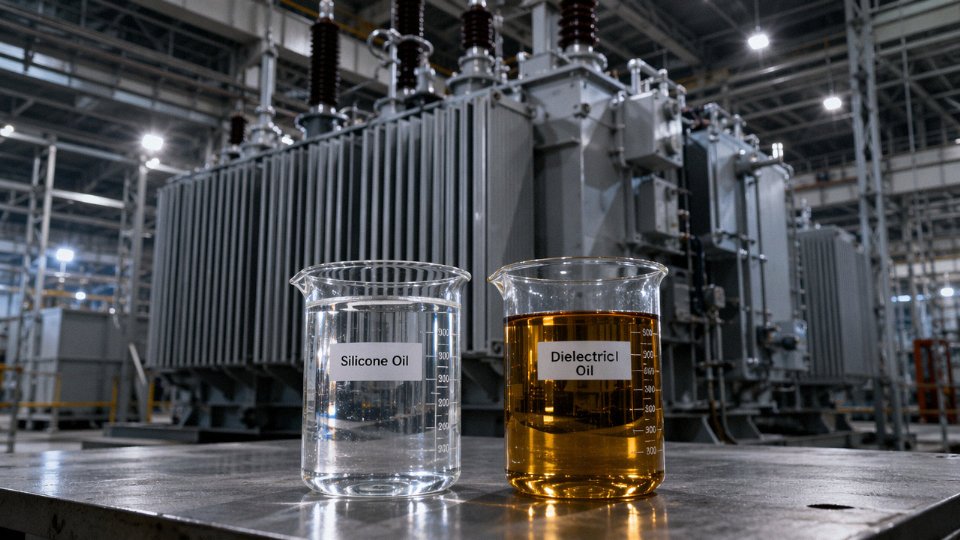
Silicone oil is widely used as an insulating fluid due to its excellent dielectric strength.
Electrical Property Comparison
| Property | Silicone Oil | Mineral Oil |
|---|---|---|
| Dielectric Strength | High | Moderate |
| Electrical Conductivity | Very Low | Low |
| Thermal Conductivity | Moderate | Moderate |
| Moisture Resistance | Excellent | Poor |
Applications include:
- Transformers
- Capacitors
- Electronic encapsulation
Compatibility with Materials and Environment
Silicone oil is highly compatible with plastics, rubber, and sensitive materials.
Compatibility Table
| Material | Silicone Oil Compatibility | Conventional Lubricant |
|---|---|---|
| Plastics | Excellent | May cause swelling |
| Rubber | Good | Variable |
| Metals | Good | Excellent |
| Paint/Coatings | Safe | May degrade |
This is why silicone oil is commonly used in:
- Cosmetics
- Food-grade machinery
- Medical devices
Application Scenarios: When to Use Each
Silicone Oil Typical Applications
- Damping fluids (shock absorbers, RC cars)
- Heat transfer fluids
- Release agents
- Electrical insulation
- Personal care products
Conventional Lubricants Applications
- Engines
- Gearboxes
- Bearings
- Hydraulic systems
- Heavy machinery
Cost vs Performance Analysis
| Factor | Silicone Oil | Conventional Lubricant |
|---|---|---|
| Initial Cost | High | Low |
| Maintenance Cost | Low | Medium |
| Lifespan | Long | Moderate |
| Replacement Frequency | Low | High |
Although silicone oil is more expensive upfront, its longevity can reduce total lifecycle costs in specific applications.
How to Choose: Practical Selection Guide
When selecting between silicone oil and lubricants, consider:
- Load conditions (high vs low load)
- Temperature extremes
- Environmental exposure
- Material compatibility
- Regulatory requirements
Decision Matrix
| Requirement | Best Choice |
|---|---|
| High Load Machinery | Conventional Lubricant |
| Extreme Temperature | Silicone Oil |
| Electrical Insulation | Silicone Oil |
| Cost-sensitive Applications | Conventional Lubricant |
| Precision Damping | Silicone Oil |
Advanced Engineering Considerations
For expert users, additional parameters include:
- Viscosity index (VI)
- Pour point
- Flash point
- Additive compatibility
- Shear stability
Silicone oil typically has a very high viscosity index (>300), meaning minimal viscosity change with temperature.
Summary: Strategic Selection for Maximum Performance
Silicone oil and conventional lubricants are not interchangeable—they are engineered for fundamentally different purposes. Silicone oil dominates in extreme environments, sensitive systems, and specialized applications, while conventional lubricants remain indispensable for heavy-duty mechanical systems requiring strong load-bearing performance.
Understanding these distinctions allows engineers and buyers to optimize performance, reduce failures, and improve long-term operational efficiency.
Ready to Choose the Right Solution? Let’s Talk
At Silicon Chemicals, we don’t just supply silicone oil—we provide application-driven solutions tailored to your exact operational needs. Whether you require high-viscosity damping fluids, ultra-pure electronic-grade silicone oils, or customized formulations for specialized industries, our technical team is ready to support you.
Contact Silicon Chemicals today to get expert recommendations, samples, and competitive pricing tailored to your industry.