Blogs
What are the advantages of silicone oil?
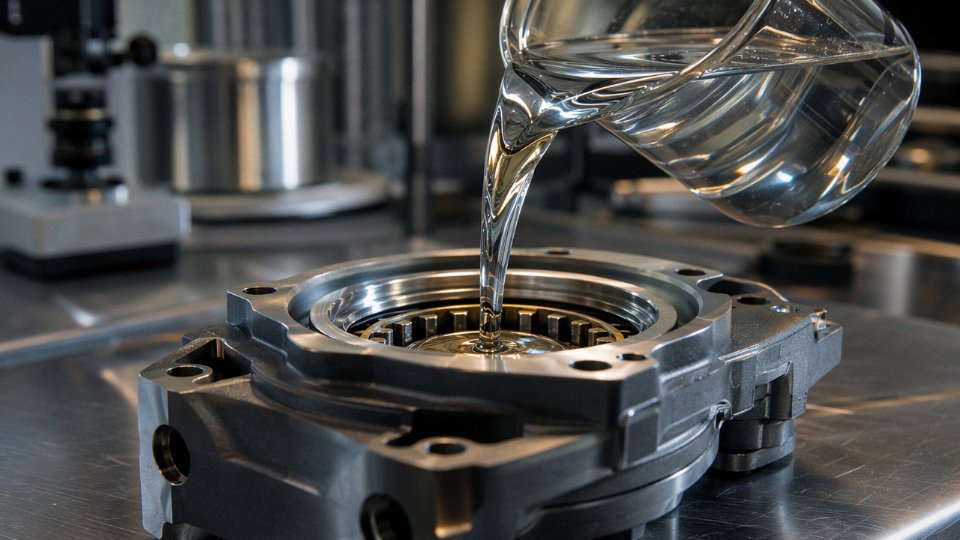
Discover the key advantages of silicone oil — broad thermal stability, wide viscosity range, chemical inertness, and dielectric strength for demanding applications.

Discover the key advantages of silicone oil — broad thermal stability, wide viscosity range, chemical inertness, and dielectric strength for demanding applications.

Discover which 8 industries drive silicone oil demand, from cosmetics to automotive, and why grade differences create real sourcing risks for procurement teams.
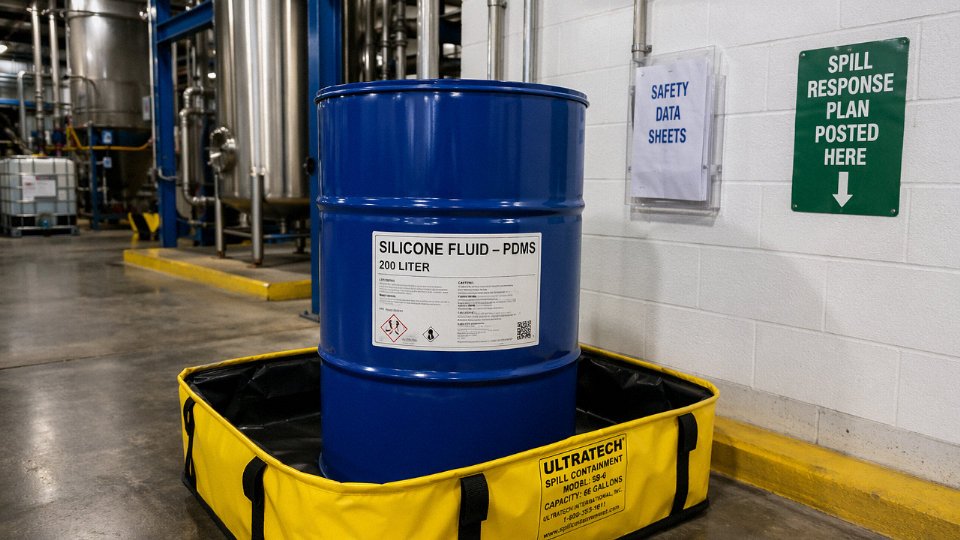
Discover the real environmental profile of silicone oil (PDMS): biodegradation rates, aquatic toxicity, bioaccumulation risks, and what regulators actually require.

Learn how to choose silicone oil for cosmetics by matching viscosity, regulatory status, and compatibility to your formulation needs. Avoid costly reformulation mistakes.
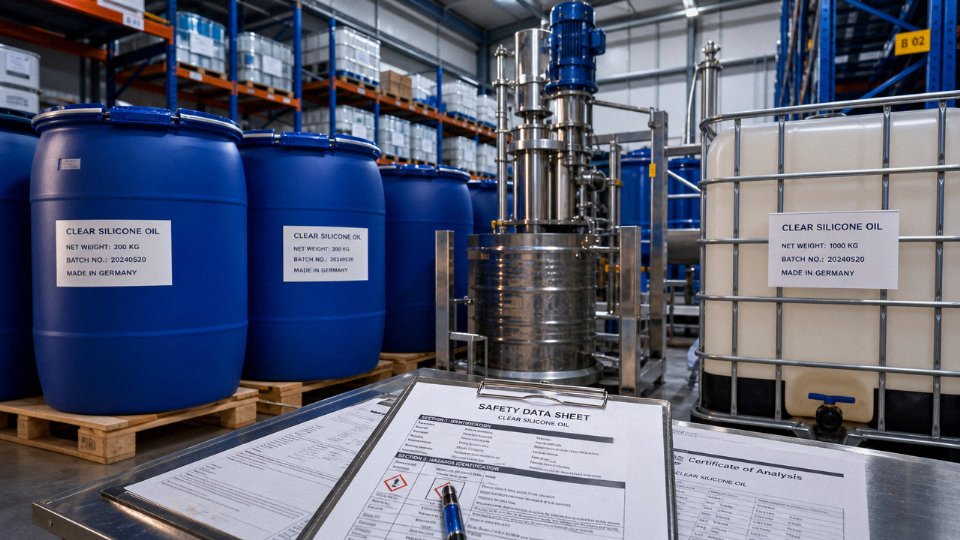
Learn if silicone oil is REACH compliant. Understand SVHC risks from D4 and D5 cyclic siloxanes and Article 33 disclosure obligations for EU product lines.

Learn how spent silicone oil can be re-refined or thermally cracked to recover 70-85% of usable fluid at 30-50% of virgin replacement cost.
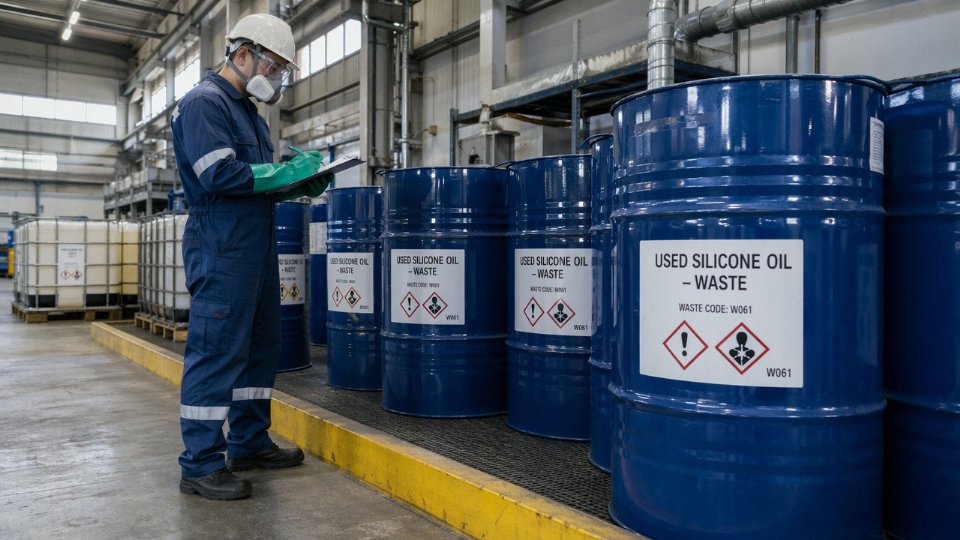
Learn how to dispose of silicone oil safely and legally — from licensed incineration to re-refining — while staying compliant with EPA and EU regulations.
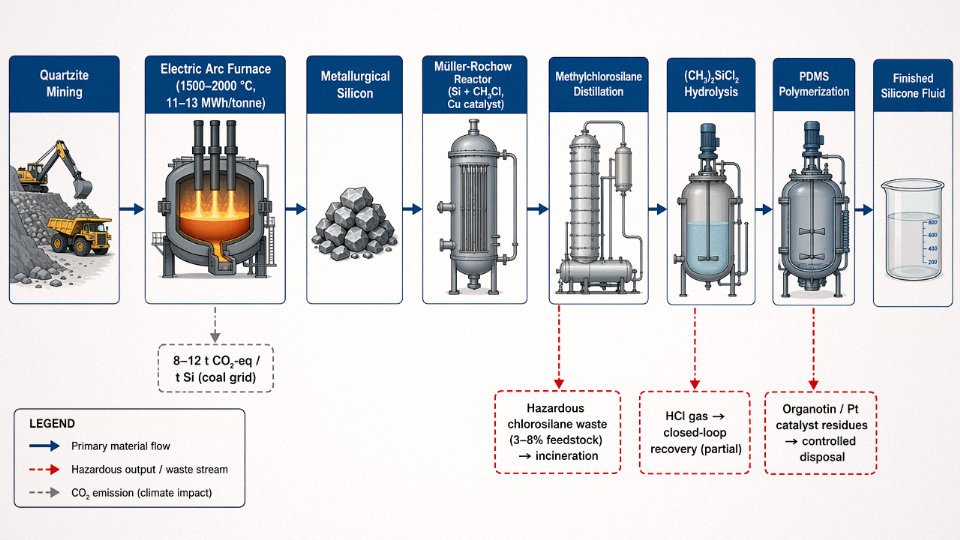
Silicone oil degrades slowly and accumulates in sediment. Learn the real environmental risks of PDMS, compliance implications, and what facilities need to know.
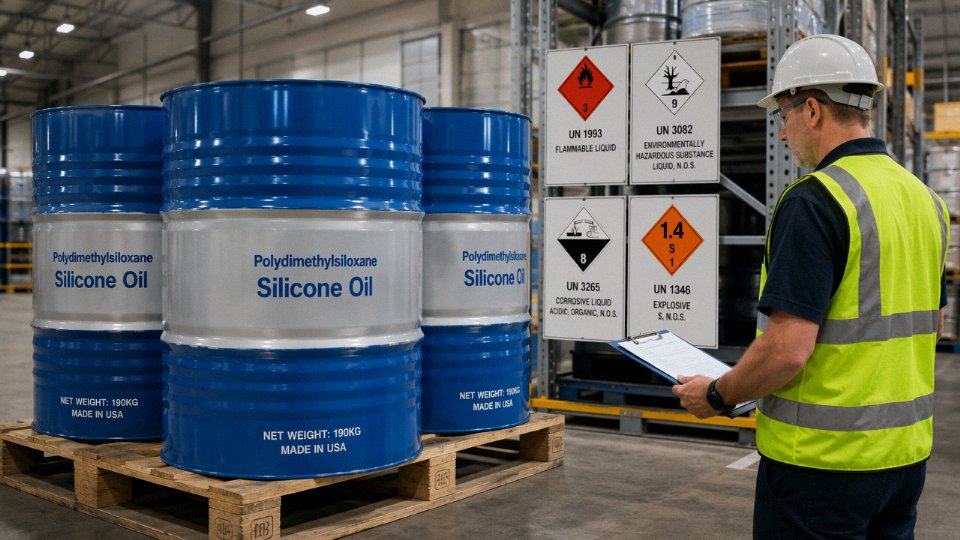
Bulk silicone oil (PDMS) has no UN number under ADR, IMDG, or IATA rules. Learn the exceptions, viscosity limits, and aerosol classification to ship compliantly.
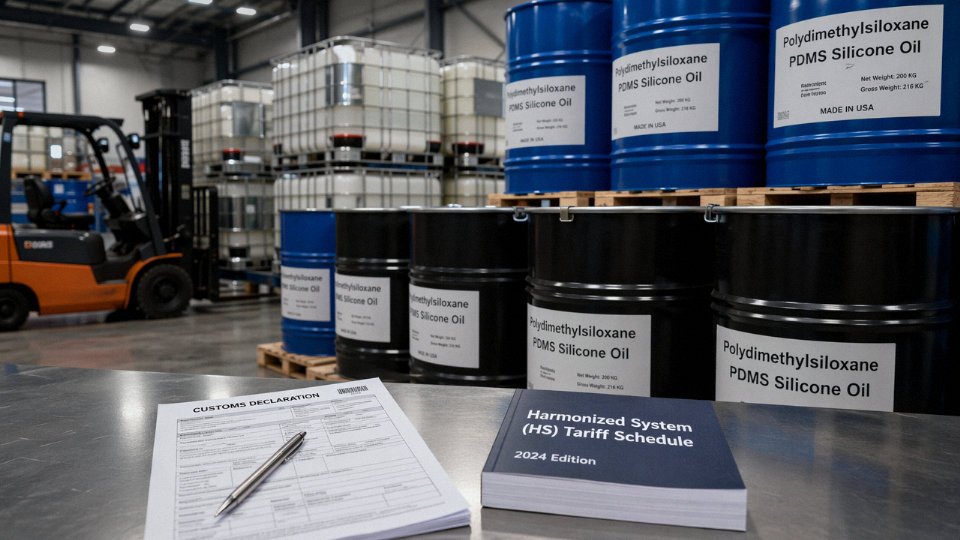
The correct HS code for silicone oil is 3910.00. Learn how to classify PDMS, avoid duty risks, and document your shipment to survive customs audits.