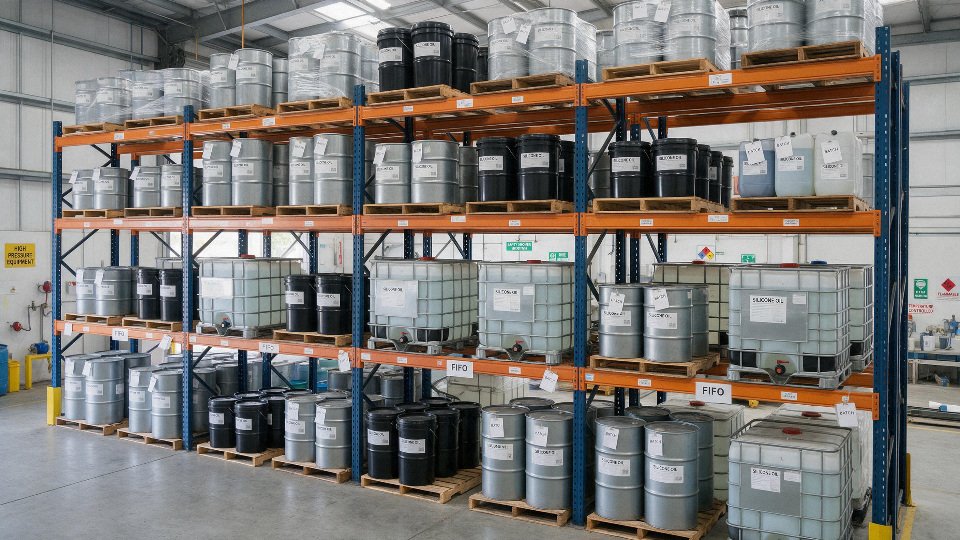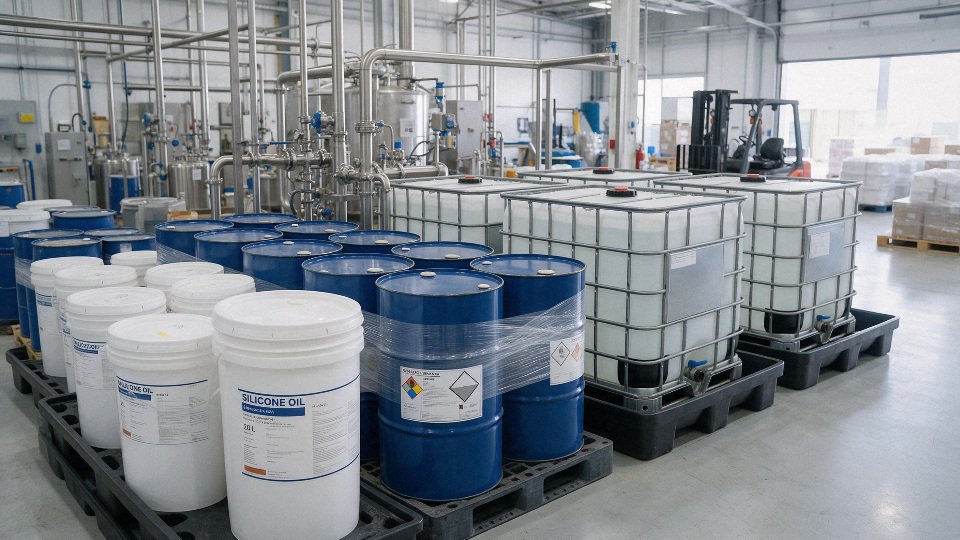
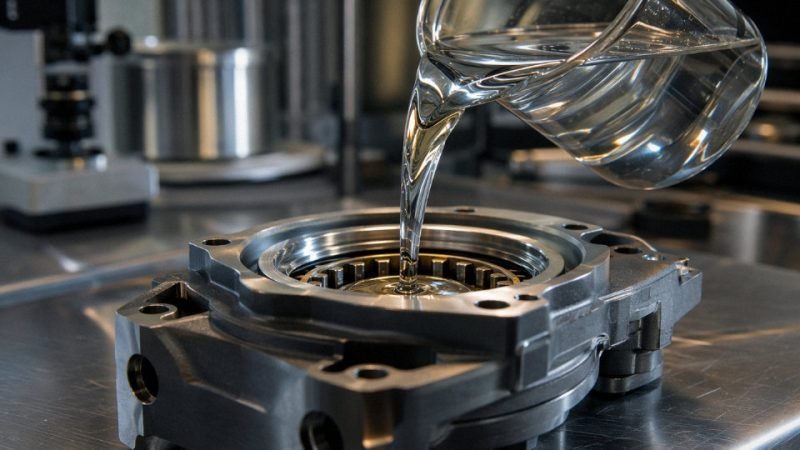
Lubricants and fluids that work fine at room temperature have a nasty habit of failing exactly when conditions get extreme — a transformer running hot in summer, a medical pump cycling through a sterilization autoclave, a damper fluid that turns to syrup at -40°C. When that happens, you’re not just looking at degraded performance; you’re looking at unplanned downtime, warranty claims, and the kind of root-cause investigation that eats two weeks of an engineer’s time. The fluid choice, which seemed like a minor procurement line item, suddenly has a very visible cost.
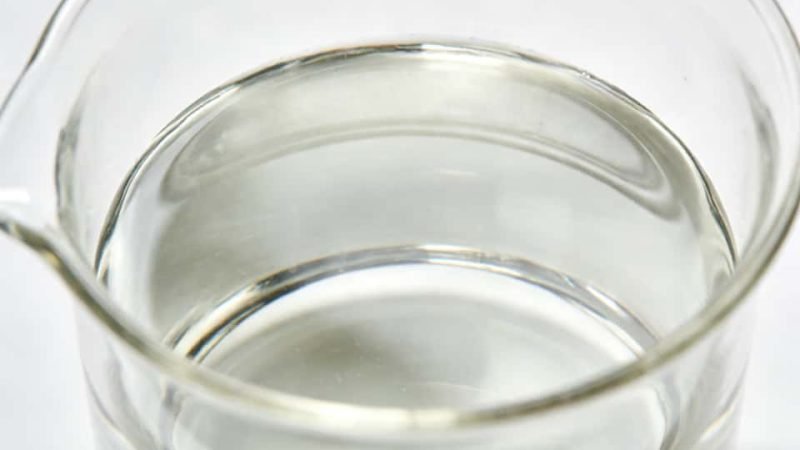
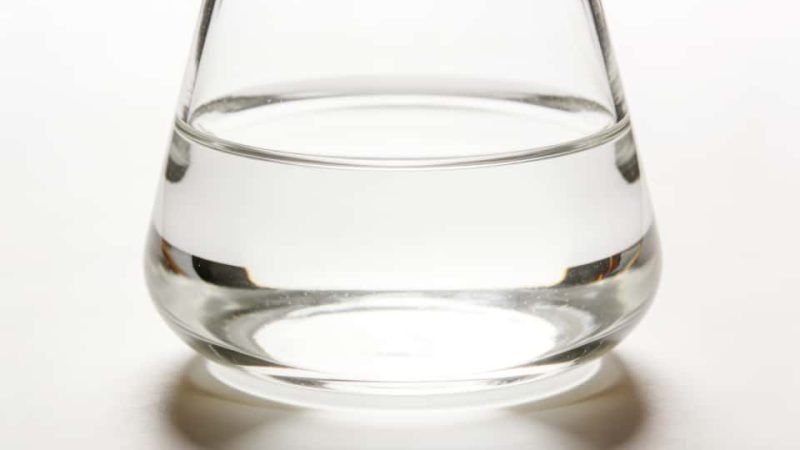
Silicone oil‘s core advantages are broad thermal stability (roughly -60°C to +300°C continuous service), an exceptionally wide viscosity range (0.65 cSt up to well over 2,500,000 cSt at 25°C), low surface tension, chemical inertness, and dielectric strength — properties that hold up across conditions where hydrocarbon oils degrade, oxidize, or simply freeze solid. These characteristics make silicone oil the fluid of choice across medical devices, power electronics, food-contact lubrication, and aerospace damping.
What’s easy to miss is that these properties don’t exist in isolation. The real engineering value comes from how they stack together — a fluid that’s simultaneously stable at high heat, non-reactive with elastomers (mostly — there are exceptions worth knowing), and available in a viscosity that suits everything from a delicate gyroscope bearing to a heavy industrial gearbox damper. The global market for silicone oils is sitting somewhere in the USD 2.1–2.4 billion range as of 2024, and the growth is coming from exactly the sectors pushing hardest against the limits of conventional fluids.
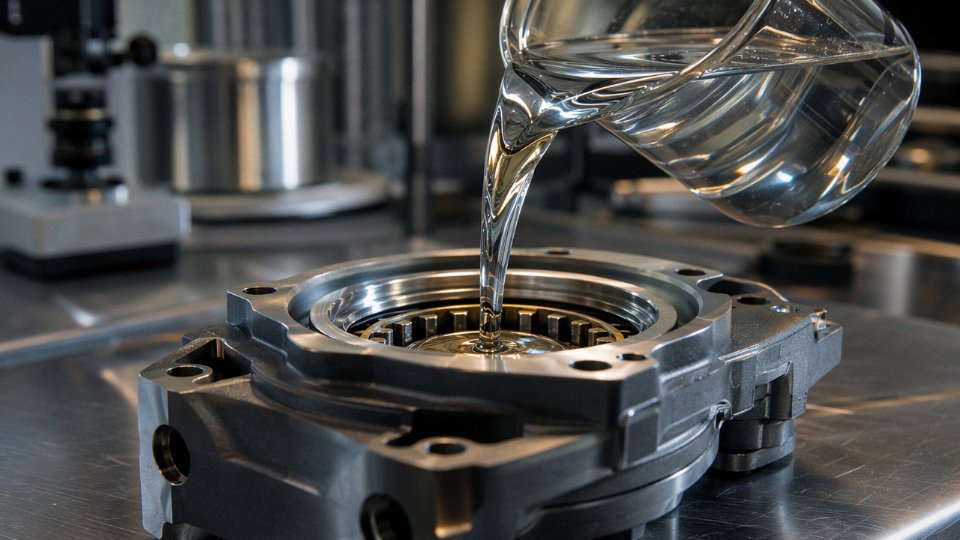
Exceptional Thermal Stability: How Silicone Oil Handles Extreme Heat and Cold Simultaneously
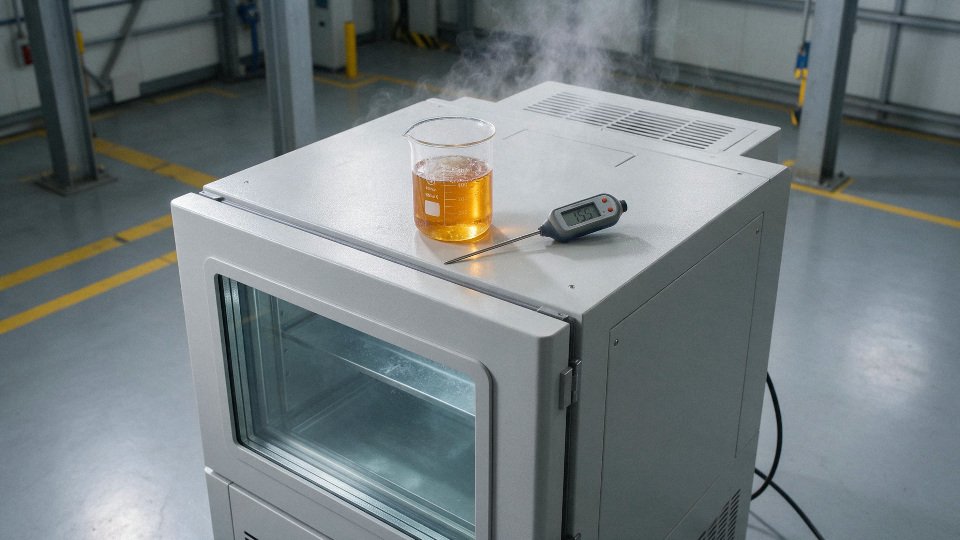
The single most common reason an engineer reaches for silicone oil instead of a conventional lubricant is temperature — specifically, the need for a fluid that behaves predictably across a range that would destroy anything based on a carbon backbone. That range, roughly -60°C to +300°C in continuous service with short-term excursions to around 350°C for certain polydimethylsiloxane (PDMS) grades, is not marketing language. It reflects real bond chemistry.
Why the Si-O Backbone Doesn’t Break Down the Way C-C Does
The silicon-oxygen bond in PDMS has a dissociation energy of approximately 445 kJ/mol. Compare that to the carbon-carbon bond at roughly 347 kJ/mol. That ~100 kJ/mol difference sounds abstract until you’re running a conveyor chain through a continuous curing oven at 260°C and watching your PAO-based chain oil smoke off within a shift. The Si-O bond simply resists oxidative scission at temperatures where C-C bonds are already cracking. Thermal oxidation in mineral oil generates acids, varnish deposits, and — critically — polynuclear aromatic hydrocarbons (PAHs), several of which are classified carcinogens. Silicone oil, when it does eventually degrade at extreme temperatures, breaks down primarily to silica (SiO₂) and CO₂. Neither is desirable inside precision equipment, but the toxicological profile is incomparably better, and the degradation threshold is 80–120°C higher to begin with.
Silicone oil thermal degradation produces primarily silica and carbon dioxide rather than carcinogenic polynuclear aromatic hydrocarbonsTrue
PDMS thermal oxidation follows a pathway involving Si-O bond rearrangement and oxidation of methyl groups, yielding SiO2 and CO2/H2O as primary products. This is well-established in polymer chemistry literature and stands in contrast to mineral oil pyrolysis, which generates PAH compounds identified as carcinogens by IARC.
The Viscosity-Temperature Curve: Why a Flat Line Matters on the Floor
Viscosity index tells part of the story, but looking at actual viscosity values across the service range makes it more concrete. A 1,000 cSt PDMS oil at 25°C drops to roughly 280–320 cSt at 100°C — a ratio of about 3:1 to 3.5:1. A 200 cSt mineral oil over the same temperature swing can fall below 18–22 cSt at 100°C, a thinning ratio closer to 9:1 or worse depending on base stock quality. For a bearing or damping application where film thickness is calculated at operating temperature, that difference is the gap between adequate lubrication and metal-on-metal contact.
| Fluid Type | Continuous Service Range | Viscosity Index (typical) | Flash Point (typical) | Pour Point (typical) |
|---|---|---|---|---|
| PDMS Silicone Oil | -60°C to +300°C | 300–425 | >300°C | -65°C to -40°C |
| Mineral Oil (Group I/II) | -20°C to +120°C | 90–110 | 180–220°C | -15°C to -30°C |
| PAO (Synthetic) | -50°C to +175°C | 130–160 | 220–260°C | -50°C to -60°C |
| Phosphate Ester | -20°C to +150°C | 80–100 | 230–260°C | -20°C to -35°C |
Ranges depend on viscosity grade, additive package, and specific formulation. PAO upper limit can reach ~200°C with the right inhibitors but oxidation still accelerates sharply above 175°C.
Cold Performance: More Than a Footnote
Low-temperature capability tends to get less attention in temperate climates, which is a mistake if your equipment ships to northern Canada, Siberia, or operates in an unheated facility through winter. Low-viscosity silicone grades achieve pour points as low as -65°C. Aviation hydraulic systems, Arctic survey instrumentation, and cryogenic valve actuators depend on a fluid that flows reliably at cold start rather than arriving at the actuator as a near-solid slug. PAO is competitive here — it also has good low-temperature performance — but it gives up 125°C or more on the high end compared to silicone oil.
Where This Actually Shows Up in Production
Industrial convection ovens running continuous cycles at 220–250°C are a common test case. Conventional lubricants on oven conveyor bearings typically need replacement every two to six weeks in that environment; silicone oil-lubricated bearings in the same application routinely run six to twelve months between relubrication, though actual interval depends heavily on bearing type, seal condition, and whether the oven has good airflow management. Autoclaves used in composite manufacturing or sterilization see repeated thermal cycling from ambient to 180°C or higher — that cycling fatigue degrades conventional oils through repeated oxidation events even if peak temperature alone wouldn’t kill them quickly. Solar thermal collector systems present a related problem: a fluid sitting in a collector under direct sun on a clear day can see stagnation temperatures above 200°C, then cool to near-ambient overnight. A mineral oil or standard heat-transfer fluid may manage a season or two before viscosity and acidity numbers go out of spec. Silicone-based heat transfer fluids in the same loop show substantially slower degradation curves, which matters when draining and recharging a large collector array is a half-day maintenance job.
The practical upshot is straightforward: if your application runs above 180°C continuously, sees wide thermal swings, or operates in severe cold, the chemistry of silicone oil is working in your favor in ways that no amount of additive package can replicate in a mineral base.
Chemical Inertness and Oxidation Resistance: Protecting Equipment in Corrosive and Reactive Processes
The chemistry here matters more than most procurement specs let on. Silicone oil — polydimethylsiloxane (PDMS) at its most common — is built around a silicon-oxygen backbone with methyl or phenyl groups hanging off each silicon atom. Those side groups are non-polar and sterically bulky. Acids looking for a proton-accepting site, bases hunting for an ester linkage to saponify, oxidizers chasing electron-rich double bonds — they largely find nothing useful to attack. Hydrocarbon lubricants, by contrast, are essentially long chains of C-H bonds waiting to be oxidized, hydrolyzed, or acidified. The structural difference is not subtle.
Why the Si-O Backbone Changes the Corrosion Equation
The Si-O bond energy runs around 452 kJ/mol, meaningfully higher than the C-C bonds that make up mineral oil’s spine. That matters in practice when the lubricant is sitting next to chlorine gas, ozone, or a peroxide atmosphere day after day. The methyl groups shield the backbone from electrophilic attack without contributing reactive sites of their own. Phenyl-substituted grades add UV and radiation resistance on top of that — relevant in corona discharge equipment, where ozone generation is continuous and most hydrocarbon films degrade visibly within weeks.
In water treatment plants running chlorination stages, the bearing housings and pump internals near the dosing points see both chlorine gas and hypochlorite mist. Mineral oils and even some PAOs form chlorinated degradation products, turn acidic, and start attacking bearing surfaces within a few months. Silicone oil in the same environment stays essentially inert — no chlorinated breakdown products, no acid buildup, no sludge.
PDMS silicone oils show negligible acid number increase after 1,000 hours at 150°C in ASTM D943 oxidation testing, while mineral oils typically fail (TAN exceeding test limits) within 200–400 hours under the same conditions.True
PDMS's non-polar, saturated Si-O-Si backbone has no olefinic or benzylic sites for classical autoxidation; independent oxidation stability data from fluid manufacturers and peer-reviewed tribology literature consistently show this performance gap, though exact TAN values depend on starting viscosity grade and any additive packages present.
The oxidation resistance translates directly to oil change intervals — or the elimination of scheduled changes entirely in some sealed systems. That’s real money, especially in inaccessible locations like substation transformer cooling loops or semiconductor fab diffusion furnace mechanisms where a maintenance intervention costs far more than the fluid itself.
Compatibility Across Multi-Material Assemblies
Precision instruments routinely combine aluminum housings, stainless shafts, brass fittings, polycarbonate windows, and PTFE seals in the same assembly. Silicone oil is effectively neutral toward all of them under normal operating conditions. It doesn’t corrode non-ferrous metals, doesn’t plasticize most engineering thermoplastics, and doesn’t extract plasticizers from seals the way some ester-based fluids can. For a product designer, that compatibility breadth genuinely simplifies seal selection and material qualification testing.
Peroxide atmospheres in polymer manufacturing (polyethylene, polypropylene lines where organic peroxides initiate cross-linking) present a similar picture. The process environment is aggressively oxidizing. Hydrocarbon lubricants in the vicinity of peroxide injection points oxidize rapidly and generate carbonaceous deposits that then migrate into the product stream — a contamination problem with real quality consequences. Silicone oil holds up without generating those deposits.
The Limits You Need to Respect
This is where honest engineering matters. Silicone oil swells natural rubber significantly — roughly 30–80% volume swell depending on grade and exposure time — and causes measurable swelling in EPDM as well. If your system uses NBR or EPDM O-rings, switching to silicone oil without re-qualifying the seals is asking for a leak. Use fluorosilicone or PTFE seals instead, which is usually straightforward but needs to be deliberate.
Concentrated strong acids above roughly 80°C will attack PDMS over time. Dilute acid exposure at ambient temperature is generally fine; fuming sulfuric acid at elevated temperature is not. That boundary covers most industrial scenarios safely, but chemical processors working near those conditions should run compatibility coupon tests rather than assume.

What This Looks Like on the Plant Floor
A realistic scenario: agitator bearings in a reactor handling chlorinated hydrocarbon solvents. On mineral gear oil, bearing life in that environment typically runs 4–8 months before the lubricant turns acidic, bearing surfaces show corrosive pitting, and an unplanned shutdown is needed. After switching to a mid-viscosity PDMS fluid (typically 500–1,000 cSt depending on speed and load), the same bearing positions routinely run 3–5 years between planned inspections, with oil analysis showing stable viscosity and TAN essentially unchanged from new. The fluid cost is higher — silicone oil runs roughly 4–10× the per-liter price of mineral gear oil, depending on viscosity and volume — but against a four-year bearing life extension and the avoided downtime cost, the economics aren’t close.
Superior Electrical Insulation Properties: The Role of Silicone Oil in High-Voltage and Electronics Applications
Dielectric performance is where silicone oil earns serious attention from electrical engineers, and it’s worth being precise about what the numbers actually mean in practice rather than just listing specs.
Dielectric Properties That Matter on the Shop Floor
Silicone oil’s dielectric strength typically falls in the 15–20 kV/mm range, depending on grade, purity, and whether the fluid has been degassed — contamination and dissolved gas can pull that figure down noticeably, so incoming fluid testing before filling a transformer is not optional, it’s standard practice. The dielectric constant sits between roughly 2.2 and 2.8, and the dissipation factor (tan δ) comes in below 0.0001 at 50 Hz for a clean, properly stored fluid. Those numbers are competitive with conventional mineral transformer oil on paper. The difference is what happens to them as conditions change.
Mineral oil’s dielectric properties degrade meaningfully above 80–90°C and deteriorate faster as oxidation byproducts accumulate over years of service. Silicone oil holds its insulation characteristics across a much wider window — consistent from around -50°C up through 200°C continuous service without the same oxidative breakdown pathway. For a transformer running hot due to overloading or an unusually warm equipment room, that stability is not a minor benefit.
The Moisture Problem That Silicone Oil Doesn’t Have
Vegetable esters and polyol ester transformer fluids are hygroscopic. They absorb moisture from the atmosphere during maintenance windows, breather failures, or even slow gasket weeping, and water in an insulating fluid degrades dielectric strength fast — a water content increase from 20 ppm to 100 ppm in an ester fluid can drop dielectric breakdown voltage by 30–40%, depending on the base fluid and test standard. Silicone oil is hydrophobic by nature. It doesn’t absorb atmospheric moisture the same way, which makes it more forgiving in installations where perfect sealing is difficult to maintain — older urban substations being the obvious example, where the transformer might be opened for tap changes or inspection more often than ideal.
Silicone oil does not absorb moisture from the atmosphere, unlike polyol ester transformer fluids.True
Silicone oils (PDMS-based) are inherently hydrophobic due to the Si-O backbone and methyl groups, giving them negligible hygroscopicity compared to ester-based insulating fluids, which can absorb several hundred ppm of water under humid conditions.
Applications Across Power and Electronics
In power transformers — particularly indoor distribution transformers in hospitals, high-rise buildings, and underground substations — silicone oil’s flash point above 300°C is the specification that changes the conversation with the building owner and the insurer. Many jurisdictions classify it as non-flammable or K-class fluid under IEC 61039, which directly affects whether a fire suppression system is required. In dense urban installations, eliminating that suppression system can offset a meaningful portion of the fluid cost premium over mineral oil.
High-voltage capacitors use silicone oil as an impregnant and heat-transfer medium, particularly where operating temperatures cycle widely. Cable insulation filling, especially in submarine or underground high-voltage cable joints, benefits from the fluid’s stability and low pour point. In EV battery packs and grid-scale energy storage systems, bus bar cooling with silicone oil is gaining traction — the electrical isolation means the fluid can contact live busbars directly without shorting, simplifying the thermal management architecture considerably compared to water-glycol systems that demand strict separation.
Phenyl-Modified Grades for Radiation Environments
Pure polydimethylsiloxane degrades under ionizing radiation — chain scission and crosslinking both occur, and the fluid’s viscosity and dielectric properties shift unpredictably. Phenyl-modified silicone oils (diphenylsiloxane copolymers) absorb radiation energy through the phenyl ring’s aromatic structure rather than allowing it to attack the Si-O backbone, providing meaningful resistance for nuclear plant instrumentation and satellite electronics where radiation dose is a real design parameter, not a theoretical one. These grades cost more and are specified carefully — not every application warrants them — but for reactor environment sensors or space-rated capacitors, there’s usually no practical alternative.
Regulatory Classification and What It Actually Changes
IEC 61039 classifies silicone fluids as Class K insulating liquids. That classification affects transformer type-test requirements, fire safety documentation submitted for building permits, and how insurance underwriters assess the installation. Procurement teams sometimes underestimate how much the regulatory pathway matters — a transformer filled with K-class fluid in an indoor substation may require substantially less documentation for fire risk assessment than a mineral oil unit, which translates to faster project approval in practice. Worth confirming with the AHJ and insurer early, not after the transformer has been ordered.
Low Surface Tension and Spreading Behavior: Enabling Precision Lubrication, Release, and Coating Functions
Surface tension is not a property most procurement managers think about when specifying lubricants. They should. It determines whether a fluid spreads into a 2-micron gap in a textile guide pin, whether a mold releases cleanly after 400 cycles, and whether an antifoam additive actually reaches the foam lamella before the fermenter overflows. Silicone oil — specifically polydimethylsiloxane — sits at 19–21 mN/m surface tension at 25°C. Mineral oil runs 28–32 mN/m. Water is 72 mN/m. That gap is not incremental; it changes what’s physically possible.
Why Silicone Oil Spreads the Way It Does
The driving force is the methyl-terminated backbone of PDMS. Methyl groups have among the lowest critical surface energies of any commercially accessible chemistry — roughly 22–24 mJ/m² — which means the fluid will wet and spread spontaneously over almost any industrial substrate: steel, aluminum, most elastomers, glass, and the majority of engineering plastics. Spreading coefficient is positive on practically everything. Mineral oils, with higher surface energy and more polar character, lag behind, and they fail entirely on low-energy surfaces like PTFE or silicone rubber — which is precisely where silicone oil performs best.
In practice, this matters more than lab data suggests. A thin PDMS film redistributes itself under shear rather than pooling. You apply less, cover more, and maintain film continuity at the edges of a contact zone where other fluids retreat.
Mold Release: Why the Numbers Are Convincing
A silicone oil release film applied at 0.1–1.0 g/m² — the range depends on mold geometry complexity and surface roughness, not just the resin being molded — can survive several hundred injection or compression cycles at temperatures up to 250°C without carbonizing or polymerizing into a sticky residue. Hydrocarbon-based release agents at those temperatures start oxidizing by cycle 30–50, building up a brown deposit that transfers to part surfaces and eventually causes rejection rates to climb. The silicone film doesn’t react. It just sits there.
One operational warning: use the lowest effective loading. Over-application of silicone release agents on molds intended for subsequent painting or bonding operations is a well-known source of adhesion failures downstream. It spreads too well. Getting silicone contamination off a mold surface before a secondary bonding step requires aggressive solvent cleaning, which adds cycle time.
Antifoam Mechanisms — Not Magic, Just Surface Chemistry
Silicone oil’s defoaming action is mechanistically straightforward. A PDMS droplet entering a foam lamella has lower surface energy than the surfactant film surrounding it. The droplet spreads across the lamella, displacing the surfactant molecules responsible for foam stability, thinning the film, and triggering coalescence. Dosing levels in fermenters and paper mill white water circuits typically run 5–50 ppm by weight — the spread of that range depending heavily on the surfactant chemistry present and the agitation intensity. Wastewater treatment plants often find that intermittent dosing at the lower end outperforms continuous dosing at higher rates, because the PDMS has time to spread fully between additions.
Silicone oil antifoam is effective at concentrations below 100 ppm in most aqueous foam-suppression applicationsTrue
Industrial dosing practice in fermentation and paper processing consistently falls in the 5–50 ppm range; PDMS effectiveness at these levels is well-documented in both food-grade and industrial antifoam literature.
Thin-Film Lubrication Where Volume Is the Enemy
Watch movement pivots, fiber-optic draw tower guides, medical device lead screws — these applications share a constraint that most lubrication engineers rarely face: too much oil is as bad as too little. PDMS’s spreading behavior means a partial application finds its own level across the contact zone. A 1–2 mg deposit on a textile yarn guide will redistribute into a continuous film across a contact width of several millimeters. In cable draw applications, the low surface tension helps the fluid wet the fiber surface uniformly, reducing uneven tension that causes microfractures in the glass.
Skin-Contact and Pharmaceutical Applications
Silicone oil’s low surface tension translates directly into a tactile property — the non-greasy, low-friction slip feel that cosmetic formulators have relied on for decades. Coefficient of friction on skin drops measurably compared to petrolatum or mineral oil emollients. More relevant to pharmaceutical engineers, the spreading behavior improves coverage uniformity in topical drug delivery vehicles, helping active ingredients distribute evenly over the application site rather than pooling. Regulatory status varies by grade and jurisdiction; cyclomethicone and low-viscosity linear PDMS grades are listed in several pharmacopeias, but confirming the specific grade against your formulation’s regulatory pathway is non-negotiable before scale-up.
The surface chemistry behavior of silicone oil is not a secondary feature. For mold release, antifoam, precision thin-film lubrication, and skin-contact applications, it is the primary reason to specify it — and the reason no hydrocarbon alternative will replicate the performance regardless of how it’s formulated.
Shear Stability and Long Service Life: Why Silicone Oil Lasts Where Other Fluids Fail Mechanically
Most engineers who’ve watched a VI-improved mineral oil slowly turn into something closer to water after six months in a gearbox already understand the problem intuitively. Polymer viscosity modifiers — the additives that give multigrade oils their wide operating range — are long-chain molecules that get mechanically chopped under sustained shear. Once broken, they don’t reform. The viscosity drop is permanent, and the lubricant that was specified at ISO VG 100 is now behaving like something closer to VG 68. That’s not a theoretical concern; it’s a common root cause in premature bearing wear investigations.
Silicone oil, specifically polydimethylsiloxane (PDMS), behaves differently at a molecular level. The Si–O backbone is genuinely flexible — far more so than a carbon backbone — and high-molecular-weight PDMS chains deform under shear stress and then recover their conformation when the stress is removed. This gives silicone oil its well-known pseudoplastic character: viscosity drops temporarily under high shear (which is actually useful in many damping applications), then returns essentially to baseline at rest. The chain isn’t being destroyed; it’s bending and rebounding.
Shear Stability Index: What the Numbers Actually Mean
The KRL tapered roller bearing test (CEC L-45) is the standard benchmark for permanent viscosity loss. A well-formulated silicone oil typically comes out of that test with a Shear Stability Index below 5%, sometimes as low as 2–3% depending on molecular weight distribution and grade. VI-improved mineral oils routinely show SSI values in the 25–50% range — and that’s for quality products from reputable formulators. Cheap re-refined base stocks with aggressive polymer packages can be worse.
What that gap means in practice: a silicone oil that enters service at 1,000 cSt will still be close to 1,000 cSt after extended operation. The mineral oil alternative has drifted well outside its specified viscosity grade before you’d normally think about changing it.
Silicone oil shear stability index typically stays below 5% after CEC L-45 testing, versus 25–50% for VI-improved mineral oils.True
This range is consistent with published CEC L-45 test data and lubricant formulation literature; PDMS chain flexibility allows elastic recovery after shear deformation, a fundamentally different mechanism from scissored polymer VI improvers which suffer permanent molecular weight reduction.
Cycle Life in Damper Applications
Rotary dampers are a useful stress test because the shear is continuous, repetitive, and precisely measurable. In automotive glove box hinges, office chair tilt mechanisms, and similar devices, silicone-filled dampers routinely maintain specified torque within roughly ±10% across more than a million cycles. Mineral oil alternatives — even those chosen specifically for this duty — typically drift beyond the torque specification somewhere around 80,000 to 120,000 cycles, depending on operating temperature and cycle rate. That’s the difference between a damper that lasts the life of the product and one that needs warranty replacement.
Evaporation Loss and the Fill-for-Life Advantage
Vapor pressure matters more than most procurement specs acknowledge. At 100°C, a mid-viscosity silicone oil has a vapor pressure that is orders of magnitude lower than a comparable mineral oil. In sealed or semi-sealed systems — small electric motor bearings, instrument dampers, precision lead screws — that difference translates directly into how long the lubricant stays in place. Mineral oil migrates, evaporates, and leaves behind oxidized residue that acts more like a contaminant than a lubricant.
This is why hard disk drive spindle motors, MEMS gyroscopes, and semiconductor lithography stages are designed around silicone oil as a permanent fill. No scheduled change-out. No maintenance interval. The lubricant simply outlives the design life of the assembly, which in lithography equipment running 24/7 production can stretch past a decade.
Cost-of-Ownership: Doing the Math Honestly
Silicone oil costs roughly 3–8× more per kilogram than mineral oil, depending on viscosity grade, purity specification, and order volume. That upfront gap is real and it will get flagged in procurement review. The honest counter-argument isn’t that silicone oil is cheap — it isn’t — but that the total cost calculation needs to include lubricant change-out labor, production downtime during servicing, contamination-related scrap, and warranty exposure from out-of-spec damping behavior.
In continuous industrial applications with documented service life 5–15× longer than mineral oil, the math usually closes. In fill-for-life applications, there’s no comparison at all — you’re not choosing between a cheap lubricant and an expensive one, you’re choosing between a lubricant that enables a maintenance-free design and one that doesn’t.
Biocompatibility and Regulatory Acceptance: Silicone Oil in Medical Devices, Food Processing, and Pharmaceuticals
Polydimethylsiloxane is, chemically speaking, almost aggressively boring — and that’s exactly why regulated industries depend on it. The Si–O backbone doesn’t react with proteins, doesn’t leach plasticizers, doesn’t trigger immune cascades. ISO 10993 series testing (cytotoxicity, sensitization, intracutaneous reactivity, systemic toxicity) has been run on PDMS grades more times than most materials scientists care to count, and the results are consistent: physiologically inert, non-irritating, non-sensitizing. Decades of clinical implant use have backed that up in the real world, not just in cell cultures.
Medical Device Applications: Where Viscosity Grade Selection Actually Matters
Retinal detachment surgery is the most clinically demanding use case. Vitreous tamponade — filling the posterior eye cavity to mechanically press a detached retina back against the choroid — requires silicone oil in the 1,000–5,000 cSt range, depending on the surgeon’s preference and the complexity of the detachment. Too thin and buoyancy is insufficient; too thick and injection through a small-gauge cannula becomes impractical. The oil stays in the eye for weeks to months, occasionally longer, in direct contact with intraocular tissue. Nothing hydrocarbon-based gets anywhere near that application.
Prefilled syringe systems are a quieter but enormous market. Silicone oil at roughly 350–1,000 cSt is applied to barrel bores and plunger tips — typically at 0.5–2 mg per syringe, depending on barrel diameter and drug formulation — to control break-loose and glide forces within the ranges specified by ISO 11040 and ISO 11608. Get this wrong and you either have a syringe that requires 30 N to actuate (a clinical problem for elderly patients and auto-injectors) or one that creeps during storage and delivers a dose with an air bubble. Implantable infusion pumps use silicone oil as a hydraulic fluid in the peristaltic mechanism; it has to stay stable inside a device running at body temperature for years without carbonizing or gelling.
Food Processing: The 10 ppm Rule and NSF H1 Registration
FDA 21 CFR 178.3570 permits dimethylpolysiloxane as an indirect food additive — specifically as a release agent and defoamer — with a maximum carry-over of 10 ppm in the finished food product. In practice, most well-run food plants come in well below that. The regulation covers cooking oil defoaming (frying operations are a heavy user), release coatings on baking pans, and processing equipment surfaces.
NSF H1 registration is the operational standard most procurement managers actually specify. Silicone oils with H1 status are used on beverage filling line conveyor chains, bakery proofer and oven conveyor systems, and meat processing equipment — anywhere incidental food contact is possible. The practical consequence of using a non-listed lubricant in these zones isn’t just regulatory: it’s a product recall and a shutdown. A single contamination incident can cost more than the total lubricant spend for several years. Mineral oil H1 lubricants also exist, but their flavor carry-over at elevated temperatures is a persistent complaint in certain food categories where silicone oil creates no sensory issue.
FDA 21 CFR 178.3570 permits dimethylpolysiloxane (silicone oil) as an indirect food additive at up to 10 ppm carry-over in finished food products.True
This is documented in the Code of Federal Regulations, Title 21, Section 178.3570, which lists dimethylpolysiloxane as a permitted defoaming agent and release agent with the stated carry-over limit.
Pharmaceutical Manufacturing and GMP Environments
In tablet compression, silicone oil is applied to punch faces and die walls as a processing aid — usually by very light wiping or in-press misting systems — to reduce sticking and picking without contaminating the tablet core above pharmacopoeia limits. Stopper lubrication in vial filling lines is another high-volume use: silicone oil treatment of rubber closures reduces insertion force, prevents tearing of the stopper during machine-speed insertion, and has well-established compatibility with most standard bromobutyl and chlorobutyl rubber formulations. The relevant grade has to satisfy USP Class VI and ISO 10993-5, and many sites additionally reference the European Pharmacopoeia monograph for silicone oil to confirm identity and purity. Cleanroom equipment — particularly the bearings and slide mechanisms in isolators and RABS — frequently uses silicone-based lubricants because they don’t off-gas volatile organic compounds at levels that would compromise product sterility assurance.
The Intraocular Emulsification Problem: An Honest Look
The safety picture isn’t entirely clean. Published ophthalmic literature — going back to the 1990s and continuing through more recent prospective studies — documents silicone oil emulsification after prolonged vitreous tamponade. Emulsified droplets can migrate into the anterior chamber, obstruct the trabecular meshwork, and precipitate secondary glaucoma. This is a real complication, not a theoretical one. The clinical response has been to refine removal timing protocols rather than abandon the technique, because the alternative (failed retinal reattachment) carries worse visual outcomes. Higher-viscosity grades (5,000 cSt) emulsify more slowly than lower-viscosity formulations, which is one reason the trend in vitreoretinal surgery has moved toward them for complex cases. This is the kind of nuance that separates a responsible specification from a brochure.
The regulatory framework across these industries is layered: USP Class VI for implant and drug-contact materials, ISO 10993 series for medical devices, EU Regulation 10/2011 for food contact materials in European markets, NSF H1 for food-zone lubricants, and individual Pharmacopoeia monographs for pharmaceutical-grade identity testing. Each application tier has its own compliance burden, and a silicone oil that satisfies one doesn’t automatically satisfy another — grade selection and documentation matter as much as the base chemistry.
Selecting the Right Silicone Oil Grade: Viscosity, Modification, and Formulation Variables Engineers Must Evaluate
Understanding the advantages of silicone oil is only half the job. The harder part — where most specification errors happen — is matching the right grade and chemistry to the actual operating conditions. Get it wrong and you’re either paying a premium for performance you don’t need, or watching a $40 fluid cause $4,000 in rework because it migrated onto a paint adhesion surface.
Viscosity Grade as the First Decision Gate
The 0.65 cSt to multi-million cSt range isn’t a curiosity — it reflects genuinely different product families with different handling, storage, and application logic.
At the low end, 0.65–10 cSt grades are essentially thin, mobile fluids used in antifoam formulations, surface spreading treatments, and polishing compounds. They flash off a concern at higher process temperatures and require vented storage. In practice these grades are often diluted further into emulsions before use, which changes the procurement spec entirely — you’re buying an active ingredient, not a ready-to-use lubricant.
The 20–200 cSt window covers most precision instrument lubrication, mold release, and thin-film coating work. A 50 cSt PDMS is the workhorse grade you’ll see in clinical syringe barrel lubrication, gyroscope gimbal pivots, and general-purpose release agents. Viscosity at operating temperature matters here more than the 25°C spec on the datasheet — always request the 100°C value and calculate your viscosity index before signing off.
500–12,500 cSt grades are where damping and heat transfer applications live. Rotary dampers in automotive trim assemblies, fluid couplings in light industrial equipment, thermal interface compounds for power electronics — these all draw from this viscosity band. The selection within this range often comes down to damping torque targets at minimum operating temperature, which for outdoor equipment can mean -40°C and colder.
Above 30,000 cSt, you’re largely in sealant, putty, and gap-fill territory. These grades behave more like soft solids under handling stress but remain flowable under sustained pressure, which is exactly what you want in cable entry seals and encapsulation compounds.
Modification Chemistries Beyond Straight PDMS
Pure polydimethylsiloxane covers a wide range, but four modification routes extend performance into corners that unmodified PDMS can’t reach. Phenyl-substituted grades — where phenyl groups replace some methyl groups on the silicon backbone — push low-temperature flexibility down toward -100°C and add meaningful radiation resistance, which is why they appear in aerospace and nuclear instrumentation. The tradeoff is cost and slightly reduced thermal ceiling compared to the best PDMS grades.
Amino-functional silicones are the dominant chemistry in textile softening and adhesion-promotion applications. They’re reactive, which is useful, but that reactivity also means they can interact with substrates you didn’t intend — handle carefully around anodized aluminum.
Hydrogen-functional (SiH) fluids are crosslinking intermediates, not finished lubricants. They show up in RTV formulations and Pt-catalyzed addition-cure systems. If you’re buying these for a mixing operation, catalyst inhibition from trace amines or sulfur compounds is a real process risk — worth specifying your feedstock purity to the supplier upfront.
Fluorosilicone grades substitute trifluoropropyl groups onto the backbone, delivering resistance to aliphatic and aromatic fuels, hydraulic fluids, and aggressive solvents that would swell or dissolve standard PDMS. The viscosity-temperature behavior is slightly less favorable than PDMS, and the cost premium is substantial — roughly 3–6× depending on grade and order volume — so specify fluorosilicone only where the chemical exposure genuinely demands it.
Additives and Blending
Neat silicone oil has poor boundary lubrication performance. Under metal-to-metal contact, without an additive package, it will not prevent wear at low speeds and high loads. If you’re using silicone oil in a gear or cam application, you need an EP or anti-wear additive package formulated specifically for silicone carriers — not the zinc-based packages developed for mineral oil, which can phase-separate. For continuous service above 250°C, ask your supplier specifically about thermal stabilizer packages; not all commercial grades include them by default, and the datasheet won’t always make this obvious.
The Contamination Problem Nobody Talks About Enough
Silicone oil spreads aggressively on surfaces. That’s an advantage in release and coating contexts and a serious liability in assembly environments. Even trace contamination — a fingerprint-level transfer from a gloved hand that touched a silicone-lubricated component — can cause paint cratering, adhesive bond failures, and weld porosity. Dedicated tooling, segregated storage, and clear material flow rules are not optional in mixed manufacturing environments. This is one of those things that doesn’t show up in the product datasheet but causes real production losses.
What to Request from Your Supplier
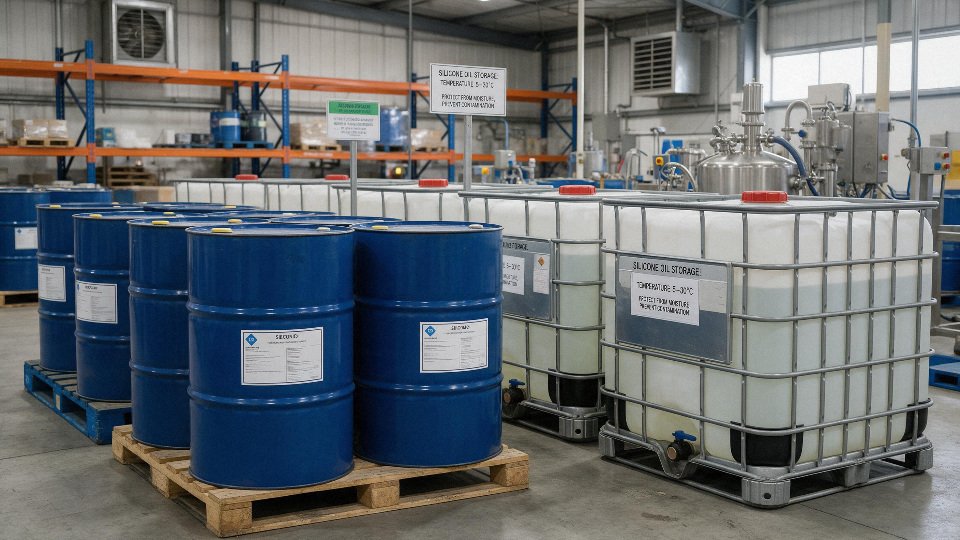
A responsible supplier should provide, at minimum: kinematic viscosity at both 25°C and 100°C, viscosity index, flash point, pour point, dielectric strength (if electrical service applies), refractive index, specific gravity, and volatile content measured by TGA loss at 200°C over two hours. That last parameter matters more than most buyers realize — residual volatiles affect both processing safety and long-term performance in sealed assemblies. If a supplier can’t provide TGA data, treat that as a procurement flag.
| Parameter | Why It Matters | Minimum Acceptable Response |
|---|---|---|
| Viscosity at 25°C and 100°C | Confirms grade and VI | Actual values, not just nominal |
| Flash point | Storage and process safety | Full test method cited |
| Pour point | Cold-start performance | Tested, not estimated |
| Dielectric strength | Electrical applications | kV/mm at specified gap |
| TGA volatile content | Sealed assembly compatibility | % loss at 200°C/2h, method stated |
| Refractive index | Optical and coating applications | ±0.001 tolerance |
Silicone oil contamination at sub-milligram levels can cause adhesion failures in downstream painting and bonding operationsTrue
The low surface energy and strong spreading tendency of polydimethylsiloxane is well-documented as a cause of paint cratering and adhesive disbonding in automotive and aerospace manufacturing; this is a recognized process control issue in mixed-material assembly environments.
Environmental Profile and Sustainability Considerations for Industrial Silicone Oil Use
Silicone oil occupies an awkward position in sustainability discussions. It’s neither the villain some environmental groups paint it as, nor the perfectly clean fluid that marketing literature sometimes implies. Getting this right matters practically — procurement teams in the EU especially are facing tightening scrutiny on fluid choices, and specifying the wrong silicone grade, or failing to document disposal correctly, can create genuine compliance headaches.
Environmental Persistence: What the Data Actually Says
High-molecular-weight linear PDMS — the stuff used in industrial lubricants, transformer fluids, and heat transfer systems — has very low acute aquatic toxicity. EC50 values for Daphnia magna exceed 1,000 mg/L, which puts it well below thresholds that would trigger hazardous classification under most frameworks. Bioaccumulation is essentially not measurable in the traditional sense; log Kow doesn’t apply meaningfully to polymers of this chain length, and the molecule’s physical behavior in sediment is dominated by strong adsorption to particulates rather than uptake into organisms.
The persistence question is more nuanced. In aerobic soils, PDMS degrades to silanols and eventually silica and CO₂, though the timescale is measured in months to a few years depending on soil type, temperature, and microbial activity. In anaerobic sediment environments — the bottom of a drainage ditch, for instance — degradation slows substantially. This isn’t a reason to avoid PDMS, but it is a reason to prevent spills rather than treat the fluid as inert.
High-molecular-weight linear PDMS used in industrial lubricants has low acute aquatic toxicity and low bioaccumulation potentialTrue
EC50 for Daphnia magna exceeds 1,000 mg/L for linear PDMS grades, and the polymer's physical chemistry prevents meaningful bioaccumulation; this is well-documented in EU REACH dossiers and EPA HPV program data for polydimethylsiloxane
The D4/D5/D6 Distinction That Procurement Teams Routinely Miss
This is where a lot of specification errors happen. Low-molecular-weight cyclic siloxanes — D4 (octamethylcyclotetrasiloxane), D5, and D6 — carry EU REACH restrictions due to endocrine disruption and environmental persistence concerns. D5 in particular is restricted in wash-off personal care products and is under ongoing regulatory review for broader applications.
Industrial lubricant-grade PDMS is a different beast. Linear, high-molecular-weight PDMS does not share the same toxicological or persistence profile. The molecules are structurally distinct, behave differently in the environment, and are regulated differently. When requesting an SDS from a supplier, ask explicitly whether the product contains cyclic siloxane fractions — some lower-cost blends do, as residuals from incomplete polymerization. A reputable supplier will have this data. If they hedge, that’s a signal.
Energy Efficiency as a Sustainability Argument
One aspect of silicone oil’s environmental profile that rarely gets the attention it deserves is pumping energy. Silicone fluids have low viscosity-temperature sensitivity — their viscosity index is, depending on grade, in the range of 190–300, well above mineral thermal oils that might sit around 90–110. In a heat transfer loop operating across a wide temperature range, that translates to significantly more stable flow characteristics and lower pumping losses during cold starts or seasonal transitions.
Switching from conventional thermal oil to silicone fluid in industrial heat transfer systems has been reported to yield energy savings roughly in the 8–15% range, though the actual figure depends heavily on loop length, seasonal temperature swings at the site, and pump sizing. Older, oversized pumps running throttled see larger gains. Don’t expect 15% in a tightly engineered modern system; 8% is more realistic as a planning figure.
Fire Safety and Its Environmental Dividend
Replacing mineral oil in transformers with silicone fluid has a sustainability dimension that doesn’t always make it into procurement conversations: eliminating catastrophic fire risk also eliminates the infrastructure built to manage that risk. Halon and CO₂ fire suppression systems have their own environmental footprint — halon is a recognized ozone-depleting substance, and CO₂ suppression involves stored pressurized gas with its own leakage and maintenance overhead. A silicone-filled transformer, with its flash point above 300°C and self-extinguishing characteristics, can often be installed with dramatically reduced or eliminated suppression systems. That’s capital cost and embodied carbon out of the project before it starts.
Disposal: The Part Engineers Usually Underinvest In
High-temperature incineration at above 850°C converts silicone oil cleanly — the products are silica, water, and CO₂. No toxic combustion byproducts under well-controlled conditions. Under EU Waste Framework Directive classification, linear PDMS lubricants generally qualify as non-hazardous waste, which simplifies logistics and reduces licensed carrier costs compared to handling chlorinated or heavy-metal-contaminated oils.
Some licensed waste oil recyclers can re-refine and re-blend silicone oil streams, particularly from heat transfer applications where the base fluid is largely uncontaminated and degradation is thermal rather than chemical. This is worth investigating before defaulting to incineration. Recovery value is low — don’t expect meaningful credit — but landfill diversion is real, and some sustainability reporting frameworks will count it.
One practical warning: never blend silicone oil waste with mineral or synthetic hydrocarbon waste streams. It contaminates the hydrocarbon stream, ruins its recycling value, and can cause problems at the receiving facility. Keep silicone waste segregated from collection through disposal.
Where the Industry Is Heading
Fully bio-based silicone oil doesn’t exist commercially yet — the synthesis route depends on silica reduction and organochlorosilane chemistry that remains energy-intensive. That’s an honest limitation. What’s changing is that silicon is the second most abundant element in Earth’s crust, and the industry is actively working on lower-energy polymerization routes and extended-service formulations that reduce fluid consumption per unit of output over time. Longer drain intervals — which silicone’s shear stability and thermal resilience naturally support — reduce per-unit environmental footprint more meaningfully than most green-washing claims in the lubricants space. Specify the right grade, maintain it properly, and you’ll change it far less often than any mineral alternative.
Frequently Asked Questions About Silicone Oil Advantages and Applications
Is silicone oil better than mineral oil for all lubrication applications?
No — and this is probably the most common misconception procurement managers run into. Silicone oil genuinely dominates in temperature extremes, electrical insulation, and chemical inertness. But under boundary lubrication conditions — where metal-to-metal contact is occurring and you need extreme-pressure additives doing real work — mineral oil with a sulfur-phosphorus EP package will outperform silicone every time. Heavily loaded gearboxes, worm drives, and hypoid differentials are not the right applications. Silicone oil has weak film strength at the asperity level, and no EP additive chemistry currently fixes that reliably. Specify it where its actual advantages apply; don’t force it into high-contact-stress applications because it sounds more premium.
Can silicone oil be used as a heat transfer fluid?
Yes, and it’s used fairly widely in closed-loop thermal systems — particularly where fluid toxicity and flammability rules out diphenyl ether blends or synthetic glycols. PDMS grades in the 50–200 cSt range at 25°C handle continuous service from roughly -60°C up to +250°C without significant degradation. The operational catch is heat capacity: silicone oil runs around 1.46 kJ/kg·K versus roughly 1.9 for water-glycol mixtures. That gap means your heat exchanger and reservoir need to be meaningfully larger to move the same thermal load, which affects capital cost and footprint. For pharmaceutical reactors and specialty chemical processes where contamination risk from a conventional thermal fluid would be catastrophic, that tradeoff is often worth it.
Does silicone oil conduct electricity?
Pure PDMS silicone oil does not. Dielectric strength typically falls in the 15–20 kV/mm range depending on grade and purity, which is why it ends up in transformer cooling and high-voltage switching equipment. Conductive or ESD-dissipative silicone fluids do exist, but conductivity in those products comes from deliberate loading with carbon black or metallic particulates — it isn’t a property of the silicone itself. If your supplier is offering you a “conductive silicone oil” without explaining exactly what filler achieves that, ask the question.
Pure PDMS silicone oil is an electrical insulator, not a conductor.True
Undoped polydimethylsiloxane has a dielectric strength of approximately 15–20 kV/mm and volume resistivity exceeding 10^14 Ω·cm. Conductivity in specialty silicone fluids results only from added conductive fillers, not from the base polymer.
Is silicone oil safe for skin contact and food equipment?
It depends heavily on the grade. Food-grade and medical-grade silicone oils certified under FDA 21 CFR 178.3570 or holding NSF H1 registration are considered safe for incidental contact with skin and food surfaces. Many industrial-grade silicone oils contain stabilizers, crosslinkers, or processing aids that haven’t been evaluated for those routes of exposure. Don’t assume that because the base fluid is safe the formulation is. Always pull the full SDS and, for regulated environments, request the grade certification documentation in writing before you specify it anywhere near a food line or cleanroom.
Why does silicone oil contaminate paint and adhesive surfaces?
This one causes real production headaches. Silicone oil migrates through air and along surfaces, depositing invisible monomolecular films that drop surface energy so low that paint won’t wet, adhesives won’t bond, and coatings crater. The problem is detectable at parts-per-billion contamination levels — levels you genuinely cannot smell or see. In automotive body shops and aerospace finishing facilities, even a technician who used a silicone-based hand cream walking through the spray area can cause a rework event. Silicone-free zones with separate tooling, dedicated workwear, and strict quarantine of any silicone-containing product are not optional in finishing operations. They’re production insurance.
How long does silicone oil last in service?
In a sealed, low-stress precision mechanism running within rated temperature — think instrument dampers or optical equipment — properly selected silicone oil can genuinely last the service life of the assembly, often 10–25 years. That’s one of its real economic arguments. Open systems, elevated temperatures, or UV exposure change the picture significantly. For those situations, annual monitoring of viscosity, acid number, and color shift is reasonable practice, and replacement intervals in real plants typically run 3–10 years depending on operating severity. The fluid doesn’t suddenly fail; it drifts. Trending data catches it before it becomes a machine problem.
What is the difference between silicone oil and silicone grease?
Silicone grease is silicone oil with a thickener — usually fumed silica or occasionally a lithium soap — worked in to produce a semi-solid consistency. The base fluid chemistry and its advantages are essentially the same. What the thickener buys you is retention: grease stays where you put it on vertical surfaces, inside slow-moving O-ring grooves, and in valve stem applications where a fluid would drain or be displaced. Migration, which is a liability in the finishing contamination scenario above, is also reduced. If your application needs the thermal and chemical properties of silicone but the fluid won’t stay in place, grease is usually the answer — not a higher-viscosity oil.
Are there regulatory restrictions on silicone oil I should know about?
REACH regulation in the European Union restricts cyclic siloxanes D4, D5, and D6 above a 0.1% concentration threshold in wash-off personal care products, and similar restrictions apply to industrial fluids entering wastewater streams. Linear PDMS — the standard industrial lubricant and heat transfer fluid chemistry — is generally not subject to those restrictions, though the regulatory picture continues to evolve and it’s worth checking current ECHA guidance rather than relying on older SDS documents. For medical device and food processing applications, grade-specific certifications discussed earlier in this article are the practical compliance requirement. Industrial grades without those certifications don’t qualify, regardless of what the base chemistry is.