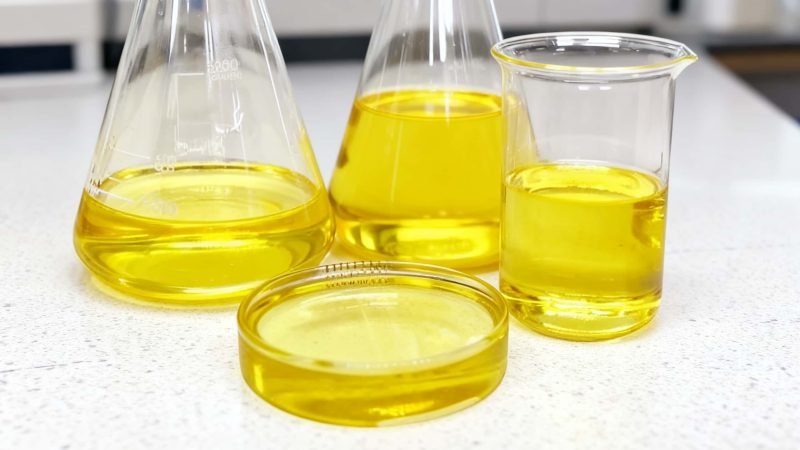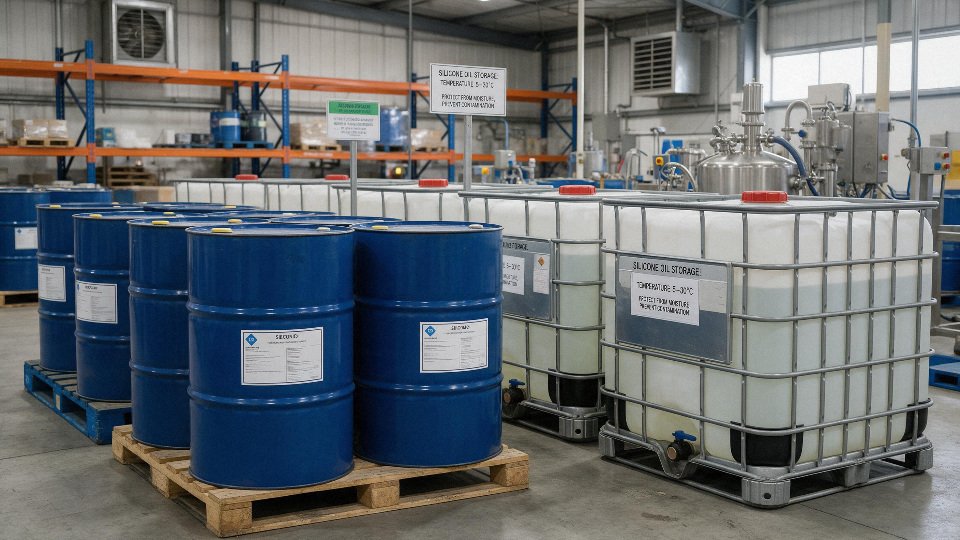
You specified silicone oil on a heat-transfer loop, a mold-release line, or a compressor seal, and now procurement is asking for an environmental disclosure, a customer sustainability audit just landed on your desk, or your local regulator wants a spill-response plan — and you realise you don’t actually have a crisp answer. That uncertainty isn’t trivial. Mislabel a fluid as inert when it isn’t, and you’re looking at liability exposure; over-engineer a containment system for something genuinely low-hazard, and you’ve spent real money solving a non-problem. The actual environmental profile of silicone oil is neither as clean as some suppliers imply nor as alarming as a generic MSDS warning might suggest.
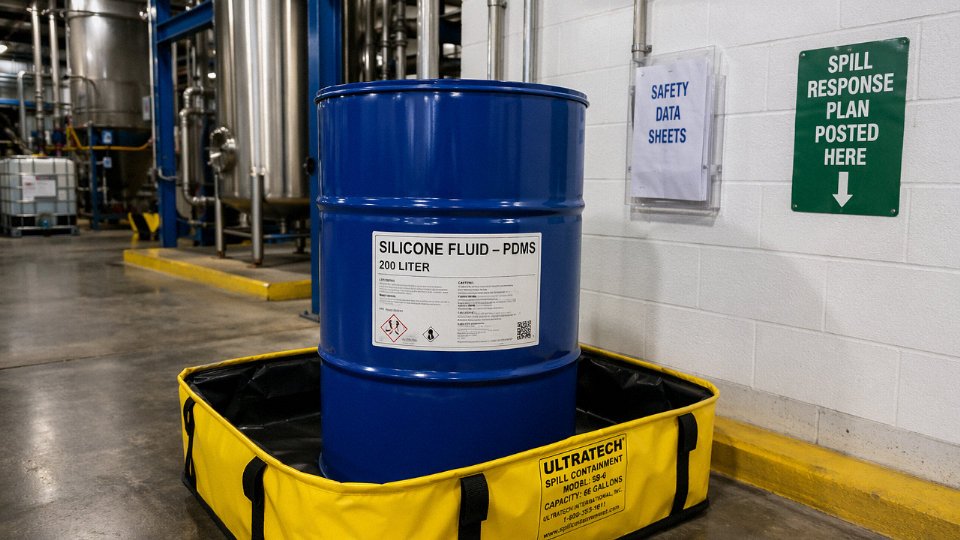
Silicone oil — specifically polydimethylsiloxane (PDMS) — is considered low environmental hazard under most regulatory frameworks. Acute aquatic toxicity is very low (LC50 for Daphnia magna typically above 1,000 mg/L), it does not bioaccumulate in the conventional sense, and it degrades in soil to dimethylsilanediol (DMSD) with a half-life ranging from roughly 2 days in warm, clay-rich soil to around 100 days in dry or microbe-poor conditions. That range matters operationally.
What makes the picture more complicated — and more interesting — is that “silicone oil” covers a family of fluids with meaningfully different viscosities, additives, and end-of-life pathways, and the regulatory lens keeps shifting. Whether a specific fluid clears an environmental bar depends on which bar you’re clearing, which jurisdiction you’re in, and what happens to the fluid after it leaves your process.
How Silicone Oil Breaks Down: Biodegradation Pathways and Real-World Timescales
The claim that silicone oil “never degrades” is one of those durable myths that circulates in procurement briefings and safety data sheet summaries alike. It’s wrong — but the correction comes with meaningful nuance, and the nuance matters operationally.
Soil Degradation: Clay Is the Catalyst
PDMS doesn’t float freely in soil waiting for a microbe to find it. The dominant first step is physical adsorption onto clay mineral surfaces, and this is where the chemistry actually starts. Clay provides both the surface area and the acidic or basic sites needed to attack the Si–O backbone. Hydrolysis cleaves those siloxane bonds progressively, producing dimethylsilanediol (DMSD) as the primary intermediate. From there, DMSD mineralizes further — eventually to CO₂, water, and amorphous silica.
The published half-life range of roughly 2 to 100 days in soil reflects how dramatically this varies by soil type. A high-clay agricultural loam with active microbial populations can turn over PDMS in days to a few weeks. The same material in a quartz-dominated sandy soil, or in a sterile lab soil with no microbial activity, can persist for months. Seasonal temperature swings matter too — degradation nearly stalls in cold, waterlogged conditions. If you’re evaluating a spill scenario, the soil type on your site should be the first variable you look up, not the last.
PDMS degrades in soil primarily through clay-catalyzed hydrolysis, not direct microbial attack on the polymer backboneTrue
Research confirms PDMS adsorbs onto clay minerals where abiotic hydrolysis cleaves Si–O bonds to produce DMSD; direct enzymatic breakdown of the intact polymer is not the primary mechanism
The Microbial Contribution — Real but Secondary
Certain bacterial strains, particularly within Arthrobacter and Pseudomonas genera, can metabolize DMSD as a carbon source once it forms. This biotic step accelerates overall mineralization in well-aerated, biologically active soils. In practice, though, microbial contribution is the second act, not the opener. Where clay contact is limited — aquatic sediments being the clearest example — DMSD generation slows, and so does downstream microbial processing. Don’t expect rapid degradation from a subsurface spill into a sandy riverbank.
Cyclic Siloxanes Are a Different Problem Entirely
Linear PDMS and the cyclic siloxanes — D4, D5, D6 — behave very differently in the environment, and conflating them causes genuine regulatory confusion. Cyclics resist the hydrolysis pathway that makes linear PDMS manageable. D5 in particular is lipophilic enough to partition into aquatic sediments and bioaccumulate in some organisms. This is why the EU and Canada have placed specific restrictions on D4 and D5 that do not apply to high-molecular-weight linear PDMS. When reviewing a silicone fluid SDS, the distinction between “PDMS” and “siloxane fluid” is not cosmetic — it has direct implications for your waste classification and discharge permissions.
Atmospheric Fate: Low Concern, Short Window
Low-viscosity grades — say, below 50 cSt — have enough vapor pressure to reach the atmosphere in small amounts from heated processes or open sumps. Once airborne, hydroxyl-radical oxidation degrades PDMS within days. Atmospheric persistence is essentially negligible. This doesn’t give a free pass to open-air dumping, but it does mean that mist from metalworking or release from a heated fluid bath isn’t accumulating in the troposphere the way some persistent organics do.
Comparative Persistence: PDMS Against Common Industrial Fluids
| Fluid Type | Typical Biodegradation Rate | Persistence Category | Primary Degradation Products |
|---|---|---|---|
| Linear PDMS | Half-life 2–100 days in clay-rich soil; months in sandy/sterile soil | Low–moderate (soil-type dependent) | DMSD → CO₂, H₂O, SiO₂ |
| Mineral oil (Group I/II) | 20–40% degradation in 28 days (OECD 301) | Moderate; some fractions persistent | CO₂, H₂O; aromatic residues in heavy cuts |
| Polyalphaolefin (PAO) | 5–30% in 28 days depending on chain length | Moderate–high for heavier grades | CO₂, H₂O; slow for C20+ fractions |
| Vegetable ester (e.g., rapeseed) | 70–90% in 28 days | Low; readily biodegradable | CO₂, H₂O, fatty acids |
Vegetable esters win on biodegradation speed. That said, they hydrolyze under high-moisture conditions and support microbial growth in sumps in ways that PDMS doesn’t, which creates its own maintenance headaches. No fluid is universally better — the environmental profile is one input among several.
Aquatic Toxicity and the Cyclic Siloxane Problem (D4, D5, D6)
Linear PDMS has one of the cleaner aquatic toxicity profiles of any industrial fluid in widespread use. LC50 values for Daphnia magna typically exceed 1,000 mg/L — the figure cited in the info assets above is a representative floor, not an outlier — and comparable endpoints for Oncorhynchus mykiss (rainbow trout) and green algae species sit in broadly the same territory, consistently above 100 mg/L. Under GHS classification that lands in the lowest aquatic hazard tier, Category Not Classified or at worst Chronic 4, depending on which national competent authority is doing the assessment. For context, many common hydraulic fluids and cutting oils fall two or three tiers higher.
The mechanism behind this low hazard is worth understanding, because it’s not just a lucky number. High-viscosity PDMS grades — say, 1,000 cSt and above — have water solubility measured in parts per trillion, sometimes genuinely below analytical detection limits. An aquatic organism cannot build up meaningful body burden from waterborne exposure when the substance barely dissolves. Dietary routes are similarly negligible: the molecule is too large and too hydrophobic to cross gill membranes efficiently, and it doesn’t partition into lipid tissue the way chlorinated compounds or petroleum aromatics do. In practice, if you spill a drum of 350 cSt silicone transformer fluid into a drainage ditch, the acute ecological risk is substantially lower than the same volume of mineral oil. That’s not marketing — it’s consistent with the peer-reviewed hazard data.
The problem, and it’s a genuine one, is that not all silicones are linear PDMS.
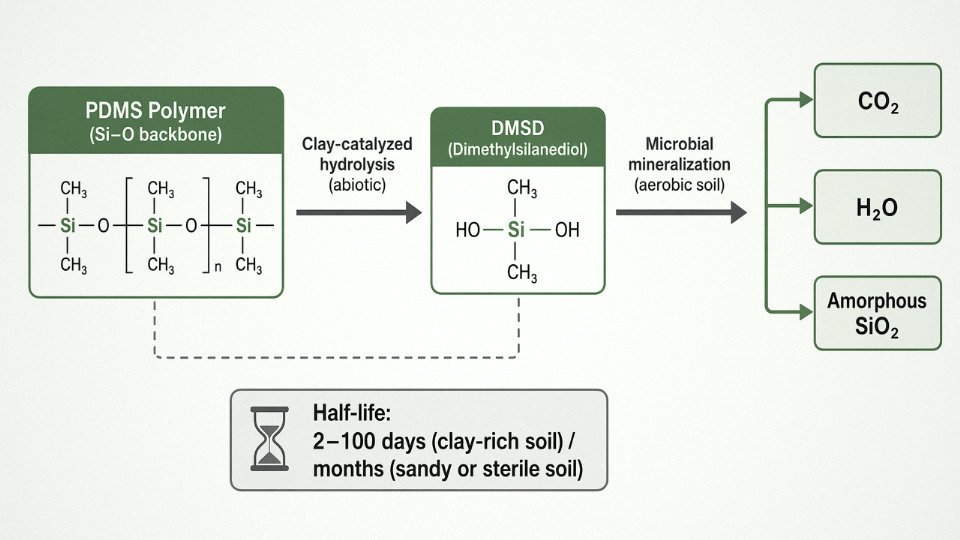
D4 (octamethylcyclotetrasiloxane) and D5 (decamethylcyclopentasiloxane) are cyclic siloxanes — small-ring molecules that appear as process residuals or intentional components in lower-grade silicone fluids and, more significantly, in rinse-off personal care products like shampoos and conditioners. The EU REACH Regulation classified D4 as a Substance of Very High Concern under the PBT criteria (persistent, bioaccumulative, toxic) and D5 as vPvB (very persistent, very bioaccumulative). These classifications weren’t arbitrary: the regulatory timeline stretched through most of the 2010s, with the European Chemicals Agency concluding by 2018 that D5 concentrations in rinse-off cosmetics should be restricted below 0.1% by weight. D6 (dodecamethylcyclohexasiloxane) is under ongoing scrutiny for similar reasons, though its regulatory status remains less settled.
D5 is classified as vPvB under EU REACHTrue
The European Chemicals Agency formally listed D5 as a Substance of Very High Concern based on very persistent, very bioaccumulative properties, leading to restrictions on its concentration in wash-off cosmetic products effective from 2020.
The route these compounds take into aquatic systems is well-mapped. Wastewater treatment plants receive D4 and D5 from domestic drain-down of personal care products. WWTP removal through sorption to sewage sludge is meaningful but incomplete — documented removal rates for D5 range from roughly 50% to 78% depending on plant design, hydraulic retention time, and temperature. What isn’t removed reaches receiving rivers and coastal waters. Bioaccumulation factor (BAF) measurements in fish tissue from Great Lakes studies and North Sea monitoring programs found D5 accumulating in lipid-rich tissues at levels that contradicted early manufacturer claims that silicones are essentially non-bioaccumulative. Those early claims were based primarily on linear high-molecular-weight PDMS data and shouldn’t have been extrapolated to the cyclic fraction.
For anyone sourcing silicone fluids for industrial use — mold release, heat transfer, lubrication — the practical implication is narrower than the regulatory headlines suggest. Manufacturing-grade PDMS fluids produced to industrial specifications are a different product from the low-viscosity or cosmetic-grade silicones where residual D4/D5 is a real concern. The risk concentrates at two points: when you specify unusually low viscosity grades (below roughly 5 cSt), which may carry higher cyclic residuals depending on the distillation cut and the supplier’s process controls, and when you’re sourcing from suppliers who also produce personal care silicones without rigorous segregation. Ask for a certificate of analysis that includes cyclic siloxane residual data. Reputable industrial suppliers will have it. If they don’t, that tells you something.
Terrestrial and Sediment Fate: Where Silicone Oil Actually Accumulates
Most environmental discussions about PDMS focus on aquatic toxicity, which makes a certain amount of sense given how regulatory frameworks are structured. But in practice, the bulk of industrial silicone oil loading to the environment ends up in soil and sediment — not surface water. Understanding the soil partitioning behavior is where this conversation gets genuinely interesting, and where the picture is more nuanced than either “completely safe” or “persistent pollutant.”
Soil Sorption: Immobility Is a Double-Edged Outcome
PDMS binds aggressively to organic matter in soil. The soil organic carbon partition coefficient (log Koc) runs roughly 4 to 7, depending on molecular weight — higher-viscosity fluids sit at the upper end of that range. What this means practically is that once PDMS contacts soil, it goes almost nowhere. Leaching into groundwater is not a realistic concern for high-molecular-weight PDMS under normal conditions, and that’s genuinely reassuring for anyone worried about well contamination near a spill site.
The catch is that immobility concentrates the material at the point of application. A single biosolid application event or a chronic small industrial discharge doesn’t spread the load — it stacks it. Over repeated application cycles, measured PDMS concentrations in biosolid-amended agricultural fields typically fall in the range of 1–50 mg/kg dry weight, though this depends heavily on sludge application rates and the industrial mix feeding the upstream wastewater plant. Fields receiving sludge from municipalities with significant cosmetics manufacturing or textile finishing can sit at the higher end of that window.
PDMS leaches readily into groundwater from spill sitesFalse
PDMS has an extremely high soil organic carbon partition coefficient (log Koc 4–7), meaning it binds tightly to soil particles and is essentially immobile under typical environmental conditions, preventing meaningful groundwater migration.
The Biosolids Pathway Is Underappreciated
Wastewater treatment does not destroy PDMS — it concentrates it. PDMS partitions heavily into sewage sludge during treatment, which is precisely why effluent concentrations look low and why land application of biosolids is the primary vector delivering silicone oil to agricultural soil. This isn’t a catastrophic failure of the system; it’s just how the mass balance works out. The silicone ends up somewhere, and that somewhere is biosolids.
For procurement managers buying silicone-based release agents, mold lubricants, or heat-transfer fluids for food-adjacent or cosmetics applications, this pathway is worth flagging to your environmental compliance team. The downstream fate of your process washwater matters, particularly if your municipality applies biosolids to local farmland.
Earthworm and Microbial Data: Actually Reassuring
The soil organism toxicity profile for high-molecular-weight PDMS is, honestly, better than many conventional mineral oil alternatives. Eisenia fetida earthworm studies report no-observed-effect concentrations (NOEC) above 1,000 mg/kg — well above what you’d measure in any realistic field scenario. Soil microbial community studies also show minimal disruption at concentrations matching biosolid-amended field conditions. The clay-catalyzed degradation pathway described in the biodegradation literature does function in organically rich soils, though slowly.
The exception worth flagging: low-viscosity silicone fluids behave differently. Lighter PDMS fractions are more mobile in sandy or low-organic-matter soils, and they degrade more slowly under those same conditions because clay-catalyzed hydrolysis is less active. Near industrial discharge points with poor soil structure — think compacted fill around a manufacturing site — you can get localized persistence hotspots that wouldn’t appear in a standard risk assessment built around agricultural soil assumptions.
Sediment as the Long-Term Sink for Cyclic Siloxanes
D5 (decamethylcyclopentasiloxane) and D6 behave differently from linear PDMS in the environment, and sediment is where this matters most. Environment and Climate Change Canada monitoring data from urban lake systems has documented measurable D5 accumulation in bottom sediments, particularly in lakes receiving significant stormwater and municipal effluent inputs. Sediment is the terminal sink for these cyclic siloxanes — they partition out of the water column, bind to suspended organic matter, and settle. Resuspension events and sediment-dwelling organisms then create the exposure pathway that regulators in Canada and the EU have been focused on.
This is the genuine environmental liability in silicone oil sourcing: not the PDMS itself, but whether your supplier’s product contains residual D4, D5, or D6 from the manufacturing process. Specification sheets that show cyclic siloxane content below 1,000 ppm are achievable and should be a procurement baseline for any application near sensitive watersheds.
Comparing Silicone Oil to Mineral Oil and Bio-Based Lubricants on Key Environmental Metrics
No single lubricant wins across every environmental category. That’s the honest starting point for any procurement decision involving fluid selection — and anyone who tells you silicone oil is categorically “green” or categorically “toxic” hasn’t looked at the full picture.
Biodegradability: Where Silicone Oil Loses Ground
Under OECD 301B ready biodegradability testing — the 28-day closed bottle test that regulators use as the standard screen — linear PDMS fails. It does not hit the 60% mineralization threshold within the test window. Vegetable-based esters like high-oleic sunflower oil or canola-based fluids typically score 70–90% in the same test, and that’s genuinely hard to argue with. Mineral oil is more complicated: the saturated hydrocarbon fractions biodegrade reasonably well (roughly 20–40% ready biodegradability depending on viscosity grade and refining depth), but the aromatic fractions drag the overall number down and carry their own toxicity concerns.
Polyalphaolefins land somewhere in the middle — typically 30–60% OECD 301B, which is why many PAO-based lubricants market themselves as “inherently biodegradable” rather than “readily biodegradable.” The distinction matters for environmental permit language.
Silicone oil (linear PDMS) is not readily biodegradable by OECD 301B criteriaTrue
PDMS does not achieve 60% mineralization within the 28-day OECD 301B test window. It does undergo ultimate degradation in soil over months to years via hydrolysis to dimethylsilanediol and eventual mineralization to silica, CO2, and water, but this process is too slow to qualify as ready biodegradability under standard regulatory testing.
Aquatic Toxicity and Bioaccumulation
Acute aquatic toxicity is one area where silicone oil looks relatively good. PDMS acute LC50 for Daphnia magna typically exceeds 1,000 mg/L, which puts it in the low-hazard category under GHS classification. High-oleic vegetable esters are similarly benign in acute tests. The problem with mineral oil isn’t the base stock per se — it’s the aromatic and naphthenic fractions, which can show acute toxicity to aquatic invertebrates at concentrations in the low tens of mg/L range depending on composition.
Bioaccumulation potential is measured by log Kow (octanol-water partition coefficient) or bioaccumulation factors from fish studies. High-molecular-weight linear PDMS has low bioaccumulation potential — its log Kow behavior is unusual given that it partitions strongly to sediment and organic matter rather than living tissue. The cyclic siloxanes (D4, D5, D6) are a different story entirely and covered elsewhere in this article; for this comparison, assume you’re sourcing a clean linear grade. PAOs generally have low bioaccumulation potential as well, with no PBT (persistent, bioaccumulative, toxic) classification under REACH for typical commercial grades.
Production Carbon Footprint
This is where silicone oil takes a real hit. The chlorosilane synthesis route — hydrochlorination of metallurgical silicon, distillation, polymerization — is energy-intensive. Production carbon footprint for PDMS fluids runs roughly 6–10 kg CO2-eq per kg of product, depending on the plant’s energy source and whether you’re allocating upstream silicon refining. Mineral oil refining sits somewhere around 0.5–1.5 kg CO2-eq per kg for a conventional Group I/II base oil. Vegetable esters look attractive at first — renewable carbon feedstock — but land-use change emissions can push the effective footprint higher than the processing numbers suggest, especially for palm-derived inputs.
Decision Matrix: Matching Fluid to Application
| Criterion | Mineral Oil | Vegetable Ester | PAO | Linear PDMS |
|---|---|---|---|---|
| OECD 301B ready biodegradability | 20–40% | 70–90% | 30–60% | Fails (1,000 mg/L) |
| Bioaccumulation risk | Moderate (aromatics) | Low | Low | Low (linear grades) |
| Soil persistence | Moderate | Low | Moderate | Months to years |
| Production CO2-eq (kg/kg) | 0.5–1.5 | 1–3 (incl. land-use) | 2–4 | 6–10 |
| Flammability | Yes | Yes | Yes | No (flash point >300 °C typical) |
| High-temp stability | Moderate | Poor above ~120 °C | Good | Excellent to 200–250 °C |
Silicone oil is not the most environmentally friendly lubricant by a straightforward scorecard. In a warehouse spill scenario near a drainage channel, a vegetable ester is a better choice, full stop. But the comparison shifts when you’re specifying a fluid for a bakery oven chain running at 180 °C, a medical device requiring autoclave compatibility, or a transformer application where a fire inside an urban substation is the dominant risk. In those niches, the extremely low aquatic toxicity of linear PDMS, combined with its non-flammability and thermal stability, makes it the lower-hazard option overall — not because it’s “green,” but because the alternatives carry hazards that outweigh their biodegradability advantage in that specific context. Procurement decisions made purely on OECD 301B scores, without accounting for use-case risk, tend to swap one problem for another.
Regulatory Status Worldwide: What Environmental Agencies Have Actually Decided
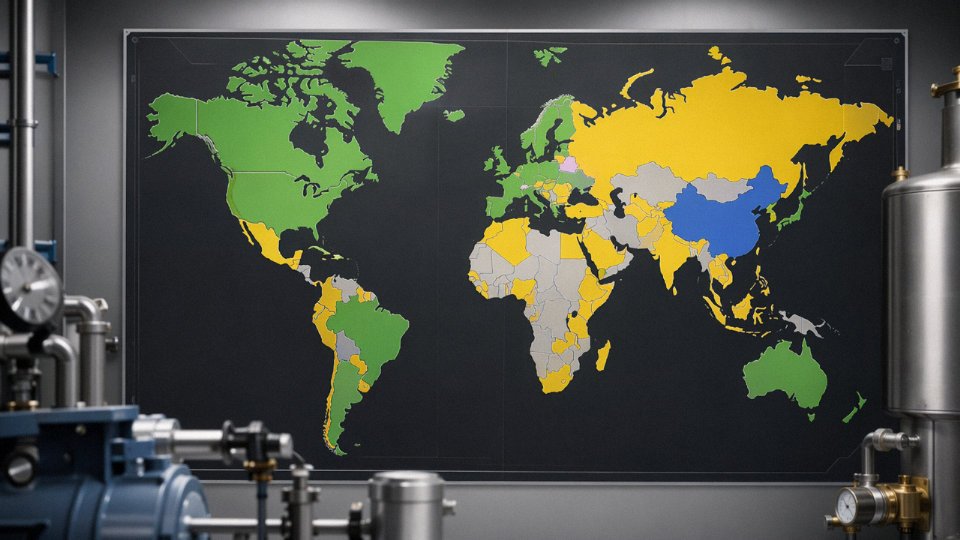
The regulatory picture for silicone oil is genuinely fragmented — different jurisdictions have reached different conclusions, often using different criteria, and the gap between the EU’s precautionary stance and the US EPA’s current inaction creates real compliance headaches for multinationals sourcing or exporting across borders.
European Union: The Most Restrictive Framework in Force
The EU moved first and hardest. D4 (octamethylcyclotetrasiloxane) and D5 (decamethylcyclopentasiloxane) are both listed as Substances of Very High Concern (SVHC) under REACH, primarily on vPvB grounds — very persistent, very bioaccumulative, even without demonstrated acute toxicity. Since January 2020, REACH Annex XVII Entry 70 restricts D4 and D5 in wash-off cosmetics above 0.1% w/w. That threshold is tight enough that trace contamination in a poorly controlled PDMS supply chain can push a finished product into non-compliance.
D6 (dodecamethylcyclohexasiloxane) is under active evaluation. The European Chemicals Agency has been developing a broader siloxane group restriction proposal — a substance-group approach similar in structure to the Universal PFAS restriction proposal — that could eventually cover a wider range of cyclic and linear siloxanes beyond cosmetics. The timeline is uncertain; ECHA assessments of this scale typically take three to five years from proposal to enforcement, but procurement managers sourcing into EU markets should be watching the dossier progress now, not when the restriction enters into force.
Canada: CEPA Toxicity Finding Already on the Books
Environment and Climate Change Canada completed its Domestic Substances List assessment and formally concluded that D5 meets the definition of “toxic” under section 64 of CEPA 1999 — not because it kills fish in a tank, but because its vPvB profile poses long-term risk of environmental accumulation. That finding carries legal weight. Proposed risk management measures have focused on personal care product concentrations and rinse-off applications, but the CEPA designation means Canadian manufacturers cannot simply treat D5 as an unrestricted processing fluid without documentation of due diligence.
D5 has been found 'toxic' under Canadian environmental lawTrue
Environment and Climate Change Canada assessed D5 under CEPA 1999 section 64 and concluded it meets the toxicity criteria based on its very persistent, very bioaccumulative (vPvB) properties, not acute toxicity endpoints.
United States: Regulatory Quiet, for Now
The US EPA has not classified PDMS or the major cyclic siloxanes as hazardous under TSCA as of 2024. That’s the federal picture. At the state level it’s messier — California and Washington have both included D4 and D5 on priority chemicals lists under their respective safer products frameworks, which can trigger reformulation requirements for consumer products sold in those states. The broader regulatory momentum driven by PFAS scrutiny is worth watching; siloxanes share some persistence characteristics with PFAS compounds, and EPA’s evolving approach to persistent substance groups could eventually draw cyclic siloxanes into closer review. Nobody is saying that’s imminent, but it is a plausible medium-term risk.
China and the Export Compliance Gap
Under GB/T 16483, PDMS is classified as low-hazard with standard workplace exposure limits. There is no SVHC-equivalent designation for cyclic siloxanes in China’s domestic regulatory system as of 2024. This gives Chinese manufacturers a cost and formulation flexibility advantage in their domestic market. The problem emerges at the export stage: a personal care ingredient or industrial fluid formulated and tested for Chinese domestic compliance may contain D4 or D5 levels that immediately violate EU REACH restrictions. That gap has caught exporters out — SDS documentation prepared to Chinese standards does not automatically satisfy EU disclosure requirements for SVHC content above 0.1% w/w.
Australia and Japan: Permissive but Watching
Both countries currently permit silicone fluids under standard industrial chemical notification frameworks, with no environmental restrictions equivalent to the EU. Workplace exposure limits exist; environmental discharge controls are addressed through general chemical handling regulations rather than siloxane-specific rules. Neither jurisdiction has signaled imminent tightening, though Australia’s AICIS and Japan’s CSCL both have periodic review mechanisms that could respond to evolving international assessments.
Practical Compliance Checklist
For EHS managers and procurement teams, the immediate operational requirements are these:
- SDS disclosure: Any SDS for a PDMS-containing product sold into EU markets must identify D4, D5, or D6 content if present above SVHC concentration thresholds. Supplier SDSs prepared outside the EU frequently omit this — verify explicitly.
- Wastewater discharge: Siloxanes are not typically covered under standard industrial effluent permits, but facilities discharging to municipal treatment works should confirm whether local permits have been updated to reflect cyclic siloxane monitoring, particularly in jurisdictions influenced by EU standards.
- Biosolids land application: PDMS partitions strongly to biosolids during wastewater treatment. If your facility’s process water carries silicone oil residues, the biosolids generated at the treatment plant may carry reportable siloxane loads depending on the receiving jurisdiction’s agricultural land application rules.
- EU product labeling: Finished products containing SVHC substances above 0.1% w/w require disclosure to consumers on request; wash-off products must comply with the Annex XVII concentration limit regardless of function.
The single most common compliance failure in practice is relying on a supplier’s generic SDS without verifying whether cyclic siloxane content was actually measured and disclosed. Batch variation in technical-grade PDMS can be significant enough to matter.
End-of-Life Management: Recycling, Thermal Destruction, and Closed-Loop Systems
Most environmental discussions about silicone oil stop at biodegradation and aquatic toxicity. The back end — what actually happens to the fluid once it’s spent — gets far less attention, and that’s where a lot of real-world environmental risk sits.
Why Used Silicone Oil Cannot Enter Standard Used-Oil Streams
This is probably the most common operational mistake I see. A maintenance team drains a silicone-based hydraulic or transformer fluid, drops it into the used-oil collection drum, and assumes the recycler handles the rest. They don’t — not cleanly, anyway.
PDMS is chemically inert toward most hydrocarbon processing conditions, which sounds like a virtue until you realize that re-refinery hydrotreatment catalysts rely on fairly specific feedstock chemistry. Even low-level PDMS contamination — typically above roughly 50–200 ppm depending on the catalyst formulation and the refinery’s tolerance — can cause irreversible silica fouling on hydrotreating catalyst beds, shortening catalyst life and degrading product quality. The silica deposits don’t burn off during regeneration the way sulfur compounds do. In practice, many re-refiners explicitly reject loads if there’s any known silicone content, and in the EU, disposing of a mixed silicone-mineral oil blend as “used oil” under the Waste Framework Directive (2008/98/EC) creates classification headaches, since the blend may no longer meet the definition of waste oil eligible for regeneration. Doing it anyway and hoping nobody tests is not a compliance strategy.
Mixing PDMS-based fluid into standard used-oil collection is a safe disposal practiceFalse
PDMS contaminates hydrotreatment catalysts in re-refinery operations, and in the EU, mixed silicone-mineral oil waste may not qualify for used-oil regeneration pathways under the Waste Framework Directive.
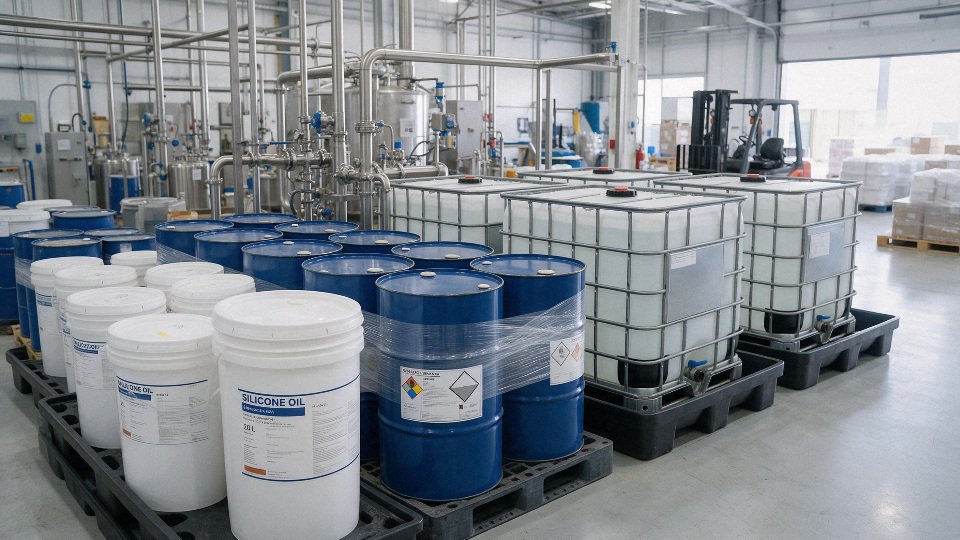
Keep silicone waste streams strictly segregated. Label the drums clearly. The cost of a separate collection contract is trivial compared to a catalyst replacement bill or a regulatory notice.
High-Temperature Incineration: The Practical Default
For most industrial users today, permitted high-temperature incineration is the primary disposal route, and it works well when done correctly. PDMS combusts to CO₂, water vapor, and amorphous SiO₂. That silica residue is chemically inert, non-toxic, and classifies as insoluble industrial waste suitable for landfill in most jurisdictions. Combustion temperature matters: operating above roughly 900°C ensures complete oxidation and prevents the formation of hazardous chlorinated compounds, which could otherwise occur if trace chlorosilane residues are present in the waste fluid. Reputable hazardous waste incinerators running continuous rotary kilns routinely operate at 1,000–1,200°C with residence times sufficient to handle this. What you want to avoid is low-temperature or co-incineration in poorly controlled conditions.
Depolymerization and Closed-Loop Recovery
For high-volume, high-purity industrial grades, chemical depolymerization is commercially practiced and genuinely circular. Spent PDMS can be broken back down to cyclic siloxane monomers — mainly D3 through D6 — using acid or base catalysts at elevated temperatures, typically somewhere in the 150–250°C range depending on catalyst choice and target product distribution. The crude monomer mixture is then redistilled to specification and repolymerized into fresh PDMS. Dow, Wacker, and Shin-Etsu all run variants of this process for reclaiming production scrap and, in some cases, post-industrial recovered fluid. The economics favor it most clearly for high-value functional fluids — medical grade, specialty electronics cooling — where the base fluid cost justifies the recovery infrastructure. For drum quantities of general-purpose transformer fluid, it rarely pencils out unless you’re aggregating large volumes through a tolling arrangement.
On-Site Reconditioning for Large-Volume Users
Transformer cooling and large hydraulic systems running PDMS fluids don’t necessarily need to dispose of the fluid at all on a regular cycle. Vacuum dehydration removes dissolved water and light volatiles. Particulate filtration, run through a 1–5 µm absolute filter, clears wear debris and oxidation products. Antioxidant replenishment brings the additive package back to working spec. Combined, these steps can realistically extend service life by a factor of two to three compared to fixed-interval drain-and-refill schedules, which in a system holding several hundred liters of fluid adds up to meaningful cost and waste reduction. The fluid’s inherent thermal stability means oxidative degradation is slower than in mineral oil, so reconditioning is often more practical with PDMS than it would be with a conventional hydraulic fluid.
Enzymatic Depolymerization: Early Research, Long Runway
The most sustainable long-term pathway — enzymatic degradation of PDMS at ambient or near-ambient conditions — is real science, not science fiction, but it’s nowhere near industrial deployment. Engineered silicases, loosely analogous in concept to the lignin-degrading peroxidases used in some bioprocessing contexts, have shown early-stage ability to cleave Si–O backbone bonds under controlled laboratory conditions. Current technology readiness is roughly TRL 3–4: proof-of-concept in lab settings, no validated process at meaningful scale. Realistically, commercial deployment is 10–15 years away, and that assumes sustained R&D investment and no fundamental selectivity or stability barriers emerging at scale. Worth watching, not worth basing a current waste management plan on.
The practical takeaway for procurement and EHS teams right now: segregate silicone waste, incinerate it properly or return it to a silicone producer for depolymerization recovery where volumes justify it, and if you’re running a large closed system, build in reconditioning rather than periodic full replacement.
Practical Steps for Industrial Users to Reduce Silicone Oil’s Environmental Footprint
Most of the environmental risk from silicone oil in industrial settings isn’t inherent to the chemistry — it’s operational. Releases happen because containment is undersized, because purchasing accepts whatever viscosity grade is cheapest, or because nobody has formally asked where the product ends up after use. These are fixable problems.
Substitution Audit: Start With a Risk-Ranked Application Map
Before swapping anything out, map every silicone oil use on-site and score it by exposure pathway. Applications that discharge directly to surface water or stormwater drainage — mold release in outdoor precast yards, foam-control additives in open-loop cooling systems, rinse-off personal care manufacturing — sit at the top of the priority list. Closed systems like transformer cooling or hydraulic actuation, where the fluid is contained and recovered, are genuinely low-priority from an environmental standpoint. In practice, most plants find that two or three applications carry 80% of the environmental risk, and the rest can be deprioritized. That focus matters when EHS resources are limited, which they always are.
Specification Control: Lock Down Cyclic Siloxane Content at the Purchase Order Level
This is where procurement managers have direct leverage. Require suppliers to provide GC-MS certificates of analysis showing D4, D5, and D6 content, with a contractual ceiling of 0.1% w/w total cyclic siloxanes in delivered product. Some commodity PDMS grades from spot-market distributors run well above this threshold — I’ve seen incoming samples at 0.3–0.5% cyclics when the buyer assumed the product was pure linear PDMS. The difference is real, especially if your wastewater or air emissions are being scrutinized.
For applications where the fluid contacts soil, drainage, or open air — agricultural equipment, outdoor cable lubrication, construction formwork — specify high-viscosity linear grades above 100,000 cSt. At those molecular weights, vapor pressure is essentially negligible, and migration through soil is slow enough that natural degradation keeps pace. Lower-viscosity grades (5–50 cSt) behave very differently; they spread, volatilize, and reach drainage pathways much faster.
Spill Containment: Don’t Rely on Standard Clay Absorbents
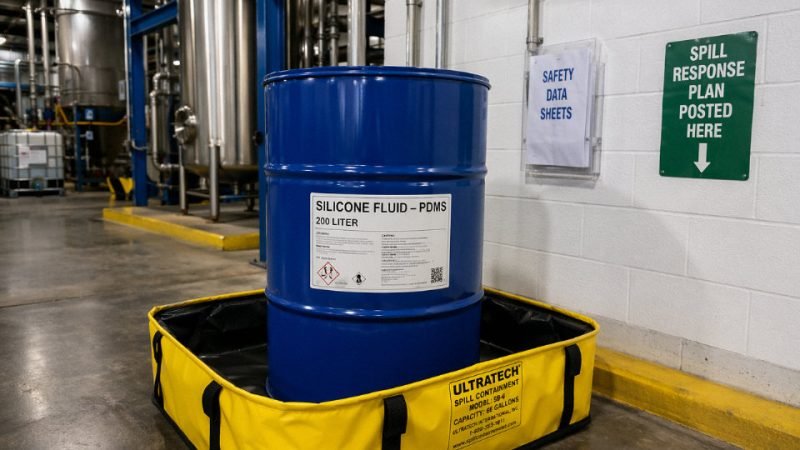
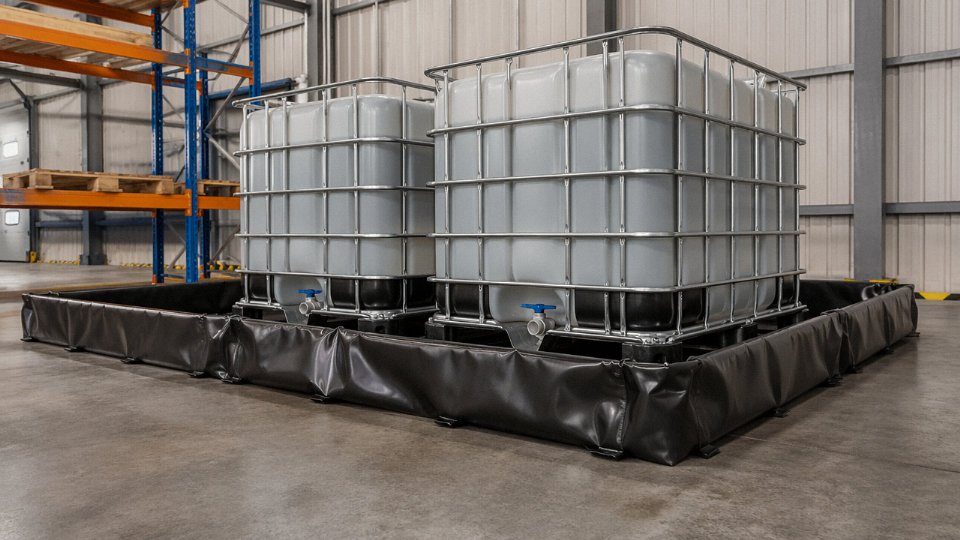
Silicone oil’s surface tension sits around 20–21 mN/m, which is noticeably lower than mineral oil (roughly 28–32 mN/m). It spreads fast on concrete, soil, and water — faster than most maintenance crews expect the first time they see a spill. Standard granular clay absorbents, the kind stocked in most MRO rooms, can actually increase PDMS mobility in sandy or low-clay soils by acting as a carrier; hydrophobic silica-based or polypropylene absorbent socks are more appropriate and give better containment. Secondary berms at drum storage areas, sealed drainage at filling stations, and absorbent booms at any floor drain that connects to municipal sewer are all justified if your annual PDMS throughput is above a few hundred kilograms.
Wastewater Pre-Treatment Before Municipal Discharge
If silicone oil enters your process wastewater — emulsion-based release agents are a common culprit — don’t assume the municipal WWTP will handle it cleanly. Coagulation-flocculation followed by dissolved air flotation (DAF) can remove roughly 85–95% of PDMS before you discharge, depending on emulsion droplet size and coagulant selection. This matters because conventional activated-sludge treatment concentrates cyclic siloxanes into biosolids rather than destroying them, which just shifts the burden downstream.
Inventory Discipline and Supplier Transparency
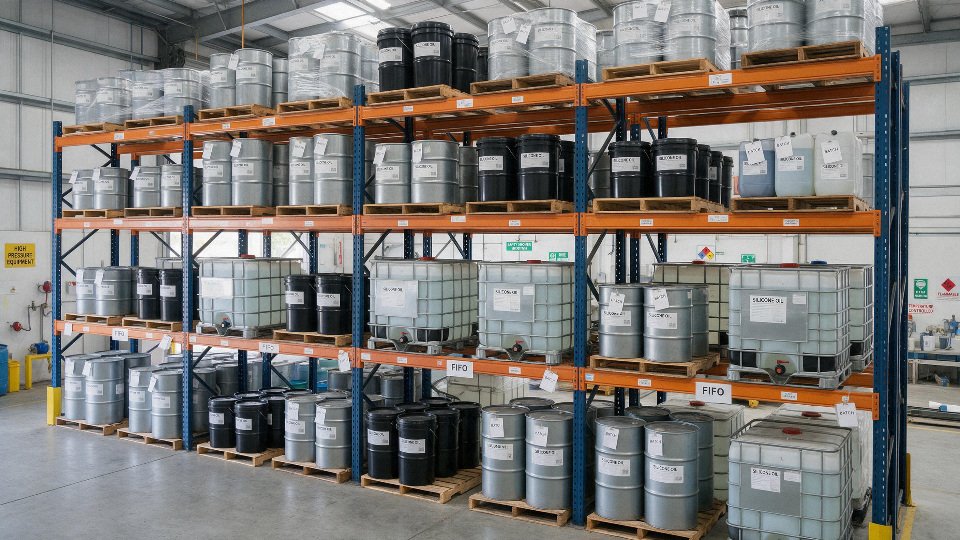
Keep on-site silicone oil inventory at working levels, not buffer levels. PDMS is chemically stable and won’t degrade sitting in a drum, but the spill risk scales directly with what’s on-site, and thermal cycling of stored drums can slowly elevate cyclic content over time. FIFO rotation is standard practice but often ignored for “stable” fluids — worth enforcing.
Leading PDMS producers publish Product Carbon Footprint data showing 3.5–6 kg CO2-eq per kg for standard silicone fluid.True
Dow, Wacker Chemie, and Momentive have each published PCF or EPD documentation for PDMS grades; the 3.5–6 kg CO2-eq range reflects differences in facility energy mix, molecular weight, and functional additive content.
Request EPDs or PCF reports from your silicone fluid supplier and feed those figures into your Scope 3 inventory. The data exists — you just have to ask for it.
Frequently Asked Questions About Silicone Oil and the Environment
Is silicone oil the same as PFAS — does it have the same “forever chemical” problems?
No, and conflating the two is a genuine source of confusion that shows up even in otherwise careful procurement discussions. PFAS (per- and polyfluoroalkyl substances) are built on carbon-fluorine bonds — some of the strongest bonds in organic chemistry, which is exactly why they persist. Silicone oil is a polysiloxane: a Si-O backbone with methyl groups attached, not a carbon-fluorine structure at all. They are chemically unrelated.
Silicone oil (PDMS) is a PFAS 'forever chemical'False
PDMS has a silicon-oxygen backbone, not a carbon-fluorine backbone. It degrades via soil-catalyzed hydrolysis to dimethylsilanediol (DMSD) and ultimately silica, CO2, and water. It is regulated under entirely different frameworks than PFAS.
Some cyclic siloxanes — D4, D5, D6 — are persistent in certain environments, but their mechanisms and regulatory treatment differ substantially from long-chain PFAS. The mammalian endocrine disruption and bioaccumulation concerns attached to PFAS do not apply to linear PDMS.
Can silicone oil contaminate drinking water?
Practically speaking, linear PDMS almost doesn’t move through soil. Its water solubility is extremely low (typically below 1 mg/L for mid-viscosity grades) and its soil-sorption coefficient is high, so groundwater migration after a spill or biosolid land-application is unlikely under normal conditions. The more realistic concern is surface water: even a thin film of PDMS can impair oxygen exchange at the air-water interface, stressing aquatic organisms before toxicity limits are ever approached. That film matters at spill sites, which is why surface-water response is worth taking seriously even though the LC50 numbers look reassuring on paper.
Is food-grade silicone oil environmentally safe?
Food-grade PDMS — typically 350 cSt viscosity, compliant with FDA 21 CFR 175.105 and EU Regulation 10/2011 — is well-characterized for direct food contact. The environmental question is really one of volume and disposal pathway. A bakery using a few liters of pan-release silicone oil per week poses negligible risk; a large food-processing facility generating drums of spent fluid is a different situation. Collect waste silicone oil separately. Letting it flow into plant drainage and from there into a municipal wastewater system is the scenario that creates measurable aquatic loadings.
Are silicone-based personal care products environmentally responsible?
Depends entirely on which silicone. High-molecular-weight, non-cyclic PDMS (sold as dimethicone in INCI nomenclature) has a low environmental risk profile. Volatile cyclic siloxanes — the cyclomethicone grades that contain D4 or D5 — are the problem, and specifically in rinse-off products like shampoos and conditioners where they enter wastewater at scale. The EU restricted D4 and D5 in rinse-off cosmetics for exactly this reason. If you’re formulating or sourcing personal care products and want to make a defensible environmental claim, verify the silicone ingredient is a non-cyclic grade and get a spec sheet that confirms D4/D5 content is below 0.1% by weight.
Does incinerating silicone oil release toxic fumes?
Controlled high-temperature incineration above roughly 850–900°C, with adequate oxygen, breaks PDMS down to CO₂, water, and amorphous SiO₂ — none of which are particularly hazardous. The problem is incomplete combustion. Below those temperatures, methyl group oxidation can generate formaldehyde and formic acid. Open burning of silicone waste is illegal in most jurisdictions and will produce exactly those intermediates. Use a licensed high-temperature incinerator; don’t improvise disposal.
How does silicone oil compare to vegetable oil as a “green” lubricant?
Vegetable oils win on biodegradability and renewable carbon content — no argument there. But they oxidize, they gel at low temperatures, and their service life in demanding applications is shorter, which means more frequent changes and more cumulative waste. Synthetic esters are often the practical middle ground for applications where environmental responsibility and service performance both matter. Silicone oil stays relevant when the operating range runs from around −50 to 200°C — very few alternatives handle that without compromise.
What should I do if silicone oil spills onto soil or into a water body?
For a soil spill of meaningful volume — say, more than a few liters — excavate and segregate the contaminated soil rather than leaving PDMS to accumulate in the upper horizon indefinitely. Lime application can activate clay-catalyzed hydrolysis and accelerate natural breakdown, particularly in low-clay soils where degradation would otherwise be slow. For a surface-water spill, the priorities are: deploy oleophilic absorbent booms (standard hydrocarbon-sorbent booms work; silicone-compatible variants are better), use oleophilic skimmers if the volume warrants it, and notify local environmental authorities if the release meets reportable quantity thresholds — those thresholds vary by jurisdiction and are not always intuitive, so have your EHS team confirm them in advance rather than after an incident. Do not apply dispersants. Dispersing the oil increases the bioavailability of any cyclic siloxane components and makes subsequent recovery substantially harder.
Verdict: Where Silicone Oil Stands on the Spectrum of Industrial Fluid Environmental Performance
After working through the degradation chemistry, the toxicology data, the regulatory patchwork, and the end-of-life logistics, a clear picture emerges — one that is neither the clean-conscience story silicone marketers prefer nor the reflexive condemnation that sometimes appears in sustainability audits written by people who conflated PDMS with D5.
Here is the honest five-dimension summary.
Aquatic Acute Toxicity: Low Risk, With a Caveat
Linear PDMS sits comfortably in the low-hazard category. LC50 values for Daphnia magna typically exceed 1,000 mg/L, which means you would need a near-catastrophic industrial spill into a standing body of water to approach acutely toxic concentrations. In practice, that profile compares favorably to most petroleum-based hydraulic fluids and is roughly equivalent to many vegetable-ester lubricants on this single metric. The caveat — and it matters — is that this clean number applies to high-purity linear PDMS, not to a commodity silicone fluid carrying measurable D4 or D5 cyclic content. Those cyclic impurities have documented endocrine-disruption potential and are under active restriction in the EU. Treating “silicone oil” as a single entity on this dimension is the most common analytical mistake procurement teams make.
Biodegradability: Conditionally Acceptable
PDMS fails OECD 301B ready biodegradability — full stop. Anyone claiming silicone oil is “readily biodegradable” is either misinformed or selling something.
Silicone oil (PDMS) is readily biodegradableFalse
PDMS does not meet OECD 301B ready biodegradability criteria. It degrades via clay-catalyzed hydrolysis and microbial pathways in soil, with half-lives ranging from roughly 2 days in high-clay, biologically active soil to around 100 days in sandy or low-activity environments, but this is inherent biodegradability, not ready biodegradability. The distinction matters for regulatory classification and eco-labeling.
What it does do is degrade — meaningfully, over months to a couple of years in most soil environments — to dimethylsilanediol, which has low toxicity and continues breaking down to silica, CO₂, and water. That pathway is real. It just does not happen fast enough to meet the 28-day threshold that defines “ready.” For applications where biodegradation rate is the dominant environmental concern (a food-processing plant near a water intake, say), this limitation is relevant and should factor into fluid selection.
Bioaccumulation, Terrestrial Persistence, and End-of-Life
Linear PDMS has low bioaccumulation potential. D4 and D5 impurities do not — moderate log Kow values and documented sediment partitioning mean they warrant genuine caution. Terrestrial persistence is moderate but strongly mitigated wherever clay content is meaningful; sandy coastal soils or Arctic conditions are the worst-case scenario, not a typical industrial site in central Europe or the U.S. Midwest.
End-of-life is manageable but not effortless. High-temperature incineration and depolymerization recovery both work; neither happens automatically. Silicone oil needs its own labeled waste stream, which adds logistics cost that bio-based alternatives sometimes avoid.
The Impurity Distinction Is Everything
If there is one operational takeaway from this entire analysis, it is this: the environmental profile of a silicone fluid is determined more by its cyclic siloxane content than by the PDMS base chemistry itself. A verified, high-purity linear PDMS product with cyclic siloxane content below roughly 0.1% by mass is a substantially different environmental proposition than an unspecified commodity grade. Specifying this on your purchase order, and requiring a certificate of analysis to back it, costs almost nothing and changes the regulatory and environmental risk profile materially.
Silicone oil is not a green material by ISO 14001 principles or EU Ecolabel criteria. It is also not the hazard that PFAS-based fluids or chlorinated hydraulic fluids represent. For demanding industrial applications — high-temperature dielectric service, precision damping, food-contact lubrication — where bio-based alternatives cannot yet meet the technical specification, properly managed high-purity PDMS represents an acceptable and reducible environmental burden. That is an honest position, not a marketing one.
What Actually Moves the Needle
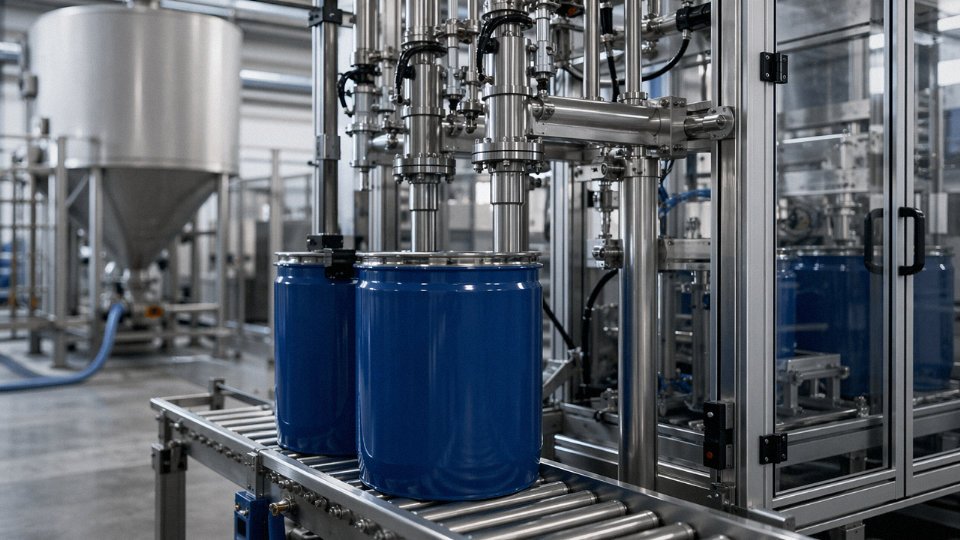
Three levers, in rough order of near-term impact. First, closed-loop depolymerization recovery — returning used silicone fluid to monomer rather than incinerating it — cuts embodied energy and eliminates the disposal pathway entirely for high-volume industrial users. Second, mandatory cyclic siloxane content disclosure on technical data sheets, something suppliers can provide but rarely volunteer without pressure from procurement. Third, investment in enzymatic biodegradation research; early results on siloxane-cleaving enzymes are genuinely promising and could eventually shift PDMS from “inherently biodegradable” into a faster-degrading category that changes the regulatory classification picture entirely.
None of those shifts happen without industrial users asking for them explicitly. The specification you write today is the most direct lever you control.