
Blogs
What MSDS information applies to silicone oil?
Learn what silicone oil MSDS data covers — flash point, vapor pressure, exposure limits, and safety details that vary by viscosity grade. Stay compliant and safe.

Learn what silicone oil MSDS data covers — flash point, vapor pressure, exposure limits, and safety details that vary by viscosity grade. Stay compliant and safe.
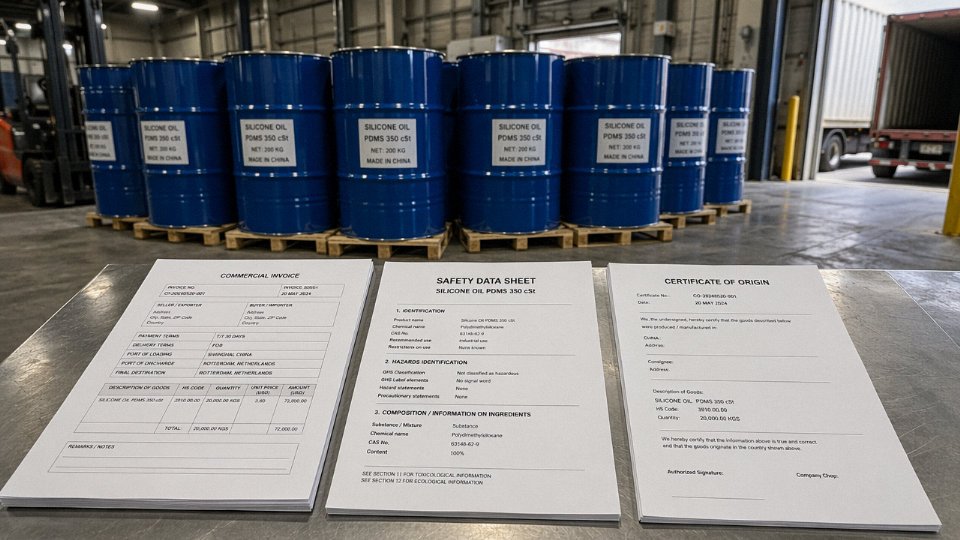
Learn exactly which documents you need to export silicone oil (HS 3910.00) — from CoA and SDS to REACH registration — and avoid costly port delays.
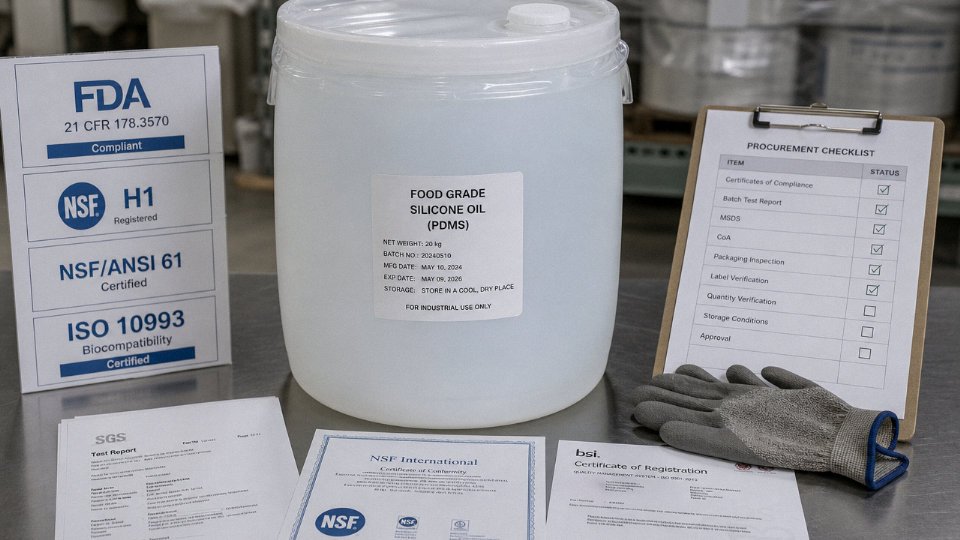
Learn which silicone oil certifications apply to your application — FDA 21 CFR 178.3570, NSF/ANSI 61, ISO 10993, and more. Avoid costly compliance mistakes.

Find out if silicone oil is RoHS compliant, why pure PDMS passes, and which additives in commercial grades can trigger compliance failures.

Learn which FDA, REACH, and EU food additive rules apply to silicone oil by application and jurisdiction. Avoid compliance gaps before they halt your production.
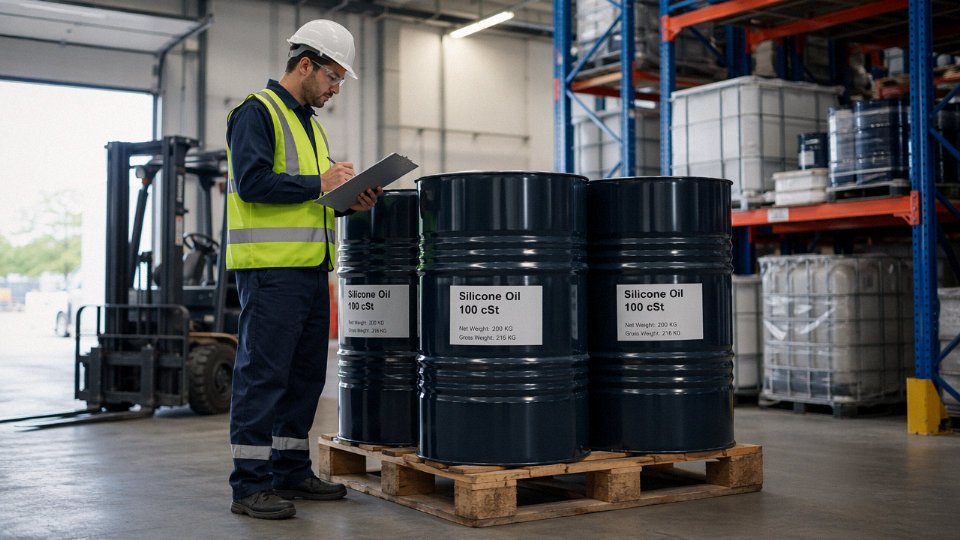
Learn how to transport silicone oil safely — right containers, viscosity labeling, and handling tips for PDMS across the full cSt range.

Learn how to select the right pharmaceutical-grade silicone oil: match PDMS viscosity, meet USP/EP purity standards, and avoid leachable contamination risks.

Learn how to select the right silicone oil for electronics by matching viscosity, dielectric strength, and temperature range to your application needs.

Learn how to select the right silicone oil for heat transfer systems. Covers viscosity grades, temperature range, flow regime, and avoiding costly fluid failures.

Learn how to choose silicone oil for lubrication by matching viscosity, temperature range, load capacity, and material compatibility for reliable performance.