
Blogs
Why is silicone oil important in modern industry?
Discover why silicone oil outperforms mineral oils in extreme heat, cold, and electrical applications — from lubricants to dielectric fluids across industries.

Discover why silicone oil outperforms mineral oils in extreme heat, cold, and electrical applications — from lubricants to dielectric fluids across industries.

Discover global silicone oil demand trends, regional breakdowns, and procurement insights to help you manage supply risks and plan smarter purchasing.

Discover which industries consume the most silicone oil, from personal care to industrial uses, and how end-market demand shapes pricing and supply chains.
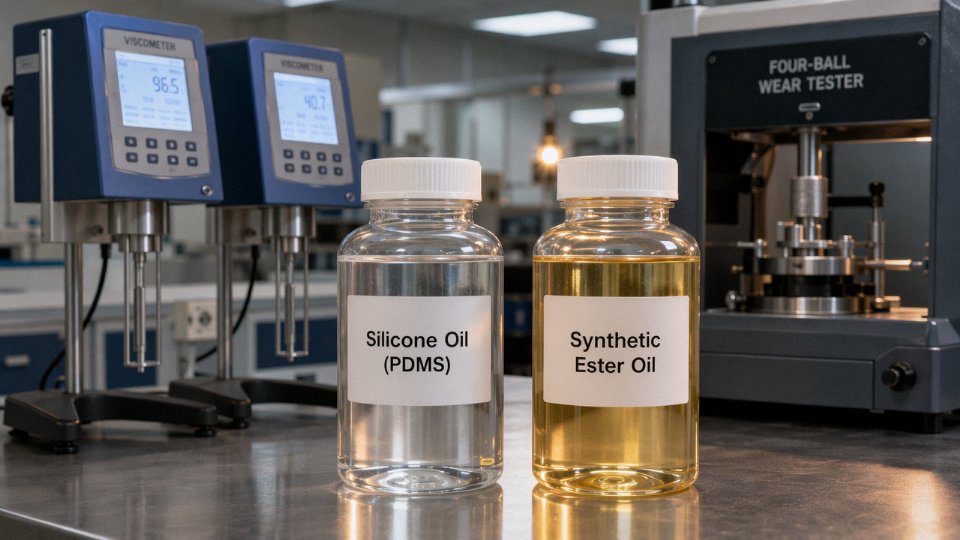
Silicone oil vs ester oils: compare viscosity index, temperature range, lubricity, biodegradability, and cost to choose the right fluid for your application.
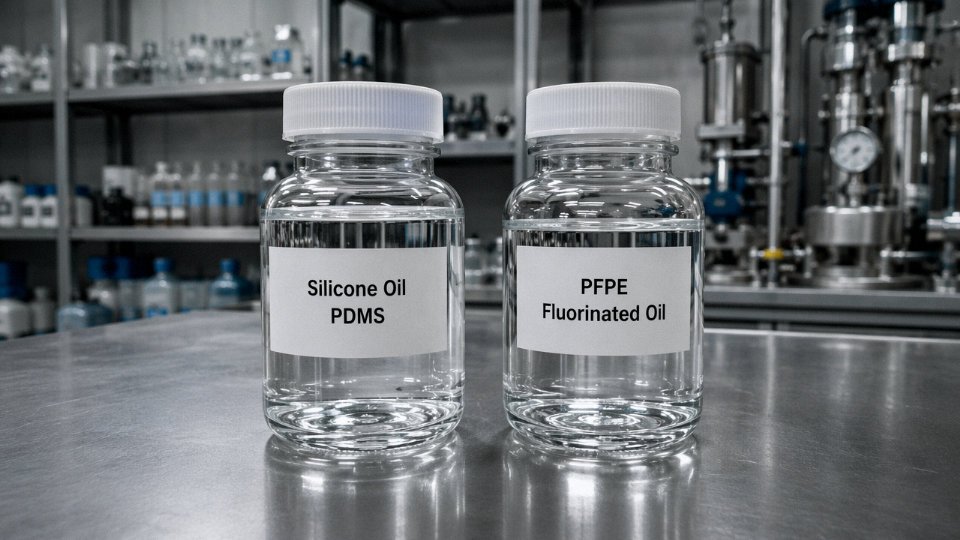
Silicone oil vs fluorinated oils: compare temperature range, chemical resistance, dielectric strength, and cost to choose the right specialty lubricant.
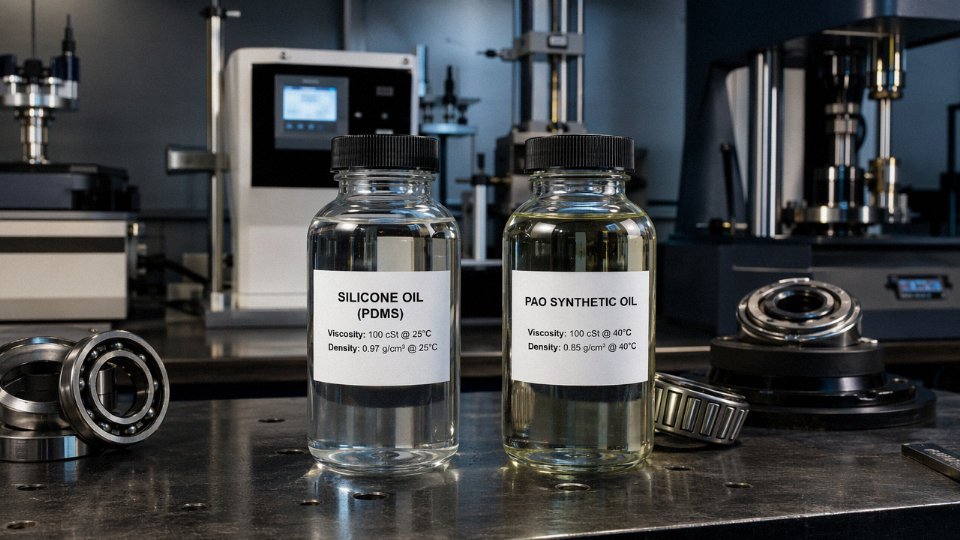
Discover how silicone oil stacks up against PAO and synthetic oils on temperature range, viscosity index, load capacity, and seal compatibility before you spec the wrong fluid.
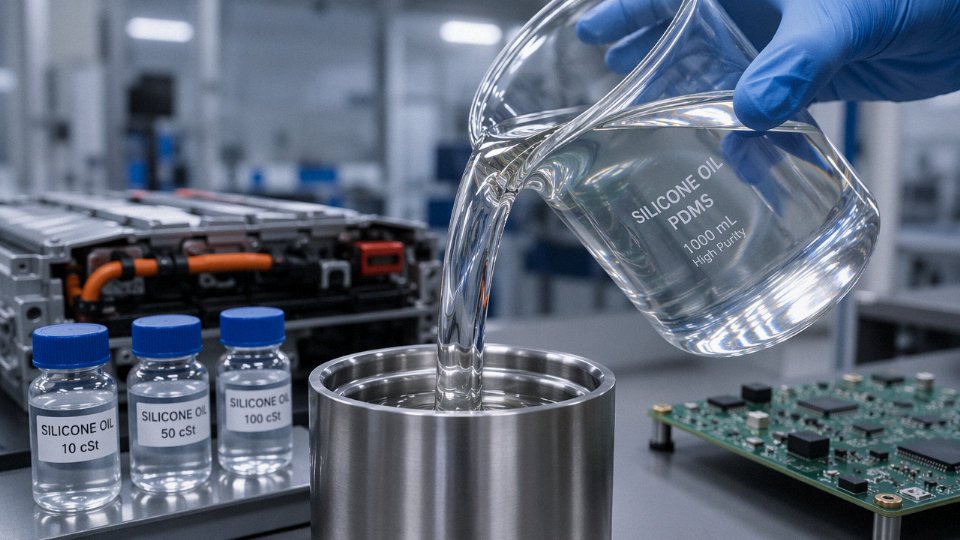
Discover how silicone oil is expanding into EV thermal management, power transformers, ophthalmology, and semiconductors — and which grades fit each application.

Discover active silicone oil research: thermal stability, ultra-low-viscosity PDMS, biomedical-grade purification, and dielectric fluid advances pushing beyond 300°C.

Discover the latest silicone oil innovations — functional variants, phenyl-modified grades, and bio-derived formulas solving real industrial failures standard PDMS cannot handle.

Discover how bio-derived formulations, functional modifications, and smart monitoring are reshaping silicone oil technology across industries over the next decade.