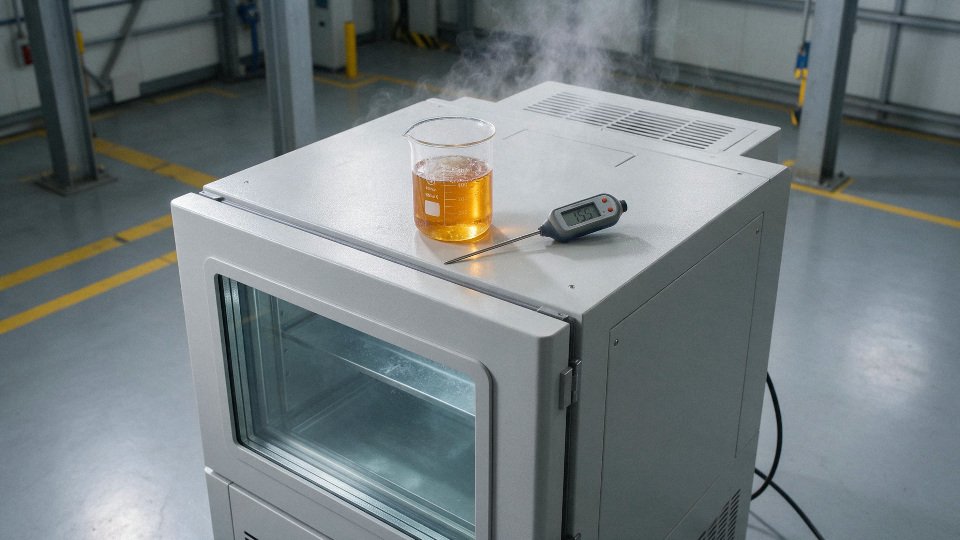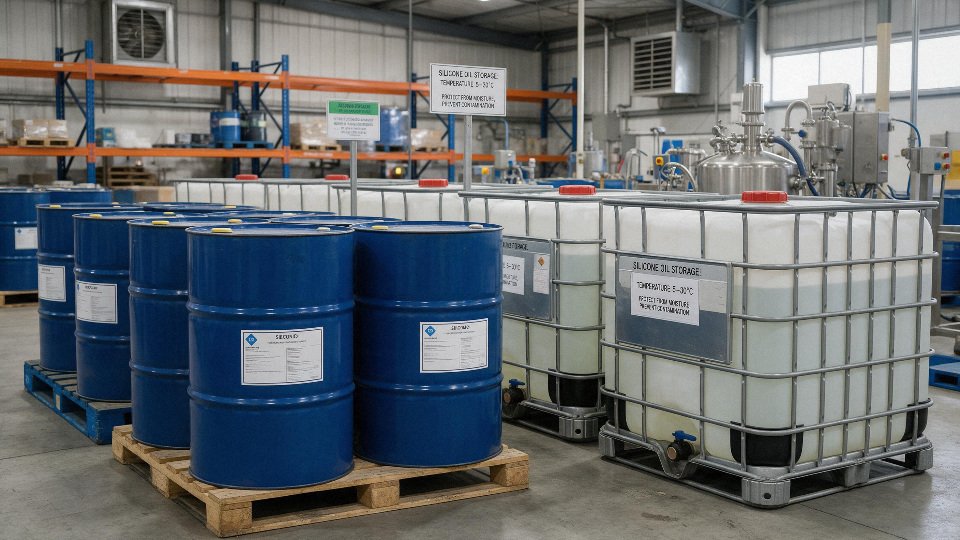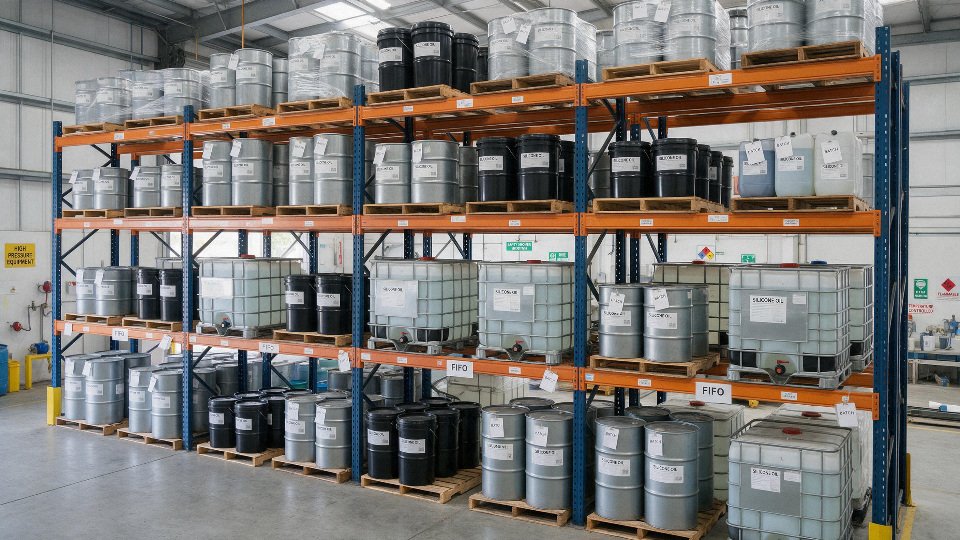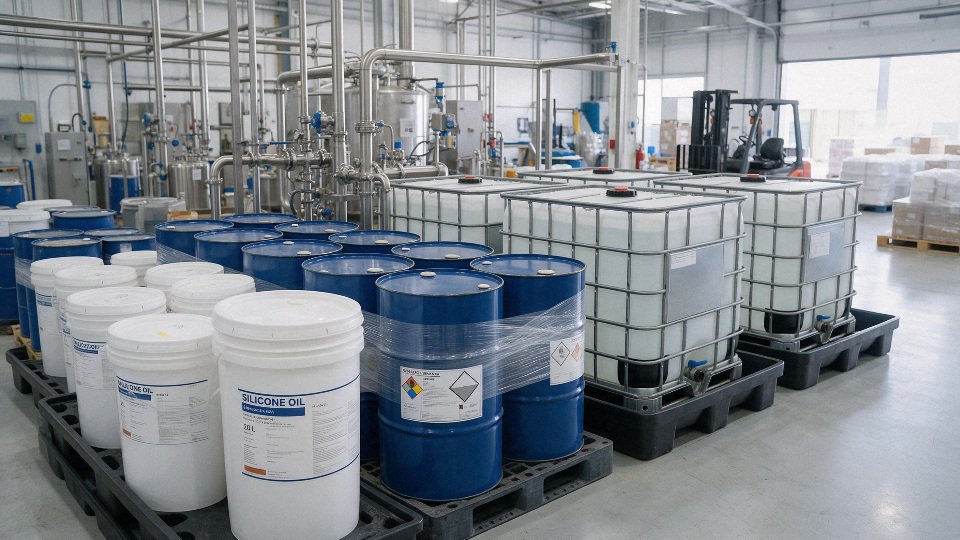
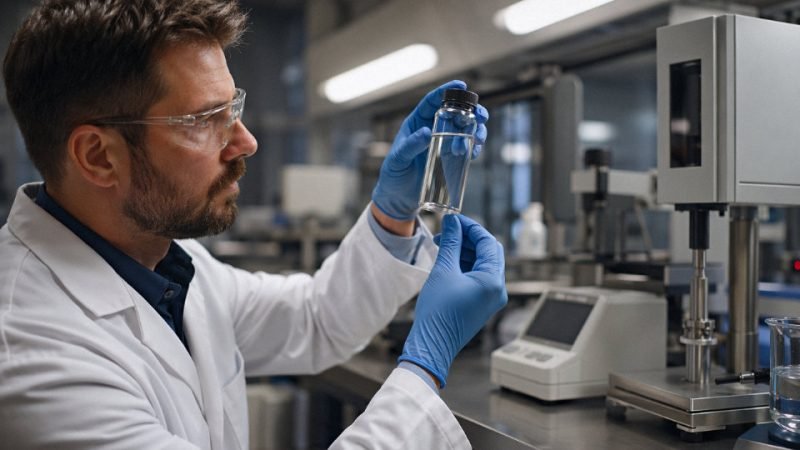
Silicone oils have been in service for decades, yet the engineering community keeps running into the same frustrations: fluid breakdown at sustained temperatures above 280–290°C, viscosity drift under shear in high-speed machinery, and biocompatibility gaps that block adoption in implantable medical devices. Any one of those failure modes can mean unplanned downtime, scrapped product batches, or a regulatory rejection that costs months of qualification work. The financial exposure is real — thermal fluid system failures alone routinely trigger production losses that dwarf the cost of the fluid itself.
Active research on silicone oil spans four converging directions: thermal-oxidative stability enhancement through nanoparticle and additive doping, ultra-low-viscosity PDMS formulations for microfluidic and semiconductor applications, biomedical-grade purification for ocular and implantable uses, and dielectric fluid optimization for high-voltage power equipment. Most programs aim to push continuous service temperatures beyond the current 300°C ceiling or to achieve tighter viscosity control across the commercial range of 0.65 cSt to 2,500,000 cSt.
What makes the current research moment unusual is that several of these threads — materials science, biomedical engineering, and power electronics — are pulling on silicone chemistry simultaneously, from different directions, and occasionally arriving at the same molecular modifications for entirely different reasons. A thermal stability improvement developed for transformer cooling turns out to be relevant to surgical tool lubrication. That kind of cross-pollination is accelerating the pace, and it means procurement and engineering teams need to track developments well outside their own industry vertical.
Biomedical Research: Silicone Oil in Ophthalmology, Drug Delivery, and Implantables
Biomedical applications represent the most clinically active — and in some respects the most demanding — research frontier for silicone oil. The viscosity tolerances are tighter, the contamination thresholds are measured in parts per billion, and a formulation error doesn’t produce scrap parts; it produces adverse patient outcomes. That raises the stakes considerably compared to industrial use cases.
Retinal Tamponade: Fixing What’s Been Broken for Decades
Silicone oil has been used as a vitreous substitute in retinal detachment surgery since the 1960s. The basic principle is straightforward — inject a hydrophobic oil into the vitreous cavity to press the detached retina back against the retinal pigment epithelium and hold it there while the tissue heals. In practice, the complications are significant enough that surgeons have been pushing for better options for at least thirty years.
The two most persistent problems are emulsification and inferior tamponade failure. Emulsification happens when mechanical agitation from saccadic eye movements breaks the oil into microscopic droplets over months or years. Those droplets migrate — into the anterior chamber, into trabecular meshwork, and in a subset of cases documented in the literature, into the optic nerve itself via retrograde axonal transport. Current research is trying to address this at the molecular level by synthesizing high-molecular-weight PDMS variants with tighter crosslink density and lower surface-activity, which resist droplet formation under shear. Some groups are exploring rheological additives — small amounts of partially fluorinated silicone polymers — that increase interfacial tension against aqueous humor without meaningfully changing the refractive index or surgical handling characteristics.
The heavier-than-water versus lighter-than-water problem is a real clinical constraint. Standard silicone oil floats, which makes it excellent for superior detachments but nearly useless for inferior breaks without requiring the patient to maintain a face-down or inverted posture for weeks. Several NIH- and EU Horizon-funded programs are actively developing partially fluorinated silicone oil blends — sometimes called heavy silicone oils or fluorosilicone hybrids — with specific gravities tuned between roughly 1.02 and 1.10 g/cm³. The target is a single-fill material that provides effective tamponade across the entire posterior segment without repositioning. Getting there is harder than it sounds; the density has to be right, but the material also has to clear the retina’s oxygen supply, stay optically clear for 6–18 months, and be removable without leaving a film.
Syringe Siliconization and Biologics Contamination
Shift from ophthalmology to pharmaceutical manufacturing and the silicone oil research landscape looks completely different but is equally urgent. Prefillable syringes — the primary delivery format for monoclonal antibodies, insulin, and biosimilars — have been lubricated with thin silicone oil films for decades. The film prevents barrel-plunger stiction and allows consistent glide force, which matters for auto-injector devices where actuation force tolerances are tight.
The problem is particle shedding. Silicone oil droplets in biologics formulations can act as nucleation sites for protein aggregation. Research at Johns Hopkins and work published through the FDA’s Center for Drug Evaluation and Research has been progressively tightening the understanding of what particle size distributions and concentration thresholds actually trigger immunogenic responses versus what’s present but benign. The current regulatory environment doesn’t have clean bright-line limits, which is exactly why the research is still active.
Baked-on and crosslinked silicone coatings on prefillable syringes eliminate silicone oil particle shedding entirelyFalse
They significantly reduce mobile silicone oil levels and measurably decrease particle counts in protein formulations, but 'eliminate' is not supported by current literature. Some residual extractable silicone remains even with crosslinked coatings, and performance varies with sterilization method and storage conditions.
The industry is moving toward baked-on silicone and covalently crosslinked coatings that bond to the glass barrel rather than sitting as a free lubricant layer. These show meaningfully lower extractable silicone levels — reductions in the range of 60–90% compared to conventional sprayed coatings, depending on coating chemistry and cure conditions — but they introduce their own manufacturing complexity around coating uniformity verification and the fact that some biologics formulations interact with the crosslinked surface differently than with conventional siliconized glass.
Neural Probes and Cochlear Implants: When the Film Is Only Nanometers Thick
The most technically demanding corner of implantable device research involves ultra-thin silicone oil barrier coatings on neural probes and cochlear implant electrode arrays. Here the film thickness isn’t measured in microns — researchers at several university labs are working at the angstrom-to-low-nanometer scale, depositing silicone layers via plasma-enhanced CVD or molecular layer deposition techniques to achieve pinhole-free coverage over complex electrode geometries.
Why it matters: charge-transfer impedance at the electrode-tissue interface is critically sensitive to surface chemistry. A silicone film that’s too thick attenuates the signal. One that’s non-uniform — a few angstroms thicker over the shank, thinner at the electrode tip edge — creates localized impedance mismatches that degrade signal quality progressively over months of implantation. Long-term biocompatibility is the other driver; the glial scarring response around chronic neural implants is partly mediated by surface energy and hydrophilicity, both of which silicone coatings influence directly. Getting this right is genuinely hard, and the research is still in relatively early phases compared to the retinal tamponade work — most published studies are in rodent models, with primate and human data still limited.
Environmental Fate and Ecotoxicology: What Field Studies and Lab Research Reveal
The environmental story of silicone oils is not one story — it’s two quite different ones depending on molecular structure, and conflating them has caused real confusion in regulatory discussions over the past decade.
Linear polydimethylsiloxane fluids, the kind used as transformer coolants, release agents, and hydraulic media in industrial settings, have low vapor pressure and bind tightly to soil particles and sediment. They don’t migrate far. Degradation in soil is slow but proceeds primarily through clay-catalyzed hydrolysis to dimethylsilanediol, which then breaks down further to silica, carbon dioxide, and water. For practical purposes, a spill of a high-viscosity PDMS fluid on agricultural land is a contamination event with limited lateral spread — problematic, but not the same category of problem as a volatile release.
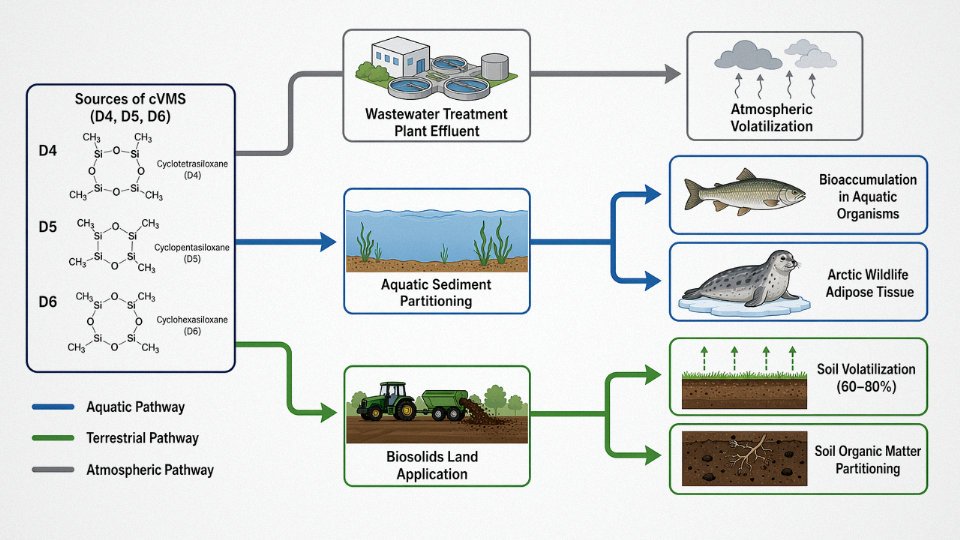
Cyclic volatile methylsiloxanes are the different story. D4 (octamethylcyclotetrasiloxane), D5 (decamethylcyclopentasiloxane), and D6 (dodecamethylcyclohexasiloxane) behave more like semi-volatile organic compounds. They volatilize readily from wastewater treatment plant effluent and from biosolids applied to farmland, enter the atmosphere, and partition into aquatic sediments with enough persistence and lipophilicity to accumulate in fatty tissue. Detection in Arctic ringed seal blubber, polar bear adipose tissue, and remote freshwater fish populations has been confirmed by multiple independent research groups since the mid-2000s. That’s not a modeling artifact — those are measured concentrations in organisms thousands of kilometers from any industrial source.
The Regulatory Science Behind D4 and D5 Restrictions
Environment and Climate Change Canada’s risk assessments, finalized in the 2008–2011 period and since updated, concluded that D4 and D5 meet the criteria for persistence, bioaccumulation, and toxicity under the Canadian Environmental Protection Act. The European Chemicals Agency reached similar conclusions. Measured bioconcentration factors for D5 in aquatic organisms range from roughly 5,500 to over 50,000 L/kg depending on species and exposure conditions — well above the regulatory BCF threshold of 5,000 L/kg that triggers bioaccumulative classification under REACH.
D5 has been classified as a Substance of Very High Concern (SVHC) under REACH due to its persistence and bioaccumulation potential in aquatic environments.True
ECHA added D5 to the SVHC candidate list based on PBT (persistent, bioaccumulative, toxic) criteria confirmed through sediment toxicity and bioaccumulation studies; this is documented in ECHA's official SVHC support documents.
Sediment toxicity data, particularly from freshwater amphipod and marine copepod studies, show sub-lethal effects at sediment concentrations that can be reached near wastewater outfalls in regions with high personal care product use. The effect concentrations are not alarmingly low, but the persistence is the real concern — D5 in deep lake sediments has an estimated half-life measured in years, not weeks.
Field Mesocosm and Isotopic Tracer Work (2019–2024)
More recent research using silicon-29 isotopic tracers and deuterium-labeled D5 in controlled field mesocosms has gotten more granular about soil behavior. Volatilization from biosolid-amended soils accounts for the majority of D5 dissipation — typically 60–80% of applied mass depending on soil temperature and tillage practice. The remaining fraction partitions into organic matter. Reported soil half-lives span 28 to 170 days, with the wide range driven primarily by soil temperature (warmer soils volatilize faster) and organic carbon content (higher OC slows volatilization by increasing sorption). Sandy, low-OC soils in warm climates push toward the short end; heavy clay agricultural soils in northern Europe sit closer to the long end.
Detection at Trace Levels: Analytical Method Development
One reason environmental monitoring lagged for years is that siloxanes are genuinely difficult to measure at environmentally relevant concentrations without contamination artifacts — silicone is in tubing, septa, grease fittings, nearly everything in an analytical lab. GC-MS/MS with deuterated internal standards (d5-D5 is the most common) and rigorous blank protocols has become the accepted approach for sub-nanogram-per-liter work in freshwater. Passive silicone rubber sheet samplers deployed in rivers and coastal water are showing promise for time-integrated measurements that grab episodic pulses that grab-sample programs miss entirely.
Photocatalytic and Enzymatic Degradation Research
On the remediation side, titanium dioxide UV-photocatalysis trials have demonstrated greater than 90% mineralization of D5 under simulated solar irradiation, though reaction times are long and the approach is currently only practical for point-source treatment of concentrated process streams, not diffuse environmental contamination. Enzymatic pathways using engineered siloxanases — still largely at bench scale — are being explored for wastewater polishing applications. Neither pathway is close to industrial deployment, but the chemistry is real and moving faster than it was five years ago.
Lifecycle Assessment and the Policy Gap
The policy dimension is worth flagging for procurement managers and formulators: LCA models for personal care and industrial lubricant products have historically underestimated siloxane volatility losses during use and rinse-off phases. Revised models incorporating measured emission factors from shower and laundry studies are being developed under ECHA guidance and are expected to feed into updated restriction proposals. For industrial users, that means products formulated with D4, D5, or D6 are facing a tighter regulatory environment regardless of end-use — the pressure is coming from the personal care volume, but restrictions under REACH apply across sectors.
Thermal Management and Energy Systems: Silicone Oil as a Next-Generation Heat Transfer Fluid
The physics here are not subtle. When you pack a modern GPU rack to 50–80 kW per cabinet, air simply stops being a credible cooling medium. The fans, the raised floors, the precision air conditioning — all of it starts consuming more energy overhead than most plant engineers are comfortable defending. That pressure is driving serious research into single-phase immersion cooling, and silicone oil is one of the two or three fluids getting the most sustained attention.
Why DC 200 and Wacker AK Fluids Keep Appearing in Immersion Cooling Studies
Dow’s DC 200 series and Wacker’s AK-range PDMS fluids are the workhorses in this space, mostly because they’re well-characterized, widely available, and don’t require the specialized handling that fluorinated competitors demand. Their dielectric strength — typically 15–35 kV/mm depending on purity grade and moisture content — is high enough that bare PCBs can sit submerged without shorting, which is the whole premise. Thermal conductivity runs 0.15–0.16 W/m·K across the viscosity range that matters for tank circulation (usually 5–50 cSt), which is honestly not impressive on its own. Water is about four times better. The argument for silicone isn’t conductivity — it’s the combination of dielectric safety, chemical inertness toward FR4 laminates and solder masks, and the fact that servers can be pulled wet, dried with shop air, and returned to service.
Silicone oil immersion cooling systems using DC 200 or equivalent PDMS fluids operate with server hardware fully submerged in fluid at dielectric strengths of 15–35 kV/mm without electrical short-circuit risk under normal purity conditions.True
PDMS dielectric strength in this range is well-established in manufacturer datasheets and repeated in peer-reviewed immersion cooling studies; the value depends on fluid grade and the absence of conductive contamination or free water.
Research published under the Green Grid consortium and operational data from Oak Ridge National Laboratory’s immersion cooling testbed show PUE figures dropping from the 1.4–1.6 range typical of conventionally air-cooled hyperscale facilities to 1.03–1.05 in silicone oil immersion systems. That gap is enormous. A facility running 10 MW of IT load at PUE 1.5 is burning roughly 5 MW just on cooling infrastructure. Drop to 1.04 and that overhead shrinks to 400 kW. At industrial electricity rates, you’re talking real money — the kind that justifies expensive fluid inventories and redesigned maintenance workflows.
Nanofluid Research: Real Gains, Unresolved Problems
Dispersing graphene oxide, boron nitride nanosheets, or alumina nanoparticles into PDMS base oil can push thermal conductivity up by 15–40% depending on particle loading, size distribution, and surface functionalization. The numbers are reproducible in short-duration lab experiments. The problem is everything that happens after week two. Nanoparticles settle. They agglomerate. In a circulating loop, they migrate toward heat sources and deposit on heat exchanger surfaces in ways that partially negate the conductivity improvement you were chasing. Viscosity also rises with particle loading, which increases pump work and can shift the fluid’s behavior enough to affect existing flow-rate assumptions. Long-term stability in operating tanks — with thermal cycling, mechanical shear, and trace contamination from hardware — remains genuinely unsolved. This is an active research frontier, not a deployable solution yet.
Concentrated Solar Power: Pushing the Temperature Ceiling
CSP parabolic trough collectors present a different challenge. The fluid needs to survive 300–400°C continuous service, and aromatic synthetic HTFs like Therminol VP-1 have historically dominated here. Silicone-based alternatives — formulated in the viscosity range of Therminol 59 equivalents — are being evaluated at Sandia National Laboratories and at DLR in Germany specifically because they offer lower freezing points and potentially friendlier environmental profiles. Accelerated aging studies comparing degradation kinetics show that silicone blends accumulate oxidation byproducts and viscosity drift more slowly at 380°C than aromatic HTFs do, though the crossover temperature below which aromatics remain competitive is still being pinned down. The -60°C lower service limit of silicone oils is a genuine operational advantage in desert installations where overnight temperatures swing dramatically and freeze protection adds cost.
Battery Thermal Management: A 30–60 Second Window That Matters
Lithium-ion thermal runaway is fast, violent, and propagates cell-to-cell in under a minute if nothing intervenes. Research from academic groups and from development programs associated with Toyota and Panasonic has looked at silicone oil immersion — both passive tank designs and pumped circulation — as a way to slow that propagation. Reported delays of 30–60 seconds per module are not a cure, but in a pack architecture where the battery management system needs time to isolate sections and trigger suppression, those seconds matter enormously. The fluid’s thermal mass absorbs the initial exotherm faster than air-gap designs, and its chemical stability means it doesn’t ignite or contribute to the thermal event the way some organic coolants might. Solid-state battery research is pushing this further, since solid electrolytes tolerate immersion better than liquid-electrolyte cells do, and the operating temperature windows align well with PDMS stability ranges.
Microfluidics and Lab-on-a-Chip Systems: PDMS as Both Substrate and Working Fluid
PDMS occupies a genuinely unusual position in microfluidics research: it is simultaneously the structural material you build the device from and the fluid you run through it. That dual role has made silicone oil central to some of the most productive areas of applied biology over the last two decades, from single-cell sequencing to organ mimicry.
PDMS Soft Lithography — The Foundation, and Its Ongoing Problems
The Whitesides group at Harvard essentially handed the life-sciences world a fabrication toolkit in the late 1990s when they showed that PDMS could be cast against photoresist masters to produce sub-100-micron channel networks in a benchtop lab. That work triggered an enormous volume of follow-on research, and the technique is still the dominant prototyping method in academic microfluidics today. The problem is that PDMS is genuinely awkward to work with in certain assay contexts, and the field has spent years trying to fix that without abandoning the material entirely.
The three issues that come up constantly in fabrication research are small-molecule absorption, gas permeability, and hydrophobicity recovery. PDMS absorbs hydrophobic small molecules — steroids, many drug compounds, lipophilic dyes — at a rate that can deplete experimental reagents meaningfully over the timescale of a cell biology assay, sometimes within 30–90 minutes depending on channel geometry and wall-to-volume ratio. Hydrophobicity drift is subtler: plasma treatment makes the surface transiently hydrophilic for bonding and cell adhesion, but it reverts within hours, which matters enormously if you are trying to maintain a defined surface chemistry for weeks in an organ-on-chip experiment. Current research directions include parylene-C coatings, lipid bilayer deposition on channel walls, and thermoplastic alternatives like cyclic olefin copolymer — but PDMS remains the default, largely because nothing else is as easy to prototype with.
Droplet Microfluidics: Silicone Oil as the Continuous Phase
In droplet-based systems, silicone oil’s role shifts entirely. Here it is the carrier — the continuous, immiscible phase into which aqueous reagent droplets are generated and transported. This is where viscosity selection becomes a real engineering decision rather than a catalog lookup. Research groups and commercial platform developers typically work in the 1–50 cSt range for the continuous phase; go much lower and droplet formation becomes unstable at high flow rates, go higher and you start paying a pressure penalty that scales badly in long serpentine channels.
Throughput in modern droplet platforms runs roughly 10,000–30,000 droplets per second at a flow-focusing junction, depending on channel dimensions, oil viscosity, and aqueous phase composition. Hitting a coefficient of variation below 3% in droplet diameter — which is what digital PCR workflows demand for accurate copy-number quantification — requires tight control of surfactant concentration and oil purity. ABIL EM 90 and Picosurf-1 are the surfactants most groups reach for first; they sit at the oil-water interface and prevent coalescence during thermocycling without the partition effects that plague some fluorosurfactant formulations. Getting that chemistry wrong shows up as droplet merging events during PCR ramp cycles, which ruins the Poisson statistics the whole quantification method depends on.
The 10x Genomics Chromium system — probably the highest-profile commercial implementation — relies on this physics to encapsulate single cells alongside barcoded beads into gel droplets, enabling transcriptomic profiling at scale. The oil phase formulation is proprietary, but published research from the platform’s development makes clear that viscosity matching between the aqueous cell suspension and the oil continuous phase was a non-trivial optimization step.
Droplet microfluidic platforms using silicone oil as the continuous phase can reliably generate droplets at rates exceeding 10,000 per second with coefficient of variation below 3% when surfactant chemistry and oil viscosity are properly matched.True
This performance range is documented across multiple peer-reviewed microfluidics studies and is consistent with commercial platform specifications for ddPCR and single-cell encapsulation workflows.
Organ-on-Chip: Oil as the Mechanical Actuator
The Wyss Institute programs, and the work commercialized through Emulate, use silicone oil in a different way entirely — not as a carrier fluid but as the pressure medium that imposes physiological mechanical strain on cell monolayers. In these devices, PDMS membranes separate a central cell culture channel from side vacuum chambers. Cycling oil pressure in those side chambers flexes the membrane rhythmically, simulating the ~10–15% cyclic strain that lung alveolar cells or gut epithelial cells experience in vivo. The oil is chosen specifically because it does not permeate the PDMS membrane meaningfully at the pressures involved (typically below 30 kPa), does not interact with the culture medium, and maintains consistent viscosity across the temperature range the incubator runs at. In practice most labs use a mid-range silicone oil in the 10–50 cSt band for this application — cheap, stable, and it simply works.
Digital Microfluidics and Electrowetting
Electrowetting-on-dielectric (EWOD) platforms take a different geometric approach: instead of continuous flow channels, discrete droplets sit on an array of addressable electrodes and are moved, merged, and split by applying voltage sequences. Silicone oil fills the space between the electrode substrate and the top plate, serving as filler medium that reduces droplet contact-angle hysteresis and prevents evaporation. Companies like Volta Labs and Nuclera have published actively on oil film thickness optimization — too thin and you get dielectric breakdown events that destroy electrode coatings; too thick and the electrowetting actuation voltage climbs to impractical levels. The sweet spot is usually somewhere in the 100–300 µm gap range, filled with a low-viscosity silicone oil, and the exact formulation affects how reliably the system handles biological matrices like whole blood or saliva, which are considerably messier than buffer.
The trajectory across all these subfields points the same direction: researchers are not looking to replace silicone oil in microfluidics, but they are working hard on making its behavior more predictable, more controllable, and better characterized at the nanoscale interfaces where most of the interesting biology actually happens.
Optical and Photonic Research: Silicone Oil in Tunable Lenses, Displays, and Light Guides
Silicone oil’s optical credentials don’t get nearly as much press as its thermal or biomedical properties, but the photonics research community has been quietly exploiting them for years. The refractive index of PDMS-based silicone oils spans roughly 1.390 to 1.530 depending on phenyl group substitution — pure dimethyl grades sit at the low end, while phenylmethyl and diphenyl copolymers push toward the upper bound. Abbe numbers for pure PDMS can reach 76, which means exceptionally low dispersion. Combine that with a transmission window running from about 300 nm out to 2,500 nm, low birefringence, and near-zero scattering in the visible band, and you have an optically well-behaved liquid that photonic engineers can actually work with.
Tunable Liquid Lenses
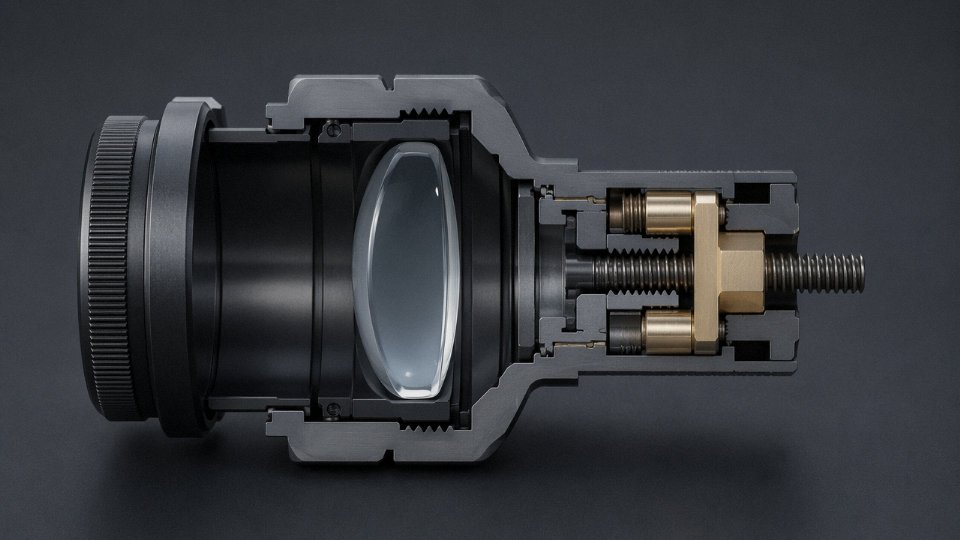
Adaptive lens research is probably the most commercially mature photonics application. In a typical configuration, silicone oil fills a sealed chamber bounded on one or both sides by a flexible membrane. Actuate the membrane — via piezoelectric ring, dielectric elastomer, or electrowetting at the liquid-liquid interface with a polar phase — and the curvature of the oil-filled lens changes continuously. Focal length shifts happen in milliseconds rather than the tens or hundreds of milliseconds a motor-driven lens requires.
Commercial work by companies like Varioptic and Optotune has demonstrated this principle in smartphone camera modules, barcode scanners, and drone autofocus assemblies. Research groups at TU Delft have pushed the architecture further, experimenting with asymmetric actuation geometries that allow simultaneous focus and tilt correction — relevant for ophthalmic wavefront sensing, where correcting a single Zernike mode at a time is often too slow. The silicone oil in these systems needs viscosity control to within tight bounds; too low and the meniscus response becomes underdamped and oscillatory, too high and actuation speed suffers. In practice, grades in the 5–50 cSt range are common for high-speed applications, with phenyl-modified variants selected when a specific target refractive index is required.
Electrowetting Displays
Electrowetting displays represent a genuinely different application logic. Here, a thin layer of colored silicone oil — typically pigmented or dye-loaded — sits on a hydrophobic surface beneath a water layer. Apply a voltage and the water spreads, displacing the oil and revealing a white reflective substrate beneath. Remove it and the oil snaps back. The pixel either shows color or reflects ambient light. Power draw is extremely low because the display only consumes energy during state transitions, not while holding an image.
Electrowetting displays consume significantly less power than LCD or OLED panels in static image applicationsTrue
Because electrowetting pixels hold their state without continuous current flow, standby power draw is near zero — a well-documented characteristic of bistable display technologies, confirmed by University of Cincinnati research groups and companies such as Gamma Dynamics working in this space.
Academic groups at the University of Cincinnati have published extensively on optimizing the silicone oil composition for switching speed and contrast ratio. Gamma Dynamics has pursued this for outdoor signage and e-readers where sunlight readability matters and backlights are a liability. The unsolved problems are mainly reliability — ensuring the oil film recollects completely over millions of cycles without pinning defects — and color gamut, which still lags behind OLED.
Index-Matching in Fiber Optic and Photonic Packaging
At fiber-chip interfaces, Fresnel reflection losses from an unmatched air gap run around 4% per surface. Low-viscosity silicone oils or gels — usually 1–5 cSt grades formulated to a refractive index close to 1.46 to match standard silica fiber — fill that gap and can cut insertion losses to well below 0.1%. This matters enormously in photonic integrated circuit packaging, where you may have dozens of fiber-to-chip coupling points and each fraction of a decibel compounds. The silicone needs long-term optical stability; yellowing or viscosity drift over thermal cycling will degrade performance gradually in ways that are hard to diagnose in the field.
Luminescent Solar Concentrators
Perhaps the most research-stage application right now is silicone oil as a host matrix for luminescent solar concentrators. The concept uses a planar waveguide doped with fluorophores — quantum dots or organic dyes — that absorb sunlight and re-emit it toward photovoltaic cells at the edges. The longstanding problem with solid polymer hosts is dye aggregation quenching, where fluorophore molecules cluster and lose efficiency. PDMS fluid hosts reduce this because the matrix is flexible at the molecular level and keeps dopants well-separated. Reported optical efficiency improvements over solid polymer hosts are in the 12–18% range, though this varies considerably with dye loading, waveguide geometry, and whether the PDMS is crosslinked into a gel or remains a free fluid contained in a sealed glazing unit. Several European university consortia are actively working this angle, and it’s one of the few photonic applications where the silicone oil’s mechanical compliance is actually part of what makes it useful, not just an incidental property.
Degradation Chemistry and Long-Term Stability: How Researchers Are Mapping Silicone Oil Failure Modes
Silicone oil’s reputation for chemical inertness is well-earned but not unconditional. Push the fluid hard enough — thermally, oxidatively, or with ionizing radiation — and the Si-O-Si backbone starts doing things you don’t want. Understanding exactly how and when that happens is now a serious research priority, driven partly by liability in medical device applications and partly by the economics of long-interval maintenance in power and industrial systems.
Thermal Degradation: Two Distinct Pathways, Different Consequences
Above roughly 300°C, PDMS undergoes backbone depolymerization through a back-biting rearrangement mechanism that produces cyclic siloxanes — predominantly D3 through D6 rings. This is a volatilization failure: the fluid literally evaporates itself into lower-molecular-weight fragments, viscosity drops, and the system loses its thermal mass. In a concentrating solar loop running hot, that translates to reduced heat transfer capacity and potential fouling downstream as the volatiles condense on cooler surfaces.
The second pathway is distinct and, in practice, often more damaging in closed systems. Side-chain oxidation — attack on the methyl groups — produces silanol intermediates (Si-OH) that subsequently condense into SiO₂ particulates. Viscosity climbs. In badly aged transformer fluid, you’ll sometimes see a slight haze or a gel layer near filter housings; that’s essentially fine silica suspended in partially cross-linked PDMS. Sedimentation fouls narrow orifices and valve seats faster than most maintenance schedules anticipate.
Oxidative Degradation: The Metal Contamination Problem
Free-radical oxidation is initiated surprisingly efficiently by trace metal contaminants. Iron and copper at single-digit ppm levels are enough to catalyze Si-CH₃ bond cleavage through a Fenton-type mechanism, producing formaldehyde as a short-lived intermediate before the carbon ends up as silica char. This matters operationally because most plant fluid systems contain copper alloy fittings, and even brief contact during a fill operation can seed contamination.
Research groups — including work published out of polymer chemistry labs and, reportedly, internal programs at major silicone producers — have used electron paramagnetic resonance (EPR) spectroscopy and isotopically labeled ¹³C-methyl PDMS to track radical flux and intermediate concentrations with precision that conventional fluid analysis simply can’t reach. The finding that copper accelerates oxidation roughly four to six times faster than iron at equivalent concentrations has practical implications: stainless steel and PTFE-lined fittings are not just a corrosion precaution, they’re an extended-service-life decision.
Trace copper contamination at low ppm concentrations significantly accelerates free-radical oxidative degradation of PDMS silicone oil.True
EPR spectroscopy and isotopic labeling studies confirm that transition metals including copper catalyze Si-CH₃ bond cleavage through radical chain mechanisms at concentrations in the single-digit ppm range, consistent with Fenton-type catalysis established in broader polymer oxidation literature.
Radiation Stability: Crosslinking to the Gel Point
For nuclear maintenance equipment and spacecraft mechanisms, degradation takes a different form. Gamma irradiation drives crosslinking between PDMS chains rather than chain scission, and the result is viscosity increase followed by gelation. Studies from NASA Goddard and ESA programs have characterized this behavior for 100 cSt PDMS: gel point typically falls somewhere between 200 and 400 kGy, depending on dose rate, temperature during irradiation, and dissolved oxygen content. Phenyl-substituted silicone oils — where phenyl groups interrupt the backbone and act as radical energy sinks — show roughly three to five times better radiation resistance in direct comparisons, which is why they dominate aerospace lubrication specifications despite their higher cost and narrower viscosity range.
Tribological Degradation in Precision Applications
When silicone oil functions as a boundary lubricant in medical devices or optical instruments, the failure mode shifts to the nanoscale. AFM studies of silicone oil films on steel and titanium substrates reveal that boundary film thickness under load can drop below 5 nm before film rupture, and mass spectrometry analysis of wear debris collected from those contacts finds cyclic siloxane fragments and low-molecular-weight oxidation products at nanogram quantities per cycle. That sounds trivial until you consider a drug delivery pump running millions of cycles. Wear chemistry at that scale can contaminate the drug pathway — which is exactly the kind of failure mode that drives FDA scrutiny of silicone-lubricated device components.
Predictive Modeling: From Accelerated Aging Data to Maintenance Scheduling
The most practically useful recent research is arguably the least glamorous: machine learning models trained on accelerated aging datasets generated under ASTM D7043 and ASTM D2272 protocols. These models ingest viscosity-time curves, acid number progression, and oxidation induction time measurements from controlled aging runs, then predict field fluid condition at actual operating temperatures and contamination levels. Mean absolute errors on viscosity-increase endpoint predictions are generally reported below 8% — good enough to shift transformer and hydraulic system maintenance from fixed time intervals to genuine condition-based decisions, which in a large fluid system can mean deferring a drain-and-refill by months without accepting elevated risk. The practical limitation is that the training datasets are still relatively narrow; models trained on clean lab fluid don’t extrapolate well to systems with mixed contamination histories, and that’s an acknowledged gap current research is working to fill.
Emerging and Speculative Research Directions: From Soft Robotics to Carbon Capture
The sections above cover domains where silicone oil has already earned a commercial foothold. What follows is different — research programs where the fluid is enabling but the application is still firmly pre-commercial, and where a lot can still go sideways before anything reaches a production line.
Soft Robotics and Magnetorheological Actuators
Groups at MIT CSAIL, Stanford’s biomimetics lab, and ETH Zurich have been pushing silicone oil-filled pneumatic and hydraulic actuators as a practical substrate for bio-inspired motion. The appeal is straightforward: PDMS-based fluids don’t compress meaningfully, transmit pressure faithfully through complex geometries, and won’t catastrophically leak if a soft elastomer wall tears the way a metal hydraulic line would. Current prototype actuators achieve finger-like curl radii in the 15–40 mm range depending on wall thickness and fluid viscosity — typically 50–500 cSt grades for these applications.
The more interesting work, in my view, involves magnetorheological (MR) composites: suspensions of carbonyl iron particles dispersed in silicone oil that transition from fluid to near-solid under an applied magnetic field. Yield stresses up to roughly 80 kPa at 1 T have been demonstrated in lab conditions, which is enough to lock a joint or resist a meaningful external load. The silicone carrier fluid matters here — its low pour point and chemical inertness keep particle dispersion stable across temperature swings that would cause aqueous MR fluids to behave erratically. Commercial MR fluids (LORD Corporation’s MRF series, for instance) use hydrocarbon bases for cost reasons, but silicone-based variants are showing better consistency below -30°C, which is relevant for outdoor robotics.
Magnetorheological silicone oil composites can achieve yield stresses up to 80 kPa at 1 T applied field in laboratory demonstrationsTrue
Published research from multiple groups, including work from ETH Zurich and collaborating institutions, has reported yield stress values in this range for carbonyl iron/PDMS suspensions, though values depend heavily on particle loading fraction (typically 20–40 vol%) and field uniformity.
Seismic Damping: A Structural Engineering Angle
Less publicized but genuinely promising: semi-active damper research for earthquake-resistant construction is testing PDMS fluids as an alternative to conventional MR fluid in structural joints. The argument for silicone over hydrocarbon base fluids here is thermal stability — a building damper in, say, a desert climate or a sub-arctic installation needs consistent behavior from roughly -40°C to +150°C, and PDMS handles that range without the viscosity swings that compromise damping coefficient predictability in mineral oil systems. Pilot damper assemblies have shown response times under 20 ms on field variation, which is fast enough to be useful in seismic isolation. This is still mostly university-level work, not something a structural engineer can specify from a catalog today.

Carbon Capture: An Unexpected Application
The University of Texas Austin pilot work on post-combustion CO₂ capture deserves attention because it reframes silicone oil as a process solvent rather than a lubricant or dielectric. The approach uses hydrophobic PDMS emulsions coating microporous membrane contactors — the silicone layer reduces water vapor co-absorption that plagues aqueous amine systems, and pilot-scale tests have shown CO₂ absorption flux increases of around 20–35% over comparable amine contactors at equivalent energy penalty. That range depends heavily on flue gas humidity, contactor pore size distribution, and operating pressure. It’s not a drop-in replacement for amine scrubbing — the capital cost of membrane systems is still a barrier — but the thermodynamic argument is cleaner than it looks on first read.
Space Lubrication: An Old Problem, a Refined Material
ESA and JAXA have both run programs testing silicone oil derivatives for satellite mechanisms, reaction wheels, and Mars rover joint actuators. The environment is brutal in a specific way: ultra-high vacuum below 10⁻⁸ Pa means conventional greases either outgas their base oil into the mechanism cavity or freeze at cryogenic temperatures and seize moving parts entirely. Silicone derivatives — particularly phenyl-modified PDMS grades — show lower vapor pressure than their dimethyl counterparts and maintain measurable film thickness at temperatures approaching -100°C. This isn’t new science, but the current research push is around life prediction: how many thousands of actuation cycles before the film thins below the critical boundary lubrication threshold in hard vacuum.
Quantum Technology: A Niche Worth Watching
Smallest in absolute volume but fastest-growing in publication rate: refractive-index-matched silicone oil immersion layers in optical cavities and nitrogen-vacancy (NV) center magnetometers. The problem being solved is photon collection loss at solid-air interfaces in quantum sensing setups. Silicone oils with refractive indices tunable between roughly 1.40 and 1.52 (by adjusting phenyl group content) can index-match to common optical substrates and improve photon collection efficiency meaningfully — some groups report 15–25% gains, though that figure varies with geometry. The entire global literature on this specific application is probably under 50 papers. It’s growing at over 30% annually by publication count, which sounds dramatic but also means the absolute numbers are still tiny. Don’t plan a procurement strategy around it yet. Worth tracking.
Regulatory Research and Industrial Standards: How Science Is Shaping Compliance Frameworks
The gap between laboratory findings and binding regulation is rarely clean, and silicone oil is no exception. What’s happening right now is a feedback loop: field ecotoxicology studies generate data, ECHA and EPA pick that data up, and the resulting rule-making forces manufacturers and downstream formulators to fund more research to defend or reformulate their products. That cycle is accelerating.
REACH Restrictions on Cyclic Siloxanes — and What Comes Next
EU Regulation 2018/35 restricted D4, D5, and D6 in wash-off cosmetic products above 0.1% concentration, based on ECHA’s classification of D4 as a persistent, bioaccumulative, and toxic (PBT) substance and D5 and D6 as very persistent and very bioaccumulative (vPvB). That restriction is in force. The more consequential question is what ECHA’s Risk Assessment Committee (RAC) does next.
RAC is currently reviewing whether to extend restrictions to leave-on cosmetics — think lotions and hair conditioners — and, critically, to industrial lubricants and release agents where siloxane volatility and wash-off potential are harder to control than in a factory-sealed system. A decision affecting industrial uses could land as early as 2026, though ECHA timelines slip routinely. Formulators supplying metalworking fluids or textile processing agents that include D5 as a carrier or slip agent should be watching this closely; the exposure scenario modeling RAC is using assumes worst-case ventilation conditions in light manufacturing, which covers a lot of real operations.
EPA TSCA Section 6 and the D5 Risk Evaluation
In the United States, EPA initiated a TSCA Section 6 risk evaluation for D5 (decamethylcyclopentasiloxane) in 2022. The scope is broad. EPA is collecting occupational inhalation and dermal exposure data directly from silicone producers and from downstream formulators in personal care, electronics cleaning, and industrial processing sectors. The agency is particularly interested in chronic low-level inhalation exposure in compounding and blending facilities — the kind of ambient exposure that doesn’t trigger acute health events but accumulates in cohort data over years.
EPA's TSCA Section 6 risk evaluation for D5 was formally initiated in 2022.True
EPA published its D5 scoping document under TSCA Section 6(b) as part of its cyclic siloxane review program, confirmed in EPA's published risk evaluation work plan documents.
What this practically means for procurement and EHS teams: if your operation uses D5-containing fluids and you source from a major silicone producer, expect information requests under TSCA Section 8(a) or 8(d) rules as EPA builds its exposure dataset. Producers are already passing some of this burden downstream.
ISO TC 28 and the Test Method Gap Problem
ISO Technical Committee 28 covers petroleum products and related fluids, and it includes silicone heat transfer fluids within its scope. The development of ISO 18070 on thermal fluid cleanliness is relevant here — it sets contamination thresholds and sampling protocols — but much of TC 28’s existing method base was built around hydrocarbon chemistry. Siloxanes behave differently. Their viscosity-temperature relationship, oxidation byproducts, and particle contamination signatures don’t map neatly onto mineral-oil test protocols.
The gap analysis work currently underway within TC 28 working groups is trying to identify which existing ISO methods need modification and where entirely new methods are needed. This matters practically for anyone using silicone oil in a CSP or immersion cooling system where fluid cleanliness directly affects heat transfer coefficients and pump seal life.
Industry Research Programs: SEHSC and the Global Silicones Council
The American Chemistry Council’s Silicones Environmental, Health and Safety Center has been running epidemiological cohort studies covering workers with occupational exposure to silicone fluids — mostly in compounding and personal care manufacturing — for roughly two decades. The more recent work includes multi-generation reproductive toxicity studies specifically required by ECHA as part of the D6 classification review. These studies are expensive and slow, typically running 3–5 years before peer-reviewed data are available, and their outcomes will directly influence whether D6 receives the same vPvB designation already applied to D5.
The Global Silicones Council’s life-cycle stewardship program takes a different angle. Working with university partners, it’s tracking silicone release across end-of-life pathways — landfill leachate, incineration stack emissions, and wastewater treatment plant effluent — to build a more defensible picture of actual environmental loading rather than modeled estimates. That research is also feeding into the development of Environmental Product Declarations for silicone fluid categories, which some industrial customers and OEMs are beginning to require as part of their own Scope 3 reporting obligations.
In practice, none of this resolves quickly. Regulatory science for siloxanes is contested, data-intensive, and politically shaped by the size of the industries involved. But the direction of travel is clear: tighter restrictions, more rigorous test standards, and more documentation burden on everyone in the supply chain.
Frequently Asked Questions About Silicone Oil Research

Is silicone oil the same as PDMS, and do researchers use both terms interchangeably?
Not quite, and the distinction matters more than most people expect. PDMS — polydimethylsiloxane — is a specific chemical structure: a linear siloxane backbone with two methyl groups on each silicon atom. “Silicone oil” is the broader commercial and application-layer term, and it includes phenyl-modified polysiloxanes (used where higher refractive index or radiation resistance is needed), fluorosilicone fluids (fuel and solvent resistance), and various alkyl-modified variants. In practice, when a paper from a microfluidics lab says “silicone oil,” they almost certainly mean PDMS. When a thermal fluids paper says it, they might mean a phenylmethyl siloxane blend with a flash point 40–60°C higher than standard PDMS. The research profiles for these fluids are genuinely distinct — different degradation pathways, different regulatory classifications, different toxicological data sets. Reading across studies without checking which fluid was actually used is a reliable way to draw the wrong conclusions.
What are the main health concerns researchers are currently investigating?
Three areas dominate current occupational and clinical research. First, inhalation of aerosolized silicone oil mist in high-throughput syringe filling lines — airborne droplet concentrations in poorly ventilated filling suites can reach levels where chronic lung exposure becomes a legitimate concern, though the dose-response data is still sparse. Second, and more actively studied, is the problem of silicone oil particles shed from siliconized syringes into injectable biologics. Sub-visible particles in the 1–25 µm range can adsorb protein antigens, potentially triggering immunological responses including anti-drug antibody formation in patients receiving monoclonal antibodies or biosimilars. The bulk PDMS polymer itself is generally regarded as biologically inert at relevant doses.
Cyclic siloxanes such as D4 and D5 are classified as substances of very high concern under REACH due to bioaccumulation potential, while linear PDMS polymers are not subject to the same restrictions.True
The European Chemicals Agency (ECHA) has restricted D4 and D5 in wash-off cosmetics and continues evaluating broader uses; high-molecular-weight linear PDMS is not classified as bioaccumulative under current REACH criteria.
The third concern is cyclic siloxane impurities — D4, D5, D6 — present at low levels even in high-purity PDMS grades. These small ring structures behave very differently from the polymer: they volatilize, they bioaccumulate in aquatic organisms, and their regulatory status is evolving. Separating the toxicology of the impurities from the base polymer is an ongoing challenge in risk assessment.
Why do some researchers want to replace silicone oil in retinal surgery?
The clinical problems are well-documented at this point. After prolonged intraocular residence — typically beyond 6–12 months, though some patients retain tamponade oil far longer — standard silicone oil emulsifies into micro-droplets under the mechanical action of eye movements and the aqueous-vitreous interface. Those droplets migrate. Autopsy studies have detected silicone oil particles in the optic nerve and, in several reported cases, in brain tissue along the visual pathway. Clinically, patients develop raised intraocular pressure from droplet obstruction of the trabecular meshwork, and corneal band keratopathy from calcium-silicone interaction at the endothelium. None of this means silicone oil is a bad tamponade agent for acute use — it remains the clinical standard for good reasons — but those failure modes at the 12–24 month mark are exactly what’s pushing research into heavier fluorosilicone blends, semifluorinated alkane mixtures, and hydrogel-based vitreous substitutes.
How do researchers measure silicone oil purity?
Several complementary techniques, usually run together rather than in isolation. GC headspace analysis quantifies volatile cyclic siloxanes (D3 through D6) and is the standard method for assessing lot-to-lot consistency in pharmaceutical-grade oils. ICP-MS detects trace metal residues — platinum catalyst from hydrosilylation curing is a particular concern, with acceptable limits in drug contact applications typically in the low parts-per-billion range. Dynamic light scattering (DLS) characterizes particulate contamination by size distribution, though it struggles below roughly 1 µm and above a few microns simultaneously. GPC or SEC gives molecular weight distribution, which correlates directly with viscosity consistency and emulsification tendency. For syringes and drug containers, pharmaceutical-grade silicone oils must satisfy USP and increasingly USP particulate matter requirements, and regulatory expectation has tightened noticeably since roughly 2018.
Are biodegradable alternatives to silicone oil being developed?
Yes, though “drop-in replacement” overstates where things stand. Polyglycol-modified siloxane fluids offer better aquatic biodegradability than PDMS and are being evaluated for transformer and hydraulic applications where environmental release risk is high. Castor-oil-derived synthetic esters and phytol-based fluids have attracted interest in biolubricant research, with pour points and viscosity indices that work reasonably well in moderate temperature ranges. The honest assessment: none of them simultaneously match PDMS across the full combination of thermal stability (the -60°C to +300°C continuous window is hard to replicate), dielectric strength, optical clarity, and hydrolytic stability. In niche applications where you only need two or three of those properties, viable alternatives exist today. For applications that need all of them — retinal surgery, immersion cooling of high-density electronics, long-service transformer fluid — the search is ongoing.
What is silicone oil’s role in mRNA vaccine manufacturing research?
Mostly it appears as a process concern rather than an ingredient. Prefillable syringes used to administer mRNA vaccines are siliconized — coated with a thin PDMS film, typically baked-on or sprayed — to reduce the stopper break-loose and glide forces that otherwise make auto-injectors and robotic fill lines unreliable. The active research question is what happens to that silicone oil layer during fill-finish, storage, and freeze-thaw cycling. Silicone oil particles that delaminate from the barrel can adsorb onto lipid nanoparticles or protein antigens in the formulation. Whether that adsorption alters immunogenicity or generates anti-drug antibodies in recipients is the subject of ongoing FDA-guided investigation; agency guidance documents issued between 2020 and 2023 on sub-visible particles in biologics have pushed manufacturers to characterize silicone oil particle populations more rigorously than was typical a decade ago. The field hasn’t resolved this cleanly yet — the particle concentrations involved are low, the immunological signals are subtle, and the analytical methods for distinguishing silicone oil particles from protein aggregates in a complex formulation are still being refined.