Blogs
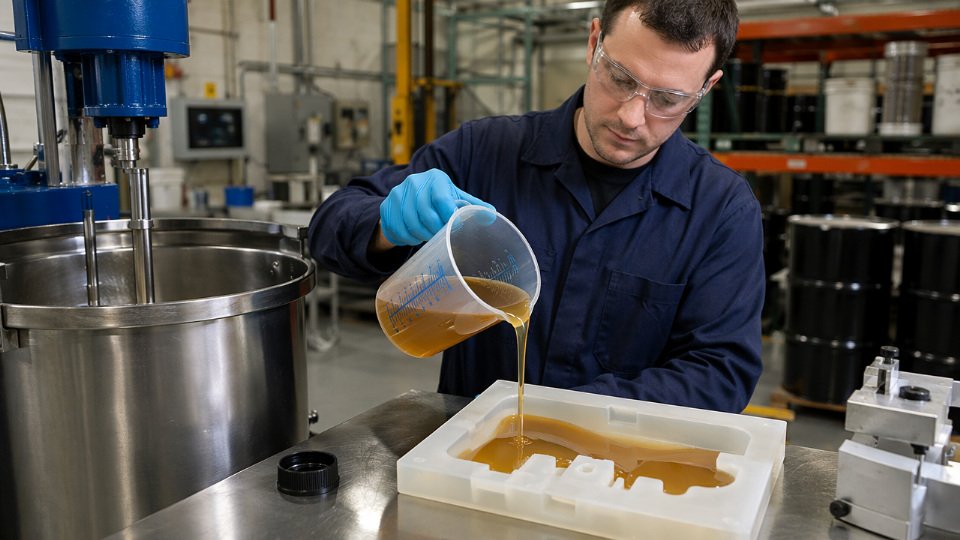
Does liquid rubber go hard?
Learn how liquid rubber goes hard, what drives Shore A hardness, cure times by chemistry, and how to avoid costly curing failures in production.

Learn how liquid rubber goes hard, what drives Shore A hardness, cure times by chemistry, and how to avoid costly curing failures in production.

Learn how silane coupling agents work in water-based formulations — pH control, hydrolysis timing, and shelf-life tips to avoid gelation and adhesion failure.
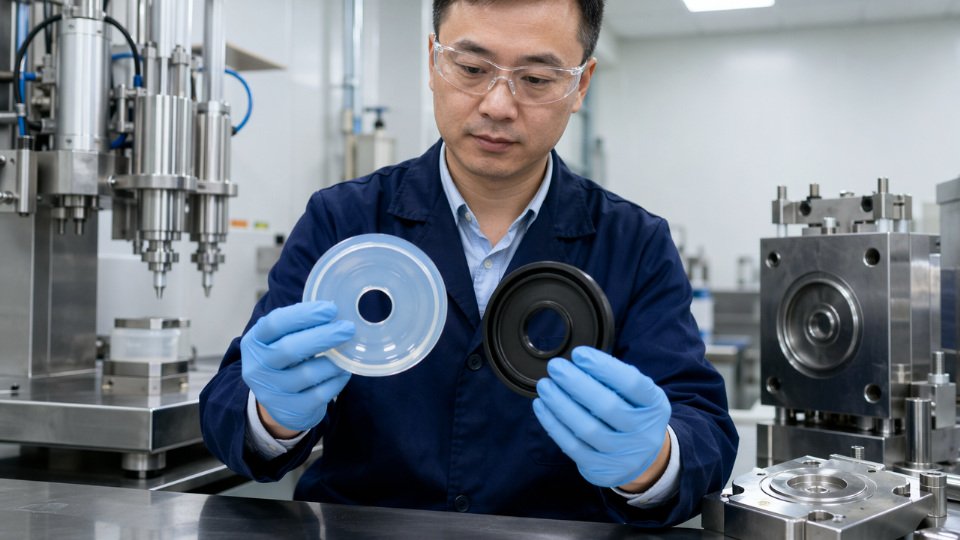
Discover how liquid silicone rubber feels vs conventional rubber. Compare Shore A hardness, surface texture, and tactile properties to make smarter material choices.
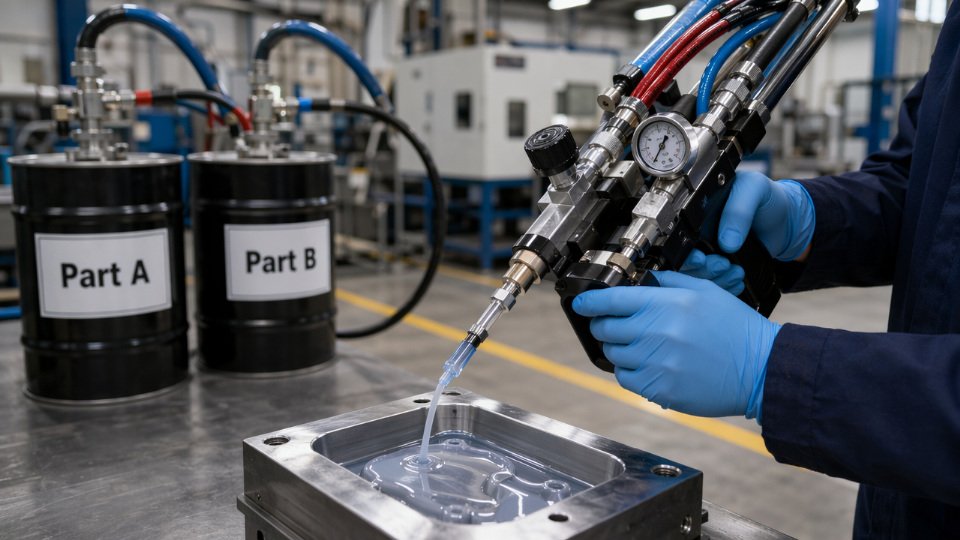
Liquid rubber goes by many names. Learn the key aliases like LSR, flowable elastomer, and castable rubber — and why getting the terminology right saves production costs.
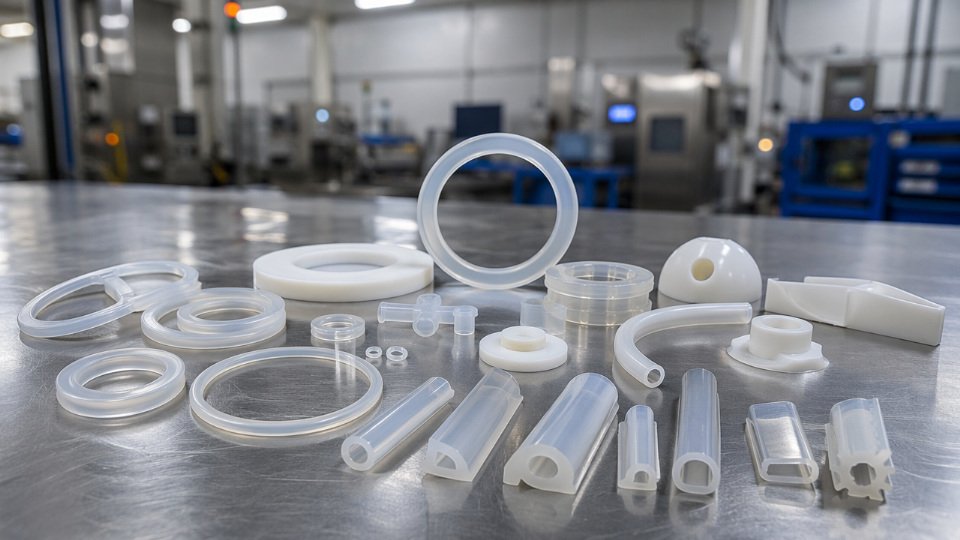
Discover how liquid silicone rubber withstands heat, UV, and mechanical stress. Learn LSR durability ratings, temperature ranges, and how to choose the right grade.
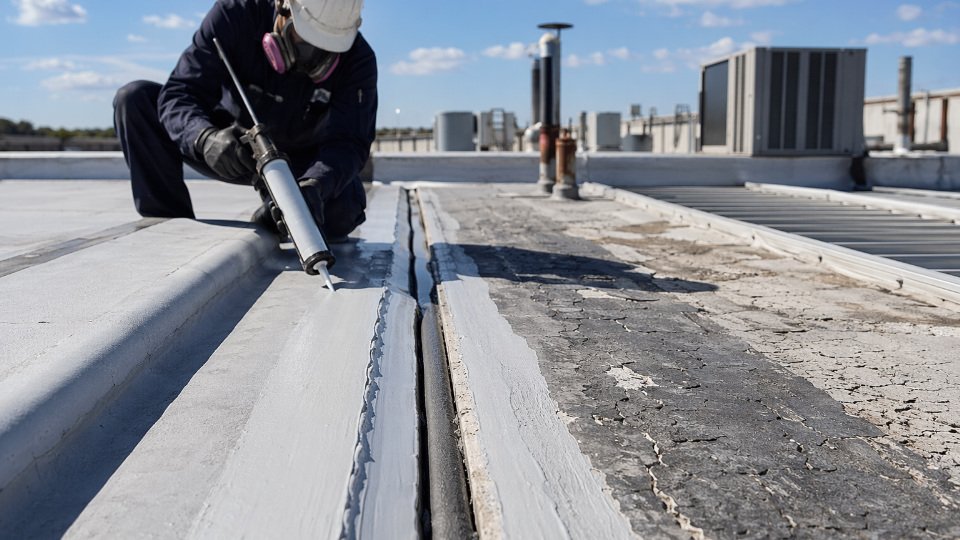
Discover why silicone elastomers outperform liquid rubber in durability, temperature range, and service life — cutting long-term recoating costs for industrial applications.
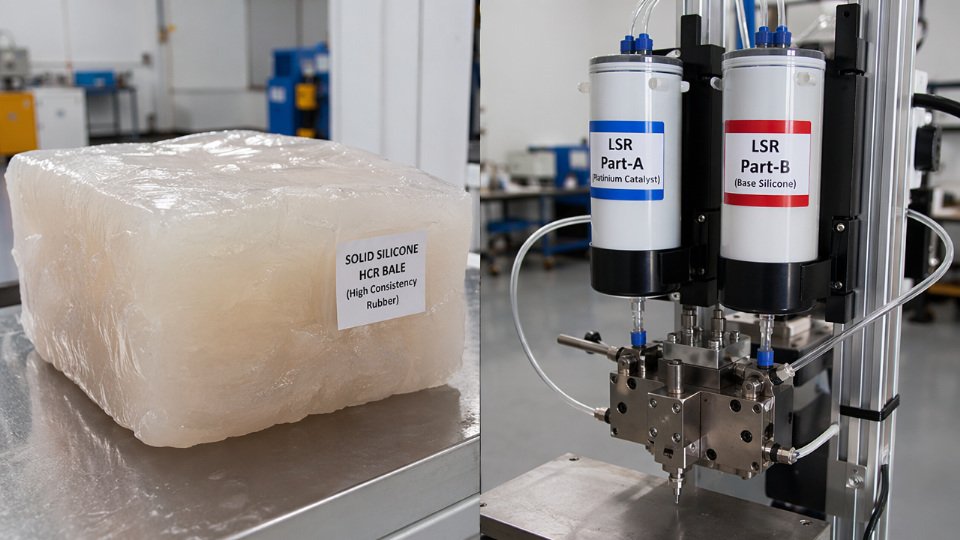
Learn the key differences between solid silicone and liquid silicone rubber (LSR) — processing methods, cycle times, tolerances, and when to use each material.
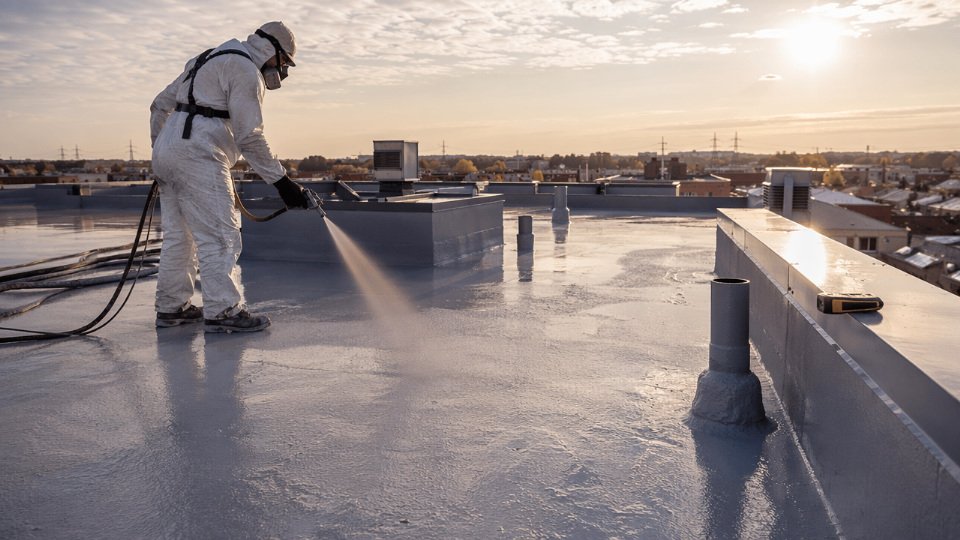
Discover what liquid rubber is good for — from waterproofing and corrosion protection to vibration damping and encapsulation across demanding industries.
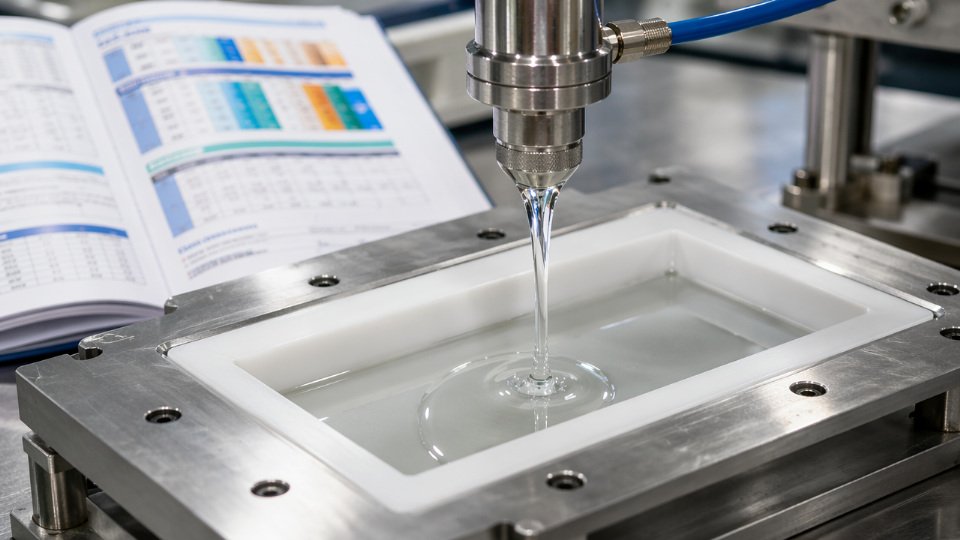
Discover which surfaces liquid rubber won’t bond to, why surface energy below 35 mN/m causes adhesion failure, and how to prevent costly mold sticking issues.
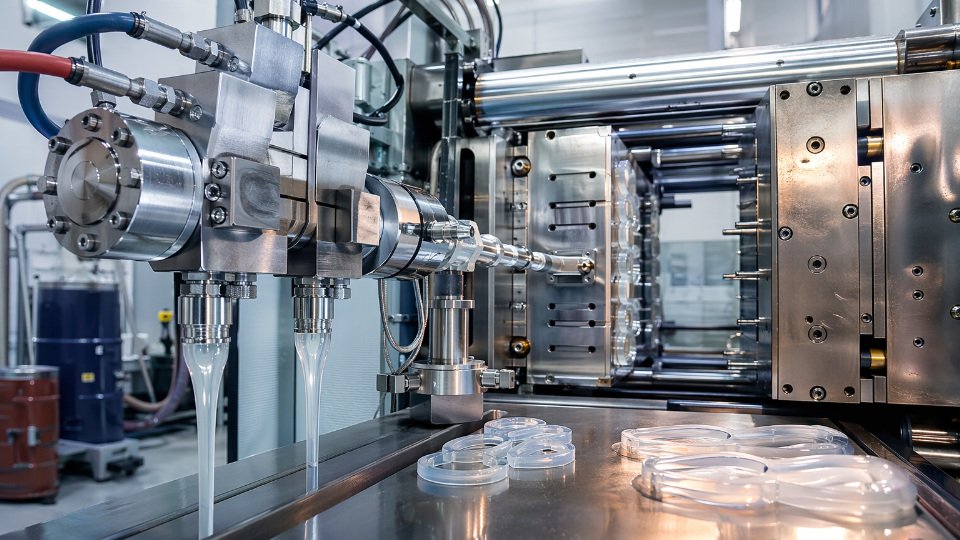
LSR and conventional rubber both stretch, but differ in chemistry, temperature range, and processing. Learn what separates liquid silicone rubber from organic elastomers.