Blogs
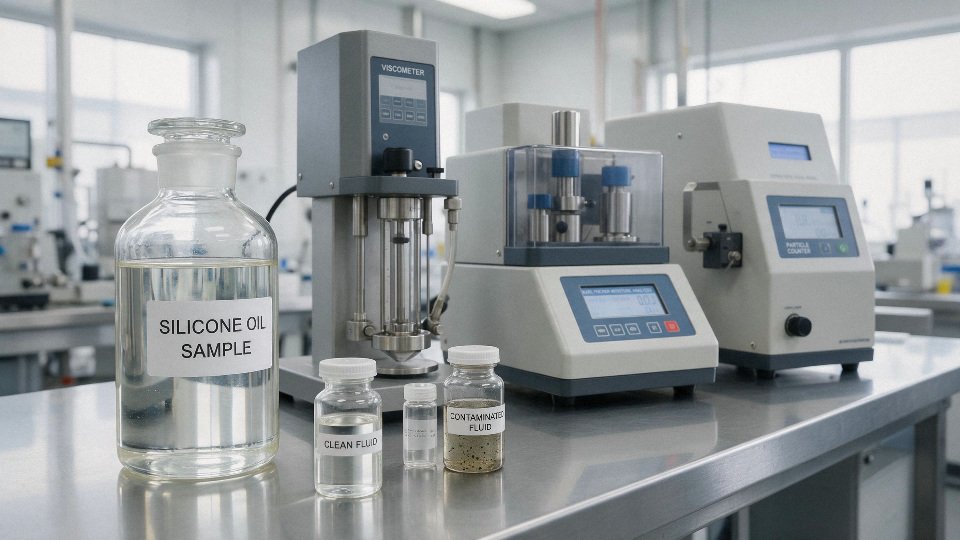
What impurities exist in silicone oil?
Learn what impurities exist in silicone oil and how water, volatiles, acids, residues, and particles affect stability, odor, curing, and performance.

Learn what impurities exist in silicone oil and how water, volatiles, acids, residues, and particles affect stability, odor, curing, and performance.
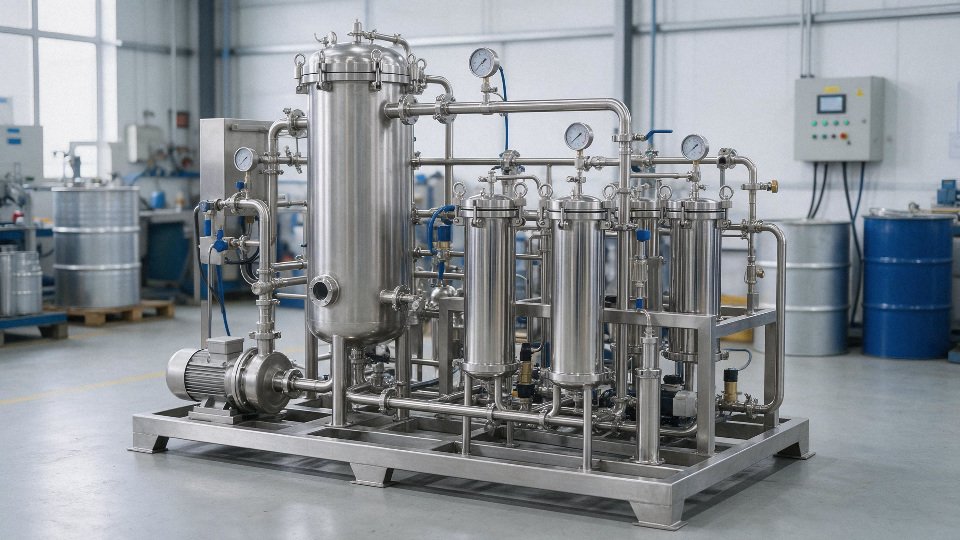
Learn how silicone oil is purified using filtration, drying, vacuum stripping, and adsorption to remove moisture, particles, and volatiles.
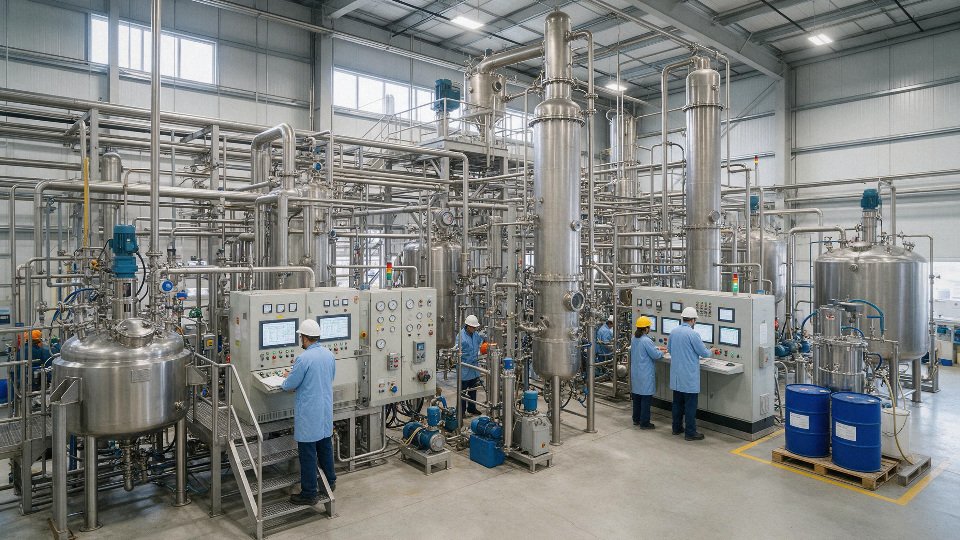
Learn how industrial silicone oil synthesis affects viscosity, purity, and performance, helping buyers compare suppliers and reduce process risk.
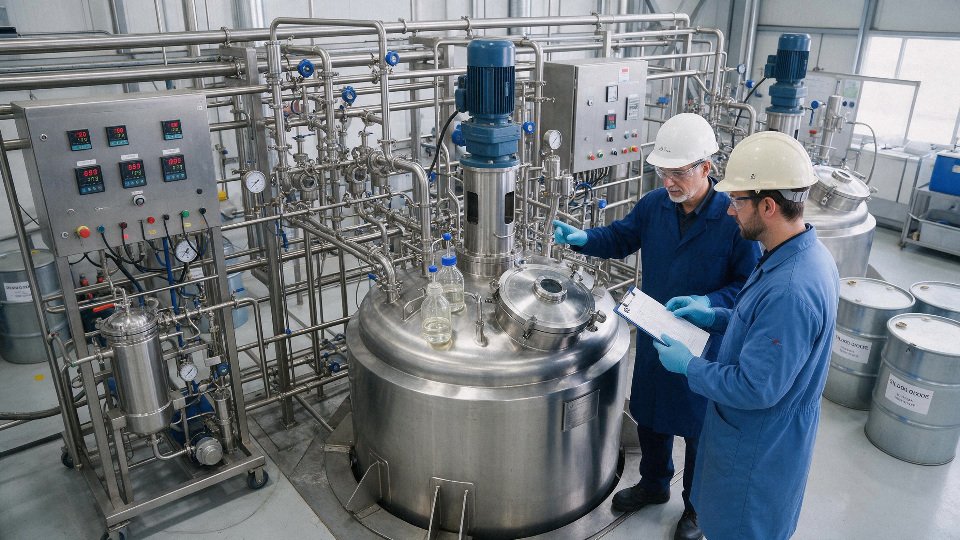
Learn which catalysts are used in silicone oil production, how they affect viscosity, color, residuals, and cost, and how to choose the right type.
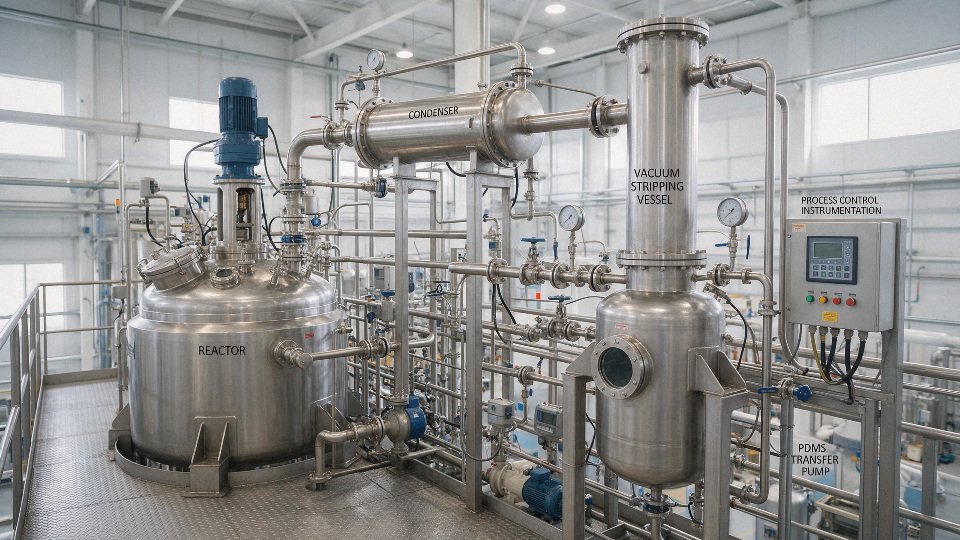
Learn how silicone oil polymerization controls viscosity, volatiles, and end groups for consistent quality, lower rework, and reliable batch performance.
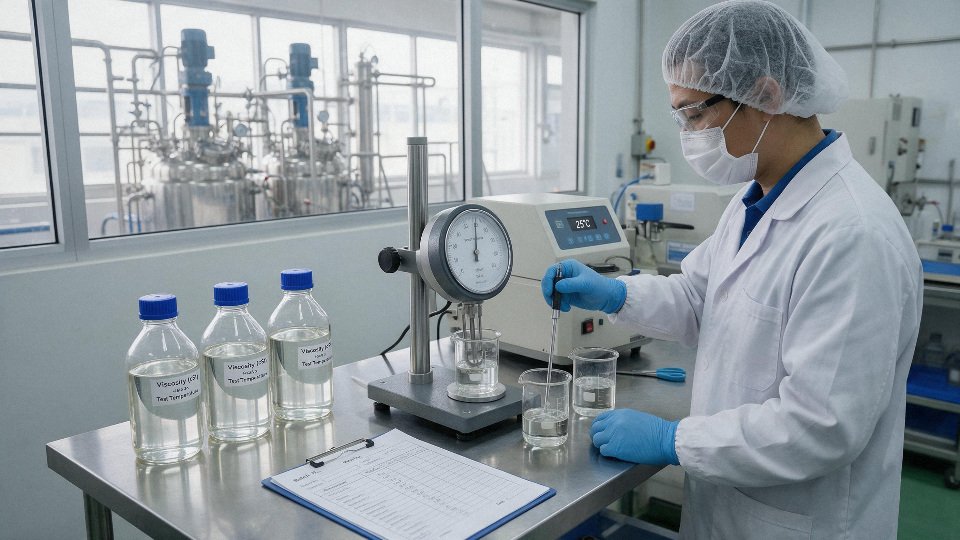
Learn how manufacturers control silicone oil viscosity through chain length, dilution, and testing to ensure consistent grades and stable process performance.
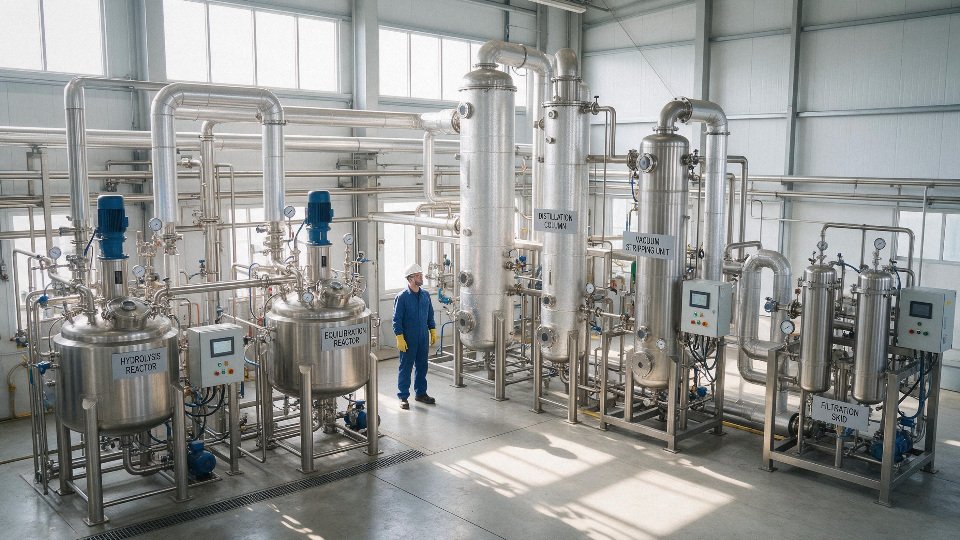
Learn the silicone oil manufacturing process, from hydrolysis to filtration, to improve sourcing, control viscosity, purity, and performance.
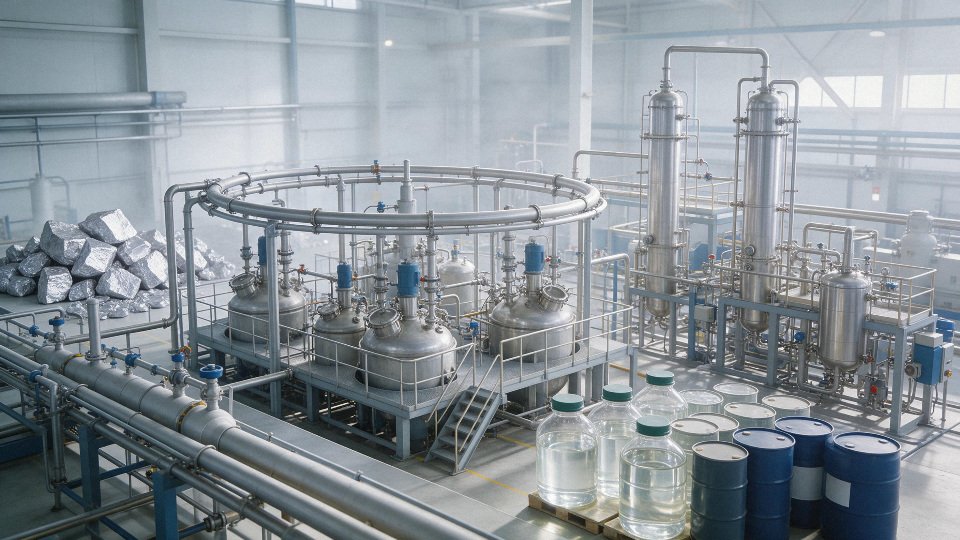
Learn which raw materials are used to make silicone oil and how they affect purity, viscosity, odor, and performance across industrial uses.
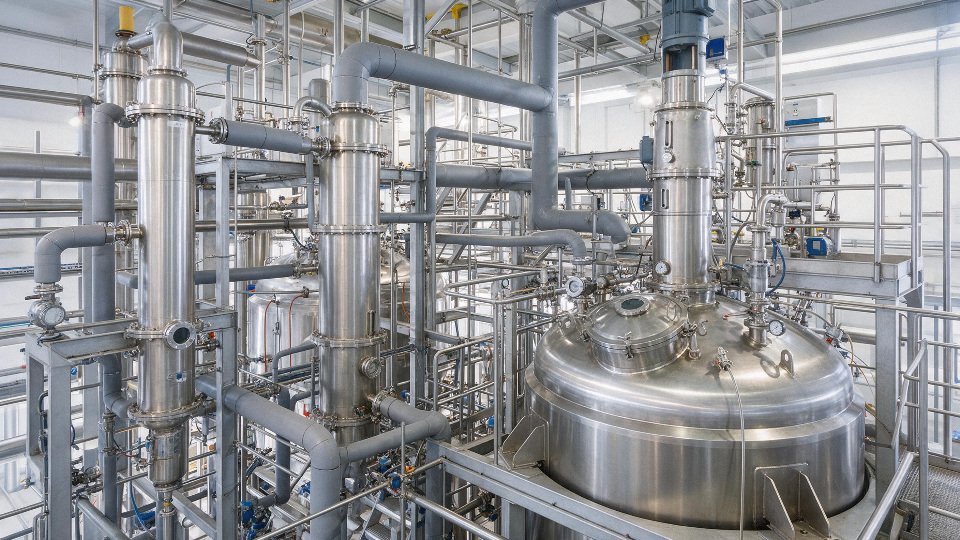
Learn how PDMS silicone oil is produced, from hydrolysis to vacuum stripping, and how process control affects viscosity, volatiles, and quality.
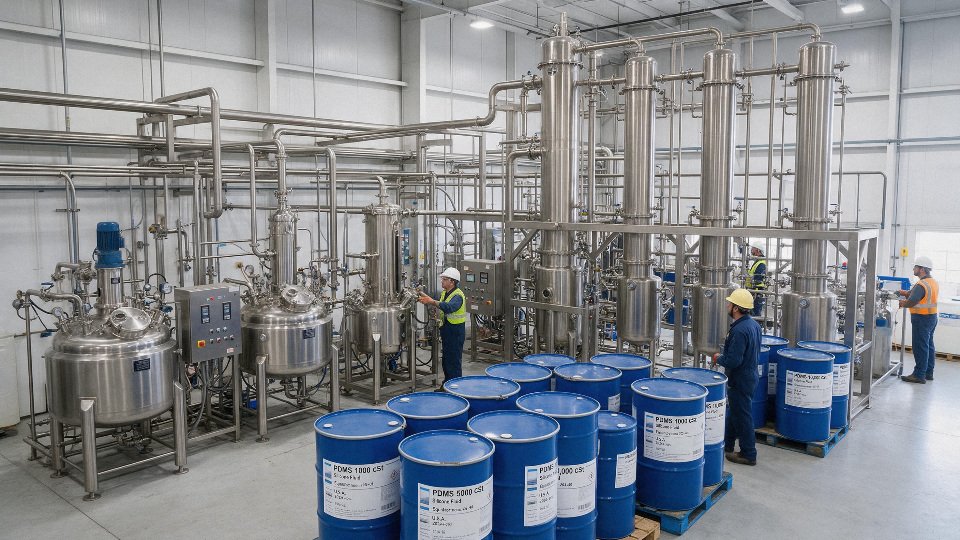
Learn how silicone oil is made, from chlorosilane hydrolysis to PDMS processing, viscosity control, volatile removal, and quality assurance.