Blogs
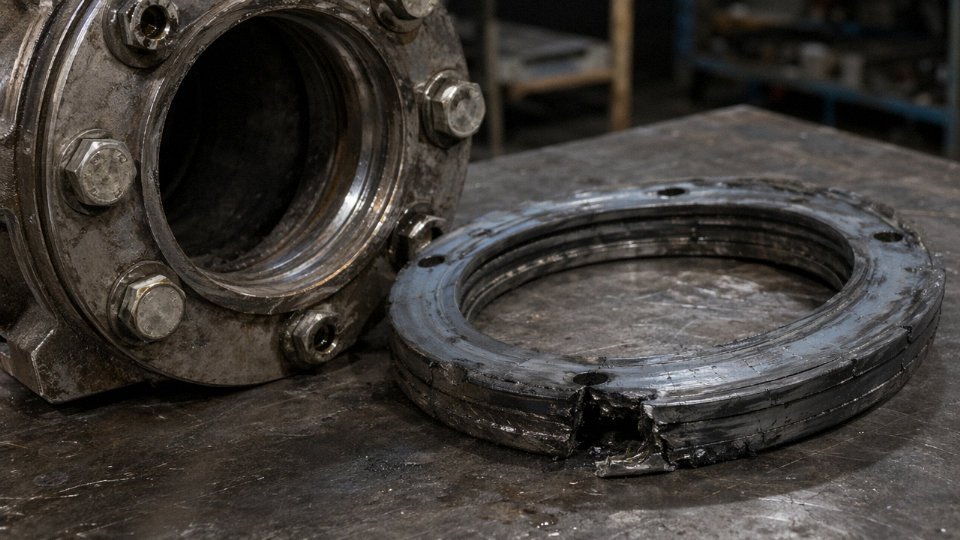
What are the disadvantages of silicone?
Discover silicone’s key disadvantages: low tensile strength, poor hydrocarbon resistance, high cost, and weak tear resistance before specifying it for your application.

Discover silicone’s key disadvantages: low tensile strength, poor hydrocarbon resistance, high cost, and weak tear resistance before specifying it for your application.
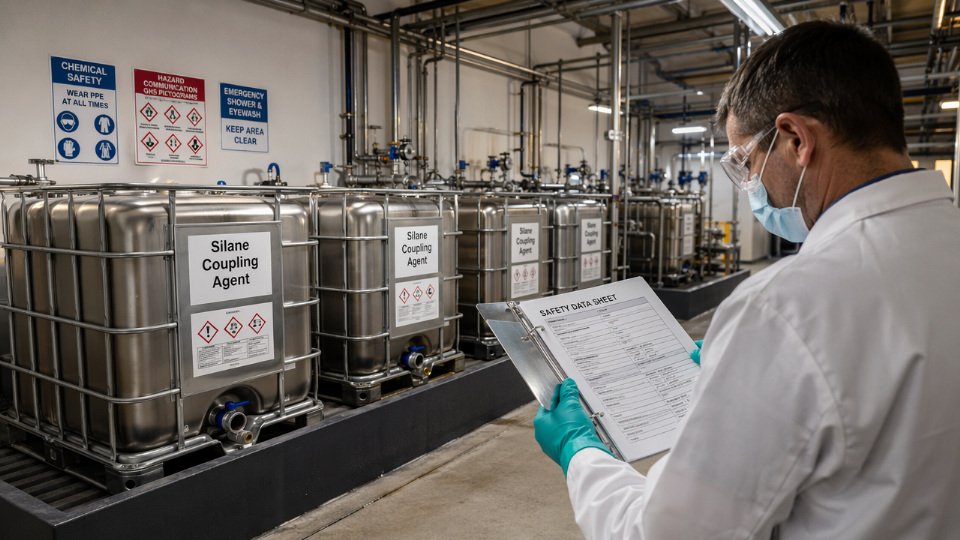
Learn REACH, TSCA, GHS, and China GB standards for silane coupling agents. Avoid shipment holds, classification errors, and compliance failures across global markets.
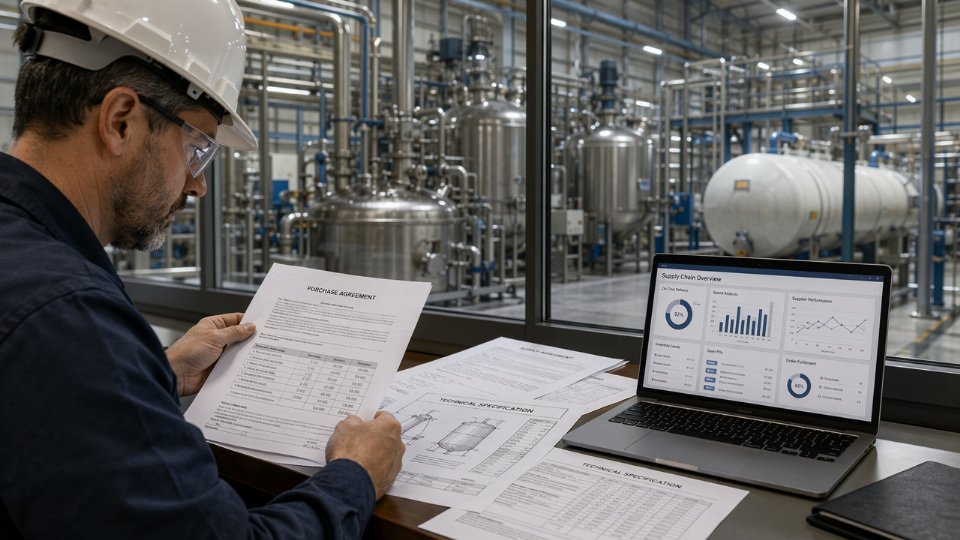
Learn how to negotiate silane coupling agent supply agreements that lock in pricing, ensure grade specs, and cut costs 8-18% versus spot market terms.
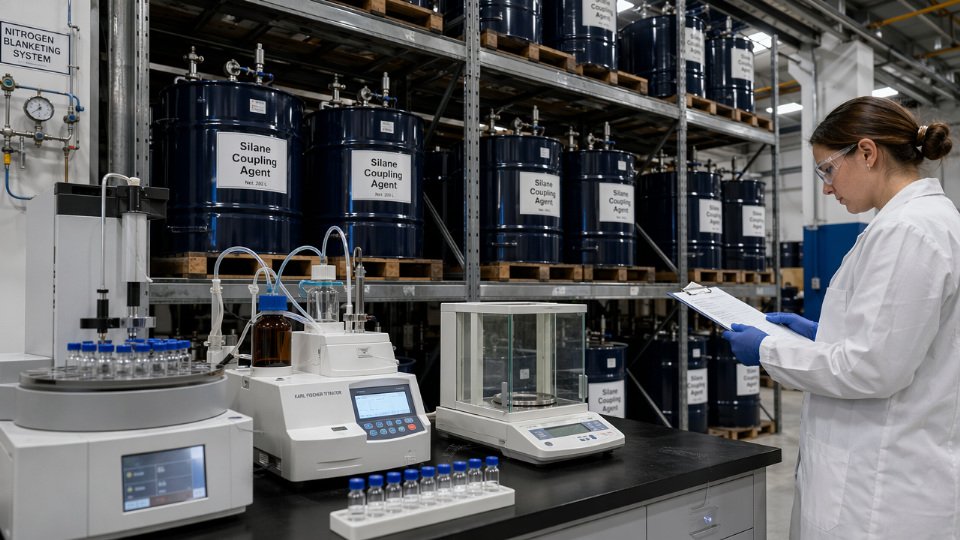
Learn how silane coupling agent costs range from $3.50 to $60+/kg and what raw materials, purity grades, and hidden fees mean for your project budget.
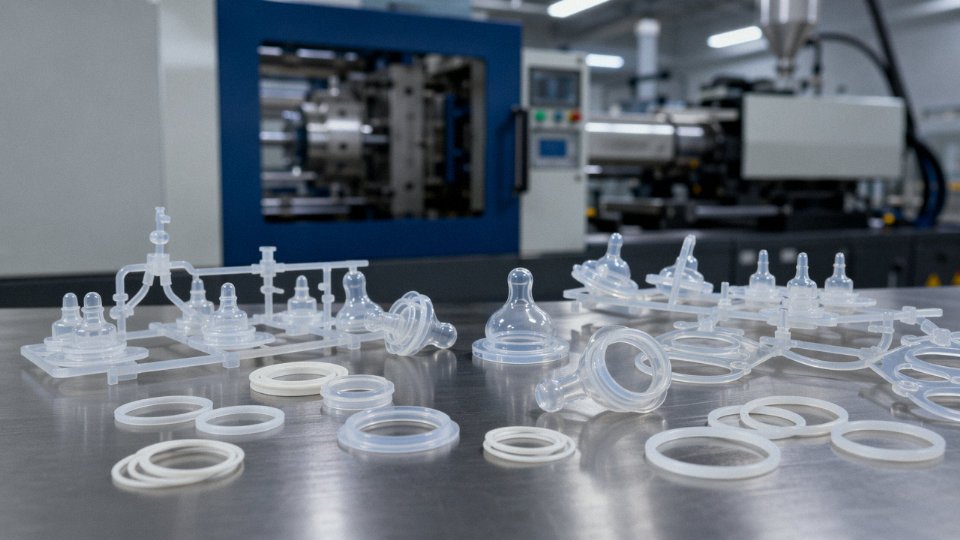
Learn when LSR is safe for medical, food-contact, and wearable applications — covering FDA 21 CFR 177.2600, ISO 10993, grade selection, and process validation.
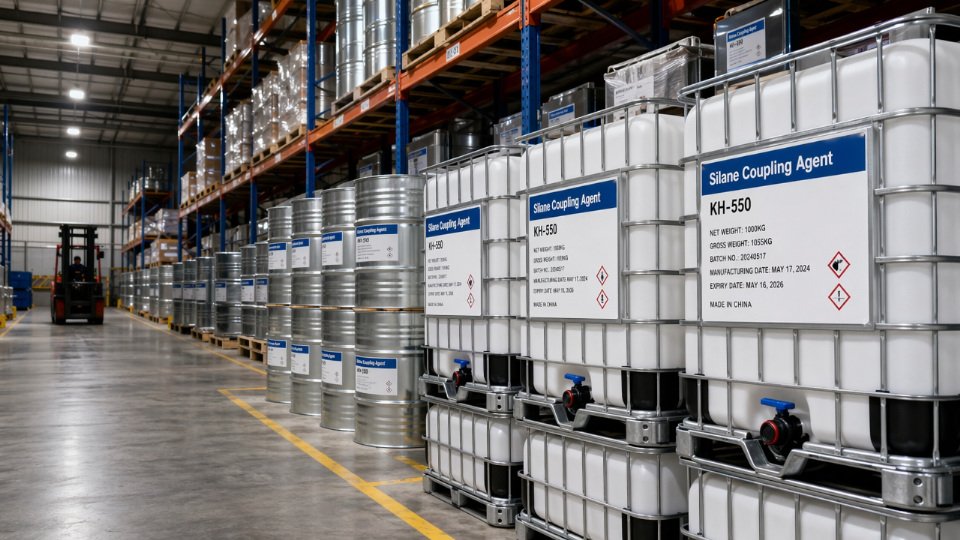
Learn how bulk purchasing and long-term contracts cut silane coupling agent costs by 15–35% and reduce lead times from weeks to days.
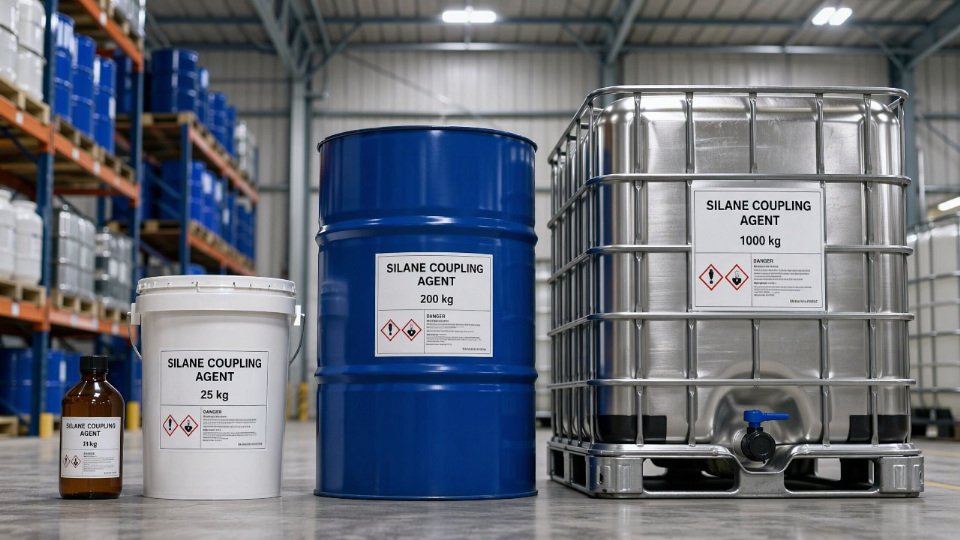
Learn how packaging format and storage conditions affect silane coupling agent shelf life — and how to avoid costly adhesion failures from degraded product.

Learn how to compare silane coupling agent suppliers using purity specs, batch consistency, certifications, and audited process controls to avoid costly failures.
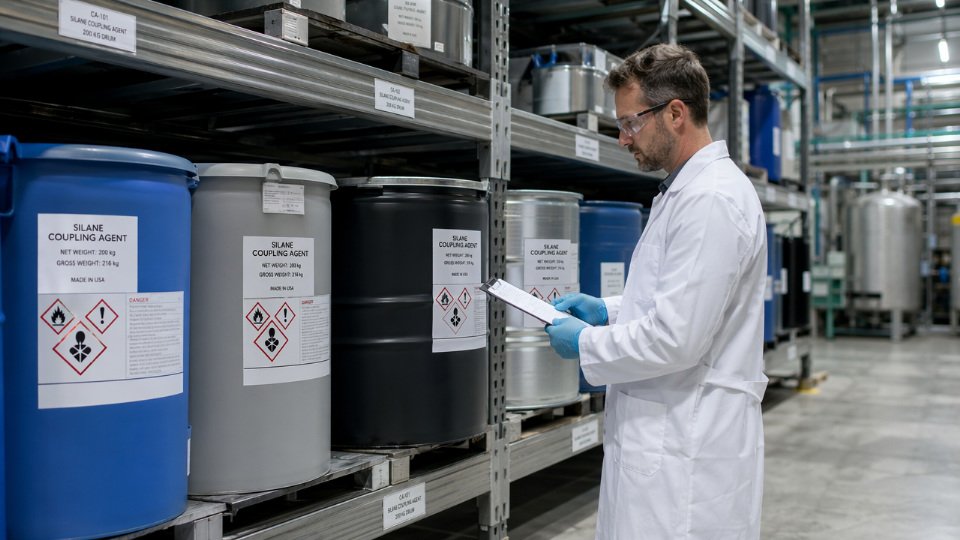
Learn 6 key criteria for sourcing silane coupling agents: purity, hydrolysis stability, functional group compatibility, traceability, and total cost.
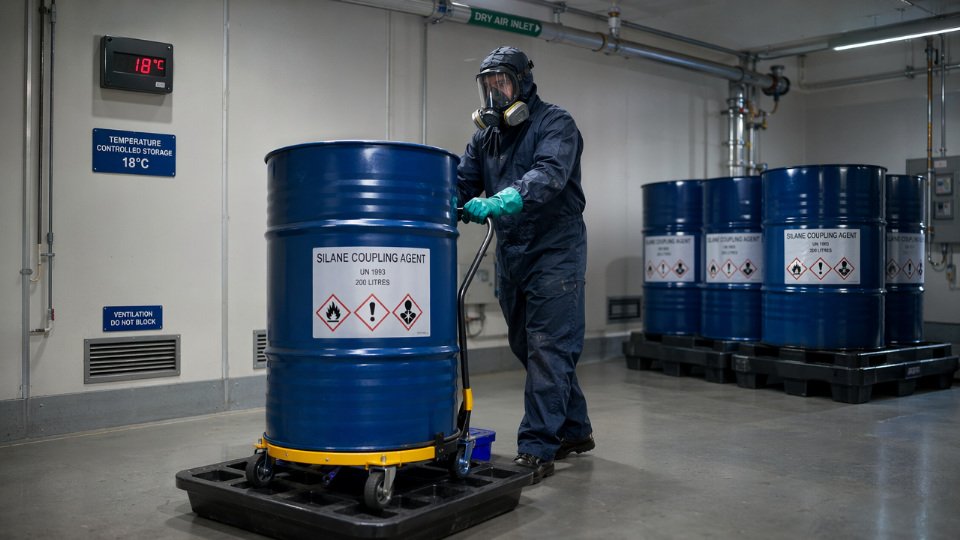
Learn safe storage temps, flash point risks, vapor TLVs, and PPE requirements for silane coupling agents to prevent degradation, fires, and quality failures.