Blogs
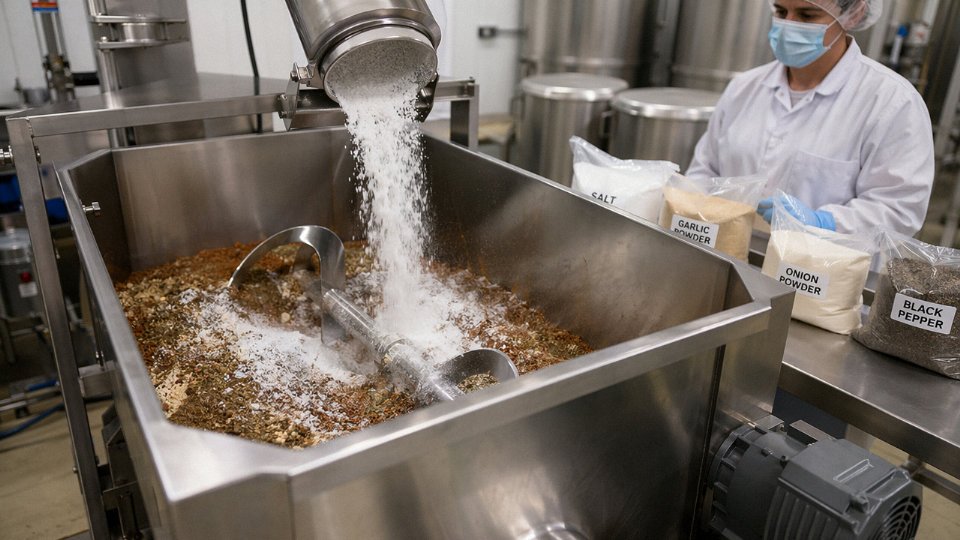
Why do they put silicon dioxide in food?
Learn why silicon dioxide in food is used as an anticaking agent to keep powders flowing, prevent clumps, and improve dosing accuracy.

Learn why silicon dioxide in food is used as an anticaking agent to keep powders flowing, prevent clumps, and improve dosing accuracy.
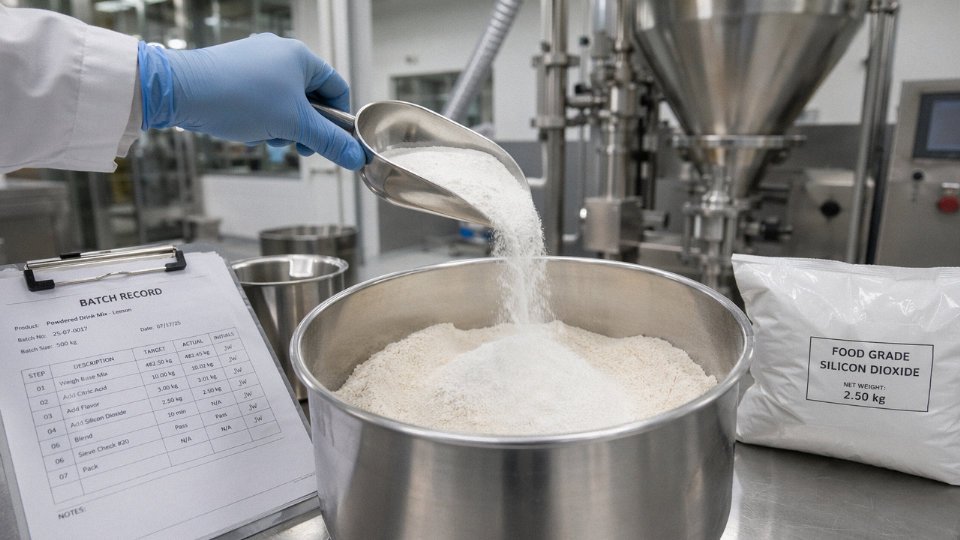
Learn what silicon dioxide gut health claims mean, how food-grade forms behave, and how dose, purity, and exposure affect safety.
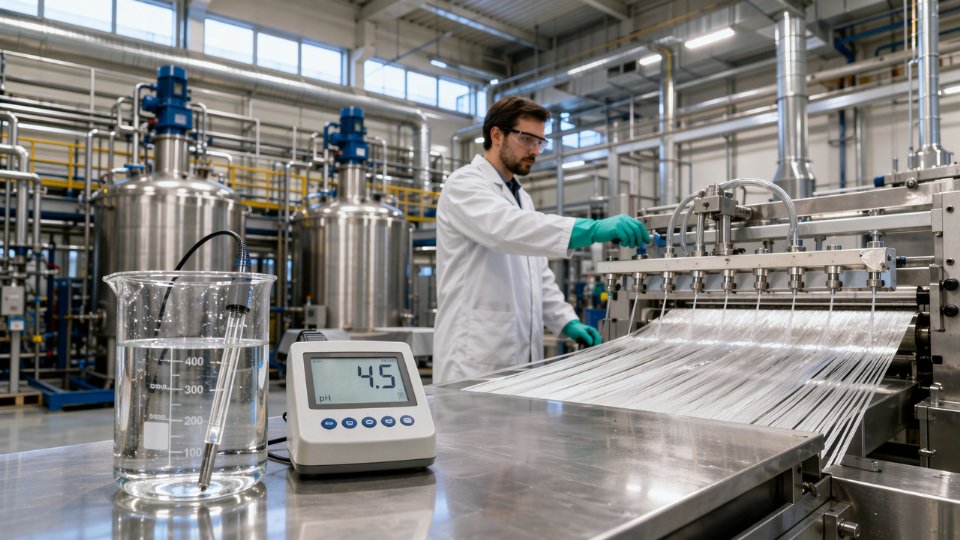
Learn how to apply silane coupling agents correctly in production: hydrolysis pH, concentration, cure temps, and failure modes every process engineer should know.
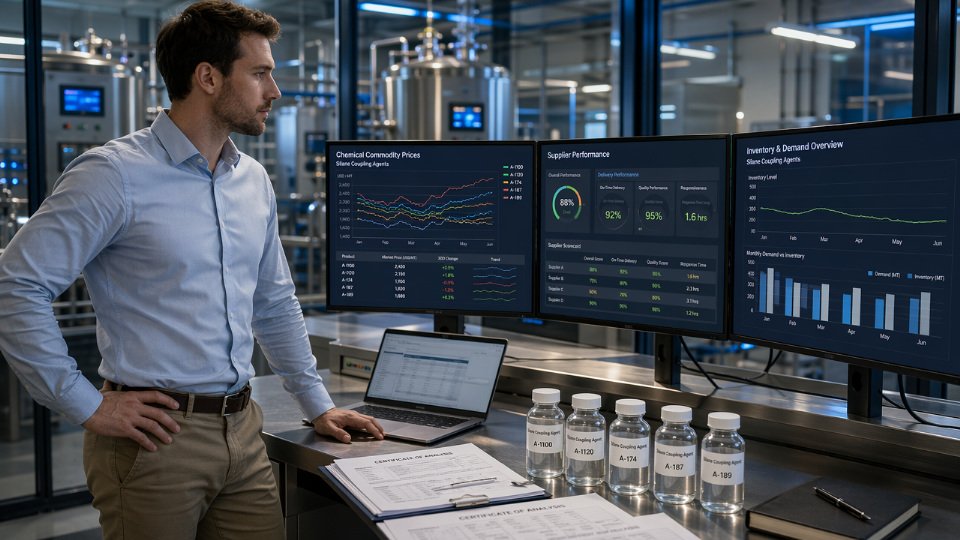
Learn how data-driven platforms cut silane coupling agent procurement costs 8–18% by tracking feedstock prices, automating reorders, and qualifying backup suppliers.

Discover bio-based, low-VOC, and redesigned silane coupling agents that cut carbon footprint 30-55% while meeting adhesion and thermal performance demands.
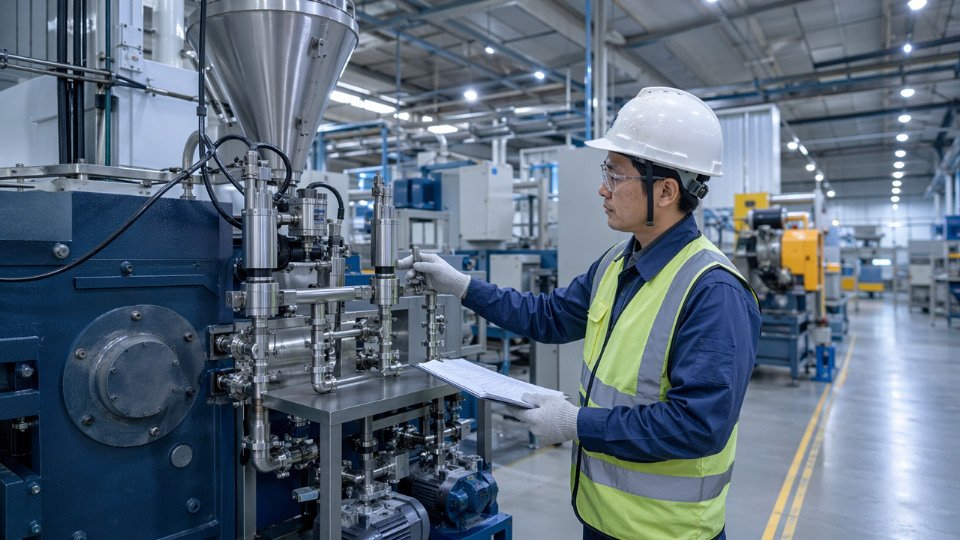
Discover how silane coupling agents eliminate adhesion failures across tires, composites, and coatings — cutting rolling resistance 20-30% at just 0.1-2.0 wt% treat rates.
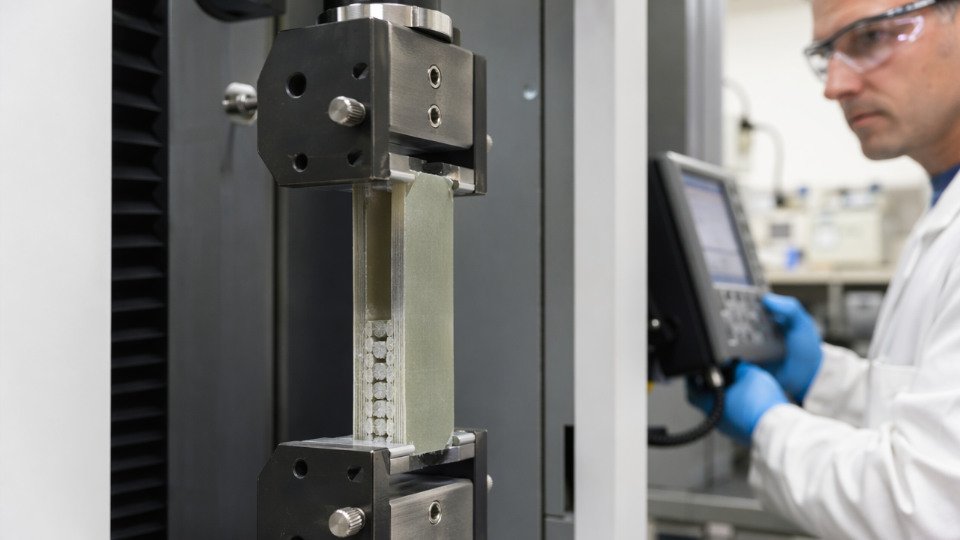
Learn how silane coupling agent performance is driven by hydrolysis, surface bonding, and loading rates — boost composite tensile strength by up to 80%.
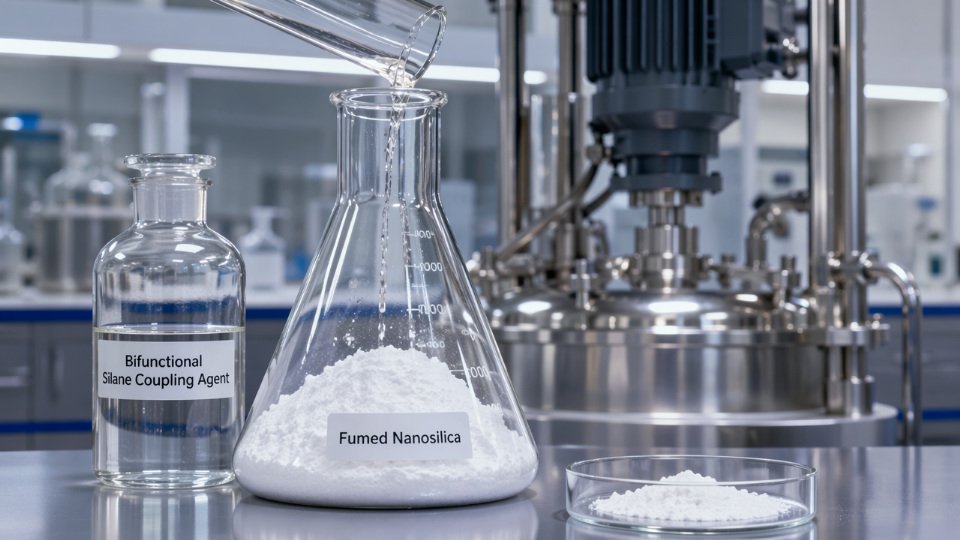
Discover how silane coupling agents bridge inorganic nanofillers and polymer matrices, boosting interfacial adhesion by up to 80% in advanced nanocomposites.
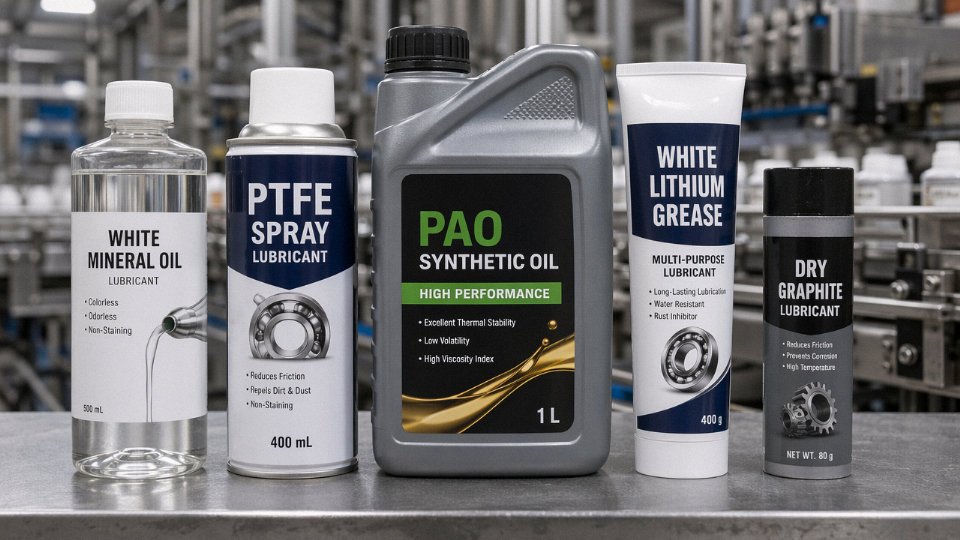
Discover the best silicone oil lubricant substitutes — mineral oil, PTFE, PAO, and more — matched by temperature, load, and food-grade requirements.
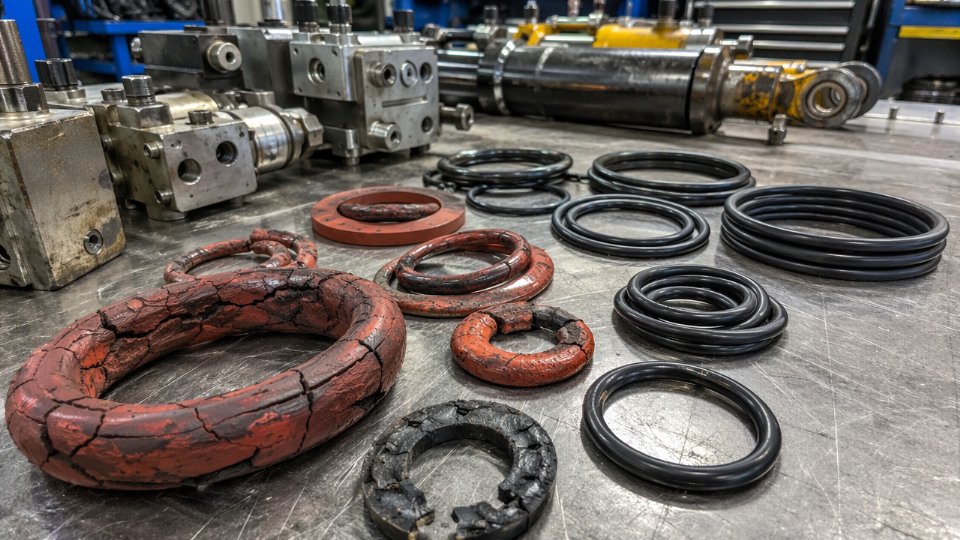
Discover where silicone seals and gaskets fail — fuels, mineral oils, high-load dynamic joints, and extreme heat. Learn which alternatives outperform silicone.