Adhesion failure between an organic polymer matrix and an inorganic filler or substrate is one of the least dramatic-looking problems on the plant floor — right up until it isn’t. A rubber compound that debonds from glass fiber reinforcement, a coating that peels under humidity cycling, a sealant that loses cohesive strength after six months in the field: these failures rarely trace back to a formulation error in the obvious sense. They trace back to a boundary layer nobody treated seriously enough. The financial consequences compound fast — warranty claims, scrap rates climbing past acceptable thresholds, unplanned line stoppages while engineers argue over root cause.
Silane coupling agents are bifunctional organosilicon molecules that bond chemically to both inorganic surfaces (glass, silica, metals) and organic polymer matrices, eliminating the weak boundary layer that causes adhesion failures. Treat rates typically run 0.1–2.0 wt% of filler loading depending on filler surface area and polymer chemistry. Used correctly, they reduce scrap, extend product service life, and in tire compounding specifically, cut rolling resistance by 20–30% versus carbon black systems.
What makes this chemistry genuinely interesting from an engineering standpoint is how much performance leverage sits inside a treat rate window measured in fractions of a percent. The global market for these materials was around USD 2.1 billion in 2023 and is tracking toward USD 3.4 billion by 2030 — not because silanes are exotic, but because more industries keep discovering that the interface is where the design margin actually lives. The applications span tire manufacturing, fiber-reinforced composites, adhesives, paints, and semiconductor packaging, and the failure modes they prevent are different enough in each case that the grade selection and application method matter enormously.
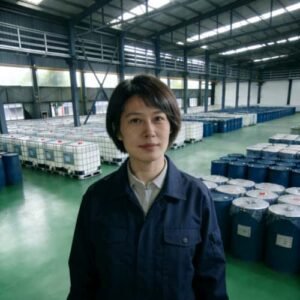
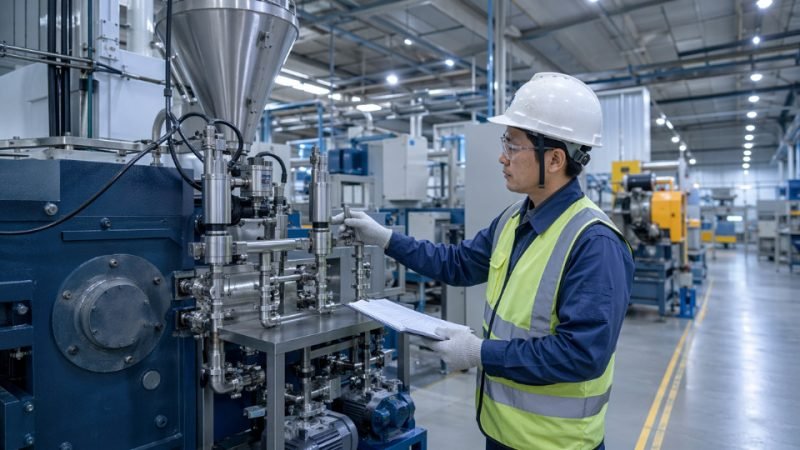
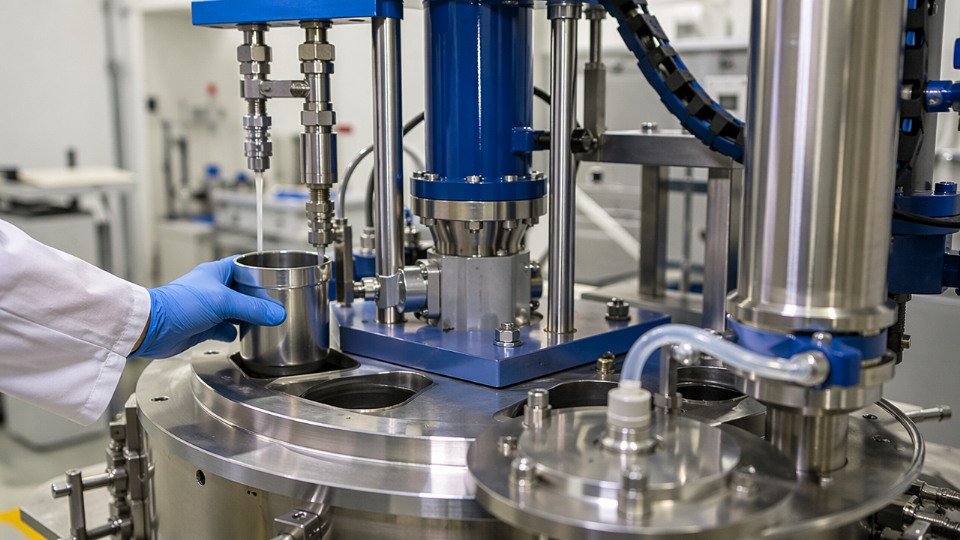
 dosing equipment in a rubber compounding facility](https://siliconchemicals.com/wp-content/uploads/2026/06/silane-coupling-agent-applications-industry-01-hero.jpg)
Rubber and Tire Manufacturing: [Silane Coupling Agents](https://siliconchemicals.com/silane-coupling-agents/) as the Engine of Green Tire Performance
Passenger tire tread compounds have undergone a fundamental reformulation over the past three decades, and silane coupling agents made that shift possible. Carbon black dominated rubber reinforcement for most of the twentieth century because its nonpolar surface is naturally compatible with hydrocarbon elastomers. Precipitated silica offers a superior wet-grip and rolling-resistance profile — but its surface is saturated with silanol groups (Si–OH), which are hydrophilic, acidic, and chemically incompatible with nonpolar rubber matrices. Without chemical bridging, silica agglomerates rather than disperses, viscosity spikes, and the compound behaves like underfilled rubber regardless of how much filler you loaded. Silane coupling agents are not a performance additive in this context — they are the enabling chemistry. Remove them, and the silica-filled tread concept collapses entirely.
How TESPT and Blocked Mercaptosilanes Actually Work in the Mixer
Bis-(triethoxysilylpropyl) tetrasulfide — TESPT, commercially Si-69 — is the workhorse polysulfide silane for passenger and light-truck tread compounds. Its mechanism runs in two distinct stages that must be controlled separately in the internal mixer.
During the first mixing stage, at dump temperatures of 145–155°C, the three ethoxy groups on each silicon atom hydrolyze and condense with silanol groups on the precipitated silica surface. This reaction releases ethanol — a detail that matters for plant ventilation design and VOC compliance — and forms a stable siloxane bond anchoring the molecule to the filler particle. The tetrasulfide bridge remains intact at this temperature, which is intentional. If sulfur mobilizes too early, it crosslinks the rubber prematurely, causing scorch that destroys both the compound and the batch.
The second stage, sulfur addition and final mixing, occurs below 120°C. Here the polysulfide bridges participate in the vulcanization network, covalently tying silica particles into the rubber matrix. The result is a three-dimensional filler-matrix architecture that bears dynamic stress without filler-filler agglomeration — the root cause of hysteresis loss in conventionally compounded silica systems.
Blocked mercaptosilanes such as NXT (3-octanoylthio-1-propyltriethoxysilane) follow the same two-phase logic but with better processing safety. The mercapto group is blocked by an octanoyl group that cleaves during vulcanization rather than in the mixer, lowering scorch risk at the cost of a modest increase in material price. Plants running high-throughput mixing lines with tight temperature control often prefer TESPT for cost reasons; those with older equipment or less consistent dump temperatures lean toward blocked mercaptosilanes to protect compound quality.
The Rolling Resistance–Wet Grip–Abrasion Triangle
Tire engineers live inside this trade-off every day. Silica–silane systems genuinely shift the compromise rather than simply moving along the existing curve.
TESPT-silica tread compounds reduce rolling resistance by 20–30% compared to equivalent carbon black compoundsTrue
This range is consistent with published data from multiple tire research groups and is reproducible under standardized ISO 28580 coast-down testing; the exact value depends on silica grade, silane treat rate, elastomer blend, and vulcanization system.
That rolling resistance reduction translates to roughly 3–5% fuel economy improvement in passenger vehicles under mixed driving cycles — approximately 0.2–0.4 L/100 km, a figure that depends on vehicle weight, drivetrain efficiency, and ambient temperature. Wet braking distance improves 10–15% because silica maintains higher tan δ at 0°C while reducing it at 60°C, the frequency-temperature equivalence that separates grip from heat buildup.
Treat-rate discipline determines whether you capture those gains or introduce new problems. Optimal silane loading for most precipitated silica systems sits at 0.5–1.0 wt% relative to silica weight. Under-treatment leaves unreacted silanols that absorb mixer moisture, raise Mooney viscosity, and cause inconsistent cure. Over-treatment wastes material and can plasticize the compound, softening modulus and accelerating abrasion wear. Both failure modes show up clearly in Mooney scorch tests before the compound ever reaches a tire press.
Specialty Rubber: Beyond the Tread
Conveyor belts handling abrasive bulk materials, industrial hydraulic hoses, and engine vibration dampers all benefit from silane-reinforced compounds, though the silane chemistries shift. Vinyltrimethoxysilane (VTMO) is widely used in silicone rubber formulations where the vinyl group participates in peroxide or platinum-catalyzed crosslinking, improving compression-set performance at service temperatures of 150–200°C. Methacryloxypropyltrimethoxysilane (MAPTMS) serves similar functions in specialty EPDM compounds where heat resistance and bonding to metal inserts matter — automotive engine mounts being the obvious example.
The common thread across all these applications is the same two-surface problem that drives silane use in tires: an inorganic surface that needs to anchor permanently to an organic polymer network under cyclic mechanical and thermal stress. The specific silane changes; the governing chemistry does not.
Fiber-Reinforced Polymer Composites: Treating Glass Fiber, Carbon Fiber, and Natural Fiber Surfaces
Fiber-reinforced polymers are the second-largest consumption segment for silane coupling agents, and the engineering rationale is straightforward: fiber and matrix are chemically incompatible by default. Without surface treatment, a glass fiber bundle in an epoxy laminate behaves like a wet newspaper wrapped in plastic — the interface delaminates under moderate stress, particularly after moisture exposure. Silane chemistry solves this by forming covalent or strong hydrogen-bond bridges across that interface.
Glass Fiber Sizing: Process Windows Matter as Much as Chemistry
The sizing process is where most of the value is captured — or lost. During fiber forming, the silane is applied as an aqueous solution at concentrations of 0.1–0.5 wt% (solution weight, not fiber weight). pH control is non-negotiable: aminosilanes such as APTES (A-1100) require pH 3.5–5.5 to hydrolyze cleanly without premature self-condensation, while epoxysilanes like GPTMS (A-187) work best at pH 4–5. Let pH drift above 6 and you get siloxane oligomer gels in the bath — wasted material, uneven coverage, and inconsistent fiber bundle integrity.
After application, the sized fiber is dried at 110–130°C. That temperature range is functional, not arbitrary: below 110°C, condensation to the fiber surface is incomplete; above 135°C, you risk degrading the film-former resins in the sizing blend and partially hydrolyzing the silane bonds you just formed.
, showing key stages from fiber forming to drying](https://siliconchemicals.com/wp-content/uploads/2026/06/silane-coupling-agent-applications-industry-03-glass-fiber-sizing-process-diagram.jpg)
Matching Silane Chemistry to the Resin Matrix
Getting the chemistry wrong here costs you laminate performance regardless of everything else being correct.
| Resin Matrix | Recommended Silane | Typical Grade |
|---|---|---|
| Epoxy, polyamide | Aminopropyltriethoxysilane | APTES / A-1100 |
| Unsaturated polyester, vinyl ester | Methacryloxypropyltrimethoxysilane | A-174 |
| Polyethylene, polypropylene | Vinyltrimethoxysilane | VTMO |
| Epoxy adhesive bonding | Glycidoxypropyltrimethoxysilane | GPTMS / A-187 |
Using A-174 in an epoxy system because it was already in the warehouse is a common procurement shortcut that shows up as unexplained delamination failures at 3–6 months in service. The methacrylate functional group has no chemical affinity for an amine-cured epoxy network.
Quantified Mechanical Improvements
The benchmark ranges are well-established across wet layup, pultrusion, and filament-winding processes. Interlaminar shear strength (ILSS) increases of 30–50% relative to unsized or water-only sized fiber are typical, with the upper end achievable in well-controlled pultrusion lines where fiber/resin contact time is consistent. Flexural strength gains of 20–40% are common in woven fabric laminates. The durability picture is where the commercial case gets clearest: treated fiber retains 70–85% of dry ILSS after a 24-hour water boil, while untreated fiber typically falls to 40–55%. For a structural marine or civil infrastructure component, that gap is the difference between a 25-year service life and premature inspection cycles.
Silane-treated glass fiber retains 70–85% of dry interlaminar shear strength after 24-hour water boil, versus 40–55% for untreated fiberTrue
This range is consistent with published data from fiber manufacturers and independent composite testing laboratories using ASTM D2344 short-beam shear specimens. Exact retention depends on silane type, sizing chemistry completeness, and laminate void content.
Carbon Fiber: A Different Problem Requiring a Sequential Solution
Carbon fiber surfaces are chemically inert — low surface energy, few reactive groups. The standard approach is oxidative treatment (electrochemical anodization in production, or acid/plasma treatment in research settings) to generate carboxyl and hydroxyl groups at the fiber surface. These groups then react with aminosilanes or epoxysilanes. The result is interfacial shear strength improvement in CFRP of 15–25%, which at aerospace structural loads translates directly into reduced ply count and component weight. In a secondary bonded spar or stiffener, that interfacial improvement is also a damage-tolerance margin.
The sequential dependency matters operationally: if oxidation step conditions drift — bath chemistry aging, anodization current density variation — the silane treatment downstream cannot compensate. Process audits in CFRP lines should monitor both stages.
Natural Fibers in Automotive Interior Composites
Jute, flax, hemp, and bamboo fiber composites serve a real engineering function in door panels, parcel shelves, and trunk liners — not just sustainability optics. Their fundamental problem is high inherent moisture absorption (8–12 wt% for untreated jute at ambient humidity), which swells the fiber, disrupts the fiber-matrix interface, and makes dimensional stability in a vehicle interior unacceptable.
Aminosilane or vinylsilane treatment at 1–3 wt% solution concentration reduces water absorption by 30–60% depending on fiber type, surface roughness, and treatment uniformity. Tensile strength of the finished composite improves by 20–45%. The wide range reflects real variability in natural fiber geometry and surface chemistry — bamboo fiber response differs from flax because the waxy cuticle layer on bamboo resists silane wetting unless a mild alkali pretreatment (1–2% NaOH, 30–60 min at 60–80°C) opens the surface first. Skipping that pretreatment step is the single most common reason natural fiber composite programs fail to hit their mechanical targets in automotive qualification testing.
Adhesives, Sealants, and Coatings: Silane as Adhesion Promoter and Crosslinker
Silanes serve two mechanistically distinct roles in adhesive and coating systems, and conflating them is a common procurement mistake that leads to either over-treatment costs or chronic bond failures. The first role is surface priming — applying a dilute silane solution to the substrate before the adhesive ever touches it. The second is in-compound functionality — blending silane directly into the adhesive or sealant formulation as a reactive component. Both approaches work through the same silanization chemistry, but process window, dosage, and failure mode are entirely different.
Silane Primers vs. In-Compound Adhesion Promoters
A silane primer is typically a 0.5–2.0% solution in a water-alcohol carrier (commonly water/isopropanol at roughly 95:5 to 80:20 by volume, depending on silane hydrolysis rate). The solution is wiped, sprayed, or dip-coated onto the substrate, then allowed to dry and condense — usually 5–30 minutes at ambient temperature, or 1–5 minutes at 60–80°C in a forced-air oven. That dwell time is not optional. Skipping or shortening it leaves unreacted ethoxy or methoxy groups that later hydrolyze under service moisture, creating a weak boundary layer instead of a covalent interphase.
In-compound use blends silane directly into the adhesive formulation at 0.5–3.0 phr. Aminosilanes (3-aminopropyltriethoxysilane, A-1100 type) and epoxysilanes (3-glycidoxypropyltrimethoxysilane, A-187 type) are the most common choices here. The silane migrates to the adhesive-substrate interface during cure and reacts with surface hydroxyls on glass, aluminum oxide, or concrete. This approach suits high-volume automated lines where a separate priming step would add a process station. The tradeoff: in-compound treatment is less effective on contaminated or low-energy surfaces where a primer’s dedicated surface activation step would otherwise compensate.
Construction Sealants and Moisture-Cure Systems
Silane-terminated polyether (STP) and silane-terminated polyurethane (STPU) sealants have displaced many isocyanate-cured systems in facade, glazing, and flooring applications primarily because they cure by moisture-activated silanol condensation with no free isocyanate emissions. VOC content for STP sealants typically runs below 50 g/L, versus 150–400 g/L for solvent-based polyurethane sealants — a meaningful compliance gap in regions operating under strict indoor air quality regulations.
Aminosilanes and epoxysilanes function inside these formulations both as crosslinkers (extending the siloxane network) and as adhesion promoters for the substrates the sealant contacts. On concrete, which is alkaline and porous, an aminosilane primer at 1.0–1.5% concentration applied 20–40 minutes before sealant gunning will measurably reduce peel failures at the concrete interface — the failure mode that generates the most warranty callbacks in curtain wall installations.
Automotive Body-in-White and Structural Epoxy Bonding
Structural epoxy adhesives in automotive body-in-white assembly bond galvanized steel, aluminum extrusions, and increasingly carbon fiber reinforced polymer (CFRP) panels. The problem is that body panels enter the cure oven for cathodic dip coating (e-coat) at 175–185°C while the adhesive is already applied. Without silane pretreatment, adhesion to oily galvanized steel degrades severely under that thermal and subsequent corrosion cycling exposure.
A silane primer — typically an amino- or epoxysilane applied in-line by spray or roller, dried in under 60 seconds with infrared assist — routinely delivers peel strength improvements of 40–80% on oily metal substrates, with the actual range depending on surface roughness, oil film weight, and cure temperature profile.
Silane primers improve peel strength on oily metal substrates by 40–80% in automotive structural bonding applicationsTrue
Validated across published OEM supplier technical data and academic adhesion studies measuring T-peel and climbing drum peel per DIN EN 1464; improvement range varies with substrate condition, silane type, and cure schedule
Marine and Protective Coatings
In marine and heavy industrial protective coatings, undercutting corrosion — where rust spreads laterally beneath a coating film from a scribe or damage point — is the dominant failure mechanism. Aminosilane and epoxysilane coupling agents incorporated into epoxy primers at 0.5–1.5% by weight improve covalent bonding to steel and anodized aluminum alike. ISO 4624 pull-off tests consistently show adhesion climbing from the 3–5 MPa range on untreated substrates to 6–10 MPa with silane treatment, with the upper end of that range achieved on properly grit-blasted steel at Sa 2.5 cleanliness.
That improvement is not cosmetic. A coating that pulls off at 4 MPa fails cathodic disbondment testing far sooner than one anchored at 8 MPa, which directly affects recoating intervals on offshore structures or ship hulls — assets where dry-dock time costs more per day than the entire silane treatment budget for the project.
UV-Curable and Waterborne Systems
Vinylsilane and methacrylsilane (methacryloxypropyltrimethoxysilane, A-174 type) behave as reactive diluents in UV-cure formulations on glass and metal substrates. They copolymerize into the crosslinked network during UV exposure rather than simply sitting at the interface as a primer would. This integration allows formulators to eliminate a separate priming step — reducing manufacturing cycles by one to two passes on glass decoration, automotive glazing, and electronics display coating lines. In waterborne systems, silane hydrolysis and self-condensation must be controlled by pH (typically 4–5 for methoxysilanes in aqueous solution) and pot life managed carefully; a waterborne silane solution left at the wrong pH for more than 24–48 hours will oligomerize and lose substrate reactivity before it ever reaches the line.
| Application | Preferred Silane Type | Typical Dosage | Primary Benefit | Key Risk if Wrong |
|---|---|---|---|---|
| Concrete/masonry sealant | Aminosilane primer | 1.0–1.5% in water-IPA | Adhesion to alkaline substrate | Peel failure at sealant-concrete interface |
| Structural epoxy (auto BIW) | Epoxysilane or aminosilane primer | 0.5–1.5% solution | Survives e-coat at 180°C | Adhesive disbond during corrosion cycling |
| Marine epoxy primer | Epoxysilane in-compound | 0.5–1.5 phr | Reduces undercutting corrosion | Early cathodic disbondment failure |
| UV-cure glass/metal coating | Methacrylsilane reactive diluent | 1.0–3.0 phr | Eliminates primer step | Poor adhesion if pH uncontrolled in waterborne mix |
| STP/STPU construction sealant | Aminosilane crosslinker | 0.5–2.0 phr | Low-VOC moisture cure | Slow cure, reduced elongation at break if overdosed |
Electronics and Semiconductor Packaging: Silane Coupling Agents in Encapsulants and Printed Circuit Board Laminates
Moisture kills microelectronics. Not dramatically, not all at once — it creeps in along polymer-filler interfaces, hydrolyzes adhesive bonds, and depresses glass transition temperatures until a solder reflow cycle or a thermal shock event finishes the job. Understanding why silane coupling agents matter in electronics starts with this failure mode, because everything else — dielectric stability, mechanical reliability, CTE management — traces back to how well you’ve sealed those interfaces against water.
IC Encapsulants: Closing the Diffusion Pathway at the Epoxy-Silica Interface
Epoxy molding compounds (EMCs) used to encapsulate integrated circuits are typically 70–80 wt% silica filler — fused or crystalline — suspended in an epoxy-novolac or biphenyl epoxy matrix. Without surface treatment, the silica-epoxy interface is the weakest link: water preferentially diffuses along it, and absorbed moisture generates vapor pressure during reflow that delaminates the package (the “popcorn” failure familiar to anyone who’s run JEDEC J-STD-020 preconditioning at 85°C/85% RH).
Epoxysilane-treated silica — typically γ-glycidoxypropyltrimethoxysilane (GPS, A-187) at treat rates of 0.3–0.8 wt% on filler — reduces moisture uptake by roughly 20–35% under those same 85°C/85% RH conditions. The reduction depends on silane coverage uniformity, filler particle size distribution, and the degree of silanol condensation during surface treatment. Finer fillers (d50 below 2 µm) demand proportionally higher treat rates because surface area scales inversely with particle diameter. Under-treat, and you leave bare silica patches that act as capillary channels. Over-treat, and unreacted silane monolayers plasticize the matrix and increase tan δ — a real concern in high-frequency applications.
PCB Laminates: Peel Strength, Measling Resistance, and Process Yield
FR-4 laminate manufacture bonds woven E-glass fabric to an epoxy resin system, and the glass-epoxy adhesion at that interface directly determines copper peel strength and thermal performance. Aminosilanes (3-aminopropyltriethoxysilane, A-1100) and epoxysilanes are applied to the glass fabric in the sizing or finish stage — often as a component of a multi-ingredient aqueous sizing alongside film formers and lubricants.
When the silane chemistry is matched correctly to the epoxy resin system, copper-clad laminate peel strength improves by 15–30% compared to untreated glass, and measling — the white spots from glass-epoxy delamination during 260°C solder reflow — drops sharply. Aminosilane performs well with standard dicyandiamide-cured epoxy systems; epoxysilane is preferred where the resin curing agent is an anhydride or phenolic novolac. Using aminosilane with an anhydride-cured system can introduce processing complications — the amine competes with the anhydride cure mechanism and can shift Tg unpredictably downward by 10–20°C.
Underfill and Die-Attach: Making High-Filler-Loading Dispensable
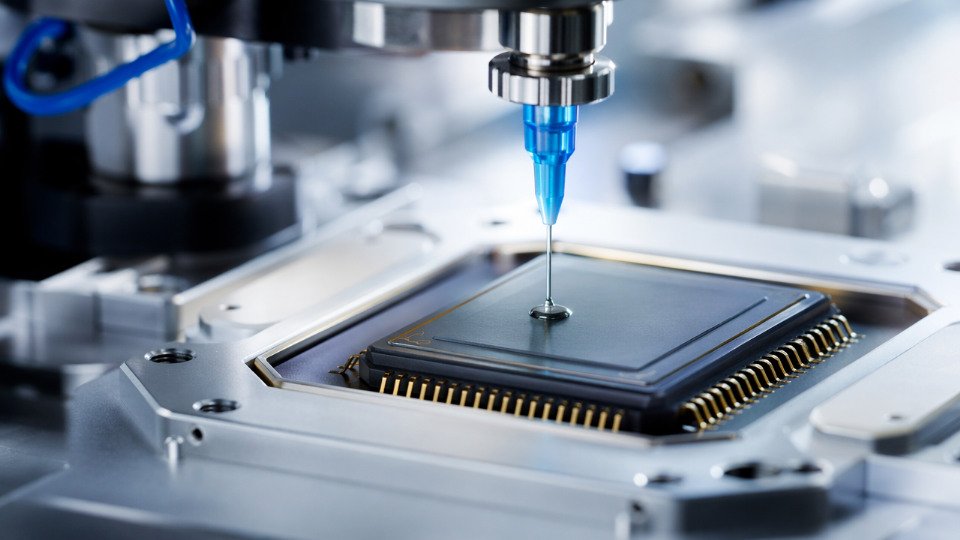
Flip-chip underfill and die-attach adhesives need filler loadings of 70–85 wt% silica to push the composite CTE toward silicon’s 2.6 ppm/°C and protect solder joints from thermal fatigue. At those loadings, viscosity management is non-negotiable: untreated silica at 75 wt% loading in a typical bisphenol-A epoxy produces a paste too stiff to jet or needle-dispense in automated equipment. Silane surface treatment — GPS or methacrylsilane at 0.5–1.0 wt% on filler — reduces viscosity by a factor of 3–5× at equivalent loading. That’s not a formulation refinement; it’s the difference between a dispensable material and one that clogs the needle within minutes on the production line.
Untreated silica fillers at 75–85 wt% loading are effectively undispensable in standard flip-chip underfill jetting equipment without silane surface treatmentTrue
Silane coupling agents reduce particle-particle and particle-matrix interaction, lowering compound viscosity by 3–5× at equivalent filler loading — a well-documented rheological effect in filled epoxy systems used in semiconductor packaging.
5G and Low-Loss Dielectric Laminates: Chemistry Precision at mmWave Frequencies
At millimeter-wave frequencies (24–100 GHz for 5G NR), even modest increases in dielectric loss tangent translate into measurable insertion loss in antenna arrays and backplane interconnects. Standard aminosilane or epoxysilane finishes optimized for mechanical adhesion are not adequate here — their polar functional groups contribute dielectric losses that push tan δ above acceptable thresholds for mmWave laminate specifications.
Phenylsilane and fluoroalkylsilane surface modifications reduce the polarizability of the silica surface by replacing polar silanol groups with less polar organic functionality. Target tan δ values below 0.002 at 10 GHz are achievable with careful silane selection, but they require tight control of residual silanol content and moisture conditioning before laminate pressing. A laminate processor running standard FR-4 silane sizing and switching to mmWave production without reformulating the glass finish will see higher-than-specified tan δ and field returns from antenna performance failures — a process change that looks minor on paper but carries significant qualification cost.
EV Power Modules: Thermal Cycling Adhesion from −40°C to +175°C
IGBT and SiC power modules used in EV inverters encapsulate wire bonds and power chips in silicone gels crosslinked through vinyltrimethoxysilane with platinum-catalyzed hydrosilylation. The silicone gel itself handles thermal shock reasonably well, but adhesion to the direct-bonded copper (DBC) substrate is the weak point. Copper oxide surfaces are chemically inert to most silicone formulations, and without an aminosilane primer — applied as a dilute isopropanol solution and cured at 100–120°C before gel dispensing — adhesion fails within a few hundred thermal cycles per AQG 324 qualification protocol.
The consequence is progressive delamination of the silicone at the DBC edge, exposure of bond wires to humidity, and ultimately intermittent gate drive faults that manifest as inverter overcurrent trips — a failure mode that is expensive to diagnose in a vehicle and nearly impossible to trace back to a primer omission without cross-sectional analysis of the module.
Construction Materials and Infrastructure: Waterproofing, Concrete Sealing, and Mineral Composite Bonding
Construction represents one of the highest-volume end markets for silane chemistry, yet it rarely gets the technical attention it deserves compared to tire or composite applications. The performance stakes are real: a poorly treated bridge deck or a fiber-cement panel that delaminates under UV exposure translates directly into infrastructure repair budgets, warranty claims, and in some cases, structural risk.
How Alkylsilanes Penetrate and Protect Concrete
Isobutyltrimethoxysilane and isooctyltriethoxysilane are the two workhorses of concrete waterproofing. Their low molecular weight allows capillary penetration to depths of 5–15 mm — the actual depth depends on concrete porosity, moisture content at application, and ambient temperature. Once inside the pore structure, these silanes hydrolyze with residual pore moisture and condense onto the calcium silicate hydrate surfaces of the cement matrix, forming covalent Si-O-Si networks that render the pore walls hydrophobic without blocking vapor transmission.
The results are measurable. Treated concrete surfaces typically show water contact angles above 120°, and chloride ion penetration — assessed by ASTM C1202 coulomb charge — drops by 80–95% depending on concrete quality and treat rate. For reinforced concrete in marine or de-icing salt environments, that chloride barrier is the primary mechanism preventing rebar corrosion and the spalling cycles it causes.
Treatment Protocols for Bridge Decks and Parking Structures
Protocol execution matters as much as product selection. Surface temperature must be above 10°C and the substrate must be dry — residual moisture above roughly 4% by weight in the surface zone will compete with silane hydrolysis and reduce penetration depth significantly. Contaminants like curing compounds, form release oils, or carbonation layers need mechanical removal before treatment.
Application by low-pressure spray or roller at 200–400 mL/m² is standard, with higher rates used for open-textured or high-porosity substrates. Traffic must stay off the treated surface for 24–72 hours depending on temperature and humidity; cold or humid conditions push cure time toward the longer end of that range. In marine exposure zones — coastal bridges, harbor structures, sea-wall copings — retreatment intervals of 7–12 years are typical, though this depends on UV exposure, freeze-thaw cycling frequency, and traffic abrasion. Specifying retreatment intervals in the maintenance contract at project close-out is worth doing; it rarely happens automatically.
Silane-treated concrete surfaces can reduce chloride ion penetration by 80–95% per ASTM C1202 testingTrue
Multiple peer-reviewed studies and field evaluations of alkylsilane penetrating sealers on portland cement concrete consistently report coulomb charge reductions in this range, provided surface preparation is adequate and treat rate matches substrate porosity.
Engineered Stone and Mineral Composite Manufacturing
Quartz composite countertops and floor tiles use either epoxysilane or methacrylsilane coupling agents to bond the quartz aggregate to the unsaturated polyester or acrylic resin matrix. Treatment is applied at 0.3–0.8 wt% relative to aggregate, either as a pre-blend on the aggregate or dissolved into the resin prior to mixing — both approaches work, though pre-treating aggregate gives more uniform surface coverage on high-filler-loading formulations (typically 88–93% quartz by weight). The mechanical payoff is significant: flexural strength rises to 45–60 MPa in well-treated systems versus 25–35 MPa for untreated equivalents, a gap that determines whether a product meets EN 14617 slab standards or fails edge-loading tests in installation.
Fiber-Cement Cladding and Roofing
Aminosilane treatment of cellulose fibers in fiber-cement composites addresses a specific durability failure mode: wet-dry and UV cycling degrades the fiber-matrix interface, and untreated composites lose flexural strength progressively over field service. After 1000 hours of accelerated UV/moisture exposure, aminosilane-treated fiber composites retain 30–50% more flexural strength than untreated controls. For products carrying 25–50 year warranties — a standard expectation in the cladding market — that retention differential is the difference between a viable product and a liability.
Road Pavement and Asphalt Applications
Moisture-induced stripping is the primary durability failure in asphalt pavements, particularly with hydrophilic aggregates like granite or certain limestones. Silane-treated aggregate reduces the water film that displaces bitumen from aggregate surfaces under traffic loading. Aminosilane-modified bitumen emulsions take this further by creating a reactive bond at the bitumen-aggregate interface. The tensile strength ratio (TSR) measured per AASHTO T283 typically improves from 0.65–0.70 in untreated mixes to 0.80–0.90 with silane modification — the 0.80 threshold being the minimum passing value in many state DOT specifications. The exact improvement depends on aggregate mineralogy, bitumen grade, and emulsion formulation; granite aggregate generally responds more strongly than limestone because of its lower surface basicity.
Operational warning: Aminosilane-modified emulsions have a shorter pot life than conventional cationic emulsions. Applying a batch that has exceeded its working time results in poor adhesion that won’t be visible until the pavement strips under traffic, often within the first winter season.
Emerging Applications: Biotechnology, Energy Storage, and Nanocomposite Engineering
The established industrial sectors — tires, composites, construction — consume the bulk of silane coupling agent volume today. But the steepest growth curves are appearing in sectors where surface chemistry operates at nanometer scale and where failure consequences are measured not in scrap rates but in device reliability, patient safety, or grid stability. Engineers moving into these spaces need to understand that the same organosilane bonding principles apply, but tolerance for process variability compresses dramatically.
Silica Nanoparticles and Biosensor Surfaces
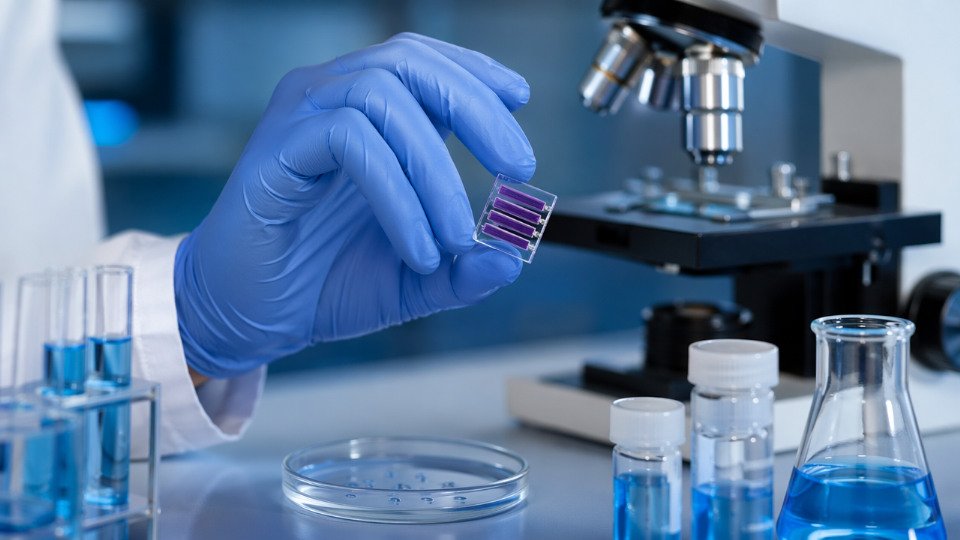
Aminosilane functionalization, principally with APTES (3-aminopropyltriethoxysilane), is the workhorse chemistry for attaching biological molecules to silica and glass surfaces in diagnostic and drug-delivery systems. The grafting reaction deposits primary amine groups at surface densities of roughly 1–4 nmol/cm², depending on reaction solvent, temperature, and substrate hydroxyl density. That amine layer then couples to carboxyl groups on proteins, antibodies, or enzyme ligands through standard EDC/NHS crosslinking chemistry.
What this means in practice: an immunoassay substrate with well-controlled APTES coverage can detect target analytes at picogram-per-mL concentrations. Poorly controlled coverage — multilayer polymerization from excess APTES in high-humidity conditions being the most common defect — produces inconsistent orientations of the capture antibody and sensitivity that varies 3- to 5-fold across the same substrate batch. For a diagnostic device manufacturer, that is a calibration nightmare and a regulatory liability. Temperature during silanization should be held within ±2°C and relative humidity below 40% for gas-phase deposition; aqueous-phase deposition requires careful pH control between 4 and 5.5.
Carboxyethylsilane provides an alternative functional group that avoids APTES’s tendency toward multilayer formation, at somewhat higher reagent cost.
Lithium-Ion Battery Anodes — Suppressing the Expansion Problem
Silicon-based anodes offer theoretical capacity roughly ten times that of graphite, and the industry knows it. The practical obstacle is the ~300% volumetric expansion during lithiation, which pulverizes particles and strips them from the copper current collector. Vinylsilane and epoxysilane surface treatment of SiO₂ and Si nanoparticles creates covalent bridges between particle surfaces and the PVDF binder matrix, maintaining electrical contact through repeated expansion cycles.
Capacity fade data from laboratory cycling programs is telling: untreated Si nanoparticle anodes typically lose around 40% of initial capacity over 500 cycles. With silane-treated particles, fade drops to the 15–20% range over the same cycle count. The exact figure depends on particle size distribution (smaller particles expand more uniformly), silane loading (typically 0.5–1.5 wt% on particle mass), and binder-to-particle ratio. This is not a marginal improvement; it is the difference between a commercially viable cell and one that fails midway through a vehicle warranty period.
Silane surface treatment of silicon anode nanoparticles reduces capacity fade from approximately 40% to 15–20% over 500 cycles by suppressing particle delamination during volumetric expansion.True
This performance range is consistent with peer-reviewed electrochemical literature on silane-functionalized Si/SiO2 anodes, where the covalent silane bridge between particle surface and PVDF binder is the mechanistic basis for improved cycle retention.
Solid-State Battery Separators and Ceramic Electrolyte Interfaces
Composite polymer electrolytes embedding ceramic particles such as Al₂O₃ or LLZO face a fundamental interface problem: poor adhesion between the ceramic filler and the polymer host creates ion-transport dead zones that worsen with thermal cycling. Methacrylsilane functionalization of the ceramic surface bonds covalently to both the inorganic particle and the polymer matrix during UV or thermal cure, maintaining intimate interfacial contact. Systems treated this way show ionic conductivity retention 30–40% higher than untreated formulations after 200 thermal cycles between −20°C and 80°C — a range relevant to automotive pack operation.
Wind Turbine Blade Fatigue Life
A 60-meter glass/epoxy blade operating in an offshore environment accumulates hundreds of millions of load cycles over a 20-year service life. Wet fatigue strength — the retained strength after prolonged moisture exposure under cyclic stress — is the limiting design property, not dry-state tensile strength. Epoxysilane-sized glass fiber roving maintains wet fatigue strength at 60–70% of dry baseline; untreated or inadequately sized fiber falls to 30–40%. That gap directly sets the minimum laminate thickness and fiber volume fraction required to meet fatigue certification, meaning silane treatment decisions made at the roving manufacturer affect blade weight and structural design downstream by years in the supply chain.
An operational warning for blade fabricators: switching glass fiber suppliers without requesting and auditing the sizing chemistry specification has caused unexpected laminate delamination in service. Silane type, concentration in the sizing bath, and cure conditions all need to be locked as controlled parameters in supplier qualification, not assumed equivalent across suppliers.
Nanocomposite Polymers — Dispersion as the Deciding Variable
Nanoclay, graphene oxide, and POSS particles all have high surface-area-to-volume ratios that drive strong particle-particle attraction. Without surface functionalization, these fillers agglomerate during melt compounding or solution mixing and deliver a fraction of their theoretical property benefit. Silane functionalization — aminosilane or epoxysilane on nanoclay, trimethoxysilylpropyl groups on graphene oxide edges, purpose-designed organofunctional POSS — converts hydrophilic particle surfaces to organophilic ones compatible with polyamide, epoxy, or polyurethane matrices.
At loadings of 1–5 wt%, well-dispersed silane-treated nanofillers deliver 20–50% improvement in oxygen and water vapor barrier properties and 15–30% increase in tensile modulus, with the lower end of both ranges typically seen in melt-compounded systems where shear energy is insufficient and the upper end in solution-processed or in-situ polymerization systems where dispersion is better controlled. The silane chemistry does not guarantee dispersion; it enables it. Processing — shear rate, temperature profile, residence time, and sequence of addition — determines whether that potential is realized or wasted.
Selecting, Handling, and Optimizing Silane Coupling Agent Dosage in Industrial Processes
Getting the chemistry right at the molecular level means nothing if the process engineer miscalculates treat rate, botches storage, or applies the silane unevenly at scale. This section is the practical complement to everything above.
Calculating Theoretical Monolayer Coverage
The starting point for any treat rate calculation is the filler’s BET surface area. The working formula engineers use:
Treat rate (wt% on filler) = (BET surface area, m²/g × 1.0 × 10⁻⁴) ÷ (molecular weight of silane, g/mol × Avogadro coverage factor)
For precipitated silica at 180 m²/g with TESPT (MW ≈ 538 g/mol), this resolves to roughly 0.9–1.1 wt% on filler — consistent with the 0.5–1.0 wt% practical range for most silica systems once you account for partial hydroxyl site occupancy. The coverage factor shifts with silane geometry; bulkier organofunctional groups reduce packing density and push the optimum toward the lower end of the window. Treat rate also depends on filler lot-to-lot BET variation, which can run ±10–15% between supplier batches, so recalculating when you qualify a new filler source is not optional.
Treating above the theoretical monolayer dose does not improve coupling efficiency and typically worsens it.True
Excess silane forms multilayer deposits thicker than ~5 nm. These oligomeric layers are weakly crosslinked and act as a cohesive failure plane, reducing interfacial strength and increasing compound viscosity without added benefit.
Three Application Methods and Their Trade-Offs
Dry blending in an internal mixer or tumble blender is the simplest route and the most common in rubber compounding. Silane is metered directly onto the filler or into the mixing chamber. The trade-off is distribution uniformity — hot spots in the mixer can drive premature condensation, and cold spots leave unreacted silane that migrates later. Works adequately when mixer temperature is controlled at 130–150 °C for TESPT systems.
Aqueous solution pre-treatment of the filler gives the most uniform surface coverage. The filler is slurried in a dilute silane solution (typically 0.5–2.0 wt% silane in water at controlled pH 4–5 for aminosilanes, pH 3.5–5 for epoxysilanes), filtered, and dried at 100–120 °C. The drying step adds energy cost and cycle time — roughly 15–25% higher processing cost versus dry blending depending on line configuration — but for applications demanding tight adhesion specifications such as electronic encapsulants or structural composites, the uniformity justifies it.
In-situ treatment during wet processes — glass fiber sizing lines, mineral filler finishing lines, pultrusion baths — is the industry standard for fiber reinforcement. Silane is applied in the sizing formulation at the bushing or in the finish bath, hydrolyzing and condensing onto the freshly formed fiber surface within seconds. This route is non-negotiable for glass fiber; retrofitting a dry-blend approach onto a fiber composite process is a false economy.
Storage, Handling, and Safety Controls
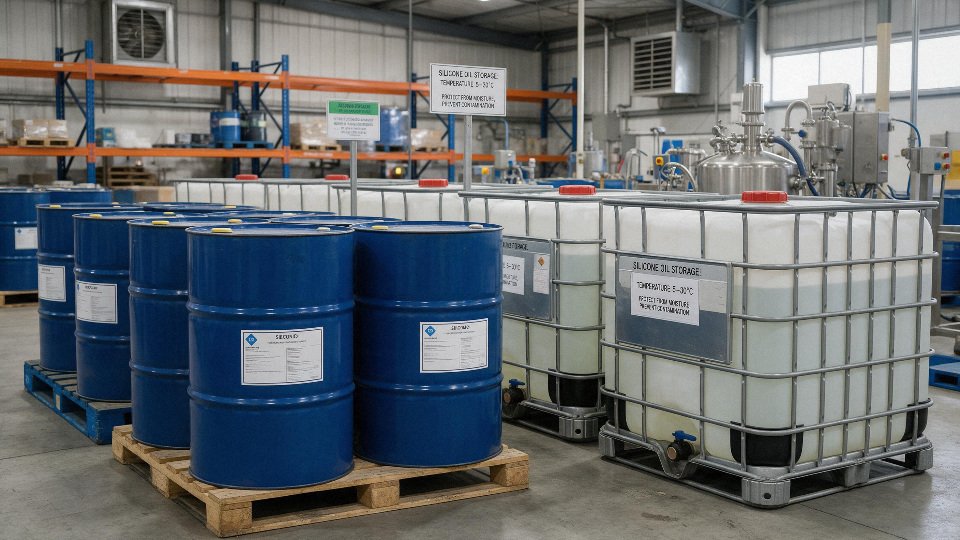
Aminosilanes and epoxysilanes absorb atmospheric moisture readily. Store in sealed containers under dry nitrogen, at 5–25 °C. Shelf life runs 12–24 months under proper conditions; material stored in partially used drums exposed to humid air can degrade within weeks, causing viscosity creep and reduced reactivity. Ethoxysilanes release ethanol during hydrolysis — flash point 13 °C — so spray application booths require ATEX-rated electrical equipment and continuous ventilation. Methoxysilanes are faster-hydrolyzing but release methanol, which carries its own inhalation exposure limits; local exhaust ventilation is mandatory, not advisory.
Troubleshooting Common Process Defects
| Defect | Most Likely Cause | Corrective Action |
|---|---|---|
| Poor adhesion after silane treatment | Wrong R-group chemistry; substrate lacks surface hydroxyls; deposit >5 nm thick | Reconfirm silane-substrate compatibility; abrade or acid-etch surface; reduce treat rate |
| Viscosity spike in compound | Premature silane condensation from moisture ingress or excess water in filler | Check filler moisture content (<0.5 wt%); review mixer temperature ramp |
| Surface blooming in rubber | R-group migration in low-polarity matrix | Switch to silane with higher compatibility index; verify dispersion temperature |
| Inconsistent mechanical properties batch-to-batch | BET variation in incoming filler | Tighten filler specification; recalculate treat rate per lot |
Sustainability and Regulatory Context
Most commercial alkoxysilanes are not classified as CMR substances under EU REACH, which simplifies hazard communication. That said, methoxysilane-based products require engineering controls specifically for methanol vapor. Waterborne silane primer formulations — now commercially available across aminosilane, epoxysilane, and vinylsilane chemistries — reduce VOC emissions by 60–80% relative to solvent-borne equivalents, a number that depends on solids content and application method. For operations in attainment areas with VOC permit constraints, switching to waterborne primers can defer capital expenditure on abatement equipment. Bio-based silane synthesis via lignin-derived phenols and bio-ethanol feedstocks is moving through pilot-scale work at several European and Asian research centers; commercial availability is realistically five to eight years out, but procurement teams at large-volume users should be tracking supplier roadmaps now.
Frequently Asked Questions About Silane Coupling Agent Applications
What is the difference between a silane coupling agent and a silane crosslinker?
The distinction is functional, not structural. A coupling agent is bifunctional by design: the silicon end hydrolyzes and bonds to an inorganic surface — glass, silica, mineral filler, metal oxide — while the organofunctional end reacts into the surrounding polymer matrix. The two reactions happen at an interface between two different phases. A crosslinker, by contrast, reacts within a single polymer phase, building network density by bridging separate polymer chains together.
Where it gets genuinely complicated is that one silane molecule can fill both roles depending on system design. Vinyltrimethoxysilane (VTMS) used in moisture-crosslinked polyethylene cable insulation is the clearest industrial example: under peroxide grafting conditions it attaches to the PE backbone, then atmospheric moisture triggers silanol condensation between grafted chains, forming Si–O–Si crosslinks entirely within the organic phase. No inorganic substrate involved. Specify your system carefully before sourcing — the same compound sold as a crosslinker by one supplier may be catalogued as a coupling agent by another.
Can silane coupling agents be used on metals as well as minerals?
Yes, and this is a heavily underused application outside the automotive OEM world. Steel, aluminum, copper, and zinc all develop native oxide layers that carry surface hydroxyl groups, and those silanols react with hydrolyzed silane just as silica does. Aminosilane and epoxysilane pretreatments on steel and aluminum achieve adhesion peel values broadly comparable to zinc phosphate conversion coatings, without the heavy-metal wastewater burden. Several automotive Tier 1 suppliers have moved to silane-based metal pretreatment specifically to meet the chromate-free requirements under EU ELV Directive 2000/53/EC.
Silane-based metal pretreatment can replace zinc phosphate in automotive coating lines while meeting EU ELV Directive chromate-free requirementsTrue
Aminosilane and epoxysilane pretreatments bond to metal oxide surfaces via the same Si-OH condensation mechanism as mineral substrates; industrial adoption is documented in automotive OEM coating specifications as a chromate-free compliance pathway under Directive 2000/53/EC
The practical limitation on metals is surface cleanliness. Any oil contamination blocks silanol access to the oxide layer, so degreasing quality controls the outcome far more than silane chemistry.
How do I know which silane to select for my resin system?
Match the organofunctional group to the dominant curing chemistry in your resin:
| Resin / Curing Mechanism | Recommended Organofunctional Group |
|---|---|
| Epoxy, amine-cured | Aminosilane (e.g., APTES) or epoxysilane |
| Epoxy, anhydride-cured | Aminosilane |
| Polyurethane | Aminosilane or epoxysilane (NCO-reactive) |
| Polyester, vinyl ester, acrylate (free-radical) | Methacryloxy or vinylsilane |
| Sulfur-vulcanized rubber | Polysulfide (TESPT) or mercaptosilane |
| Moisture-crosslinked polyolefin | Vinylsilane |
A mismatch here causes adhesion or mechanical property shortfalls that are difficult to diagnose once the part is molded. If your epoxy laminate is delaminating at the fiber interface despite adequate resin wet-out, wrong organofunctional group selection is the first thing to check — before questioning fiber surface quality or cure schedule.
What concentration of silane should be used in an aqueous primer solution?
Typical working solutions run 0.5–2.0 wt% silane in water, which depends on substrate porosity, desired film thickness, and whether you’re spraying, wiping, or dip-coating. Adjust pH to 3.5–5.5 using dilute acetic acid, particularly for aminosilanes and epoxysilanes, to control hydrolysis rate without triggering premature condensation. Prepare solution fresh — shelf life is 24 hours or less once diluted, because hydrolysis and oligomerization continue in solution regardless of temperature. Apply as a thin wet film (1–5 µm), allow 5–10 minutes ambient flash, then cure at 100–120°C for 10–30 minutes. Thick pooled primer layers introduce a weak boundary layer, not better adhesion.
Are silane coupling agents compatible with waterborne adhesive and coating systems?
Fully compatible, and particularly valuable there. Waterborne systems fail most often at the coating-substrate interface under humid or wet-service conditions — exactly the performance gap silane addresses. Hydrolyzed silane monomers are water-miscible and blend directly into polyurethane dispersions, waterborne epoxy dispersions, and acrylic latex at 0.5–2.0 wt% of total formulation weight. During film drying, they migrate toward the substrate interface and condense onto surface hydroxyls before the polymer network locks. The practical result is substantially better wet adhesion retention on glass, aluminum, and cementitious substrates compared to identical formulations without silane.
What safety precautions are required when handling silane coupling agents at industrial scale?
Nitrile gloves, chemical splash goggles, and local exhaust ventilation are the baseline for any silane handling area. Aminosilanes deserve specific caution: they are strongly alkaline in solution (pH above 10), act as skin and respiratory sensitizers, and generate ethanol or methanol on hydrolysis — both requiring solvent-handling controls under OSHA 29 CFR 1910.1000. Most silane coupling agents are not classified as acutely toxic (oral LD50 in rat typically above 1,000 mg/kg), but that does not mean routine exposure is consequence-free. Repeated aminosilane skin exposure has caused sensitization in production workers on glass fiber sizing lines. Check the product-specific Safety Data Sheet for the current OSHA PEL and ACGIH TLV values before writing your job hazard analysis — generic silane handling procedures do not substitute for compound-specific limits.