Blogs
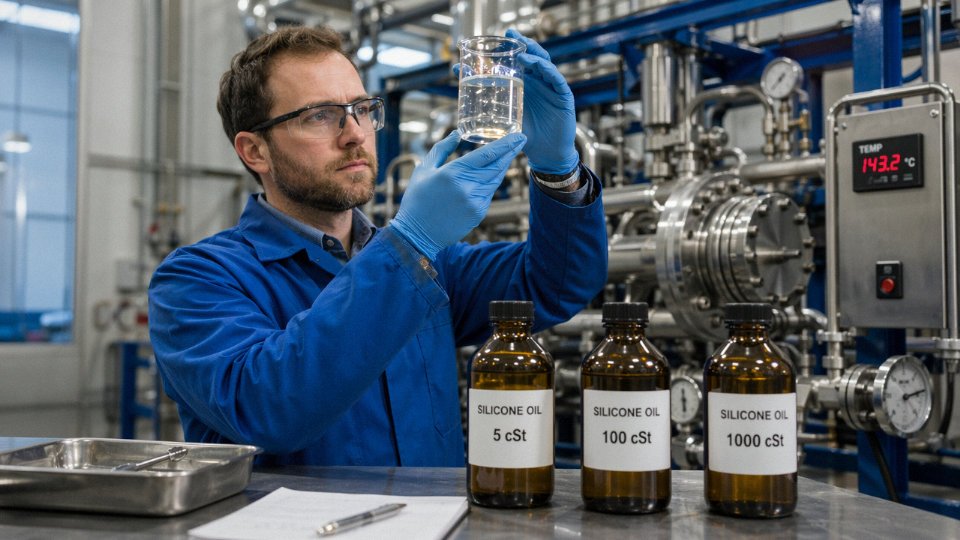
How to select silicone oil viscosity?
Learn how to select the right silicone oil viscosity for your application — from heat transfer to damping — and avoid costly equipment failures.

Learn how to select the right silicone oil viscosity for your application — from heat transfer to damping — and avoid costly equipment failures.
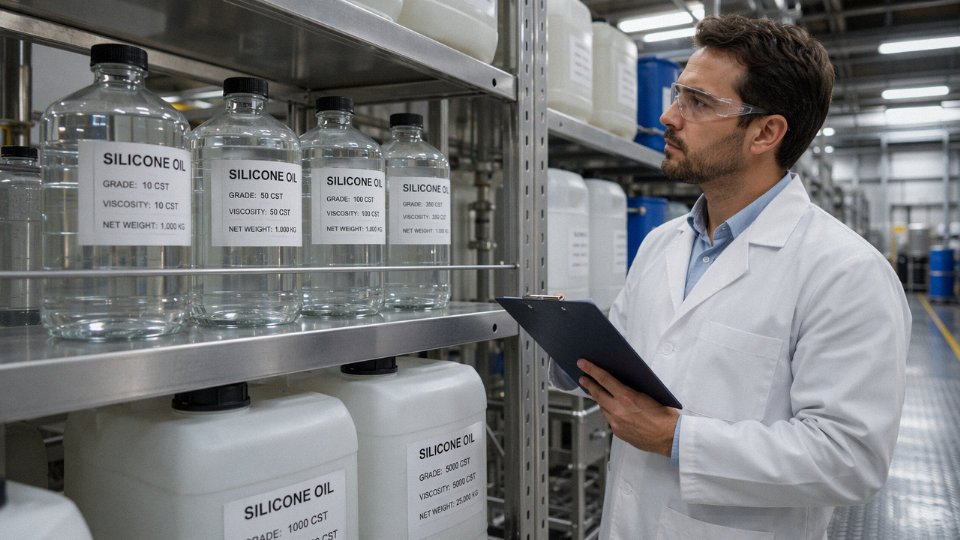
Learn how to choose the right silicone oil by matching viscosity, thermal range, and chemical compatibility to your application. Avoid costly downtime and defects.

Discover which industries depend on silicone oil and why — from healthcare and electronics to aerospace and food processing. Learn what makes PDMS indispensable.
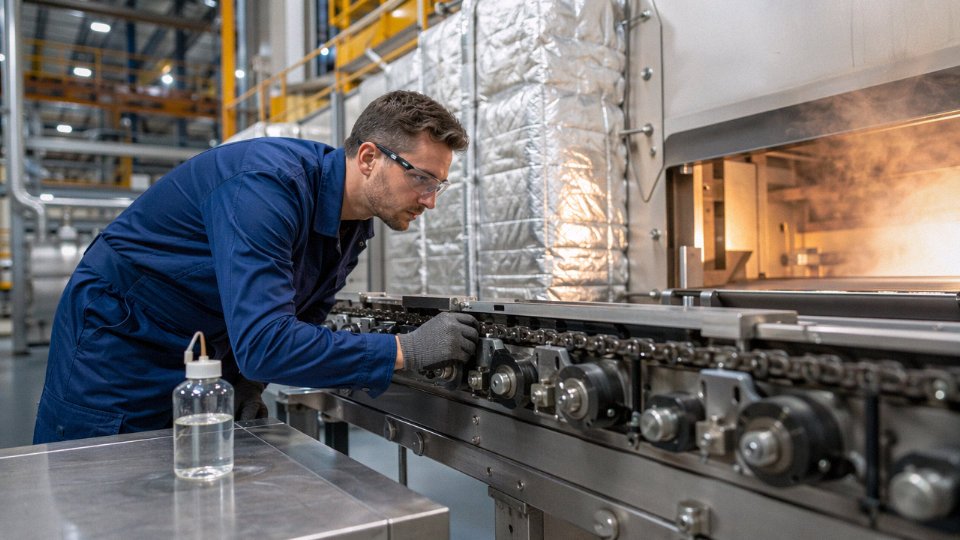
Discover the key benefits of silicone oil lubricants: wide temperature range, high dielectric strength, chemical inertness, and stable viscosity for demanding applications.
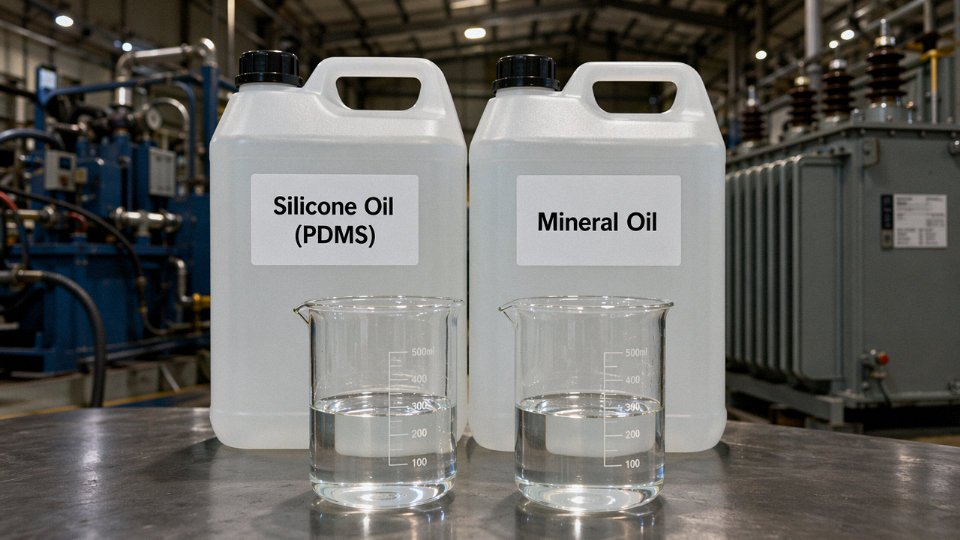
Learn when silicone oil outperforms mineral oil in extreme temps, dielectric, and thermal stability — and when mineral oil remains the smarter, cost-effective choice.
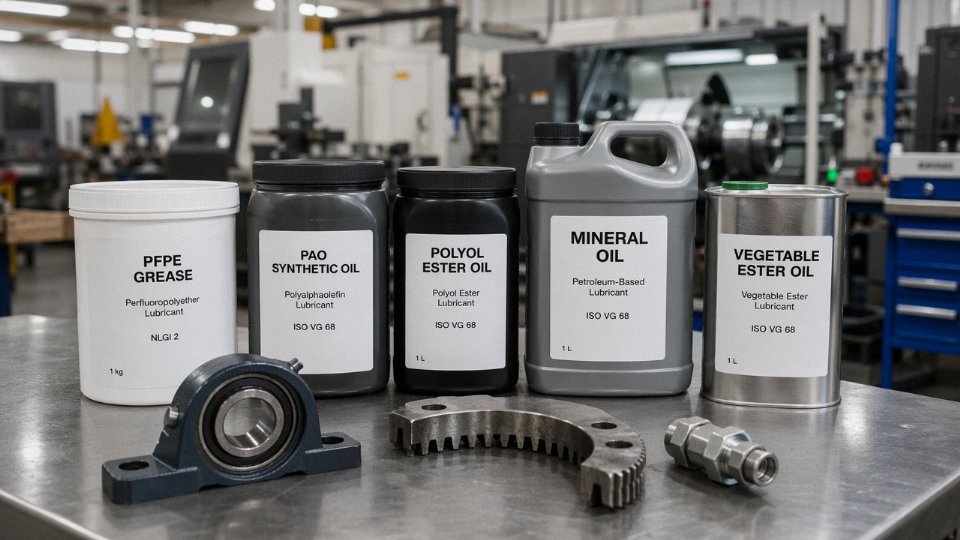
Discover the best alternatives to silicone oil — PFPE, PAO, ester oils, and more. Compare temperature range, cost, and compatibility to find the right fit.
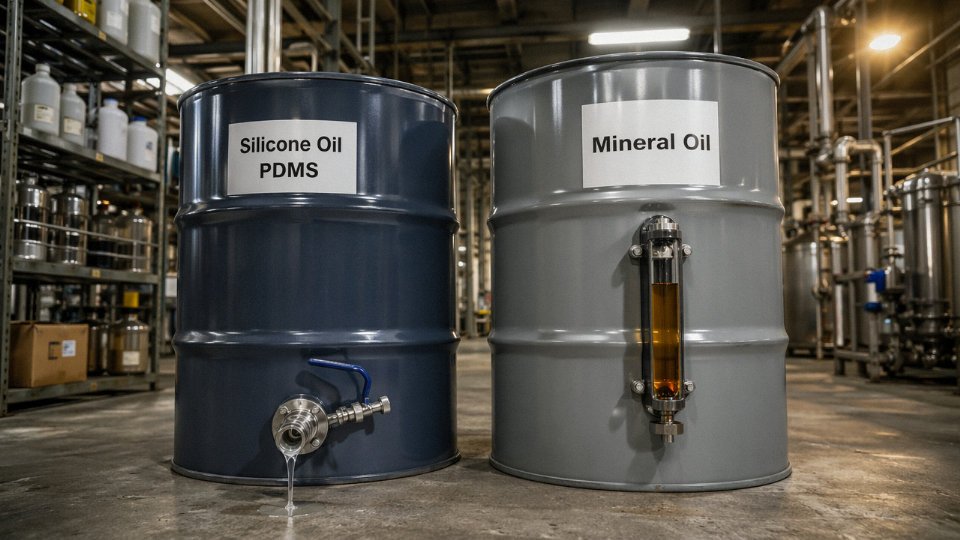
Discover why silicone oil costs 3-5x more than mineral oil — from energy-intensive manufacturing to raw material differences. Know when the premium is worth it.
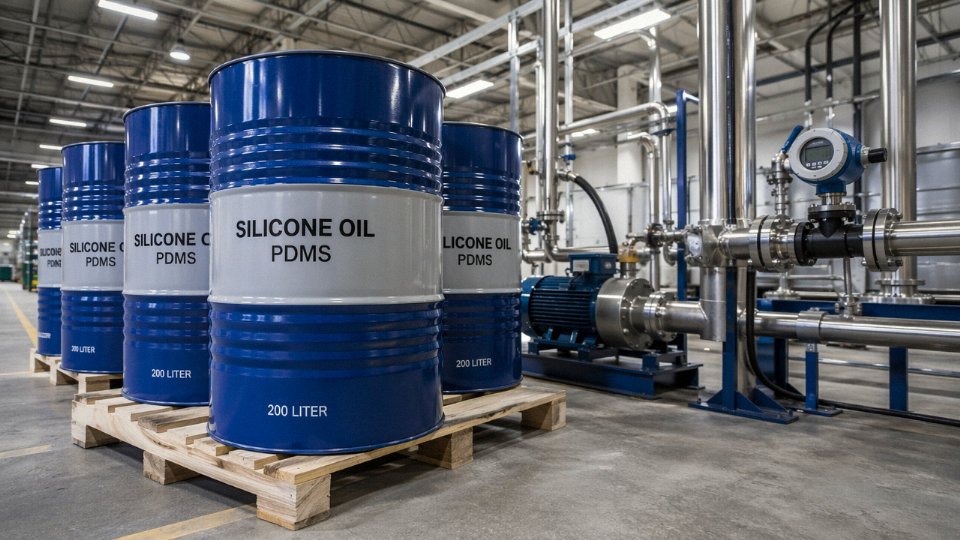
Silicone oil costs $2.50–$6.00/kg for standard industrial grades. Learn what drives pricing, when to pay more, and how to source smarter.
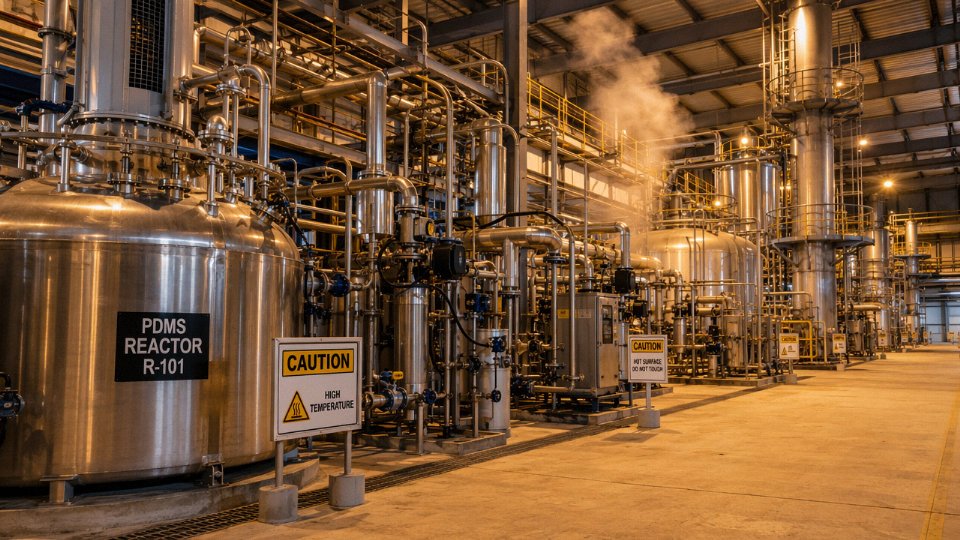
Discover the top global silicone oil producers — Dow, Wacker, Shin-Etsu, Momentive, and more — and how to choose the right PDMS supplier for your needs.
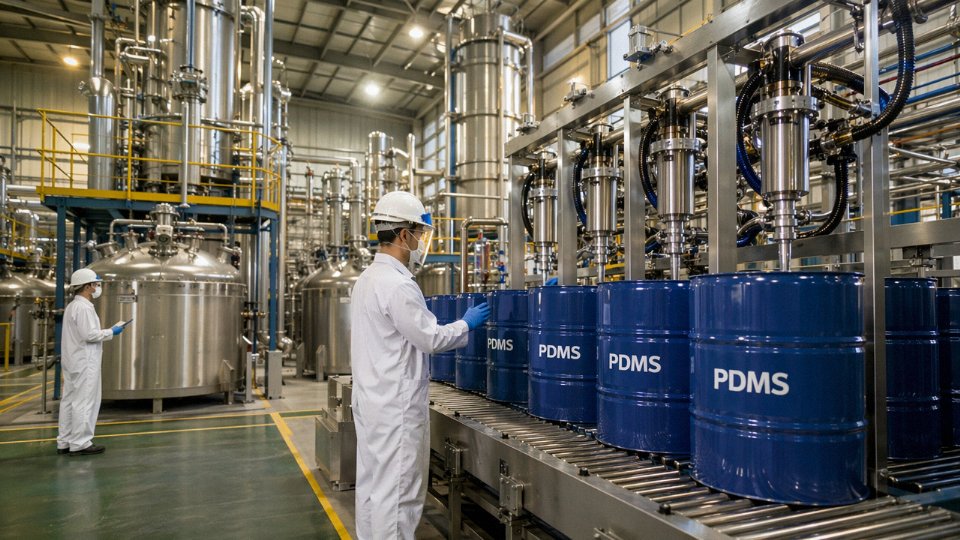
Discover the world’s largest silicone oil manufacturers — Dow, Wacker, Shin-Etsu, and more — and learn how to choose the right supplier for your needs.