Blogs
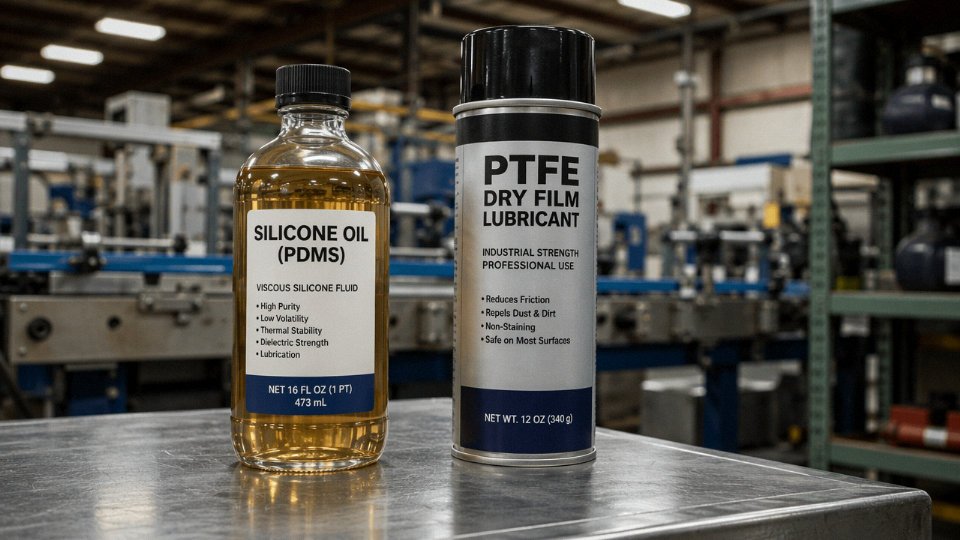
Silicone Oil vs Teflon Lubricant
Silicone oil or PTFE lubricant? Learn which delivers better friction, heat resistance, and compatibility for your specific industrial application.

Silicone oil or PTFE lubricant? Learn which delivers better friction, heat resistance, and compatibility for your specific industrial application.
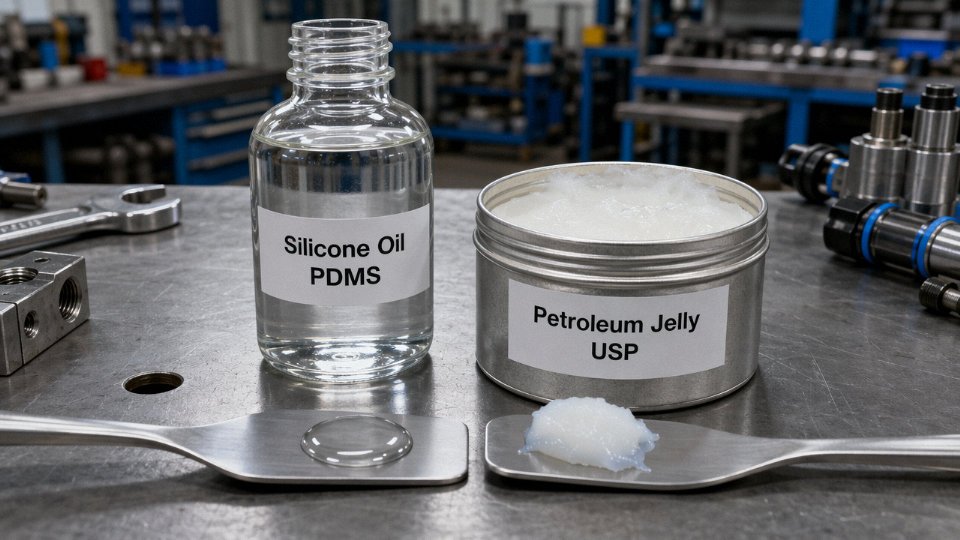
Silicone oil or petroleum jelly? Learn which lubricant wins for thermal range, rubber compatibility, and food-grade or electrical applications.
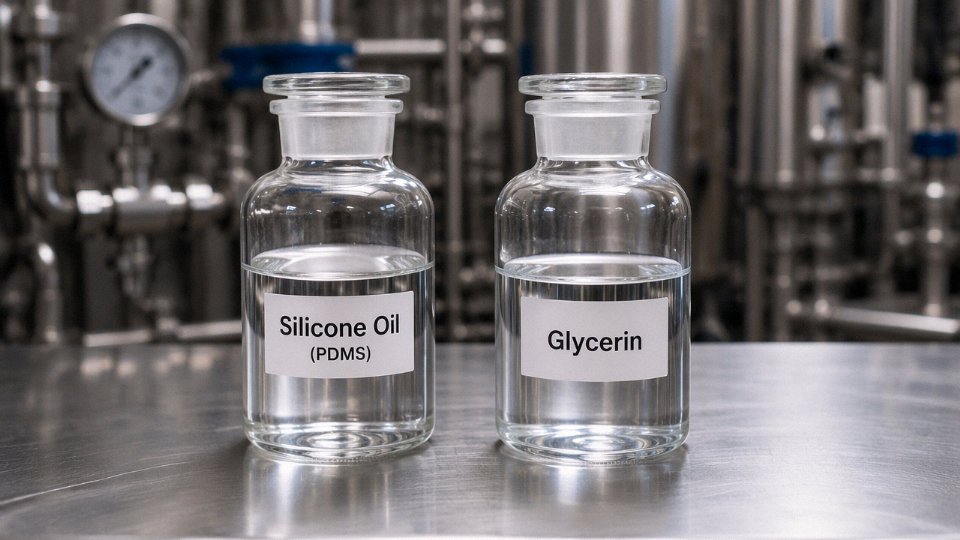
Compare silicone oil vs glycerin on viscosity, thermal stability, cost, and compliance to choose the right process fluid and avoid costly application mistakes.
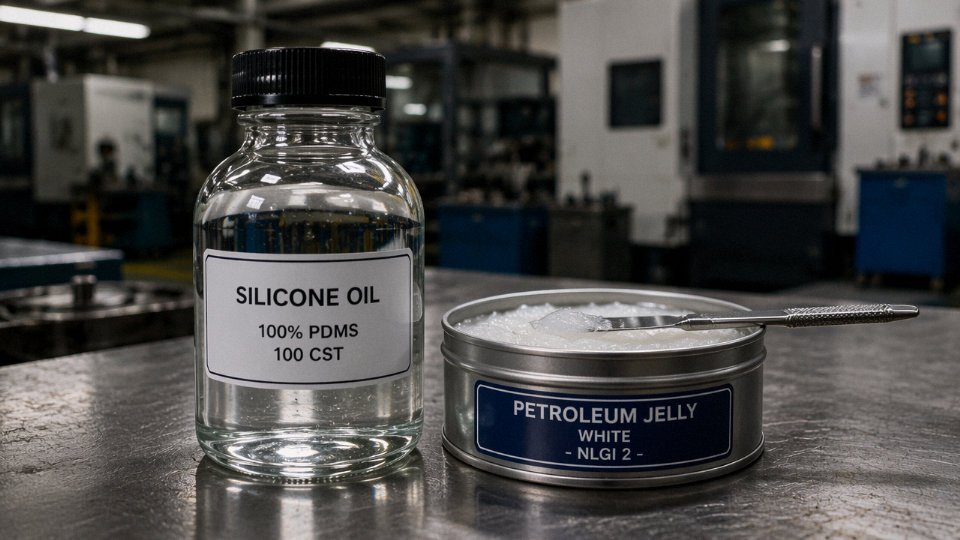
Silicone oil vs Vaseline: discover key differences in temperature range, viscosity, dielectric strength, and when each lubricant is the right or wrong choice.
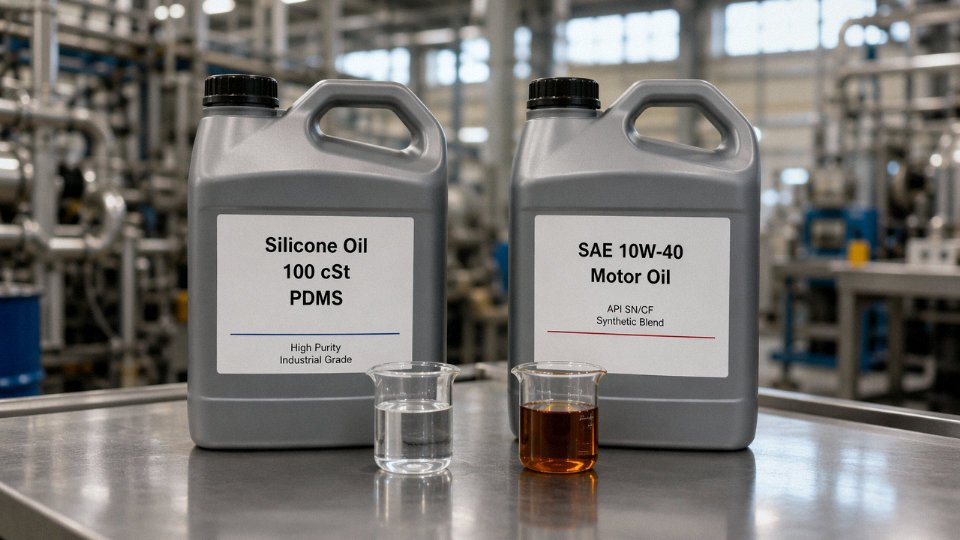
Silicone oil and motor oil share similar viscosity but behave very differently. Learn which fluid is right for your application before costly mistakes happen.
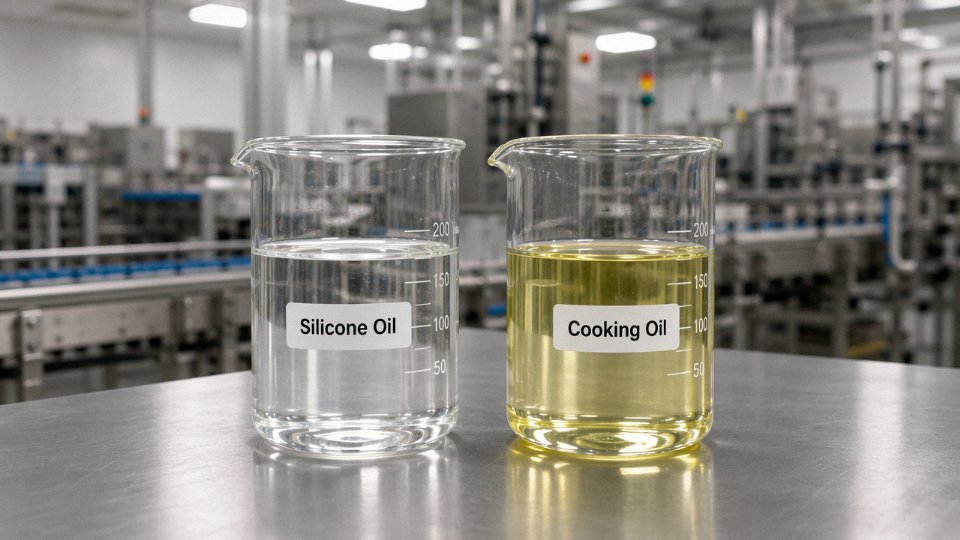
Learn how silicone oil and cooking oil differ in thermal stability, viscosity, and safety — and why mixing them up in food processing can cost you dearly.
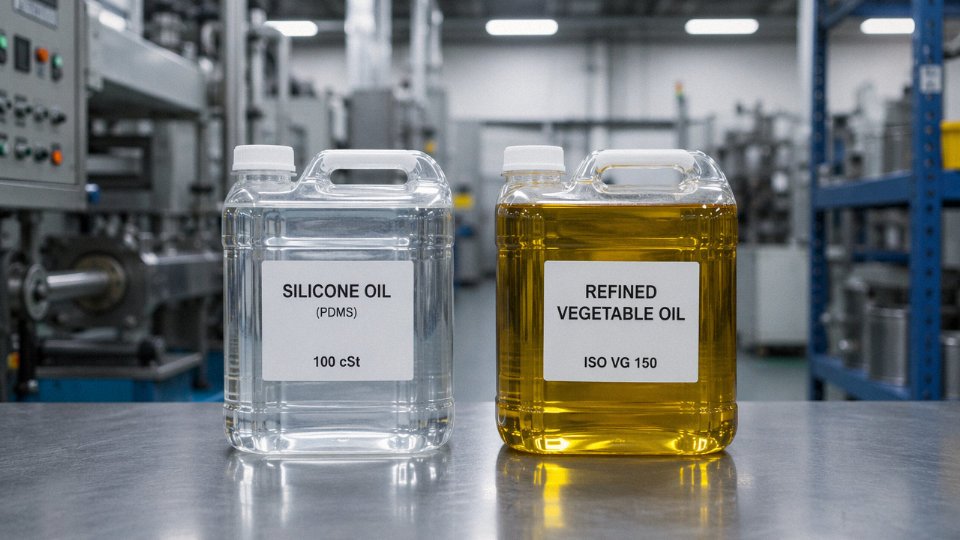
Compare silicone oil vs vegetable oil for lubrication: temperature range, viscosity, food safety, biodegradability, and cost to choose the right fluid.
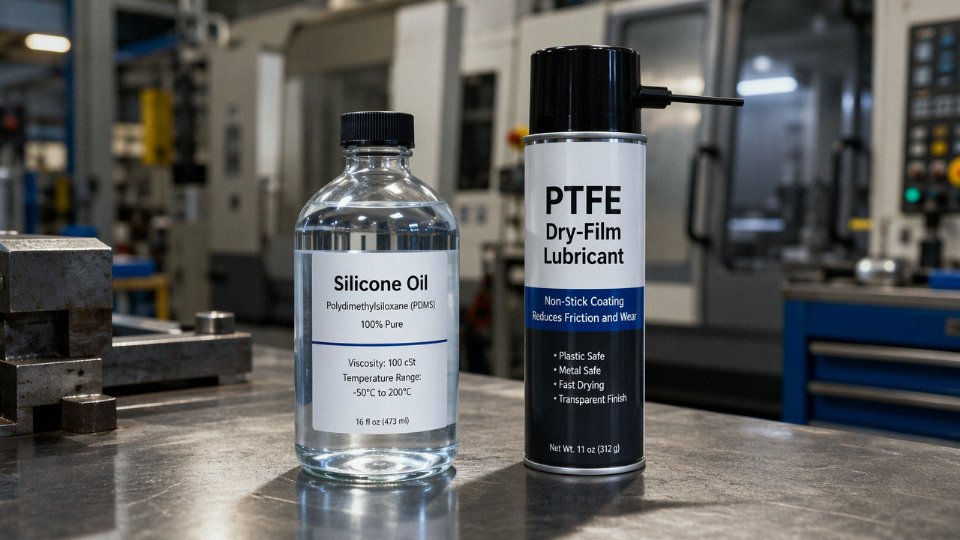
Silicone oil or PTFE lubricant? Learn which performs better for seals, rails, and regulated surfaces — avoid costly downtime with the right choice.
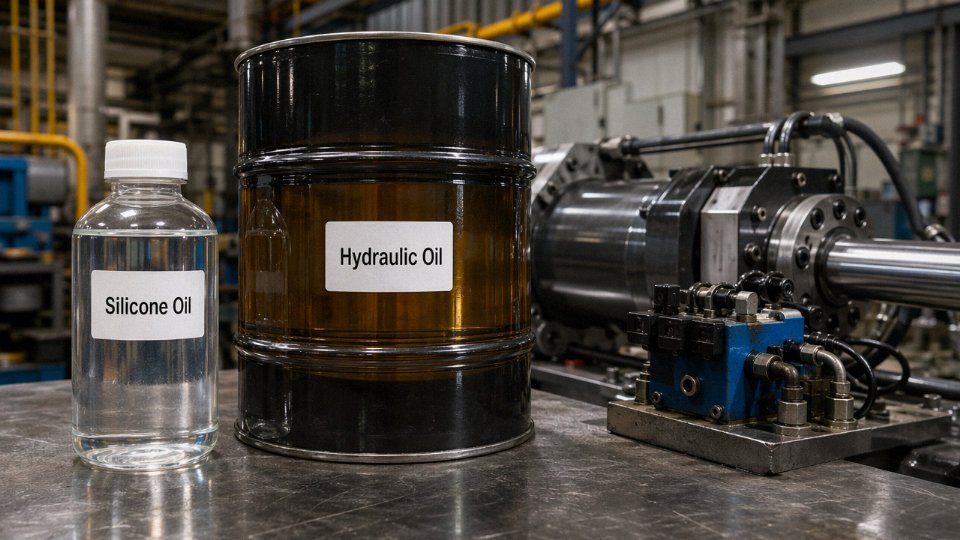
Silicone oil and hydraulic oil are not interchangeable. Learn the key differences in bulk modulus, viscosity, seals, and when each fluid is the right choice.
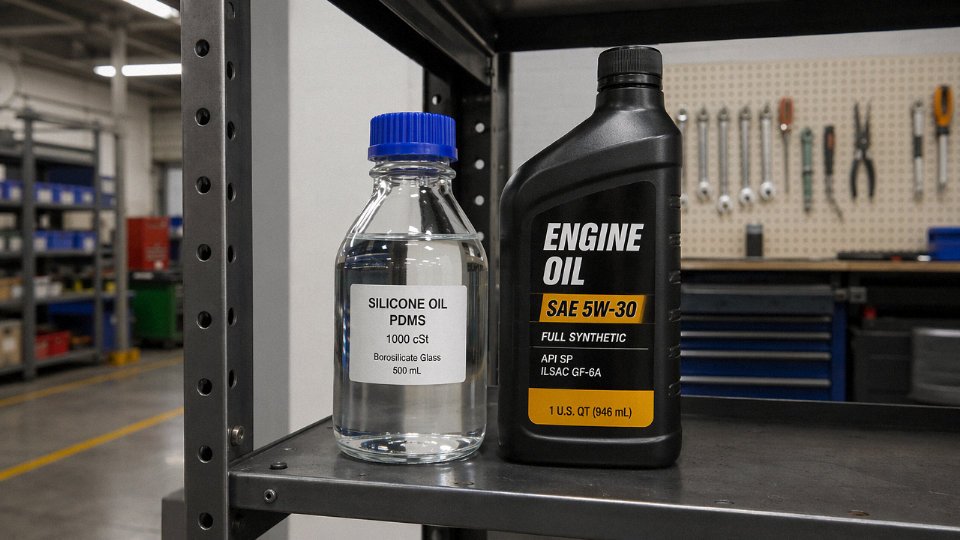
Silicone oil and engine oil look similar on paper but behave differently in use. Learn key differences in chemistry, performance, cost, and where each fluid belongs.