Blogs
Does liquid silicone harden?
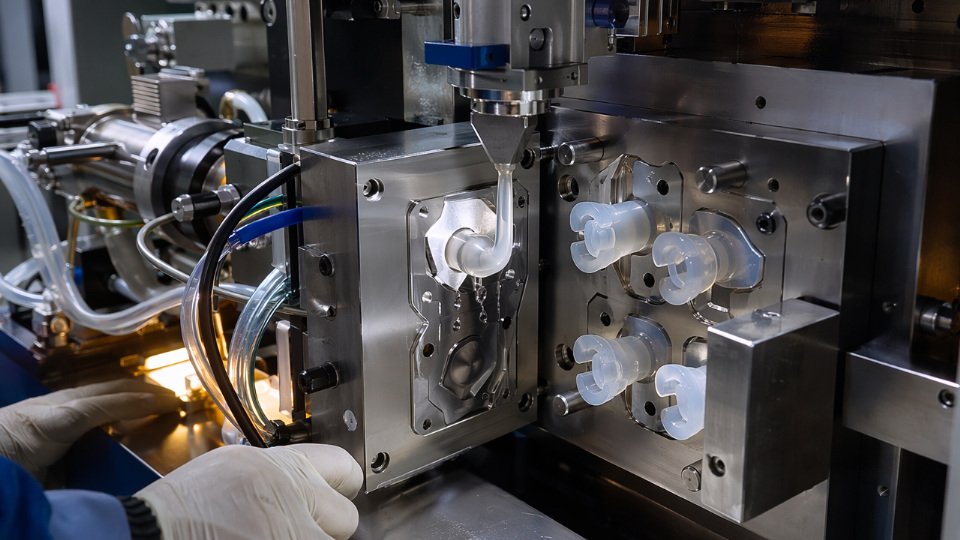
Learn how liquid silicone hardens through crosslinking, cure temperatures, and Shore A hardness ranges for LSR and RTV systems to avoid costly production failures.

Learn how liquid silicone hardens through crosslinking, cure temperatures, and Shore A hardness ranges for LSR and RTV systems to avoid costly production failures.
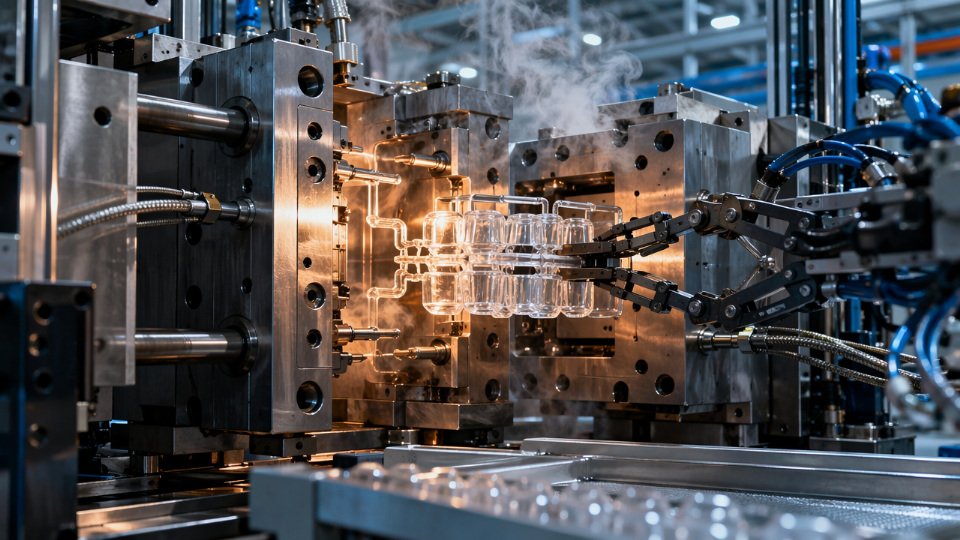
LSR cure time ranges from 30 seconds to 72 hours. Learn how temperature, thickness, and catalyst affect your cycle time and avoid costly demolding errors.
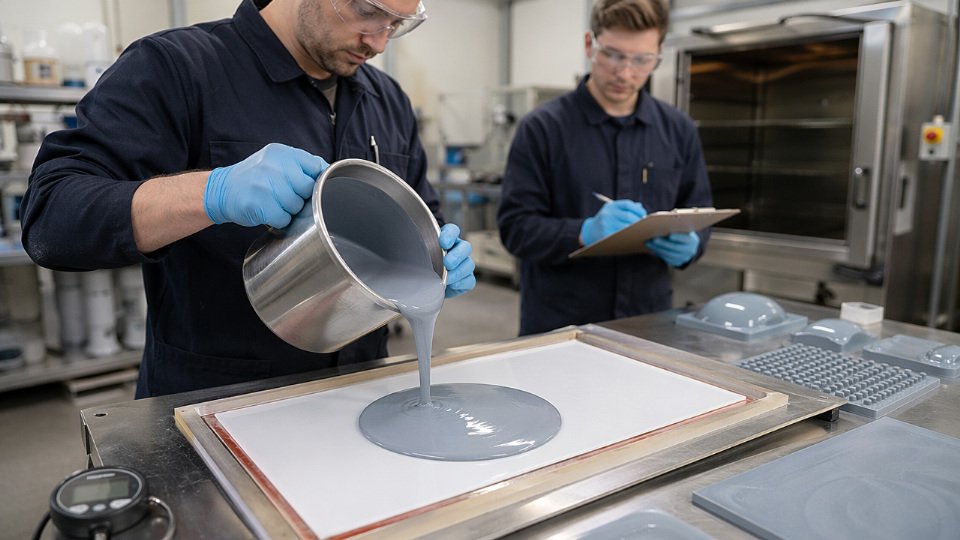
Discover which surfaces liquid rubber won’t bond to — PTFE, polypropylene, silicone-treated substrates — and why surface energy determines adhesion failure.
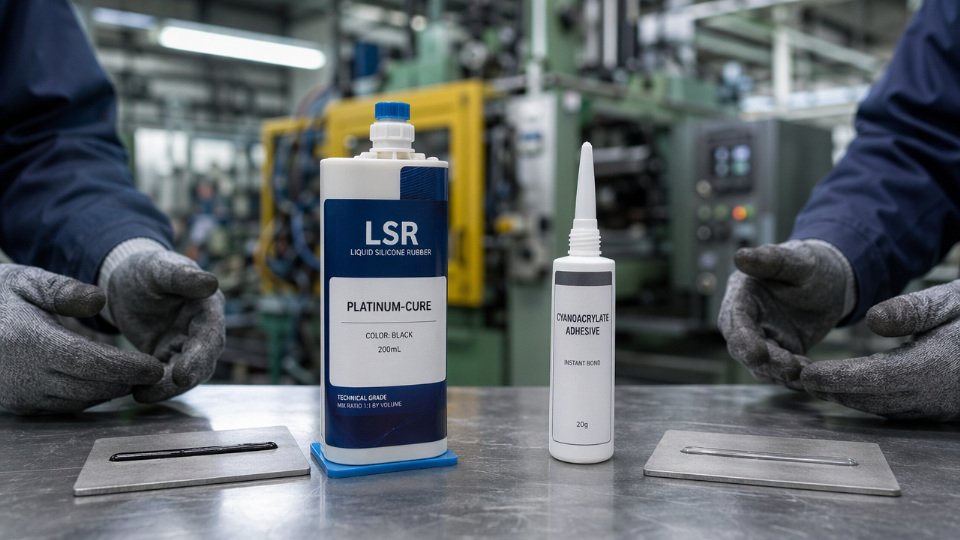
LSR and super glue are not the same. Learn how liquid silicone rubber differs from cyanoacrylate in chemistry, heat resistance, and engineering use.
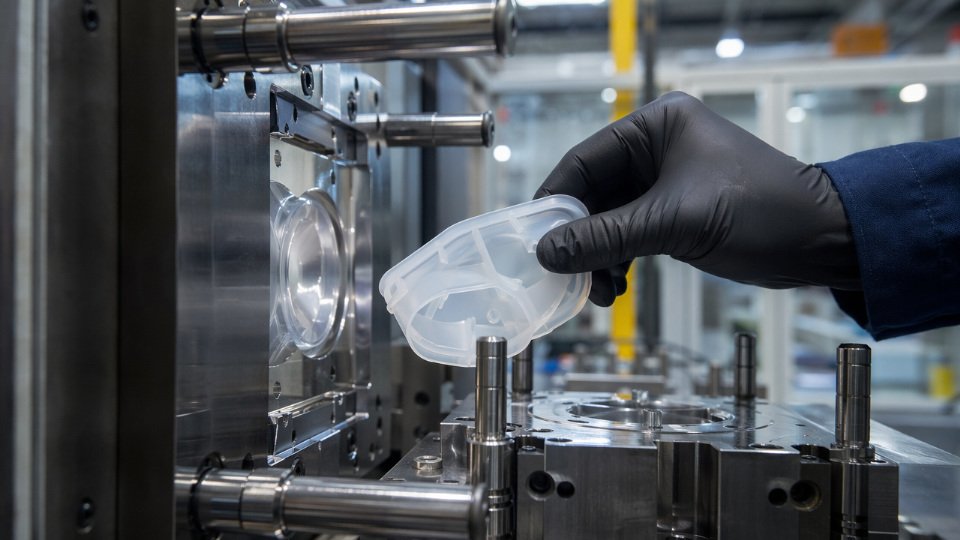
Learn which materials LSR naturally releases from and which it bonds to — avoid scrapped parts, demolding failures, and costly rework in your production run.
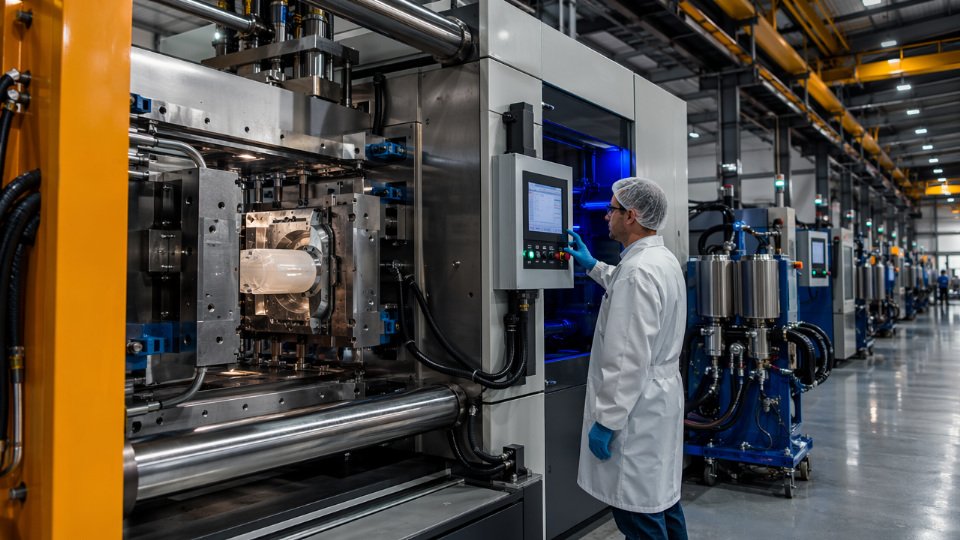
LSR offers great performance, but high tooling costs, $8–$30/kg material pricing, and process sensitivity can make it unviable. Learn the key disadvantages before you commit.
Discover which surfaces liquid rubber won’t bond to — PTFE, polypropylene, silicone-treated substrates — and why surface energy determines adhesion failure.
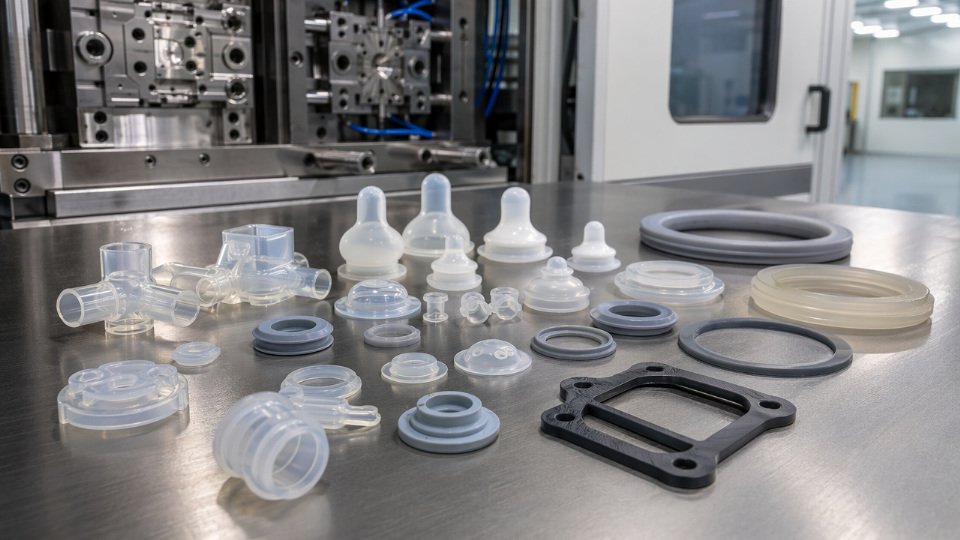
Discover the key uses of liquid silicone rubber across medical, automotive, electronics, and industrial sectors — and when LSR earns its cost premium.

Discover the best dietary silicon sources, from whole oat groats to green beans and beer, plus how bioavailability affects how much your body actually absorbs.
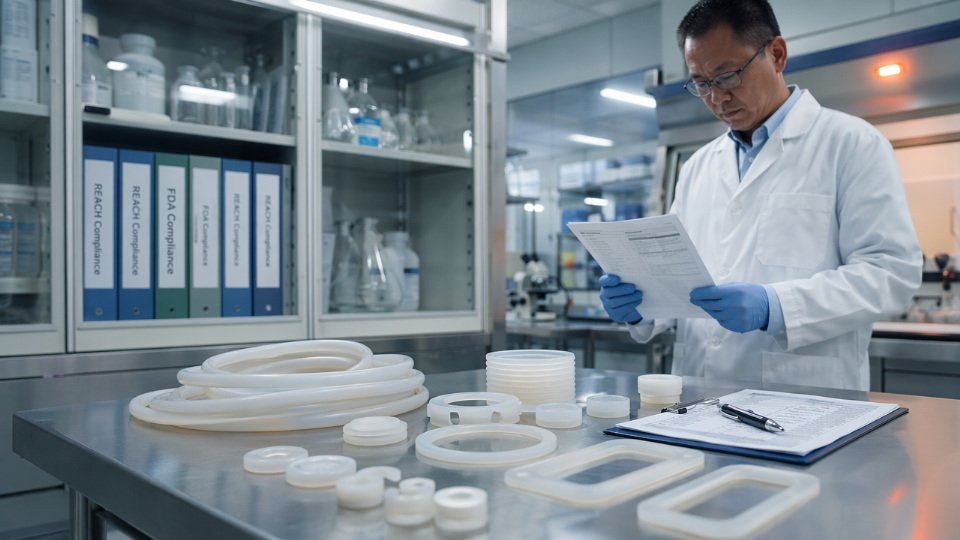
Learn whether silicone is an endocrine disruptor. Understand D4, D5, D6 risks, REACH compliance, and how to source verified, EDC-safe silicone materials.