Blogs
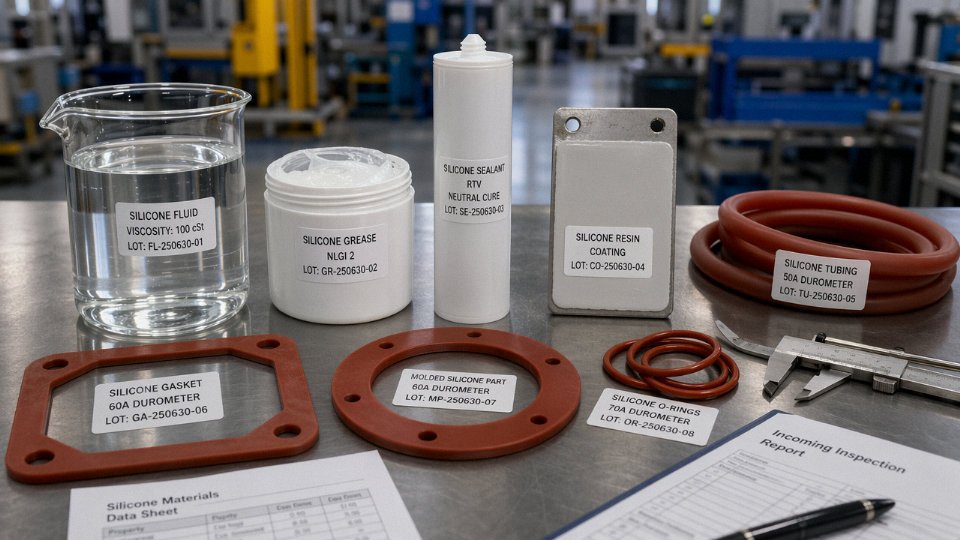
What is the difference between silicone and silicone rubber?
Understand the difference between silicone and silicone rubber to specify the right seals, gaskets, tubing, and insulation for demanding applications.

Understand the difference between silicone and silicone rubber to specify the right seals, gaskets, tubing, and insulation for demanding applications.
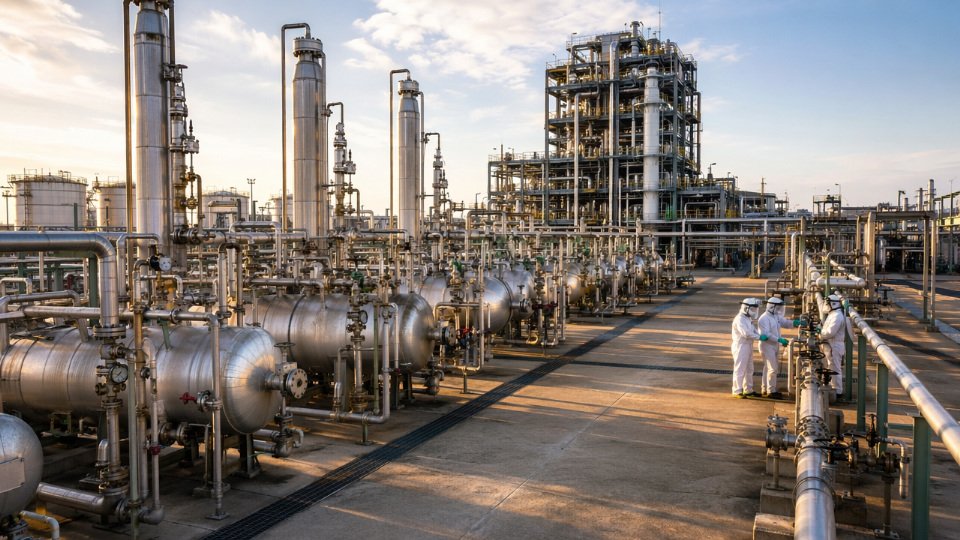
Learn how to map single-source dependencies, qualify backup suppliers, and set safety stock levels to mitigate silane coupling agent supply chain risks.
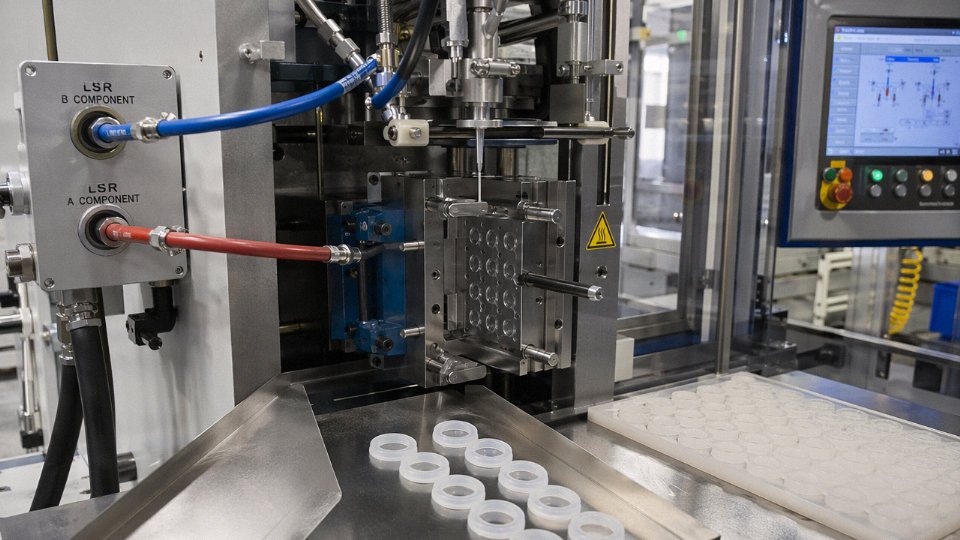
Compare liquid silicone vs regular silicone for molding, tooling, cost, cycle time, and part quality so you choose the right material.
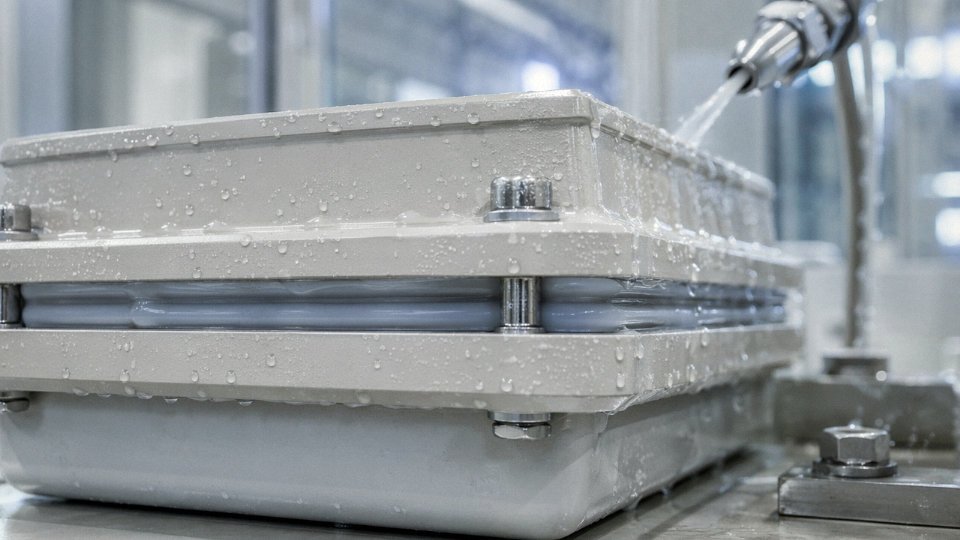
Find out whether liquid silicone rubber is waterproof, what affects seal reliability, and how to design LSR parts for IP67 or IP68 protection.
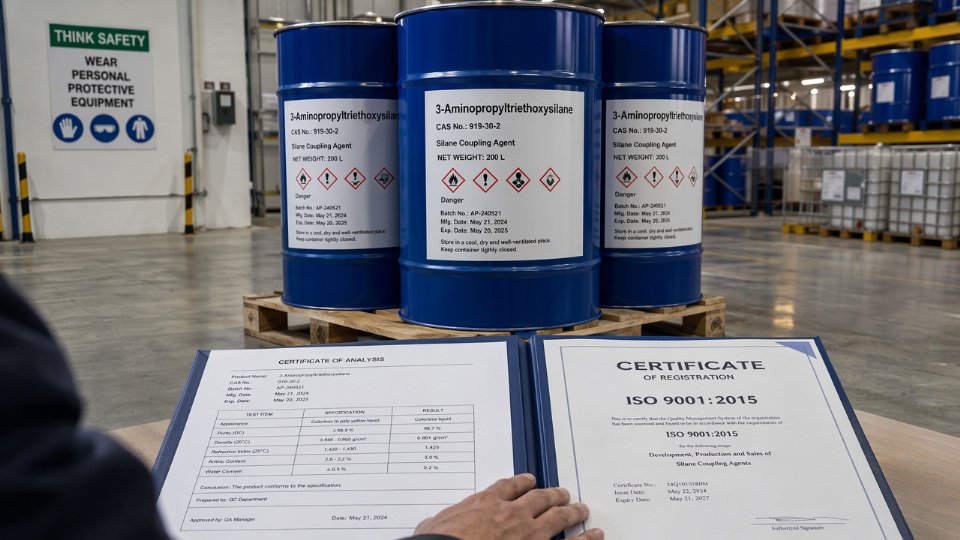
Learn which quality certifications and documents are required for silane coupling agent shipments to avoid customs delays, audit failures, and costly disruptions.
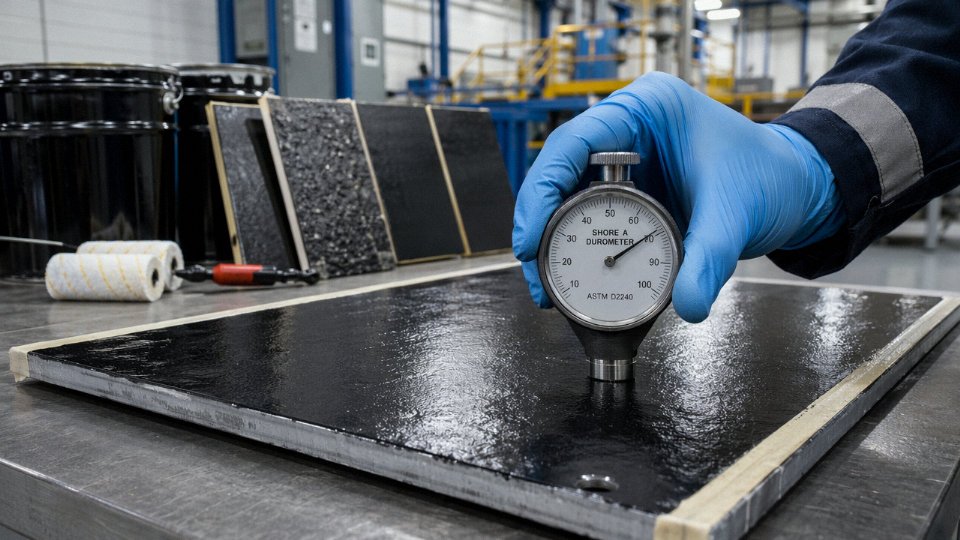
Learn when liquid rubber goes hard, why it may stay tacky, and how cure time, thickness, temperature, and hardness affect results.
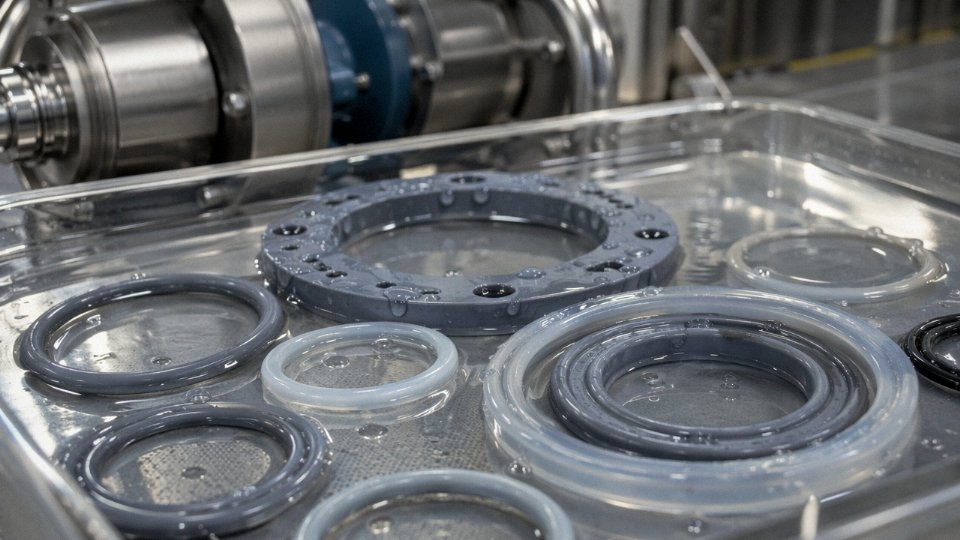
Silicone absorbs less than 0.1% water by weight and retains strength after 1,000 hours submerged. Learn what really affects its moisture resistance.
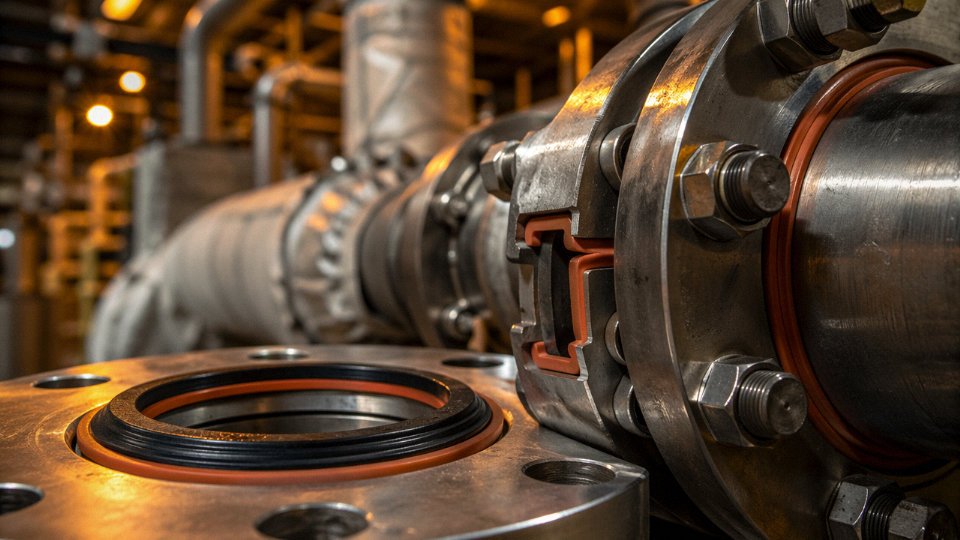
Discover how long silicone rubber really lasts — from 20+ years outdoors to 10,000+ hours at 200°C. Learn what shortens service life and when to replace it.
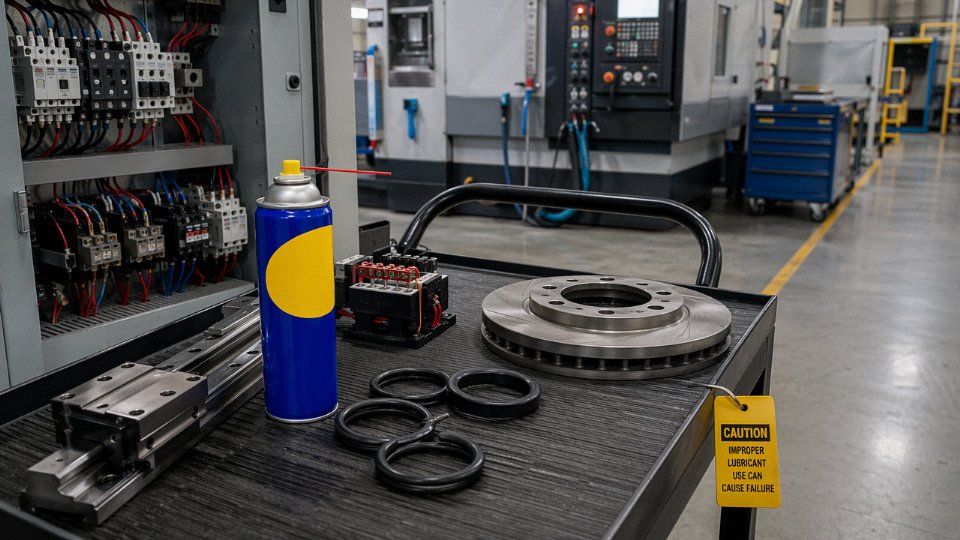
Learn what should you not use WD-40 on to avoid electrical faults, swollen seals, food safety issues, grit buildup, and downtime.
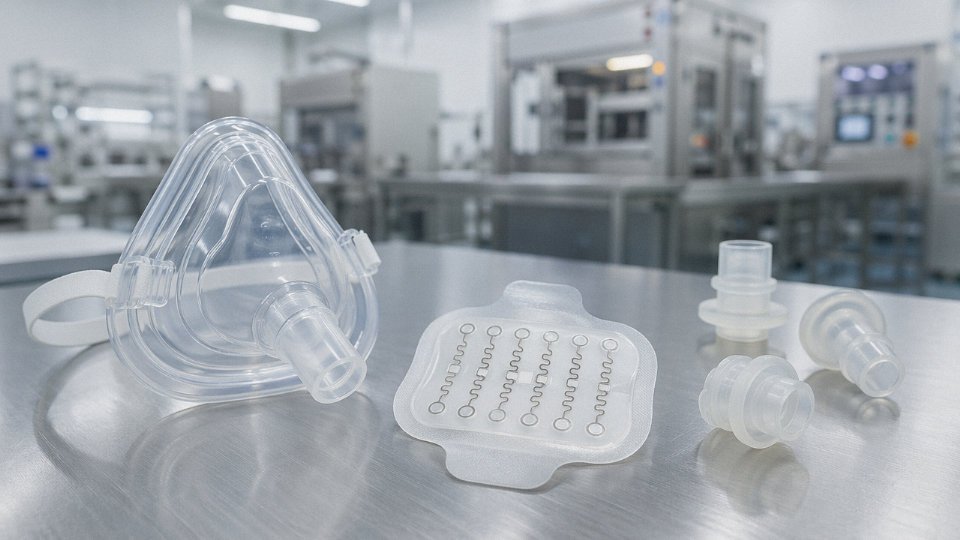
Learn when LSR is body safe, how medical-grade liquid silicone rubber passes ISO 10993 testing, and what grade selection means for your device or product.