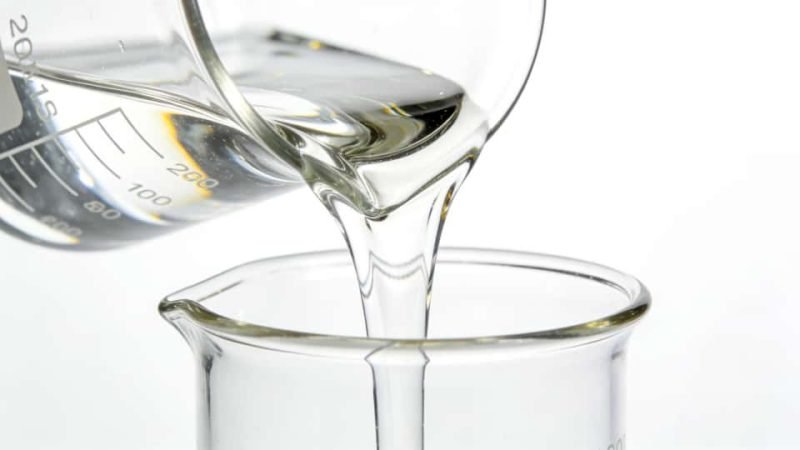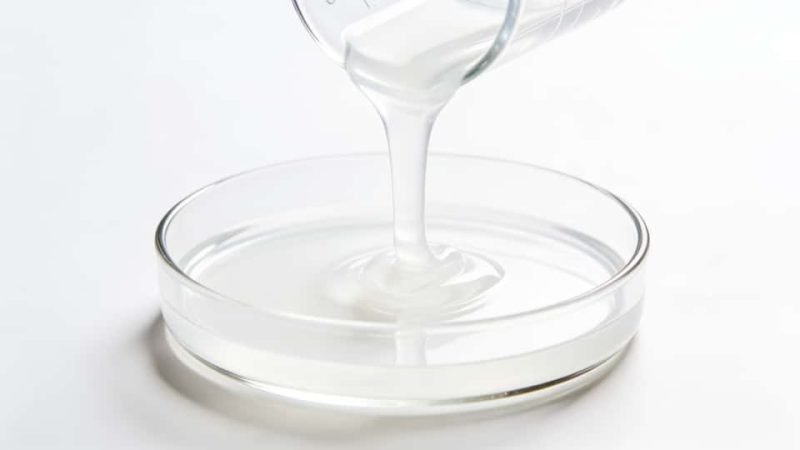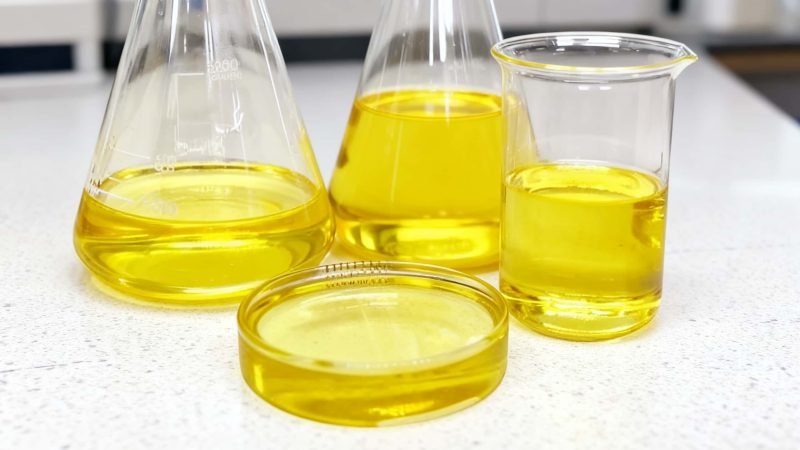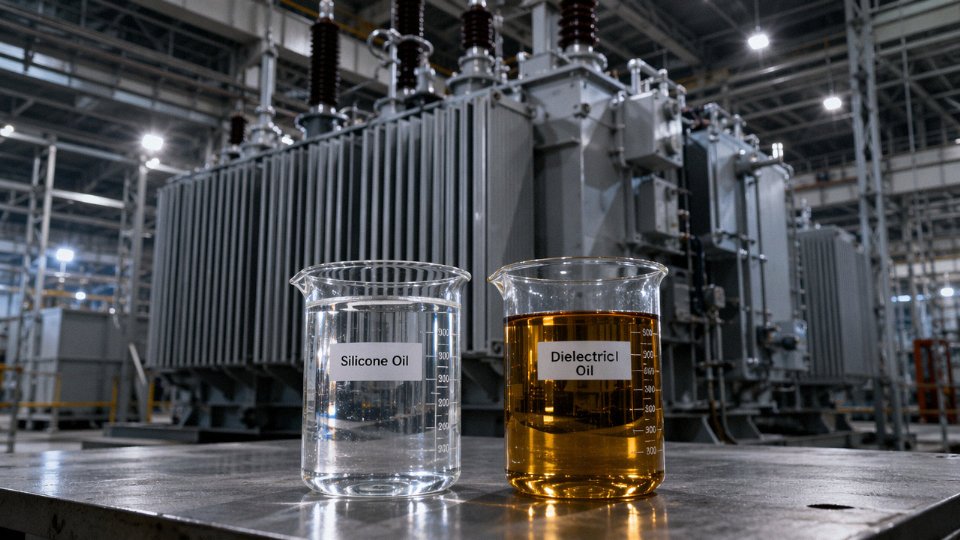
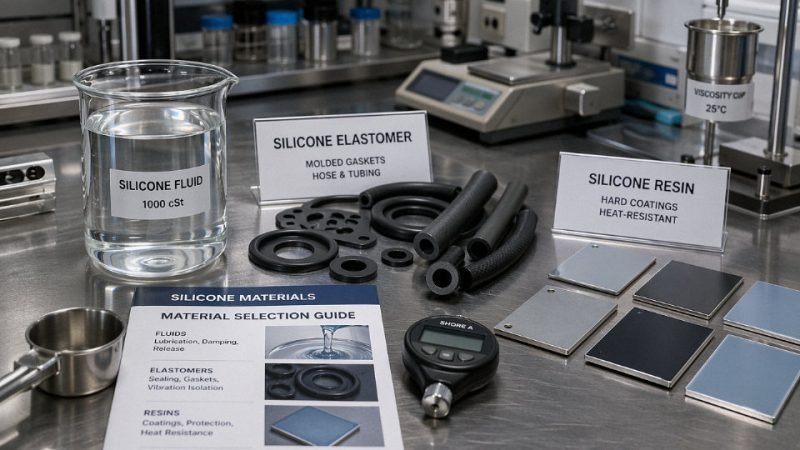
Pick the wrong silicone family and the problem will not stay on the drawing. A release fluid can migrate into paint, a soft elastomer can take a compression set on a hot flange, and a resin coating can crack if the cure window is rushed. Then production pays twice: first in downtime or scrap, then again in emergency buying and line trials. The practical starting point is simple: separate silicones by what they are built to do.
The three main types of silicones are silicone fluids, silicone elastomers, and silicone resins. Fluids handle lubrication, release, damping, and heat transfer. Elastomers become rubber parts such as gaskets, hoses, seals, and keypads. Resins form hard, heat-resistant coatings, binders, varnishes, and electrical insulation layers.
That sounds tidy on paper, but the boundary gets messy in a real plant. A 1,000 cSt silicone oil behaves nothing like a 100,000 cSt damping fluid. A 30 Shore A molded gasket will not act like a 70 Shore A extrusion. Resin systems bring their own cure, solvent, adhesion, and bake-profile headaches. The useful answer is not just naming the three buckets; it is knowing where each bucket saves money, and where it quietly creates trouble.
 coating samples](https://siliconchemicals.com/wp-content/uploads/2026/06/three-types-silicones-01-hero.jpg)
How the siloxane backbone creates heat stability, flexibility, and low surface energy
At the root of silicone behavior is the siloxane backbone: repeating silicon and oxygen atoms, usually written as Si-O-Si-O. That sounds like textbook language, but it explains a lot of what plant people see in service. A silicone hose stays flexible near a hot engine compartment. A silicone release coating lets adhesive labels peel cleanly. A silicone antifoam knocks down foam in a wash tank where a hydrocarbon oil would smear, oxidize, or contaminate the process.
Most common plastics and rubbers are built around carbon-carbon backbones. Polyethylene, polypropylene, EPDM, nitrile rubber, and many urethanes live in that world. Silicones are different. Their main chain is closer to an inorganic skeleton with organic groups hanging from it. The Si-O bond is relatively strong and has good resistance to heat, oxygen, and ultraviolet exposure. That is why many silicone elastomers can work somewhere around -60 to 230 °C depending on formulation, while silicone fluids often sit around -50 to 200 °C, and silicone resins used in coatings may survive roughly 200 to 300 °C depending on film thickness, filler package, substrate, and exposure time.
Those ranges are not permission to ignore the application. A static oven gasket and a dynamic pump diaphragm age differently at the same temperature.
Why the backbone stays flexible
The Si-O-Si chain has a wide bond angle and rotates easily compared with many carbon-based polymer chains. In plain terms, the chain can move without needing much energy. That is one reason silicones keep flexibility at low temperature and do not become board-stiff as quickly as many organic elastomers.
In practice, this is where silicone earns its keep in cold rooms, outdoor enclosures, lighting gaskets, medical tubing, and vibration isolation pads. The wrong elastomer may pass incoming inspection in July, then leak in January after the maintenance crew tightens the clamps twice and still sees condensation around the cabinet door. Silicone is not magic, but its low-temperature compression behavior is often forgiving.
Heat aging is the other side of the same chemistry. The Si-O backbone resists oxidation better than many organic chains, so embrittlement and cracking usually take longer under dry heat and UV exposure. Steam, fuels, amines, strong acids, and some oils can change that story. Always check the real media, not just the temperature line on a datasheet.
All silicones have the same heat resistance because they share a siloxane backbone.False
The backbone gives silicones a useful thermal foundation, but side groups, fillers, catalysts, crosslink density, post-cure, and exposure conditions can shift real service life by a wide margin.
Side groups are not decoration
The common side group in industrial silicone is methyl. Polydimethylsiloxane, often shortened to PDMS, means a siloxane chain with two methyl groups attached to most silicon atoms. PDMS is the workhorse for fluids, soft elastomers, release coatings, damping oils, and many molded parts.
Phenyl groups are used when low-temperature flexibility, radiation resistance, or certain compatibility needs must be improved. They can also change refractive index, which matters in optics and encapsulants. Vinyl groups are often added as cure sites. In platinum-cured liquid silicone rubber, for example, vinyl-functional silicone reacts with hydride-functional silicone to build a network. That cure route is clean and fast, but it is sensitive to poisoning from sulfur, amines, tin residues, some plasticizers, and even dirty handling practices. I have seen perfectly good LSR fail to cure near a mold insert because somebody used the wrong shop lubricant during maintenance.
Fluids, elastomers, and resins come from chain size and network density
Two variables do a lot of the sorting: molecular weight and crosslink density.
Low to medium molecular weight silicone polymers flow as fluids. Their viscosity can run from about 0.65 to 1,000,000 cSt, with roughly 100 to 10,000 cSt common for lubricants, release agents, damping fluids, and antifoams. The chosen viscosity depends on pumpability, migration, shear rate, film thickness, and how much residue the process can tolerate.
Raise the molecular weight and introduce enough crosslinks, and the material becomes an elastomer. Molded, extruded, and liquid silicone rubber parts commonly land around 10 to 80 Shore A, depending on filler loading, cure system, part geometry, and post-cure. Increase crosslink density further, use more highly functional building blocks, and the material behaves more like a resin: harder, more heat-resistant, less rubbery, useful in coatings, binders, electrical varnishes, and high-temperature paints.
Low surface energy is the quiet advantage
Silicones have low surface energy, so many materials do not wet them easily. That property drives release performance, water repellency, antifoaming, and easy-clean surfaces. It is useful, but it can bite. Paint, adhesive, ink, and potting compound may refuse to bond if a silicone fluid has migrated across a surface. One fingerprint of silicone oil on a panel can create a fisheye defect that sends a batch back through cleaning.
A few terms help keep discussions clean. “Polysiloxane” is the broad polymer family based on repeating siloxane units. “Silicone polymer” is a general term for those materials before or after formulation. “PDMS” is the common methyl-based silicone. “Silane” usually means a smaller silicon-containing molecule used for coupling, surface treatment, or crosslinking chemistry, not the same thing as bulk silicone rubber. “Cured silicone” means the polymer has been chemically linked into its final network, as in a gasket, coating, encapsulant, or molded part.
Type 1: Silicone fluids for lubrication, release, damping, and surface control
Silicone fluids are the liquid branch of the silicone family, usually based on polydimethylsiloxane, or PDMS. In the plant, people often call them “silicone oil,” which is technically loose but widely understood. They can be water-thin, syrupy, grease-like when blended, or formulated into emulsions and compounds with silica, surfactants, food-grade carriers, or specialty additives.
The working viscosity range is wide enough to cause real purchasing mistakes. Commercial silicone fluids run from roughly 0.65 to 1,000,000 cSt, depending on polymer chain length and formulation. In day-to-day industrial use, 100 to 10,000 cSt covers many lubricants, release agents, damping fluids, and surface-treatment products. The low-viscosity grades spread fast and wet surfaces aggressively. Higher-viscosity grades stay put better, damp motion, and resist evaporation better, but they pump slowly through small tubing and can be a nuisance in cold storage.
A 100 cSt fluid, a 1,000 cSt fluid, and a 100,000 cSt fluid may all arrive with similar-looking drums and the same broad label: silicone oil. They do not behave the same. The 100 cSt grade will creep into seams, around gaskets, and across polished metal faster than many maintenance crews expect. The 1,000 cSt grade is a common middle ground for release and light damping. The 100,000 cSt grade is closer to a heavy syrup; it can damp a gauge needle nicely, but it may starve a wick-feed point or overload a small metering pump. I have seen the wrong viscosity turn a simple release-agent change into a week of sticking parts, over-spraying, and angry operators with solvent rags.
Where silicone fluids earn their keep
Silicone fluids are used as light-duty lubricants, mold release agents, defoamers, textile softeners, cosmetics intermediates, electrical insulating fluids, instrument damping fluids, and water-repellent treatments. In plastics and rubber molding, a thin film can reduce sticking and help parts eject cleanly. In instruments, the right viscosity slows needle flutter without making the movement sluggish. In electrical equipment, selected grades offer dielectric stability and good resistance to oxidation.
Their useful service temperature is often around -50 to 200 °C, depending on viscosity, volatility grade, exposure to air, contamination, and whether the fluid is static or being sheared. That range is one reason they survive where mineral oils thicken, oxidize, or leave varnish. Silicone fluids also have low surface tension, so they spread well, repel water, and wet many surfaces with very little applied material.
That spreading behavior is both a feature and a problem.
The operational risks people underestimate
Silicone fluid is not a universal lubricant. Plain PDMS has poor load-carrying performance compared with properly formulated mineral, PAO, ester, or PFPE lubricants. On loaded steel-on-steel sliding contact, it can fail quickly unless the product has the right additive package and the application is gentle enough. Do not use basic silicone oil as a gearbox lubricant just because it “handles heat.” That mistake usually ends with wear debris, noise, and an oil sample nobody wants to explain.
Migration is another issue. Silicone can move through a plant by spray mist, gloves, rags, hoses, and compressed-air blowoff. A tiny amount on a bonding, coating, painting, or printing surface can cause fisheyes, poor adhesion, weak glue joints, or scrap that appears random. Paint shops hate uncontrolled silicone for good reason. If one cell uses silicone release spray and the next cell bonds labels or applies coating, separate the workflows or specify a non-migrating alternative.
Compatibility also needs checking. Some plastics, elastomers, sealants, and coatings tolerate silicone fluids well; others swell, soften, lose adhesion, or develop surface defects. The only safe answer is test on the actual substrate, with the actual cleaner, temperature cycle, and dwell time. Lab coupons help, but production parts with mold release residue and operator handling tell the truth faster.
All silicone oils can be used interchangeably if the viscosity is close.False
Base chemistry, volatility, additive package, purity level, regulatory status, and contamination control requirements can change performance even when two fluids have similar cSt viscosity.
What to specify before buying
At minimum, procurement should not quote “silicone oil” as a standalone description. Put the important properties on the request:
- Viscosity in cSt, with test temperature, usually 25 °C
- Flash point and volatility, especially for heated molds, ovens, and open tanks
- Pour point, if the material sits in an unheated warehouse or outdoor tote
- Dielectric strength, moisture content, and cleanliness for electrical use
- Food-contact status, if it can touch packaging, processing surfaces, or incidental-contact zones
- Medical status, if it touches devices, skin-contact parts, or regulated assemblies
- Additive package, including whether it contains emulsifiers, silica, solvents, antiwear chemistry, or release enhancers
Ask for the technical data sheet, safety data sheet, certificate of analysis, and lot traceability level. For high-volume use, lock down the acceptable viscosity band and volatile content. Small supplier drift may not matter in a hinge lubricant; it can matter a lot in damping, coating, or automated spraying.
Common silicone fluid uses and practical checks
| Use | Typical viscosity range | What the range depends on | Quality-control tests worth asking for |
|---|---|---|---|
| Mold release | About 50 to 1,000 cSt, often supplied as emulsion or spray | Mold temperature, part geometry, resin type, surface finish, transfer risk | Viscosity, nonvolatile content, residue check, release trial, paintability or bonding check |
| Light lubrication | About 100 to 10,000 cSt | Load, speed, temperature, material pair, drip or wipe application | Viscosity, flash point, evaporation loss, wear trial on actual parts |
| Damping fluids | About 1,000 to 100,000 cSt, sometimes higher | Needle movement, valve response, vibration level, low-temperature start-up | Viscosity-temperature curve, shear stability, bubble release, leakage test |
| Defoamers | Often formulated blends, not selected by neat-fluid viscosity alone | Foam chemistry, pH, temperature, agitation, downstream filtration | Active content, dispersibility, foam knockdown test, compatibility with process chemistry |
| Electrical insulating fluids | Often mid-viscosity purified grades | Voltage, moisture exposure, sealed versus vented equipment, cleanliness needs | Dielectric strength, moisture content, acid value, particles, volume resistivity |
| Textile softeners and surface treatments | About 100 to 10,000 cSt before emulsification | Fabric type, hand feel, wash durability, yellowing limits | Emulsion stability, solids content, fabric trial, yellowing and rewetting tests |
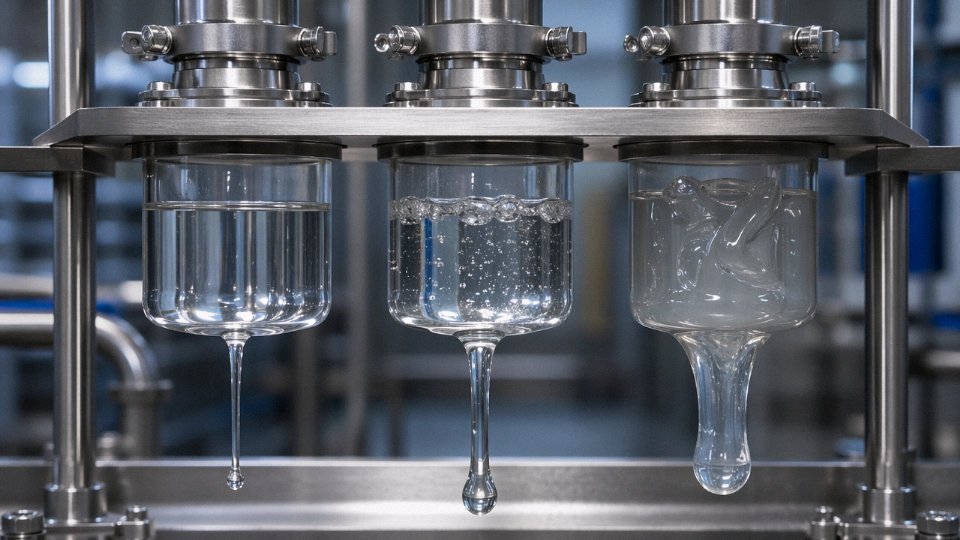
The buying decision should start with the job the fluid must do, not the cheapest drum with a familiar name. Right grade, right delivery form, controlled contamination path. Get those wrong and silicone fluid changes from a quiet process aid into a hard-to-find source of scrap.
Type 2: Silicone elastomers for seals, gaskets, tubing, keypads, and molded parts
Silicone elastomers are crosslinked silicone rubber networks. In plain plant-floor language, they are the flexible, rubber-like silicones that can be squeezed, stretched, bent, or compressed, then return close to their original shape. That recovery is the reason they show up in O-rings, gaskets, tubing, electrical seals, molded diaphragms, keypads, connector boots, and medical parts.
The useful range is broad, but not magic. Most industrial silicone rubber parts sit around 10 to 80 Shore A, depending on whether the job needs a soft sealing lip, a flexible tube, a keypad feel, or a firm molded component. Service temperature is commonly around -60 to 230 °C for silicone elastomers, with the real limit depending on grade, cure system, filler package, part thickness, airflow, and whether the rubber is under compression or exposed to oil, steam, or cleaning chemicals.
Main silicone elastomer families
High consistency rubber, often called HCR or solid silicone rubber, is supplied as a gum-like compound. It is milled, extruded, compression molded, transfer molded, or injection molded. It is common in extruded profiles, oven gaskets, automotive seals, spark plug boots, and industrial molded parts. It handles heat well and can be compounded for decent tear strength, though tooling and processing discipline matter. A poorly vented mold will punish you with trapped air and ragged flash.
Liquid silicone rubber, or LSR, is a two-part pumpable material, usually platinum-cured. It suits high-volume injection molding where repeatability, low flash, and short cycle time justify the tooling and metering equipment. I have seen LSR win on connector seals and medical components simply because the scrap rate stayed predictable once the cold runner, mix ratio, and mold temperature were dialed in. It is less forgiving if the shop lets contaminants near the platinum catalyst. Sulfur, amines, some plasticizers, and dirty gloves can cause cure inhibition.
Room-temperature vulcanizing silicone, usually RTV, is used for sealants, potting, field repair, formed-in-place gaskets, and low-volume casting. One-part RTV typically cures by moisture from the air; two-part RTV systems cure through the bulk more evenly. RTV is convenient, but thick sections can cure slowly, especially in dry winter air or inside deep joints. That catches maintenance teams out.
Fluorosilicone rubber is the specialty branch used where silicone flexibility is needed with better resistance to fuels, aromatic hydrocarbons, and some oils. It costs more and is not the default choice for every oily service. For fuel-exposed automotive or aerospace-type sealing, though, it can be the difference between a seal that survives and one that swells until the groove is overfilled.
Properties that matter in real service
Compression set is often the first number I check for a gasket or O-ring. If the elastomer takes a permanent set after heat and load, clamp force drops. Then leaks begin. For static sealing, a slightly softer compound with good compression-set resistance may outperform a harder compound that looks better on a datasheet.
Tensile strength, elongation, and tear strength tell you how the part behaves during installation and abuse. Silicone usually has excellent flexibility and elongation, but its tear and abrasion resistance can be weaker than some organic rubbers such as EPDM, nitrile, or polyurethane. A silicone boot that is perfect in heat may fail early if a mechanic drags it over a sharp bracket every service interval.
Hardness controls feel, sealing pressure, and assembly force. Soft grades, roughly 10 to 30 Shore A, suit delicate sealing, membranes, and flexible touch surfaces. Mid-range grades, around 40 to 60 Shore A, cover many gaskets, tubing, molded seals, and keypad parts. Harder grades, around 70 to 80 Shore A, are used where shape retention and insertion strength matter, but they need higher squeeze force to seal.
Thermal aging, dielectric strength, weathering resistance, and ozone resistance are where silicone earns its keep. Outdoor electrical connectors, LED lighting gaskets, solar equipment seals, HVAC dampers, and appliance parts all benefit from silicone’s resistance to UV, ozone, and heat cycling. In electrical work, silicone is also valued for stable dielectric performance over a wide temperature range, though filler choice and contamination can change results.
Silicone elastomers are usually a better choice than standard nitrile rubber for long-term exposure to high heat, ozone, and outdoor weathering.True
Silicone rubber generally retains flexibility and electrical properties better under heat, UV, and ozone exposure, although nitrile may still be better for abrasion and many petroleum oil services.
Cure systems and why procurement should care
Peroxide-cured silicone is common, robust, and well understood. It can leave cure byproducts, so post-curing is often used to drive off volatiles and improve odor, compression set, and regulatory suitability.
Platinum addition cure is used heavily in LSR, medical tubing, food-contact parts, and clean molded components. It produces no peroxide decomposition byproducts and supports fast, controlled molding. The tradeoff is sensitivity to catalyst poisons and generally higher material cost.
Condensation-cure systems are common in some RTV and mold-making silicones. They can release alcohol, acetic acid, oxime, or other byproducts depending on chemistry. That matters near electronics, metals, food equipment, and enclosed assemblies.
Moisture-cure silicones are convenient for maintenance sealants and formed-in-place gaskets, but cure speed depends on humidity, joint depth, and exposed surface area. A bead skinned over on the outside may still be uncured inside.
Selection guidance that prevents expensive mistakes
Specify Shore A hardness as a range, not a wish. Call out color only if it affects inspection, branding, food sorting, or optical performance. White, red iron oxide, translucent, black, and custom colors can behave differently because pigment and filler packages affect tear, modulus, and heat aging.
Ask whether the compound is silica-filled, reinforced, electrically insulating, conductive, flame-retardant, metal-detectable, or high-tear. For food and medical work, require the correct regulatory grade and documentation before tooling release, not after first article parts are molded. Post-curing should be defined where odor, extractables, compression set, or medical and food-contact compliance are relevant.
A typical example: a plant swaps an EPDM steam-cleaning gasket to silicone for better heat aging. The first trial seals well, but operators tear the gasket during weekly removal. The fix may not be “use harder silicone.” It may be a higher-tear compound, a small groove radius change, a different removal tool, or a gasket design that avoids stretching around a sharp corner.
Type 3: Silicone resins for hard coatings, binders, insulation, and high-temperature protection
Silicone resins are the hard, highly crosslinked branch of the silicone family. Instead of flowing like a silicone fluid or stretching like a silicone elastomer, a resin cures into a three-dimensional siloxane network. Think of it as a rigid mineral-organic film former: part glass-like backbone, part engineered coating chemistry.
That network is the whole point. Higher crosslink density gives silicone resins their hardness, heat resistance, weatherability, and electrical stability. It also makes them less forgiving. A cured resin film will not take flange movement or compression set the way a 50 Shore A silicone gasket will. Use it where you need a durable surface, binder, or insulating layer, not where you need rubber movement.
Silicone resins are generally selected for rigid film formation and thermal protection rather than elastic sealing.True
Their highly crosslinked structure produces hard coatings and binders, while silicone elastomers are the better choice for flexible seals, tubing, and molded rubber parts.
How silicone resins differ from fluids and elastomers
A silicone fluid is mostly linear or lightly branched, so it can move. A silicone elastomer is crosslinked enough to recover after deformation, usually in the rough industrial range of 10 to 80 Shore A depending on formulation and cure system. A silicone resin is crosslinked much more heavily, often using methyl, phenyl, or other functional siloxane units to build a rigid network.
That structure gives a resin film good heat aging and low surface energy, but it also brings brittleness if the formulation is pushed too hard. I have seen high-temperature coatings look perfect after cure, then crack around a sharp bracket edge after a few heat cycles because the substrate moved and the resin film did not. The coating did not “fail” chemically. It was simply the wrong mechanical match.
Typical high-temperature silicone resin coatings and binders are used around roughly 200 to 300 °C, sometimes higher for short exposure or with ceramic fillers, depending on resin chemistry, pigment package, film thickness, substrate preparation, and whether the heat is continuous or cyclic. Continuous oven duty is not the same as a short exhaust peak.
Where silicone resins are used
You see silicone resins in high-temperature paints for exhaust stacks, mufflers, furnace shells, boiler doors, process ducting, and industrial ovens. They are also used in coil coatings, electrical insulation varnishes, release coatings, masonry water repellents, protective exterior coatings, and binders for ceramic, glass, or mica-based insulation systems.
Electrical shops use silicone resin varnishes where dielectric performance and heat aging matter more than flexibility. Building-product manufacturers use resin-based water repellents because the cured film can shed water while still allowing some vapor transmission, depending on the system. In ceramic-filled coatings, the resin can act as the binder that holds the mineral package together until heat exposure sinters or stabilizes the film.
A typical plant-floor example: a maintenance team recoats an oven exterior with a general alkyd enamel because it is on the shelf. It looks fine for a week. Then the panels brown, chalk, and lose gloss near the burner end. A silicone resin coating with the right pigment package and cure schedule would cost more per liter, but it would avoid repeated shutdown touch-ups and burned labor hours.
Strengths and limits in service
The strengths are real: thermal endurance, ultraviolet resistance, hydrophobicity, oxidation resistance, dielectric properties, gloss retention, and long outdoor durability. Silicone resins are especially useful where sun, heat, and oxygen all work together against ordinary organic binders.
The weak spots are just as real. Some grades are brittle. Many need elevated-temperature cure to reach final hardness and chemical resistance. Solvent-borne systems need proper ventilation, flash-off control, and flammable-liquid discipline; do not let a painter treat them like water-based wall paint. Adhesion can be tricky on oily steel, galvanized surfaces, aluminum, or aged coatings. Surface prep still wins or loses the job.
Hybrid systems are common for that reason. Organic-modified silicone resins, silicone-polyester blends, silicone-epoxy systems, and acrylic-silicone coatings can trade a little peak heat resistance for better adhesion, flexibility, color range, or application behavior. That is not a downgrade if it matches the duty cycle.
Common forms and what to specify
Silicone resins are sold as solvent-borne resins, solventless resins, emulsions, powders, and modified resin blends. The right form depends on the coating line, emissions limits, cure oven, storage conditions, and how much cleanup pain the plant will tolerate.
For procurement, do not buy only by the phrase “high-temp silicone.” Ask for the data that will affect production and field life:
- Solids content and delivered viscosity, because spray setup and film build depend on them
- Solvent system, flash point, VOC level, and allowed thinners
- Cure schedule, including metal temperature, not just oven air temperature
- Heat resistance under continuous and intermittent exposure
- Pencil hardness and adhesion rating after cure and after heat aging
- Dielectric strength for insulation varnishes
- Weathering data, such as UV exposure, salt spray, humidity, or outdoor exposure results
- Compatible primers, pigments, and surface preparation requirements
Comparing common silicone resin coating systems
| Application | Typical silicone resin system | What to check before buying | Common shop-floor risk |
|---|---|---|---|
| Exhaust equipment | Ceramic-filled or aluminum-pigmented high-temperature silicone resin | Continuous and peak temperature, film thickness, cure requirement, corrosion exposure | Coating chalks or peels because the part never reached full cure before service |
| Industrial ovens | Heat-resistant silicone resin coating, sometimes modified for adhesion | Hot-spot temperature, cleaning chemicals, substrate movement, color stability | Cracking at seams, corners, and access panels after thermal cycling |
| Electrical insulation | Silicone resin varnish or mica/ceramic binder | Dielectric strength, thermal class, impregnation viscosity, bake schedule | Poor penetration into windings or incomplete bake leaves soft varnish |
| Architectural protection | Silicone resin water repellent or modified exterior coating | Vapor permeability, UV exposure, masonry alkalinity, water beading life | Trapped moisture, blotchy appearance, or poor adhesion on contaminated walls |
Side-by-side selection: When to choose a fluid, elastomer, or resin
Start with the physical state you need in service, not the chemistry brochure.
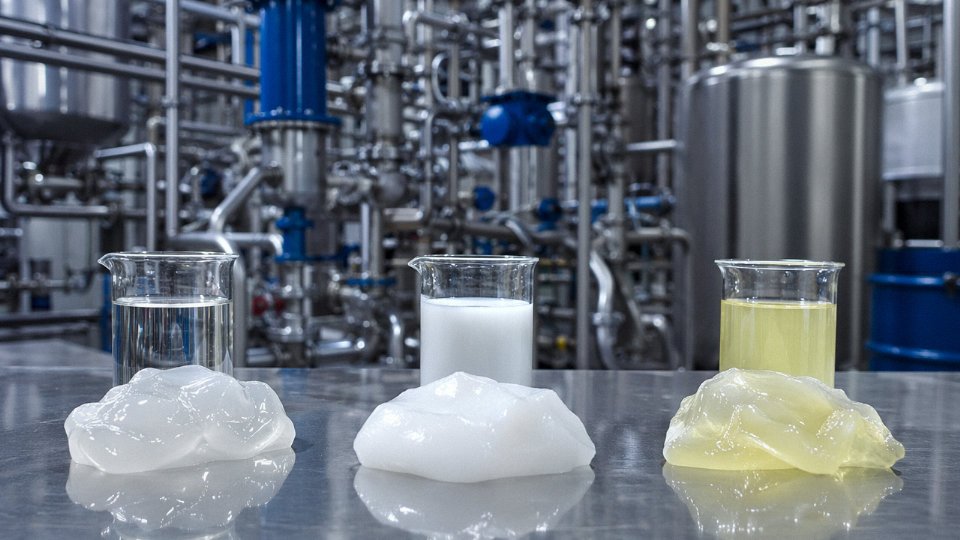
If the part must flow, wet a surface, damp motion, lubricate, or provide release, you are usually in silicone fluid territory. If it must compress, stretch, seal, recover, or survive repeated assembly loads, look at silicone elastomers. If it must form a hard film, bind mineral or glass fibers, protect a hot surface, or act as a rigid dielectric layer, silicone resin is the better starting point.
That first split prevents a lot of expensive nonsense.
A practical selection path
Ask these questions in order:
- Does the silicone need to remain mobile?
Use a fluid, grease, oil, or emulsion. Typical silicone fluid viscosities run from about 0.65 to 1,000,000 cSt, though many plant uses sit around 100 to 10,000 cSt for release, damping, lubrication, and surface control. The right viscosity depends on temperature, shear rate, application method, and whether the fluid must stay put or spread. - Does it need elastic recovery under compression or flexing?
Use an elastomer. Molded, extruded, and liquid silicone rubber parts commonly fall around 10 to 80 Shore A, depending on the sealing load, geometry, cure system, filler package, and assembly tolerance. A 20 Shore A gasket feels forgiving; a 70 Shore A grommet can be almost tire-like in hand. - Does it need to become a hard protective layer or binder?
Use a resin. Silicone resins are often chosen for coatings and binders seeing roughly 200 to 300 °C, depending on resin structure, pigment system, substrate, film thickness, and thermal cycling. They are not rubber, and treating them like rubber is a good way to get cracks.
Match the function, then check the abuse conditions
A release-coated oven belt, a weather seal on an enclosure, and a high-temperature motor winding coating may all involve silicone. They do not want the same silicone.
Temperature is the obvious screen. Silicone fluids often serve from about -50 to 200 °C, silicone elastomers from about -60 to 230 °C, and silicone resins around 200 to 300 °C in coating and binder work. Those ranges move with grade, load, exposure time, oxygen, additives, and what failure mode you accept. A short bake-out is not the same as eight years beside a hot manifold.
Load and movement matter just as much. A silicone oil can reduce friction, but it cannot hold bolt preload. A soft silicone rubber can seal a lid, but it cannot replace a hard dielectric coating on a PCB. A resin coating can resist heat and weather, but put it on a flexing cable jacket and you may see crazing, edge cracks, or flaking after vibration.
Exposure media can be the quiet killer. Fuels, strong solvents, steam, cleaning chemicals, cooking oils, flux residues, and plasticizers all change the decision. So does the substrate. Silicone fluids can migrate over metal, glass, and some plastics, sometimes through screw threads and under labels. Resins need proper surface preparation. Elastomers need compression control; too little squeeze leaks, too much squeeze takes a set or tears at corners.
A silicone fluid used near a bonding, painting, or printing operation can cause adhesion defects if it migrates onto the surface.True
Low surface energy is useful for release and lubrication, but the same property can contaminate substrates and interfere with wetting, coating, ink transfer, and adhesive bonding.
Common selection errors seen in plants
Using a fluid where adhesion matters is the classic one. A maintenance technician sprays a silicone lubricant on a sliding guide near a labeling station. Two shifts later, labels start lifting at the corners. The lubricant did its job. It also walked into the wrong job.
Another mistake is using an elastomer where the real need is a hard, stable dielectric coating. A rubber boot can protect a connector from splash and handling, but it will not behave like a cured resin film on a board or coil.
The reverse happens too. A brittle resin is applied to a part that flexes every cycle. It passes the first inspection, then cracks after thermal expansion and vibration do their work. That failure rarely looks dramatic at first. A hairline crack becomes moisture ingress, then leakage current, then a shutdown that nobody wants to explain.
Application-matching guide
| Sector | Usually choose fluid when… | Usually choose elastomer when… | Usually choose resin when… |
|---|---|---|---|
| Automotive | Lubricating trim, damping controls, release in molding | Sealing connectors, gaskets, boots, hoses | Heat-resistant coatings near engines or exhaust zones |
| Electronics | Thermal interface fluids, damping, release aids | Keypads, connector seals, potting with soft recovery | Conformal coatings, dielectric films, coil impregnation |
| Food processing | Release on belts or molds, approved lubricants | Door seals, tubing, scraper edges | High-temperature coating on trays or fixtures |
| Medical devices | Controlled lubrication, syringe or device movement | Tubing, seals, molded patient-contact parts | Protective coatings where a hard film is required |
| Construction | Water repellency, surface treatment | Weather seals, expansion joints, glazing seals | Masonry protection, durable exterior coatings |
| Aerospace | Damping, controlled lubrication, anti-stick surfaces | Environmental seals, vibration-tolerant parts | Thermal barriers, insulation binders, protective films |
| Energy | Release, lubrication, damping in assemblies | Cable accessories, seals, grommets | Electrical insulation, high-temperature binders |
| General manufacturing | Mold release, conveyor lubrication, anti-foam work | Pads, bumpers, O-rings, custom molded parts | Fixture coatings, heat-resistant paint systems |
Hybrids still have a dominant behavior
Real catalogs blur the edges. Silicone greases are fluids thickened so they stay where oil would run off. Silicone gels are soft networks with fluid-like feel and elastomer-like shape retention. Conformal coatings may use resin chemistry but cure into films with some flexibility. Sealants cure into elastomeric networks, even though they are applied as pastes. Pressure-sensitive adhesives combine tack, flow, and network strength in an awkward but useful balance.
Do not let the product form fool you. Ask what structure carries the load after cure or application. Is the main behavior fluid-like, elastomer-like, or resin-like?
The field rule is simple enough to keep on a whiteboard: select fluid for movement and surface effects, elastomer for elastic sealing, and resin for hard, durable protection.
Performance properties that separate acceptable silicones from production failures
A silicone that looks fine on a data sheet can still fail badly on a filling line, paint booth, molding press, sterilizer, or hot air oven. The usual problem is not that the material is “bad.” It was specified with the wrong property as the main control point.
Temperature rating is the classic trap. A fluid listed for roughly -50 to 200 °C, an elastomer listed around -60 to 230 °C, or a resin coating rated near 200 to 300 °C may all be technically honest numbers. They still mean very little until you know the time-at-temperature, air or nitrogen atmosphere, mechanical load, contact chemicals, and whether the part is static or flexing. A gasket held at 25% compression in hot oil ages differently from a free-hanging test strip in a lab oven. I have seen that detail missed more than once.
Silicone fluids: test the liquid, then test where it travels
For silicone fluids, viscosity is usually the first number engineers ask for. Typical fluids run from about 0.65 to 1,000,000 cSt, with roughly 100 to 10,000 cSt common for lubricants, release agents, and damping fluids. That range depends on polymer chain length, temperature, and whether the product is a straight fluid, emulsion, or compounded blend. Ask for the test temperature. A viscosity quoted at 25 °C will not tell you how it pumps on a cold morning in an unheated warehouse.
Core checks for silicone fluids should include:
- Viscosity and viscosity-temperature behavior, especially for metering pumps, dampers, and release spray systems.
- Volatility and weight loss, because low-molecular-weight fractions can fog lenses, contaminate contacts, or leave deposits in heated equipment.
- Flash point, not because most silicone fluids are handled like light solvents, but because plant safety teams still need real fire and hot-surface data.
- Pour point, useful for outdoor storage, winter shipping, and automated lubrication systems.
- Dielectric strength and volume resistivity, if the fluid is used in electrical insulation, potting support, or transformer-type service.
- Contamination control, including nonvolatile residue, ionic contamination, filtration level, and packaging cleanliness.
The operational warning is simple: silicone fluids migrate. A few fingerprints, an over-sprayed release agent, or a leaking drum pump can create craters in paint, fisheyes in coatings, weak adhesive bonds, and printing defects that look like ink or surface-treatment problems. Wrong diagnosis means days of chasing the press settings while the real source sits in maintenance’s lubricant cabinet.
Silicone elastomers: rubber data must match the installed condition
Elastomers need a wider test set because they fail mechanically and chemically at the same time. Shore A hardness, commonly about 10 to 80 for molded, extruded, and liquid silicone rubber components, only tells you how firm the part feels under a standard indenter. It does not tell you whether the gasket will seal after six months at temperature.
For molded parts, tubing, gaskets, and seals, I would expect to review:
- Shore hardness, with tolerance by lot and cure state.
- Tensile strength and elongation, to catch undercure, filler changes, or poor mixing.
- Tear strength, especially for thin diaphragms, keypad webs, and parts removed from tight tooling.
- Compression set, preferably at the working temperature and compression level, not only a convenient lab condition.
- Thermal aging, with before-and-after hardness, tensile, elongation, and mass change.
- Extractables and volatiles, critical for medical, food-contact, electronics, optical, and vacuum-adjacent applications.
Compatibility testing matters here. Silicone elastomers often tolerate heat and ozone well, but they can swell in certain oils, fuels, aromatic solvents, chlorinated solvents, and some cleaning agents. Steam can be rough on certain grades. Acids, alkalis, peroxide residues, disinfectants, and sterilization cycles can change the picture again. Test the exact chemical, concentration, temperature, exposure time, and cleaning sequence. Substituting “typical oil” for the actual plant oil is how a seal program turns into a shutdown.
A single maximum temperature rating is not enough to approve a silicone for production use.True
Silicone performance depends on exposure time, oxygen level, mechanical stress, chemical contact, cure system, part geometry, and acceptance criteria such as compression set, cracking, mass loss, or dielectric breakdown.
Silicone resins: the film or binder is only as good as its cure and adhesion
Resins are less forgiving than people expect. A silicone resin coating may pass a quick heat exposure and then crack after thermal cycling because the substrate, primer, film thickness, and cure schedule were wrong. In coil coating, heater insulation, high-temperature paint, or mica tape binders, cure control is not paperwork. It is the process.
Key resin properties and tests include:
- Solids content and viscosity, because they drive film build, dip pickup, spray behavior, and VOC calculations.
- Cure schedule, including ramp rate, dwell time, part temperature, and airflow. Oven setpoint is not the same as coating temperature.
- Adhesion, tested after cure and after heat, humidity, or chemical exposure.
- Hardness and flexibility, depending on whether the coating must resist abrasion or survive expansion mismatch.
- Thermal cycling resistance, often more revealing than one long bake.
- Dielectric breakdown, tracking resistance, and insulation resistance for electrical uses.
- Weathering resistance, including UV, moisture, salt spray where relevant, and chalking behavior.
Failure modes worth putting on the quality plan
A compact chart helps purchasing, engineering, and quality talk about the same risk. I like this format because it ties the failure to a checkable control point.
| Silicone type or issue | Typical failure mode | What usually drives it | Practical check before release |
|---|---|---|---|
| Fluid | Migration, fisheyes, optical haze | Low-viscosity fractions, over-application, poor housekeeping | Volatility, surface contamination trial, clean packaging review |
| Elastomer | Compression set and leakage | Heat, load, cure state, poor grade selection | Compression set at service temperature and deflection |
| Resin | Cracking or flaking | Film too thick, cure mismatch, thermal expansion | Adhesion and thermal cycling on real substrate |
| Any type | Cure inhibition | Sulfur, amines, tin residues, plasticizers, dirty tooling | Small-scale cure trial with actual contact materials |
| Any type | Swelling or softening | Oils, fuels, solvents, cleaners, steam | Immersion or exposure test using plant chemicals |
| Any type | Outgassing | Volatiles, incomplete cure, low-molecular residues | Weight loss, fogging, vacuum or heat exposure test |
| Resin or elastomer | Adhesion loss | Surface prep, primer error, moisture, release contamination | Bond test after aging and cleaning cycle |
Documentation that prevents repeat problems
For production approval, ask for the certificate of analysis, safety data sheet, regulatory declarations, lot traceability, and written change-control commitments. The certificate should report the properties that actually matter to your use, not just color and appearance. Change control is a big one. A supplier may change catalyst package, filler source, volatile-stripping conditions, or packaging without changing the trade name. On the floor, that can show up as slower cure, bonding failure, fogging, or scrap that nobody can explain on the first shift.
Manufacturing, curing, and processing differences across the three silicone types
On paper, fluids, elastomers, and resins may sit under the same silicone family. On the plant floor, they behave like three different animals. One runs through pumps and spray heads. One fights you with viscosity, trapped air, and cure behavior. One brings coating defects, solvent control, and oven discipline into the conversation.
That difference matters because most silicone failures I have seen were not chemistry failures. They were handling failures.
Silicone fluids: move them, meter them, keep them clean
Silicone fluids are usually processed like specialty process liquids. Low-viscosity grades can be pumped, metered, sprayed, dipped, or blended with fairly ordinary stainless or lined equipment. High-viscosity fluids, especially above a few thousand cSt, need slower pumps, larger lines, heated tanks in some plants, and patience. Gear pumps, progressive cavity pumps, and pressure pots all show up, depending on viscosity and required shot accuracy.
Typical operations include:
- Pumping from drums, totes, or day tanks
- Metering into release-agent blends, lubricants, damping fluids, or emulsions
- Spraying onto molds, belts, paper, textiles, or rubber surfaces
- Dipping small components where uniform film weight matters
- Controlled dispensing for damping, optics, assembly, or electrical work
- Emulsification with water and surfactants where the end process needs dilution
The nuisance issues are familiar: misting near spray booths, oil migration onto floors, fish-eye contamination in nearby painting, and “mystery” adhesion failures after somebody used the same rag on a silicone bench and a bonding bench. A few grams in the wrong place can ruin a shift of painted or bonded parts.
Static control also deserves attention during spraying and web coating, especially with dry winter air, plastic ducting, and solvent-containing blends. Good housekeeping is not cosmetic here. It is process control.
Silicone elastomers: mixing, shaping, curing, then proving the part
Elastomers carry the most varied processing burden. Compression molding is still common for gaskets, pads, and lower-volume molded parts. Transfer molding handles more complex cavities. Liquid silicone rubber injection molding is faster and cleaner when volume justifies the tooling and metering system. Extrusion covers tubing, profiles, cords, and some wire insulation. Calendering produces sheets and coated fabrics. Casting and room-temperature sealing remain useful for potting, prototypes, field repair, and formed-in-place gaskets.
The process variables are not optional details. Mix ratio, pot life, open time, injection pressure, mold temperature, cure temperature, residence time, line speed, humidity, and post-cure schedule all affect the final part. A peroxide-cured extrusion line behaves differently from a platinum-cured LSR cell. A room-temperature sealant on a humid Gulf Coast morning may skin and cure differently than the same cartridge in a dry winter maintenance shop.
Common elastomer problems include air entrapment, short shots, knit lines, scorch, poor tear strength from bad filler dispersion, and sticky surfaces from under-cure or inhibition. Hardness is often in the rough range of 10 to 80 Shore A for molded, extruded, and liquid silicone rubber components, but the number only means something if cure state, post-cure, and test method are controlled.
Platinum-cured silicone can fail to cure after contact with sulfur, amines, tin compounds, some rubbers, or dirty tooling.True
These materials can poison the platinum catalyst at the surface or through the mix, leaving tacky spots, weak bond lines, or uncured sections even when the oven profile looks correct.
One practical warning: do not trial platinum-cured silicone on tooling that has been used for sulfur-cured rubber unless the cleaning and validation are serious. A wipe-down and good intentions are not always enough.
Silicone resins: coating discipline and oven control
Silicone resins are processed more like coatings, varnishes, binders, and high-temperature films. They may be sprayed, roll-coated, brushed, dipped, or impregnated into fibers and porous substrates. Some are solventborne. Some are waterborne or high-solids. The production headaches change: viscosity control, wet film thickness, solvent evaporation rate, flash-off time, airflow, bake profile, and cure uniformity.
Resin cure may be driven by heat, catalyst, moisture, or a combination. In high-temperature coatings and binders, service ranges around 200 to 300 °C are common, but real performance depends on film thickness, substrate preparation, filler system, cure schedule, and thermal cycling. A resin that survives a lab panel bake can still crack on a sharp stamped edge if the coating is too thick or the metal is oily.
Ventilation and solvent management cannot be treated as paperwork. Spray booths, explosion-rated equipment where needed, grounded containers, proper waste handling, and operator PPE all belong in the process plan. Keep resin coating work segregated from silicone fluid release-agent operations and from adhesive or paint lines that are sensitive to silicone contamination.
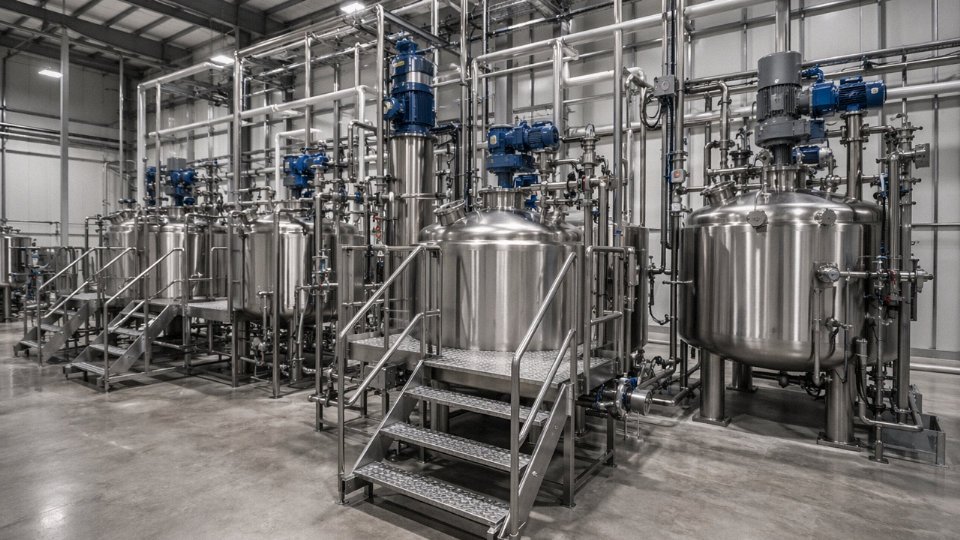
Scale-up is where the quiet problems show up
A lab batch is forgiving. A 500-liter mix, a continuous extrusion line, or a three-shift coating operation is not.
Heat transfer changes with batch size. Cure can start sooner in the middle of a large mixed mass than it did in a bench cup. Air entrapment increases when operators speed up mixing to meet production demand. Fillers that looked well dispersed in a small planetary mixer may streak or settle in a larger vessel. Metering accuracy also gets exposed; a small ratio error in a two-part elastomer may produce tacky parts, weak seals, or dimensional drift across a full production run.
Line speed and residence time matter just as much as setpoint temperature. If an extrusion oven reads correctly but the part core never reaches cure temperature long enough, scrap may not appear until final inspection or, worse, after installation.
A practical process-control checklist
Use this as a starting point, not a substitute for the supplier’s technical data sheet and your own trial data.
| Stage | What to control | Typical failure if ignored |
|---|---|---|
| Incoming inspection | Lot number, viscosity, shelf life, packaging condition, certificate data | Mixed lots, expired catalyst, variable flow |
| Storage | Temperature, sealed containers, moisture exposure, segregation from contaminants | Skinning, thickening, cure drift, inhibition |
| Mixing and metering | Ratio, filler dispersion, air removal, pot life | Soft parts, voids, streaks, blocked nozzles |
| Application | Film weight, shot size, spray pattern, line speed, open time | Thin spots, runs, poor release, bad sealing |
| Curing | Oven profile, humidity, residence time, catalyst level, post-cure | Tacky surfaces, low strength, odor, shrink variation |
| Final inspection | Hardness, adhesion, dimensions, visual defects, functional test | Field leaks, coating cracks, customer returns |
| Traceability | Material lot, operator, equipment, cure record, rework history | No root cause path after a failure |
The best silicone process is usually boring: clean equipment, stable temperature, disciplined mixing, known cure conditions, and clear segregation from paint, adhesive, and sulfur-rubber areas. Boring is good. Boring ships parts.
Regulatory, safety, and sustainability considerations for silicone selection
A silicone that works mechanically can still be the wrong material if the paperwork does not match the application. I have seen good parts rejected at incoming inspection because the buyer ordered “food-grade silicone” from a catalog page, but the supplier could not provide the exact FDA food-contact declaration for the compound, color, and cure system. The press was ready. The line was waiting. The gasket sat in quarantine.
Silicone selection may need to satisfy food-contact, medical, electrical, automotive, aerospace, construction, or consumer product requirements. The requirement is not attached to the word “silicone.” It is attached to a formulation, a manufacturing site, an exposure condition, and usually a test method.
Compliance documents to ask for before the first production order
Common documentation categories include FDA food-contact status for seals, tubing, bakeware, dispensing parts, and processing equipment contact surfaces. Medical or life-science applications may require USP Class VI, ISO 10993 biological evaluation, extractables and leachables data, or a restricted-use statement. Electrical parts may need UL recognition, flame rating, comparative tracking index data, or dielectric strength results. Automotive programs often require OEM material specifications, IMDS reporting, restricted substance declarations, fogging tests, odor tests, and heat-aging data. Aerospace and construction uses can bring their own smoke, toxicity, flame spread, weathering, sealant, or insulation requirements.
Do not accept a generic certificate if the risk is high. Ask whether the declaration covers the exact grade, color masterbatch, filler package, catalyst system, post-cure condition, and intended temperature range. A platinum-cured translucent liquid silicone rubber and a peroxide-cured red silicone gasket may both be “silicone elastomers,” but they are not the same regulatory article.
All silicone materials are automatically food safe or medical grade.False
Food-contact and medical suitability depend on the exact formulation, cure system, additives, manufacturing controls, extraction profile, and the intended exposure conditions.
SDS review is not just a purchasing formality
Review the safety data sheet for the full material system, not only the base polymer. That means silicone fluids, elastomer compounds, resin binders, catalysts, inhibitors, solvents, fillers, adhesion promoters, pigments, primers, mold-release agents, and cure byproducts. In practice, the small bottle on the bench is often the higher-risk item: a tin catalyst, peroxide paste, solvent-based primer, or reactive silane coupling agent.
For fluids, check flash point, mist exposure guidance, slip hazard, and whether the product contains volatile siloxanes. For elastomers, review peroxide decomposition products, platinum catalyst handling, post-cure requirements, and pigment restrictions. For resins and coatings, solvent content, flammability, ventilation, and oven exhaust treatment can drive the real plant-floor controls. A resin that looks cheap per kilogram may need explosion-proof storage, longer bake cycles, or air permit review. That cost lands somewhere.
Volatiles, extractables, and outgassing in sensitive environments
Low-molecular-weight siloxanes, residual catalysts, plasticizers, unreacted species, and cure byproducts can migrate or evaporate. That matters in electronics, optics, medical devices, vacuum systems, cleanrooms, aerospace interiors, painting lines, and any assembly where silicone contamination can kill adhesion.
A typical warning: do not put a high-volatility silicone fluid or freshly molded, under-post-cured elastomer near optical lenses, connector contacts, pressure-sensitive adhesives, or surfaces that will be painted. The failure may show up as fisheyes, poor bond strength, fogging, or contact resistance. By then the root cause is hard to prove, because the material has done its damage and moved on.
Ask for outgassing data, extractables profiles, condensable volatile content, or fogging results where the environment is sensitive. The acceptable limit depends heavily on temperature, vacuum level, air flow, exposed surface area, part mass, and dwell time.
Sustainability is more than a brochure claim
Silicones are not usually selected because they are easy to recycle. They are selected because they survive heat, weather, compression, chemicals, UV exposure, and long service intervals. That durability can be a legitimate sustainability advantage if it prevents frequent replacement, leakage, scrap, rework, or energy loss. A gasket that lasts five years instead of one can reduce waste and downtime, even if the cured rubber itself is difficult to recycle.
Still, disposal planning matters. Crosslinked silicone elastomers and resins are challenging to remelt or reprocess. Some cured scrap can be ground for filler or handled through specialized waste streams, but options vary by region and contamination level. Silicone fluids need responsible disposal, especially if mixed with oils, process residues, or regulated substances. Solvent-free coatings, high-solids resins, and addition-cure elastomers can reduce plant emissions and odor compared with solvent-heavy or byproduct-generating systems, but the claim needs data.
Be careful with words like “eco-friendly,” “non-toxic,” “heatproof,” “food safe,” and “medical grade.” They are not engineering specifications. Tie every claim to a standard, exposure condition, temperature, duration, and part configuration.
Procurement controls that prevent expensive surprises
For production materials, procurement should treat silicone grades like controlled inputs, not interchangeable commodities. Audit the supplier’s quality system where the risk justifies it. Require lot traceability from raw material through finished compound. Get written formulation change notification terms, including catalyst, filler, pigment, processing aid, and production-site changes. Ask about long-term availability, minimum order quantities, shelf life, storage temperature, and lead-time risk during holiday shutdowns or monomer supply tightness.
A compact documentation matrix helps avoid loose assumptions:
| Application type | Required declaration | Typical test or standard | Internal owner |
|---|---|---|---|
| Food-contact gasket or tubing | Food-contact compliance for exact grade and color | FDA 21 CFR sections, migration or extraction data where needed | Quality with procurement support |
| Medical device component | Biological safety and formulation control | USP Class VI, ISO 10993, extractables and leachables | Regulatory affairs and design engineering |
| Electrical insulation or keypad | Electrical and flammability data | UL recognition, UL 94, dielectric strength | Electrical engineering and quality |
| Automotive seal or molded part | OEM material compliance and restricted substance reporting | OEM specifications, IMDS, REACH, RoHS, fogging or odor tests | Program quality and purchasing |
| High-temperature coating or resin binder | Thermal, emissions, and workplace safety data | Heat-aging, VOC data, SDS review, plant EHS requirements | Process engineering and EHS |
Frequently asked questions about the three types of silicones
What are the three main types of silicones?
The three main industrial types are silicone fluids, silicone elastomers, and silicone resins.
Silicone fluids are pourable or pumpable materials used for lubrication, release, damping, antifoam control, and surface treatment. Silicone elastomers are the rubber-like grades used for seals, gaskets, tubing, molded parts, and flexible insulation. Silicone resins are the hard, crosslinked materials used in high-temperature coatings, binders, electrical insulation, and weather-resistant finishes.
That simple split saves a lot of purchasing mistakes. A “silicone” quoted without form, cure system, viscosity, hardness, or application temperature is not a specification. It is just a family name.
Is silicone the same as silicon?
No. Silicon is a chemical element. It is used in semiconductors, alloys, solar cells, and many mineral-based materials. Silicone is a polymer family built around a silicon-oxygen backbone, usually with organic groups containing carbon and hydrogen attached to it.
On a purchase order, that one-letter difference matters. Ordering “silicon tubing” instead of “silicone tubing” may look like a typo, but I have seen similar wording slow down RFQs because suppliers have to check whether the buyer means elemental silicon, silica, siliconized material, or silicone rubber.
Is silicone rubber an elastomer?
Yes. Silicone rubber is a silicone elastomer. It is the flexible, crosslinked category of silicone.
Typical industrial silicone elastomers run roughly 10 to 80 Shore A, depending on grade, filler package, cure chemistry, and whether the part is molded, extruded, calendered, or made from liquid silicone rubber. A soft keypad web might sit near the low end. A firmer gasket or molded plug might be much higher. Hardness alone does not prove sealing performance, though. Compression set, tear strength, cure state, and surface finish often decide whether the seal survives real service.
Are silicone oil and silicone fluid the same thing?
In most plant conversations, yes, but the wording can be loose. Silicone oil usually refers to silicone fluids, especially polydimethylsiloxane fluids. These can range from very thin materials around 0.65 cSt to heavy fluids near 1,000,000 cSt, depending on molecular weight and formulation.
For lubricants, release agents, and damping work, I most often see fluids in the 100 to 10,000 cSt range, give or take. The right viscosity depends on temperature, shear, application method, migration tolerance, and whether the fluid needs to stay put or spread fast.
What type of silicone is used for high-temperature coatings?
High-temperature coatings commonly use silicone resins or resin-modified coating systems. These are chosen because they form harder, more heat-resistant films than fluids or elastomers.
Service temperatures vary with pigment package, substrate preparation, film thickness, and exposure cycle, but silicone resin coatings are often used around 200 to 300 °C. Some systems tolerate short peaks higher than their continuous rating, but that needs test data, not hope. Poor surface prep will ruin a high-temperature coating faster than a modest resin limitation. Mill scale, oil, and rushed blasting are regular culprits.
Which silicone type is best for sealing?
For sealing, the normal choice is silicone elastomer. That includes gaskets, O-rings, tubing, diaphragms, door seals, enclosure seals, and many static or low-speed dynamic seals.
The best grade depends on compression set, media exposure, pressure, temperature, and how the part is installed. Silicone elastomers can handle roughly -60 to 230 °C depending on grade, but the number on a datasheet assumes a defined test condition. In practice, a seal near hot oil, steam, cleaning chemicals, or sharp metal edges may fail well below its advertised maximum.
Can silicone fluids contaminate paint or adhesive processes?
Yes. This is one of the uglier shop-floor issues with silicone fluids. Because they have low surface energy and can migrate, even a small amount can cause fish-eyes in paint, poor wetting, weak adhesive bonds, or inconsistent printing.
The problem is not always obvious. A maintenance technician sprays a silicone release agent near a packaging line. Air movement carries fine droplets. Two days later, a bonding cell starts rejecting parts. The release agent did its job too well, just in the wrong place.
Keep silicone sprays, oils, and treated wipes away from paint, coating, adhesive, and plasma-treatment areas unless the process has been validated around them.
Silicone fluids can create paint and adhesive defects even when the amount of contamination is visually undetectable.True
Many silicone fluids spread into very thin films and reduce surface energy, which can prevent proper wetting or bonding before operators can see any residue.
What is the difference between RTV silicone and LSR?
RTV silicone means room-temperature vulcanizing silicone. It cures at room temperature by moisture cure, condensation cure, or addition cure, depending on the chemistry. It is common for sealants, potting, small batches, repair work, and formed-in-place gaskets.
LSR means liquid silicone rubber. It is usually a two-part, platinum-cured elastomer processed by metering, mixing, and injection molding. LSR is built for repeatable production: baby-care parts, medical components, seals, connectors, and small molded parts with tight geometry.
RTV is often easier to apply. LSR is usually better for high-volume, controlled molding. Mixing them up in a production plan can lead to wrong tooling, wrong cycle time assumptions, and a painful scrap bin.
Are all silicones safe for food or medical use?
No. Only properly formulated, tested, and documented grades should be used for food contact or medical applications.
The base chemistry may look similar, but additives, catalysts, pigments, fillers, post-cure practice, extractables, and manufacturing cleanliness all matter. Ask for the right documentation: food-contact declarations, medical-grade data, biocompatibility testing where required, lot traceability, and change-control commitments. A general industrial silicone gasket is not automatically acceptable in a filling machine, implant-adjacent device, or pharmaceutical transfer line.
Do silicone products degrade?
Yes. Silicones are durable, not immortal.
They can degrade from extreme heat, incompatible chemicals, mechanical abrasion, over-compression, UV and weathering in some formulations, contamination, or incorrect cure. Fluids can volatilize, thicken, migrate, or pick up contamination. Elastomers can harden, crack, swell, take a compression set, or tear at a nick. Resins can chalk, embrittle, lose adhesion, or crack if the substrate moves underneath them.
Wrong type, wrong grade, wrong installation — any one of those can turn a good silicone material into downtime, scrap, or a warranty argument.
Final engineering takeaway: Match the silicone type to the job before specifying the grade
The short answer has not changed: the three industrial types of silicones are silicone fluids, silicone elastomers, and silicone resins. That sounds simple, but it is where many bad specifications start. I have seen purchase orders call out “silicone, high temperature” as if that were enough. It is not. That phrase could mean a 350 cSt release fluid, a peroxide-cured gasket compound, a platinum-cured liquid silicone rubber, or a resin binder in a heat-resistant coating. Same broad chemistry family. Very different behavior on the line.
Function comes first. Fluids provide flow, wetting, lubrication, release, damping, and surface modification. Elastomers provide elastic recovery, compression sealing, vibration isolation, flexible insulation, and molded-part geometry. Resins provide hard films, binders, weatherable coatings, and high-temperature protective networks. If those roles are mixed up at the specification stage, the plant usually pays for it later through leakage, sticking, poor cure, rejected parts, or a maintenance call at the worst possible hour.
A practical specification workflow that holds up in production
Start with the job the material must do, not with a catalog grade.
- Define the primary function. Is the material supposed to flow, seal, release, insulate, bond, damp vibration, protect a surface, or survive outdoor exposure? Pick one primary function and two or three secondary ones. If every property is “critical,” the spec is not finished.
- Map the real environment. Temperature range, chemical contact, UV, moisture, steam, oils, cleaning agents, pressure, load, and exposure time all matter. A silicone elastomer that survives brief peaks near 220 °C may not be the right choice for continuous compression at that temperature for months.
- Select the silicone type. Fluid, elastomer, or resin. Do this before chasing trade names or datasheet numbers.
- Select the grade and chemistry. For fluids, viscosity may run from about 0.65 to 1,000,000 cSt, with roughly 100 to 10,000 cSt common in many lubricant, release, and damping jobs. For elastomers, hardness often sits around 10 to 80 Shore A, depending on the molded or extruded part. For resins, the crosslink density and solvent or waterborne system can matter more than a single headline temperature rating.
- Validate under actual use conditions. Run parts, not just coupons, when the risk is high. Test at the real temperature, load, dwell time, cleaning cycle, and assembly method. A gasket compressed in a clean lab fixture does not always behave like one installed by a tired mechanic with a torque wrench that has not been calibrated since last shutdown.
- Document compliance. Food contact, medical, electrical, flame, low-volatile, restricted-substance, and customer-specific requirements need paperwork tied to the exact grade and supplier lot. Verbal assurances are weak protection during an audit.
- Control production. Cure profile, mix ratio, surface cleanliness, primer use, storage age, drum handling, and contamination control can change the result. Silicone is forgiving in some ways and brutally unforgiving in others. Amines, sulfur, tin residues, some gloves, and certain oils can poison platinum-cure systems.
Do not buy the word “silicone”; buy the verified performance
The word silicone does not tell you enough. Structure, molecular weight, filler package, cure chemistry, volatile content, reinforcement, adhesion promoter, pigment, and intended use can all shift performance. A low-viscosity silicone fluid used as a release aid is not a seal material. A soft elastomer may seal beautifully at room temperature and take a compression set at elevated temperature if the compound is wrong. A resin coating may handle heat well but crack on a flexible substrate if the part keeps moving.
A simple decision table helps at the first pass:
| If the part or process needs to… | Start with… | Watch closely for… |
|---|---|---|
| Flow, lubricate, release, damp, or modify surface slip | Silicone fluid | Migration, contamination, viscosity drift, paint or adhesive interference |
| Flex, seal, cushion, insulate, or recover after compression | Silicone elastomer | Compression set, tear strength, cure inhibition, tolerance stack-up |
| Form a hard film, bind filler, protect from heat, or resist weathering | Silicone resin | Cracking, adhesion, solvent handling, cure schedule, film thickness |
For critical applications, bring materials engineering, quality, procurement, production, and the silicone supplier into the discussion early. Procurement should not be left to interpret a vague spec, and engineering should not assume that a cheaper “equivalent” behaves the same because both products say silicone on the label. Sometimes the alternate works. Sometimes it saves a few cents per part and creates a weekend of sorting.
The final call is straightforward: if it must flow, start with a fluid; if it must flex and seal, start with an elastomer; if it must cure into a hard protective network, start with a resin. Then prove the grade in the real process before locking it into the bill of materials.