Formulators and composite engineers lose hours — sometimes entire production runs — when a silane coupling agent fails to bond. The root cause is almost never the silane itself. It is a surface that lacks the reactive hydroxyl groups the silane needs to anchor. Untreated polymer substrates, heavily oxidized aluminum left too long before priming, or low-porosity dense ceramics can all look perfectly clean yet deliver bond strengths that fall apart under the first thermal cycle or humidity exposure. The scrap cost and rework time compound fast, especially in glass fiber composite lines where a wrong silane selection alone can leave tensile strength 20–60% below target.
Silane coupling agents bond reliably to surfaces that carry adequate hydroxyl density — typically 2–5 OH groups per nm² or higher — such as glass, silica, most metal oxides, and hydroxylated ceramics. They bond poorly or not at all to untreated polyolefins, fluoropolymers, unactivated carbon surfaces, and noble metals, which lack the surface –OH chemistry required for siloxane condensation.
What makes this more than a simple compatible/incompatible checklist is that surface readiness is not fixed — it shifts with pretreatment history, ambient humidity, oxide layer age, and even the pH window during hydrolysis. A surface that bonds well on Monday after fresh acid etching may perform entirely differently by Thursday if it has been left in open air. The sections below work through each major substrate class with the specificity that actually matters on the plant floor.
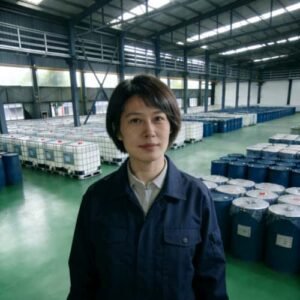
 primer to glass fiber composite panels on a manufacturing line](https://siliconchemicals.com/wp-content/uploads/2026/06/silane-coupling-agent-surface-compatibility-01-hero.jpg)
Surfaces That Bond Readily: High-Hydroxyl Inorganic Substrates and Why They Are Ideal Candidates
The common thread running through every substrate that bonds reliably with a silane coupling agent is surface hydroxyl density. When hydrolyzed alkoxysilane groups — reactive silanols generated at pH 3.5–5.5 in the presence of 0.1–5% moisture — encounter a substrate carrying sufficient M-OH groups (where M is Si, Al, Fe, Ti, or another metal), condensation produces covalent M-O-Si bonds. No hydroxyl density, no covalent anchor. That simple rule explains why some substrates perform consistently across decades of industrial use and others fail quietly in production without anyone diagnosing the root cause.
Glass and Glass Fiber
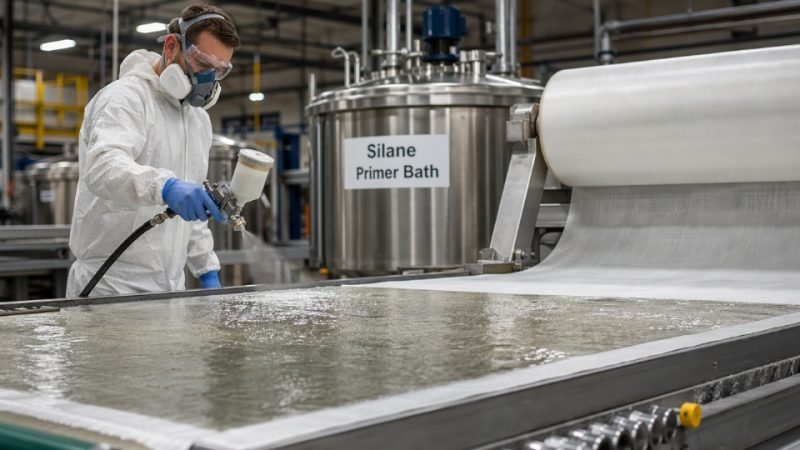
Glass surfaces carry silanol groups (Si-OH) at densities of roughly 4–8 OH per nm², placing them among the most reactive substrates available. Hydrolyzed silane silanols condense with these groups to form Si-O-Si bonds — chemically continuous with the glass network itself. In fiberglass-reinforced polymer (FRP) fabrication, selecting the right functional group on the silane (aminosilane for epoxy matrices, methacrylsilane for polyester, vinylsilane for PE) delivers tensile strength improvements of 20–60% versus untreated fiber, with the upper range achievable only when fiber sizing is freshly applied and cure conditions are controlled. PCB laminates and optical interference coatings rely on the same chemistry for adhesion durability under thermal cycling.
[Silica](https://siliconchemicals.com/silica/) Fillers: Fumed, Precipitated, and Quartz
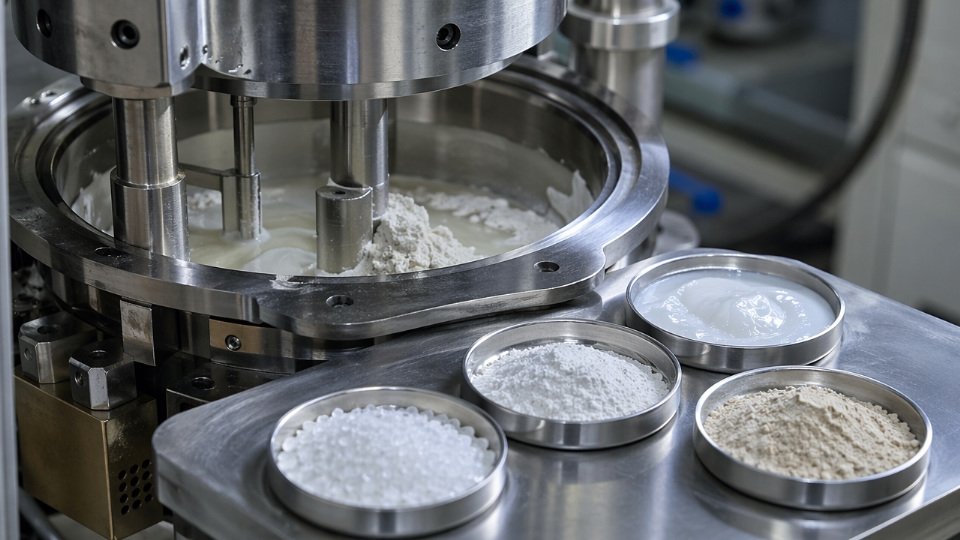
Fumed silica and precipitated silica share the same Si-OH surface chemistry as glass. The industrial motivation here is different: the goal is usually to reduce hydrophilicity, prevent agglomeration, and improve filler dispersion in rubber compounds or epoxy systems rather than to bond two dissimilar materials. Bis-silane TESPT (bis[3-(triethoxysilyl)propyl] tetrasulfide) treated silica in tire tread compounds is the benchmark case — rubber tear strength improvements of 30–50% are realistic, depending on filler loading, mixing temperature (typically 140–160 °C for TESPT activation), and shear conditions in the internal mixer. Under-mixing is the most common process failure; insufficient shear leaves untreated silica agglomerates that act as stress concentrators.
Silane-treated fumed silica always improves mechanical properties regardless of mixing conditionsFalse
Silane treatment requires adequate thermal energy and shear to complete the condensation reaction at the filler surface. Poor mixing temperature control or insufficient mix time leaves unreacted silane and unbonded silica, which can actually worsen dispersion and reduce tear strength compared to untreated filler.
Alumina and Aluminum Oxide Surfaces
Aluminum forms a native oxide layer 2–10 nm thick depending on alloy composition and surface history. This oxide carries Al-OH groups that react readily with alkoxysilanes. In structural adhesive bonding for automotive and aerospace assemblies, an aminosilane or epoxysilane pretreatment applied before film adhesive layup can increase lap-shear bond strength by 40–80% compared to solvent-wiped aluminum alone, while also dramatically reducing locus-of-failure migration from adhesive-cohesive to fiber-tear — a clear signal that the interface is no longer the weak point.
Iron, Steel, and Controlled Oxide Layers
Freshly formed iron oxide (Fe-OH terminated) reacts with silane coupling agents, which is why epoxysilane and aminosilane water-based primers have displaced chromate conversion coatings in many anti-corrosion specifications. The critical process variable is surface preparation: blast-cleaned steel treated within 4 hours retains sufficient reactive Fe-OH for effective silane bonding; steel left to re-rust past the first iron oxide stage forms less reactive higher oxides that reduce primer adhesion noticeably. This window is not theoretical — field paint crews routinely lose it on humid days.
Titanium and Titanium Dioxide
Ti-OH surface groups make titanium one of the most silane-reactive metals. Dental implant manufacturers apply silane pretreatments to titanium oxide surfaces before ceramic bonding, and aerospace structural assemblies use silane primers on Ti-6Al-4V bonding surfaces because titanium’s native oxide is chemically stable enough to retain reactivity through storage and handling cycles that would compromise steel. TiO₂ photocatalytic coating formulations also depend on silane adhesion promoters to bind the catalyst layer to glass or concrete without binder polymers that would block UV access.
Mineral Fillers: Kaolin, Mica, Wollastonite, Talc, and Calcium Carbonate
These fillers vary considerably. Kaolin and mica carry alumino-silicate surface groups with sufficient Al-OH and Si-OH density to bond aminosilanes and epoxysilanes effectively, making them viable for polymer composite reinforcement. Wollastonite (calcium silicate) offers moderate Si-OH surface sites. Talc is more problematic — its basal cleavage plane is largely hydroxyl-free, so only edge sites contribute to silane bonding, and edge area fraction decreases as particle aspect ratio increases. Calcium carbonate (calcite) has no silanol groups at all; silane bonding on untreated CaCO₃ is weak unless a titanate or zirconate coupling agent is used instead, or the surface is activated with a silica coating step.
Concrete, Cement, and Masonry
Portland cement paste and aggregate contain both silica and alumina phases that provide reactive bonding sites for silane penetrants. Alkyltrialkoxysilanes — isobutyltriethoxysilane and n-octyltriethoxysilane being the two workhorses — penetrate 3–15 mm into concrete depending on porosity and moisture content, then hydrolyze and condense at internal pore surfaces to form a hydrophobic lining. Bridge deck sealing and facade waterproofing specifications in northern climates cite chloride ion ingress reduction of 70–90% with correctly applied silane treatments. Substrate moisture at application is the controlling variable: concrete above roughly 8% moisture by weight impedes silane penetration and can cause surface polymerization that blocks further diffusion rather than building a subsurface barrier.
Polymer and Organic Substrates: Where Functional Group Matching on the Silane’s Organofunctional End Becomes Critical
A silane coupling agent is a bifunctional molecule — one end hydrolyzes and anchors to inorganic hydroxyl sites, the other end must react chemically with the organic matrix. For polymer substrates, that second end is where most selection errors happen. Engineers who pick a silane based on the inorganic substrate alone, then assume the organic side will “just work,” routinely see delamination under thermal cycling, poor wet retention in composites, or rubber compounds that fail cohesively at the interface rather than in the bulk. The organofunctional group must be chosen specifically for the resin chemistry or vulcanization system in play.
Thermosetting Resins: Reactive Systems That Reward Correct Group Selection
Epoxy systems are among the most forgiving thermosets to couple with silanes, but only when the silane carries a compatible reactive handle. Glycidoxypropyltrimethoxysilane (GPTMS) provides an epoxide group that co-reacts directly with amine or anhydride hardeners during cure. The result is a covalent bridge through the interphase — not surface adhesion, but genuine chemical continuity. In glass-fiber-reinforced epoxy laminates, this distinction translates to tensile strength gains of 20–60% over untreated fiber, with the upper end typically achieved in systems where fiber sizing, silane concentration (commonly 0.1–1.0 wt% in aqueous solution), and cure schedule are all optimized together.
Unsaturated polyester resins require a different approach. GPTMS contributes little here because polyester cure proceeds by free-radical addition across vinyl unsaturation, not by epoxide ring-opening. Methacryloxypropyltrimethoxysilane (MAPTMS) is the correct choice: the methacrylate group participates directly in the radical copolymerization, tying the glass fiber surface into the polymer network chemically. Using GPTMS on a polyester composite is not merely suboptimal — it can actively impair cure at the interface by interfering with the radical mechanism.
Aminosilanes: Versatile Crosslinkers Across Multiple Resin Families
3-Aminopropyltriethoxysilane (APTES) is one of the most widely deployed coupling agents in industrial composites, and for good reason. The primary amine reacts with epoxide groups (epoxy resins), isocyanate groups (polyurethane prepolymers), and anhydride functional groups (anhydride-cured epoxies). In each case the amine doesn’t just sit at the surface — it enters the curing reaction and becomes a node in the crosslinked network. This is genuine covalent integration. In polyurethane adhesive systems bonding glass or mineral fillers, APTES-treated surfaces routinely show lap-shear improvements of 30–50% versus untreated controls, depending on filler loading and NCO/OH ratio.
Aminosilanes such as APTES function as co-curing agents in epoxy systems, not merely as adhesion promoters.True
The primary amine of APTES reacts directly with epoxide groups during cure, incorporating the silane molecule into the crosslinked epoxy network and creating a covalent interphase rather than a physical boundary layer.
Vinylsilanes and Mercaptosilanes: Radical and Sulfur Systems
Vinyltrimethoxysilane (VTMS) targets peroxide-cured polyolefins. In silane-crosslinked polyethylene cable insulation — a genuinely high-volume application — VTMS is grafted onto the PE backbone under peroxide conditions, then crosslinks through moisture-induced silanol condensation during or after processing. The same chemistry applies to moisture-cure PE pipe systems used in hot-water plumbing. Without the vinyl group’s radical reactivity, no durable bond forms.
For rubber technology, mercaptosilanes operate through an entirely different mechanism. 3-Mercaptopropyltrimethoxysilane (MPTMS) reacts with sulfur crosslinks during vulcanization, bonding silica or other mineral fillers into the rubber network. In silica-reinforced tire tread compounds, bis-(triethoxysilylpropyl) tetrasulfide (TESPT) has been the benchmark silane for decades, specifically because its tetrasulfide bridge can release sulfur species that integrate with the sulfur vulcanization system — reducing rolling resistance while maintaining wet grip.
Non-Reactive Thermoplastics: The Hard Incompatibility
Polyethylene, polypropylene, and PTFE present the same fundamental problem: no surface functional groups for either end of the silane molecule to engage. The inorganic end has no hydroxyl sites. The organic end has no reactive chemistry. Without surface pretreatment — corona discharge, plasma activation, or flame treatment — silane application onto these substrates produces nothing more than a weakly physisorbed layer that washes off under any real service condition. This is not a silane selection problem; it is a surface chemistry problem that must be solved upstream of silane application.
Organofunctional Group Selection Reference
| Polymer Matrix | Recommended Functional Group | Example Silane | Compatibility Rationale |
|---|---|---|---|
| Epoxy (amine-cured) | Epoxy or Amino | GPTMS, APTES | Co-reacts with amine hardener or epoxide groups |
| Epoxy (anhydride-cured) | Amino | APTES | Amine opens anhydride, enters network |
| Unsaturated polyester | Methacryloxy | MAPTMS | Radical copolymerization with vinyl unsaturation |
| Polyurethane | Amino or Isocyanato | APTES, isocyanatopropyltriethoxysilane | Amine/NCO react with isocyanate/hydroxyl |
| Peroxide-cured PE/PP | Vinyl | VTMS | Radical grafting and subsequent silanol crosslinking |
| Sulfur-vulcanized rubber | Mercapto or Tetrasulfide | MPTMS, TESPT | Sulfur chemistry integrates with vulcanization |
| Acrylic / PMMA systems | Methacryloxy | MAPTMS | Methacrylate copolymerizes with acrylic backbone |
| Non-reactive thermoplastics (PE, PP, PTFE untreated) | None effective | — | No reactive surface groups; pretreatment required first |
The table above is a starting framework, not a final specification. Cure schedule, silane concentration in the sizing or primer, filler surface area, and processing temperature all shift where on the compatibility range a given system actually lands. Correct group selection eliminates the fundamental incompatibility; optimization of those process variables determines where final performance falls within the achievable window.
Incompatible Surfaces: Why Fluoropolymers, Noble Metals, and Fully Saturated Polyolefins Resist Silane Treatment
Silane coupling agents do not fail because of poor formulation chemistry — they fail because the substrate gives the silane nothing to grab onto. Understanding which surfaces are fundamentally incompatible under standard application conditions saves procurement budgets, prevents line-level adhesion failures, and stops engineers from chasing a process problem that is actually a materials selection error.
Fluoropolymers: PTFE, PVDF, FEP, and ETFE
The C–F bond carries a dissociation energy of approximately 544 kJ/mol, making it the strongest bond in organic chemistry. That single fact explains why PTFE and its fluoropolymer relatives are chemically inert to virtually every adhesive system, including silane coupling agents. Surface energy sits in the 18–20 mN/m range — lower than almost any solid material you will encounter in a production environment. Silane hydrolysate droplets bead off immediately. There are no hydroxyl groups, no oxide layer, no polar sites of any kind. The silane molecule cannot adsorb, let alone react.
If your application requires bonding to a fluoropolymer, sodium-naphthalene chemical etching or plasma treatment is a prerequisite — not an option. Both methods disrupt the surface carbon-fluorine bonds and introduce polar functional groups, raising surface energy enough for an adhesive system to function. Silane treatment can then follow, but it is working on the modified surface chemistry, not on the original fluoropolymer.
Untreated Polyolefins: HDPE, LDPE, PP, UHMWPE
Raw polyolefin surfaces present a similar wall. Contact angles with water typically run 95–105°, depending on crystallinity and surface roughness, and there are simply no polar functional groups for silane molecules to interact with. You can apply a perfectly hydrolyzed silane solution to untreated HDPE and measure zero improvement in adhesion — the molecules drift away with the wash water.
Industrial practice addresses this with corona discharge treatment, which raises surface energy to above 38 mN/m by generating carbonyl, hydroxyl, and carboxyl groups on the surface. Maleic anhydride grafting — common in compounding lines for PP-based composites — provides a more durable and homogeneous reactive layer. Either way, the silane treatment only becomes productive after that activation step.
Silane coupling agents can directly bond to untreated polypropylene under standard application conditions.False
Untreated PP has no polar functional groups or hydroxyl sites. Silane hydrolysate cannot adsorb or react. Surface activation — corona discharge or maleic anhydride grafting — is required before silane treatment provides any adhesion benefit.
Noble and Precious Metals in Their Clean Metallic State
Gold, platinum, and silver in clean metallic form carry no native oxide layer and present no hydroxyl groups to the silane’s alkoxysilyl end. The standard hydrolysis-condensation pathway has no reaction partner. One genuine exception: mercaptosilanes can bond to gold through Au–S chemistry, a thiol-gold interaction that is entirely distinct from the silanol condensation mechanism that drives silane coupling on hydroxylated surfaces. If you are specifying a silane for a gold contact application, you are specifically exploiting that sulfur-gold route — not conventional silane anchoring.
Thermally Dehydroxylated Ceramics
Fully sintered, dense alumina and certain cubic zirconia forms present a less obvious compatibility problem. High-temperature sintering drives off surface hydroxyl groups, leaving a surface that looks like a prime silane candidate based on composition alone but behaves as inert as bare metal. Acid etching or plasma activation is required to regenerate surface –OH groups at densities sufficient for covalent silane bonding. Procurement teams specifying silane adhesion promoters for dense technical ceramics should confirm surface pretreatment is part of the process specification — the ceramic grade alone is not enough information to predict silane performance.
Extreme pH Environments
Even on theoretically compatible substrates, highly alkaline or highly acidic process conditions will destroy silane performance. At pH values well outside the 3.5–5.5 optimal hydrolysis window, competitive silane self-condensation dominates. The result is a thick, loosely adhered silane oligomer layer sitting on top of the substrate rather than a thin, covalently anchored monolayer penetrating the surface. This is one of the more common process failures in plant-floor application: the silane was the right product, the substrate was compatible, but the application bath pH drifted and the entire treatment became a washable deposit. Monitor and buffer application pH. This is not a secondary concern.
Raw, Unoxidized Carbon Fiber
Freshly drawn carbon fiber has an essentially inert graphitic surface with negligible oxygen-containing functional groups. Applying silane sizing directly to raw fiber adds no measurable adhesion benefit and no meaningful reinforcement improvement to the composite matrix. Industrial carbon fiber production addresses this through electrochemical anodization — an oxidation step that introduces C–OH and C=O groups onto the fiber surface. Silane sizing is then applied to that activated surface. If you are sourcing carbon fiber for structural composite applications and silane sizing is part of your processing specification, verify with your fiber supplier that surface oxidation treatment is included. It is not universal across all fiber grades and product tiers.
Borderline Cases and Pretreated Surfaces: Turning Incompatible Substrates Into Viable Candidates
Not every difficult substrate is a dead end. The surfaces covered in the previous section — polyolefins, fluoropolymers, noble metals — fail under standard silane application because they lack the surface hydroxyl density the silane’s inorganic end needs to anchor. The practical engineering response is not to abandon silane chemistry but to engineer the surface first. Several industrial pretreatment methods accomplish exactly that, and choosing the right one depends on substrate geometry, throughput requirements, and how long the activated surface can be held before the silane step.
Plasma Treatment
Atmospheric-pressure and low-pressure plasma both introduce hydroxyl, carbonyl, and carboxyl groups onto polymer surfaces within seconds of exposure. On polypropylene and polyethylene, contact angle drops from above 90° to below 10° — that shift alone tells you the surface energy has jumped enough to allow aqueous silane solutions to wet uniformly rather than bead and run. Aminosilane and epoxysilane adhesion promoters applied to plasma-activated polyolefins form durable interfacial bonds that hold through thermal cycling. Plasma is the standard choice in flexible electronics lamination and medical device assembly, where contamination from wet chemistry is unacceptable and part geometries are irregular enough to make brush or spray chemical treatments uneven.
Corona Discharge Treatment
Corona is the industrial workhorse for film and sheet stock. Surface energy on untreated polyolefin film typically sits around 30 mN/m; corona pushes that to 40–50 mN/m depending on discharge power, electrode gap, and line speed. The limitation is temporal. Hydrophobic recovery begins within hours and is largely complete within one to three days on most grades of PP and PE, driven by migration of low-molecular-weight species back to the surface. This means silane application must follow corona treatment immediately in production scheduling — a 48-hour lag between treatment and coating is a common source of adhesion failures that gets misdiagnosed as a silane formulation problem.
Flame Treatment
For three-dimensional automotive parts — bumpers, fascias, door mirror housings — flame treatment is preferred over corona because it reaches curved and recessed surfaces without requiring precise electrode proximity. Combustion chemistry introduces C–OH and C=O groups on PP surfaces. OEM painting lines routinely use flame treatment as the first step before a silane-containing adhesion primer, and the sequence is tightly controlled: flame energy, dwell time, and the interval before primer application all affect final paint adhesion. Get the flame stoichiometry wrong (too rich or too lean) and you either under-activate the surface or deposit soot that blocks silane bonding sites.
Chemical Etching and Acid Activation for Metals
Metals that present passive or insufficiently hydroxylated oxide layers — certain aluminum alloys after high-temperature forming, for example — respond well to acid activation. Chromic acid, phosphoric acid, and sulfuric acid anodization all generate roughened, hydroxylated aluminum oxide surfaces with effective surface area 10–100× higher than untreated metal, depending on acid concentration, temperature, and contact time. Silane coverage scales directly with available hydroxyl sites, so this multiplied surface area translates proportionally into bond strength. Chromic acid etching is being phased out in many regions for environmental reasons, making phosphoric acid and anodization the preferred industrial alternatives.
Rehydroxylation of Heat-Processed Ceramics and Glass
Ceramic and glass components that have passed through sintering or high-temperature forming lose surface –OH groups through condensation. The silane reactivity of these parts is measurably lower than equivalent unsintered material. Boiling in water or dilute acid (typically 0.1–1 M HCl or HNO₃) for 30–120 minutes restores surface silanol density to levels approaching the original substrate. The exact recovery depends on sintering temperature and duration — parts fired above 800°C need longer rehydroxylation cycles than those processed at 400–600°C.
Isocyanato-Functional Silane Primers for Low-Surface-Energy Substrates
Where surface activation is impractical or inconsistent, two-component primer systems using 3-isocyanatopropyltriethoxysilane (ICPTES) extend the compatible substrate range. The isocyanate group reacts aggressively with any available –OH, –NH₂, or moisture-activated surface species, including residual groups on lightly oxidized polyolefins that standard alkoxysilanes cannot engage reliably. These systems are more sensitive to moisture handling during mixing but offer a chemical pathway to bonding on surfaces where physical pretreatment alone is marginal.
Corona-treated PP bonded with an aminosilane primer achieves lap shear strength of 3–7 MPa versus below 0.5 MPa without treatmentTrue
This range is consistent with published adhesion data for surface-activated polyolefin systems; the spread depends on corona energy dose, aminosilane concentration (typically 0.5–2% in aqueous ethanol), cure temperature, and substrate grade. The untreated baseline reflects the near-zero chemical affinity between standard alkoxysilanes and non-polar polyolefin surfaces.
The through-line across all these methods is the same: you are not changing the silane chemistry, you are creating the surface conditions the silane already requires. Each pretreatment has a processing window — some measured in seconds, some in days — and silane application staged outside that window wastes chemistry and produces inconsistent bonds. Treat the activation step as a process variable with its own specification limits, not a preparatory afterthought.
Application-Specific Compatibility Matrix: Composites, Coatings, Sealants, and Rubber Compounds
Knowing which silane works on which substrate in the abstract gets you only partway there. The real specification question is always more specific: which silane, on which fiber or filler or metal surface, inside which polymer matrix, under what processing conditions. The matrix below organizes that decision by industry sector, with the chemistry behind each choice.
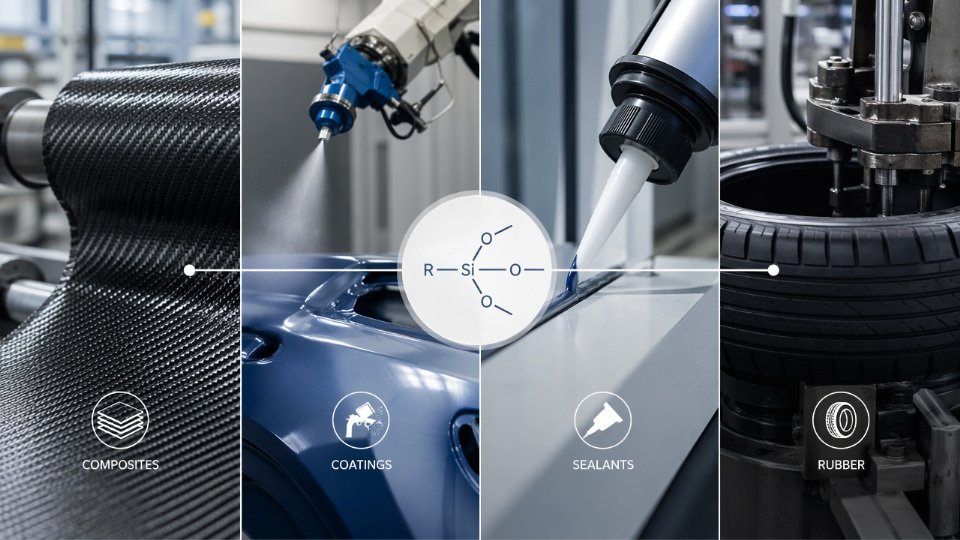
Fiber-Reinforced Polymer Composites
Glass fiber in an epoxy matrix is the reference case for silane sizing. Epoxysilane (glycidoxypropyltrimethoxysilane) and aminosilane (3-aminopropyltriethoxysilane) both react covalently with glass surface silanols and carry organofunctional groups that co-react with the epoxy resin during cure. Interlaminar shear strength gains of 20–60% over unsized fiber are achievable — the actual figure depends on sizing coverage uniformity, fiber-to-resin ratio, and cure temperature. For glass fiber in unsaturated polyester or vinyl ester systems, methacryloxy or vinylsilane is the correct choice because the organofunctional end participates in free-radical crosslinking; an aminosilane here would interfere with peroxide cure chemistry, producing surface tack and strength loss.
Carbon fiber presents a different challenge. As-produced carbon fiber surface is graphitic and carries negligible hydroxyl density. Reliable silane bonding requires an oxidized fiber surface — achieved through electrochemical anodization or gas-phase oxidation — which introduces carboxyl and hydroxyl groups that support silane condensation. Aminosilane and epoxysilane are then applicable on the oxidized surface for carbon/epoxy systems. Skip the oxidation step and the silane deposits as a non-bonded film that actually acts as a release layer.
Aramid fiber (Kevlar type) is genuinely difficult. The aromatic polyamide surface is chemically inert and hydrophobic. Surface oxidation by plasma or acid treatment is necessary first, followed by a multifunctional silane carrying both amine and epoxy groups to maximize reactivity with whatever adhesive or matrix is used. Expect lower absolute bond strength compared to glass systems; aramid composites requiring high interfacial adhesion often rely on additional surface coatings rather than silane treatment alone.
Protective Coatings and Primers for Metal
Glycidoxysilane as an adhesion promoter between steel substrate and epoxy primer is well-established. The silane bridges the hydroxylated metal oxide surface and the epoxy coating, extending salt spray resistance from the 300–500 hour range on bare prepared steel to over 2,000 hours after silane pretreatment — the specific improvement depends on surface cleanliness, silane film thickness (2–5 nm is typical target), and coating system. For polyurethane topcoats on aluminum, aminosilane is standard because the amine reacts with isocyanate groups in the topcoat while bonding the aluminum oxide surface.
Silane pretreatment alone, without proper substrate surface preparation such as degreasing and oxide conditioning, delivers the same corrosion protection as no treatment.False
Silane coupling agents bond to surface hydroxyl groups. Contamination layers, thick oxides, or residual oils block access to those groups, rendering the silane film poorly bonded. Surface preparation is a prerequisite, not an optional step.
Construction Sealants
Glass, concrete, and anodized aluminum are high-hydroxyl surfaces that bond to silane adhesion promoters reliably. Silicone, polyurethane, and MS polymer sealants all use silane promoters either as a wiped primer or incorporated into the sealant formulation at 0.5–3% by weight. Powder-coated metal is a common specification trap: the silane organofunctional group must match the coating chemistry — epoxy functionality for epoxy powder coats, vinyl or methacryloxy for polyester powder coats. PTFE-coated surfaces are incompatible without prior plasma or sodium-naphthalene etching, and even then adhesion is marginal for structural applications.
Rubber Compounding
In silica-reinforced SBR tire compounds, bis-silanes — principally TESPT (bis[3-(triethoxysilyl)propyl]tetrasulfide) and TESPD (bis[3-(triethoxysilyl)propyl]disulfide) — are the industry standard. They bridge precipitated silica filler to the rubber network during sulfur vulcanization, reducing hysteresis and improving wet grip. Carbon black systems see limited benefit from silane addition unless the carbon black has been surface-oxidized, because unmodified carbon black lacks the hydroxyl density for effective silane condensation. For natural rubber soles bonded to textile substrates in footwear, vinylsilane enables moisture-crosslinked interfacial bonds during processing.
Electronics and Semiconductor Packaging
Epoxysilane treatment of silica filler is standard practice for underfill and encapsulant formulations in epoxy molding compound. Treated filler improves filler-to-matrix adhesion and moisture resistance, both critical for long-term reliability under thermal cycling. On copper bond pad metallization, mercaptosilane provides thiol-to-copper affinity and is the most practical option. Gold bond pads respond poorly to silane treatment under standard conditions — the noble metal surface chemistry problem applies here directly. PCB glass-fabric laminates depend on silane sizing applied at the weaving stage; inadequate sizing is a root cause of delamination under humidity cycling, a failure mode that becomes apparent only after 500–1,000 hours of 85°C/85% RH conditioning.
Dental and Medical Applications
Hydroxyapatite and silica-containing dental ceramics bond effectively to silane after hydrofluoric acid etching, which creates micro-relief and fresh hydroxyl groups simultaneously. Zirconia does not respond to HF etching; plasma activation or tribochemical silica coating (such as the Rocatec-type process) is required before silane application. Titanium implants accept silane functionalization for bioactive coating attachment because the native titanium oxide surface carries adequate hydroxyl density.
A critical operational point for medical applications: silane purity requirements are significantly stricter than industrial grades. Residual alkoxy groups, chloride content, and heavy metal impurities all carry regulatory and biocompatibility implications. Industrial-grade silane should never substitute for medical-grade material in implantable or intraoral applications, regardless of apparent chemical similarity.
Silane Selection Logic: Matching Functional Group, Hydrolysis Speed, and Solvent System to Your Specific Surface
Getting surface compatibility right is only half the engineering problem. The other half is specifying the correct silane grade for your process — wrong functional group, wrong hydrolysis rate, or wrong application method each produce failures that look identical on the test bench but have completely different root causes. This five-step framework separates those variables.
Step 1 — Characterize the Surface Before Touching a Product Datasheet
Start with substrate identity and surface condition, not with a catalog. Silica-based substrates (glass fiber, fumed silica, quartz), metal oxides (aluminum, steel, zinc), and hydroxylated minerals all present reactive surface silanols or metal-OH groups. The density of those groups — ideally 2–5 OH per nm² for reliable covalent bonding — is what silane chemistry actually needs. Water contact angle gives a fast, cheap first read: angles below roughly 40° on a cleaned substrate suggest adequate hydrophilicity; above 70° after cleaning signals contamination, oxidation loss, or intrinsically low hydroxyl density. XPS confirms elemental surface composition and oxide layer presence; FTIR-ATR resolves surface hydroxyl bands directly. Never skip this step on unfamiliar substrates. A contaminated steel surface treated with KH-550 will show acceptable initial adhesion and fail within weeks of humidity exposure — the silane bonded to the hydrocarbon contamination layer, not the oxide.
Step 2 — Match the Organofunctional Group to Your Matrix Chemistry
The inorganic end of the silane anchors to the substrate; the organic end must react with or be compatible with the polymer, resin, or adhesive. The mapping is specific: amino-functional grades (KH-550, APTES) suit epoxy resins and polyurethanes because the amine participates directly in crosslinking. Epoxy-functional grades (KH-560, GPTMS) work with epoxy systems and PVC compounding where ring-opening chemistry applies. Methacryloxy grades (KH-570, MAPTMS) serve UV-cure acrylate systems and unsaturated polyesters. Mercapto grades (KH-580, MPTMS) are the correct choice for sulfur-vulcanized rubbers and gold-surface applications. Vinyl grades (KH-151, VTMS) couple to polyethylene and peroxide-cured rubber systems. For carbon-black and silica-filled tire compounds, bis-silane grades such as Si-69 (TESPT) provide the sulfur-functional bridges that standard mono-silanes cannot replicate at mixing temperatures.
Using an amino silane (KH-550) in a vinyl/peroxide rubber compound will not produce covalent matrix bonding even on a fully compatible silica substrate.True
The organofunctional group must participate in the matrix crosslinking chemistry. An amine group is unreactive toward peroxide radical cure; only vinyl or methacryloxy functional groups engage with peroxide-initiated crosslinking of polyolefin or EPDM matrices.
Step 3 — Select Hydrolysis Speed for Your Process Conditions
Methoxy silanes hydrolyze faster than ethoxy silanes and release methanol rather than ethanol as the byproduct — relevant for enclosed processing areas and food-adjacent applications. In waterborne primer systems, fast hydrolysis can cause premature condensation and gel formation in the bath. For those applications, use partially pre-hydrolyzed grades or silanol-functional aqueous solutions, which are shelf-stable at pH 4–5 and eliminate in-bath gelation risk. For solvent-borne primers and dry-blend filler treatment, methoxy grades are standard because rapid hydrolysis is an asset rather than a liability.
Step 4 — Choose the Right Application Method
Dilute aqueous or aqueous-alcohol solutions (0.1–2% by weight, pH adjusted to 3.5–5.5) suit glass fiber sizing and metal surface primers, where uniform thin-film deposition matters. Neat or concentrated application in high-shear mixers suits precipitated silica and mineral filler treatment, where the silane must coat high-surface-area particles efficiently under heat. In-situ rubber compounding addition — on an open mill or in an internal mixer — works for Si-69 and similar grades where reaction with silica surface silanols occurs during the mix cycle itself, typically at 140–160 °C.
Step 5 — Validate Before Scaling
Contact angle measurement confirms surface activation post-treatment. Lap shear or pull-off testing — not just peel — quantifies bond strength under the actual stress mode your assembly will experience. Always run humidity aging (85°C/85% RH, 500–1000 hours depending on end-use severity) and salt spray testing on metal substrates before committing to a production specification. Tensile strength improvements of 20–60% over untreated controls are achievable in glass fiber composites, but that range depends entirely on correct silane functional group selection and consistent surface preparation — both under your direct control.
Common Application Errors That Create Apparent Incompatibility on Otherwise Compatible Surfaces
Engineers occasionally test a silane coupling agent on glass, silica-filled rubber, or an aluminum substrate, see poor adhesion, and conclude the chemistry doesn’t work. In most of those cases, the substrate was never the problem. Process errors — concentration, pH, surface cleanliness, cure conditions, and functional group selection — account for a large share of field failures that get misdiagnosed as substrate incompatibility. Identifying which error applies saves reformulation time and avoids discarding chemistry that would have worked correctly.
Over-Concentration of the Silane Solution
The instinct to apply more coupling agent to guarantee coverage is one of the most common and most damaging mistakes. Above roughly 2–5% silane concentration in aqueous or hydroalcoholic primer solutions, intermolecular condensation competes aggressively with surface bonding. The result is a thick, cohesively weak polysiloxane oligomer layer sitting between the substrate and the adhesive or matrix resin. Lap shear values can actually drop below those of an untreated control because failure now occurs within the silane layer itself rather than at the interface. For priming applications, 0.5–2% is the functional range for most alkoxysilanes. The exact upper limit depends on silane molecular weight and reactivity — aminosilanes condense faster than alkylsilanes at equivalent concentration — so targeted testing at your working concentration matters.
Incorrect pH During Hydrolysis
Aqueous silane solutions need to sit in the pH 3.5–5.5 window long enough for complete hydrolysis of methoxy or ethoxy groups to reactive silanols. Below pH 3, hydrolysis slows and coverage becomes uneven. Above pH 5.5, and especially above 7, condensation of the freshly formed silanols accelerates sharply — the silane oligomerizes in solution before it ever reaches the surface. Dilute acetic acid (typically 0.1–1% v/v) is the practical choice for adjusting aqueous methoxy and ethoxy silane solutions. It is cheap, available everywhere, and brings most formulations into range without introducing interfering ions.
Contaminated Surfaces
Oil films, mold release agents, and metalworking fluids physically block surface hydroxyl groups. The silane has nowhere to anchor. An isopropanol or acetone wipe followed by air-knife or forced-air drying is the minimum acceptable preparation for non-critical applications. For structural bonds, adhesive-bonded composites, or any application exposed to humidity cycling, alkaline degreasing followed by a mild acid rinse is worth the extra step. The acid rinse also refreshes surface hydroxyl density on metals and glass, which matters because hydroxyl density directly controls bond site availability.
Surface contamination from mold release agents is one of the leading causes of silane primer failure on glass and metal substrates in production environments.True
Mold release films are deliberately designed to prevent adhesion. Even thin residues at 10–100 nm thickness are sufficient to block silanol condensation reactions at the substrate surface, eliminating the primary bonding mechanism of the alkoxysilane anchor group.
Insufficient Cure Time and Temperature
Si-OH condensation with surface hydroxyl groups is a thermally activated process. At room temperature, full bond development takes 24–72 hours depending on silane type and ambient humidity. Running adhesion tests at 4 hours on a room-temperature cure will produce results that look like failure but are simply incomplete reaction. At 100–120°C for 30 minutes, condensation reaches near-complete conversion and hydrolytic durability of the bond improves measurably — relevant wherever the part will see moisture or steam in service.
Moisture Contamination During Storage
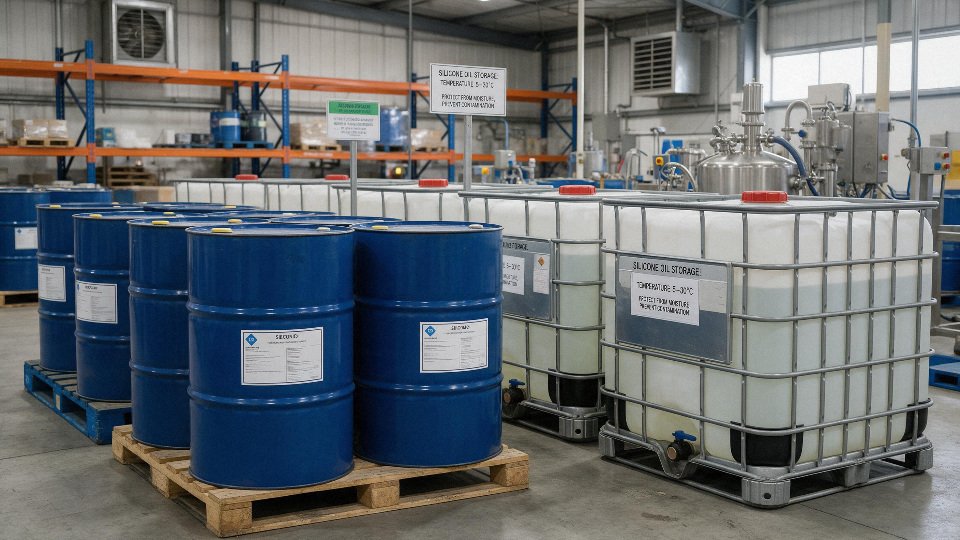
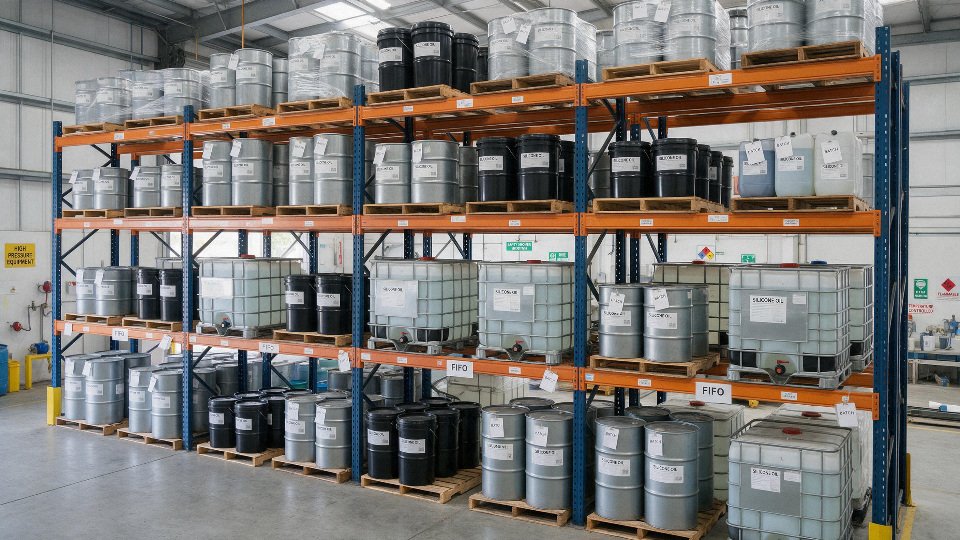
Alkoxysilanes absorb atmospheric moisture and self-condense inside the package. Viscosity rise and gel formation are the visible signs, but partial condensation can degrade performance well before visible changes appear. Nitrogen-blanketed storage, sealed containers, and incoming inspection including viscosity measurement and GC purity check are standard practice for any high-volume user. SiliconChemicals ships silanes in moisture-barrier packaging with documented shelf-life data for each product grade, which removes uncertainty from incoming quality decisions.
Functional Group Mismatch at the Organic Interface
This failure mode is subtle and often missed. A glass fiber treated with vinyltrimethoxysilane anchors perfectly at the glass surface — the silanol chemistry is correct — but in an amine-cured epoxy matrix, the vinyl group provides no reactive pathway into the curing network. The inorganic side bonds; the organic side does not. Measured interlaminar shear strength will be poor, and the system gets written off as a silane failure when the actual problem is functional group selection. Glass fiber composites treated with the correct functional silane for their matrix show tensile strength gains of 20–60% over untreated controls — the range depending primarily on how well the organofunctional group integrates into the specific cure chemistry. Getting that functional group match right is as important as anything happening at the substrate surface.
Frequently Asked Questions About Silane Coupling Agent Surface Compatibility
Can silane coupling agents be used directly on untreated polypropylene or polyethylene?
No. Standard alkoxysilanes require surface hydroxyl groups to hydrolyze and condense against — polyolefins have none. The carbon-hydrogen backbone is chemically inert to silane chemistry under any practical process condition. Corona discharge, atmospheric plasma, or flame treatment must be applied first, generating carbonyl, hydroxyl, and peroxide functionalities at the surface before silane application has any chance of working. Skip that step and you are essentially applying the silane to a wax. Adhesion results will be indistinguishable from an untreated blank in peel or lap-shear testing, which is a common source of frustration when engineers move from glass-filled systems directly to polyolefin substrates without adjusting the process protocol.
Does stainless steel respond to silane coupling agent treatment?
Yes, but with an important condition. The passive chromium oxide layer on stainless steel provides far fewer reactive -OH sites than silica or glass — typically well below the 2–5 OH groups per nm² threshold for reliable dense monolayer formation. A mild acid activation step (dilute HCl or dilute sulfuric acid, concentration and contact time depending on grade and surface finish) strips the passive layer slightly and exposes fresh metal oxide sites with better hydroxyl density. Aminosilane or epoxysilane primers applied immediately after activation and drying give measurable adhesion improvement in structural bonding applications. Delay between activation and silane application lets the passive layer re-form, undoing the preparation work.
What is the shelf life of a prepared silane solution in water?
Short. Hydrolyzed alkoxysilane solutions — particularly methoxysilanes at 0.5–1% in water adjusted to pH 3.5–5.5 with acetic acid — are typically usable for roughly 8–24 hours depending on silane concentration, temperature, and the specific silane chemistry involved. Trimethoxysilanes condense faster than triethoxysilanes; aminosilanes are especially prone to self-polymerization in solution. Prepare the working solution fresh at the start of each shift, store it cool if use will be delayed, and discard anything that appears cloudy or gelled. Using aged solution is one of the most common hidden causes of inconsistent coating performance in production environments.
Hydrolyzed silane solutions undergo self-condensation within hours, significantly reducing their ability to form covalent bonds with substrate surfaces.True
Silanol groups formed during hydrolysis react with each other via Si-O-Si condensation. This intermolecular reaction competes with and progressively dominates over the desired surface bonding reaction, reducing the effective concentration of reactive silanol available for substrate coupling as storage time increases.
Can one universal silane work on all compatible surfaces?
No, and treating a single silane grade as a universal primer is a reliable path to formulation failures. The organofunctional group — amino, epoxy, methacryloxy, vinyl, mercapto — must match the chemistry of the polymer or resin matrix it is bridging to. An aminosilane chosen for an epoxy composite will perform poorly in a peroxide-cured rubber compound where a vinylsilane or mercaptosilane is needed. Substrate type, resin matrix chemistry, process solvent system, and required hydrolysis speed all feed into the selection decision simultaneously.
Why did silane treatment not improve adhesion on my mineral-filled system?
The five most common root causes in order of frequency on the plant floor: filler surface contamination (oil, moisture, or processing aids blocking -OH sites); silane concentration too high, leaving a thick oligomeric layer that cohesively fails under stress rather than bonding; pH outside the 3.5–5.5 hydrolysis window, leaving unreacted alkoxysilane; functional group mismatch with the resin; and insufficient drying after treatment, trapping residual alcohol or water that disrupts condensation. Work through these systematically before concluding the substrate is incompatible.
Are silane coupling agents effective on carbon nanotubes and graphene?
Raw CNTs and graphene are not compatible under standard conditions — the aromatic sp² carbon surface carries no hydroxyl groups. Acid oxidation (typically concentrated nitric acid or a nitric/sulfuric acid mixture, with treatment severity depending on desired functionalization density) introduces carboxyl and hydroxyl groups on tube ends and defect sites. After that activation, aminosilane or epoxysilane functionalization bonds reliably and has been validated by XPS and FTIR in advanced composite research. It is not a plug-and-play process, but it is industrially workable.
What is the difference between a silane coupling agent and a silane waterproofing agent?
Structurally and functionally distinct. Silane coupling agents are bifunctional — one end anchors covalently to an inorganic substrate, the other end reacts chemically with an organic polymer matrix, creating a load-bearing molecular bridge. Silane waterproofing agents such as isobutyltriethoxysilane or n-octyltriethoxysilane carry only an alkyl organofunctional group with no reactivity toward polymers. They penetrate porous concrete or masonry, hydrolyze in the presence of moisture, and condense to form a hydrophobic silicone resin lining inside the pore network. No polymer matrix involvement, no mechanical coupling — strictly surface energy modification and water exclusion.
How do I verify that a silane coupling agent has successfully bonded to my surface?
Four methods are routinely used in industrial quality control. Contact angle measurement gives a fast, non-destructive indication — a functional group change on the surface shifts wettability measurably, with the direction depending on whether the silane’s organofunctional group is hydrophilic or hydrophobic relative to the starting substrate. FTIR-ATR spectroscopy identifies Si-O-Si stretch bands and organofunctional group absorptions on the treated surface. XPS confirms the presence of silicon at the surface and can quantify coverage. Water immersion adhesion retention testing — comparing treated versus untreated specimens after prolonged water exposure — is the most practically relevant test for production validation because it reflects real-use durability rather than just initial bond presence. For critical structural applications, use at least two methods in combination.
SiliconChemicals’ Silane Product Portfolio and Technical Support for Global Customers
The previous sections of this article have established something procurement managers and formulators often learn the hard way: selecting the wrong silane — or the right silane applied incorrectly — translates directly into delamination, premature adhesion failure, scrap batches, and reformulation costs that dwarf the original material savings. SiliconChemicals exists to close that gap between chemistry theory and production-floor reality.
Core Product Lines Covering the Full Functional Group Spectrum
SiliconChemicals manufactures more than 20 standard silane coupling agent grades, organized around the organofunctional groups that matter most to industrial customers:
Amino-functional: KH-550 (APTES), KH-551, and KH-602 serve epoxy, phenolic, and polyurethane systems, with KH-602 carrying a secondary amine suited to softer cure profiles. These are the workhorses for glass-fiber-reinforced epoxy composites and polyurethane adhesive primers.
Epoxy-functional: KH-560 (GPTMS) and KH-561 are specified wherever electrophilic reactivity is needed — epoxy coating adhesion to glass, aluminum oxide, and silica-filled systems. KH-560 is one of the most frequently cross-specified grades globally for a reason: its glycidoxy group reacts cleanly with amines, anhydrides, and thiols across a wide processing temperature range.
Methacryloxy-functional: KH-570 (MAPTMS) is the standard choice for peroxide- and UV-cured systems, unsaturated polyester composites, and acrylic coating formulations. Tensile strength improvements in glass fiber composites treated with KH-570 versus untreated controls run 20–60% depending on fiber surface area and cure system efficiency — higher at longer fiber lengths and more complete cure schedules.
Mercapto-functional: KH-580 (MPTMS) provides the thiol group needed for sulfur-vulcanized rubber compounds and gold- or silver-metallized substrates where conventional silanes offer no chemistry.
Vinyl-functional: KH-151 (VTMS) and KH-171 cover polyolefin crosslinking, wire and cable insulation, and silicone rubber reinforcement applications where the simplest possible organic side chain is an advantage.
Isocyanato-functional: ICPTES is specified for moisture-cure polyurethane sealants and one-component adhesive systems where in-situ NCO reactivity drives bond formation.
Bis-silane sulfur types: Si-69 (TESPT) and Si-75 (TESPD) are the established choices for precipitated silica–filled tire compounds, where sulfur rank and processing safety define which grade applies. Si-75’s lower sulfur rank gives it a processing safety advantage at elevated mixing temperatures.
Custom synthesis capability extends beyond these standard grades. Bifunctional silanes, polyfunctional oligomeric silanes, and silanes carrying non-standard organic groups for OEM specialty applications are within scope — with typical development lead times and minimum order quantities discussed directly with the technical team.
SiliconChemicals produces silane coupling agents at GC purity levels of 97–99%+ for standard commodity gradesTrue
Standard organosilicon manufacturing with fractional distillation routinely achieves these purity levels; GC purity is verified per batch and stated on the Certificate of Analysis, which customers receive with every shipment.
Manufacturing Infrastructure and Quality Assurance
Production facilities sit within China’s established organosilicon industrial clusters, where proximity to silicon metal smelters, chlorosilane intermediates, and specialty alcohol suppliers compresses raw material lead times and insulates pricing from the supply disruptions that affect importers further down the chain. ISO 9001-certified manufacturing governs incoming material inspection, in-process GC testing, and finished-product release — each batch ships with a Certificate of Analysis stating purity, refractive index, moisture content, and appearance against specification.
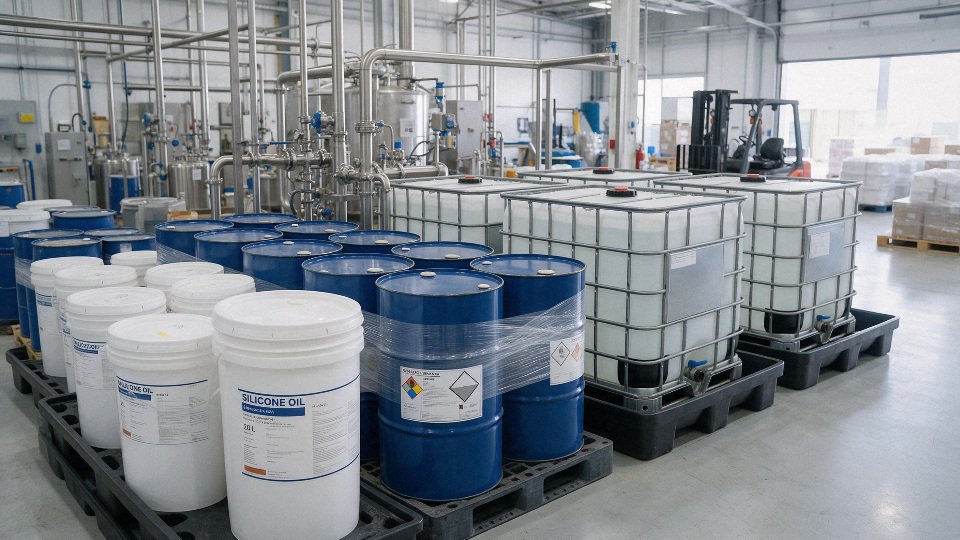
Export packaging uses moisture-barrier drums and IBC totes rated for sea freight handling. Documentation packages include SDS (GHS-compliant), CoA, REACH compliance data, and technical data sheets in formats accepted by customs authorities across North America, Europe, Southeast Asia, the Middle East, and South America.
Getting the Right Silane Specified Before Production Starts
The cost of a reformulation after field failure is rarely just the material cost — it includes line downtime, customer claims, and the engineering hours to diagnose what the correct silane selection would have prevented at the outset. SiliconChemicals’ technical team works directly with engineers and procurement managers to assess substrate surface chemistry, matrix resin reactivity, process constraints (hydrolysis pH window, solvent system, cure temperature), and application environment (humidity, thermal cycling, chemical exposure) before recommending a grade.
Bring your substrate type, polymer matrix, processing conditions, and performance targets to the conversation. Sample programs are available for qualification testing. Contact SiliconChemicals to start that discussion — specifying correctly once costs far less than correcting a failure in the field.