Blogs
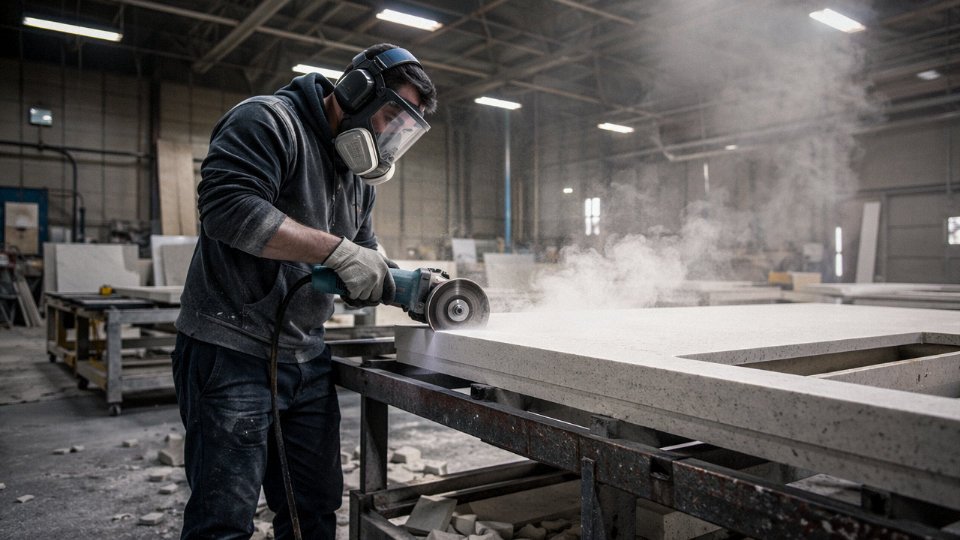
Should you avoid silica?
Learn why avoiding silica entirely is impractical and how to control respirable crystalline silica exposure below OSHA’s 50 µg/m³ PEL to protect workers.

Learn why avoiding silica entirely is impractical and how to control respirable crystalline silica exposure below OSHA’s 50 µg/m³ PEL to protect workers.
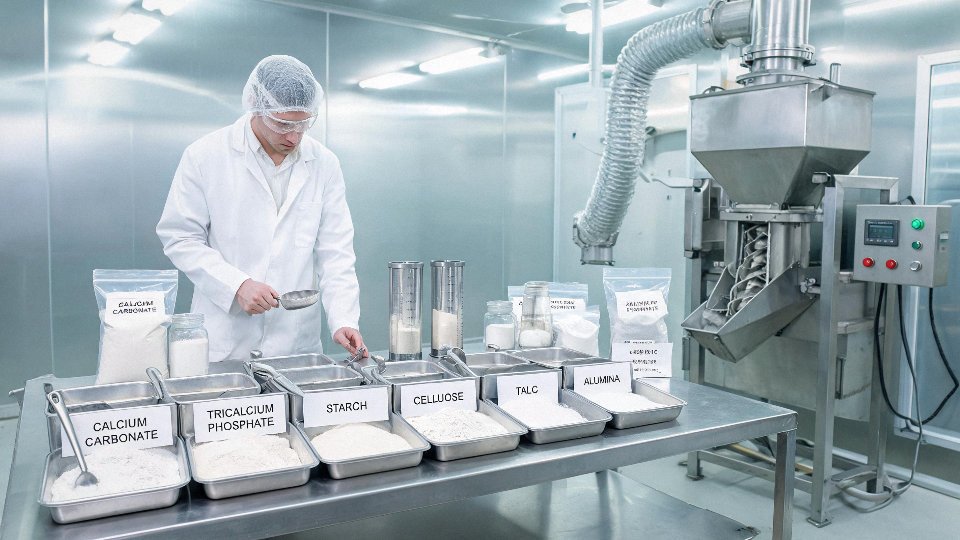
Find the best substitute for silicon dioxide for food powders and industrial blends by comparing flow aids, anticaking options, costs, and fit.
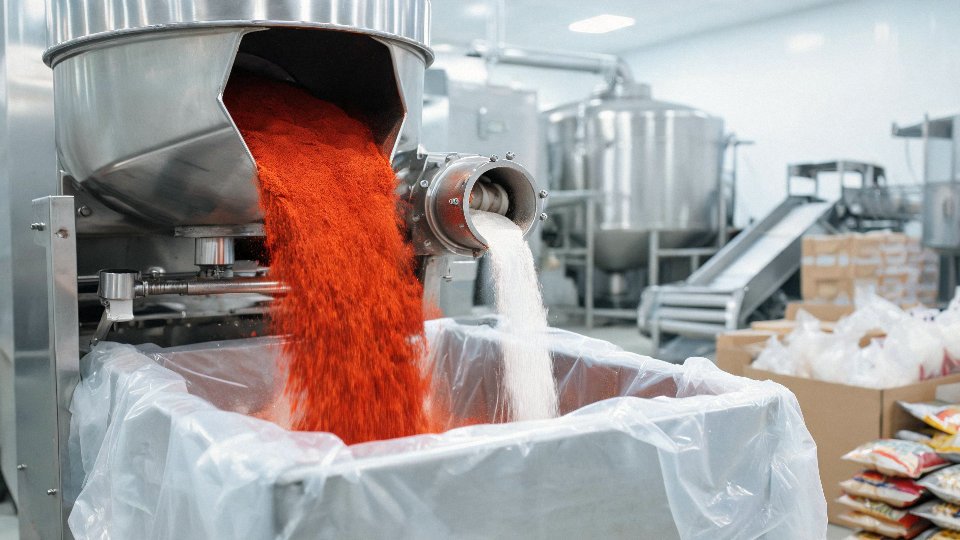
Learn whether silicon dioxide in paprika is always present, why suppliers add it, and how labels, moisture specs, and packaging affect flow.
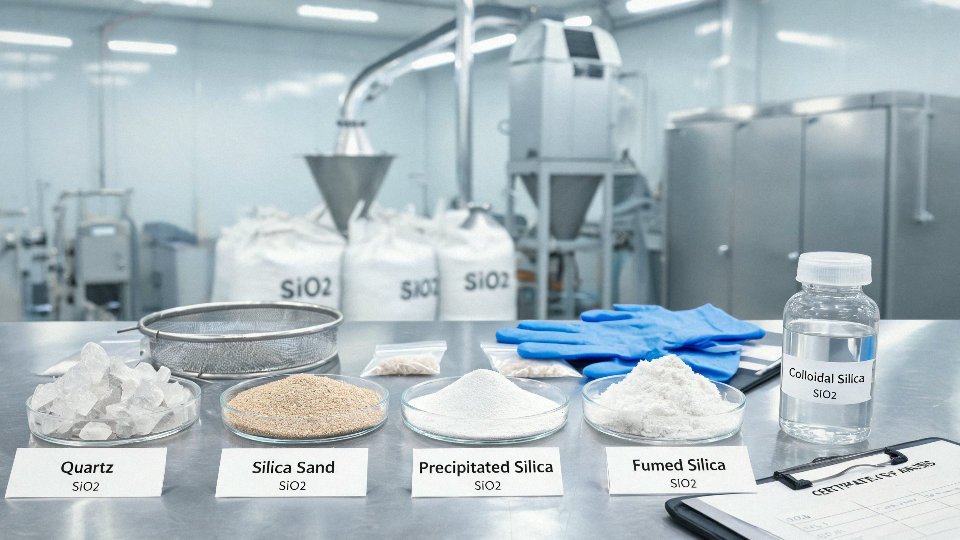
Learn another name for silicon dioxide, including silica, quartz, sand, precipitated silica, and fumed silica for accurate specs and sourcing.
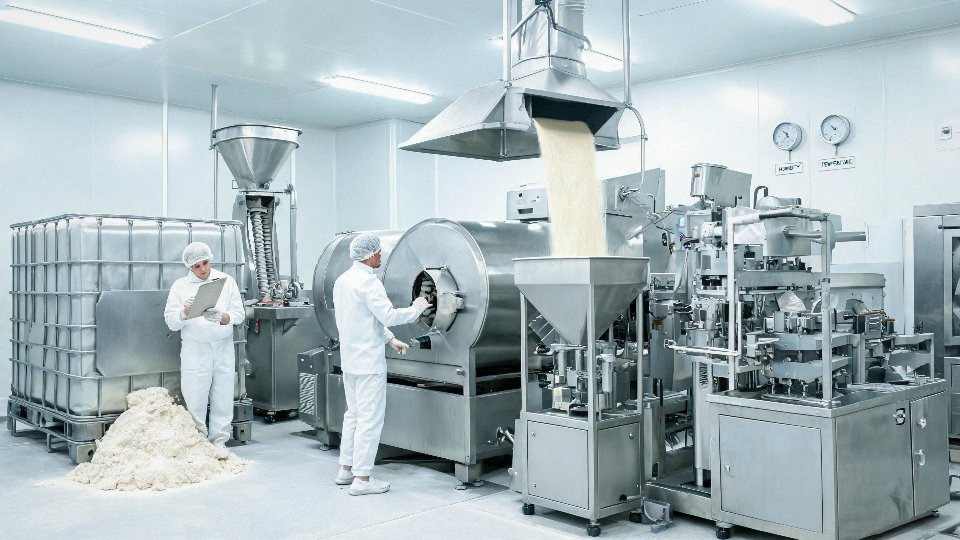
Learn when silicon dioxide in organic food is allowed, how USDA and EU rules apply, and what documentation helps avoid production delays.
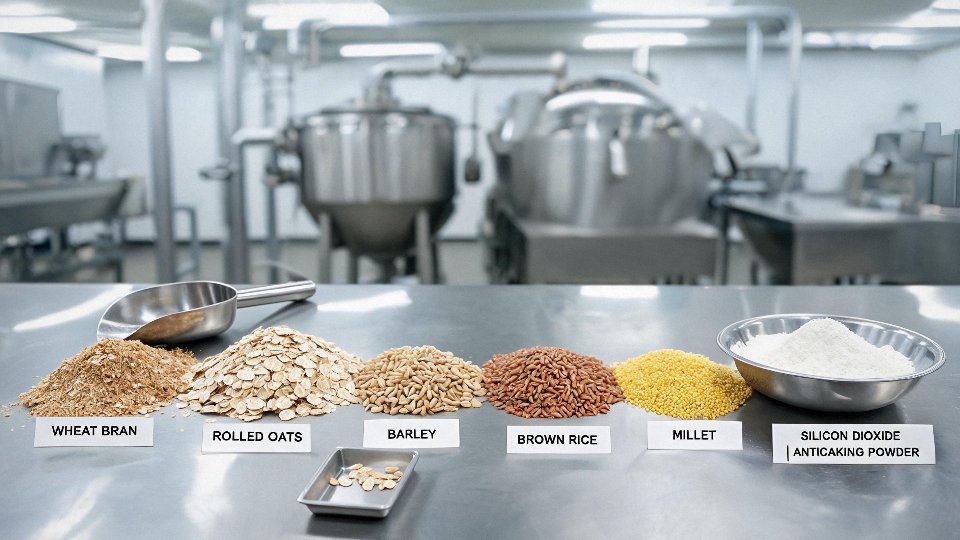
Discover foods high in silicon dioxide, from whole grains and bran to oats, barley, brown rice, beer, and added anticaking agents.
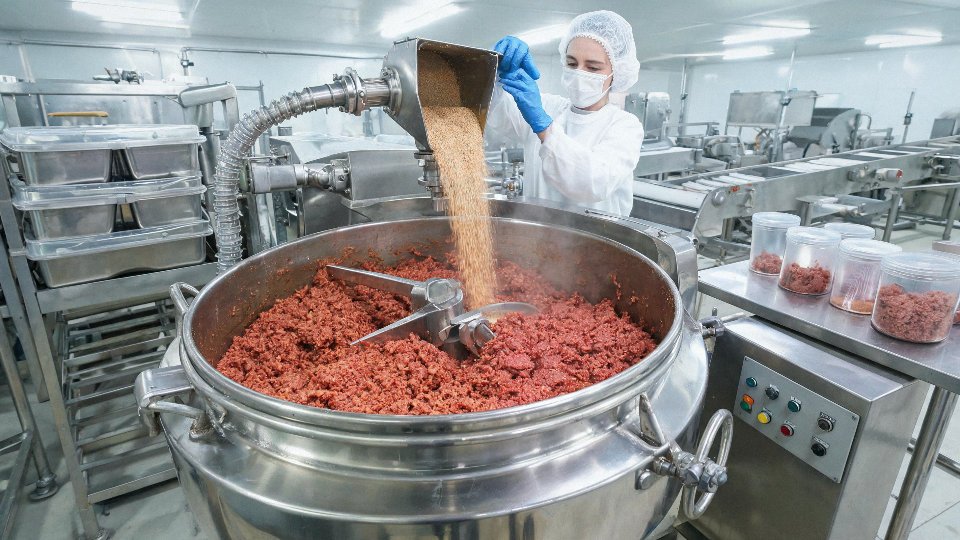
Learn why silicon dioxide in Taco Bell beef seasoning is used, what FDA rules allow, and how to verify current ingredients safely.
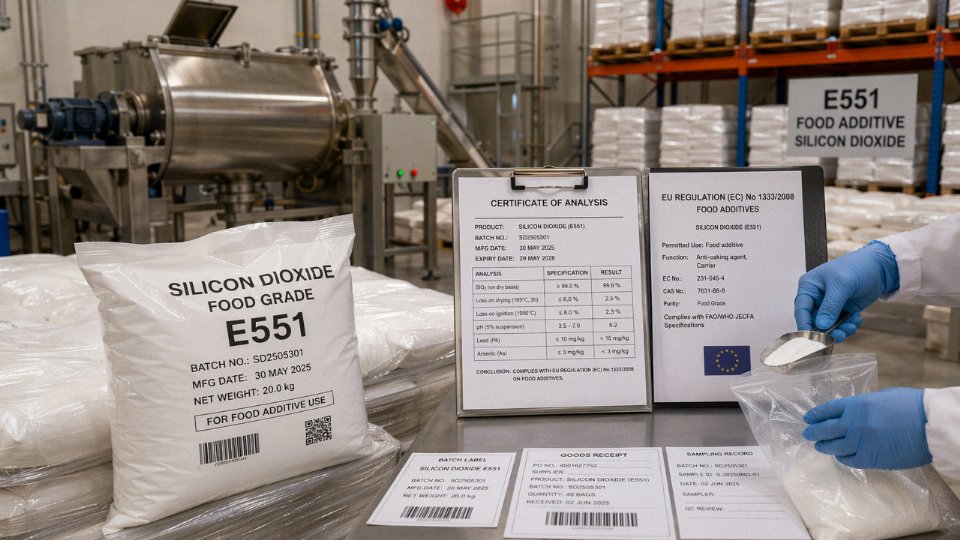
Find out if silicon dioxide is legal in Europe as E551, which food uses are authorised, and how to check grade, labels, and documents.
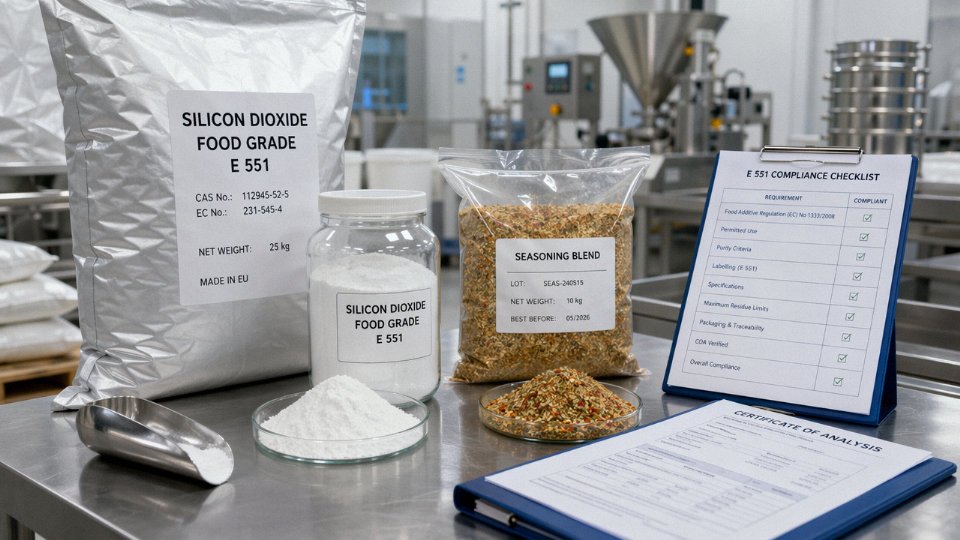
See when silicon dioxide is approved in Europe as E 551, permitted uses, and key checks to prevent label, audit, and supply delays.
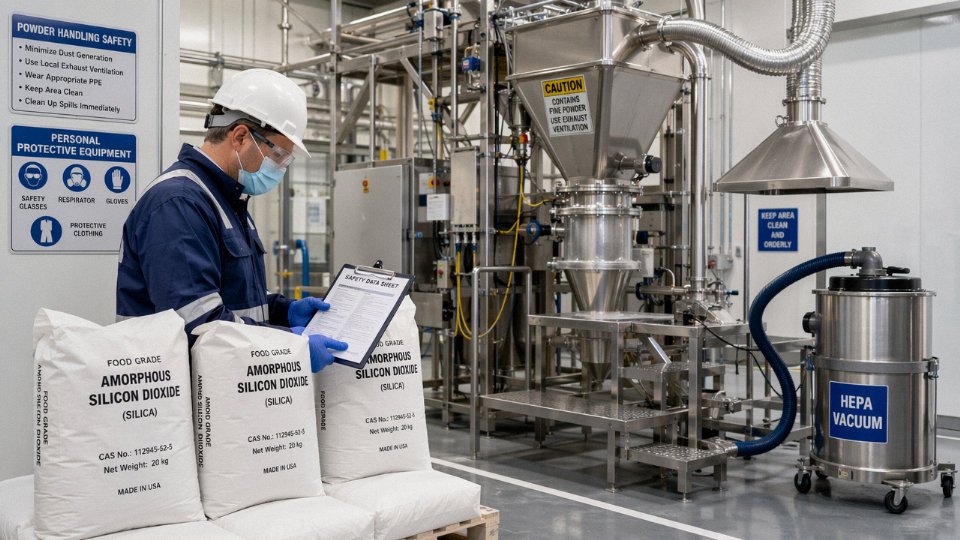
Learn when silicon dioxide is safe, why amorphous food-grade silica differs from crystalline dust, and how form, dose, and exposure affect risk.