A seal that hardens near an oven door, a cable boot that cracks after washdown, or a pad that takes a permanent flat spot under clamp load does not fail politely. It leaks, sheds scrap, trips sensors, pulls maintenance off better work, and turns a cheap part into lost production hours. That is where silicone earns its keep: not as a magic rubber, but as a material choice for heat, cold, weather, electrical insulation, hygiene, and long-life sealing.
Silicone is valued because it stays flexible across a wide temperature band, typically about -60°C to 200°C for many grades, resists ozone and UV, insulates well, and can be molded from soft to fairly firm parts. The exact advantage depends on compound, hardness, exposure, load, and cleaning chemistry.
The catch is that silicone is not automatically the right answer. I have seen it solve chronic steam-area gasket failures, and I have seen it chosen where abrasion or fuel exposure made it a costly mistake. The useful question is not “Is silicone good?” but “Which advantage matters in this plant, on this part, under this duty cycle?”
Temperature Stability: Maintaining Function from Cold Starts to Continuous Heat
Silicone earns a lot of its keep in places where the first shift starts in a freezing yard and the same machine later spends eight hours next to a hot motor, heater bank, oven wall, or battery enclosure. Many standard silicone elastomer grades operate roughly from -60°C to 200°C, depending on formulation, exposure time, mechanical load, and the fluid or gas touching the part. Specialty grades can reach about 250°C or higher for limited duty, but that phrase “limited duty” matters. A few hours during a fault condition is not the same as three years clamped under compression beside a radiant heat source.
That broad temperature window is one reason silicone shows up in seals, gaskets, wire insulation, boots, keypad membranes, appliance parts, lighting seals, and thermal-interface-related assemblies. It is not magic. It is just a polymer family that stays useful across a wider thermal band than many common elastomers.
Cold flexibility without the usual cracking problem
At low temperature, natural rubber, nitrile, and many commodity plastics can stiffen enough that they stop behaving like seals. The part may still look intact on the bench, but the lip no longer follows shaft runout, the gasket no longer fills flange waviness, or a cable grommet cracks when a technician moves it during maintenance. I have seen this happen on outdoor equipment where the seal was acceptable during factory leak testing, then became marginal after a winter weekend shutdown.
Silicone is valued because many grades remain flexible well below freezing. That matters during cold starts, especially on equipment with vibration, pressure pulses, or quick thermal ramp-up. A gasket that can recover while the metal housing is still cold is less likely to create a temporary leak path. A wire insulation that does not turn board-stiff is less likely to crack at a bend radius or connector backshell.
Hardness still matters. Silicone elastomers are commonly available from about 10 to 80 Shore A, with many industrial molded seals specified around 30 to 70 Shore A. A soft 30 Shore A gasket may conform nicely to a rough cast flange, while a 70 Shore A part may be chosen for handling, extrusion resistance, or assembly robustness. Temperature does not erase those tradeoffs.
Heat resistance in real equipment, not just ovens
High-temperature service is where silicone often beats conventional elastomers on lifecycle cost. In ovens, engines, lighting systems, appliances, battery systems, and general industrial equipment, cheaper rubber compounds may harden, shrink, flatten, or embrittle. Once that happens, the part may still be physically present, but it is no longer doing the job.
In lighting, heat from LEDs and drivers can cook small seals over time, particularly in enclosed housings with poor airflow. In appliances, door gaskets and heater-adjacent seals see a mix of heat, cleaning chemicals, steam, and mechanical closing force. Around engines or industrial heaters, radiant heat and oil mist complicate the picture. Silicone usually handles dry heat well, but media contact can change the ranking fast. Hot oils, fuels, solvents, acids, alkalis, steam pressure, and cleaning agents should be checked against the exact grade, not against the word “silicone” on a drawing.
A silicone gasket rated for 200°C on a datasheet will automatically survive continuous service at 200°C in any machine.False
Actual life depends on compound grade, exposure duration, media contact, compression level, part thickness, airflow, and whether the temperature is continuous, intermittent, or a short peak excursion.
A simple example: a molded silicone gasket in a powder-coating oven access panel may last well if it sees dry heat, moderate compression, and stable flange alignment. Put a similar-looking gasket near hot oil mist, over-compress it with uneven bolts, and run thermal cycles twice per hour, and the failure mode changes. You may see permanent flattening, edge cracks, or leakage at the corners long before the nominal temperature rating says it should fail.
Thermal cycling and gasket recovery
The quiet advantage of silicone is not only surviving hot and cold. It is surviving the movement between them.
Metal housings expand. Plastic covers creep. Fasteners relax. Operators open doors while equipment is hot. Washdown hits warm assemblies with cold water. Every cycle asks the gasket or boot to compress, relax, stretch, and recover. Silicone’s elastic recovery helps reduce leakage risk across those changing conditions, especially compared with materials that take a heavy set after heat exposure.
Compression set is a useful screening number here. High-performance silicone elastomers can reach roughly 10% to 30% compression set, depending on grade, temperature, load, test duration, and test method. Lower is generally better for sealing, but the test has to resemble the application. A small O-ring squeezed in a gland, a flat die-cut gasket under wide bolt spacing, and a thick molded boot under bending stress are not equivalent. In practice, the bolting pattern and surface finish can ruin a good material choice.
Qualification should match the way the part will fail
Do not buy silicone only by the highest temperature printed in a datasheet. Ask for the continuous service temperature, intermittent exposure limit, and peak excursion guidance. Then compare those numbers with actual field conditions: trapped heat inside the enclosure, radiant heat from a nearby element, seasonal cold starts, cleaning cycles, and the worst-case maintenance habit. Someone will leave a panel loose. Someone will reuse a flattened gasket. Design with that in mind.
A sensible validation plan usually includes accelerated aging at the expected upper temperature, compression set testing under realistic squeeze, and thermal shock cycling between the cold and hot limits the equipment will see. For electrical protection, test insulation resistance, dielectric strength, and cracking after aging and flexing. For seals, run leak tests after cycling, not just before. For molded parts, check dimensions after heat exposure; shrinkage or warpage can be just as costly as cracking.
The right silicone grade can keep a seal pliable during a cold start, maintain electrical protection near heat, and recover after thousands of expansion cycles. The wrong grade, or the right grade used beyond its real conditions, becomes another maintenance item hiding behind a temperature rating.
Weathering, Ozone, and UV Resistance for Long Outdoor Service Life
Outdoor service is where silicone often earns its keep quietly. Nobody gets excited about a gasket that survives another summer on a rooftop enclosure, but procurement notices when the same part is not being reordered every shutdown season.
The reason starts with chemistry. Silicone elastomers are built around a silicon-oxygen backbone rather than the carbon-carbon backbone found in many organic rubbers. That inorganic backbone is naturally more resistant to ultraviolet light, ozone, oxygen, rain, snow, humidity, and repeated freeze-thaw cycling. In plain plant-floor terms, silicone does not usually “sunburn” and embrittle the way many general-purpose rubbers do when they sit outdoors under load.
That matters on equipment that is expected to stay sealed for years with little attention: outdoor electrical cabinets, solar junction boxes, rail door and window seals, HVAC curb gaskets, architectural glazing, LED lighting seals, telecom base-station hardware, antenna housings, and sensor enclosures mounted on poles where nobody wants to send a technician unless there is a real fault.
How silicone ages outdoors compared with many organic rubbers
Organic rubbers vary widely, so blanket comparisons can get lazy. EPDM, for example, has good weathering resistance and is a strong competitor in many exterior sealing jobs. Nitrile, natural rubber, and some general-purpose compounds are much less forgiving in ozone and sunlight unless protected by waxes, antiozonants, coatings, or careful formulation.
The visible failure pattern is familiar. A black rubber gasket starts with fine surface checking on the stretched corners. Then the checks become cracks. The lip hardens, takes a set, and no longer follows the mating flange. After a few heat cycles and rain events, water finds the low spot. Inside the box you get white corrosion on terminals, green copper salts around a ground lug, or nuisance trips that maintenance chases as an electrical problem.
Silicone typically avoids that rapid ozone cracking behavior. It may collect dirt. It may lose some gloss. Some grades will show slight surface chalking or color shift after long UV exposure, depending on pigment and filler package. But a properly selected silicone seal usually keeps useful flexibility and sealing contact far longer than many rubbers exposed to the same sunlight, ozone, and temperature swing.
Silicone is generally more resistant to UV, ozone, and outdoor oxidation than many common organic rubbers.True
The silicon-oxygen backbone of silicone elastomers is less prone to UV and ozone attack than the carbon-carbon structures found in many organic rubbers, although actual outdoor life still depends on compound design, stress, installation, and chemical exposure.
Why sealing force is the real business case
The advantage is not just that silicone looks better after weathering. The useful metric is sealing force over time.
A gasket can appear intact and still fail if it has lost too much compression recovery. High-performance silicone elastomers can reach roughly 10% to 30% compression set, depending on grade, temperature, load, geometry, and test method. In outdoor assemblies, that recovery helps the seal keep pressure against the flange after months of thermal expansion, cabinet vibration, and seasonal cycling. Common industrial molded parts are often specified around 30 to 70 Shore A, while silicone elastomers as a family can run from about 10 to 80 Shore A. The right hardness depends on flange stiffness, fastener spacing, compression target, and how much squeeze the installer can actually achieve without bending sheet metal.
Get that right and water ingress drops. Corrosion drops with it. So do field replacements, nuisance service calls, and warranty arguments where everyone blames everyone else: the enclosure supplier blames installation, the contractor blames the gasket, and maintenance just wants the thing dry.
A typical case is an outdoor control box on a washdown-exposed packaging line or rooftop HVAC unit. If the seal hardens after two summers, rainwater and condensation start showing up at the bottom seam. The fix is rarely just a gasket. Now someone cleans terminals, replaces a corroded DIN rail, dries the cabinet, checks the VFD, and maybe reworks cable glands. A better weathering seal costs more at purchase, but the avoided trip can pay for a lot of rubber.
Where silicone fits best in exposed infrastructure
Silicone is a strong candidate where long exposure, heat, sunlight, and sealing reliability overlap. Solar equipment is a good example: rooftop arrays see UV, thermal cycling, wind-driven rain, and high surface temperatures. Outdoor lighting sees heat from the fixture and UV from the environment. Rail and transportation seals see vibration, road salt, cleaning chemicals, and wide temperature swings. Telecommunications hardware may sit on towers or rooftops for years with no routine inspection beyond “is the signal still up?”
Architectural glazing and facade joints are another natural home for silicone, although those are usually sealants rather than molded elastomer parts. The same basic benefit applies: flexibility and adhesion must survive weather without cracking away from the joint faces.
Selection details that still decide field life
Silicone is not magic. I have seen good materials fail early because the joint design was poor or the installer treated the gasket like a washer.
Pigment and filler package affect UV stability, color retention, tear strength, and surface behavior. Surface finish matters because a rough or porous contact face can trap water and dirt. Stress level is big: an overstretched corner or a sharp punched edge can start a tear that no material chemistry will rescue. Installation quality matters too, especially fastener torque and compression uniformity. A cordless driver set too high can dish a thin enclosure flange and create a leak path right beside a premium gasket.
Chemical exposure needs a separate review. Silicone handles weather very well, but oils, fuels, some solvents, and certain cleaning agents can swell or degrade specific grades. If the seal sits near hydraulic oil mist, diesel splash, asphalt fumes, or aggressive industrial cleaners, do not select from a weathering data sheet alone. Ask for compatibility data, or better, run a soak and compression test using the actual fluid and the real operating temperature.
For outdoor assets with long inspection intervals, that extra review is not paperwork. It is the difference between a seal that ages quietly and one that becomes a wet electrical fault six meters up a pole in January.
Elastic Recovery and Compression Set Performance in Seals and Gaskets
What compression set means on the plant floor
Compression set is the permanent “squash” left in an elastomer after it has been held under compression for a defined time, temperature, and strain, then allowed to recover. In plain terms: you clamp a gasket, heat it, leave it loaded, open it later, and ask whether it springs back or stays flattened like old chewing gum.
That recovery is not cosmetic. A seal works because it keeps enough contact stress against the mating surfaces after bolts relax, panels move, housings expand, and operators open and close the assembly a few hundred or a few million times. Silicone earns its keep here because good grades can retain flexibility and rebound across a wide temperature band. High-performance silicone elastomers often land around 10% to 30% compression set, depending on formulation, cure system, temperature, compression level, exposure time, and test method. Do not buy from that number alone. Ask how it was tested.
A low compression set value usually means a silicone seal is better at maintaining sealing force after long-term clamping.True
Compression set measures permanent deformation after controlled compression. Lower set generally indicates better elastic recovery, though actual sealing performance still depends on gland design, surface finish, media exposure, and installation.
Where low compression set pays for itself
Door seals, enclosure gaskets, O-rings, face seals, sanitary gaskets, appliance seals, and aerospace or automotive components all fail in boring ways before they fail dramatically. A cabinet gasket takes a set and lets washdown water wick past the corner. A molded O-ring in a heated manifold stops pushing back after shutdown cycles. A refrigerator or oven door seal loses contact at the hinge side. In a control enclosure, that may mean condensation on terminals; in a sanitary line, it can mean product trapped behind a flattened gasket lip. Neither one is fun during a root-cause meeting.
Silicone is especially useful where the seal sees temperature swing but still needs a soft touch. Many standard silicone grades are used around about -60°C to 200°C, while specialty grades can reach about 250°C or higher for limited duty. That range depends heavily on grade, exposure time, air versus fluid contact, and whether the part is loaded continuously. A static gasket in dry heat is not the same job as a dynamic seal rubbing on a shaft with oil present.
A typical example: an outdoor electronics enclosure has a molded silicone perimeter gasket, compressed by quarter-turn latches. In winter it must stay flexible enough to seal around slight panel distortion. In summer sun, the same gasket may sit hot for weeks. If the material takes a high set, the latch still feels closed, but the gasket no longer has enough rebound. Dust gets in first. Water follows later.
Material selection is a balance, not a catalog checkbox
Silicone elastomers are commonly available from about 10 to 80 Shore A, with many industrial molded seals specified around 30 to 70 Shore A. Softer grades conform well to imperfect surfaces and need lower closing force. Harder grades resist extrusion better and can handle rougher handling, but they need more squeeze and better hardware stiffness.
The trade-offs are real. Increase crosslink density and you may improve heat resistance or compression set, but elongation can drop. Choose a very soft compound and sealing contact may improve at low clamp load, yet tear resistance at the groove edge can become marginal. Push tensile strength and tear resistance too far with fillers or formulation changes, and the part may not recover the way the designer expected.
Geometry matters just as much as compound. A thick bulb seal can tolerate panel variation better than a thin flat gasket, but it may roll during installation. A small O-ring in a poorly sized gland can be ruined by 5 minutes of enthusiastic assembly with a dry screwdriver. I have seen maintenance teams blame “bad rubber” when the real issue was a sharp gland corner and a burr left from a rushed machining change.
Design and installation decide whether the advantage shows up
Good silicone sealing starts with the groove. Compression percentage, gland fill, stretch, squeeze direction, and thermal expansion all need to be checked before tooling is cut. Static face seals often work in a moderate compression window; too little squeeze leaks, too much squeeze accelerates compression set and can split corners. The right value depends on seal shape, hardness, tolerance stack, pressure, temperature, and whether the joint will be opened repeatedly.
Surface finish is another quiet killer. A polished mating face is not always required, but deep tool marks, weld spatter, porous castings, and coating buildup across the sealing land can defeat even a good gasket. Parting-line control and flash limits also deserve procurement attention. Flash across a sealing bead can create a leak path or change local compression. If the drawing only says “silicone gasket” with no flash limit, expect variation.
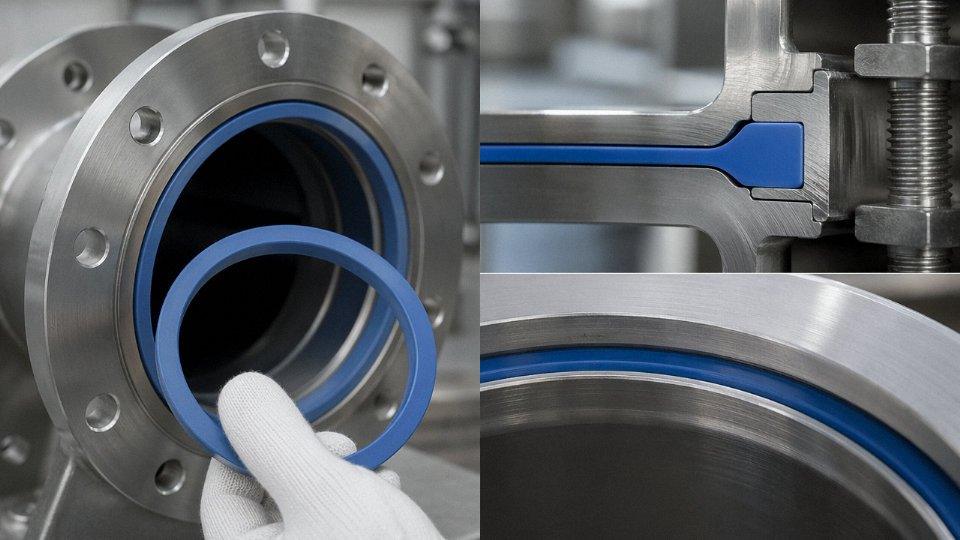
Installation method should be part of the specification, not tribal knowledge. Use compatible lubricants where needed, especially for O-rings and push-in seals. Some greases swell or soften certain silicone compounds, and some silicone-based lubricants are unwelcome in painting, coating, or electronics operations because of contamination risk. Check compatibility with the actual fluid and process, not just a generic chart.
Common ways to lose the sealing benefit
Over-compression is the classic one. It feels safe because the joint closes tight, but the seal may be crushed beyond its working range and never recover. Sharp gland edges cut into the rubber during thermal movement. Poor latch spacing creates high squeeze near fasteners and low squeeze between them. A gasket stored folded in a hot maintenance crib can arrive half-failed before it is installed.
Silicone also has limits. If aggressive oils, fuels, solvents, or abrasive sliding are the main loads, another elastomer may be the better engineering choice. Fluorosilicone, fluorocarbon, EPDM, nitrile, or polyurethane may fit better depending on the media and motion. The right choice is the one that survives the actual duty cycle, not the one with the best single property on a datasheet.
Electrical Insulation, Arc Resistance, and Dielectric Stability
Silicone earns a lot of its keep in electrical work because it stays insulating while the rest of the assembly is being abused by heat, moisture, vibration, and poor access. On a clean datasheet, many silicone rubbers and encapsulants show dielectric strength in the rough range of 15 to 25 kV/mm, sometimes outside that band depending on filler package, cure system, thickness, void content, and test standard. That number is not a license to shrink clearances. It is a material property, not a finished-product safety rating.
In the plant, the attraction is simpler: silicone does not become hard and glassy after heat cycling the way some plastics do, and it does not usually lose flexibility after outdoor exposure the way many organic rubbers do. That makes it useful around terminals, cable exits, sensor heads, LED housings, busbar covers, and potted electronics mounted near motors, heaters, compressors, or battery packs.
Where silicone insulation makes sense
Wire and cable insulation is one of the oldest examples. Silicone-insulated leads are common near ovens, heaters, lighting fixtures, high-temperature instruments, and motor connections where PVC would embrittle or deform. Many standard silicone grades operate around -60°C to 200°C, with specialty grades reaching roughly 250°C or higher for limited duty. The real limit depends on voltage stress, air movement, conductor temperature, flame requirements, and whether the cable is flexed or left alone in a panel.
Connectors and grommets benefit for the same reason. A silicone seal around a connector can keep contact pressure and environmental sealing even after thermal cycling, which matters on outdoor equipment, food-processing washdown panels, railway hardware, and battery enclosures. If that seal takes a set or cracks, moisture gets in. Then the failure looks electrical, but the root cause was mechanical sealing.
High-voltage insulators use silicone because it resists tracking and sheds water well when properly formulated. On transmission, switchgear, and test equipment, hydrophobicity helps reduce leakage current under fog, rain, and contamination. Still, I have seen “good material” lose the argument against bad geometry. Dirt paths, tight creepage, sharp metal edges, and poorly drained surfaces will beat a premium elastomer given enough humidity and voltage.
Silicone is automatically safe for any high-voltage insulation design.False
Silicone can provide strong dielectric performance and arc resistance, but the final design still depends on creepage, clearance, contamination level, part thickness, void control, cure quality, and qualification testing under the actual voltage, temperature, and humidity profile.
Encapsulation, coatings, gels, and thermal interfaces
Electronics teams use silicone in several formats, and they are not interchangeable.
Potting compounds are used when the assembly needs moisture protection, vibration resistance, and electrical insulation. A potted sensor in a pump skid, for example, may survive years of condensation and vibration if the potting bonds well, cures fully, and does not trap air around high-voltage nodes. The wrong potting choice can crack solder joints, block heat, or make repair impossible.
Silicone gels are softer. They are useful for delicate components, pressure-sensitive parts, fine wire bonds, and assemblies that need stress relief. In power electronics, a gel may protect IGBT modules, inverter boards, or high-voltage sensing circuits while allowing some movement during thermal cycling. The tradeoff is handling. Gels can be damaged during rework, contaminated by dust, or displaced if the enclosure design is sloppy.
Conformal coatings are thinner and more serviceable. They protect printed circuit boards from condensation, dust, and mild chemical exposure without burying the whole assembly. Silicone coatings are often chosen where the board sees temperature swing or vibration. Acrylic coatings are easier to remove; urethanes may resist some chemicals better. Pick based on the failure mode, not habit.
Thermal gap fillers are a different animal again. They are loaded with thermally conductive fillers so heat can move from power devices, LED boards, battery modules, or controllers into a heat sink or enclosure wall. Typical silicone gap pads and dispensable fillers trade some electrical and mechanical properties for thermal conductivity. Filler type matters. Alumina, boron nitride, silica, and other packages change dielectric behavior, hardness, pump-out resistance, density, and cost.
Flexibility reduces electrical failures that start mechanically
Rigid insulating materials can work beautifully in clean, fixed geometry. Trouble starts when the assembly moves. A motor lead vibrates. A battery module grows and shrinks with charge cycles and temperature. An LED board expands against an aluminum extrusion. A connector is serviced by a mechanic wearing gloves, not by a lab technician.
Silicone’s flexibility helps absorb those movements. Common industrial molded parts often sit around 30 to 70 Shore A, though silicone elastomers can range roughly from 10 to 80 Shore A. Softer grades protect delicate electronics and seal uneven surfaces; harder grades hold shape better and resist handling damage. Too soft, and the material may tear or creep out of position. Too hard, and it stops doing the stress-relief job you bought it for.
The qualification traps
Electrical performance depends heavily on formulation and processing. Conductive or semi-conductive fillers, flame-retardant packages, pigments, catalyst residues, mold release, ionic contamination, and incomplete cure can all change insulation behavior. Even fingerprints and wash chemistry can matter on high-impedance circuits.
Geometry is just as unforgiving. Thin spots, bubbles, sharp corners, trapped air, and short creepage paths concentrate electric field stress. A sample plaque that passes dielectric testing tells you less than people think if the production part has knit lines, metal inserts, or inconsistent dispense volume.
A practical qualification plan should include real voltage, humidity, temperature cycling, contamination exposure where relevant, and aged samples, not only fresh parts from a perfect first batch. For high-volume procurement, ask for the exact grade, cure method, filler family, shelf-life controls, and change-notification terms. Substituting “equivalent silicone” without requalification is one of those small purchasing wins that can turn into nuisance trips, field returns, or a burned connector six months later.
Biocompatibility, Food Contact, and Clean Processing Advantages
Silicone gets specified in clean-contact applications for a simple reason: selected grades can be made soft, stable, low-odor, and chemically clean enough for direct or indirect contact with people, food, drugs, or lab samples. That does not mean “silicone” is automatically approved for a baby bottle nipple, a pharmaceutical pump diaphragm, or a surgical drain.
Grade matters. Cure system matters. Post-curing matters. Paperwork matters.
In practice, silicone shows up in food equipment gaskets, transfer tubing, sanitary hose liners, bakeware, bottle components, laboratory stoppers, seals in filling machines, pharmaceutical processing parts, diaphragms, non-implantable medical devices, and some implantable devices when the compound is specifically designed and qualified for that duty. The attraction is not just softness. It is the combination of flexibility, low taste transfer, low odor, washable surfaces, and resistance to many cleaning, sanitation, or sterilization cycles, depending on the exact formulation.
Why clean industries like silicone
A good food-contact or medical silicone does not usually bring the rubbery smell that operators associate with many organic elastomers. That matters more than people admit. In a dairy, beverage, nutraceutical, or infant-care product line, a faint odor transfer can turn into rejected product even if the seal still looks mechanically sound. I have seen maintenance teams chase “process contamination” for half a shift before somebody pulled a newly installed gasket and found the source by smell alone.
Silicone also stays flexible across washing and temperature swings better than many low-cost elastomers. Standard silicone grades often tolerate a broad service window, roughly from -60°C to 200°C, while specialty grades may reach around 250°C or higher for limited duty. The useful range depends on compound, exposure time, load, cleaning chemistry, and whether the part is under compression or free-standing. That flexibility is useful in bottle valves, tubing, sanitary gaskets, closures, and lab plugs where a stiff part can leak, crack, or become hard to assemble after repeated cycles.
Common sanitation and sterilization methods may include hot water washdown, steam exposure, autoclaving, gamma irradiation, ethylene oxide, peroxide-based cleaners, alcohol wipe-down, or caustic and acid cleaning programs. Silicone can be compatible with several of these, but not all grades handle all methods equally. Steam can age some compounds faster. Gamma can shift mechanical properties. Aggressive oils, flavors, or CIP chemicals may swell certain silicones. The right question is not “is silicone compatible?” It is “which silicone, at what concentration, temperature, time, and replacement interval?”
Industrial, food-grade, medical-grade, platinum-cured, and implant-grade are not the same thing
This is where procurement mistakes get expensive.
Industrial silicone is a broad label. It may be perfectly good for enclosure seals, vibration pads, electrical boots, or general molded parts, but it may not be compounded, cured, cleaned, tested, or documented for food or medical contact.
Food-grade silicone typically refers to material formulated and documented for food-contact requirements. Depending on market and application, buyers may ask for evidence related to FDA 21 CFR 177.2600, EU 1935/2004, BfR, LFGB, NSF, or 3-A Sanitary Standards. The relevant standard depends on the product, country of sale, contact conditions, and whether the part touches dry food, fatty food, aqueous product, or high-temperature product.
Medical-grade silicone is another step, but still not a universal approval. Non-implant medical tubing, masks, seals, drains, and device components may need data such as USP Class VI, ISO 10993 biocompatibility testing, cytotoxicity, sensitization, irritation, and sometimes hemocompatibility or systemic toxicity, depending on patient contact type and duration.
Platinum-cured silicone is often preferred for high-purity tubing and medical or food parts because it tends to have fewer cure byproducts than peroxide-cured material. That does not automatically make it medical-grade. It is a cure chemistry, not a regulatory passport.
Implant-grade silicone is a highly controlled category with tighter formulation control, validation, traceability, and biological evaluation. Do not substitute “medical-grade” or “platinum-cured” material into an implantable device because the sheet says it is clean or translucent. That shortcut can create a regulatory and patient-safety problem, not just a purchasing variance.
A silicone part is not food-grade, medical-grade, or implant-grade simply because it is made from silicone.True
Compliance depends on the exact compound, cure system, processing controls, test data, intended contact conditions, supplier documentation, and applicable regulations.
What to verify before buying or releasing parts
For regulated products, I would rather slow down a purchase order than quarantine finished goods later. Ask for the actual compound data, not a generic brochure. The minimum package often includes certificate of analysis or conformance, batch traceability, regulatory declarations, cure system information, post-cure status, and evidence that the manufacturing environment matches the intended use.
Extractables and leachables data deserve special attention in pharmaceutical and medical applications. A seal or tube may pass basic mechanical checks and still release low-level compounds into a drug product, reagent, or biological sample. The risk depends on solvent, temperature, contact time, surface area, and whether the process is single-use or repeated. In pharma work, surface-area-to-volume ratio can make a small gasket more significant than it looks on a drawing.
Post-curing is another practical detail. Some silicone parts are heat-treated after molding or extrusion to drive off residual volatiles and stabilize properties. Skip it, shorten it, or mix post-cured and non-post-cured inventory, and you can get odor complaints, extractables failures, or inconsistent compression behavior. I like to see post-cure conditions stated as a range tied to the material specification, not passed around verbally between purchasing and the molder.
A compact way to screen the choice:
| Application | Usually required focus | Common procurement risk |
|---|---|---|
| Food equipment gasket | Food-contact declarations, washdown resistance, color control, metal-detectable option if needed | Buying general silicone sheet and cutting seals without compliant documentation |
| Pharma transfer tubing | Extractables/leachables, lot traceability, sterilization compatibility, clean packaging | Treating “platinum-cured” as enough proof |
| Baby care component | Taste, odor, migration testing, regulatory fit by sales region | Approving a soft compound before checking contact and aging data |
| Lab stopper or septum | Low contamination, pierceability, chemical exposure, particle control | Assuming all translucent silicone behaves the same |
| Implantable device part | Implant-grade material system, full biological evaluation, validated processing | Substituting medical-grade non-implant material to save lead time |
The right silicone grade can make cleaning easier, reduce taste or odor issues, survive repeated sanitation, and give operators a part that installs without drama. The wrong grade can pass incoming inspection and still fail where it hurts: audit findings, batch holds, customer complaints, or a device file that no one wants to defend.
Manufacturing Flexibility: Molding, Extrusion, Liquid Silicone Rubber, and Coatings
Silicone is not one process and one product shape. That is one of its quiet advantages. The same material family can show up as a compression-molded keypad, an extruded oven-door gasket, a dip-coated electrical boot, a cast encapsulant, a calendared sheet, or a two-part room-temperature vulcanizing sealant applied by a maintenance technician on the night shift.
That flexibility matters to engineers and buyers because process choice drives tooling cost, scrap rate, tolerance control, labor content, and lead time. Pick the wrong route and the material may still be “good silicone,” but the part cost or quality yield will punish you.
Common processing routes and where they fit
Compression molding is still widely used for lower to medium volumes, thicker gaskets, simple seals, pads, and parts where tooling cost needs to stay reasonable. It is forgiving, but flash trimming and cycle time can become expensive. Transfer molding sits between compression and injection molding; it can handle more detail and some insert work, though runners and material loss need watching.
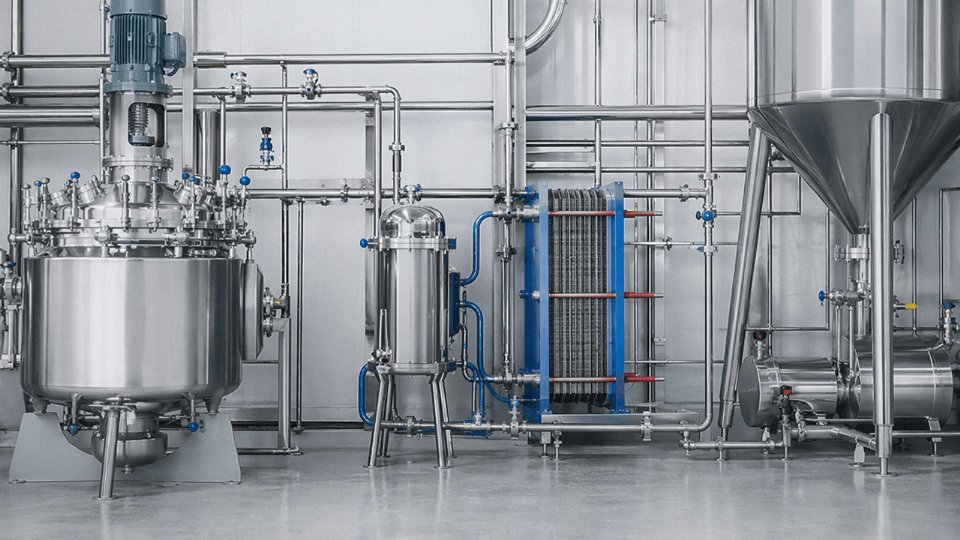
High-consistency rubber injection molding is better for repeatable production once volume justifies the tool. Liquid silicone rubber molding, usually called LSR molding on the shop floor, goes further: metered two-part material, static mixing, automated injection, heated molds, and short cure cycles. For high-volume parts with fine detail, thin walls, tight flash limits, or insert molding, LSR can be the cleanest answer.
Extrusion handles tubing, cords, profiles, bulb seals, sponge seals, medical tubing, and wire insulation. Calendaring is used for sheet, coated fabric, and uniform thin stock. Dip coating works for grips, caps, insulation layers, and irregular shapes that are awkward to mold. Casting and potting are common in electronics and tooling applications. Room-temperature vulcanizing systems are not just hardware-store sealants; industrial RTV grades are used for formed-in-place gaskets, electrical encapsulation, vibration damping, and field repair.
Why LSR is attractive in high-volume production
LSR shines when the plant has stable demand, a well-built mold, and the discipline to control the process. It supports complex geometries, small shutoff features, thin membranes, integrated seals, and overmolding onto metal or plastic inserts. In a good cell, parts drop automatically, vision inspection catches short shots or insert misloads, and operators are not standing there with scissors trimming flash all day.
Tight flash control depends on tooling quality, clamp stability, venting, material viscosity, and injection pressure. I have seen procurement teams compare LSR quotes as if all cavities are equal. They are not. A cheap mold with poor cavity balance can turn a good material into a sorting project.
Cold runner systems can reduce waste because LSR is relatively expensive compared with many commodity rubbers. They also add tool complexity and maintenance. Valve gates, nozzle temperatures, and shot balance need real attention. A neglected cold runner will not politely tell you it is drifting; it shows up as weight variation, flash, or incomplete fill.
Typical industrial silicone elastomers are available across roughly 10 to 80 Shore A, with many molded production parts specified around 30 to 70 Shore A. The workable range depends on grade, filler package, color, geometry, demolding method, and how much abuse the part sees in service.
Extrusion needs cure control, not just a good die
Extruded silicone looks simple until the line starts wandering. Tubing ovality, profile twist, surface marks, and inconsistent wall thickness usually trace back to die design, compound batch variation, puller speed, cure oven balance, or sloppy cooling and handling. Peroxide-cured and platinum-cured systems behave differently. Sponge extrusion adds another layer, because expansion has to be controlled along with cure.
For tubing and profiles, downstream inspection is not optional if the seal or fluid path matters. Plants commonly use laser micrometers, camera checks, spark testing for wire insulation, durometer checks, and cut-length sampling. The exact inspection plan depends on the risk of the part. A decorative edge trim does not need the same control plan as a pump tube or a high-voltage boot.
Wrong cure or poor dimensional stability leads to parts that pass receiving inspection and fail during assembly. That is the ugly version. The line stops, maintenance blames the gasket, quality blames storage, and purchasing discovers the low-cost source never controlled oven profile in the first place.
Design freedom is real, but not free
Silicone can be transparent, translucent, matte, glossy, soft-touch, tacky, low-friction, colored, electrically conductive, thermally conductive, flame-retardant, or formulated to reduce blooming and surface drag. Self-lubricating grades help in assembly where operators otherwise reach for silicone oil, which can contaminate paint, bonding, or optical areas. Conductive silicone is useful for EMI gaskets and grounding pads. Thermally conductive grades help bridge heat paths, though they are usually stiffer and more filler-loaded than standard elastomers.
Color matching deserves a practical warning: pigments can affect cure, traceability, and regulatory status. Clear silicone can yellow or pick up contamination if the process is dirty. A white medical-looking part made in a tired rubber shop with carbon black dust in the air will not stay pretty for long.
Production engineering checks before locking the supplier
Silicone shrinkage must be built into the tool. The range depends on material type, filler loading, cure system, geometry, mold temperature, and post-cure practice. Venting is equally critical; trapped air causes burns, voids, weak knit areas, or flash chasing. Cure time is not just a catalog number. It changes with wall thickness, mold heat transfer, insert mass, and whether the processor is trying to squeeze cycle time past the safe limit.
Post-curing may be needed to drive off volatiles, stabilize properties, reduce odor, or meet food, medical, or electrical requirements. That step adds time, energy use, floor space, and handling risk. Scrap management should be discussed early, since cured silicone is not reprocessed like thermoplastic sprues.
Liquid silicone rubber can deliver highly repeatable, automated production, but only when tooling quality, metering, venting, temperature control, and cavity balance are properly engineered.True
LSR is capable of tight repeatability, low flash, and automated demolding, but poor mold design or weak process control quickly creates flash, short shots, insert defects, and scrap.
For supplier audits, I would look beyond the sample parts. Ask about metering equipment calibration, mold maintenance records, material lot control, post-cure ovens, flash measurement, cavity-specific rejects, and how they handle mixed hardness or color changeovers. A capable silicone processor will answer those questions without theatrics. A weak one will send a nicer brochure.
Chemical Resistance and Media Compatibility: Where Silicone Performs and Where It Does Not
Silicone is often treated as the “safe” elastomer choice because it survives heat, weather, ozone, and aging better than many common rubbers. That is only half the story. In chemical-contact service, silicone can be excellent, average, or completely wrong depending on the fluid, temperature, concentration, exposure time, motion, and the exact compound.
I have seen silicone gaskets run for years on hot air, washdown splash, and mild detergent duty, then fail quickly after someone changed the cleaning chemical to a stronger alkaline blend. Same gasket shape. Same clamp load. Different chemistry.
Where silicone usually behaves well
Standard silicone elastomers generally perform well in clean water exposure, rain, outdoor weathering, oxygen-rich environments, dry heat, and many mild detergent or dilute cleaning conditions. This is why silicone shows up in appliance seals, lighting gaskets, outdoor electrical boots, food-contact tubing, oven door seals, and protective covers.
It is also useful where oxidation is the real enemy. Natural rubber, nitrile, and some thermoplastic elastomers can harden or crack after long exposure to ozone and warm air. Silicone tends to age more gracefully in those conditions. In practice, that can mean fewer cracked inspection-port seals, less nuisance leakage after seasonal shutdowns, and better recovery after repeated hot-cold cycles.
Steam needs more caution. Low-pressure intermittent steam exposure may be acceptable for some grades, especially when the compound is selected for that service. High-pressure steam, continuous sterilization cycles, and wet heat under compression are tougher. Hydrolysis, compression set increase, and loss of strength can show up faster than the datasheet headline suggests.
Silicone is chemically resistant to every industrial fluid because it is used in high-temperature sealing.False
Silicone’s heat and weathering resistance do not automatically mean compatibility with fuels, petroleum oils, strong acids, strong bases, aggressive solvents, or concentrated process chemicals. Media testing is still required.
Common weak spots: oils, fuels, solvents, and concentrated chemicals
Petroleum oils and hydrocarbon fuels are frequent trouble areas. Silicone can swell, soften, and lose mechanical strength in many mineral oils, gasoline blends, diesel, aromatic solvents, and fuel additives. The amount of damage depends on the formulation, fluid chemistry, temperature, and whether the part is static or flexing.
A silicone boot that only sees a light oil mist may last acceptably. A silicone seal submerged in hot gear oil or fuel may grow, turn gummy, and lose sealing load. Those are very different applications, even if both get described casually as “oil exposure” on a purchase requisition.
Strong acids and strong bases are another danger zone. Dilute, brief contact may be tolerable in some cases. Concentrated caustic, strong oxidizing acids, and aggressive cleaning concentrates can attack the polymer network or pull out additives. Surface tack is an early warning. So is a gasket that feels softer after cleaning, then takes a permanent set after the next heat cycle.
Solvents are messy. Alcohols, ketones, chlorinated solvents, aromatic hydrocarbons, and process blends do not behave the same. Some cause swelling. Some extract low-molecular-weight components. Others leave the part harder and more brittle after drying. A wipe-down exposure is not the same as immersion, and a room-temperature lab jar is not the same as a hot enclosure with trapped vapor.
How silicone compares with other elastomers
No elastomer wins everywhere. Anyone saying otherwise is selling, not engineering.
| Material family | Often strong in | Common caution areas |
|---|---|---|
| Silicone | Heat, ozone, UV, oxygen, dry air, flexibility, many clean applications | Fuels, many petroleum oils, strong acids and bases, some solvents, high-pressure steam |
| Fluorocarbon | Oils, fuels, many solvents, high temperature | Low-temperature flexibility, steam and hot water in some grades, cost |
| EPDM | Hot water, steam in suitable grades, weathering, many alkaline cleaners | Petroleum oils and hydrocarbon fuels |
| Nitrile | Petroleum oils, greases, moderate-cost industrial sealing | Ozone, UV, high heat, some fuels and solvents depending on acrylonitrile content |
| Neoprene | Weathering, moderate oil resistance, general-purpose gasketing | Strong solvents, high-temperature aging, some fuels |
| Polyurethane | Abrasion, tear strength, load-bearing parts | Hot water, hydrolysis in some types, high heat, some chemicals |
| Thermoplastic elastomers | Processing efficiency, overmolding, design flexibility | Heat aging, compression set, chemical resistance varies widely by chemistry |
That table is deliberately broad. Grade selection changes the answer. A peroxide-cured silicone, platinum-cured liquid silicone rubber, fluorosilicone, and filled high-consistency rubber may all behave differently in the same fluid. Colorants, plasticizers, fillers, post-cure, and cure residues matter too.
Practical failure modes to watch for
Chemical incompatibility rarely announces itself with a clean fracture on day one. More often, it creeps in.
Swelling is the obvious one: the seal grows, squeezes out of the groove, or increases friction until a shaft seal overheats. Softening is worse in dynamic applications because the lip loses geometry. Embrittlement shows up as cracking during maintenance removal. Tensile strength loss can turn a molded diaphragm into a consumable item. Additive extraction may leave a surface film in the process stream, which is a real concern in food, medical, coating, and electronics plants.
Compression set increase is the quiet failure. The gasket still looks present, but it no longer pushes back hard enough. Right material, right gland, right torque: stable seal. Wrong media choice: permanent deformation, weeping joints, retorque cycles, then downtime.
Test before approving chemical-contact service
For chemical exposure, do not approve silicone from a catalog sentence alone. Ask the supplier for compound-level compatibility data, not just generic polymer guidance. Then test the actual fluid.
A useful screening test usually includes immersion at expected and worst-case temperatures, often for a few days to several weeks depending on service risk. Measure volume change, weight change, Shore A hardness shift, surface condition, and tensile properties after exposure. For sealing parts, compression set after fluid aging is worth checking because a swollen sample can still fail once it is compressed and heated.
A rough acceptance band depends on the application. A static cover gasket may tolerate modest swelling. A precision valve seal, peristaltic pump tube, or electrical potting interface may not. If the process fluid is proprietary, seasonal, recycled, or supplier-variable, test the real batch range, not the clean textbook chemical.
Lifecycle Economics: When Silicone Reduces Downtime, Warranty Risk, and Maintenance Cost
A silicone gasket that costs three times as much as a commodity rubber gasket may still be the cheaper part. That sounds like purchasing heresy until the line is down, a technician is scraping baked-on residue off a flange, and production is waiting on a seal that failed six months earlier than planned.
For seals, insulation boots, gaskets, tubing, keypad covers, cable glands, and protective sleeves, purchase price is often the smallest visible number in the real cost stack. The failure consequence matters more. A two-dollar part can stop a filling line, trip an electrical cabinet, contaminate a batch, or create a warranty claim that costs more in freight and handling than the part ever did.
In practice, silicone earns its place where the component is small but the risk attached to failure is large.
Unit price is not the same as installed cost
Procurement teams see the quote first. Maintenance sees the failure later.
The installed cost of an elastomer part includes the operator or mechanic time to fit it, line access, cleaning, torque checks, leak testing, paperwork in regulated plants, and sometimes waiting for the equipment to cool down. On a simple access panel, that may be trivial. On a heated vessel, outdoor electrical enclosure, or compact automated machine with poor access, labor can exceed the gasket price by a wide margin.
Downtime cost varies wildly. A small manual assembly cell may lose a few hundred dollars per hour, depending on labor loading and backlog. A high-speed packaging, extrusion, pharmaceutical, or continuous process line can lose several thousand to tens of thousands per hour once scrap, restart losses, missed shipments, and supervisor time are counted. I have seen plants argue for weeks over a gasket price difference and then burn the same amount during one bad changeover.
That is the wrong fight.
Where silicone lowers total ownership cost
Silicone can reduce cost through fewer interventions, not magic. The economics usually come from one or more of these:
- Longer replacement intervals in heat, cold, outdoor exposure, or cyclic compression
- Fewer leakage events after thermal cycling or seasonal temperature swings
- Less rework caused by brittle insulation, hardened gaskets, or cracked protective covers
- Lower warranty exposure in equipment shipped to unknown climates
- More stable performance where cleanliness, electrical insulation, or long-term elasticity cannot drift much
A typical example: an outdoor control enclosure uses a low-cost gasket that looks fine during assembly. After two summers and one winter, it takes a compression set, rain enters at the hinge side, and a terminal strip corrodes. The gasket was cheap. The field visit was not. Switching to a properly specified silicone profile may raise the gasket cost from “almost invisible” to “noticeable,” but if it prevents one truck roll or warranty replacement, the payback is easy to justify.
The same logic applies inside machinery. A silicone sleeve over a sensor lead near a heat source can prevent intermittent faults that are hard to diagnose. Intermittent faults are expensive because technicians chase them. They replace the wrong photoeye, swap a PLC input card, wiggle cables, and lose confidence in the machine.
What drives silicone part cost
Not all silicone parts are priced the same, and a high quote is not always supplier margin. Cost is affected by the compound and by how annoying the part is to make.
Common cost drivers include:
- Raw material grade: general-purpose, high-tear, flame-retardant, medical, food-contact, low-volatile, or electrically conductive grades
- Cure system: peroxide-cured and platinum-cured systems have different material costs, processing behavior, and extractables profiles
- Tolerances: tight flash limits, thin walls, and precision profiles raise tooling and inspection burden
- Tooling complexity: undercuts, long flow paths, multi-cavity balance, and parting-line control all matter
- Part volume: low-volume molded parts carry setup time; high-volume liquid silicone rubber parts can amortize automation and tooling
- Color requirements: custom colors, translucent parts, and strict color matching add controls, especially across batches
- Certifications: food-contact, medical, flame rating, potable water, railway, aerospace, or customer-specific approvals can dominate the validation cost
- Inspection level: routine dimensional checks are one thing; 100% visual inspection, lot traceability, and compression set testing are another
- Post-processing: trimming, post-curing, washing, slitting, adhesive backing, kitting, and clean packaging all add cost
A buyer should ask what is included before comparing quotes. One supplier may quote a molded gasket loose in bulk bags. Another may include post-cure, dimensional reports, clean packaging, and traceable batches. Those are not the same deliverable.
Build the cost model before arguing over pennies
A practical cost model does not need to be elegant. It needs to be honest.
Include part price, installation labor, planned service interval, expected failure mode, downtime cost, scrap or contamination risk, validation cost, and supplier quality performance. If the component is used in shipped equipment, include warranty handling, freight, technician visits, customer downtime penalties, and reputation damage. Reputation is hard to price, but repeat failures have a way of showing up in lost orders.
For a maintenance part, compare annualized cost. If a standard gasket costs less but is replaced every shutdown, while a silicone gasket lasts two or three shutdown cycles, the math may favor silicone even before counting leaks. For an OEM product, compare field failure exposure across the expected service life. A part that survives the lab test but fails after outdoor aging is not a bargain.
Silicone is usually the lowest-cost elastomer choice for every industrial gasket application.False
Silicone often has a higher unit price than commodity elastomers. Its economic advantage appears when heat, weathering, electrical insulation, cleanliness, or elastic recovery reduces failures, service work, scrap, or warranty cost.
Decision logic for specifying silicone
| Operating priority | Silicone is often justified when | Consider alternatives when |
|---|---|---|
| Temperature stability | The part sees cold starts, hot surfaces, oven zones, or repeated thermal cycling | The application stays near room temperature and failure consequence is low |
| Outdoor life | UV, ozone, rain, and seasonal movement drive cracking or sealing loss | The part is sheltered and replaced frequently anyway |
| Electrical reliability | Insulation must remain flexible and stable around heat or moisture | Mechanical abrasion is the main damage mode |
| Clean processing | Low odor, clean release, food-contact, or medical-type handling is required | Basic industrial service has no cleanliness constraint |
| Long-term sealing | Compression set and elastic recovery affect leakage or ingress | The seal is temporary, noncritical, or easy to replace |
| Fluid exposure | Water, air, mild cleaning, or oxidation are the main concerns | Fuels, oils, solvents, or abrasive slurries dominate |
Silicone is not a trophy material. Do not specify it just because it sounds premium. If a gasket is dragged across a rough casting every cycle, abrasion resistance may point toward polyurethane or another elastomer. If fuel resistance is central, fluorocarbon or a different compound may be the safer route. If the part is a disposable dust cover in a benign indoor environment, low initial cost may win.
Use silicone where the failure mode matches its strengths. That is where the higher unit price becomes a controlled investment instead of a purchasing complaint.
How to Specify Silicone Correctly for Industrial Procurement
Silicone only delivers its advantages when the purchase specification is tight enough for the part’s job. I have seen too many drawings call out “red silicone gasket” or “high-temperature silicone” and then everyone acts surprised when the second supplier’s parts feel different, seal differently, or tear during installation.
That is not a supplier problem only. It is a specification problem.
Minimum data to define before quoting
For industrial procurement, the specification should cover the part, the compound, and the proof required at receiving inspection. At a minimum, define:
| Specification item | What to state | Why it matters on the floor |
|---|---|---|
| Material grade | Solid silicone, liquid silicone rubber, sponge silicone, fluorosilicone, conductive silicone, medical or food-contact grade if required | Different silicone families behave very differently in oil, compression, molding, and assembly |
| Hardness | Shore A range, usually about 30 to 70 Shore A for many molded industrial parts, unless the design needs softer or harder material | Too soft can extrude or roll out; too hard may not seal against imperfect flanges |
| Color | Exact color or acceptable range; whether pigment must be food-contact or medical compliant | Color often becomes a traceability and assembly-control feature, not just cosmetics |
| Cure system | Peroxide-cured, platinum-cured, or other approved system | Cure chemistry affects extractables, odor, compression set, post-cure needs, and regulatory acceptance |
| Operating temperature | Minimum, maximum, continuous, and short-term excursion temperatures | “200°C rated” means little without duty cycle, load, and environment |
| Media exposure | Air, steam, water, coolant, cleaning chemicals, oil mist, fuel vapor, ozone, UV, or process fluids | Silicone is not universally compatible, especially around many hydrocarbons and aggressive solvents |
| Geometry and tolerances | Drawing-controlled dimensions, critical-to-seal features, flash limits, parting line limits | A good compound in a bad shape still leaks |
| Compression requirements | Target squeeze, gland fill, compression set requirement, load relaxation concerns | Over-compression can cut life; under-compression gives nuisance leaks |
| Regulatory needs | FDA, LFGB, USP Class VI, ISO 10993, UL, RoHS, REACH, or customer-specific rules as applicable | Certifications cannot be added after production if the compound was wrong |
| Inspection criteria | Sampling plan, dimensional checks, visual defects, hardness checks, certificate requirements | Receiving inspection needs objective pass/fail rules, not arguments |
Avoid vague buying language
“Standard silicone” is not a material specification. Neither is “high-temperature silicone.” Those phrases may be acceptable during early concept work, but they are risky on a purchase order for production parts.
One supplier may interpret high-temperature silicone as a peroxide-cured red elastomer suitable for intermittent heat. Another may quote a specialty grade with better heat aging, longer lead time, and a higher price. A third may offer a visually similar compound that passes hardness but fails compression set after a few weeks clamped between warm plates.
The consequence is usually not dramatic at first. It starts as retightening clamps, replacing gaskets during planned maintenance, or wiping small leaks. Then the line runs through a hot season, sanitation chemistry changes, or an operator installs the seal dry instead of using the usual light lubricant. The weak specification shows up as downtime.
Reference test methods, not opinions
A useful silicone specification names recognized test methods where the property matters. Common references include ASTM or ISO methods for Shore hardness, tensile strength, elongation, tear resistance, compression set, density, flammability, dielectric strength, and heat aging. The exact method depends on region, industry, and customer standards, but the key is consistency.
For example, compression set can look very different depending on temperature, time, deflection, specimen shape, and recovery period. A high-performance silicone might be specified around 10% to 30% compression set, but that number only means something when the test method and conditions are stated. Same story with hardness. A part measured on a thin lip will not read like a standard test button.
For electrical parts, dielectric strength and tracking or arc resistance may deserve formal testing. For enclosure gaskets, heat aging, UV exposure, water absorption, and flame rating may matter more than tensile strength. Do not over-specify every property. Specify the ones tied to failure modes.
A silicone part specified only by color and hardness can still vary significantly in cure system, compression set, tear strength, regulatory status, and media compatibility.True
Color and Shore A hardness identify only a small portion of elastomer performance. Procurement specifications should also define compound family, cure system, exposure conditions, required tests, and documentation.
Documentation to require from suppliers
For repeat production, ask for the paperwork before the first production shipment, not after a quality issue. Typical documentation includes certificates of conformance, safety data sheets, lot traceability, regulatory declarations, and material test reports when required. For critical parts, keep the compound name or internal material code under change control.
A good supplier should be willing to state what they will notify you about: compound changes, cure system changes, pigment changes, tooling changes, production site changes, and major process changes. This matters. A small pigment or post-cure change can affect odor, extractables, bonding, or appearance. A mold moved from one press to another may change flash or knit-line behavior.
Procurement should also check shelf-life and storage instructions. Silicone is generally forgiving, but uncured materials, adhesives, coated fabrics, and some sponge products are not infinite-life items. Heat, dust, deformation in packaging, and warehouse stacking habits all have a vote.
Design review checkpoints before release
Before issuing the purchase order, run a short design-for-manufacture review with engineering, quality, purchasing, and the supplier. Look at mold flow, venting, flash location, parting line position, gate vestige, tolerance stack-up, assembly method, and packaging. If the seal has a thin section, a sharp inside corner, or a long unsupported lip, talk about it early.
Incoming inspection should match the risk. A simple dust cover may need only visual and dimensional checks. A gasket buried inside a heat exchanger, control cabinet, or food-contact valve may need hardness checks, certificate review, lot control, and first-article approval. In practice, the cost of better inspection is usually small compared with tearing down a machine because a cheap gasket took a compression set or split at the parting line.
Good silicone procurement is not about buying the most expensive compound. It is about making the supplier quote the same material, build the same part, and prove the same performance every time.
Frequently Asked Questions About the Advantages of Silicone
Is silicone better than rubber?
Sometimes. The better question is: better against what failure mode?
Silicone is an elastomer, so in plant conversations it often gets grouped under “rubber.” Compared with many general-purpose rubbers, silicone usually has stronger high-temperature stability, cold flexibility, ozone resistance, UV resistance, and long outdoor aging behavior. That is why it shows up in oven door seals, electrical boots, outdoor gaskets, lighting seals, sensor potting, and food or medical contact parts.
But silicone is not automatically the best rubber-like material. Nitrile often wins around oils and fuels. EPDM can be a very cost-effective choice for hot water, steam in some conditions, and weather seals. Natural rubber or polyurethane may beat silicone on abrasion and tear abuse. If a conveyor skirt is being dragged over sharp aggregate all day, I would not start with silicone unless there is a special temperature or cleanliness reason.
Right material, fewer failures. Wrong material, you buy the same gasket twice and still lose the weekend shutdown.
Is silicone safe?
Silicone can be safe for demanding uses, but “silicone” by itself is not a safety specification.
Safety depends on the grade, curing system, fillers, pigments, extractables, post-curing, temperature exposure, and the actual contact media. A food-contact silicone gasket, a medical implant-grade silicone, and a low-cost industrial keypad material should not be treated as interchangeable just because they look and feel similar.
For procurement, ask for the documents that match the application: FDA food-contact compliance, LFGB, USP Class VI, ISO 10993, RoHS, REACH, or other requirements as applicable. Do not accept a vague line on a quotation saying “food grade” with no test basis, especially if the part will touch hot oil, steam-cleaning chemicals, baby products, pharmaceutical product paths, or skin for long periods.
All silicone rubber is automatically food-safe or medical-safe.False
Only selected silicone formulations with suitable ingredients, processing controls, and compliance documentation should be used for regulated contact applications.
How long does silicone last?
Service life can be short-term or many years. The spread is wide because the field conditions are wide.
A static outdoor silicone seal protected from abrasion may last for years, sometimes much longer, if compression, joint movement, UV, and drainage are handled properly. A thin silicone diaphragm cycling fast at elevated temperature, in contact with aggressive fluid, may have a much shorter life. Same material family, completely different duty.
The big life reducers are over-compression, sharp gland edges, chemical mismatch, continuous heat near the upper limit, poor surface finish, and installation damage. I have seen good silicone seals ruined by a mechanic stretching them over a burr with a screwdriver. Not a material failure. A handling failure.
For critical equipment, do not rely on catalog optimism. Run a life test using the real temperature, compression, cleaning chemical, pressure cycle, and mating hardware.
Can silicone handle heat?
Yes, heat resistance is one of silicone’s practical advantages. Many standard silicone elastomers operate roughly from about -60°C to 200°C, depending on grade, hardness, geometry, load, and exposure time. Specialty grades may reach about 250°C or higher for limited duty, but that does not mean every silicone part can live there continuously.
There is a difference between continuous service, intermittent exposure, and a certified limit. A gasket seeing 210°C for a few minutes during cleaning is not the same as a cable grommet baking at 210°C all shift, every shift, beside a heater bank. Compression set, embrittlement, tensile loss, and surface cracking become the real questions.
If the drawing says only “silicone, red,” expect trouble. Specify the compound, hardness, cure system where relevant, continuous temperature target, peak temperature, duration, and any compliance requirement.
Why is silicone more expensive than many rubbers?
Silicone usually costs more because the polymer base, compounding, curing, and processing are more specialized than many commodity elastomers. Liquid silicone rubber tooling and cold-runner systems are not cheap. High-consistency rubber molding can require careful cure control, post-curing, and flash management. Certified food, medical, flame-retardant, or electrical grades add documentation and process discipline.
The part price may be higher by a modest amount or by several times, depending on size, grade, tolerance, certification, annual volume, and tooling approach. A simple molded silicone washer is one discussion. A tight-tolerance LSR part with optical clarity, cleanroom handling, and traceability is another.
Still, purchase price is not the whole bill. If silicone prevents a heat-aged seal from hardening, stops UV cracking outdoors, or reduces nuisance leaks on a line that costs thousands per hour to stop, the higher unit cost can be the cheaper decision.
Is silicone recyclable?
Silicone is not as easy to recycle as many thermoplastics. Once cured, silicone elastomer is a crosslinked material; it does not simply melt and reprocess like polyethylene or polypropylene. That limits normal in-house recycling options.
Some specialized recovery programs can grind silicone scrap for filler use, process it through chemical recovery routes, or handle certain clean industrial waste streams. Availability depends heavily on region, scrap cleanliness, compound type, color mix, and volume. Contaminated shop-floor scrap with adhesive, metal inserts, oil, or mixed elastomers is much harder to recover.
The practical waste strategy is usually prevention first: better tool design, controlled flash, stable mixing, correct cure windows, right-first-time color changes, and part designs that avoid unnecessary mass. For procurement, ask suppliers about scrap rates, runner systems, regrind or recovery options, and packaging. It is not glamorous work, but it often saves more money than a recycling claim printed on a brochure.
Final Engineering Takeaway: Use Silicone Where Stability Matters Most
Silicone is not the cheapest rubber on the shelf, and it is not the toughest in every abuse case. Its real advantage is stability. If the part must stay flexible after cold storage, hold a seal near a hot surface, survive sunlight on a roof, insulate a conductor, tolerate clean processing, or avoid frequent replacement in a hard-to-access assembly, silicone deserves a serious look.
That is the practical way to judge it. Not by the material name alone, but by the failure mode you are trying to prevent.
Where silicone earns its keep
In plant-floor terms, silicone is usually strongest where aging and environmental exposure cause ordinary elastomers to drift out of spec. Many standard silicone grades work across roughly -60°C to 200°C, depending on formulation, part geometry, exposure time, and whether the load is static or moving. Specialty grades can go higher, sometimes around 250°C or above for limited duty, but that needs confirmation from the compound supplier and testing in the actual assembly.
Its outdoor performance is another reason engineers keep specifying it. UV, ozone, rain, heat cycling, and cold nights tend to punish natural rubber, nitrile, and some lower-cost compounds. Silicone generally resists that cracking and hardening better, which is why it shows up in lighting seals, enclosure gaskets, sensor boots, cable accessories, HVAC parts, solar equipment, and infrastructure hardware.
Then there is elastic recovery. For a gasket or seal, the question is not “was it soft on day one?” The question is whether it still pushes back after months or years under compression. High-performance silicone elastomers can land around 10% to 30% compression set, depending on grade, temperature, load, time, and test method. That range matters. A soft-looking gasket with poor compression set can leak sooner than a firmer, better-compounded part.
A simple selection view
| If the main risk is… | Silicone is usually a good candidate when… | Be careful if… |
|---|---|---|
| Heat or cold | The seal, boot, pad, or insulator must stay flexible across wide temperature swings | The part also sees aggressive fuels, hot oils, or high abrasion |
| Outdoor aging | UV, ozone, moisture, and seasonal cycling drive cracking or hardening | The design allows dirt grinding or mechanical rubbing |
| Electrical exposure | Insulation, arc resistance, flexibility, and environmental sealing matter together | Voltage, creepage, tracking, and contamination are not tested as an assembly |
| Hygiene or clean processing | Approved grades are needed for food, medical, lab, or pharmaceutical contact | Procurement swaps in a non-certified compound because it “looks the same” |
| Long service interval | Replacement requires shutdown, climbing, disassembly, or field labor | The part is treated as a commodity gasket with no controlled formulation |
That last line is where many failures start. I have seen buyers approve a “silicone equivalent” because the drawing only said “silicone rubber, red.” That is not a specification. It is a color request.
Match the formulation, not just the family name
Silicone materials vary widely. A 20 Shore A sponge seal, a 60 Shore A molded LSR part, a high-tear peroxide-cured gasket, a platinum-cured food-contact tube, and a thermally conductive silicone pad all behave differently. They may share the silicone backbone, but their fillers, cure systems, additives, post-cure history, and surface finish change performance in service.
For common industrial molded parts, Shore A hardness often sits somewhere around 30 to 70 Shore A, but the right number depends on gland design, compression target, assembly tolerance, and whether operators will over-tighten the hardware with an impact driver. In practice, the same gasket compound can perform well in one groove and fail early in another because the compression is wrong.
All silicone elastomers perform the same as long as the hardness is similar.False
Hardness is only one property. Cure chemistry, filler package, tear strength, compression set, media resistance, post-cure, and certification status can all change field performance.
Be honest about the limits
Silicone is often a poor first choice for continuous contact with certain fuels, aromatic solvents, and some oils, especially at elevated temperature. It can swell, soften, or lose strength depending on the media and compound. It also does not like abrasive sliding as much as polyurethane or some harder elastomers. If a seal is being dragged across a rough casting edge every cycle, silicone may lose that fight.
Initial cost is higher too. Sometimes slightly higher, sometimes several times higher, depending on grade, certification, color control, molding complexity, scrap rate, and volume. That does not automatically make it expensive. A five-dollar gasket that prevents a weekend shutdown is cheap. A premium gasket used in the wrong oil service is just expensive scrap.
Validate against the real duty cycle
Good silicone selection should be proven under the actual loads: compression percentage, temperature profile, media exposure, cleaning chemistry, steam or washdown cycles, voltage stress, flexing, vibration, and expected service life. Lab data sheets are screening tools, not permission slips.
For a heated enclosure gasket, test compression after heat aging and door cycling. For a food tube, include cleaning chemicals, temperature, bend radius, and certification review. For an electrical boot, test contamination, humidity, tracking distance, and installation damage. Small details matter: lubricant used during assembly, clamp style, surface roughness, even whether maintenance wipes the part with the nearest solvent rag.
The practical recommendation is straightforward: choose silicone when the failure risk is driven by heat, cold, weathering, electrical exposure, hygiene, or long-term elastic recovery. Then write the specification tightly before procurement touches it: grade, hardness range, cure type if relevant, color only if needed, approvals, key test standards, operating limits, drawing tolerances, packaging, and change-control requirements.
Silicone works best when it is selected like an engineering material, not bought like generic rubber.