Silicone oil works well enough until it doesn’t — and when it fails, it tends to fail in ways that are expensive and hard to diagnose. Thermal degradation above 200°C leaves behind silica deposits that foul precision clearances; in food-contact applications, regulatory restrictions can halt an entire line pending reformulation; and in oxygen-rich environments, standard polydimethylsiloxane fluids carry ignition risks that most procurement specs quietly understate. The downstream costs — unplanned downtime, rejected batches, reactive requalification of lubricant suppliers — can run well into five figures before anyone has identified the root cause as the lubricant itself.
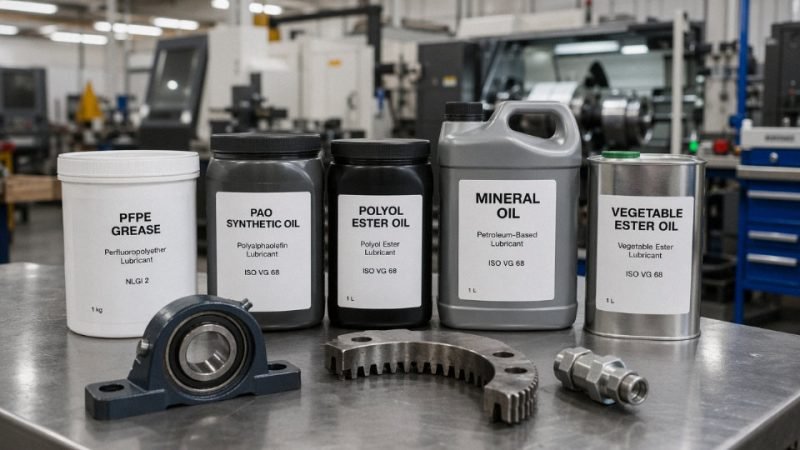
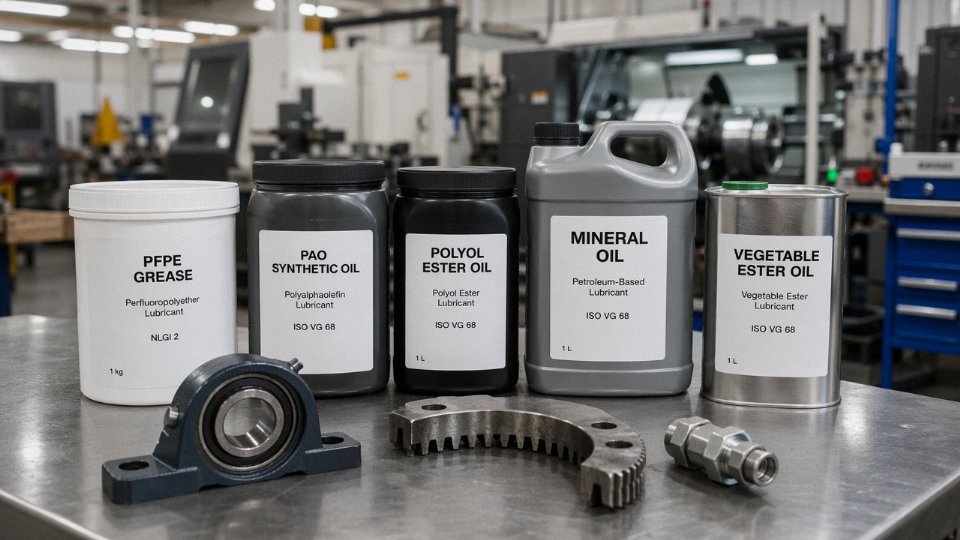
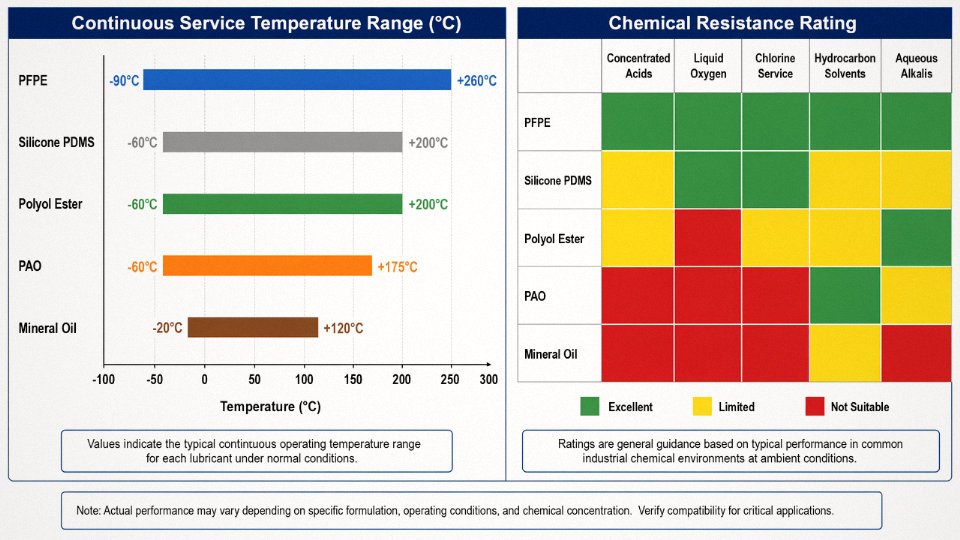
The main alternatives to silicone oil are perfluoropolyether (PFPE) fluids, polyalphaolefin (PAO) synthetics, mineral oil-based formulations, vegetable and ester-based oils, and fluorinated greases. Each covers a different combination of temperature range, chemical compatibility, regulatory status, and cost. PFPE reaches roughly -90°C to +260°C and suits extreme or oxygen-rich environments; PAO handles most industrial lubrication needs at a fraction of the price.
What makes this substitution harder than it looks is that silicone oil earned its position not through any single exceptional property but through a combination of decent-enough properties across a wide range of conditions. Replace it with something that excels in one dimension and you will often find you have traded one limitation for two others. The right answer depends heavily on where in the plant the fluid is working, what it touches, and what your maintenance cycle actually looks like in practice.
Polyalphaolefin and Ester Synthetics: Drop-In Substitutes With Proven Track Records
PAO and synthetic ester fluids are where most engineers land first when they need to move away from silicone oil, and for good reason. Both have decades of field data behind them, supply chains that are genuinely global, and performance envelopes that overlap silicone’s useful range in most — not all — industrial applications.
PAO Base Oils: Structure Is the Advantage
PAO is synthesized by oligomerizing 1-decene (or similar alpha-olefins), which gives you a highly uniform, branched hydrocarbon chain with almost no sulfur, nitrogen, or polar compounds. That structural cleanliness is what drives the standout numbers: pour points routinely reach -60°C on lower-viscosity grades (PAO 4, PAO 6), and viscosity index sits between 120 and 150 depending on the grade — compare that to a mineral ISO VG 68 gear oil at VI 95–105. High VI means viscosity doesn’t crater at operating temperature or thicken catastrophically in a cold start.
The drop-in advantage over silicone is largely about seal compatibility. Standard PDMS silicone oil is notoriously aggressive toward certain elastomers and is essentially inert to others in ways that aren’t always predictable without testing. PAOs, by contrast, behave very similarly to the mineral oils that most industrial seals were designed around. Nitrile (NBR), FKM (Viton), and PTFE seals that have been running on mineral oil can usually tolerate a PAO switch without swelling or hardening — though you still want to run an ASTM D471 soak test on your specific compound before committing a whole line.
Thermal ceiling for PAO in continuous duty is roughly 170–175°C. Push past that regularly and you’ll see oxidative degradation accelerate; the fluid starts forming varnish deposits on shaft surfaces and in oil passages. That’s not a catastrophic failure mode, but it quietly shortens drain intervals and can block tight oil galleries in high-speed spindle bearings before anyone notices.
Synthetic Esters: Higher Lubricity, More Nuance
Synthetic esters — diesters, polyol esters (POE), and complex esters — bring something PAOs don’t: inherent polarity. The ester functional group adsorbs onto metal surfaces and forms a thin boundary layer that genuinely reduces friction at low speeds and under shock loading. Lubricity is measurably better than silicone PDMS, which has notoriously poor film strength for metal-on-metal contact. PDMS works fine as a release agent or a damping fluid; it was never designed to carry a gear tooth load.
Polyol esters specifically are the fluid of choice in aviation turbines precisely because of their thermal stability. MIL-PRF-23699 specifies POE-based fluids for jet engine oil systems, where bulk oil temperatures can sit at 175–200°C continuously with excursions higher. At those temperatures, silicone oil would survive thermally but would fail on film strength and would contaminate fuel system elastomers unpredictably. POE doesn’t have that problem.
Biodegradability is a real operational consideration in food processing, outdoor equipment, and marine applications. Polyol esters typically achieve greater than 60% biodegradation in 28 days under OECD 301B testing, which satisfies most European environmental discharge requirements.
The catch with esters is solvency. That same polarity that makes them good lubricants also makes them aggressive toward certain rubbers. Nitrile (NBR) can swell 10–25% in volume when soaked in POE at elevated temperature — enough to cause a seal to extrude past a housing lip or lose its compression set entirely.
Synthetic ester fluids can cause significant swelling in nitrile rubber sealsTrue
NBR volume swell in polyol ester fluids at 100°C over 72 hours is well-documented under ASTM D471 and ISO 1817 testing; engineers should validate seal material compatibility before converting any system from mineral oil or silicone to ester-based lubricants.
Always validate against ASTM D471 or ISO 1817 before converting a sealed system. EPDM and FKM generally hold up well. Polyurethane seals are a wildcard — test them.
Converting an Existing System: What Actually Matters
Viscosity matching is the first step. If your silicone oil is ISO VG 46, start with a PAO 46 or a diester in the same grade; don’t assume a viscosity bump will compensate for anything. Cross-check flash points too — PAO flash points typically run 220–260°C, well above silicone PDMS (~300°C ignition point but poor flash), so fire-risk classification may change in some jurisdictions.
The flush-out step is where plants cut corners and pay for it later. Silicone is notoriously difficult to remove from surfaces — residual PDMS can contaminate PAO or ester and degrade the additive package, particularly anti-wear chemistry. A two-stage flush with a low-viscosity paraffinic flush oil followed by a short PAO charge-and-drain is the reliable method. Skipping it and doing a straight fill rarely ends cleanly.
| Application | Recommended Type | Typical Grade | Key Watch-Out |
|---|---|---|---|
| Industrial gearboxes (general) | PAO | ISO VG 150–320 | Seal material check; flush silicone residue |
| Aviation turbine engines | Polyol ester | MIL-PRF-23699 Class II/IV | NBR seals — replace with FKM |
| Refrigeration compressors (HFC) | POE | ISO VG 32–68 | Moisture ingress degrades ester; dry system first |
| Hydraulic systems (industrial) | PAO or diester | ISO VG 32–46 | Flash point declaration for insurance/safety class |
| Food-grade chain lubrication | PAO (H1-registered) | ISO VG 68–150 | Confirm NSF H1 registration per batch, not just product family |
PAO accounts for roughly 15–20% of the high-performance lubricant market by volume, which tells you something about its adoption — it’s not a niche choice. In practice, most engineers use PAO as the default first-pass replacement for silicone in mechanical systems and reach for POE when thermal duty or biodegradability requirements push beyond what PAO handles comfortably.
Perfluoropolyether Fluids: High-Temperature and Chemically Aggressive Environments
PFPE lubricants occupy a narrow but non-negotiable niche: the applications where PAO and ester synthetics simply don’t qualify, and where silicone oil is either physically inadequate or explicitly prohibited. Understanding when you actually need PFPE — rather than just reaching for it because it sounds premium — is the real engineering challenge.
Chemical Structure and What It Actually Buys You
The backbone of a PFPE molecule is a fully fluorinated polyether chain, meaning every carbon bond carries fluorine rather than hydrogen. That structure is what gives the fluid families like Solvay’s Fomblin and Chemours’ Krytox their defining properties: no flash point, no autoignition, and near-complete chemical inertness. In practice, this means a PFPE grease will sit in contact with concentrated nitric acid, liquid oxygen, or chlorine service without decomposing in ways that generate corrosive or flammable byproducts.
Continuous service temperature runs from roughly -90°C up to 260°C, depending on grade and load. That upper ceiling is meaningfully higher than standard polydimethylsiloxane-based silicone oils, which typically start showing viscosity instability and oxidative degradation somewhere in the 180–210°C range in real service. For rotating components in oven conveyor systems, high-temperature curing equipment, or turbine bleed-air environments, that 50-degree gap is the difference between a six-month relubrication interval and a monthly one.
Oxygen Service: The One Area Where Silicone Oil Is Prohibited, Not Just Suboptimal
This point gets underemphasized in general lubricant comparisons. In high-pressure oxygen systems — medical oxygen compressors, LOX transfer equipment, aerospace actuation circuits — silicone oil is not a poor choice. It is a prohibited one. Hydrocarbon and silicone-based lubricants present ignition risk in oxygen-enriched environments; the energy threshold for adiabatic compression ignition drops dramatically at elevated O₂ partial pressures.
PFPEs are the only lubricant class consistently approved for high-pressure oxygen service under ASTM G63 and ASTM G86 test protocols.
PFPE lubricants are the only class approved for high-pressure oxygen service under ASTM G63 and ASTM G86, where silicone oil is explicitly prohibited.True
ASTM G63 and G86 govern materials and lubricant compatibility testing in oxygen-enriched environments. Fully fluorinated PFPE fluids pass these protocols due to their non-flammability and inertness; silicone and hydrocarbon oils do not qualify and are explicitly excluded from oxygen service recommendations.
Procurement managers sourcing lubricants for gas cylinder valve assemblies or oxygen-service compressor manufacturers should verify ASTM G86 pass documentation from the supplier — not just a product data sheet claim.
Vacuum and Outgassing
Vapor pressure for PFPE fluids typically falls below 10⁻⁸ Torr at room temperature, which is why they dominate semiconductor fab equipment bearings, electron microscopy stages, and satellite mechanism lubrication. Silicone oil outgasses measurably in high-vacuum environments, and silicone contamination on optical or wafer surfaces is notoriously difficult to remediate. One maintenance episode involving the wrong lubricant choice on a vacuum stage can result in chamber decontamination downtime measured in days, not hours.
The Cost Reality
PFPE base fluids run roughly USD 80–400/kg depending on molecular weight, viscosity grade, and supplier. Standard silicone oil sits at USD 5–20/kg. That’s a cost multiplier of 15–20× at minimum. Justifying PFPE on purchase price alone is impossible.
The defensible case is total cost of ownership: in oxygen service there is no alternative, so price is irrelevant. In vacuum equipment, one recontamination event typically costs more in downtime and cleaning chemistry than five years of correct lubricant. In high-temperature continuous service, extended relubrication intervals — PFPE grease in a 240°C bearing might run 12–18 months versus 4–6 months for a PAO product — can offset the unit cost differential, depending on labor access and production criticality.
Regulatory Caution on PFAS
This is the part most engineers aren’t tracking closely enough yet. PFPE fluids are PFAS compounds. Regulatory pressure on the broader PFAS chemical family is expanding in the EU, the US, and increasingly in Asian markets. Current proposals under EU REACH may eventually draw specialty-grade PFPEs into restriction or reporting scope. That doesn’t mean you stop using Krytox in your oxygen compressor today — there’s no viable alternative — but procurement and environmental compliance teams should be monitoring restriction proposal timelines and building material disclosure documentation now rather than scrambling later.
Selection Criteria in Practice
Before specifying PFPE, work through these sequentially: What is the peak continuous temperature, and does it exceed ~210°C? What chemical species contact the lubricant — oxidizers, halogens, strong acids? What is the system vacuum level, and is outgassing contamination a contamination risk? Is oxygen partial pressure elevated? And finally, what is the acceptable relubrication interval given access constraints and production schedule? If the answers push you toward PFPE on two or more of those criteria simultaneously, the cost premium is almost always justifiable on TCO grounds. If only one criterion applies and it’s temperature alone, revisit whether a high-temperature PAO or synthetic ester with an appropriate additive package might close the gap first.
Vegetable-Based and Bio-Derived Oils: Sustainable Alternatives for Food, Agricultural, and Cosmetic Uses
Bio-based oils occupy an awkward middle ground in most procurement conversations — they get mentioned early and evaluated late, usually because the technical limitations surface only after someone has already committed to a “green” sourcing story. Done right, though, a well-chosen bio-derived fluid genuinely replaces silicone oil in food-contact, cosmetic, and light agricultural machinery applications. Done carelessly, you end up with a chain lubricant that gels in January or a skin-care emollient that goes rancid in the warehouse.
High-Oleic Sunflower and High-Oleic Canola Oils
The conventional-grade versions of these oils have always been dismissed for industrial use because of poor oxidative stability — and fairly so. High-oleic variants are a different matter. By pushing oleic acid content above roughly 80–85%, manufacturers dramatically reduce the polyunsaturated fraction that drives oxidation, and the refined result carries a viscosity index in the range of 190–210 depending on the crop variety, refining method, and the specific VI improver package added. That puts them in the same general territory as Group III mineral oils and within reach of entry-level PAO blends.
NSF H1 registered versions exist for both chemistries, which matters enormously if you’re supplying food processing OEMs or retrofitting a conveyor system in a facility with third-party audit requirements. The EU Ecolabel and USDA BioPreferred program both have pathways for qualifying these fluids, which increasingly shows up as a line item in institutional tender specifications — not just a marketing footnote.
Castor Oil and Its Derivatives
Castor oil is genuinely unusual among vegetable oils because the ricinoleic acid backbone carries a free hydroxyl group. That hydroxyl gives it a naturally high viscosity index — around 180–200 in refined form — and unusually good lubricity without additives. In food-contact chain lubricants it performs well at moderate temperatures, roughly up to 120–140°C before thermal degradation accelerates meaningfully. Hydrogenated castor oil derivatives extend that range somewhat and also show up in cosmetic mold-release agents and skin emollient bases, where the non-comedogenic profile and film-forming behavior closely mimic what formulators were getting from low-viscosity silicone oils.
One caveat: castor oil absorbs moisture more aggressively than most synthetics. In a humid production environment or any system with water ingress, hydrolytic breakdown is a real degradation pathway, not a theoretical one.
Jojoba Liquid Wax
Technically jojoba is a wax ester, not a triglyceride oil, and that distinction matters operationally. Wax esters are hydrolytically more stable than most vegetable triglycerides, and the molecular structure produces a non-greasy skin feel that cosmetic chemists have been trying to replicate with silicone for decades. In premium hair serums and skin conditioners, jojoba is arguably the cleanest functional substitute for cyclopentasiloxane and low-viscosity PDMS — it deposits a thin, breathable film, biodegrades readily, and carries no regulatory scrutiny pressure.
Jojoba liquid wax is biodegradable and functionally equivalent to low-viscosity silicone oil in hair serum applicationsTrue
Jojoba wax esters biodegrade under OECD 301B test conditions and produce comparable sensory and film-forming properties in cosmetic formulations, supported by multiple peer-reviewed studies and industry formulation data.
Limitations Engineers Have to Quantify Before Committing
Pour point is the first thing to check. Most unmodified vegetable oils — including high-oleic variants — gel somewhere between -10°C and -20°C. For any outdoor equipment, refrigerated processing line, or cold-chain application, that’s a hard failure mode. Pour point depressants help, but they add cost and can interact unpredictably with certain antioxidant packages.
Oxidation life is the second constraint. Even high-oleic oils have roughly 30–60% shorter oxidation induction times than comparable PAO grades at elevated temperatures, depending on the additive package and operating conditions. Antioxidant top-treatment (typically hindered phenolics or aminic blends) closes part of that gap, but it doesn’t eliminate it — and in food-contact applications your additive options are restricted by the approved substance lists.
Estolide synthesis — essentially polymerizing the fatty acid chains through ester linkages — improves both oxidation resistance and low-temperature performance simultaneously, at the cost of a more complex and expensive manufacturing process. Blending with PAO (typically at 20–40% bio-content by volume) is a pragmatic compromise that extends low-temperature range while often retaining enough bio-content for USDA BioPreferred qualification. Whether that matters depends on your customer’s procurement criteria, not on any intrinsic technical virtue.
Hydrolytic stability deserves a direct operational warning: if your application sees water contamination — washdown environments, open tanks, agricultural spray equipment — run hydrolytic stability testing before you commit. Silicone oil is largely indifferent to water. Triglyceride-based oils are not.
Mineral Oil and White Oil: Cost-Effective Replacements in Lower-Demand Applications
The instinct to reach for PAO or PFPE every time silicone oil appears on a BOM is understandable — those are technically capable fluids — but it’s also expensive and often unnecessary. For a wide range of lower-demand applications, conventional mineral oil and white mineral oil do the job adequately, cost a fraction as much, and in some cases actually behave better than silicone in the specific failure mode that matters on your line.
White Mineral Oil in Food-Contact and Processing Applications
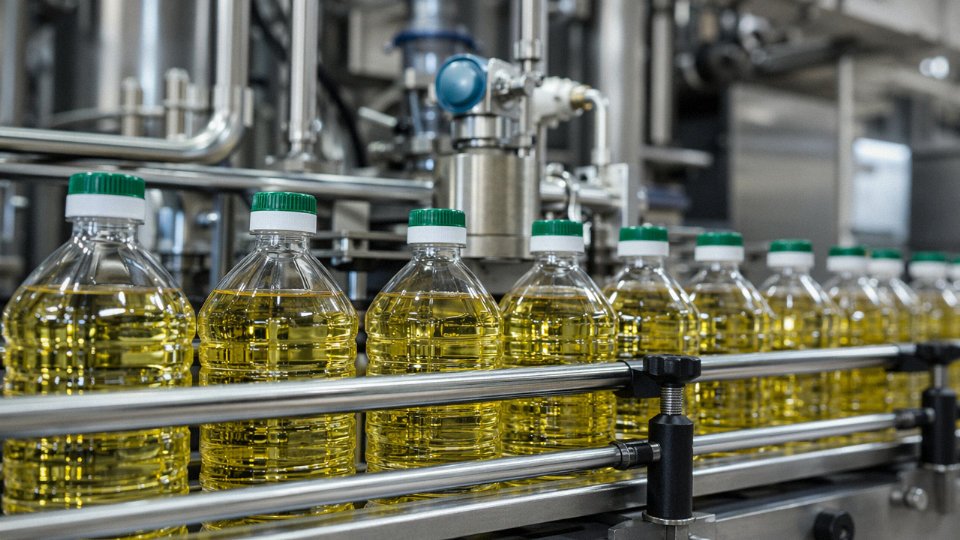
White mineral oil (WMO) meeting USP/NF purity standards, and registered under NSF HX-1 where incidental food contact is possible, is genuinely odorless, tasteless, and chemically inert enough to replace silicone in tablet-coating release and bakery pan-release applications. The critical qualification is the NSF HX-1 registration — not all “food-grade” mineral oils carry it, and procurement teams sometimes conflate technical-grade white oils with food-safe grades. Don’t.
In practice, viscosity grade selection matters more than most spec sheets acknowledge. For pan-release in high-throughput bakery lines, a 70–100 SUS WMO typically gives good film formation without pooling. Cable-pulling operations — particularly in conduit runs where silicone was historically specified to reduce jamming force — work well with a 100–150 SUS white oil, and the cost difference at scale is meaningful. White mineral oil runs roughly USD 1.5–4/kg depending on purity grade and order volume; food-grade silicone fluid of comparable viscosity is often 4–8× that. Over a year of consumption on a mid-size production line, that delta adds up to something your finance team will actually notice.
Naphthenic Oils in Transformer Cooling and Low-Load Hydraulics
Naphthenic mineral oils have a genuinely useful property set for applications where silicone was historically selected: good natural viscosity index behavior without heavy additive loading, better rubber seal compatibility than paraffinic grades, and solid low-temperature flow characteristics down to around -30°C depending on pour point treatment.
Transformer-grade mineral oil achieves dielectric breakdown voltage comparable to dimethyl silicone oilTrue
Transformer-grade mineral oil tested per IEC 60156 typically achieves 30–60 kV breakdown voltage in new, dry condition. Dimethyl silicone oil typically measures 15–20 kV under equivalent test conditions. The assumption that silicone oil is dielectrically superior in transformer service is not supported by the data — mineral oil outperforms it on this metric.
That reversal surprises a lot of engineers. The perception that silicone is the premium dielectric choice persists partly because silicone resists oxidation longer without maintenance, not because its breakdown voltage is higher. In a well-maintained transformer with regular oil sampling and moisture control, naphthenic mineral oil is the industry-standard choice for a reason.
Where Mineral Oil Gets Disqualified
Thermal limits are the hard stop. Mineral oil’s continuous service ceiling sits around 90–120°C — sometimes stretching to 130°C with the right additive package, but pushing that is asking for accelerated oxidation and sludge buildup. Heated process rolls, high-cycle packaging machinery with friction-generated heat, and any application that sees sustained temperatures above that window will foul mineral oil fast. Its autoignition temperature (roughly 320–370°C) is comparable to silicone, but that number is largely irrelevant when the fluid is already degrading at 140°C.
One operational advantage that often goes unmentioned: mineral oil contamination in a production environment, while a real problem, is recoverable. It doesn’t leave the persistent, migration-prone silicone film that causes crater defects in paint lines or adhesion failures in plastic forming operations. Several mold-release formulations in injection molding deliberately use mineral oil as the carrier fluid rather than silicone precisely for this reason — the cleanup protocol is straightforward, and cross-contamination risk to downstream coated parts is far lower.
The Right Starting Point in Cost Modeling
Before specifying any premium substitute, mineral white oil should be the baseline. At USD 1.5–4/kg, it is the lowest-cost alternative in this category by a significant margin. The engineering question is not “can we justify premium fluid X?” but rather “does this application actually exceed what mineral oil can handle?” If the answer is no — if temperatures stay below 100°C, chemical exposure is benign, and food-grade NSF registration covers the compliance requirement — white mineral oil is probably the right answer, and selecting anything more complex is over-engineering.
Solid and Semi-Solid Alternatives: Greases, Waxes, and Dry-Film Lubricants
Liquid silicone oil is the default assumption for a lot of lubrication engineers, but there’s a substantial class of problems where a solid or semi-solid alternative simply works better — not as a compromise, but as the technically correct choice. Migration and bleed-out are the obvious drivers, but service interval, contact geometry, and vacuum compatibility matter just as much in practice.
PTFE Dry-Film Lubricants and Dispersions
PTFE-based coatings and aerosol dispersions occupy a useful niche: coefficient of friction typically lands between 0.04 and 0.10 depending on surface finish, film thickness, and load — that range is real, and the low end requires a smooth, well-bonded substrate. In food processing specifically, the case for PTFE over silicone oil is regulatory as much as technical. Liquid silicone migrates. It creeps along metal surfaces, contaminates packaging film seams, and in some filling lines causes seal failures that don’t show up until you’re well into a production run. A bonded PTFE dry-film coating on a cam or slide stays where you put it.
Cleanroom environments, particularly ISO Class 5 and cleaner, prohibit liquid lubricants in most tool and fixture applications. PTFE dispersions sprayed and cured at 150–200°C give you a dry, particle-stable surface with no outgassing concerns. In my experience, the failure mode to watch is edge adhesion — if surface prep is rushed, the film lifts at corners under repeated flexing.
Molybdenum Disulfide and Tungsten Disulfide
MoS₂ and WS₂ are standard in aerospace fastener assemblies, satellite deployment mechanisms, and any application that sees vacuum conditions where silicone oil would vaporize or cold-flow at cryogenic temperatures. WS₂ has a slight edge in oxidation resistance above 400°C in air, but in an inert atmosphere or vacuum both materials perform reliably up to around 350°C — some specialty grades push higher. The lamellar crystal structure is what provides lubrication; it shears preferentially along cleavage planes at very low shear stress.
One operational warning: never mix MoS₂ with oxidizing environments at high temperature. In air above roughly 370°C, MoS₂ oxidizes to MoO₃, which is abrasive. The application context decides which disulfide to specify.
Tungsten disulfide provides effective dry lubrication in high-vacuum aerospace applications where silicone oil is unsuitable due to vapor pressure concerns.True
WS₂ has extremely low vapor pressure and maintains lamellar lubrication in vacuum and cryogenic environments, making it a standard choice in satellite mechanism specifications such as those referenced in ESA tribology handbooks.
PAO and Ester-Based Greases
Lithium-complex and polyurea greases built on PAO or synthetic ester base oil give you a semi-solid that releases lubricant slowly and controllably — effectively solving the silicone migration problem in sealed bearing applications. NLGI 1 to NLGI 2 covers most food conveyor bearings and medical device pivot points. The grease matrix holds the base oil in place, which matters enormously in oscillating-motion applications like rocker arms and swivel joints where a liquid film never fully re-establishes after each reversal.
Compared to silicone grease, a PAO lithium-complex grease typically offers better load-carrying capacity and is easier to source in food-grade (H1-rated) formulations without the cost premium that silicone grease carries at that certification level.
Carnauba and Microcrystalline Wax Blends
Carnauba wax — harvested from palm leaves in Brazil — is a legitimate silicone substitute in paper release coatings, textile sizing, and direct fruit wax applications. It doesn’t match silicone oil’s gloss on produce, and the coating weight needed to achieve similar release behavior runs somewhat higher. But it’s fully food-contact compliant, biodegradable, and in some markets increasingly preferred on that basis alone. Microcrystalline wax blended in at 15–30% by weight improves flexibility and reduces the brittleness that pure carnauba shows at low temperatures — relevant for cold-chain packaging lines running at 2–8°C.
Graphene and Boron Nitride Nano-Additives
Graphene and hexagonal boron nitride (h-BN) are genuinely emerging here, not vaporware. Treat rates of 0.05–0.5 wt% dispersed into PAO or ester carriers have demonstrated measurable reductions in boundary friction and wear scar diameter in controlled tribometer testing. The practical limitation right now is dispersion stability — graphene in particular tends to agglomerate in static fluid systems. Some formulators use surface-functionalized graphene or add surfactant packages to address this, with varying results depending on the carrier fluid chemistry. Cost per kilogram remains high relative to conventional additives, so the business case currently makes most sense in small-volume, high-value applications rather than bulk industrial lubrication.
Choosing Solid or Semi-Solid Over Liquid
If re-lubrication access is limited — think sealed-for-life bearings in a food-grade gearbox or a satellite joint — solid and semi-solid lubricants win on total service life almost by default. The same logic applies to oscillating and reciprocating motion, where liquid silicone oil can be pumped out of the contact zone faster than it’s replenished. Static or near-static contacts under sustained load, like threaded fasteners in high-temperature assemblies, are another strong case: a solid film stays in the contact regardless of how long the joint sits under load.
| Application Type | Preferred Solid/Semi-Solid | Reason to Prefer Over Silicone Oil |
|---|---|---|
| Food conveyor sealed bearing | PAO lithium-complex grease, NLGI 2 | H1-rated, no migration bleed-out risk |
| Satellite deployment mechanism | WS₂ dry film | Zero vapor pressure, vacuum-stable |
| Food packaging cam and slide | PTFE dry-film coating | Non-migrating, cleanroom-compatible |
| Produce wax coating line | Carnauba/microcrystalline wax blend | Food-contact compliant, biodegradable |
| Threaded aerospace fastener | MoS₂ paste or bonded film | Extreme-pressure, prevents galling |
Ionic Liquids and Phosphate Esters: Niche High-Performance Alternatives in Demanding Industrial Sectors
Most silicone oil replacement discussions stop at PAOs, esters, and bio-based fluids. For the majority of plant applications, that’s entirely reasonable. But there’s a tier of operating environments — turbine control rooms, semiconductor fabs, high-speed electric motor bearings running in vacuum — where none of those cover the performance gap. That’s where phosphate esters and ionic liquids enter the picture, and both deserve a more honest assessment than they usually get.
Phosphate Ester Hydraulic Fluids in Fire-Critical Systems
Aryl phosphate esters have been the fluid of choice in steam turbine electrohydraulic control (EHC) systems for decades, and for a specific reason: they are inherently fire-resistant, not just fire-retardant. Factory Mutual (FM) approval is the benchmark most power generation operators require, and aryl phosphate esters meet it. Silicone oil does not — its autoignition temperature is lower than people expect, and in a mist or aerosol state near hot turbine surfaces, that matters.
Aviation hydraulics tells the same story. Skydrol and similar phosphate ester formulations have displaced petroleum and silicone fluids in commercial aircraft hydraulic systems precisely because a hydraulic line rupture near a hot engine case needs to not become a fire.
The operational catch is hydrolysis. Phosphate esters are chemically aggressive toward water. Keep moisture below 0.1% by weight — that’s a hard limit, not a guideline. Once hydrolysis begins, acidic degradation products form, resistivity drops, and valve servo components start corroding in ways that are expensive and sometimes fast. Condition monitoring is non-negotiable: track acid number (typically target below 0.1 mg KOH/g) and fluid resistivity on a scheduled interval, roughly every 500–2,000 operating hours depending on system temperature and reservoir design. Plants that treat phosphate ester systems like conventional hydraulic oil systems eventually pay for it.
Seal compatibility is the other constraint. Phosphate esters will swell and degrade nitrile (NBR) rubber seals aggressively. Butyl rubber (IIR) or fluoropolymer (FKM/PTFE) seals are required throughout — this is a system-level conversion, not a fluid swap.
Aryl phosphate ester hydraulic fluids carry Factory Mutual fire-resistance approval and are widely used in steam turbine electrohydraulic control systems as a fire-resistant alternative to petroleum and silicone-based fluids.True
FM-approved aryl phosphate ester fluids such as those meeting NFPA 97 criteria are the established choice in power generation EHC systems specifically because of their inherent fire resistance, confirmed by industrial fluid standards and turbine OEM specifications.

Ionic Liquids: Real Technology, Still Expensive
Ionic liquids are room-temperature molten salts — organic cation, inorganic or organic anion, liquid at ambient temperature. The properties that matter for lubrication are impressive on paper: near-zero vapor pressure (critical for vacuum environments), thermal stability that can extend past 300°C depending on the specific chemistry, and tunable viscosity and miscibility through cation/anion selection.
In practice, the R&D has moved faster than the commercial deployment. Imidazolium-based and phosphonium-based ILs are available commercially — suppliers like IoLiTec have catalogued a range of lubricant-grade products — but pricing runs roughly USD 200 to 2,000 per kilogram, and what you pay depends heavily on the specific ionic pair and purity grade. At those numbers, you’re justifying use in mechanisms where replacement cost or downtime cost is orders of magnitude higher: MEMS devices, precision aerospace actuators, high-speed spindle bearings in semiconductor equipment.
One property worth flagging that silicone oil simply cannot offer: electrical conductivity. Most silicone oils are good electrical insulators, which is useful in some contexts but a liability in others. In polymer film extrusion lines and fuel handling systems, electrostatic charge buildup is a real process problem — occasionally a safety problem. Certain ionic liquids are designed to be conductive, which makes them functional candidates for antistatic lubrication in those systems. It’s a niche within a niche, but it’s a genuine capability gap that silicone oil cannot bridge.
Compatibility screening for ILs cannot be shortcut. There’s no established universal compatibility database the way there is for, say, PAO with common elastomers. Some ILs attack polymer components that survive conventional oils without issue. Empirical testing on your actual seal materials, bearing cage materials, and any painted or coated surfaces is the only safe path before committing to a system-level deployment.
Neither phosphate esters nor ionic liquids should be treated as drop-in silicone replacements. Both require full system validation, trained maintenance personnel who understand the specific degradation mechanisms, and procurement commitment to the right ancillary components from the start.
Selection Framework: Matching the Right Alternative to Your Specific Silicone Oil Function
Before you touch a drum of anything, you need to answer one question precisely: what is the silicone oil actually doing in your system? That sounds obvious, but in practice it’s where most substitution projects go wrong. A plant engineer who replaces a heat-transfer fluid using the same logic they’d apply to a mold-release agent is going to have a bad quarter.
Step 1 — Identify the Primary Function
Silicone oil is unusually multifunctional, which is exactly why replacing it demands discipline. The function determines the shortlist:
- Thermal transfer fluid → PAO, synthetic ester, or PFPE (for circuits above roughly 200°C)
- Mold release agent → food-grade mineral white oil, carnauba wax blends, or PTFE dry film; bio-derived esters where NSF H1 certification is needed
- Dielectric coolant → PAO or PFPE, not mineral oil if arc exposure is a real risk
- Process lubricant (bearing, chain, slide) → PAO or ester synthetics first; mineral white oil if duty is light and temperature is below ~80°C
- Personal care emollient → plant-derived squalane, caprylic/capric triglycerides, or jojoba esters — this is an entirely different evaluation track from industrial fluids
- Anti-foam agent → this is the hardest to replace; polyether defoamers or hydrophobic [silica](https://siliconchemicals.com/silica/) dispersions, depending on process chemistry; no universal drop-in exists
Conflating these will waste time and money.
Step 2 — Establish Hard Constraints First, Not Last
Temperature range, regulatory regime, contamination sensitivity, and disposal route are non-negotiable filters. Run them before you look at price. An ATEX Zone 1 environment eliminates most mineral oils on flash-point grounds alone. A direct-food-contact application narrows you immediately to NSF H1 or H2 listed fluids. Medical device lubrication may require USP- or ISO 10993-compliant materials, which rules out most industrial PAOs without specific toxicological data packages.
Environmental disposal is underestimated. Some synthetic esters are readily biodegradable; PFPE is not, and in jurisdictions with PFAS restrictions tightening through 2025–2030, that matters for long-term capex planning.
Step 3 — Screen Against Performance Thresholds
Minimum viscosity index (typically VI > 120 for wide-temperature applications), pour point ceiling, flash point floor, and dielectric strength target — these should be written down as a requirements table before you request a single TDS from a supplier. Elastomer and polymer compatibility is the most commonly skipped check, and it causes the most expensive failures. PAO can cause seal swell in some nitrile grades. Phosphate esters attack many polyurethane seals. Verify against the actual seal material in your system, not a generic compatibility chart.
Decision Matrix: Alternative Chemistry by Application
| Application | PAO / Ester Synthetic | PFPE | Mineral / White Oil | Bio-Derived | Dry Film / Grease |
|---|---|---|---|---|---|
| Bearing lubrication | Preferred | Acceptable (cost-justified only above ~200°C) | Acceptable (light duty, 200°C circuits) | Acceptable (<120°C, closed loop) | Not Recommended (thermal stability) | Not Recommended |
| Mold release | Acceptable | Not Recommended | Preferred (general use) | Preferred (food contact) | Acceptable |
| Personal care | Not Recommended | Not Recommended | Acceptable (petrolatum grades) | Preferred | Not Recommended |
Step 4 — TCO Analysis Structure
Fluid cost per liter is the number procurement leads with and the number that matters least. Service interval, flush-and-conversion labor, seal replacement risk, and regulatory compliance cost (testing, documentation, re-certification) usually dominate. A PFPE at USD 80–150/liter that runs three to four times longer than a PAO at USD 8–18/liter may be cheaper on a per-operating-hour basis in a sealed, high-temperature circuit — or it may not be, depending on system volume and fill frequency. Run the actual math for your fill volume and replacement interval. Downtime risk weighting is worth assigning a cost: if an unplanned shutdown on your line costs USD 5,000–25,000/hour (varies enormously by industry), even a modest reduction in seal-failure probability justifies spending more on compatibility validation upfront.
TCO analysis that ignores seal replacement and flush costs will systematically underestimate the true cost of switching from silicone oil.True
Flushing residual silicone from hydraulic or lubrication circuits typically requires multiple flush cycles with a compatible solvent or carrier fluid, and incompatible seals discovered post-conversion can trigger full-line downtime — costs that dwarf the per-liter price difference between fluid options.
Step 5 — Validation Protocol
Don’t skip bench testing because a supplier TDS looks satisfactory. Run viscosity verification across your actual operating temperature range, an oxidation stability test (ASTM D2272 or equivalent), a corrosion screen against your system metals, and an elastomer swell test with your actual seal compound. That sequence takes two to four weeks in a decent in-house lab or an external fluid testing service.
After bench qualification, run a controlled pilot on a single machine or circuit for a minimum of 500 operating hours before fleet conversion. Watch for any shift in filter differential pressure, which is often the first signal of incompatibility or contaminant generation.
Common Substitution Errors
The most expensive mistake is reaching for PFPE or ionic liquid chemistry because the application sounds demanding, when a USP white mineral oil at a fraction of the cost would perform identically. Premium alternatives are justified by performance gaps, not by the feeling that a sophisticated problem deserves a sophisticated fluid.
The second most common error: skipping the system flush when converting away from silicone. Residual silicone contamination as low as a few hundred ppm can interfere with the additive packages in PAO or ester-based replacements, and it will absolutely destroy a painted or coated surface downstream. Flush properly, then sample and verify before declaring the system clean.
Seal incompatibility discovered after installation is almost always a procurement or engineering communication failure — not a chemistry failure. The data to prevent it existed before the order was placed.
Frequently Asked Questions About Silicone Oil Alternatives
Can I swap PAO oil directly into a gear lubricant without changing my seals?
Usually, yes — but “usually” is doing a lot of work in that sentence. PAO is compatible with most FKM (Viton) and ACM seals, and it won’t cause the aggressive swelling that some ester-based fluids produce. The real risk is the opposite problem: PAO causes slight seal shrinkage in some nitrile (NBR) compounds, particularly older formulations. Before you commit to a changeover, pull the seal material data sheet and cross-reference it against PAO swell test data — most major PAO suppliers publish this, and it takes about 20 minutes to check.
Viscosity index matching matters too. If your silicone oil is running at ISO VG 100 for its shear-stable VI characteristics, verify your PAO grade holds viscosity across your actual operating temperature range, not just at 40°C and 100°C on the spec sheet.
One step people skip: a flush. Silicone oil residue can contaminate a PAO fill and degrade its demulsibility. A single intermediate flush with low-viscosity PAO or a compatible flushing fluid before the final fill is worth the downtime. Re-approval steps depend on your OEM warranty requirements — for any gearbox still under warranty, get written confirmation from the manufacturer before switching.
What is the best silicone oil alternative for food-contact applications?
NSF H1-registered PAO and white mineral oil are the workhorses here — both well-established, widely available, and accepted by most auditors without much argument. For incidental contact zones near food with higher contamination risk, high-oleic sunflower or canola oil carrying NSF HX-1 status is a viable and increasingly common option, especially where sustainability claims matter to the end customer.
PTFE dry-film lubricants are worth considering for sliding guides and conveyor components where a liquid lubricant creates pooling or drip risk. Documentation is non-negotiable in food environments: keep your SDS, NSF registration certificates, and application records in the same audit folder. An inspector finding a lubricant in use without its H1 registration on file is a corrective action regardless of whether the product is technically safe.
What replaces silicone oil in personal care formulations for slip and spreadability?
Formulators have been working around silicone for years, and the honest answer is there is no single drop-in — it depends on your emulsion system and the skin feel profile you are targeting. Jojoba ester gives good glide with a dry finish. C12–C15 alkyl benzoate is low-cost, widely available, and works well in lightweight lotions. Isodecyl neopentanoate adds spreadability with a slightly richer feel. Squalane (plant-derived) has strong consumer acceptance and performs well in serums and facial oils. In practice, most formulators end up blending two of these to approximate the silicone profile rather than finding a single substitute.
Why do some plants ban silicone oil outright?
Silicone contamination in paint shops and adhesive bonding lines is a well-documented production nightmare. Airborne PDMS droplets — released from lubricants, mold releases, or even hand lotions worn by operators — deposit on substrates and create fish-eye defects in coatings or bond-line failures in structural adhesives. The contamination is invisible and extremely difficult to remove once it’s on a surface.
Silicone oil contamination can cause paint fish-eye defects even at trace concentrations on substrate surfacesTrue
PDMS has very low surface energy and migrates easily; contamination at levels below 10 ppm on a surface is enough to cause coating dewetting in many industrial paint systems
Plants running high-value painted or bonded assemblies often ban all silicone-containing products — lubricants, cutting fluids, release agents, everything. Mineral oil-based or PTFE-based release agents are the standard replacements. If you are switching a release agent in one of these environments, run a panel adhesion test before full production.
Is silicone oil being regulated or phased out?
The short answer: some forms are, and the distinction matters. Cyclic siloxanes D4, D5, and D6 are restricted under REACH in wash-off cosmetics sold in the EU above 0.1% concentration. Canada has similar restrictions under CEPA. These are cyclic compounds — not the same as linear polydimethylsiloxane (PDMS) fluids, which remain largely unrestricted for industrial and personal care use as of the time of writing.
Watch this space. Regulatory scrutiny of the broader siloxane family is increasing, and some formulators are proactively substituting linear PDMS to stay ahead of potential future restrictions rather than waiting for a compliance deadline.
How do I verify a vegetable-based oil will last as long as silicone in my application?
Run an RPVOT test — Rotating Pressure Vessel Oxidation Test, ASTM D2272. It accelerates oxidative degradation under heat and pressure and gives you a comparable induction time in minutes. A well-formulated high-oleic oil with a robust antioxidant package can achieve RPVOT values competitive with some mineral oils, though it will still fall short of silicone’s inherent oxidative stability in most cases. The antioxidant package matters enormously: the same base oil with different additive treatment can vary by a factor of 3–5x in oxidation life. Ask the supplier for RPVOT data on the finished, additive-treated product — not the base oil alone.
What works best in high-vacuum or space applications?
PFPE fluids are the default choice: vapor pressure can be below 10⁻¹⁰ torr for some grades, and they survive radiation and atomic oxygen exposure that would destroy conventional lubricants. For mechanisms where any fluid migration is unacceptable, MoS₂ and WS₂ solid lubricant coatings are the alternative — both are referenced in NASA MSFC-SPEC-1600 and covered in ESA’s tribology guidelines for spacecraft mechanisms. The practical trade-off is that solid lubricants have finite wear life, so you need to estimate cycle counts carefully. For applications above roughly 10⁶ cycles in vacuum, PFPE with compatible elastomer seals is usually the more reliable long-term choice.