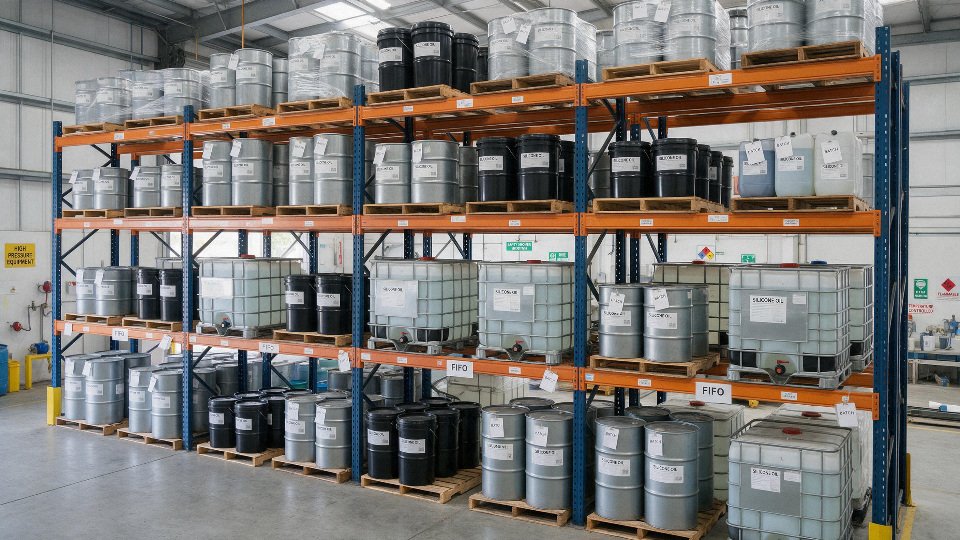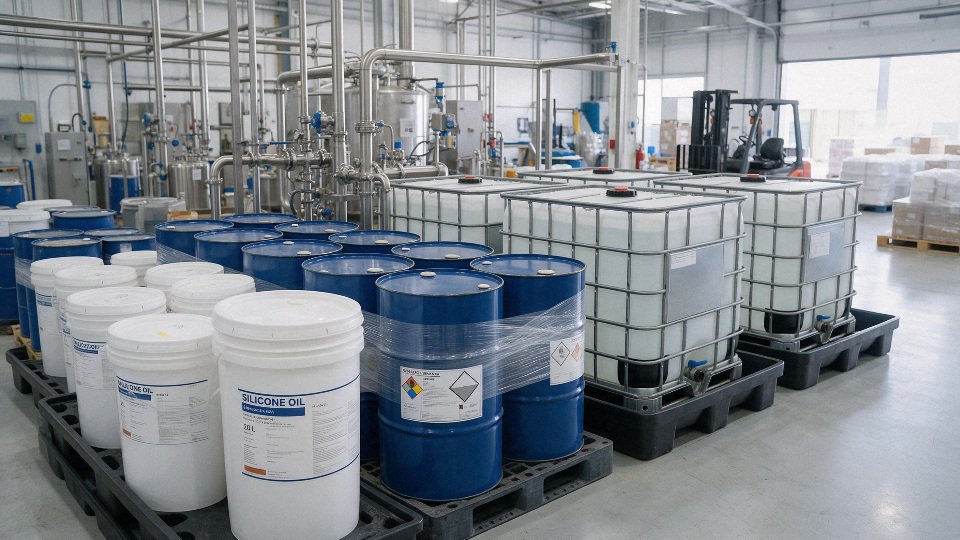
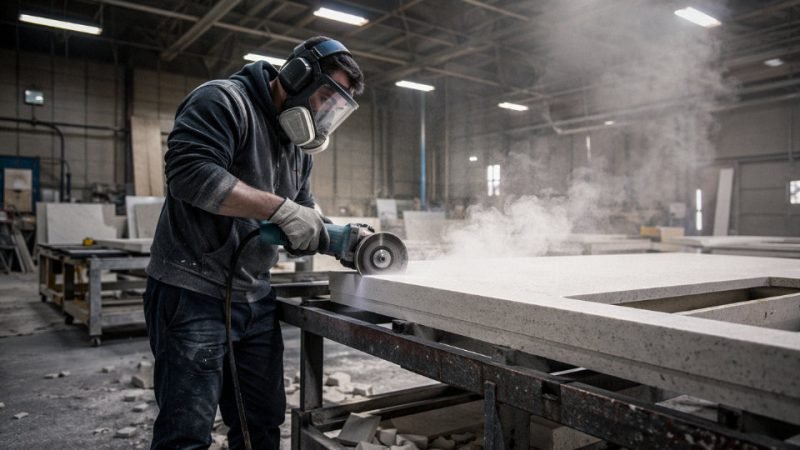
Silica dust violations shut lines down — not gradually, but fast. An OSHA inspection triggered by a single employee complaint can result in citations, mandatory exposure monitoring programs, and in serious cases, stop-work orders while controls are brought into compliance. The medical side is worse: silicosis is irreversible, and the liability tail is long. Plants that ignore respirable crystalline silica exposure don’t just face regulatory fines; they face workers’ comp claims, wrongful death litigation, and the kind of workforce attrition that’s hard to explain in a board report.
You should not avoid silica entirely — that’s impractical, since crystalline silica makes up roughly 12% of the Earth’s crust and is present in concrete, stone, sand, ceramics, and dozens of industrial feedstocks. What you must control is respirable crystalline silica exposure below OSHA’s PEL of 50 µg/m³ as an 8-hour TWA. The risk is real — IARC classifies inhaled crystalline silica from occupational sources as a Group 1 carcinogen — but the answer is engineering controls and material awareness, not blanket avoidance.
The distinction between crystalline and amorphous silica matters more than most procurement specs acknowledge, and the particle size question is where a lot of facilities get tripped up — because the silica you can see is not the silica that kills you.
Crystalline versus amorphous silica: the structural difference that changes everything
Silica is not one thing. That sentence sounds simple, but it’s the single most important concept for anyone trying to make a rational decision about exposure risk — whether you’re specifying abrasives for a fabrication shop, reviewing a supplement label, or writing a confined-space entry procedure.
The lattice versus the glass: a structural primer
Crystalline silica is built around a repeating three-dimensional lattice of SiO₄ tetrahedra — each silicon atom bonded to four oxygen atoms, those oxygen atoms shared with neighboring tetrahedra in a rigid, ordered framework that extends predictably across the entire grain. Quartz is by far the dominant polymorph, which makes sense given that crystalline silica accounts for roughly 12% of the Earth’s crust by weight, with quartz as the most abundant mineral on the planet. Two other polymorphs matter industrially: cristobalite, which forms when quartz is heated above roughly 1470 °C and shows up in kiln refractories, calcined diatomaceous earth, and certain ceramic slags; and tridymite, less common but found in some volcanic rocks and high-temperature processing waste. All three share that ordered lattice, and all three carry the same regulatory classification.
Amorphous silica is chemically identical — still SiO₂ — but the tetrahedral units are arranged randomly, without long-range order. Think of it as the difference between a crystal and a glass. Natural amorphous forms include opal and raw (uncalcined) diatomaceous earth. Manufactured forms include fumed silica, produced by hydrolyzing silicon tetrachloride in a hydrogen-oxygen flame, and precipitated silica, which comes out of a wet chemical process and ends up in rubber compounds, silicone sealants, and a surprising range of food applications as an anti-caking agent. Cab-O-Sil is a name you’ll see on fumed-silica safety data sheets routinely; it’s become something of a generic shorthand in compounding plants even when the actual product is from a different supplier.
Why freshly fractured quartz is the specific danger
The hazard from crystalline silica isn’t simply about the mineral being present — it’s about what happens at a freshly cut or ground surface. When a quartz grain fractures, it exposes unsatisfied silicon and oxygen bonds. These surface sites react almost immediately with water and oxygen to generate silanol radicals and reactive oxygen species. In the alveolar region of the lung, that surface reactivity drives a fibrogenic cascade: macrophages attempt to engulf the particle, fail to clear it, release cytokines, and trigger progressive scarring — silicosis. Aged or surface-passivated quartz is measurably less reactive, which is one reason occupational hygienists now pay attention to whether a dust source is freshly generated or settled re-suspension. Well-processed amorphous forms, by contrast, have a fundamentally different surface chemistry and a substantially lower capacity to generate that radical cascade. IARC classifies inhaled crystalline silica from occupational sources as a Group 1 human carcinogen. Amorphous silica sits at Group 3 — not classifiable as to carcinogenicity in humans.
Amorphous silica (fumed, precipitated, naturally occurring) carries the same cancer classification as crystalline quartz under IARC.False
IARC classifies crystalline silica inhaled from occupational sources as Group 1 (human carcinogen). Amorphous silica is Group 3 — not classifiable as a human carcinogen — reflecting the distinct surface chemistry and different biological response observed in studies.
Particle size: the variable most people underweight
Form matters enormously, but size is equally decisive. Only particles with an aerodynamic diameter below roughly 10 µm qualify as respirable — meaning they can bypass the upper airway and deposit in the gas-exchange region. The truly dangerous fraction sits below about 4 µm, where particles reach alveolar depth and stay there. Larger quartz grains, even visually fine-looking dust, mostly deposit in the nose and throat and get cleared by mucociliary action.
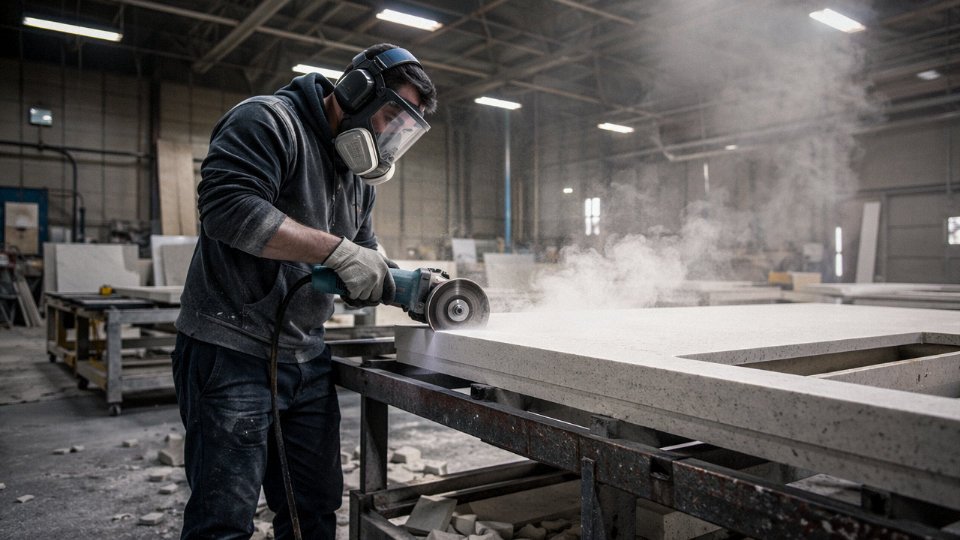
This is why the same material can be essentially inert or acutely hazardous depending entirely on how it’s being processed. A polished quartz countertop sitting in a showroom poses no inhalation risk to anyone. Dry-cutting or angle-grinding that same slab — which is common on busy installation sites that are running behind schedule — can push respirable crystalline quartz concentrations above 500 µg/m³. That’s ten times the OSHA permissible exposure limit of 50 µg/m³ as an 8-hour TWA, and on a busy cut that exposure accumulates fast, in minutes rather than hours.
The practical implication: asking “does this product contain silica?” is the wrong question. The questions that actually drive risk assessment are what form, what particle size distribution at the point of exposure, and what process is generating the dust. A food-grade precipitated silica in a sealed tablet is not the same conversation as a masonry worker dry-cutting engineered stone. Treating them identically is where the public discussion goes wrong.
Silicosis, lung cancer, and other confirmed health outcomes from occupational inhalation
The health consequences of breathing crystalline silica dust are not hypothetical, and they are not subtle. Decades of epidemiology, autopsy studies, and occupational cohort data have produced a clinical picture that is unusually consistent for an industrial exposure. The outcomes range from a slow, progressive scarring disease to lung cancer to autoimmune conditions that have nothing obvious to do with the lungs at all.
The three clinical patterns of silicosis
Silicosis is not a single disease. It presents differently depending on exposure intensity and duration, and conflating the patterns leads to genuinely bad risk assessments.
Chronic silicosis is the most common form. Latency runs 10 years or longer — often 20 to 40 — after first significant exposure. The lung develops discrete nodular fibrosis, typically in the upper lobes. Workers can remain asymptomatic for years while nodules accumulate on imaging, which is part of what makes it treacherous from a plant-floor surveillance standpoint. By the time breathlessness becomes disabling, the fibrosis is irreversible.
Accelerated silicosis compresses that timeline into roughly 5–10 years and is associated with higher average exposure concentrations. The pathology is more aggressive, progression faster, and disability arrives earlier in a worker’s career. This pattern became more visible as engineered stone fabrication expanded in the 2000s and 2010s.
Acute silicoproteinosis is the outlier, and it is severe. It follows massive short-term exposures — sandblasting in confined spaces without adequate controls, for instance, or dry cutting engineered stone with no respiratory protection. The alveoli fill with proteinaceous fluid rather than developing nodules in the classic sense. Onset can occur within weeks to months of the exposure event. Median survival after diagnosis is typically under five years. There is no effective treatment; lung transplant is sometimes the only remaining option.
Lung cancer: what the IARC classification actually means
IARC classifies crystalline silica inhaled from occupational sources as a Group 1 human carcinogenTrue
IARC Monographs Volume 68 (1997) and subsequent reviews classify inhaled crystalline silica from occupational sources as a Group 1 carcinogen. The classification is exposure-route and form specific — it applies to crystalline silica, not amorphous silica, and specifically to inhalation in occupational contexts.
The Group 1 designation is route-specific and form-specific. It does not apply to amorphous silica, and it does not mean that any contact with crystalline silica causes cancer. What it means is that the evidence for lung cancer causation under occupational inhalation conditions met IARC’s highest threshold.
The magnitude of risk matters for calibrating response. Among heavily exposed cohorts — miners, foundry workers, ceramics workers with long tenure — the relative risk for lung cancer compared to unexposed controls runs roughly 1.3 to 2.0, depending on cumulative exposure, smoking status, and the specific industry. That is a meaningful elevation but not the 10- to 20-fold risks seen with, say, heavy asbestos exposure. Smoking and silica exposure interact: the combination carries a substantially higher absolute risk than either alone, which is relevant for how plant medical surveillance gets prioritized.
Autoimmune disease: the mechanism is less intuitive but the data are solid
Silica particles that reach lymph nodes trigger persistent immune activation. The current mechanistic thinking involves silica-induced cell death releasing danger signals that drive chronic inflammation and, in susceptible individuals, loss of self-tolerance. The clinical result is an elevated incidence of systemic lupus erythematosus, rheumatoid arthritis, and scleroderma among occupationally exposed workers — with relative risks roughly 2- to 4-fold above background for the most heavily exposed groups, depending on the condition and cohort studied.
This is not a fringe finding. It shows up across independent cohorts in multiple countries.
The engineered stone crisis in current fabrication shops
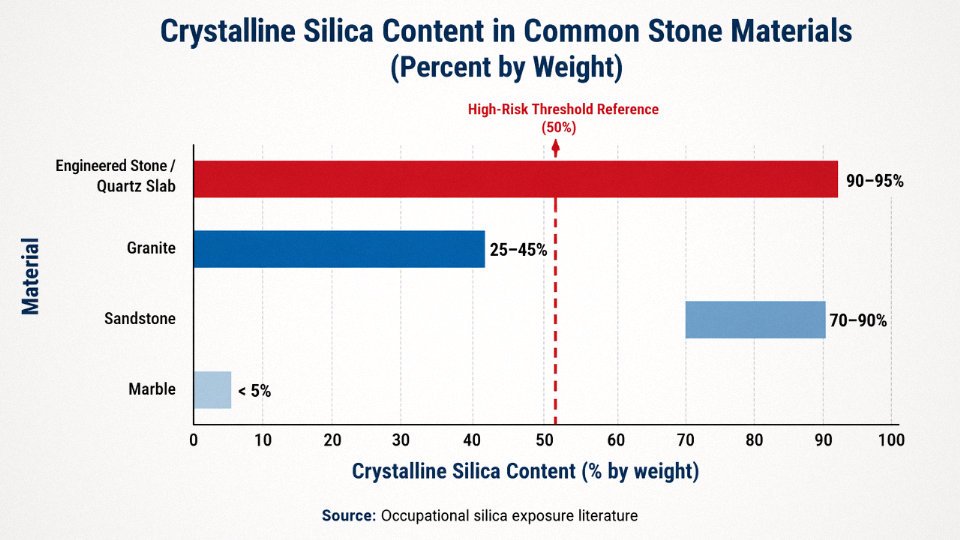
Quartz content in engineered stone countertop products commonly runs 90–95% by weight. Natural granite sits closer to 25–45%. That difference in feedstock composition, combined with the dry grinding and cutting that characterized many small fabrication shops before regulatory attention arrived, produced airborne respirable silica concentrations orders of magnitude above the OSHA PEL of 50 µg/m³. Cases of accelerated silicosis in workers in their 20s and 30s — people with only 5–8 years of exposure — began surfacing in multiple countries. This is an ongoing situation, not a historical one.
Secondary outcomes and the latency problem
COPD, chronic kidney disease, and substantially elevated tuberculosis susceptibility are all documented in silica-exposed cohorts. They do not receive the same attention as silicosis and lung cancer, but they matter for long-term workforce health costs.
The latency issue is worth sitting with for a moment. The exposures driving cases diagnosed today often occurred 15 to 30 years ago. Current exposure levels in regulated industries have generally fallen since then — but the case burden from today’s exposures, particularly in less-regulated fabrication and construction settings in lower-income countries, will not be visible for another decade or two. Present case counts underrepresent the eventual toll by a substantial margin.
Occupations and tasks with the highest verified silica exposure levels
Not all silica exposure is equal, and that distinction matters enormously when you’re deciding where to spend your control budget or which trades need the most urgent attention. A pottery studio and an engineered stone countertop shop both involve silica — the hazard profile between them is barely comparable.
Engineered stone fabrication: the worst actor in recent years
Dry cutting engineered stone (quartz-based countertop slabs — brands like Silestone or Caesarstone contain 90–95% crystalline silica by weight) generates respirable dust concentrations that routinely exceed 400–800 µg/m³ at the cutting point, with some measurements pushing past 1,000 µg/m³ depending on ventilation, blade type, and how enclosed the workspace is. That’s 8–20 times the OSHA PEL in a single task. Several countries have already restricted or banned dry fabrication of engineered stone entirely; OSHA has not gone that far, but enforcement scrutiny has tightened. If you run a countertop shop and you’re still dry-cutting, you have a serious liability problem.
Tuck-pointing and concrete work: the numbers that should alarm any safety officer
Tuck-pointing with a dry angle grinder is, by measured data, one of the highest single-task exposures in any industry. Field measurements consistently show 2,000–4,000 µg/m³ — somewhere around 60 times the PEL — and workers often do this for hours at a stretch in enclosed spaces like basement walls or building facades. Jackhammering concrete without water suppression typically runs 200–400 µg/m³, varying with concrete age, aggregate composition, and whether you’re working in a corner versus open air.
Dry angle-grinder tuck-pointing can exceed 3,000 µg/m³ of respirable crystalline silica — roughly 60 times the OSHA PEL of 50 µg/m³.True
Multiple OSHA and NIOSH field studies have measured airborne RCS concentrations during dry tuck-pointing in this range. The OSHA PEL is 50 µg/m³ as an 8-hour TWA; 3,000 µg/m³ is 60× that threshold.
Abrasive blasting, frac sand, and tunnel drilling
Sandblasting with silica sand — less common now that many operations have switched to garnet or steel shot, but still used in smaller shops and field applications — can push airborne concentrations above 1,000 µg/m³ at the operator position even with a supplied-air respirator in use. The respirator becomes the last line of defense rather than a backup measure, which is exactly backwards from how exposure control should work.
Hydraulic fracturing operations involve large volumes of frac sand (nearly pure quartz). Dust concentrations at the sand mover, blender, and transfer points have been measured in the 100–900 µg/m³ range depending on whether enclosed transfer systems and local exhaust ventilation (LEV) are in place. Wind direction matters more than most operators admit. Tunnel drilling through quartzite or high-silica sandstone is similarly variable — typical uncontrolled exposures run 100–500 µg/m³, but wet drilling and face ventilation can drop that by 90% or more.
Moderate but real: foundry work, ceramics, agriculture
Foundry workers handling silica-bonded sand molds typically see 50–200 µg/m³ depending on sand reclamation methods and general ventilation age. Ceramic and refractory manufacturing involves cristobalite (a higher-temperature crystalline form) as well as quartz — exposures in mixing and firing areas generally range from 60 to 300 µg/m³. Agricultural dust in silica-rich regions is an underappreciated source; exposures usually stay below the PEL during normal fieldwork, but grain handling, tillage in dry conditions, and orchard work can push into borderline territory.
Semiconductor wafer polishing is an interesting edge case — mostly amorphous fumed silica and cristobalite, with a hazard profile that’s genuinely lower than crystalline quartz, but still worth monitoring because process changes can shift the crystalline fraction upward.
Where engineering controls actually sit in the hierarchy
Wet methods and LEV, properly designed and maintained, reduce exposures by 90–99% in most tasks. That’s not aspirational — it’s documented across tunnel drilling, tuck-pointing, and stone fabrication. Respiratory protective equipment matters, but it belongs after engineering controls are in place, not instead of them. A half-facepiece P100 respirator offers an assigned protection factor of 10, meaning it’s appropriate for exposures up to 500 µg/m³ — sufficient for many tasks with controls running, insufficient as a standalone measure for dry tuck-pointing or engineered stone dry cutting.
OSHA’s 2016 silica rule sets the action level at 25 µg/m³ (triggering monitoring and medical surveillance requirements) and the PEL at 50 µg/m³. Written exposure control plans are required for construction. In practice, compliance is inconsistent in small masonry and tile contractors — partly because the monitoring itself costs money and the firms most at risk often have the thinnest margins and least HR infrastructure to manage it.
Food-grade silica, supplements, and consumer products: separating regulatory fact from social media fear
The posts tend to follow a pattern: someone photographs the ingredient list on a protein powder, sees “silicon dioxide,” and the comments fill up with warnings about inhaling construction dust. It’s an understandable confusion, but it collapses a distinction that actually matters quite a lot — the difference between respirable crystalline silica in a dusty work environment and amorphous SiO₂ sitting inert inside a capsule.
What E551 actually is and what regulators have concluded
Food-grade silicon dioxide, listed as E551 in the EU and INS 551 under Codex Alimentarius, is amorphous — no crystalline lattice, no quartz, no cristobalite. Its job in powdered foods and supplements is purely functional: it prevents caking by coating fine particles and reducing surface adhesion. The FDA classifies it as GRAS (Generally Recognized As Safe), EFSA evaluated it in 2018 and found that current dietary exposure does not raise a safety concern, and Codex permits it up to 2% by weight in applicable product categories.
In practice, most applications run far below that ceiling. A typical anti-caking application in a spice blend or powdered drink mix sits somewhere around 0.5–1%, and actual daily dietary intake across the population lands in the range of roughly 20–50 mg/day, depending heavily on how many processed powdered foods a person consumes. That is not a negligible number on paper, but it is also being consumed, not inhaled — and the gastrointestinal tract handles amorphous SiO₂ differently than the lung macrophages that bear the brunt of occupational crystalline silica exposure.
Silica gel sachets in food packaging are toxic and must not be touchedFalse
Silica gel is amorphous SiO₂ — chemically inert and non-toxic. The 'Do Not Eat' warning exists because the sachet itself is a choking hazard and because ingesting the desiccant would ruin the product's moisture control, not because the material causes harm. EFSA and FDA treat amorphous SiO₂ as safe for incidental contact and approved food-additive use.
The nano-particle question is the one genuinely open file. Some commercial grades of E551 include particles in the nano range (below 100 nm), and EFSA’s 2018 opinion flagged this specifically — not as a ban trigger, but as a data gap requiring further study. As of now, no regulatory body has issued a restriction or advisory specifically targeting nano-SiO₂ in food. It is reasonable to watch that space; it is not reasonable to treat the current uncertainty as confirmed harm.
Orthosilicic acid, drinking water, and the supplement aisle
Orthosilicic acid (OSA) — Si(OH)₄, the soluble monomeric form — occurs naturally in drinking water at roughly 5–25 mg/L depending on the geology of the source. Granite-fed supplies tend to run higher; soft river water lower. Most people are already consuming meaningful amounts daily without giving it a second thought.
The supplement industry has latched onto OSA for bone mineral density and the cross-linking of keratin in hair and nails. The mechanistic rationale is not implausible — silicon does appear in connective tissue metabolism — but the clinical trial base is still thin and mostly short-duration. Promising, not proven. Anyone selling it as an established bone therapy is overreaching; anyone calling it dangerous is also overreaching.
The diatomaceous earth split that most consumers miss
This one has real operational consequence. Food-grade diatomaceous earth (DE) is freshwater amorphous material — low crystalline silica content, typically under 1%, and that’s the form used in internal consumption products and some livestock feed applications. Pool-filter-grade DE is a completely different product. It has been calcined at high temperature, which converts amorphous silica into cristobalite, a crystalline form, and the crystalline fraction can reach 40–60%.
Pool-filter DE must never be ingested, and it absolutely must not be handled without respiratory protection — it would breach OSHA’s 50 µg/m³ PEL for respirable crystalline silica without much effort during dry handling. The bags are sometimes visually similar to food-grade products, and that’s where the real danger lies: not in diatomaceous earth as a category, but in grabbing the wrong grade.
The calibrated answer for consumers is not “avoid silica.” It is: know which form, which grade, and which route of exposure. Amorphous SiO₂ in a supplement capsule is not the same hazard as crystalline dust in a quarry. Treating them identically is how useful information gets lost.
Engineering controls and work practice standards that actually reduce crystalline silica risk to acceptable levels
The hazard identification work is done. The harder question — the one that actually matters on the plant floor — is what you do about it. Crystalline silica exposure is, at its core, an engineering problem. It responds to engineering solutions. The dose-response relationship is well-established enough that if you can drive airborne respirable quartz concentrations below the OSHA PEL of 50 µg/m³, and ideally well below it, you have largely solved the problem.
Wet methods: the first and best tool for cutting and grinding tasks
Water suppression during angle grinding, core drilling, and saw cutting consistently reduces airborne respirable quartz by somewhere in the 85–98% range, depending on tool geometry, material, and whether the water delivery is continuous and properly aimed. That’s not a soft claim. OSHA Table 1 — the specific compliance table for construction tasks under 29 CFR 1926.1153 — lists minimum water flow rates and tool configurations for exactly these operations, and it’s worth having a printed copy in the tool crib rather than treating it as an abstract regulatory document.
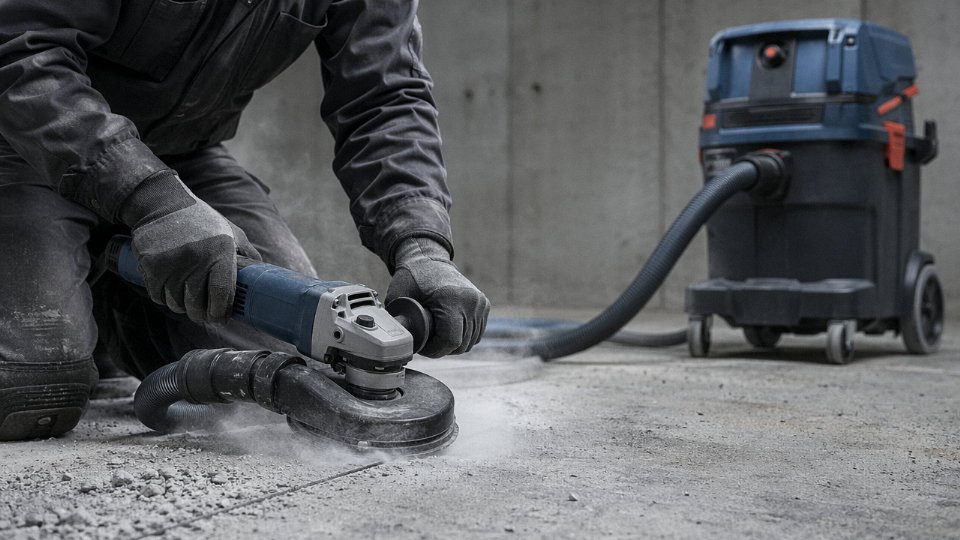
Integrated water delivery systems built into the tool shroud work better than an operator holding a hose. Shrouded vacuum extraction systems — where a hood captures dust at the point of generation and pulls it into a HEPA-filtered unit — achieve equivalent or superior control factors compared with wet suppression alone. In compliant operations using on-tool extraction, post-control airborne concentrations typically run below 10 µg/m³, well inside a reasonable margin from the PEL. The difference between a compliant setup and an operator grinding dry in still air can span two orders of magnitude in exposure.
Local exhaust ventilation for fixed facilities
For fixed workstations — grinding benches, mixing stations, bagging lines — local exhaust ventilation (LEV) with a properly designed hood is the standard solution. Capture velocity at the dust source should run roughly 1.0–2.5 m/s, with the actual value depending on the generation rate, hood geometry, and cross-drafts in the space. A common mistake is relying on general dilution ventilation because it’s cheaper to retrofit. General dilution ventilation simply cannot keep pace with high-rate dust generation tasks; it disperses contaminated air across the whole room before exhausting it. It has a role as a secondary measure, not a primary control.
Substitution: the control that’s been available for decades
Replacing silica sand as an abrasive blasting media with steel grit, garnet, or coal slag eliminates crystalline silica at the source entirely. This isn’t new thinking — it’s been industry best practice since at least the 1970s in large blasting operations. It’s still underutilized in smaller job shops, usually because the purchase price of silica sand is lower and the downstream health liability isn’t visible on the same invoice. The math looks different when you factor in medical surveillance costs, workers’ compensation exposure, and potential OSHA citations.
Silica sand used in abrasive blasting can be replaced with alternative media that eliminate crystalline silica exposure entirelyTrue
OSHA and NIOSH both recognize abrasive media substitution as the most effective hazard elimination method for blasting operations; steel grit, garnet, and coal slag contain negligible free crystalline silica and are in common industrial use.
Respiratory protection when engineering controls fall short
A properly fit-tested NIOSH-approved N95 filters roughly 95% of airborne particulates at the rated particle size. That’s adequate for moderate exposures in environments where engineering controls are already reducing concentrations significantly. For high-exposure tasks — tuck-pointing, dry blasting, demolition of silica-containing refractory — a P100 half-mask or supplied-air respirator is the appropriate choice. Fit testing matters as much as filter rating. A poorly sealed N95 on a worker with a beard provides somewhere between minimal and no protection.
Respirators are the last line of defense, not the first. Using respirators as a substitute for wet methods or LEV is both less effective and costlier over time, once you account for the fit-testing program, replacement schedules, and training.
Health surveillance intervals
Baseline spirometry and a chest X-ray using ILO classification should be completed before significant silica exposure begins — not after six months on the job. For workers with controlled exposures consistently below the PEL, repeat surveillance every three years is a reasonable interval. Above the PEL, or for tasks like tuck-pointing and tunneling where peaks are likely regardless of time-weighted average controls, annual surveillance is warranted. The chest X-ray findings in early silicosis are subtle and require an ILO-trained B-reader; a standard occupational medicine physician reviewing a film without that training will miss early nodularity. That’s not a criticism, it’s just a known limitation of the process.
The controls exist. They work. The exposures that cause silicosis in 2024 are, in most cases, the result of not applying tools and practices that have been available and documented for a long time.
How to Read a Safety Data Sheet and Air Monitoring Report for Silica — a Practical Guide
Most people glance at an SDS, see “silica” somewhere in Section 3, and either panic or ignore it entirely. Neither response is useful. The form of silica listed — and how the exposure data is actually measured — determines whether you have a compliance obligation, an engineering control problem, or nothing to worry about at all.
Start with Section 3: Composition Is Where the Regulatory Trigger Lives
Look for CAS numbers, not trade names. Quartz is 14808-60-7, cristobalite is 14464-46-1, and amorphous SiO₂ (fumed or precipitated silica) is 7631-86-9. If either of the first two appear — even as a minor component — you are under the full OSHA crystalline silica standard (29 CFR 1926.1153 for construction, 29 CFR 1910.1053 for general industry). The amorphous form does not trigger that standard under current regulations.
The CAS number for quartz is 14808-60-7 and its presence in an SDS Section 3 triggers the OSHA crystalline silica standardTrue
OSHA's crystalline silica standards (1926.1153 and 1910.1053) specifically regulate respirable crystalline silica, which includes quartz (CAS 14808-60-7) and cristobalite (CAS 14464-46-1). Identification of these substances in a product's composition is the regulatory trigger for compliance requirements.
Some SDS documents list silica only as “amorphous” when the raw mineral feed material actually contains a crystalline fraction — this happens with certain diatomaceous earth products and some abrasive blends. If you’re buying a mineral-based product and the SDS looks suspiciously clean, request a certificate of analysis with XRD confirmation. Vendors don’t always volunteer this.
Section 8 Tells You Whether the SDS Writer Did Their Job
A properly written Section 8 (Exposure Controls / Personal Protection) will list at minimum three benchmarks: the OSHA PEL of 50 µg/m³ as an 8-hour TWA for respirable crystalline silica, the NIOSH REL (also 50 µg/m³, but derived by a different methodology), and the ACGIH TLV-TWA of 25 µg/m³ — which is the most protective of the three and increasingly what serious industrial hygienists design controls toward. If an SDS only cites the OSHA PEL and omits the ACGIH value, that’s not necessarily wrong, but it’s a signal the document may be minimally compliant rather than genuinely informative.
Air Monitoring: Fraction Type Is Not a Technicality
This is where a lot of confusion happens in the field. Industrial hygiene sampling reports often present three types of results: total dust, inhalable fraction, and respirable fraction. Only the respirable fraction — particles small enough to penetrate to the gas-exchange region of the lung, roughly ≤10 µm aerodynamic diameter and concentrated below 4 µm — is directly comparable to the OSHA PEL. A total dust result of, say, 200 µg/m³ sounds alarming, but that number cannot be compared to the 50 µg/m³ PEL without knowing how much of that mass is in the respirable fraction. Conflating them leads to either unnecessary remediation costs or, worse, false reassurance.
Laboratory Methods: XRD First, IR as Backup
The standard analytical method for quantifying crystalline quartz in air filter samples is NIOSH Method 7500, which uses X-ray powder diffraction (XRD). Detection limits are typically in the range of 1–5 µg per sample, depending on filter type and matrix interferences. NIOSH Method 7602 (infrared spectroscopy, IR) is an accepted alternative — faster turnaround at some labs, somewhat higher detection limits, and occasionally less reliable when the sample matrix contains other silicate minerals that absorb in similar IR bands. For samples collected near the action level, XRD is worth the extra day or two.
Interpreting Results Against Regulatory Thresholds
The OSHA action level sits at 25 µg/m³ — half the PEL. A single sample at or near that number requires you to initiate periodic monitoring, typically every three months. To qualify for reduced monitoring frequency, you need at least two samples collected no less than seven days apart that both come in below the action level; only then can you extend the monitoring interval. One clean sample is not enough, and in my experience, safety officers sometimes misread this requirement and under-monitor during seasonal process changes — dustier conditions in dry summer months can push a previously compliant operation over threshold.
If results approach 40–50 µg/m³ consistently, you are not just at a paperwork threshold. That is an engineering problem requiring a controls review before the next monitoring cycle.
Special populations and emerging research areas: who faces disproportionate risk?
The 50 µg/m³ PEL is a floor, not a guarantee of safety for everyone in a facility. Standard occupational limits are derived from population-average dose-response data, which means subgroups with elevated baseline susceptibility sit on the wrong side of that average. Understanding who those subgroups are — and why the risk multiplies rather than just adds — is the difference between a compliant workplace and a genuinely protective one.
Workers in low- and middle-income countries carry the majority of the global burden
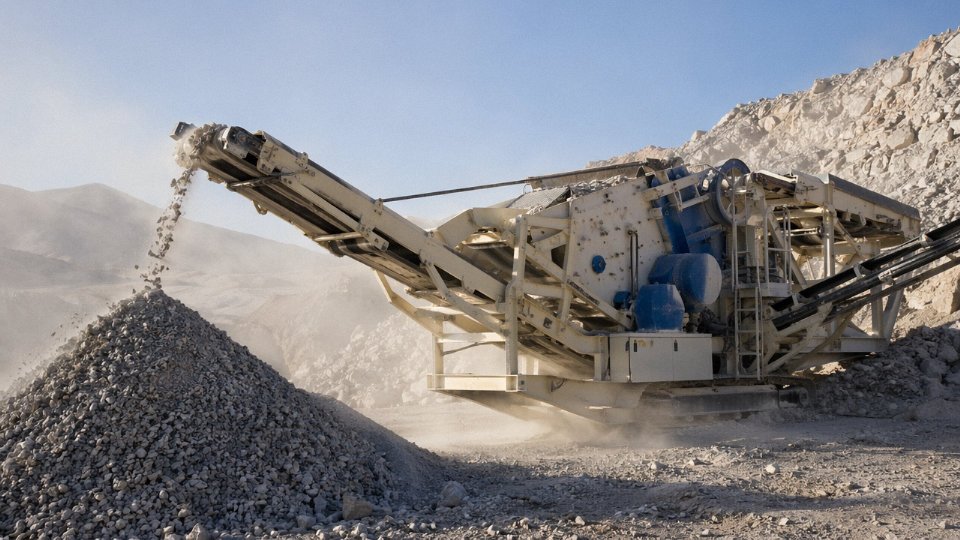
OSHA-equivalent silica regulation exists in fewer than half of UN member states, and even where legislation is on the books, enforcement infrastructure is often absent. Informal small-scale mining, artisanal granite and sandstone cutting, and unregulated demolition work in parts of South and Southeast Asia, sub-Saharan Africa, and South America account for the overwhelming majority of new silicosis cases worldwide. These aren’t edge cases — they represent the statistical center of gravity for the disease globally.
The exposure profile in these settings is qualitatively different from a monitored U.S. or EU construction site. Dry cutting without water suppression, no respiratory protection, enclosed low-ventilation spaces, 10–14 hour shifts. Accelerated silicosis — the variant caused by very high short-term exposures — can develop in under five years under these conditions. Most affected workers never receive a diagnosis because they lack access to chest imaging or occupational medicine. The silicosis burden in formal-economy workplaces with decent controls is real but comparatively small.
Pre-existing lung disease: where the math becomes multiplicative
A worker with moderate COPD, active or prior tuberculosis infection, or poorly controlled asthma who inhales crystalline silica doesn’t simply have two problems running in parallel. The interaction is mechanistically additive at minimum and likely synergistic for fibrosis progression. TB and silica exposure is a particularly well-documented pairing — silica impairs macrophage killing of mycobacteria, and the chronic inflammation from TB-scarred lung tissue accelerates silicotic nodule formation. In regions where both TB prevalence and silica-intensive work are high, this co-exposure is a serious public health problem, not a theoretical concern.
For plant-level workforce management, this means that pre-placement and periodic health surveillance shouldn’t treat spirometry findings as bureaucratic checkboxes. A worker with FEV1/FVC already at 68% before starting a silica-exposed role is not the same risk profile as one with normal baseline lung function. OSHA’s medical surveillance requirements for silica-exposed workers are a starting point, not a complete framework for high-risk individuals.
Prior tuberculosis infection combined with crystalline silica exposure increases silicosis risk beyond what either exposure alone would predictTrue
Epidemiological and mechanistic evidence consistently shows a synergistic relationship: silica impairs alveolar macrophage function needed to contain mycobacteria, and TB-associated lung damage lowers the fibrotic threshold, making the combined burden multiplicative rather than simply additive.
Genetic susceptibility: real signal, not yet actionable
Variants in HLA-DPB1 and related immune-regulatory genes are associated with both elevated silicosis risk and silica-related autoimmune disease — conditions like systemic sclerosis and lupus appear at higher rates in silica-exposed workers than the general population, and genetic background influences that risk. Research into pharmacogenomic screening for workforce placement is active, particularly in Europe and China. Practically speaking, though, no validated clinical tool currently exists for identifying high-risk individuals before job placement. This is a space to watch, not something a safety manager can act on today. The honest position is: genetic susceptibility is real, but individual screening isn’t there yet.
Engineered amorphous silica nanoparticles: an open question that industry is betting on
Fumed SiO₂ nanoparticles — typically 7–40 nm diameter — are used in coatings, pharmaceuticals, electronics manufacturing, and food processing as flow agents and thickeners. Amorphous silica historically carried a far lower risk profile than crystalline forms, and IARC still classifies it as Group 3. At the nanoscale, though, surface area per unit mass increases dramatically, which changes reactivity. In vitro studies and rodent data show pro-inflammatory cytokine responses at high doses. The epidemiological picture at realistic occupational exposure levels is still inconclusive — partly because the industry is relatively young and latency for pulmonary disease is long. This is not a reason to panic about food-grade colloidal silica; it is a reason for companies handling fumed nano-SiO₂ in powder form to maintain rigorous exposure monitoring now, before the epidemiology catches up.
Geothermal and carbon capture drilling: a proactive warning
The energy transition is pushing subsurface engineering into geological formations that are often silica-rich — deep geothermal projects in granite and rhyolite, CO₂ injection wells, enhanced geothermal systems. Drilling, core sampling, and well completion in these formations generates respirable crystalline silica. The occupational hygiene standards for these emerging project types haven’t kept pace with the pace of project development. In my view, the correct approach is to treat any new subsurface energy project in crystalline-rich geology as a presumptive high-exposure environment from day one — establish baseline air monitoring before operations scale, not after the first cohort of drillers has logged a decade of exposure hours. Waiting for worker data to accumulate over 20 years is how the asbestos mistake gets repeated.
Frequently asked questions about silica exposure and avoidance
Is the silica in my vitamin or protein powder supplement dangerous?
No — and this one causes a lot of unnecessary anxiety. The silica used as an anti-caking agent in supplements and powdered foods is amorphous silicon dioxide, listed as E551 in European regulations and generally recognized as safe by the FDA. It is not crystalline silica. The structural difference matters enormously: amorphous SiO₂ lacks the ordered lattice that makes crystalline forms biologically reactive in lung tissue. Both EFSA and FDA have reviewed it at actual dietary intake levels and found no basis for concern. You would need to inhale respirable quantities of the crystalline form — repeatedly, over years — to accumulate the kind of lung burden associated with silicosis or lung cancer. Swallowing a capsule with a few milligrams of amorphous SiO₂ is a completely different exposure pathway.
Food-grade amorphous silicon dioxide (E551) in supplements carries the same lung cancer risk as occupational crystalline silica dustFalse
Food-grade silica is amorphous, not crystalline. IARC classifies crystalline silica inhaled from occupational sources as Group 1 (lung carcinogen); amorphous silica is Group 3 — not classifiable as carcinogenic. The structural form and exposure route are both entirely different.
I only occasionally cut concrete on site — do I really need to worry?
Yes. This is exactly the thinking that gets workers into trouble. Task duration does not cap your peak exposure. Dry-cutting a single expansion joint with an angle grinder in a partially enclosed space can push airborne concentrations into the hundreds of micrograms per cubic meter for the duration of that cut — well above the OSHA PEL of 50 µg/m³ as an 8-hour TWA. If that task runs 20 minutes in a confined area, the short-term concentration can be severe enough that even when time-averaged across a full shift it still breaches the legal limit. Occasional doesn’t mean safe. It just means the exposure is intermittent and therefore easy to dismiss until a chest X-ray says otherwise, usually decades later.
Can silicosis be reversed once it develops?
No. This is one of the harder truths in occupational medicine. Fibrotic tissue that has replaced functional lung parenchyma does not remodel back. The disease can progress even after the worker leaves the dusty environment entirely — sometimes accelerating, particularly with progressive massive fibrosis. Clinical management is largely about slowing complications: screening aggressively for tuberculosis (TB co-infection dramatically worsens prognosis), managing respiratory infections early, and pulmonary rehabilitation to preserve functional capacity. Lung transplantation exists as an option in end-stage cases but carries its own significant mortality and is rarely straightforward. The only effective intervention is preventing exposure in the first place.
Are quartz kitchen countertops hazardous to live with?
Not during normal household use. An intact, installed engineered stone surface sitting in your kitchen generates no respirable dust. The hazard is entirely in the fabrication shop and during on-site cutting or grinding at installation — tasks that generate fine dust from a material that can contain 90% or more crystalline silica by weight, far higher than natural stone. Workers in stone fabrication shops have developed accelerated silicosis after relatively short exposure periods. Once the countertop is sealed and sitting on your cabinets, the risk to occupants is essentially zero.
Is diatomaceous earth safe to use at home for pest control?
Depends heavily on the grade. Food-grade freshwater DE — the kind sold for household pest control — is predominantly amorphous silica and poses low risk from skin contact or incidental exposure. The risk is inhalation during application. Fine DE dust disperses easily and should not be breathed in by people or pets regardless of grade. Pool-filter-grade DE is a different product entirely: it is calcined at high temperature, which converts much of the amorphous silica to crystallite forms, resulting in meaningful crystalline silica content. That product requires at minimum an N95 respirator during handling. The labeling does not always make this distinction obvious, which is a genuine practical hazard.
How do I actually know whether my job site is over the legal limit?
Visual assessment tells you almost nothing reliable. Dust you can clearly see in the air is mostly larger particles; the respirable fraction — below about 10 µm aerodynamic diameter, and especially the sub-4 µm particles that reach the alveoli — is largely invisible. The only defensible method is personal air sampling: a pre-weighed filter cassette on a cyclone sampler clipped to the worker’s collar, running through a full shift, followed by gravimetric weighing and X-ray diffraction analysis at an AIHA-accredited laboratory. XRD is necessary to quantify the crystalline fraction specifically; total dust weight alone is not sufficient. In practice, industrial hygienists will often run multiple samples across different tasks and workers to characterize the exposure range, since concentrations vary considerably with task, tool, material, and ventilation. If your site has never had air monitoring done, you are essentially guessing — and in silica-generating environments, guessing wrong has consequences that show up on a radiograph fifteen years from now.
A calibrated verdict: when to avoid silica and when the risk is genuinely negligible
The honest answer to the title question is: it depends entirely on the form, the task, and the measured airborne concentration — not the word “silica” appearing on a label or a material spec sheet.
Crystalline silica dust in occupational settings: avoid generation, not the material itself
Dry cutting fiber cement board with an angle grinder. Jackhammering concrete in a poorly ventilated basement. Abrasive blasting with silica sand on structural steel. These are the scenarios where avoidance logic applies — not avoidance of silica as a substance, but avoidance of uncontrolled respirable dust generation from crystalline silica-containing materials. The fibrosis that develops from chronic overexposure is irreversible. There is no treatment that restores scarred lung tissue once silicosis has established, which is what makes the dose-response curve here qualitatively different from many other industrial hazards. A cut hand heals. A fibrotic lung does not.
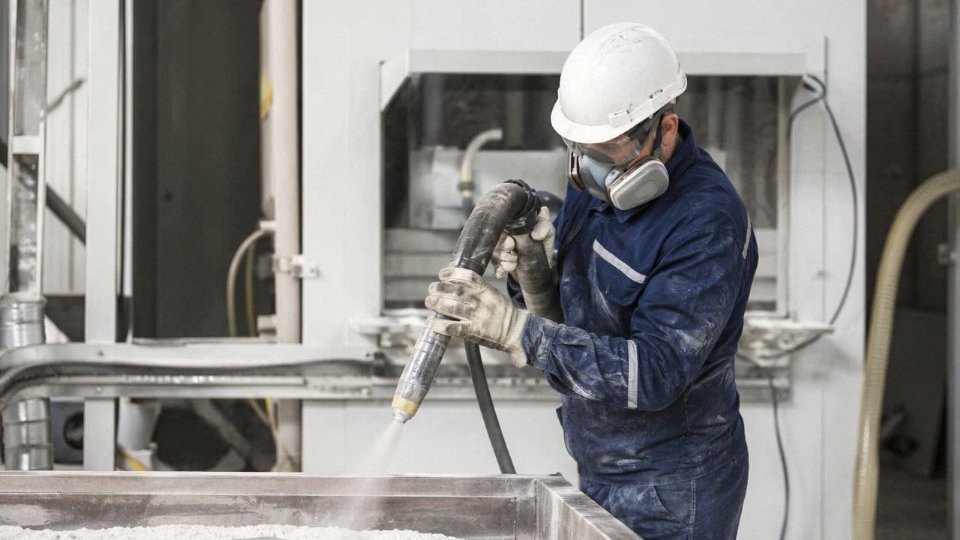
The practical rule for any task involving dry cutting, grinding, drilling, or blasting of concrete, stone, brick, engineered quartz, or similar materials: assume you are generating respirable crystalline silica until air monitoring proves otherwise, and engineer the exposure down before reaching for a respirator. Wet suppression, local exhaust ventilation, enclosed cab operation — these are first-line controls, not optional add-ons. Treating an N95 as the primary defense is both a regulatory violation under OSHA’s silica standard and, frankly, an ethical failure toward the workers in your facility. Respirators fail. They get worn incorrectly, stored badly, used past their service life. Engineering controls do not go home and leave theirs on the dashboard of a pickup truck.
OSHA's permissible exposure limit for respirable crystalline silica is 50 µg/m³ as an 8-hour TWA, and ACGIH recommends a more protective TLV of 25 µg/m³True
OSHA finalized 50 µg/m³ in its 2016 crystalline silica standard (29 CFR 1910.1053 / 1926.1153). ACGIH sets its TLV lower at 25 µg/m³, reflecting the view that even the OSHA PEL leaves residual risk — neither threshold represents a bright line below which zero excess risk exists.
The gap between 50 and 25 µg/m³ matters. Neither figure is a guarantee of safety; both are risk-reduction benchmarks derived from epidemiological data that inherently carry uncertainty at the margins. The most defensible industrial hygiene position is to push measured TWA concentrations as low as reasonably achievable, then use air monitoring results — not job title or material name — to calibrate your control response.
Amorphous silica and consumer products: stop conflating them
Silica gel in a vitamin bottle is not the same hazard as respirable quartz dust on a tile saw. The structural and toxicological distinction between amorphous and crystalline silica is not a technicality invented by industry to deflect liability — it is grounded in decades of regulatory science and is the basis for IARC’s Group 3 classification of amorphous silica. Food-grade silicon dioxide (E551) used as an anti-caking agent in powdered supplements represents negligible inhalation exposure under normal use conditions. Routine ingestion of amorphous silica at permitted food-additive levels has not produced the pathological outcomes associated with occupational crystalline silica inhalation. These are different materials behaving differently in the body.
For consumers doing home renovation — cutting ceramic tile, grinding concrete, sanding old textured ceilings — the practical takeaway is specific: use wet methods or a vacuum-shrouded tool, work in ventilated space, and use a properly fitted P100 half-face respirator when engineering controls are not practical for a short one-off task. That is a proportionate, evidence-based response. Throwing out silica gel packets or avoiding supplements that list silicon dioxide is not.
The decision in plain terms
Avoid uncontrolled crystalline silica dust generation. Respect the irreversibility of the lung damage it causes and engineer exposures down systematically, using the hierarchy of controls in order. Do not treat all silica as identical — amorphous forms in managed consumer and industrial applications carry a fundamentally different risk profile. And calibrate your concern to measured concentrations, not material names. That is the difference between a functional safety program and one that generates paperwork without protecting anyone.