A lubricant can be “healthy” on the safety data sheet and still make people miserable on the floor if it mists off a high-speed spindle, soaks gloves during changeovers, or gets smeared onto sandwich wrappers in the break area. The operational hit shows up as dermatitis cases, fogged enclosures, housekeeping complaints, shortened fluid life, and maintenance crews avoiding a job because the oil is nasty to handle. Then the money follows: scrap from sticky valves, unplanned bearing work, waste disposal costs, air-handling upgrades, and procurement churn. The better direction is not to chase the greenest label; it is to choose the lowest-hazard lubricant that still satisfies the OEM’s viscosity, load, temperature, oxidation stability, corrosion protection, and service-life requirements.
The healthiest industrial lubricant is the lowest-hazard product that still meets the machine maker’s viscosity, load, temperature, oxidation-stability, corrosion-protection, and service-life requirements. In practice, that usually means reducing skin contact, oil mist, hand-to-mouth contamination, and leaks, not simply buying a “food-grade” or “bio-based” label.
That sounds straightforward until you compare a gearbox in a hot foundry bay with a mist-lubricated CNC line, a food-packaging conveyor, and a hydraulic press that leaks every winter when the seals harden. Same word, “lubricant.” Very different risk. A useful answer has to separate human exposure from machine duty, then put them back together before procurement cuts the purchase order.
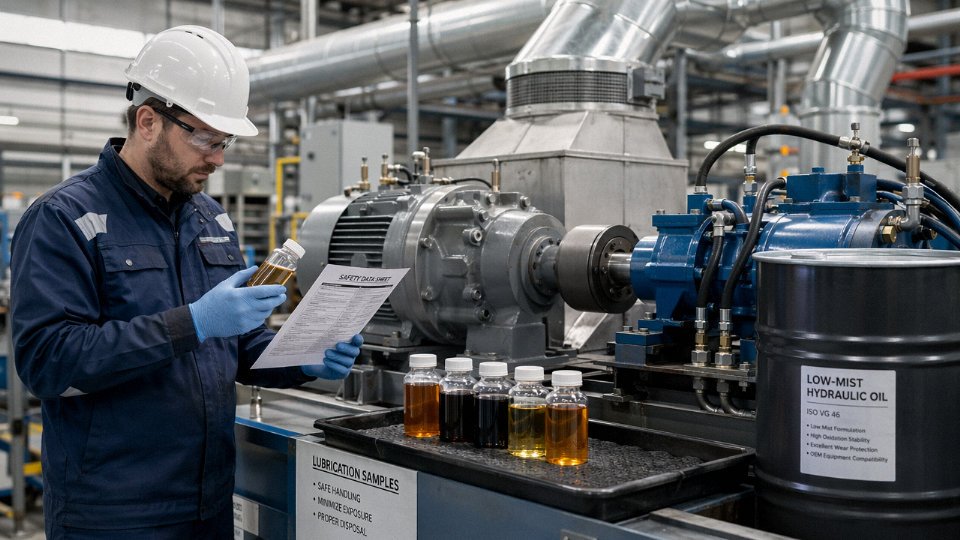
Match the lubricant family to the exposure profile before judging health risk
A lubricant is not “healthy” or “unhealthy” in isolation. The same oil that is a sensible choice in a sealed gearbox can be a nuisance in a high-speed spindle, an open chain, or a mist-lubricated air line. Exposure profile comes first: skin contact during handling, airborne mist, incidental ingestion from dirty gloves or lunchroom habits, and what happens when the product leaks into a sump, floor drain, chip conveyor, or soil outside the building.
In practice, I start with the task, not the brochure. Is the lubricant sealed, sprayed, wiped, atomized, heated, or constantly topped up by operators? That one question changes the health discussion fast.
How the main lubricant families usually behave
| Lubricant family | Typical strengths | Watch points on the plant floor |
|---|---|---|
| Highly refined mineral oils | Familiar, cost-effective, good additive response, broad OEM acceptance | Mist can be the real exposure driver; additives, used-oil contamination, and thermal breakdown matter as much as the base oil |
| White oils | Low odor, low color, often used where cleanliness or incidental contact matters | May need careful additive selection; not automatically suitable for heavy load or high temperature service |
| Polyalphaolefin synthetics | Low volatility, good oxidation stability, good cold flow, often longer drain intervals | Higher purchase price; seal compatibility and additive chemistry still need checking |
| Synthetic esters | Good lubricity, biodegradability options, useful solvency, strong film behavior | Can be hydrolysis-sensitive; may affect some seals, paints, or varnishes; odor control depends on grade and service temperature |
| Polyalkylene glycols | Good high-temperature cleanliness, low varnish tendency in the right system, useful fire-resistance grades | Not always compatible with mineral oil residues, paints, or elastomers; water solubility can change disposal and leak behavior |
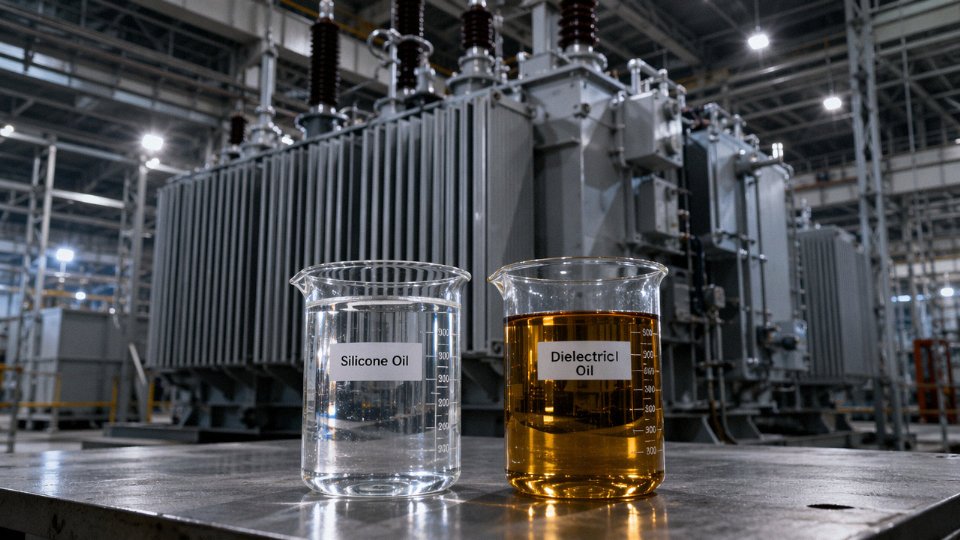
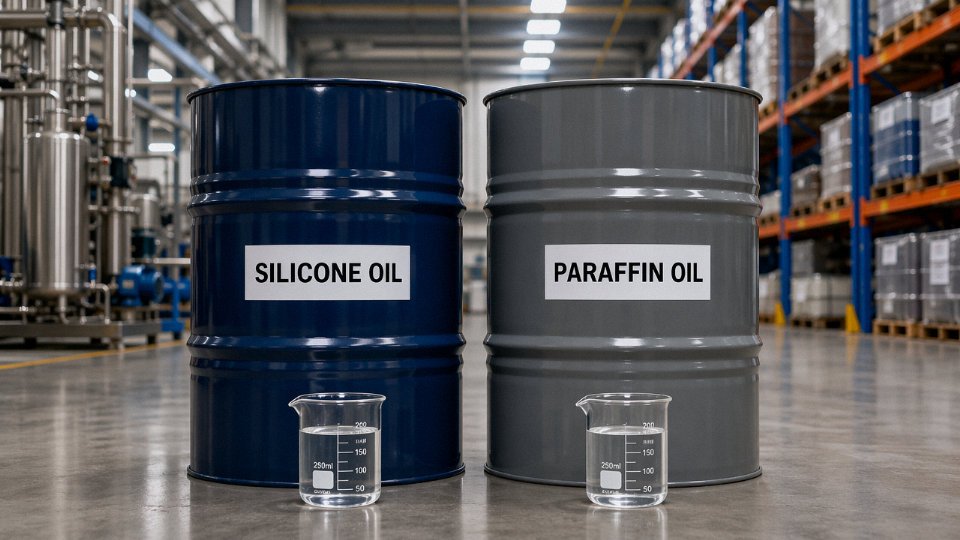
| [Silicone oils](https://siliconchemicals.com/silicone-oil/) | Very low volatility in many grades, wide temperature capability, chemically inert in selected uses | Poor boundary lubrication unless formulated for it; contamination can ruin painting, coating, or adhesive processes |
| Vegetable oils | Renewable content, good lubricity, often attractive for outdoor or loss lubrication | Oxidation stability can be weak without good formulation; gumming, odor, and microbial effects show up when maintenance is casual |
| Water-based lubricants | Lower flammability, lower oil load, easier heat removal in machining and forming | Microbial growth, biocide exposure, pH drift, tramp oil, and dermatitis complaints if concentration control is sloppy |
Highly refined mineral oils are generally far safer than poorly refined oils, especially old-style, inadequately treated stocks that can contain higher levels of undesirable aromatics. That does not give mineral oil a free pass. The health risk in a real plant often comes from the whole cocktail: anti-wear additives, rust inhibitors, tackifiers, dyes, used-oil metals, process dust, coolant carryover, and oxidation products formed after months in a hot sump.
Oil mist deserves special attention because it bypasses a lot of good intentions. Many facilities use 5 mg/m3 as an 8-hour time-weighted occupational reference point for mineral oil mist, with tighter internal targets in heavy mist areas such as screw machines, die casting spray zones, or high-speed enclosed machining. The actual number depends on enclosure quality, ventilation capture, nozzle pressure, oil viscosity, temperature, and whether mist collectors are maintained or just humming in the corner with loaded filters.
A highly refined base oil can still create an unacceptable health risk if it is heavily misted, overheated, contaminated, or paired with hazardous additives.True
Base oil refining level matters, but worker exposure is driven by the full formulation, degradation products, contamination, and airborne concentration in the actual process.
Synthetics can reduce exposure, but they are not magic
Polyalphaolefin synthetics often bring lower volatility and better oxidation stability than conventional mineral oils. In a gearbox, compressor, hydraulic system, or circulating oil unit, that can mean fewer top-ups, fewer drum changes, and longer intervals between drains. I have seen changes from annual to two- or three-year oil intervals in clean, temperature-controlled equipment, but the result depends on filtration, reservoir breathing, duty cycle, OEM approval, and oil analysis discipline. Less handling usually means less skin contact and fewer spill events.
There is a catch. Synthetics can be expensive, and compatibility is not a paperwork detail. Some PAGs do not tolerate mineral oil contamination. Some ester products clean varnish so well that old deposits move downstream and plug filters. Certain seals swell, shrink, or harden depending on elastomer type and temperature. If procurement swaps “equivalent viscosity” without engineering review, the first symptom may be leaks, foaming, bearing heat, or a maintenance team blaming the pump.
Bio-based and ester-based products need maintenance discipline
Vegetable oils and synthetic esters are attractive where leakage is expected: sawmill chains, rail curves, marine deck equipment, agricultural machinery, outdoor hydraulics, and total-loss lubrication. Their biodegradability and renewable content can reduce environmental burden, especially where a mineral oil leak would become a reportable headache. They also tend to have strong lubricity, so film strength can be good even at modest viscosity.
The practical weaknesses are not academic. Oxidation can thicken the oil, create varnish, and leave sticky residues on chains and slides. Hydrolysis can be an issue in wet service, especially for some ester chemistries. Odor becomes a worker complaint when warm oil sits in an open system too long. Seal compatibility should be checked against the actual elastomer, not just the phrase “compatible with common seals.” Nitrile, fluoroelastomer, polyurethane, and EPDM do not behave the same.
Water-based fluids move the risk, not erase it
Water-based lubricants and metalworking fluids can reduce flammability and cut the oil load in the workplace. They also remove heat well, which is why they survive in grinding, machining, drawing, and forming operations. Used correctly, they can be the healthier choice versus neat oil in a mist-heavy, hot process.
Poorly maintained, they become a different kind of health problem. Concentration drifts low, pH falls, tramp oil seals the surface, bacteria grow, operators add biocide by guesswork, and then dermatitis cases start showing up. A sour sump is not just unpleasant. It is a control failure. Refractometer checks, pH logs, tramp oil removal, clean water quality, and scheduled sump cleaning matter as much as the fluid brand.
The practical benchmark is still simple: choose the lowest-hazard lubricant family and formulation that meets OEM viscosity, load, temperature, oxidation stability, corrosion protection, and service-life requirements in the real exposure profile. Pick wrong on the health side and people breathe it or wear it. Pick wrong on the machine side and you buy downtime, scrap, energy waste, and emergency maintenance.
Use the safety data sheet to screen out avoidable toxicological hazards
Marketing language will tell you a lubricant is “clean,” “green,” “food-safe,” or “low-tox.” The safety data sheet is where you find out what the supplier is actually willing to put in writing. It is not perfect, and it often hides exact additive percentages behind trade-secret ranges, but it is still the first document I want on the desk before a trial drum reaches the plant.
Start with the sections that change real exposure
Read the safety data sheet like a maintenance job plan, not like a legal form.
Hazard identification is the first gate. Look for hazard statements tied to aspiration toxicity, skin sensitization, reproductive toxicity, carcinogenicity, acute toxicity, specific target organ toxicity, aquatic toxicity, and mist behavior. A plain mineral hydraulic oil may have few listed hazards at room temperature, while a metalworking fluid with biocides and amine chemistry may carry skin and respiratory concerns that show up only after months of daily sump contact.
Composition tells you what deserves review, even when the exact recipe is confidential. Additive names to slow down on include extreme-pressure additives, sulfurized compounds, chlorinated paraffins, zinc dialkyldithiophosphate, barium compounds, molybdenum compounds, phenolic antioxidants, amine antioxidants, biocides, corrosion inhibitors, dyes, tackifiers, and fragrance components. None of these automatically makes a product unsuitable. They do mean you should ask why they are present, at what range, and whether a lower-hazard package can meet the same duty.
First aid gives clues about expected field problems. Repeated “wash thoroughly after handling,” “remove contaminated clothing,” or “seek medical advice for persistent irritation” language matters in plants where operators handle oily parts all shift. If the crew already has dermatitis complaints, do not dismiss that section as boilerplate.
Fire measures matter for high-temperature chains, quench systems, ovens, and mist collectors. Check flash point, decomposition products, and recommended extinguishing media. A lubricant that is acceptable in a gearbox may be a poor fit on a hot open chain where oil drips onto guards, bakes, and smokes.
Accidental release, handling, and storage are practical sections. They tell you whether the product spreads fast, makes floors slick, needs bunded storage, reacts with oxidizers, or creates difficult cleanup waste. This is where procurement sometimes saves a few cents per liter and production later pays for absorbent, disposal, and slip incidents.
Treat mist, heat, and skin contact as risk multipliers
Exposure controls is where the safety sheet meets the plant. Many facilities use 5 mg/m3 as an 8-hour time-weighted occupational reference point for oil mist, with lower internal targets for machining, spray lubrication, high-speed spindles, and poorly enclosed equipment. The right target depends on oil type, mist droplet size, ventilation, local rules, and how close operators stand to the source. In practice, if you can smell hot oil every time a machine door opens, you should not wait for the annual hygiene survey to start asking questions.
Physical and chemical properties help predict exposure. Viscosity, vapor pressure, flash point, pour point, water solubility, and volatility are not just lab values. Low-viscosity oils tend to spread and aerosolize more easily. High-temperature use can create fumes even when the fresh oil looks benign. Water-miscible fluids bring another issue: sump biology, tramp oil, pH drift, and biocide maintenance. I have seen good fluids turn nasty because nobody owned the refractometer and the Monday top-up routine was guesswork.
Toxicology deserves a slow read. Watch for repeated-dose effects, skin sensitization, aspiration hazard, reproductive warnings, carcinogenicity classifications, and specific target organ toxicity. Aspiration hazard is especially relevant for low-viscosity oils and aerosols; the main concern is oil entering the lungs, not someone intentionally drinking it.
Ecology and disposal affect health indirectly through spills, drains, waste handling, and contractor practices. Aquatic toxicity, persistence, bioaccumulation, and waste codes should influence storage location and spill response. A lubricant that requires special waste handling may still be the right technical choice, but do not pretend it has the same operational burden as a readily recyclable straight oil.
A chemical name appearing on a lubricant safety data sheet does not automatically mean the lubricant is unsafe.True
Risk depends on concentration, exposure route, operating temperature, aerosol formation, duration of contact, ventilation, personal protective equipment, and whether the lubricant is used as intended.
Use a scoring matrix, not a gut feel
For competing products, I like a simple weighted matrix. Keep it ugly and usable. One page is enough.
| Selection factor | Typical weighting | What to check |
|---|---|---|
| Documented health hazards | 20–30% | Hazard statements, toxicology, sensitizers, carcinogenicity, reproductive warnings |
| Exposure likelihood | 15–25% | Skin contact, mist, spray, heat, open handling, glove discipline |
| OEM compliance | 20–30% | Viscosity grade, approvals, load rating, seal compatibility, temperature range |
| Service interval | 10–15% | Oxidation stability, contamination tolerance, drain interval evidence |
| Waste and spill burden | 5–15% | Disposal route, absorbent use, aquatic toxicity, cleanup difficulty |
| Supplier transparency | 5–10% | Full safety data sheet quality, technical support, disclosure of restricted substances |
The weighting depends on the process. A sealed reduction gearbox can lean harder on OEM compliance and service life. A misty machining cell with operators unloading wet parts should weight exposure and skin effects much higher.
The wrong choice shows up in boring ways: gloves taped at the wrists, rashes nobody reports until turnover rises, fogged machine windows, oily floors, sump odor, blocked mist filters, rejected wastewater, or a lubricant that protects people but fails bearings because it never met the load requirement. The healthiest product is the one that survives both reviews: the safety desk review and the machine trial.
Prioritize low-mist, low-volatility lubricants where workers breathe near the process
Inhalation risk is where “healthy lubricant” decisions get very practical. A product that is uneventful inside a sealed gearbox can become a shop-floor health problem when it is sprayed, splashed, atomized, or cooked off a hot surface all shift long.
Oil mist forms in ordinary ways. A spindle throws fluid off a rotating tool. A stamping line splashes lubricant as strip speed rises. A mist lubricator on an air tool deliberately turns oil into an aerosol. A high-pressure hydraulic pinhole leak can make a fine invisible plume that travels farther than people expect. Hot chains, oven bearings, die-casting equipment, and poorly enclosed machining cells add another route: lighter fractions evaporate, then condense as fume or fine mist in the breathing zone.
None of that means the oil is “toxic” in the simple sense. It means the exposure route changed.
Even a low-toxicity lubricant can become a respiratory concern when it is aerosolized at high concentration.True
Health risk depends on dose and route of exposure. An oil with a relatively clean toxicological profile may still irritate the respiratory tract or exceed site exposure targets if mist generation and ventilation are poorly controlled.
Mist is a process problem, not just a product problem
Many plants use 5 mg/m3 as an 8-hour time-weighted average reference point for oil mist, while better-run high-mist operations often set internal targets below that. The actual number you can hold depends on enclosure quality, fluid application rate, sump temperature, tool speed, collector capacity, and maintenance discipline. A clean machining cell with tight doors and a properly sized mist collector may run well below the reference point. The same fluid in an open manual operation with a bent nozzle and no capture hood can be a mess by first break.
I have seen operators blame the oil when the real cause was a nozzle aimed at the chuck instead of the cut. That creates fog, not lubrication.
Look for lubricant properties that reduce the tendency to become airborne:
| Selection factor | Why it matters in breathing-zone exposure | Practical caution |
|---|---|---|
| Lower volatility | Less vapor generation from warm surfaces and sumps | Check operating temperature, not just room-temperature data |
| Higher flash point | Usually signals fewer light fractions and lower fire/vapor concern | Flash point is not a full health rating |
| Appropriate viscosity | Too thin may atomize easily; too thick may require higher pressure | Must still meet OEM flow and film requirements |
| Mist-suppression chemistry | Helps droplets coalesce or resist fine aerosol formation | Compatibility with filters, seals, and coolant systems must be checked |
| Oxidation stability | Degraded oil can smell, smoke, and form irritants | Heat, tramp metal, and water shorten life |
| Low-pressure delivery | Less atomization at the source | Poor aim can still create mist |
The healthiest choice is still the lowest-hazard product that meets the OEM viscosity, load, temperature, oxidation stability, corrosion protection, and service-life requirements. If you choose a low-mist oil that fails the bearing or lets a press guide run dry, you have not reduced risk. You have moved it into downtime, scrap, emergency maintenance, and possibly a worse exposure during cleanup.
Sealed gearbox logic does not apply to open spray work
A gear oil living inside a closed reducer is mainly a skin-contact, leak, and disposal issue. The operator may touch it during filling, sampling, or seal repair. Airborne exposure is usually minor unless the unit is overheated, venting heavily, or being drained hot in a confined area.
Use a similar oil in an open spray system and the risk picture changes. Now droplet size, spray pressure, nozzle pattern, rebound from the workpiece, cross-drafts, and operator position matter as much as the safety data sheet. A low-aromatic, well-refined base oil may still be a poor “healthy” choice if it is being blasted across a die face with compressed air and no enclosure.
Typical scenario: a plant swaps to a cleaner lubricant for a high-speed stamping line but keeps the old air-assisted spray heads. Odor improves for a week, then complaints return because the application rate is still excessive and the side guards are missing after a die change. The chemical hazard went down. The aerosol exposure did not.
Controls that make the lubricant choice work
Start at the source. Enclose the operation where possible, keep doors and seals intact, and stop treating missing viewing panels as a minor housekeeping issue. Use local exhaust ventilation close to the mist source, not ten feet away where it mostly captures room air. Mist collectors need correct airflow, drained filters, clean demisters, and maintenance records; a collector with loaded filters is just a noisy box.
Application hardware matters too. Dripless dispensing, metered lubrication, low-pressure nozzles, minimum-quantity systems, and well-aimed flood delivery can cut airborne oil without starving the tool. Avoid using compressed air to “help” lubricant reach the part unless the system is designed for it. In practice, that habit often turns a manageable liquid into a breathable cloud.
Repair leaks fast, especially hydraulic leaks near hot surfaces or rotating parts. A small weep onto a guard is one thing. A pinhole leak near a press, furnace, or motor shaft is different. Treat it as both an inhalation and fire warning.
Routine air monitoring closes the loop. Personal samples tell you what operators actually breathe; area samples tell you how the cell behaves. Do it after process changes, seasonal ventilation shifts, collector replacement, fluid changes, or speed increases. Healthier lubricant selection is strongest when paired with enclosure, capture, correct delivery, and verification.

Reduce dermatitis risk by selecting skin-compatible fluids and controlling contamination
Skin trouble is one of the first lubricant-related health issues I see on a plant floor, long before anyone talks about toxicology reports. The operator with cracked knuckles at the CNC door, the mechanic wiping hydraulic oil off his forearm with a dirty rag, the fleet tech washing his hands ten times a shift with harsh soap — that is where “healthy lubricant” gets real.
The base oil matters, but it is rarely the whole story. Dermatitis risk comes from direct contact with oil, emulsifiers, extreme-pressure additives, amines, biocides, solvents, metal fines, degraded oxidation products, high alkalinity, microbes, and plain old over-washing. A fresh lubricant from a sealed drum may be reasonably low hazard. The same fluid after three months in a sump, loaded with cast iron fines, tramp way oil, bacteria, and cleaner residue, can be a different animal.
A food-grade lubricant is automatically the healthiest lubricant for skin contact.False
Food-grade approval relates mainly to incidental food contact, not repeated skin exposure. Some food-grade products still contain additives, thickeners, or base oils that can irritate skin under frequent contact or poor hygiene conditions.
Skin risk varies by lubricant type
Straight oils, such as neat cutting oils and slideway oils, usually have lower water-related microbial issues than water-mix fluids, but they can stay on the skin longer and carry metal fines into small cuts. Heavy sulfurized or chlorinated additive packages, where still used, deserve a closer look. The smell often tells maintenance something is changing, but smell is not a reliable safety test.
Soluble oils and semi-synthetic metalworking fluids are a bigger dermatitis concern in many machine shops because they combine oil, water, emulsifiers, corrosion inhibitors, biocides, dissolved metals, and bacteria in one circulating system. Concentration that drifts too lean can reduce corrosion control and invite microbial growth. Too rich, and the fluid may defat skin or leave sticky residues. In practice, many shops run somewhere around 4–10% concentration, depending on the product, alloy, operation, and OEM recommendation. Guessing by color is not control; use a refractometer and apply the product correction factor.
Synthetic coolants can look cleaner because they are transparent and low-oil, but some are alkaline enough to irritate hands, especially with repeated contact. Many water-based coolants run roughly pH 8.5–9.8, depending on chemistry and age. Above that, skin complaints tend to rise in some plants, though alloy corrosion and microbial control still have to be balanced. Do not chase comfort by dumping in random additives. That creates a chemistry experiment in the sump.
Greases are usually lower exposure if applied with a gun or automatic lubricator. Trouble starts with hand-packing bearings, wiping excess grease from chains, or using solvent to clean grease off skin. Tackifiers and solid lubricants are not automatically dangerous, but they make contamination stick. Hydraulic oils are often handled during hose changes, filter swaps, and leak cleanup; the product may be mild, yet injection injury from high-pressure leaks is a medical emergency, not a dermatitis case. Food-grade lubricants help where incidental product contact is possible, but skin compatibility still depends on the formula and the task.
Aged and dirty fluid can be harsher than the original product
A common mistake in procurement is approving a “low-irritation” fluid and then starving the maintenance program that keeps it that way. Oxidized oil forms acids, varnish precursors, and polar breakdown products. Metal particles abrade skin. Tramp oil blocks oxygen transfer in water-mix sumps and feeds anaerobic stink. Bacteria and fungi can generate irritation, odor, slime, and unstable pH. Biocide overdosing can also irritate skin. Both neglect and panic treatment cause problems.
Typical scenario: a machining cell starts with a decent semi-synthetic coolant. Six weeks later, concentration is low because operators top up with water, Monday morning odor appears after weekend stagnation, and the sump has a gray skin of tramp oil. One operator starts wearing cotton gloves under nitrile because his hands burn. The wrong fix is to add extra biocide and keep cutting. The better fix is test concentration, check pH, remove tramp oil, filter fines, clean the sump if the bio-load is established, and retrain top-up practice.
Controls that actually work at the machine
The healthiest fluid is still a poor choice if workers bathe in it. Use closed transfer where the volume justifies it: drum pumps, quick-connects, metered dispensers, and returnable totes beat open buckets. Even a decent hand pump on a 55-gallon drum reduces splashing and the “dip a jug in it” habit.
Splash guards and better nozzle aim matter. So does housekeeping. A wet floor turns lubricant exposure into glove contamination, boot contamination, and eventually lunchroom contamination.
Gloves need to match the fluid. Nitrile is a common starting point for many oils and coolants, often in the 4–8 mil range for dexterity or heavier for cleanup, but compatibility depends on the formulation and contact time. Some solvents and cleaners go straight through glove materials faster than people expect. Keep glove charts near the crib, not buried in an office binder. Replace gloves before they are soaked inside; a saturated glove is just a chemical compress.
Basic skin-care rules are boring and effective: clean rags, mild hand cleaner, no abrasive powder unless there is no better option, moisturizers approved for the site, and no compressed air for cleaning skin or clothing. Compressed air can drive oil and fines into skin and eyes, and it spreads mist around the work area. I have seen good plants lose that battle because one air gun was “just for quick cleanup.”
Maintenance is part of the health specification
For water-mix fluids, specify the maintenance window along with the product: concentration range, pH action limits, filtration target, tramp-oil removal method, microbial dip-slide or lab test frequency, and cleanout interval. Depending on sump size, heat load, metal type, and turnover, checks may be daily for concentration and odor, weekly for pH and tramp oil, and monthly or quarterly for deeper testing. High-volume central systems need tighter discipline than a small saw sump, but both can hurt skin when ignored.
Procurement should ask suppliers for more than a price per liter. Ask how the fluid behaves with hard water, aluminum or cast iron fines, tramp hydraulic oil, and the plant’s normal biocide program. Ask what field indicators mean “replace,” not just “treat.” The right lubricant plus weak fluid control leads to dermatitis complaints, scrap from unstable coolant, tool-life swings, and a messy EHS investigation. A slightly more expensive product with stable chemistry and a workable maintenance plan often costs less after the first avoided sump dump.
Choose food-grade H1 lubricants when incidental product contact is credible
Food-grade H1 lubricants are formulated for incidental contact with food, beverage, pharmaceutical, or personal-care product streams. “Incidental” is the key word. They are not ingredients, not processing aids, and not something anyone wants dripping into product. They are the safer, auditable choice for the small, unintended contact that can happen when a bearing seal weeps above an open conveyor or a chain oiler is set a little too generously during night shift.
In plants that run open product, I usually treat lubricant selection as part of contamination control, not just maintenance. If a lubricant point sits above, beside, or inside the practical splash and drip envelope of product contact surfaces, H1 should be on the shortlist unless the design has a convincing physical barrier. That includes bearings over open product zones, chains near conveyors, gearboxes mounted above processing lines, pneumatic lubricators feeding air tools or cylinders around food contact equipment, agitator seals, mixer drives, slicers, fillers, cappers, and packaging machinery where a leak can migrate into primary packaging.
A simple rule from the floor: if a mechanic wiping the fitting with a rag could accidentally touch a food-contact surface, the lubrication point deserves a harder look.

H1, H2, and 3H are not interchangeable labels
The categories get mixed up more often than people admit, especially in older plants with half-used grease cartridges in several maintenance cabinets.
H1 means incidental contact is possible and the formulation is restricted to approved ingredient types and limits. This is the common category for greases, hydraulic oils, gear oils, compressor oils, chain oils, and assembly lubricants used around food or pharmaceutical production.
H2 products are for locations where there is no reasonable chance of food contact. Think utility-room gearboxes, remote motors, or equipment outside the production hygiene zone. H2 may still be a decent industrial lubricant, but using it over an open product conveyor is asking for an audit finding and possibly a product hold.
3H is different again. It covers release agents intended for direct food contact in defined uses, such as preventing food from sticking to molds, grills, cutters, or baking pans. A 3H oil is not automatically the right lubricant for a gearbox, and an H1 gearbox oil is not automatically acceptable as a release agent.
Wrong category, wrong consequence. Best case, the auditor writes a nonconformance and your team spends a week cleaning up the register. Bad case, product is quarantined while quality and regulatory people argue over exposure, lot traceability, and whether any material reached customers.
Where H1 products earn their keep
The best H1 lubricants make compliance easier. You get cleaner documentation, ingredient screening, lot traceability, registration or certification records, allergen statements where applicable, and safety data sheets that tend to be easier for quality teams to defend. In a real audit, that matters. A grease cartridge with an H1 registration number, matching internal lubricant map, and controlled storage beats a mystery tube with a handwritten note every time.
They also reduce risk when the imperfect thing happens. A shaft seal starts to mist. A chain sheds a few drops after washdown. A pneumatic line carries oil into a cylinder near a filler head. H1 does not make contamination acceptable, but it changes the risk profile and usually gives the quality team a more defensible path than a conventional industrial oil would.
H1 food-grade lubricants are meant for incidental product contact, not direct consumption.True
H1 products are formulated and documented for limited, accidental contact scenarios in regulated production environments. They are still maintenance chemicals and should be controlled to prevent contamination.
Food-grade does not automatically mean healthiest for every job
This is where procurement sometimes gets too tidy. “Convert everything to food-grade” sounds clean on a spreadsheet. On the plant floor, it can create new problems if engineering checks are skipped.
H1 grease still needs the right NLGI grade, base oil viscosity, thickener type, dropping point, water resistance, pumpability, and compatibility with the old grease. Mix an aluminum complex H1 grease with the wrong lithium complex residue and you may get softening, bleed, or blocked divider valves. I have seen centralized grease systems blamed for “bad pumps” when the real issue was a well-intended lubricant change and no purge plan.
For oils, the same caution applies. Gearboxes need the OEM viscosity grade and load-carrying chemistry. Chains need oxidation resistance and low carbon-forming behavior at operating temperature. Hydraulic systems need seal compatibility, air release, antiwear performance, and stable viscosity across cold starts and hot washdown conditions. Compressed-air lubricants need careful review because oil mist can travel; many plants are trying to remove line oiling entirely, not make it food-grade.
Washdown is another trap. A lubricant may be H1 and still wash out of bearings too easily under alkaline foam, hot water, or high-pressure spray. That leads to corrosion, bearing noise, and weekend failures. The healthier choice is not the lubricant with the nicest certificate; it is the lowest-hazard product that still meets viscosity, load, temperature, oxidation stability, corrosion protection, and service-life requirements.
A practical selection check
| Application condition | Usually sensible choice | Watch closely |
|---|---|---|
| Lubrication point above open product | H1 grease or oil matched to OEM duty | Drip control, seal condition, relubrication volume |
| No credible product contact, outside hygiene zone | H2 or standard industrial lubricant may be acceptable | Site policy, lubricant segregation, audit map accuracy |
| Release surface touches food by design | 3H release agent, not ordinary H1 oil | Approved use, application rate, residue control |
| High load, heat, or heavy washdown | H1 only if performance is verified | Wear metals, corrosion, grease washout, change interval |
For a food, beverage, pharmaceutical, or packaging facility, H1 is often the healthiest and most compliant answer where contact is credible. It is not a free pass. Treat it like any other engineered lubricant choice: verify the duty, control the storage, label the guns, train maintenance, and keep the paperwork where quality can find it before the auditor does.
Compare biodegradable and bio-based lubricants without ignoring oxidation, fire, and compatibility
“Green lubricant” is one of those purchasing phrases that can mean five different things, and only two of them may matter to the job in front of you.
The terms are not interchangeable
A biodegradable lubricant is judged by how readily it breaks down under defined test conditions. That does not automatically mean it is made from plants. Some synthetic esters biodegrade very well.
A bio-based lubricant contains material derived from renewable biological sources, often vegetable oil or animal-derived feedstock. It may or may not biodegrade fast enough for a sensitive waterway permit.
A renewable lubricant refers to feedstock origin, not workplace exposure, aquatic toxicity, oxidation life, or seal compatibility.
A non-toxic lubricant should be backed by test data for aquatic toxicity, human health classification, and exposure route. The phrase is often used too loosely in brochures.
An environmentally acceptable lubricant, or EAL, normally means the product meets a defined environmental standard or regulatory framework for biodegradability, toxicity, and bioaccumulation. In marine work, that distinction matters. A buyer asking only for “vegetable oil hydraulic fluid” may get the wrong product.
A bio-based lubricant is always the healthiest lubricant choice.False
Bio-based describes feedstock origin. Health risk still depends on additives, misting behavior, oxidation products, fire properties, skin exposure, compatibility, and how often the oil must be changed or cleaned up.
Where biodegradable lubricants earn their keep
The strongest case is where leakage is not hypothetical. Forestry harvesters, skidders, agricultural tractors, dredging equipment, marine deck machinery, mining machines near waterways, rail flange lubrication, and construction equipment working around wetlands or drinking-water catchments all lose lubricant into the environment sooner or later. A clean hydraulic system still weeps at cylinder rods. Grease gets purged. Rail lubricant migrates. Anyone who has walked behind a well-used excavator knows this is not a paperwork problem.
In these services, a biodegradable hydraulic oil or grease can reduce the damage from hose bursts, pin-and-bushing purge, over-lubrication, and imperfect disposal. It can also reduce the amount of contaminated soil treated as hazardous or special waste, depending on local rules and what else is in the spill. That is where environmental health becomes worker health. Fewer nasty spill residues means less aggressive cleanup chemistry, less oily sludge handling, lower skin contact during recovery, and fewer arguments with neighbors when runoff reaches a ditch.
A typical outdoor hydraulic conversion might involve 200 to 800 liters of fluid, give or take, depending on reservoir size and hose volume. If that machine blows a main hose near a creek, the difference between a readily biodegradable, low-toxicity fluid and a persistent mineral oil blend becomes very practical. The operator is not thinking about marketing language. He is trying to contain a slick with absorbent pads while the machine is down and the site manager is making phone calls.
The engineering tradeoffs are real
Biodegradable does not excuse weak engineering. Many environmentally preferred lubricants, especially older vegetable-oil-based products, can be more sensitive to oxidation, hydrolysis, and thermal stress than high-quality mineral oils or some synthetic hydrocarbons. Better synthetic esters have closed much of that gap, but the base stock and additive package still matter.
Watch these failure modes during selection and trial runs:
| Risk area | What shows up in the plant or field | What it depends on |
|---|---|---|
| Oxidation stability | Darkening, acid number rise, varnish, sticky valves, shorter drain intervals | Bulk oil temperature, air entrainment, copper exposure, additive quality, reservoir size |
| Cold-flow performance | Slow hydraulics, pump cavitation, high startup pressure | Pour point, viscosity grade, climate, idle time, suction line design |
| Hydrolysis | Acid formation, odor, corrosion, cloudy oil | Water ingress, ester chemistry, temperature, reservoir breathing |
| Seal compatibility | Swelling, shrinkage, sweating hoses, nuisance leaks | Seal material, age of elastomers, ester type, operating temperature |
| Filter plugging | Short filter life, bypass events, sluggish servo response | Conversion cleanliness, old oil residue, varnish washout, fine filtration rating |
| Fire behavior | Different ignition and spray-flame behavior than the previous oil | Flash point, spray pressure, hot surfaces, mist formation |
I have seen conversions blamed on the “bio oil” when the real problem was a dirty changeover. Old mineral oil, oxidized sludge, and a new ester fluid can loosen deposits that had been sitting quietly in valve blocks for years. Then the filters plug in a week and everyone says the new lubricant is defective. Sometimes it is. Sometimes the flushing plan was wishful thinking.
Odor is another practical point. Some formulations develop a sour or cooked smell when overheated or water-contaminated. That may not be a toxicological emergency, but operators will report it, and they should. Odor changes often arrive before the lab report.
Verify the claim before converting critical assets
For non-critical pins, chains, open gears, rail applicators, and small outdoor hydraulic units, a documented biodegradable product can be a straightforward improvement. For turbines, high-pressure servo hydraulics, hot gearboxes, mobile equipment in cold regions, or machines with long drain targets, slow down and prove it.
Ask suppliers for recognized biodegradability and aquatic toxicity test data, not just a leaf symbol on the drum. Confirm the exact product name and viscosity grade against OEM approvals or written engineering acceptance. If the OEM will not approve it, decide who owns the risk before the purchase order is cut.
A sensible conversion plan usually includes baseline oil analysis, seal and hose review, reservoir cleaning, filter strategy, and a pilot on one or two assets through the worst expected season. Used-oil analysis should track viscosity shift, acid number, water, particle count, oxidation indicators, wear metals, and filter debris. Sampling intervals might be every 250 to 500 operating hours at first, then stretched if the fluid is stable; the right interval depends on sump size, duty cycle, temperature, contamination load, and how expensive failure would be.
The healthiest choice is not the prettiest environmental claim. It is the lubricant that reduces spill harm and exposure without creating varnished valves, leaking seals, fire surprises, or twice as much waste oil. That balance is where procurement, maintenance, and EHS need to sit at the same table.
Rank the healthiest option by application: bearings, gears, hydraulics, chains, compressors, and machining
The healthiest lubricant is rarely the same product across the plant. A sealed gearbox, a leaking hydraulic press, and a misty CNC cell create completely different exposure profiles. I usually rank options by asking a blunt question first: where can the oil actually reach people, air, product, drains, or hot surfaces?
Enclosed bearings and gearboxes
For enclosed bearings and gearboxes, the healthiest choice is often boring: a low-volatility synthetic oil or a well-refined mineral oil with strong oxidation stability, correct viscosity, and the right additive package for the load. If it stays in the housing, runs cooler, resists varnish, and extends drain intervals, worker exposure drops without needing a “green” label.
Synthetic PAO or ester-based gear oils can stretch service intervals from roughly 1.5 to 4 times compared with ordinary mineral oils, depending on sump temperature, filtration, water ingress, and loading. That matters because most exposure happens during draining, filling, sampling, spill cleanup, and seal replacement. Fewer interventions mean fewer gloves soaked at the wrist and fewer oily rags piled beside the reducer.
Do not overspecify either. A premium synthetic in a gearbox with a bad breather, misaligned shaft, and leaking lip seal just becomes expensive floor contamination. Fix the leak path first.
Hydraulic systems
Hydraulics are where the “healthiest” answer gets more plant-specific. Anti-wear mineral hydraulic oil is still common because it is stable, available, compatible with seals, and easy to filter. Ashless hydraulic oils can reduce certain metal-containing additive concerns and may be preferred where wastewater, ash formation, or disposal constraints are tight. Biodegradable fluids make sense near waterways, forestry equipment, mobile outdoor machinery, docks, or plants with credible soil and drain exposure. Fire-resistant fluids belong near ignition sources, hot metal, die casting, forging, turbine controls, and some underground operations.
The practical ranking depends on four things: leak likelihood, pressure, heat, and consequence of release. A 250 bar system with old hoses over a storm drain is not the same health and environmental problem as a tidy power unit inside a bunded maintenance room.
| Application condition | Often healthier first choice | Watch closely |
|---|---|---|
| Clean indoor hydraulic power unit, low leak history | High-quality anti-wear or ashless hydraulic oil | Mist at relief valves, seal compatibility, oil change handling |
| Outdoor mobile equipment near soil or water | Biodegradable hydraulic fluid | Oxidation life, water tolerance, hose and seal compatibility |
| Hot surfaces or ignition risk | Fire-resistant hydraulic fluid | Pump wear, viscosity shift, maintenance training |
| High-pressure plant with frequent hose failures | Lower-toxicity fluid plus better hose management | Injection injury risk, cleanup load, disposal cost |
Hydraulic injection injuries are a separate warning. Fluid toxicity matters, but a pinhole leak under pressure can put oil through skin like a needle. That is a maintenance practice issue as much as a lubricant issue.
Chains and open gears
Chains, open gears, slides, and wire ropes are exposure machines. The lubricant is visible, fling-off is common, and operators often reapply it by hand. Here I would rather see a low-drip, low-mist, low-solvent product with enough tack to stay where it belongs than a thin oil sprayed every few hours because “that’s what we’ve always used.”
Solvent-cut chain lubes can penetrate well, but the solvent flash-off can create odor, inhalation complaints, and fire concerns, especially around ovens or warm conveyor lines. Waxier or synthetic chain fluids may reduce drip and smoke, though they can build residue if the application rate is wrong. Automatic lubrication systems help when they are set up properly: small metered shots, aimed at the pin and bushing, with catch pans where needed. Bad automatic systems just make a polished oil stripe down the guard.
Compressors
Compressor oil selection should consider both the compressor and the air system downstream. In food and beverage plants, H1 food-grade compressor oils are normally the safer compliance choice where incidental contact with product or packaging air is credible. In general industrial air, synthetic compressor oils often reduce deposit formation, lower oxidation byproducts, and extend drain life, especially in rotary screw units running warm.
The health issue that gets missed is aerosol carryover. If oil mist, degraded oil vapor, or compressor lubricant reaches breathing-air points, pneumatic tools, paint lines, packaging jets, or instrument air, the problem has moved beyond the compressor room. Coalescing filters, condensate management, separator maintenance, and discharge temperature control decide whether a good lubricant stays a good choice.
Machining and metalworking
Metalworking fluids are the hardest category because the fluid is intentionally thrown, sheared, aerated, contaminated, and touched. Straight oils may give strong lubricity and corrosion protection, but they can generate mist and smoke in high-speed work. Soluble oils are familiar and forgiving, yet they can create dermatitis problems when concentration, pH, bacteria, tramp oil, or fines are poorly controlled. Semi-synthetics often balance cooling, lubricity, and cleanliness. Full synthetics can run cleaner and reject tramp oil well, though some operators find them harsher on skin if concentration and additives are not managed.
A typical CNC shop running aluminum at high spindle speed may see the “healthiest” move come not from changing brands, but from reducing mist, skimming tramp oil daily, keeping concentration in range, filtering fines, and avoiding Monday-morning tanks full of bacterial odor. Many facilities use 5 mg/m3 as an 8-hour time-weighted average oil mist reference point, with lower internal targets for high-mist operations. Actual targets depend on local regulation, fluid chemistry, enclosure design, and worker proximity.
The healthiest lubricant for a machine is the lowest-hazard product that still meets OEM viscosity, load, temperature, oxidation stability, corrosion protection, and service-life requirements.True
Choosing a lower-hazard fluid that fails mechanically can increase leaks, overheating, mist, scrap, maintenance exposure, and emergency repairs, which raises total risk rather than lowering it.
Validate a healthier lubricant through testing, monitoring, and change management
A lubricant change is not a purchasing event. It is a controlled engineering change with health, reliability, quality, and waste consequences attached. I have seen plants do the right toxicology work, then lose the benefit because the new oil was poured into dirty totes, mixed with the old product, and blamed six weeks later for varnish, filter plugging, or leaking cylinder seals.
Start with a small review team, not a hallway decision. Maintenance knows what actually gets topped up at 2 a.m. Engineering knows load, speed, temperature, and OEM limits. Operators know where mist or splashing hits people. Safety should be looking at exposure routes: skin contact, oil mist inhalation, contaminated gloves at lunch, and spill cleanup. Procurement needs to understand that the lowest drum price may not be the lowest annual cost. Quality, environmental compliance, and the lubricant supplier should be in the room too, especially where the fluid can affect paint adhesion, food-contact risk, wastewater, fire load, or customer audits.
Build the baseline before anyone drains a sump
You need a “before” picture, otherwise every later argument becomes opinion. Gather at least a few weeks of data for simple systems and several months for critical or seasonal equipment. Hot summer hydraulics behave differently than the same units in January.
Useful baseline data includes:
| Baseline item | Why it matters in a lubricant change |
|---|---|
| Current lubricant consumption | Separates real reduction from wishful accounting; depends on leaks, top-up habits, sump size, and drain interval |
| Leak rate and leak locations | A healthier oil still creates slip risk and disposal cost if it escapes the machine |
| Oil mist readings | Many facilities use 5 mg/m3 as an 8-hour time-weighted average reference point; high-mist operations usually set lower internal targets |
| Dermatitis or first-aid reports | Helps verify whether skin compatibility and handling controls are improving |
| Disposal volume and waste code | Shows whether the change reduces waste burden or just changes the waste stream |
| Downtime and failure history | Protects against blaming old mechanical problems on the trial oil |
| Oil analysis results | Viscosity, acid number, oxidation, particle count, water, and additive depletion establish the starting condition |
| Wear metals | Iron, copper, chromium, aluminum, and lead trends matter more than a single lab number |
| Operating temperature | Oxidation life and viscosity margin depend heavily on actual sump and bearing temperatures |
| Energy use | Useful for hydraulics, gearboxes, compressors, and high-circulation systems, but only if load and production rate are normalized |
The practical selection rule remains simple: choose the lowest-hazard product that still meets OEM viscosity, load, temperature, oxidation stability, corrosion protection, and service-life requirements. Miss any one of those, and the “healthier” lubricant can become an expensive failure mechanism.
A lower-hazard lubricant should not be approved until it has passed compatibility and performance checks against the actual equipment, contamination profile, and maintenance practices in the plant.True
Health benefits can be erased by seal failure, filter plugging, abnormal wear, excess mist, waste reclassification, or shortened drain intervals after an uncontrolled change.
Check compatibility like you expect trouble
Compatibility is where good intentions often get punished. Review seals, gaskets, hoses, sight-glass materials, tank coatings, painted surfaces, filter media, elastomers, and adhesives. Nitrile, fluoroelastomer, polyurethane, EPDM, and silicone do not all react the same way to ester-based fluids, phosphate esters, PAGs, PAOs, or additive packages. If the asset has older seals of unknown material, assume risk until proven otherwise.
Residual oil matters too. Some lubricants tolerate partial mixing; others form sludge, haze, gel, foam, additive dropout, or water-separation problems. Ask the supplier for compatibility data with the existing product, then verify with a jar test or lab blend test where the asset is important. I do not trust a quick “compatible” answer unless it covers the actual ratio range likely left in the sump, cooler, lines, cylinders, and dead legs.
Check water separation and foam behavior under real plant conditions. A hydraulic reservoir with constant agitation, return-line turbulence, and a slightly undersized breather is a different test than a clean lab beaker. Filters deserve attention as well. A new detergent or ashless additive chemistry can clean deposits from the system and overload filters during the first few weeks. That looks like a lubricant defect to production unless the team planned for it.
Cleaning procedures should be written before the job starts. Decide whether the system needs a drain-and-fill, partial flush, full flush, reservoir wipe-down, line purge, filter change, desiccant breather replacement, or seal inspection. Vague instructions create shortcuts.
Run a controlled trial, then let the data argue
Pick pilot assets that are meaningful but not reckless. A non-critical gearbox, one hydraulic press out of a bank, or a machining cell with good access is usually better than the plant’s bottleneck machine. Avoid assets already limping along with high vibration, leaking seals, or chronic overheating unless the purpose is specifically to test under ugly conditions.
Document fill volumes, batch numbers, dates, filter part numbers, top-up amounts, and any flushing oil used. Train technicians before the first drum is opened. That includes transfer methods, labeling, sampling ports, personal protective equipment, spill response, and what not to mix. Color-coded totes and dedicated pumps are not glamorous, but they prevent many bad days. A cheap open bucket with rainwater and grinding dust in it will ruin the best lubricant on the market.
During the trial, monitor performance against predefined acceptance criteria. Typical criteria include stable viscosity, no abnormal wear-metal trend, acceptable particle count, controlled water level, no persistent foam, no filter collapse or premature plugging, no seal swelling or shrinkage, no new paint or coating attack, no rise in bearing or sump temperature outside the expected range, and no increase in energy use after adjusting for load. For worker health, compare mist readings, odor complaints, skin reports, glove degradation, and cleanup frequency.
Sampling frequency depends on criticality. A small gearbox may need a starting sample and one or two follow-ups over a few months. A large hydraulic system or compressor may justify samples after the first 50 to 100 operating hours, then monthly until the trend is boring. Boring is good.

Make the health improvement survive normal operations
The program does not end after approval. Storage controls, closed transfer containers, clear labeling, secondary containment, spill kits, correct PPE, local ventilation, and disposal practices keep exposure low after the excitement fades. Put the new lubricant into the computerized maintenance system with the old product blocked or flagged, otherwise someone will reorder familiar stock during a shutdown.
Review the supplier periodically. Formulations can change, plants can change process conditions, and regulatory classifications can shift. Ask for updated safety data sheets, food-contact or biodegradability documents where relevant, and notification of formulation changes. A healthier lubricant program should reduce total risk without creating mystery failures, extra waste, or operator workarounds. That takes testing, records, and a little stubborn discipline.
Frequently asked questions about choosing the healthiest lubricant
Are synthetic lubricants healthier than mineral oils?
Sometimes, yes. Not automatically.
A good PAO, ester, PAG, or silicone-based synthetic can reduce worker exposure because it may run longer, oxidize more slowly, and produce less vapor or mist at the same operating temperature. That matters in hot chain ovens, compressor rooms, enclosed gear drives, high-speed spindles, and hydraulic systems that run hard through summer. Fewer oil changes also mean fewer drum transfers, fewer open lids, and fewer chances for mechanics to get soaked up to the forearm because someone used the wrong pump fitting.
But “synthetic” is not a health rating. The base oil is only part of the story. Additives, viscosity, mist tendency, seal compatibility, thermal breakdown products, and the actual exposure route all matter. A synthetic compressor oil with excellent oxidation life may still need tight ventilation and mist control if the discharge side is hot and the room is poorly exhausted. A low-aromatic mineral oil in a sealed gearbox may present very little routine worker exposure.
Use the same screen every time: safety data sheet, OEM viscosity and load requirement, operating temperature, mist or vapor potential, change interval, and how people handle it. In practice, the healthier choice is often the oil that meets the duty with the least open handling and the lowest airborne or skin exposure, not the one with the nicer label.
Synthetic lubricants are always healthier than mineral oils.False
Many synthetics reduce volatility, oxidation, and service frequency, but health risk still depends on additives, application temperature, mist generation, handling practices, and documented hazards in the safety data sheet.
Is food-grade lubricant the safest choice for all machinery?
No. Food-grade H1 lubricant is the right answer when incidental food, beverage, pharmaceutical, or packaging contact is credible. Use it above open product zones, on conveyors where drip paths exist, in mixers, fillers, slicers, and anywhere a failed seal could put lubricant into product flow. In those areas, procurement should not be arguing over a few dollars per cartridge while QA is carrying the contamination risk.
Outside those zones, H1 is not automatically the safest or best-performing option. Some food-grade lubricants have narrower additive choices because they must meet incidental-contact requirements. That can affect extreme-pressure performance, water washout resistance, high-temperature life, or corrosion protection, depending on the formulation. There are excellent food-grade products. There are also applications where a non-food industrial gear oil protects the machine better and creates less total risk because it prevents failures, overheating, and emergency maintenance.
A simple plant rule works well: use H1 where product contact is reasonably possible; use the lowest-hazard industrial lubricant that properly protects the machine where contact is not credible. Do not use food-grade status as a substitute for guarding, drip pans, PM discipline, or allergen and contamination controls.
Is biodegradable lubricant always healthier?
Biodegradable mainly speaks to environmental fate, not automatic worker safety. It is valuable around waterways, forestry equipment, mobile hydraulics, docks, mining, agriculture, wastewater sites, and outdoor plants where a hose burst can become a cleanup event fast. A readily biodegradable hydraulic fluid can reduce long-term environmental burden after a leak, assuming it is selected and disposed of correctly.
Worker exposure is a separate question. Some biodegradable ester-based products are pleasant to handle and have low volatility. Others can oxidize, acidify, absorb water, or attack certain elastomers if the system was not prepared for them. Oxidized oil is not a health upgrade. It can smell sharp, darken quickly, irritate skin, form deposits, and shorten component life.
The practical check is boring but necessary: confirm seal and paint compatibility, water tolerance, oxidation stability, fire behavior, storage life, and disposal route. A biodegradable fluid still needs spill control and waste handling. “Biodegradable” does not mean safe to dump, safe to aerosolize, or safe to leave on skin.
What lubricant is best for workers with skin sensitivity?
Start with low-irritation chemistry, then control the dirt. Many skin problems blamed on the oil are actually caused by tramp metal fines, cleaner carryover, biocide imbalance, high alkalinity, degraded additives, hydraulic leaks into coolant, or mechanics wiping their hands with solvent and then putting gloves back on.
For sensitive workers, look for lubricants or metalworking fluids with low odor, low skin-irritation history, minimal sensitizing additives, and stable in-use chemistry. Avoid relying on one phrase like “non-toxic.” Ask the supplier for dermatitis complaint history in similar applications, not just a brochure.
Gloves matter, but the wrong glove can make things worse. Nitrile is common and usually suitable for many oils, but thickness, breakthrough time, grip, and sweat buildup vary. Some operators cut fingertips off gloves because they cannot feel small parts; that is a process problem, not a PPE victory. Use barrier creams carefully, keep wash stations stocked with mild soap, ban solvent hand cleaning, and give people clean rags instead of the mystery towel hanging off a lathe.
If one or two employees react while others do not, involve occupational health. Patch testing, task observation, and exposure timing usually tell a clearer story than guessing in a conference room.
How often should lubricant health risk be reviewed?
Review it whenever the process changes enough to alter exposure, performance, or compliance. That means new equipment purchases, new OEM lubricant specifications, supplier substitutions, additive package changes, higher speeds, hotter cycles, mist complaints, skin cases, ventilation changes, fluid fires, leaks, disposal issues, or a safety data sheet revision.
For steady operations, a scheduled review every 12 to 24 months is reasonable for most plants. High-mist machining, heat-treat chains, compressor rooms, large hydraulic fleets, and food-contact areas deserve a tighter rhythm, often tied to annual safety audits or environmental reviews. If airborne oil mist is part of the exposure profile, many facilities benchmark against an 8-hour time-weighted average reference point around 5 mg/m3, with lower internal targets where workers stand close to the source or mist is visible.
The mistake is treating lubricant approval as a one-time purchasing event. Oils age. Suppliers reformulate. Operators change how they use air nozzles. A healthier lubricant program stays alive, or it quietly turns back into a drum-label guessing game.
Build a purchasing rule: safest proven chemistry, lowest exposure, verified performance
The healthiest lubricant is not the prettiest label on the drum. It is the product that keeps the machine alive while creating the least total risk for the people who buy it, store it, pump it, wipe it off guards, breathe near it, and dispose of it.
That means the final choice has to clear two gates at the same time. First, it must meet the machine requirement: OEM approval where required, correct viscosity grade, load-carrying capacity, temperature range, oxidation stability, corrosion protection, seal compatibility, and realistic service life. Second, it should reduce avoidable exposure: lower oil mist, lower skin irritation potential, fewer high-hazard additives, less environmental persistence where leaks are credible, lower fire risk, less waste, and fewer maintenance interventions.
A lubricant that is “healthy” but causes bearing failures is not healthy in a plant. It just moves the injury from the chemical file to the breakdown log.

A practical purchasing rule that works on the shop floor
Use this rule before approving a new oil, grease, coolant, or specialty lubricant:
Buy the lowest-hazard product that has proven it can meet the OEM and process requirements under your actual operating conditions.
That sounds simple. It is not always easy. Procurement may see a cheaper drum. Maintenance may want the product they have used for ten years because “nothing has blown up yet.” Safety may focus on the safety data sheet and miss a viscosity mismatch. Production wants no trial that risks output. All four groups are partly right.
A useful final checklist looks like this:
| Selection point | What to verify before purchase | Why it matters in real operation |
|---|---|---|
| OEM and warranty fit | Approval list, equivalent specification, or written engineering acceptance | Wrong lubricant can void coverage or shorten component life |
| Viscosity and film strength | ISO VG, NLGI grade, base oil type, load rating, temperature range | Too thin means wear; too thick means heat, drag, and energy loss |
| Safety data sheet review | Hazard classifications, exposure controls, additives, decomposition products | Marketing language does not replace toxicology data |
| Mist and volatility | Low-mist formulation, flash point, evaporation tendency, process temperature | Workers breathe what the process aerosolizes, especially near high-speed equipment |
| Skin profile | Irritation data, sensitizers, biocides, pH for water-based fluids | Dermatitis usually starts as “minor” hand irritation and becomes lost time later |
| Food-grade need | NSF H1 or equivalent only where incidental contact is credible | Food-grade is useful in the right plant, not a universal health certificate |
| Biodegradability need | OECD or recognized test data, aquatic toxicity, oxidation stability | A biodegradable oil that oxidizes fast may create more waste and maintenance exposure |
| Supplier transparency | Full technical data, SDS, compatibility guidance, field references | Vague answers before the sale usually become expensive answers after the failure |
| Proven field performance | Trial data, oil analysis trend, seal inspection, filter life, operator feedback | Lab claims need to survive heat, dirt, water, and shift habits |
In practice, I like to see a small controlled trial before any plant-wide conversion. Pick one representative machine, not the cleanest showpiece and not the worst disaster in the corner. Baseline temperature, amperage if relevant, oil analysis, leakage, filter differential pressure, operator complaints, and top-up volume. Then run the new lubricant long enough to see seasonal or load variation if the process is sensitive. For many industrial oils, that means several weeks to a few months; for long-life gearboxes or hydraulic systems, it may take longer.
Do not buy the adjective; buy the evidence
Words like natural, green, synthetic, food-grade, and non-toxic can be useful clues. They are not decisions.
A natural oil can oxidize quickly in a hot chain application. A synthetic oil can be the lowest-risk option if it runs cooler, lasts longer, and reduces changeouts. A food-grade grease can still create slip hazards, collect dirt, or fail under load if it is poorly matched. A biodegradable hydraulic fluid may be the right answer near water, but only after seal compatibility and fire behavior are checked.
The healthiest industrial lubricant is always the one advertised as natural or food-grade.False
Health risk depends on exposure route, machine duty, additive chemistry, mist formation, certification needs, fire risk, waste generation, and whether the lubricant actually protects the equipment.
Ask for test data, not slogans. That includes viscosity index, pour point, flash point, oxidation test results, copper corrosion, four-ball wear or relevant load testing, elastomer compatibility, biodegradation data if claimed, and certification documents when food contact or environmental compliance is part of the job. A supplier that cannot explain where the product should not be used is not giving you enough information.
Chemistry alone will not fix a dirty process
A safer lubricant still needs a controlled system around it. I have seen good products blamed for bad plumbing: open buckets, oily gloves stuffed behind a lathe, leaky quick-connects, missing mist collectors, and funnels that looked like they had lived outdoors since 1998.
Pair the lubricant choice with engineering controls:
- Enclose high-speed or splash-heavy operations where practical.
- Use local exhaust or mist collection when operators work near aerosol sources; many plants use 5 mg/m3 as an 8-hour oil mist reference point, but lower internal targets make sense for high-mist machining or continuous exposure.
- Prevent leaks with proper breathers, seals, hose routing, and fittings rather than accepting absorbent pads as a maintenance strategy.
- Use closed or automated dispensing to reduce skin contact and mix-ups between similar drums.
- Filter and monitor fluids so they stay in service longer without becoming contaminated irritants.
- Train mechanics and operators on glove selection, hand cleaning, labeling, and what “do not mix” really means.
- Run used-oil analysis so extended drain intervals are based on condition, not optimism.
The wrong decision path is familiar: buy the cheaper or trendier lubricant, skip the trial, ignore mist or skin exposure, then spend the savings on filters, scrap, dermatitis cases, odors, pump wear, and weekend maintenance. The better path is slower at the front end. It usually costs less after six months.
The operational takeaway is blunt: do not ask which lubricant is healthiest in general. Ask which compliant lubricant creates the least total risk in this specific machine, workplace, product stream, and environment.