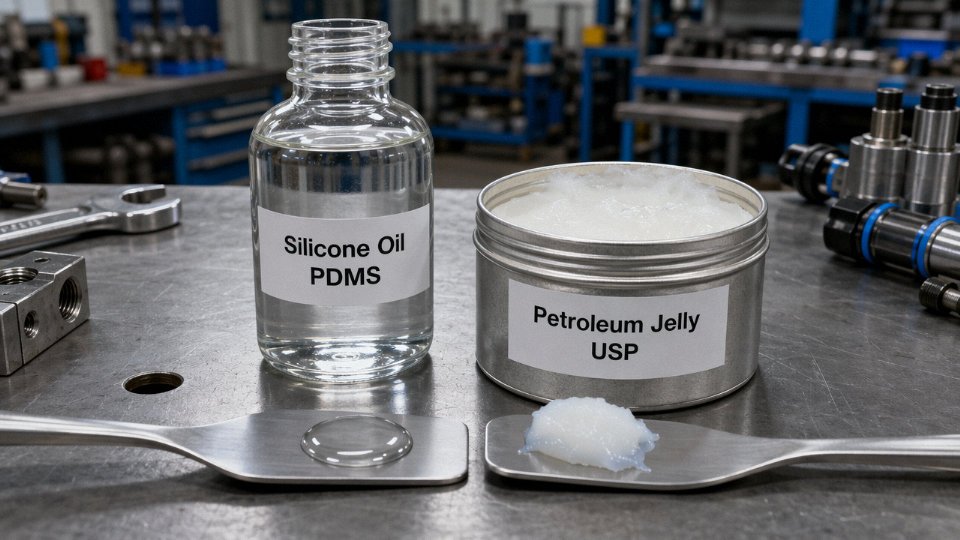
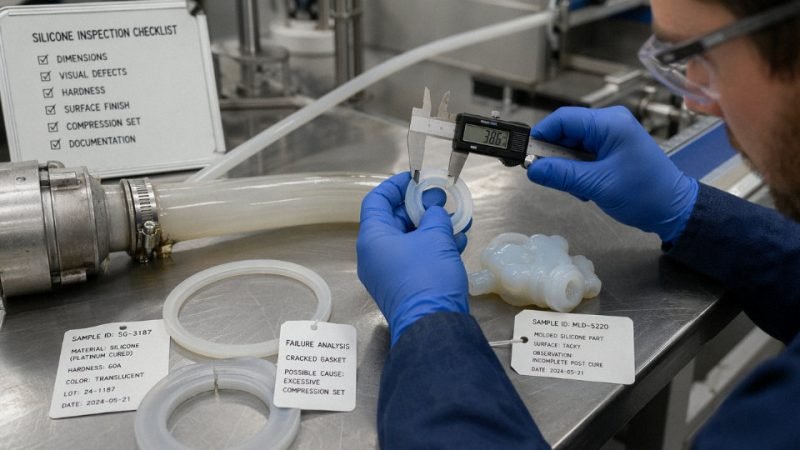
A bad silicone call usually shows up as a nuisance first: a gasket that takes a set, a hose that weeps near a clamp, a molded part that feels tacky after heat aging, or a cleanroom component that fails extractables testing. Then it becomes an operations problem — line stops, extra inspection, quarantined stock, maintenance chasing leaks on a Friday afternoon. The money follows quickly through scrap, expedited freight, lost batches, and awkward supplier arguments. The fix is not “use silicone” or “avoid silicone.” It is to match the cure system, grade, temperature window, chemistry exposure, and inspection plan to the real duty cycle.
People avoid silicone because it can be costly, hard to bond, prone to tearing in some grades, sensitive to chemical compatibility, and risky in high-purity or regulated applications if extractables, curing residues, or supplier controls are not managed. Good silicone works well; poorly specified silicone creates expensive surprises.
That tension is why silicone gets such mixed treatment on plant floors. The same family of materials can handle roughly -50°C to 200°C in many medical-grade formulations, yet fail early in hot oil, steam abuse, or a poorly designed groove. Platinum-cured parts may be targeted below about 1% extractables by mass after post-curing, but only if the supplier and process are tight. General industrial grades may sit around 5 to 12 MPa tensile strength, which sounds fine until a technician stretches a thin lip seal over a sharp stainless edge.
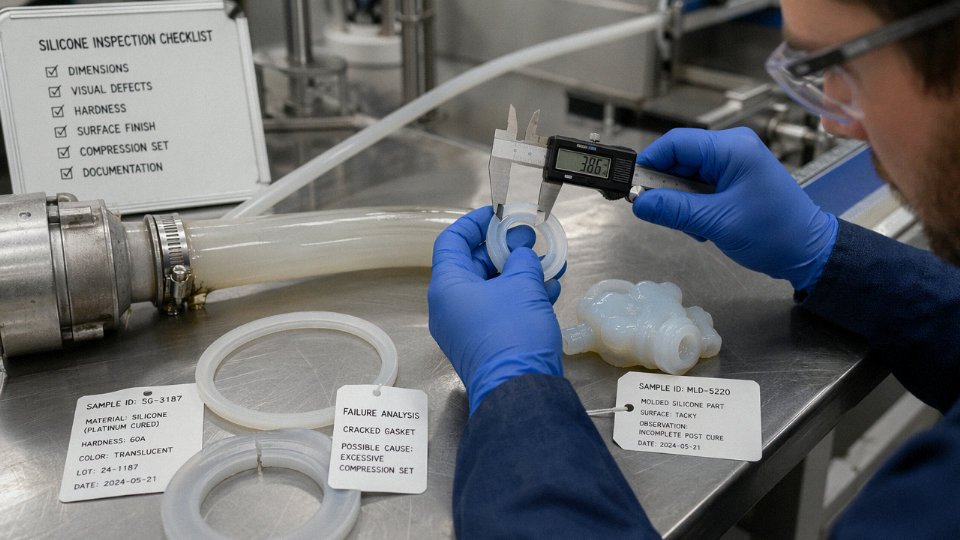
Health concerns that make consumers cautious about silicone
The health concern I hear most often is simple: “Will silicone leach something into my food, skin, or body?” That is not a foolish question. Anyone who has bought cheap bakeware that smelled sweet after heating, or a gasket that left an oily film on a stainless bench, has seen why the word “silicone” alone is not enough.
Fully cured, well-made silicone rubber is generally a stable material. Medical-grade silicone is often used across roughly -50°C to 200°C, depending on formulation, cure system, fillers, and the approval basis behind it. But the trouble sits in the details: low-grade rubber, incomplete curing, excessive filler, poorly controlled pigments, processing aids, residual catalysts, or post-curing skipped to save cost. Those are procurement and quality issues, not just chemistry trivia.
Leaching fears are not all equal
Consumers worry about silicone leaching into hot coffee, baby food, cooking oil, cosmetics, or tissue. Heat increases migration risk. So do fats and oils, long contact time, aggressive detergents, steam sterilization, repeated dishwashing, UV exposure, and mechanical wear. A spatula used gently in warm batter is not the same exposure as a flexible baking mold held against oily food at high oven temperature every week for three years.
In high-purity industrial and medical supply chains, platinum-cured silicone is often post-cured to drive down volatile and extractable residues. For demanding applications, extractables are commonly targeted below about 1% by mass after post-curing, though the actual figure depends on the test solvent, temperature, duration, part thickness, and acceptance standard. A thin tubing wall cleans up differently from a thick molded plug. Anyone who has run ovens for post-cure knows this: airflow, loading density, and part geometry matter.
All silicone products are equally inert once they look and feel cured.False
Cure chemistry, post-curing, fillers, pigments, residual cyclic siloxanes, and supplier controls can change extractables and odor behavior even when two parts both appear to be finished silicone.
Low-grade silicone is where many bad experiences start
The weakest products are often not sold with a useful datasheet. No cure system. No food-contact statement. No lot traceability. No extractables data. Sometimes not even a real material grade. In factories, that is a red flag. On consumer shelves, it gets hidden behind soft-touch packaging and vague wording.
Under-cured silicone may contain low-molecular-weight siloxanes that can migrate out slowly. Heavily filled products can chalk, crack, or absorb oils. Pigments and processing aids may be the real irritant, not the silicone polymer itself. I have seen purchasing teams accept “silicone gasket” as a line item, then discover later that one supplier’s part swells in oil, another smells after steam cleaning, and a third tears during installation because the grade was never matched to the service.
For reference, many general industrial silicone rubbers sit around roughly 5 to 12 MPa tensile strength, depending on hardness, filler package, cure system, and test method. That number does not prove health safety, but weak mechanical performance can signal the wrong formulation or poor compounding. A gasket shedding particles into a process is no longer just a mechanical problem.
D4, D5, and D6 make the discussion more complicated
Cyclic siloxanes such as D4, D5, and D6 get a lot of attention because they show up in environmental and toxicology discussions. They are more relevant to certain personal care products, sealants, fluids, and industrial formulations than to every solid silicone part sitting in a kitchen drawer. Still, they matter.
A cured silicone baking mat, a silicone hair serum, a room-temperature-vulcanizing sealant, and a gel-filled implant should not be talked about as if they are the same exposure. One is mostly solid elastomer contact. One may be intentionally spread as a thin film over skin or hair. One cures in place and may release byproducts. One is implanted for years. Different route, different dose, different concern.
Implant anxiety has its own history
Medical implant concerns are not just internet panic. Breast implants, in particular, have drawn public attention around rupture, gel bleed, capsular contracture, immune-like symptoms, pain, imaging follow-up, and revision surgery. Some patients report symptoms that are difficult to sort cleanly into material reaction, surgical complication, inflammation, infection, stress response, or unrelated disease. That uncertainty makes people cautious, understandably.
A key distinction gets lost: silicone shell elastomers and silicone gel-filled devices are not the same thing as a kitchen spoon, baby bottle nipple, scar sheet, or appliance gasket. Implantable materials face long residence time, tissue contact, mechanical flexing, and regulatory scrutiny. The exposure is intimate and persistent. The consequence of failure is not a stained countertop; it may be surgery.
Skin sensitivity is often about films and additives
In cosmetics, wound dressings, scar sheets, and medical adhesives, some users avoid silicone because it forms an occlusive film. That can be useful. It can also feel greasy, trap sweat, aggravate acne-prone skin, or make cleansing harder. Medical adhesive edges pick up lint and skin oil; people scrub harder; irritation follows. Sometimes the additive package, fragrance in a cosmetic blend, adhesive tackifier, or residue from repeated use causes the problem rather than the base silicone.
The practical answer is not “silicone is safe” or “silicone is toxic.” It is: what grade, what cure, what contact medium, what temperature, how long, what regulatory basis, and who is exposed? For food, skin, or body contact, buy documented material from suppliers who can support the intended use. For factories, write the exposure into the specification. The wrong silicone in the wrong service becomes scrap, complaints, or a product hold. The right one usually disappears into the process and nobody talks about it.
Food contact and cookware doubts: heat, oils, odors, and migration
Silicone gets judged harshly in the kitchen because the exposure is intimate. A gasket in a filling machine is one thing; a baby spoon, muffin mold, spatula, or air fryer liner touching hot oil is another. People cannot see extractables leaving a polymer. They usually cannot tell whether a red baking mat is platinum-cured, peroxide-cured, post-cured well, or bulked out with cheap filler. That uncertainty is why some buyers avoid silicone cookware entirely.
The doubt is not irrational. It just needs sorting.
Most good silicone rubber has a useful thermal window far wider than common plastics. Medical-grade silicone is often rated around -50°C to 200°C, depending on formulation, cure system, fillers, and the lab test behind the rating. Some cookware is marked higher, often around 220°C to 250°C for short exposure, but that should not be treated as permission to park it under a broiler or against an air fryer heating element. In a plant, we would ask for the data sheet and the use condition. Home users rarely get that luxury.
Heat, fat, and repeated use change the question
Migration testing is not a single universal truth. It depends on food type, temperature, time, surface area, thickness, cure quality, and whether the product has already been washed, baked, flexed, and scratched by utensils.
Fatty foods matter. Oils, butter, cheese, meat drippings, nut pastes, and oily sauces can extract low-molecular-weight species from polymeric materials more aggressively than dry bread dough or water-based foods. Heat speeds that up. Long contact time makes it worse. A silicone cupcake mold used at moderate oven temperature for twenty minutes is a different exposure than a thin air fryer liner sitting under chicken skin at high heat with hot fat pooling in the corners.
That is why generic “safe silicone” claims are weak. The useful question is narrower: was this exact material tested for food contact under conditions close to how it will be used?
All food-grade silicone products perform the same in hot, fatty food contact.False
Migration behavior depends on the formulation, cure system, post-curing, fillers, surface area, food simulant, temperature, and contact time. A label alone does not prove equal performance.
“Food-grade” is a claim, not a full procurement file
In factory purchasing, I do not treat “food-grade” printed on a bag as enough. I want the standard, the test report, the resin or compound traceability, and the production date or batch reference. For consumer cookware, the same logic applies, scaled down.
A credible supplier should be able to point to applicable food contact compliance, such as FDA requirements for rubber articles intended for repeated food contact, EU food contact framework requirements where relevant, or LFGB testing for markets that demand it. The exact regulation depends on the selling region and product type. Migration testing should match intended use: hot contact, fatty simulants when applicable, repeated-use testing for reusable articles, and colorant safety where bright pigments are used.
A vague marketplace listing saying “BPA-free” does not settle much. Silicone does not normally rely on BPA in the way polycarbonate did, so that claim can be more marketing than engineering. I would rather see a named manufacturer, a temperature rating tied to a standard, and third-party food contact documentation. For baby feeding products, I would be even stricter. Infants chew, products get steam-sterilized, and caregivers tend to use the same item hundreds of times.
Odor, oily film, tackiness, and discoloration are not just cosmetic
Some silicone smells like vinegar, burnt rubber, perfume, or plasticizer when opened. A faint processing odor that disappears after washing and a short heat cycle is not unusual. A strong odor that returns every time the part is heated is a warning.
Common causes include incomplete curing, inadequate post-curing, residual peroxide byproducts, low-grade pigments, contaminated compounding equipment, cheap fillers, or absorbed food oils from previous use. Platinum-cured silicone is often preferred for higher-purity applications because it can have lower residuals when processed correctly; high-purity platinum-cured parts are commonly targeted below about 1% extractables by mass after post-curing, though the number depends on formulation, geometry, cure schedule, and extraction method.
Surface tackiness is another red flag. Good silicone can feel slightly grippy, but it should not feel wet, smear, or leave an oily trace on paper after washing and drying. Discoloration after tomato sauce, turmeric, smoke, or repeated air fryer use may simply be staining or heat aging. Still, if the part becomes sticky, swollen, cracked, or starts holding rancid odors, retire it. In production I would not keep a gasket like that in food service, and the kitchen should not be held to a lower standard just because the part is cheap.
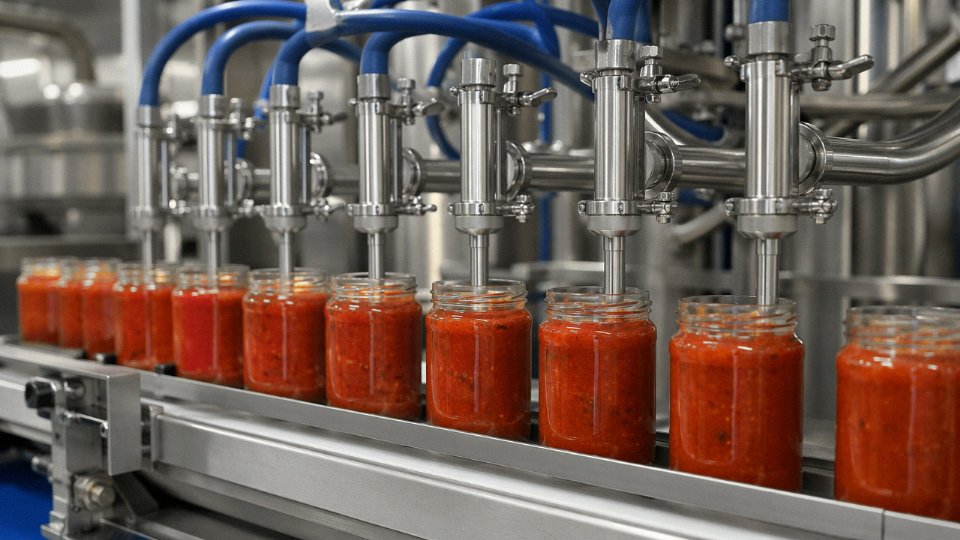
Practical buying and use criteria
For silicone cookware and feeding products, I would look for:
- Platinum-cured silicone, especially for baby items, molds, bottle nipples, and repeated hot-food contact.
- A clear temperature rating with sensible use limits, not just “heat resistant.”
- Third-party food contact certification or test documentation from a seller that can actually identify the manufacturer.
- No strong odor after washing and heating once in a ventilated oven at normal use temperature.
- A smooth, fully cured surface with no oily film, powdery residue, or sticky patches.
- Traceability: batch number, manufacturer details, or at least a reputable brand with accountable supply chains.
Use matters too. Keep silicone away from open flame, broilers, exposed heating coils, and dry overheating in air fryers. Do not cut on it. Avoid using unknown thin liners for high-fat, high-temperature cooking where oil pools. Wash new items before use, and if a product smells bad after heating, do not argue with your nose.
The balanced answer is simple enough: well-made silicone kitchen products are usually suitable within their rated temperatures and tested use conditions. Cheap unknown silicone, especially in direct hot contact with fatty food, is reasonable to avoid. That is not fearmongering. It is the same screening discipline a plant buyer would use before approving a food-contact elastomer.
Environmental objections: persistence, recycling limits, and siloxane emissions
Silicone’s environmental problem starts with the same property that makes engineers buy it: it does not give up easily. A good silicone gasket, tube, keypad, baking mat, or medical seal can survive heat, ozone, UV exposure, water, and many cleaning chemicals far better than a cheap thermoplastic part. In service, that is a win.
After disposal, the story changes.
Durability is not the same as sustainability
Silicone is often described casually as “plastic-free,” which is only partly useful. It is not the same material family as polyethylene, polypropylene, or PVC. Its backbone is based on silicon-oxygen chemistry rather than a carbon-carbon polymer chain. That difference gives silicone its heat resistance and weathering performance.
But that does not make it biodegradable in the way cotton, paper, wood, or some certified compostable materials are expected to break down. Most silicone rubber products will fragment, age, and gradually degrade under harsh environmental conditions, but they are not something a municipal compost site wants in its incoming stream. If a consumer hears “made from sand” and imagines it returning harmlessly to soil in a season, that is not how plant or landfill reality works.
In industry, I treat silicone as a long-life engineered elastomer, not a green default. That distinction matters.
A molded silicone seal that runs five years in a hot washdown machine may prevent leaks, chemical loss, pump cycling, product contamination, and emergency maintenance. A novelty silicone giveaway that tears after three months is just persistent waste with better marketing.
Silicone is automatically sustainable because it lasts longer than many plastics.False
Long life helps only when the product actually replaces repeated consumption, reduces failures, or supports energy and material savings. A short-lived or non-recoverable silicone item can still become a persistent waste stream.
Recycling is real, but usually not curbside-real
Silicone recycling exists, but it is not like tossing a PET bottle into a municipal bin. In most regions, curbside systems are built around high-volume thermoplastics: PET, HDPE, sometimes PP. Silicone comes in lower volumes, looks inconsistent on sorting lines, and may arrive attached to metal, glass, fabric, adhesive, electronics, or other polymers.
That mixed-material problem is where many “recyclable” claims fall apart. A silicone overmold bonded to a steel insert may be technically recoverable if someone pays for grinding, separation, or downcycling. A silicone-coated textile, baby product with multiple resins, or appliance seal contaminated with oil and food residue is a harder case. Recovery depends on volume, cleanliness, formulation, local processors, and whether the buyer has a take-back route. Small scattered quantities rarely pencil out.
On a factory floor, scrap silicone can sometimes be collected cleanly: runners, flash, rejected molded parts, trimmed tubing, offcut sheet. If the compound is segregated and uncontaminated, specialized recyclers may grind it into filler, mats, industrial additives, or lower-grade products. Post-consumer silicone is messier. Labels are gone. Cure chemistry is unknown. Fillers vary. Pigments, oils, and residues get in the way.
That is why procurement should ask a blunt question before accepting a recycling claim: “Who takes it back, in what condition, and at what minimum quantity?” If the answer is vague, assume landfill or incineration depending on the local waste system.
Siloxane emissions draw regulatory and environmental scrutiny
Another reason some people avoid silicone is concern around volatile and cyclic siloxanes. These compounds can be present in personal care products, released during some industrial processes, detected in indoor air, and carried into wastewater streams. Certain cyclic siloxanes have been studied for persistence, bioaccumulation potential, and toxicity concerns, with regulatory pressure varying by region and application.
This is not the same as saying every silicone gasket is shedding dangerous amounts in normal use. Exposure depends heavily on chemistry, cure system, post-curing, temperature, surface area, ventilation, washing, and whether the material is a solid elastomer, fluid, gel, sealant, or volatile ingredient in a formulation. A platinum-cured, post-cured medical or high-purity industrial part is a different exposure case from a volatile silicone fluid in a rinse-off or leave-on consumer product.
Wastewater plants see siloxanes from shampoos, cosmetics, antifoams, industrial discharges, and household products. Biogas operations care about them because siloxanes can form abrasive silica deposits during combustion. I have seen maintenance teams chase engine deposits and heat-exchanger fouling for weeks before the incoming waste stream was properly characterized. That is not a lifestyle debate; it is a maintenance bill.
The practical lifecycle test
The fair environmental question is not “silicone good or bad?” It is “What does this silicone part prevent, and what happens to it later?”
A durable silicone component can be the better choice when it replaces disposable parts or protects a larger system. Think of a reusable gasket in a filling line, a long-life hose in a hot water circuit, or a seal that prevents product loss. The avoided waste may be far larger than the silicone part itself. Wrong material selection goes the other way: swelling, tearing, odor pickup, or compression set leads to scrap batches, leaks, returns, and emergency freight. Nobody puts those costs on the package label, but plants pay them.
A compact screening table helps:
| Question | Better environmental signal | Warning sign |
|---|---|---|
| Service life | Years of use under real temperature, cleaning, UV, and mechanical load | Fails quickly, stains, tears, or loses seal force |
| Failure impact | Prevents leaks, scrap, energy loss, or disposable replacements | Failure creates contaminated waste or downtime |
| Contamination risk | Easy to clean, low residue pickup, compatible with process fluids | Absorbs oils, odors, pigments, or process chemicals |
| Repairability | Replaceable seal, sleeve, valve seat, or insert | Bonded assembly must be discarded as one piece |
| Refill or reuse value | Enables bulk refill, repeated sterilization, or returnable packaging | Used once for a “premium” feel |
| End-of-life route | Take-back, clean scrap stream, known recycler, documented pathway | “Recyclable” with no named collection channel |
My bias from procurement work is simple: silicone earns its place when the duty is demanding and the design uses its durability fully. High heat, repeated sterilization, outdoor exposure, sealing reliability, long replacement intervals — those are legitimate reasons.
If the job is decorative, short-life, hard to separate, and sold with a loose green claim, the environmental objection is justified. Durable waste is still waste.
Industrial and manufacturing reasons engineers may avoid silicone
On a plant floor, silicone is not judged by whether it sounds “safe” or “premium.” It is judged by whether it survives the motion, chemistry, temperature, cleaning method, inspection standard, and maintenance habits of that line. Plenty of times, the correct answer is not silicone.
The first strike is mechanical. Many general industrial silicone rubbers sit around roughly 5 to 12 MPa tensile strength, depending on compound, filler package, cure system, and hardness. That is respectable for flexible, heat-tolerant rubber, but it is not impressive beside many polyurethane, nitrile, fluorocarbon, or engineered thermoplastic elastomer options. Tear strength and abrasion resistance are often the bigger problem. A silicone wiper, boot, roller cover, or dynamic seal can look fine during bench handling, then start nicking, shaving, or tearing once it sees misalignment, dry running, product fines, or a sharp stainless edge left by a rushed fabricator.
I have seen silicone parts fail not because the datasheet lied, but because the real duty cycle was uglier than the drawing. A gasket that is opened twice a year in the design review may be opened twice a shift by sanitation. A soft silicone sleeve that sees “light contact” may actually rub against a vibrating bracket with powder trapped underneath. Right material on paper, wrong plant reality.
Chemical and process compatibility is not automatic
Silicone handles many temperature extremes well. Medical-grade formulations are commonly used from about -50°C to 200°C, depending on formulation, cure state, and exposure time. That wide range makes people overconfident.
Chemical service is where the trap sits. Silicone may swell, soften, embrittle, or lose strength in certain oils, fuels, aromatic solvents, chlorinated solvents, concentrated acids, strong bases, or aggressive cleaning blends. Steam can also be troublesome, especially continuous high-pressure steam or repeated steam-in-place cycles where condensate chemistry, compression load, and gasket design all stack together. Some grades tolerate short hot-water exposure well; another grade in a trapped groove may take a set, swell, and leak after a few cleaning cycles.
Abrasive media adds another failure path. Powders, mineral slurries, sugar dust, ceramic fines, and metal chips can chew silicone quickly. In those services, polyurethane or abrasion-grade rubber may outlast silicone by a wide margin, even if silicone wins the temperature column on the comparison chart.
Silicone rubber is always the best choice for high-temperature industrial sealing.False
Silicone often performs well at elevated temperatures, but chemical exposure, pressure, compression set, abrasion, tear strength, and contamination risk can make fluorocarbon, EPDM, graphite, PTFE, metal, or another elastomer a better choice.
Contamination risk can make silicone unacceptable
Silicone outgassing and transfer contamination are serious concerns in electronics, optics, paint shops, semiconductor work, bonding operations, and other clean manufacturing environments. The issue is not only visible residue. Low-molecular-weight siloxanes can migrate, volatilize, or transfer through touch, tooling, packaging, compressed air, or maintenance lubricants.
That can cause ugly defects: fisheyes in paint, poor wetting in coatings, weak adhesive bonds, printing voids, optical haze, contact resistance problems, or unexplained failures after thermal cycling. The hard part is diagnosis. A paint line may chase gun settings, humidity, solvent balance, and operator technique for days before someone finds a silicone spray can in a nearby maintenance cart. One careless squirt on a hinge can become a shift of scrap.
In clean assembly, even silicone sealants and tubing deserve scrutiny. Platinum-cured silicone for high-purity use is often post-cured, with extractables commonly targeted below 1% by mass, depending on the specification and test method. That may still be too high for some optical, semiconductor, vacuum, or analytical applications. “Low extractables” is not the same as “no contamination.”
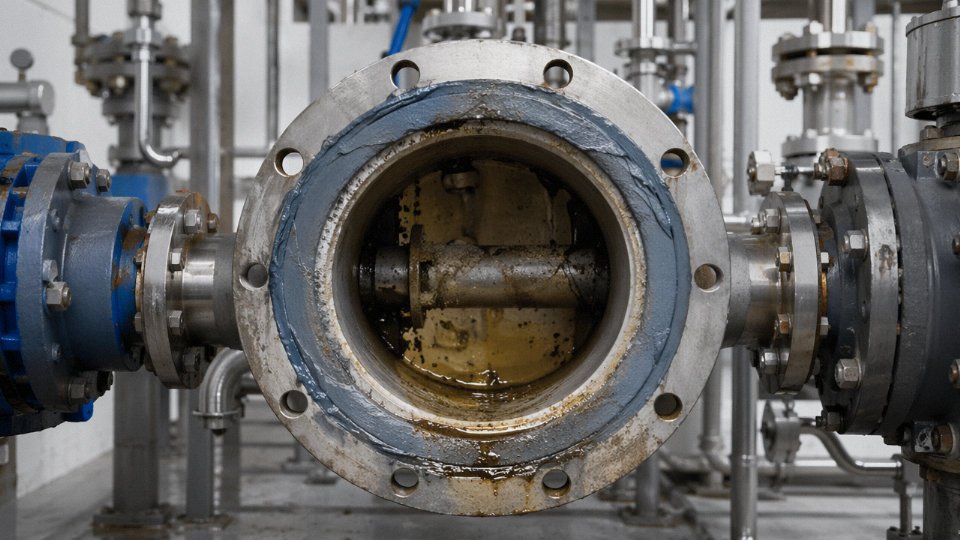
Release behavior can be a benefit or a disaster
Silicone release agents, fluids, greases, and sealants are useful because many materials do not want to stick to them. That same property is poison in painting, coating, printing, laminating, potting, adhesive bonding, and surface finishing.
A small amount can spread farther than people expect. It can ride on gloves, rags, airline oil, shared fixtures, conveyor belts, vacuum cups, or molded parts that were packed against silicone-treated paper. Once a surface has silicone contamination, normal solvent wiping may not fix it. Sometimes it just smears the contaminant into a thinner, wider problem.
Operational warning: do not allow general-purpose silicone sprays anywhere near a paint shop, bonding cell, print room, composite layup area, or critical cleaning line unless the process owner has explicitly approved it. Put that in the maintenance standard, not just in someone’s memory.
Seals and diaphragms fail by more than cracking
For static seals, compression set is often the silent killer. Silicone can take a permanent set under heat and load, depending on compound, hardness, squeeze, groove fill, time, and media exposure. The gasket still looks present, but clamp load is gone. Then pressure pulses or washdown find the weak spot.
Swelling changes the picture too. A seal that grows in oil or solvent may extrude, roll, bind a valve stem, or tear during actuation. Permeability is another reason engineers avoid silicone in gas service. Silicone generally has higher gas transmission than many denser elastomers, so it may be a poor choice for vacuum retention, pressure decay testing, certain pneumatic controls, fuel vapor containment, or gas-sensitive packaging equipment.
A typical example: a maintenance team swaps an original fluorocarbon O-ring for a same-size silicone O-ring because it is on the shelf and feels close enough. The machine runs through dry cycling. Then hot oil hits it, the ring swells, friction rises, the cylinder sticks, and the line loses half a shift. The procurement saving was pocket change.
How engineers approve or reject silicone
Good engineers do not approve silicone from a catalog headline. They start with service conditions: temperature range, actual media, cleaning chemistry, pressure, movement, surface finish, exposure time, regulatory limits, and what happens if the part sheds, leaks, or outgasses.
Then come the checks.
| Engineering question | Common validation method | What can go wrong if skipped |
|---|---|---|
| Will the media attack it? | Compatibility charts, immersion aging, weight and hardness change | Swelling, softening, cracking, leakage |
| Will it hold seal force? | Compression set testing at service temperature | Loss of clamp load, nuisance leaks |
| Will it contaminate the process? | Extractables, outgassing, contact transfer trials | Paint defects, bond failure, optical or electronic rejects |
| Will it survive motion? | Abrasion, tear, flex, and pilot-line testing | Shredded seals, particles, downtime |
| Will gas pass through it? | Permeability or pressure decay testing | Vacuum loss, failed leak tests, vapor migration |
Material compatibility charts are a starting filter, not a purchase approval. Accelerated aging helps, but it must be tied to real exposure. A week in a lab oven does not reproduce caustic washdown, pressure cycling, powder abrasion, and a mechanic prying the gasket out with a screwdriver.
Silicone is a useful industrial material. It is just not a universal one. In critical equipment, the right question is not “Can silicone handle this temperature?” It is “Can this exact compound survive this dirty, moving, chemical, human-operated process without contaminating anything or losing function?”
Cost, quality variation, and counterfeit-grade claims in the silicone market
Silicone gets distrusted for a reason that has nothing to do with polymer chemistry on paper: the market is uneven. A well-compounded, properly cured silicone part with clean processing records can perform beautifully. A cheap lookalike from a loose supply chain can smell like solvent, collect dust like a lint roller, tear at the gate line, or go sticky after a few months in warm service.
That gap is where many buyers learn to avoid silicone.
Why good silicone is not cheap
High-performance silicone costs money because the final part is not just “rubber poured into a mold.” The base polymer, reinforcing silica, pigments, processing aids, curing system, post-curing time, inspection, packaging, and documentation all add cost.
For high-purity or medical-related applications, platinum-cured silicone is often specified because it can reduce certain residuals compared with lower-grade systems. After proper post-curing, extractables are commonly targeted below about 1% by mass for high-purity applications, but that depends on the compound, part geometry, cure cycle, test solvent, and acceptance standard. Thick molded parts are harder to drive clean than thin tubing. Anyone who has tried to post-cure heavy silicone gaskets knows the oven schedule is not decorative.
General industrial silicone rubber tensile strength is often in the rough range of 5 to 12 MPa, depending on formulation and hardness. That number can fall fast if the supplier loads the compound with cheap filler, shortcuts curing, or uses weak pigment systems. Service temperature claims need the same caution. Medical-grade silicone is often quoted around -50°C to 200°C, depending on formulation, but continuous exposure, steam, oils, compression, and cleaning chemicals can narrow that window.
Cheap silicone usually hides cost somewhere. The invoice may look good. The line stoppage does not.
Where low-cost silicone goes wrong
The bad batches I have seen usually fail in boring, predictable ways. Too much filler gives a part a chalky feel and poor tear resistance. Poor pigments bleed or discolor after heat aging. Incomplete curing leaves odor, tackiness, or surface bloom. Recycled feedstock can be acceptable in some low-risk industrial goods if declared and controlled, but it is a serious red flag in food contact, medical, sealing, or high-purity use. Noncompliant plasticizers or processing aids are worse; they may pass a quick visual check and fail migration testing later.
A typical scenario: purchasing swaps a gasket to a lower-cost “same grade” silicone because the drawing only says “blue silicone, 60 Shore A.” The parts fit. Two weeks later, operators report sticking during changeover, QA sees particles on the product-contact surface, and maintenance blames cleaning chemicals. The real issue is that the old gasket was a controlled platinum-cured compound with post-cure requirements, while the new one was a visual match. Right material description, wrong specification. Scrap follows.
Marketing terms that need proof
Some silicone labels are useful. Some are mostly sales language.
| Claim on quotation or catalog | What it may mean | What to ask for |
|---|---|---|
| Food-grade | Intended for food contact, but not automatically tested for your regulation or use condition | Declaration of food contact compliance and migration test basis |
| Medical-grade | Often refers to biocompatibility intent or a supplier family, not a universal legal grade | Biocompatibility report, formulation control, lot traceability |
| FDA-compliant | May refer to an ingredient list, finished article testing, or just a loose claim | Exact regulation or test standard cited in writing |
| BPA-free | Usually not very meaningful for silicone, since BPA is not normally part of silicone chemistry | Broader extractables or migration data instead |
| Platinum-cured | Meaningful if the compound and cure process are controlled | Cure system statement, post-cure record, extractables data |
| Heat-resistant | Too vague by itself | Continuous and peak temperature rating, medium, duration, and aging data |
A silicone product labeled 'medical-grade' is automatically suitable for implantation or skin contact.False
The term only has value when tied to the intended contact type, duration, biocompatibility testing, formulation control, and traceable manufacturing records.
One bad batch can poison the material choice
Buyers often reject silicone after a single ugly experience. I understand that reaction. Smell in a food-contact component gets everyone nervous. Sticky parts slow assembly and attract dust from cardboard cartons, gloves, and compressed-air lines. Tearing during installation makes maintenance crews over-tighten clamps or double up seals, which creates the next failure. Discoloration may be harmless, or it may signal heat, chemical attack, pigment instability, or contamination. Nobody wants to explain that uncertainty to an auditor or a customer.
The operational warning is simple: do not buy silicone by color, hardness, and price alone. That is how counterfeit-grade claims survive.
Serious buyers should ask for the basic document set before approval, not after a complaint:
- Material safety data sheet
- Technical data sheet with hardness, tensile strength, elongation, tear, density, and temperature guidance
- Declaration of food contact compliance, if the part touches food or beverage
- Biocompatibility report, if the application involves medical, skin, or patient contact
- Extractables or migration test results where purity matters
- Lot traceability from compound batch to finished part shipment
Supplier qualification should be practical. Get samples from production tooling if possible, not handpicked lab slabs. Run incoming inspection for hardness, dimensions, odor, appearance, and simple tear behavior. Review certificates against the purchase specification, not against vague catalog wording. Ask audit questions about raw material control, cure method, post-curing, pigment approval, regrind policy, mold release use, packaging, and lot segregation.
Then write acceptance criteria that a receiving inspector can actually use. “No strong odor after 24 hours at room temperature” is not perfect science, but it is better than silence. For critical parts, define test methods, limits, sampling frequency, and what happens when a lot fails.
That discipline costs less than discovering during a Saturday sanitation shift that the “equivalent silicone” was equivalent only in color.
Cultural, psychological, and marketing reasons silicone feels unnatural
Silicone has a perception problem that cannot be solved with a tensile datasheet alone. I have seen technically sound silicone parts rejected in purchasing meetings because the buyer’s customer “doesn’t like synthetic materials,” even though the alternative had worse heat aging, worse sealing behavior, or needed more frequent replacement. That is not irrational in a lazy sense. It is a trust response.
The concern gets sharper around babies, food, skin, and medical use. A silicone cable grommet inside a control cabinet rarely gets an emotional reaction. A silicone baby spoon, menstrual cup, feeding tube, or facial primer does. Once a material touches the body, people stop thinking like process engineers and start thinking like parents, patients, or risk managers.
“Synthetic” sounds like hidden chemistry
The word synthetic carries baggage. In engineering, it just means deliberately made. That can be a strength: controlled formulation, repeatable curing, traceable additives, documented temperature range. Medical-grade silicone, for example, is typically used across roughly -50°C to 200°C depending on formulation, geometry, and exposure time.
To a consumer, synthetic can mean “unknown,” “petrochemical,” or “not meant to be near me.” That reaction is stronger when the product is soft, flexible, brightly colored, or sold through low-trust channels with no test report behind it.
Procurement people see a similar pattern in factories. A vague supplier statement such as “100% food-grade silicone” does not settle anything. What grade? Which cure system? Post-cured or not? Tested to which regulation? Lot traceability? If the answers are missing, distrust is a reasonable purchasing filter, not paranoia.
Silicon, silica, silicone, silicates, and microplastics get mixed together
A lot of avoidance comes from vocabulary trouble. Silicon is an element used in semiconductors and alloys. Silica is silicon dioxide, common in sand and glass. Silicates are mineral compounds. Silicone is a family of polymers with silicon-oxygen backbones and organic side groups. These are not interchangeable.
The public often hears “silicone” and connects it with microplastics, sand, computer chips, breast implant lawsuits, or industrial sealants. One word crosses too many product categories.
Silicone is the same thing as silicon, silica, or a conventional microplastic.False
They are different materials. Silicone is a polymer family, silicon is an element, silica is silicon dioxide, and microplastics usually refer to small particles of conventional plastic polymers such as polyethylene or polypropylene. Silicone can still raise environmental persistence concerns, but the chemistry is not the same.
This confusion hurts responsible suppliers. A platinum-cured silicone gasket with extractables commonly targeted below 1% by mass after suitable post-curing for high-purity use gets mentally grouped with cheap bath caulk because both are called silicone. The label does too much work.
Wellness marketing rewards fear more than nuance
Clean beauty, natural parenting, and wellness content often frames silicone as pore-clogging, toxic, suffocating, or environmentally careless. Sometimes there is a narrow technical basis. Some silicone fluids form films on skin. Some low-quality silicone goods can smell because of residual volatiles. Some silicone products are hard to recycle.
The leap from “this formulation may not suit this use” to “silicone is toxic” is where the trouble starts.
I am not fond of blanket reassurance either. “Non-toxic” is one of the laziest words in marketing. Dose, temperature, contact medium, cure quality, surface area, and cleaning method all matter. A baking mat exposed to oil at high temperature is not the same risk case as a cold-water bottle sleeve. A cosmetic dimethicone blend is not the same as a peroxide-cured industrial hose.
Fear-based content wins because it is simple. Engineering answers sound conditional because they are.
The feel of the material works against it
People trust glass because they can see through it. They trust stainless steel because it feels inert and old-fashioned, even though alloy composition and surface finish still matter. Wood, cotton, ceramic, and natural rubber carry familiar cues. They age in ways people understand.
Silicone is smooth, rubbery, slightly draggy to the touch, and often non-biodegradable. It does not rust, rot, or shatter. From a maintenance standpoint, that can be excellent. From a cultural standpoint, it can feel unnatural, almost too durable. I have heard operators describe silicone seals as “plastic-like” even when they know perfectly well the material is not a commodity plastic. The hand feel drives the story.
Natural rubber gets a pass in some markets because it sounds agricultural, yet it can bring latex allergy risk, ozone cracking, protein residues, and batch variability. Stainless steel sounds clean, but it can gall, pit, or leach nickel under certain conditions. Every material has a bill to pay. Silicone’s bill is just easier to dramatize.
One scandal can stain unrelated uses
Implant controversies, contaminated industrial products, fake green claims, and low-cost imported kitchenware all spill into the same mental bucket. That is rough but predictable. Buyers do not neatly separate implant gel, sealant, cookware, tubing, phone cases, and cosmetic fluids.
In a plant, one bad elastomer batch can poison trust for years. If a silicone O-ring sheds particles into a filling line, the maintenance manager may ban silicone from the area, even if the real cause was wrong durometer, poor cure, incompatible cleaning chemistry, or a counterfeit compound. The consequence is practical: longer changeovers, more scrap during validation, and sometimes a worse substitute selected just to avoid the word.
How brands should talk about silicone without sounding slippery
The best communication is boring, specific, and verifiable.
| Weak wording | Better wording |
|---|---|
| “100% safe silicone” | “Platinum-cured silicone rubber, tested for food contact under named conditions” |
| “Medical-grade” with no backup | “Material meets specified biocompatibility or regulatory test standards; reports available by lot or product family” |
| “Eco-friendly silicone” | “Durable and reusable; limited recycling routes; not biodegradable” |
| “Non-toxic” | “Tested for extractables, odor, and migration under stated temperature and contact conditions” |
Say what the material is. Say what it is not. Publish test summaries when full reports cannot be public. Explain temperature limits, cleaning limits, expected service life, and disposal reality. Do not claim silicone is natural. Do not pretend it solves sustainability by being reusable. Compare it honestly with glass, stainless steel, ceramic, cotton, wood, and natural rubber.
That kind of plain talk does not convert everyone. It does something better: it gives engineers, factory owners, and procurement managers enough detail to decide whether the distrust is about the material, the application, or the seller.
How silicone compares with glass, stainless steel, plastic, rubber, and natural materials
Avoiding silicone only helps if the substitute solves the actual problem. I have seen buyers reject silicone gaskets for “cleaner” materials, then lose shifts because the replacement cracked, took a compression set, or could not survive the washdown cycle. Material choice is never moral purity on a spec sheet. It is temperature, load, chemistry, cleaning, inspection, replacement interval, and disposal route.
Silicone versus glass
For food contact, glass is the cleanest-looking alternative for good reason. Soda-lime and borosilicate glass are hard, nonporous, odor-resistant, and highly inert under normal food and beverage conditions. If the product is a storage jar, sight glass, measuring vessel, or lab-type container, glass often wins. It also has a real recycling pathway in many regions, though color sorting, contamination, and local collection rules decide whether that claim means much.
The tradeoff is mechanical. Glass is heavy, brittle, and unforgiving. Drop a glass lid on a tile floor or bang a glass liner against a stainless sink and the safety discussion changes from migration to shards. It also cannot flex. That makes glass poor for bakeware molds, collapsible containers, soft baby products, flexible seals, or anything that needs to deform and recover.
Silicone sits in the opposite corner: flexible, soft, usually tolerant of repeated heating, but not as inert as glass in the absolute sense. A well-post-cured platinum-cured silicone for high-purity use may target extractables below about 1% by mass, depending on the compound and test method. Glass does not need that kind of qualification for most food contact uses. Silicone does.
Silicone versus stainless steel
Stainless steel is the plant-floor default for a reason. Grades such as 304 and 316 are strong, washable, weldable, and recyclable. In food, pharma, and chemical plants, steel survives abuse that would chew up polymers: caustic foam, steam, scraped tools, hot water, CIP cycles, the occasional operator using a fitting as a hammer. Not recommended, but it happens.
Steel is also rigid and conductive. That is a problem in bake molds, soft grips, baby bottle nipples, diaphragm seals, vibration isolators, and gaskets that must seal against minor flange misalignment. A stainless part can be sanitary and durable, yet useless if it cannot conform. Silicone rubber, with tensile strength often around 5 to 12 MPa for many general industrial grades, is not competing with steel as a structural material. It is doing a different job: sealing, cushioning, insulating, flexing.
The wrong substitution is expensive. Replace a silicone oven seal with a metal contact strip and you may gain cleanability while losing thermal isolation and compression recovery. Replace a stainless chute liner with silicone and abrasion may destroy it in weeks. Right material, right duty.
Silicone versus conventional plastics
Conventional plastics are not one thing. Polypropylene, polyethylene, nylon, PET, polycarbonate, PEEK, and PVC behave very differently. In purchasing meetings, they still get lumped together as “plastic,” which is where bad decisions start.
Silicone generally beats commodity plastics on heat flexibility. Medical-grade silicone is commonly rated around -50°C to 200°C, depending on formulation, cure system, geometry, and exposure time. Polypropylene food containers may soften or distort at temperatures where silicone still feels boringly normal. Low-cost polyethylene lids can warp in dishwashers. Nylon may absorb moisture and change dimensions. PET is good for bottles but not hot oven work.
Plastics can beat silicone on cost, stiffness, weight, and high-speed processing. Injection-molded polypropylene parts can be cheap and fast. PET has established recycling streams in many markets. Rigid plastics hold threads, snap fits, hinges, and thin-wall features better than soft silicone. If the job is a lightweight rigid container used at room temperature, avoiding silicone may reduce cost and simplify recycling.
If the job sees heat, repeated folding, or gasket compression, the plastic alternative may age badly.
Silicone versus natural rubber
Natural rubber is not primitive. Good natural rubber compounds have excellent elasticity, tear strength, fatigue resistance, and grip. In some dynamic applications, especially where heat and oil are not severe, it can outperform silicone and cost less.
Its weaknesses are familiar to maintenance crews: ozone cracking, ultraviolet degradation, heat aging, and swelling in many oils and solvents. Leave some natural rubber parts near motors, sunlight, or ozone-producing equipment and fine cracks appear sooner than people expect. Latex allergy is another practical issue for consumer, medical, and workplace products.
Silicone usually handles heat, ozone, and UV better, but it often has lower tear resistance than a tough natural rubber compound. Thin silicone lips can nick during assembly. A mechanic with a pick tool can ruin an expensive seal in two seconds.
Silicone versus thermoplastic elastomers
Thermoplastic elastomers, or TPEs, are attractive because they process like plastics and feel like rubber. They can be injection molded efficiently, overmolded onto rigid parts, and in some cases recycled as production scrap. For high-volume consumer goods, that matters. Less cure time, less waste, easier color changes.
Temperature is the catch. Some TPEs soften, creep, or lose compression recovery at temperatures where silicone remains serviceable. Others are quite capable, but the formulation must be checked rather than assumed. Oil resistance, extractables, odor, and sterilization behavior vary widely.
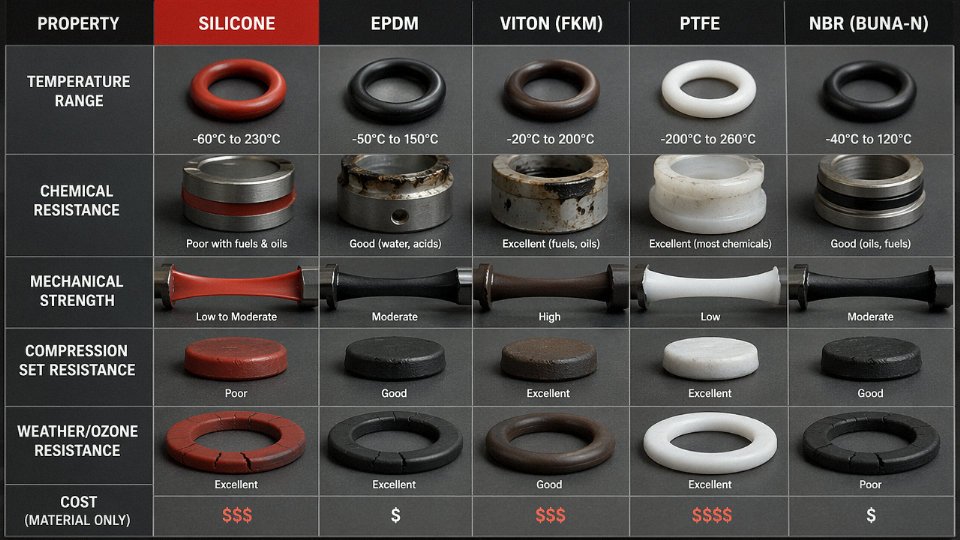
A practical selection view
| If the priority is… | Often better choice | Watch the penalty |
|---|---|---|
| Maximum inertness for food storage | Glass | Breakage, weight, no flexibility |
| Rugged washable equipment | Stainless steel | Rigid, conductive, costly to form into soft features |
| Low-cost rigid parts | Conventional plastic | Heat distortion, aging, recycling depends on resin and region |
| Elasticity and tear strength | Natural rubber | Heat, ozone, UV, oil exposure, latex concerns |
| Flexible high-heat sealing | Silicone | Higher price, quality variation, limited recycling |
| Fast molded soft-touch parts | TPE | Temperature and chemical limits depend heavily on grade |
Avoiding silicone automatically improves safety and sustainability.False
Glass, stainless steel, plastics, natural rubber, and TPEs each solve some problems while creating others. The better material depends on food temperature, cleaning method, mechanical load, chemical exposure, service life, regulatory requirement, and the real end-of-life pathway available in that market.
A simple example: for a cold-fill jam jar, glass with a metal lid may be the sensible choice. For a reusable baking mat, glass is irrelevant, steel is too rigid, many plastics cannot take the heat, and natural rubber will age poorly. Silicone starts to look less like a compromise and more like the material that fits the duty.
That is the practical answer. Avoid silicone where it is over-specified, poorly sourced, hard to recycle, or chemically mismatched. Do not avoid it just to feel safer. The replacement has to survive the process, pass the regulation, and make economic sense after maintenance gets involved.
When avoiding silicone is sensible and when it is unnecessary
Avoiding silicone makes sense in some cases. In others, it creates extra cost, poorer sealing, shorter service life, or a maintenance headache for no real gain. The trick is to judge the exposure, not the label.
I look at silicone the same way I look at stainless steel, EPDM, PTFE, nylon, or natural rubber: good material, wrong application if you are careless.
Cases where avoiding silicone is sensible
Be cautious with very low-cost food-contact items from unknown sellers, especially if the product has no temperature rating, no supplier identity, no compliance statement, and smells strongly chemical out of the package. A faint manufacturing odor can happen, but a sharp solvent-like or oily smell that stays after washing is a bad sign. I would not use that for hot oil, baby feeding, or repeated oven work.
No temperature rating is another red flag. Medical-grade silicone is often serviceable around -50°C to 200°C, depending on formulation, cure system, filler package, and post-cure. That does not mean every cheap baking mat or gasket on a marketplace listing can live at 200°C every day. Thin sections, pigments, peroxide-cured grades, poor post-curing, and continuous compression can all reduce practical life.
Silicone is also a poor choice around some fuels, strong solvents, certain oils, concentrated acids or bases, and aggressive cleaning chemistry. In a plant, I have seen silicone seals swell and soften after someone switched cleaning fluid without telling maintenance. The seal did not “fail randomly.” The material was never compatible with the new medium.
Avoid silicone in critical bonding, coating, printing, or painting environments unless the process is designed for it. Silicone contamination is famous for causing fish-eyes in paint, poor adhesive wet-out, and bonding failures. One contaminated glove, hose lubricant, or release spray can spoil a batch. In paint shops and adhesive assembly cells, I prefer a written silicone-control rule rather than trusting tribal memory.
Easy recycling is another valid reason to avoid it. Silicone is durable, but most municipal recycling systems are not set up to recover it. If a product is meant for a closed-loop recycling program, mono-material thermoplastics or metal may be easier to manage.
Cases where silicone may be the preferred option
Silicone often earns its keep where heat, flexibility, and aging resistance overlap. High-temperature flexible seals, oven-safe utensils used within rating, electrical insulation, vibration pads, and reusable gaskets are normal, sensible uses. A decent silicone seal can survive temperature cycling that would harden many organic rubbers.
Medical tubing and baby bottle nipples from reputable suppliers are also reasonable applications. These parts are usually selected because silicone stays flexible, can be sterilized under defined conditions, and has a long clinical history when properly specified. For high-purity work, platinum-cured silicone may be post-cured with extractables commonly targeted below 1% by mass, though the actual number depends on formulation, wall thickness, cure process, and test method.
All silicone products are either safe or unsafe as a category.False
Silicone risk depends on formulation, curing quality, temperature, contact medium, duration, mechanical condition, and the credibility of the supplier.
A practical accept-or-reject framework
| Question | Accept silicone when | Avoid or replace when |
|---|---|---|
| Exposure route | Skin, dry contact, electrical insulation, or defined food/medical use | Unknown food, infant, implant, solvent, or high-dose vapor exposure |
| Temperature | Clearly within the rated range with margin | Used near flame, broiler elements, hot oil, or above the stated limit |
| Contact medium | Air, water, steam, dry goods, compatible fluids | Fuels, swelling oils, strong solvents, or unverified cleaners |
| Duration | Intermittent use or validated continuous duty | Long soak, hot compression, or permanent stress with no data |
| Documentation | Compliance and grade data are available | Seller relies only on vague phrases like “premium” or “non-toxic” |
| End of life | Durable reuse justifies the material | Product must be easily recycled in standard streams |
For engineers, the checklist is blunt: exposure route, temperature, contact medium, contact duration, mechanical stress, regulatory requirement, supplier credibility, and end-of-life plan. Miss one of those and the material decision is only half done.
For consumers, the same logic still works. Will it touch hot fat? Will a child chew it? Will it sit in sunlight? Will it be scrubbed, twisted, boiled, frozen, or run through a dishwasher twice a week? The answers matter more than the color or the word “silicone” on the package.
Inspection signs that mean the part is done
Replace silicone that has turned tacky, cracked, whitened, swollen, torn, powdered, or lost elasticity. Discoloration alone is not always dangerous, especially with tomato sauce, coffee, smoke, or plant oils, but discoloration plus odor or surface residue is different. If the part transfers residue to a finger, cloth, product, or mating surface, remove it from service.
In industrial work, I also watch compression set. A gasket can look fine on the bench and still fail because it no longer pushes back against the flange. Many general silicone rubber grades have tensile strength around 5 to 12 MPa, depending on hardness, reinforcement, and cure, but tensile strength does not tell you whether an old gasket still seals after years under load.
Do not use damaged silicone outside its rated temperature or chemical conditions. That sounds obvious until a line is down and someone says, “Just run it until Friday.” Sometimes that works. Sometimes Friday becomes a ruined batch, a leaker, or a burnt smell that nobody can trace.
Selective avoidance is the sane position. Silicone is not automatically dangerous. It is not automatically superior either. Accept it where its heat resistance, flexibility, cleanliness, or durability solves a real problem. Reject it where the grade is unknown, the exposure is harsh, the documentation is missing, or the end-of-life plan matters more than the performance benefit.
Frequently asked questions about avoiding silicone
Is silicone toxic to humans?
Well-cured silicone of the right grade is generally considered low-toxicity in many approved uses: medical tubing, baby bottle nipples, food-contact gaskets, pharmaceutical seals, and lab parts. That statement has limits. It assumes the compound was properly formulated, properly cured, and used inside its rated conditions.
The base silicone polymer is not usually the main concern. The questions are around residual catalysts, low-molecular-weight siloxanes, pigments, fillers, plasticizers in questionable blends, mold-release residues, and poor post-curing. In high-purity applications, platinum-cured silicone is often post-cured to drive extractables down; a common target is below about 1% by mass, depending on the test method, part thickness, and customer specification.
A cheap gasket that smells strongly of solvent or vinegar out of the bag is not the same risk profile as a documented medical-grade component from a controlled supplier. I would not treat those as interchangeable just because both are called “silicone.”
All silicone is non-toxic in every use.False
Appropriate, well-cured silicone is widely accepted as low-toxicity in many regulated applications, but safety depends on formulation, curing, additives, certification, temperature, contact media, and exposure time.
Is silicone safer than plastic?
Sometimes, yes. Sometimes, no.
Silicone often beats common plastics where heat, repeated flexing, and soft sealing are involved. A food-grade silicone spatula or oven gasket can survive temperatures that would deform polyethylene or polypropylene. Medical-grade silicone typically handles about -50°C to 200°C, depending on the formulation, hardness, color package, and exposure time. That wide thermal window is one reason engineers keep using it.
Plastic can still be the better choice. Polypropylene is cheaper, stiffer, easier to recycle in some municipal streams, and good enough for many cold-fill or room-temperature products. PET is hard to beat for clear rigid packaging. Engineering plastics like PEEK, PTFE, or acetal may outperform silicone in wear, dimensional stability, or chemical exposure.
A simple way to think about it:
| Use case | Silicone often makes sense | Plastic may be better |
|---|---|---|
| Hot flexible kitchen tool | Good heat tolerance and grip | Low-grade plastic may warp |
| Rigid storage container | Too floppy and costly | PP, PET, or glass usually wins |
| Reusable seal or gasket | Strong fit for compression and flex | Rigid plastics may leak |
| Disposable packaging | Usually poor economics | Plastic is cheaper and easier to scale |
| Recyclability priority | Limited options | Some plastics have better recovery streams |
Right material, right duty. That is the job.
Does silicone leach into food?
Migration can happen at low levels. That is true for many food-contact materials, not just silicone. The practical question is how much migrates, under what conditions, and whether the product passes the relevant food-contact test.
Fatty foods, high heat, long contact time, and poor curing increase the chance of measurable migration. Oil is a tougher test than water. A silicone baking mat used with butter, meat fat, or roasted vegetables at high oven temperature is under more stress than an ice cube tray.
In a plant, I would ask for the food-contact declaration, test standard, temperature rating, and material grade before approving a silicone part touching hot oil or food slurry. At home, the equivalent is buying from a reputable maker, staying within the stated temperature range, washing before first use, and retiring parts that become sticky, cracked, powdery, or strongly odorous.
Operational warning: do not use an unknown silicone sheet as a baking liner just because it “looks like silicone.” Industrial silicone sheet may contain fillers or colorants never intended for food contact.
Is silicone biodegradable?
No, not in the ordinary sense. Silicone is generally not biodegradable in normal landfill, compost, or backyard disposal conditions. It is durable, which is useful in service and awkward at end of life.
Over long periods, some silicone materials can break down through environmental processes such as oxidation, UV exposure, hydrolysis, and mechanical weathering. That is not the same as a banana peel composting. For most buyers, the realistic disposal options are reuse, specialized take-back or recycling where available, waste-to-energy in permitted systems, or landfill.
Specialized recycling exists in some regions and product categories, but it is not as accessible as metal scrap or common bottle plastics. Factory scrap is easier to manage than mixed post-consumer silicone because the grade is known and contamination is lower. Once silicone is bonded to fabric, metal, adhesive, or electronics, recovery becomes much less attractive.
Why do some people avoid silicone in skincare?
Skincare objections are a mix of skin feel, ingredient philosophy, and environmental concern. Dimethicone and related silicones can make a cream feel smooth, reduce tack, and form a breathable-feeling film. Many users like that. Others feel it is occlusive, heavy, or hard to wash off.
The acne concern is not always straightforward. Silicone itself is often described as non-comedogenic in cosmetic use, but a finished product includes oils, waxes, fragrances, emulsifiers, and active ingredients. If someone breaks out after using a primer or moisturizer, silicone may get blamed even when the full formula is the issue.
There is also a preference factor. Some buyers want plant-derived oils, simpler ingredient lists, or products that avoid certain cyclic siloxanes because of environmental persistence and regulatory scrutiny in some markets. That is a value decision as much as a toxicology decision.
What is the safest way to buy silicone products?
Buy silicone the same way a decent maintenance planner buys spare parts: match the grade to the duty, and do not trust vague labels.
Look for a reputable brand or supplier, clear use category, documented compliance for food or medical contact where relevant, and a real temperature rating. “Heat resistant” is not a specification. For industrial parts, ask for the data sheet, cure system, hardness, tensile range, compression set data, regulatory statement, and batch traceability if the part affects safety or production uptime.
For consumer products, avoid strong chemical odor, sticky surfaces, unknown marketplaces with no manufacturer identity, and products that make broad claims without standards. Wash before first use. Keep silicone away from open flame unless it is specifically rated for that exposure. Replace items that are cut, swollen, cracked, permanently tacky, or shedding filler.
A good silicone part quietly does its job for years. A bad one announces itself with smell, deformation, staining, oil bleed, poor fit, or early cracking. Listen to those signs.
Bottom line: judge silicone by grade, exposure, and application
People avoid silicone for reasons that are not silly. Some worry about health uncertainty, especially with low-cost consumer goods that arrive with no meaningful test data. Others have seen silicone bakeware hold odors, soften in hot oil, or pick up a tacky surface after years in a drawer. Environmental teams object to its persistence and weak recycling routes. Plant engineers may reject it because silicone transfer can ruin coating, bonding, printing, or painting operations. Procurement managers see another problem: one supplier says “medical grade,” another says “food grade,” and neither can produce a credible certificate without three follow-up emails.
That is the real issue. Not silicone by itself. Unknown silicone.
Silicone is not one material in the same way “steel” is not one material. A high-consistency platinum-cured medical compound, a peroxide-cured general-purpose gasket sheet, a kitchen spatula, a sealant, a release coating, and a soft overmolded consumer part may all be called silicone. Their behavior can be very different. The formulation, filler package, pigment, curing chemistry, post-curing, surface treatment, and supplier cleanliness controls all matter.
For reference, many medical-grade silicone elastomers are used across roughly -50°C to 200°C, depending on the formulation and exposure time. That does not mean every silicone product on a retail shelf is suitable for 200°C service in hot fat, steam, detergent, or repeated compression. Tensile strength for many general industrial silicone rubbers sits around 5 to 12 MPa, depending on grade, filler loading, cure system, and test method. Useful, yes. Magic, no.
Silicone should be accepted or rejected based on grade, exposure conditions, and verified documentation, not on the word silicone alone.True
Silicone materials vary widely by formulation, curing method, additives, post-curing, and supplier controls. Those factors determine extractables, temperature resistance, mechanical performance, contamination risk, and regulatory suitability.
Avoidance is sensible in a few common cases.
If documentation is missing, be cautious. A vague data sheet with no standard, no lot traceability, no extraction data, and no named compliance basis is not enough for food, medical, pharmaceutical, semiconductor, aerospace, or critical production use. I have seen incoming material approved because the color and hardness “looked right.” That is not inspection. That is hope with a caliper.
If the service condition is severe, check the details. High heat, cooking oils, solvents, fuel, strong alkali cleaners, abrasive powders, ozone, vacuum, steam cycling, and continuous compression can expose weaknesses that never show up in a simple room-temperature touch test. A silicone gasket may survive the oven temperature but take a compression set after months of clamping. A tube may handle heat but leach enough low-molecular material to upset a downstream process. The wrong call becomes downtime, scrap, odor complaints, rejected batches, or a maintenance crew changing seals every shutdown.
If environmental goals require circular recovery, silicone is often a poor fit. It can be durable, which is good in service, but that same durability makes end-of-life handling awkward. Mechanical recycling is limited, take-back routes are patchy, and mixed-material assemblies are usually worse. If a product is designed for short use, promotional use, or high-volume disposal, avoiding silicone may be the cleaner decision even if the part performs well technically.
If the process has known silicone incompatibilities, do not force it. Paint shops, adhesive bonding lines, coating rooms, printing operations, optics assembly, and some electronics processes can be extremely sensitive to silicone oils, sprays, mold release residues, or transferred contamination. A tiny amount on a glove, bench, air hose, or maintenance rag can create fish-eyes, adhesion failures, or mysterious cosmetic defects. In those plants, “no silicone on site” is not superstition. It is scar tissue.
Questions worth asking before accepting or rejecting silicone
| Question | Why it matters on the floor or in purchasing |
|---|---|
| What exact grade is it? | “Food grade” or “medical grade” is not enough without compound identity, supplier control, and intended-use limits. |
| What standard was it tested to? | Test results only mean something when the method, condition, and pass criteria are clear. |
| Is it platinum-cured or peroxide-cured? | Cure chemistry and post-curing affect odor, extractables, and suitability for high-purity use. |
| What temperature and chemicals will it see? | Dry heat, hot oil, steam, caustic washdown, and solvent exposure are different worlds. |
| How long must it last? | A gasket used for one batch is not judged like a seal expected to run for two years. |
| What happens at end of life? | Durability does not automatically equal sustainability if recovery routes are poor. |
| What happens if it fails? | A failed spatula is annoying. A failed seal in a sterile line or coating process can be expensive fast. |
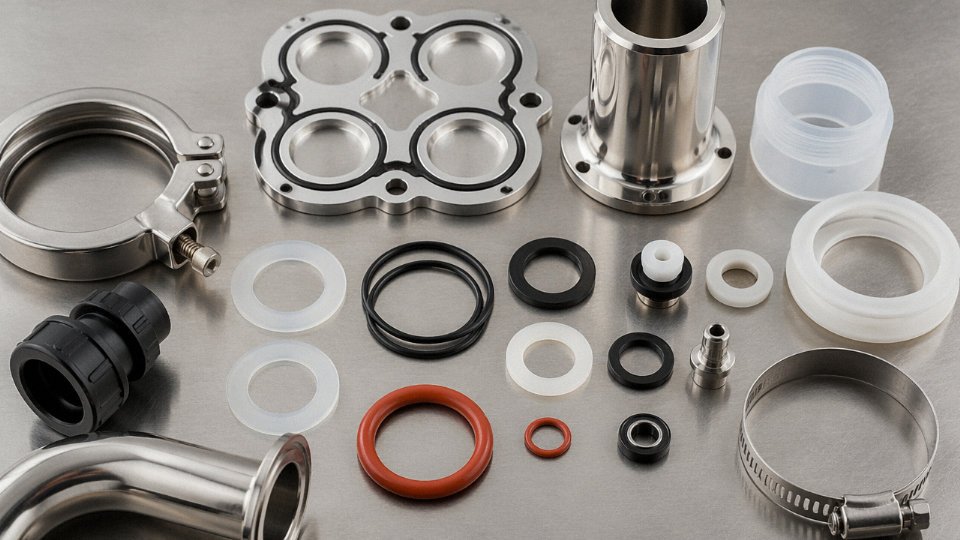
Silicone remains valuable where its strengths match the job. Heat resistance, flexibility at low temperature, electrical insulation, weathering resistance, biocompatibility, and long service life are not marketing decorations; they are the reason engineers keep specifying it. In high-purity applications, platinum-cured silicone may be post-cured with extractables commonly targeted below 1% by mass, depending on the compound, geometry, cure cycle, and test protocol. That kind of detail is what separates a controlled engineering material from a mystery elastomer.
The practical message is plain: people avoid silicone for understandable reasons, but blanket rejection is just as lazy as blind trust. Ask what grade it is, what it was tested to, what it will touch, how hot it will get, how long it must work, and how it will be handled at disposal. If those answers are weak, avoidance may be the right call. If the answers are solid and the application fits, silicone can be one of the most dependable materials in the plant.