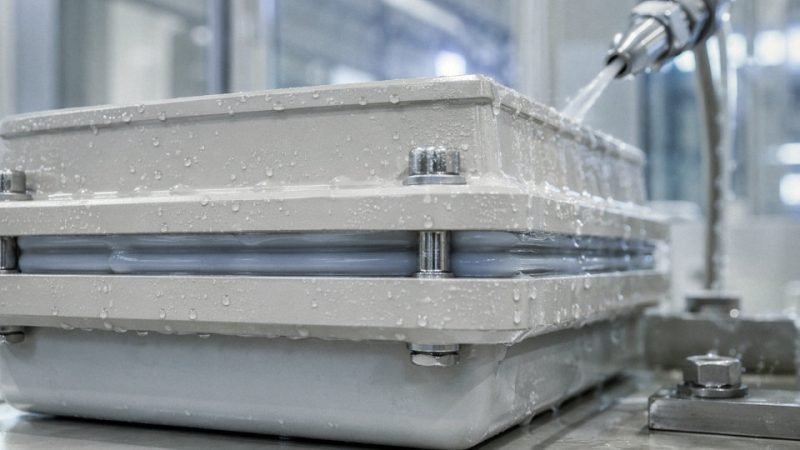
A leaking seal rarely announces itself during the nice clean validation run. It shows up after a washdown, a rainy delivery dock, a pressure change in a field enclosure, or a maintenance tech reusing a housing screw one too many times. Then the problem becomes corrosion on pins, fogged optics, nuisance sensor faults, swollen labels, rework bins, warranty returns, and awkward calls with customers. Liquid silicone rubber can be the right material for waterproof parts, but only if the grade, geometry, compression, bonding surface, and test target are treated as an engineered sealing system, not just a soft rubber choice.
Yes—cured liquid silicone rubber is effectively waterproof for many seals, with typical 24-hour water absorption around 0.1% to 0.5% by weight depending on grade and test method. Real performance still depends on part design, compression, bonding, tooling quality, and whether the target is IP67 or a defined IP68 condition.
That distinction matters. On paper, LSR looks almost boringly good: low water uptake, wide temperature capability, stable flexibility, and good recovery after compression. On the plant floor, the failures usually come from the edges of the drawing — knit lines, flash, under-compression, contaminated bonding faces, poor venting, or an IP68 claim that nobody defined in meters, hours, temperature, and cycling.
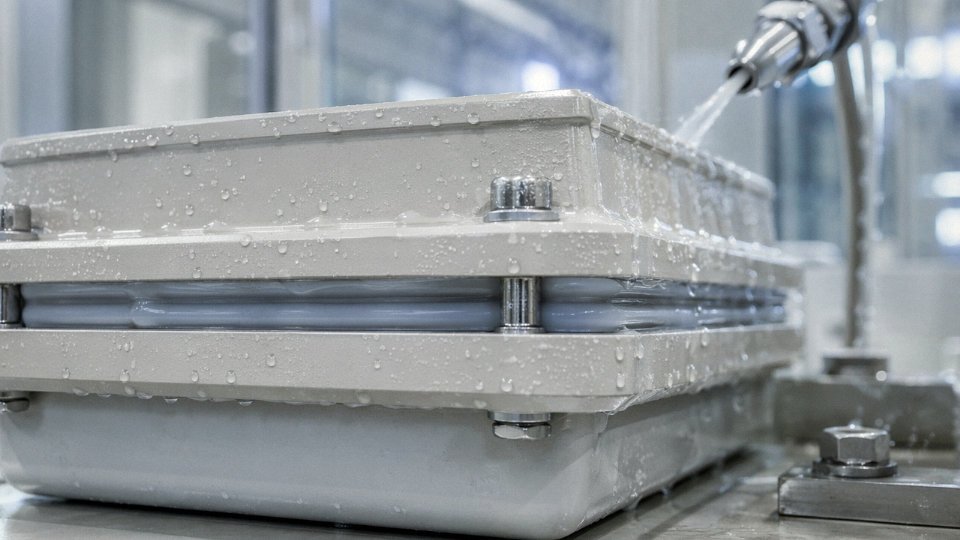
How cured LSR resists liquid water at the molecular and material level
Cured liquid silicone rubber is not a sponge-like plastic with open paths for water. Once processed correctly, it is a crosslinked silicone elastomer: long polymer chains tied into a three-dimensional network. The backbone is mainly silicon and oxygen, often written as Si-O, with organic side groups attached along the chain. That structure is the main reason LSR behaves differently from many common rubbers in wet service.
The Si-O backbone is flexible and chemically stable across a wide temperature window, while the organic side groups make the surface relatively hydrophobic. In plain plant-floor language, water does not want to spread across clean silicone the way it can on some polar plastics, rubbers with exposed additives, or rough contaminated surfaces. A droplet usually sits up and beads.
That surface behavior helps, but it is not the whole story.
Low surface energy reduces wetting, not every water problem
Silicone has low surface energy, so liquid water has poor affinity for a clean cured LSR surface. That is why LSR is common in seals, gaskets, medical valves, connector seals, appliance parts, and outdoor elastomer components. Less wetting means less opportunity for water to creep across the surface, especially where the part has proper compression and the joint design does not give water a capillary path.
In practice, surface condition matters. A fresh molded LSR part, a part wiped with solvent, and a part that has sat in a dusty assembly bin for two weeks may not wet the same way. Plasma treatment, bonding primers, mold-release contamination, oils from handling, detergent residue from washing, or fine machining dust on a mating plastic housing can all change how water behaves at the interface. I have seen connector seals blamed when the actual leak path was a fingerprinted plastic land with poor clamp load. The rubber was fine. The joint was not.
Crosslink density controls swelling and dimensional stability
The cured network is what limits liquid water uptake. During molding, platinum-cured LSR forms crosslinks between polymer chains. If that cure is complete and the formulation is suited to the job, the network leaves very little free volume for bulk liquid water to enter. Water may interact at the surface and a small amount may diffuse in, but the part should not swell like a poorly selected thermoplastic elastomer in hot washdown service.
Crosslink density is a balancing act. Too low, and the elastomer can show higher absorption, softer feel after exposure, more compression-set drift, or dimensional change. Too high, and the part may become less forgiving in assembly, especially in seals that depend on squeeze and recovery. The right target depends on hardness, section thickness, cure temperature, residence time, post-cure requirements, and whether the part is sealing static water, pressure pulses, steam condensate, coolant mist, or detergent wash.
A typical mistake is treating “silicone” as one material. It is not. A 30 Shore A LSR diaphragm, a 70 Shore A connector seal, and a filled high-consistency silicone gasket can behave differently in the same immersion test.
Water absorption is low, but the test conditions decide the number
For cured LSR, a practical range for water absorption after 24 hours of immersion is often about 0.1% to 0.5% by weight. That range depends on the exact grade, filler package, pigment, cure completeness, sample thickness, surface area, water temperature, and the test method used. A thin plaque reaches moisture equilibrium faster than a thick overmolded seal. Deionized water may not behave the same as chlorinated water, saltwater, coolant, or alkaline cleaning solution.
The percentage also needs interpretation. A 0.2% weight gain on a lab specimen does not automatically mean a field seal will leak. It means the material absorbed a small amount of water under that test condition. The engineering question is whether that small uptake changes hardness, compression force, dimensions, dielectric behavior, optical clarity, or bonding strength enough to hurt the product.
Cured LSR blocks bulk liquid water well but should not be treated as a perfect moisture barrier.True
The crosslinked silicone network and hydrophobic surface resist liquid water absorption and wetting, but water vapor can still diffuse through silicone over time.
Water vapor can still pass through silicone
This point gets missed in procurement specs. LSR can be very good against liquid water while still allowing water vapor transmission. Those are not the same failure mode.
Bulk liquid water needs a path, poor seal compression, surface defect, tear, void, flash mismatch, bad parting-line control, or a leaky housing joint. Water vapor moves molecule by molecule through the elastomer. Silicone generally has higher gas and vapor permeability than many dense engineering plastics and some specialty rubbers. That is useful in membranes and venting applications, but it can be a nuisance around electronics.
For sensors, LED modules, battery packs, outdoor connectors, and potted assemblies, vapor transmission can create slow condensation risk. A unit may pass a dunk test and still show fogging after thermal cycling. Warm humid air diffuses in, the night shift temperature drops, and water condenses on the coldest metal or glass surface. The LSR did not “leak” in the dramatic sense. It allowed vapor migration, or the assembly trapped moisture before sealing.
That is why serious waterproof design separates material selection from system validation. Use LSR for its hydrophobic, elastic, low-absorption behavior. Then check the actual joint, compression set, housing stiffness, gate vestige, flash allowance, cure state, and vapor exposure profile. Right material, wrong design, still leaks. Right material, right compression, verified cure, clean mating surfaces; that is where LSR earns its reputation in wet environments.
Where LSR is waterproof enough and where it can still leak
Cured liquid silicone rubber is often a good choice for wet-duty parts, but the finished assembly earns the waterproof rating, not the material by itself. I have seen perfectly good LSR gaskets blamed for leaks that actually came from warped plastic housings, uneven screw torque, a tiny molding flash line, or a vent path nobody included in the test fixture.
LSR is commonly used successfully in gaskets, face seals, radial seals, molded keypads, cable overmolds, connector seals, baby bottle nipples, pacifier shields, medical device seals, wearable skin-contact parts, valve diaphragms, check valves, outdoor lighting seals, and small appliance washdown barriers. Those are all reasonable uses. The material handles water exposure well, stays flexible across a wide temperature band, and can recover after compression better than many rigid plastics. Typical service windows for waterproof components are roughly -50°C to 200°C, depending on grade, post-cure, color package, and the surrounding hardware. Specialty grades can go outside that range, but the mating materials often become the limit first.
A flat LSR sheet can resist liquid water in a lab dish. A molded LSR barrier can also do its job beautifully. The trouble starts at interfaces.
Common places water gets past an otherwise good LSR part
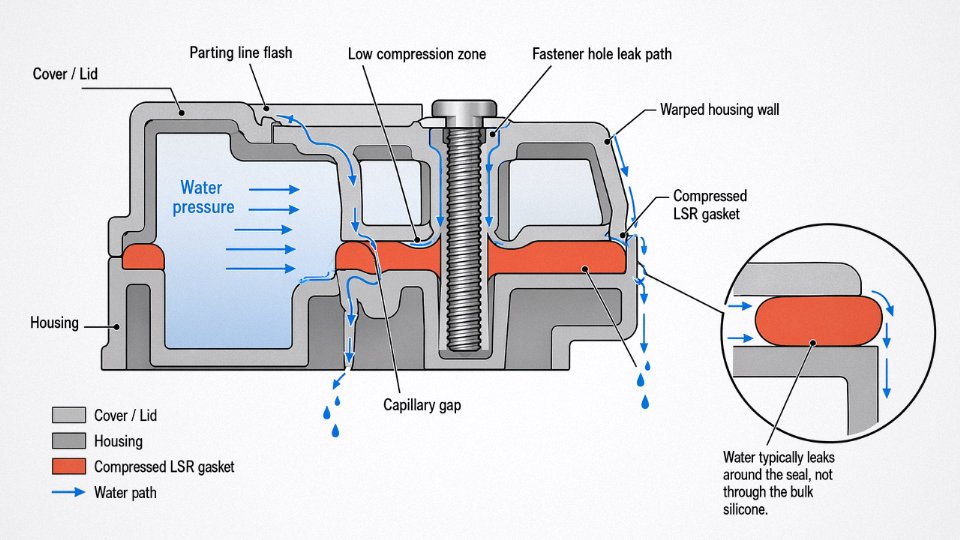
The leak path is usually not through the bulk silicone. It is around it.
Common offenders include:
- Parting lines on molded seals, especially if flash or mismatch lands on the sealing bead
- Fastener holes where compression drops between screw bosses
- Housing distortion from thin plastic walls, glass-filled resin shrink variation, or thermal cycling
- Poor compression control, either too little squeeze or so much squeeze that the seal rolls, extrudes, or takes a set
- Cable overmold transitions where jacket material, primer choice, and strain relief geometry were not treated as one system
- Connector cavities where capillary gaps remain around pins, inserts, or potting edges
- Vents, speaker meshes, pressure equalization membranes, and drain features that were forgotten during IP testing
- Assembly damage from dry installation, twisted O-rings, sharp aluminum edges, or an operator using a screwdriver as a “temporary” seal-positioning tool
That last one is not rare. In production, a seal that works in engineering samples can fail after a few months because the line is rushed, the gasket is installed dry, and the housing screws are driven with a worn bit and no torque verification.
Splash, washdown, immersion, pressure, steam, and saltwater are not the same test
“Waterproof” is too broad unless the test condition is named.
Splash resistance is the easy case. A keypad, wearable button, or outdoor lighting gasket may only need to shed rain, sweat, or incidental water. The seal sees low pressure and short contact time. LSR is usually comfortable here if the geometry is sensible.
Washdown is harsher. Food equipment, medical carts, bathroom devices, and outdoor assemblies may see sprayed water, detergent, hot water, and angled impact. A static seal that passed a dunk test can still leak under a jet because the water is being driven into seams. Cleaning chemicals can also pull out contaminants from nearby plastics or lubricants, changing friction and compression over time.
Temporary immersion, often tied to IP67, is a different discussion again. IP67 typically means temporary immersion under defined depth and duration conditions. It does not automatically mean the part is suitable for years in a pond, a sterilization tray, or a bilge compartment.
Continuous immersion, often discussed as IP68, must be application-specific. Depth, time, temperature, fluid chemistry, movement, and acceptance criteria need to be written down. A wearable sensor sitting in warm chlorinated water is not the same as an outdoor cable connector buried in wet soil. Both may use LSR seals. Their failure modes are different.
Pressure cycling is where borderline designs get exposed. A sealed enclosure taken from a cold warehouse into hot sun will breathe if there is any compliant volume or vent path. A pump valve or underwater connector may see repeated pressure changes that flex the LSR and work water into a microscopic gap. Time matters. Pressure matters. Movement matters.
Steam exposure is another trap. LSR can tolerate high temperatures better than many elastomers, but steam drives heat and moisture aggressively into interfaces. Autoclave cycles, steam cleaning, and hot condensate can attack weak adhesion, swell adjacent plastics, relax clamp load, or reveal a poor knit line in the housing. Saltwater adds corrosion and crystallization. Once salt dries in a seam, the next wet cycle may create a wick-like path or damage the metal hardware that was holding compression.
If a molded LSR part resists water absorption, the finished product is automatically waterproof.False
Bulk LSR typically absorbs only about 0.1% to 0.5% water by weight after 24 hours of immersion, depending on grade and test method, but assemblies usually leak at interfaces such as seams, holes, inserts, vents, or poorly compressed sealing features.
Tie the claim to the test, not the brochure word
A useful waterproof claim reads like a test condition, not a slogan. For example: “No water ingress after 30 minutes at 1 meter depth, new parts, room temperature, assembled to specified torque,” or “No functional failure after 72 hours at 2 meters, with three thermal cycles between 5°C and 45°C.” Those statements can be tested, audited, and argued about in a productive way.
A weak claim says “waterproof silicone seal” and leaves procurement, quality, and the customer to guess what that means.
For production parts, I would rather see a modest rating backed by a real fixture, defined compression range, incoming material control, and periodic leak testing than an ambitious IP68 statement copied from a competitor’s catalog. The wrong wording sells one batch. The wrong seal design creates returns, scrap, rework, and weekend calls.
Design rules for LSR gaskets, seals, overmolds, and waterproof interfaces
Start with compression, not the material datasheet
Cured LSR can handle water very well, but a waterproof joint is made by contact pressure. If the seal does not stay compressed against the mating surface, water will find the low-pressure path. It usually does not look dramatic on the bench. A few microns of waviness, one molded sink mark near a screw boss, or a housing that bows between fasteners is enough.
For static LSR face seals, I usually start around 15% to 30% squeeze, depending on seal height, Shore A hardness, gland geometry, expected temperature range, and how stiff the housing is. Small electronics gaskets often live toward the lower-middle part of that range because plastic covers distort easily. Heavy metal housings can tolerate more squeeze, but overdoing it just raises assembly force and compression set risk.
Gland fill matters too. A seal needs room to deform. A common working range is roughly 70% to 90% gland fill, depending on whether the seal is a molded-in-place bead, loose gasket, O-ring style section, or complex perimeter seal. Too little fill and the gasket can roll, pump, or lose local contact. Too much fill and the rubber has nowhere to go, so it shears, extrudes, or holds the cover off before fasteners seat properly.
Tolerance stack-up is where many drawings get too optimistic. Add the molded LSR height tolerance, plastic or metal housing flatness, groove depth variation, coating thickness, adhesive layer if used, screw boss height, and fastener clamp scatter. Then run the minimum and maximum conditions. If the seal only works at nominal dimensions, it is not a production design.
A cured LSR gasket is waterproof only if the joint maintains compression across tolerance, temperature, and aging.True
LSR absorbs little liquid water, but leakage normally follows the interface between the seal and the mating parts. Poor squeeze, warped housings, flash, scratches, or uneven torque can defeat a good material.
Choose Shore A hardness for the joint, not for catalog comfort
Shore A hardness changes the whole feel of the assembly. Softer LSR, say roughly 20A to 40A, conforms well to minor surface waviness and needs less clamp load. That helps with thin plastic covers, snap-fit lids, and small battery compartments. The tradeoff is handling. Soft gaskets stretch, pick up lint, twist during installation, and can be easier to damage if operators use tweezers or drag them across a sharp groove.
Medium grades, around 40A to 60A, are common for industrial gaskets because they balance sealing force, moldability, and assembly robustness. Harder grades can resist extrusion and feel more positive during installation, but they demand better flatness and higher clamp force. They can also transmit more stress into bosses and clips.
Compression set should be checked under realistic heat, time, and squeeze. The answer changes if the seal sits near a warm motor, a battery pack, or an outdoor enclosure in sun. LSR waterproof components often see service temperatures from about -50°C to 200°C, with specialty grades outside that range, but the housing, coating, and adhesive may not be anywhere near that capable. Design to the weakest member of the joint.
Give the rubber a moldable shape
Rounded corners are cheap insurance. Use adequate radii at turns, avoid sudden section changes, and keep wall thickness stable where possible. LSR flows well, but it is not magic; thin knife-edge sealing lips, abrupt ribs, and long skinny flow paths can create fill imbalance, trapped air, or flash-sensitive edges.
Sharp sealing edges can work in controlled tooling, especially on small precision parts, but they are unforgiving. If the tool wears, vents drift, or clamp force changes, flash may appear exactly where the seal is supposed to contact the housing. Then the assembly passes dry air testing one shift and fails immersion after the next tool maintenance. I have seen that pattern more than once.
Put parting lines, gates, and vents away from sealing risk
Parting line placement is not a cosmetic decision on waterproof LSR parts. Keep parting lines off primary sealing lands if the design allows it. If they must cross a seal surface, define allowable mismatch and flash in functional terms, not just “no visible flash.” Visible to whom? Under what light? With what inspection gauge?
Gate location should promote balanced filling and avoid weld or knit-like weak areas across the sealing path. LSR does not behave exactly like thermoplastics, but flow fronts, trapped air, and cure variation still matter. Vents need to be present and maintained. A blocked vent can leave a short shot, burn mark, void, or weak surface skin near the last-fill area. That is a leak waiting for pressure, vibration, or thermal cycling.
For procurement teams, this is where toolmaker capability matters. Ask how the supplier controls flash, vent depth, cold runner balance, cavity pressure, and tool cleaning frequency. A low piece price is not low cost if operators must trim sealing edges by hand. Hand trimming near a waterproof interface is a red flag unless the process is tightly fixtured and inspected.
Treat overmolding as a joint design, not just two materials stuck together
LSR overmolding onto plastic, metal, glass, or electronics can be excellent for waterproofing, but adhesion is never automatic. The substrate may need plasma treatment, corona treatment, blasting, cleaning, primer, or a self-bonding LSR grade. Oily stamped metal, mold-release residue, skin oils, and aged plastic surfaces can all reduce bond strength.
Mechanical retention is often the safer long-term strategy. Holes, undercuts, ribs, dovetails, and wraparound features give the silicone something to lock into even if chemical adhesion varies. Do not make the retention features so thin that they tear during demolding or thermal cycling.
Thermal expansion mismatch deserves attention. LSR expands much more than aluminum, steel, glass-filled nylon, or polycarbonate. During cure and later service, the rubber and substrate move differently. A bonded waterproof interface may pass room-temperature leak testing but open slightly after heat soak, freezer exposure, or repeated washdown cycles. The risk depends on part size, bond width, cure temperature, substrate stiffness, and operating range.
Inspect the mating surface before blaming the LSR
Many waterproof failures blamed on “bad silicone” are really bad mating surfaces. Look for roughness, waviness, scratches from handling, coating nibs, sink around screw bosses, warped covers, and uneven fastener torque. A gasket cannot seal a canyon.
A typical case: a molded plastic cover passes leak testing when new tools are fresh. Months later, one corner starts failing after assembly. The LSR gasket is within print. The real cause is boss sink and cover bow from a small resin/process change, made worse by operators driving screws with an uncalibrated electric driver. Right fix: restore flatness or add controlled compression stops. Wrong fix: make the gasket fatter until the cover cracks or the screws loosen in the field.
LSR performance in immersion, weather, saltwater, steam, and cleaning chemicals
Clean freshwater is usually one of the easier jobs for cured LSR, provided the seal geometry is right and the compound is fully cured. Typical 24-hour water absorption is roughly 0.1% to 0.5% by weight, depending on grade, cure state, fillers, pigment package, and test method. That is low enough that most LSR gaskets, keypad membranes, connector seals, and sensor overmolds do not swell dramatically in ordinary water service.
Hot water is a different animal. So are steam, detergents, oils, fuels, solvents, and strong oxidizers. A part that survives room-temperature immersion during an IP67 dunk test may still age poorly in a washdown cabinet running hot alkaline cleaner every shift. I have seen seals pass the first validation and then start leaking months later because the real plant cleaning cycle was hotter, longer, and more chemical-heavy than the drawing note suggested.
Clean freshwater immersion is usually less aggressive to cured LSR than hot water, steam, detergent solutions, oils, fuels, solvents, or strong oxidizers.True
Water uptake in cured LSR is generally low, but heat and aggressive chemicals can accelerate aging, swelling, loss of elasticity, compression set, or bond failure. Actual performance depends on compound grade, exposure time, temperature, seal stress, and the surrounding materials.
Outdoor weathering is one of LSR’s strong areas
Silicone rubber generally handles ultraviolet light, ozone, oxygen, rain, and temperature cycling better than many organic rubbers such as natural rubber, nitrile, or some polyurethane grades. That is why LSR shows up in outdoor electrical connectors, lighting seals, solar junction components, vehicle sensors, and enclosure gaskets.
The advantage is not magic waterproofing. It is stability. The silicone backbone resists the cracking and hardening that ozone and UV can cause in many carbon-chain elastomers. In practical terms, an outdoor LSR gasket is less likely to turn chalky, split at corners, or lose flexibility after several seasons of sun and rain. The usual LSR service window for waterproof components is about -50°C to 200°C, with specialty grades extending outside that range. The useful limit depends on compression, exposure time, part thickness, color, and whether the seal is also seeing oil, fuel mist, or cleaning spray.
A warning from the field: outdoor failures often come from the assembly, not the rubber. Uneven screw torque, a warped plastic housing, capillary gaps around cable exits, or a poorly supported lip seal will beat a good material.
Saltwater and marine exposure
Saltwater does not usually attack LSR as aggressively as it attacks metals. The bigger problems are nearby.
In marine or coastal equipment, look at the full stack: LSR seal, stainless screw, aluminum housing, plated insert, brass fitting, adhesive primer, cable jacket, and whatever grit gets dragged in during maintenance. Salt crystals can become abrasive at moving interfaces. Biofouling can hold moisture against joints. Galvanic corrosion can open a leak path even if the silicone itself still looks fine.
A common example is an LSR gasket sealing a coastal electrical enclosure. The gasket may remain flexible, while the zinc-plated fasteners rust, clamp load drops, the cover relaxes, and water starts tracking past the corners. The postmortem says “seal leak,” but procurement bought the wrong fastener finish for the environment. Use 316 stainless or a qualified coated fastener where needed, isolate dissimilar metals, and specify torque control. The rubber cannot compensate forever for a corroding joint.
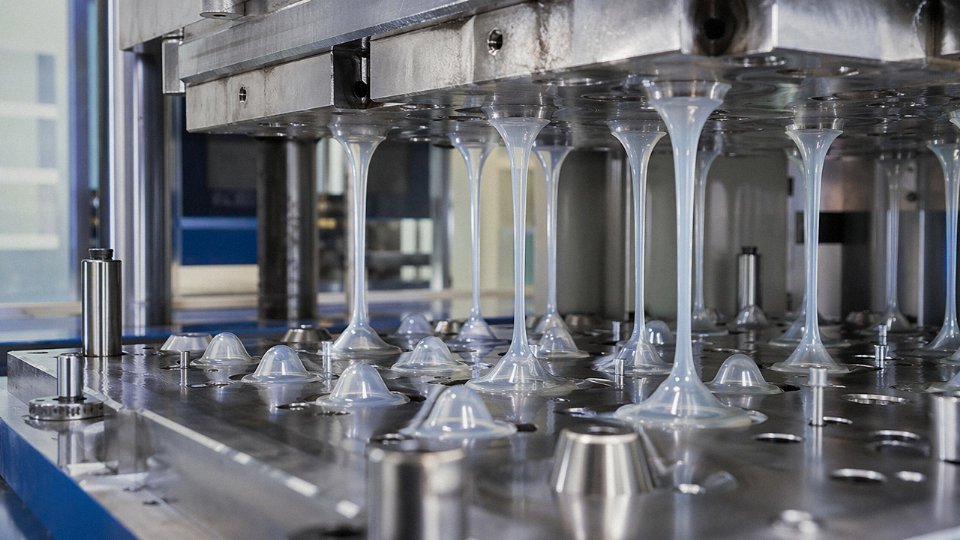
Steam, hot water, and repeated cleaning cycles
Steam and high-temperature water are demanding because heat speeds aging. They can increase compression set, reduce rebound, and challenge adhesion between LSR and metal or plastic inserts. In overmolded parts, the interface is often the weak point before the bulk LSR fails.
Repeated sterilization or cleaning cycles deserve special attention. Autoclave exposure, steam-in-place lines, hot water sanitizing, and high-pressure washdown all combine temperature, moisture, pressure, and chemistry. A seal squeezed at 20% to 30% compression may behave well at room temperature and still take a permanent set after hundreds of hot cycles. If the part relies on a thin sealing bead, that lost recovery becomes leakage.
In practice, I would not approve steam or hot caustic service from a datasheet alone. Ask for compression set data at relevant temperature, immersion or steam-aging data, and bond retention data if the part is overmolded. Then run the real cleaning cycle, not a polite laboratory substitute.
Chemicals that need compatibility testing
Some chemicals are too variable for assumptions. Test them with the exact compound, cure system, pigment, and surface finish you intend to buy.
| Exposure type | LSR risk level | What to verify |
|---|---|---|
| Clean freshwater, ambient | Usually low | Swelling, weight change, seal design |
| Rain, UV, ozone, outdoor air | Usually low to moderate | Housing distortion, clamp load, dirt traps |
| Saltwater | Moderate | Metal corrosion, galvanic effects, abrasion |
| Hot water or steam | Moderate to high | Compression set, aging, bond strength |
| Detergents and alkaline cleaners | Moderate to high | Hardness change, surface tack, seal recovery |
| Fuels, oils, aromatic solvents | High | Swelling, softening, loss of strength |
| Strong oxidizers and disinfectants | High | Cracking, embrittlement, surface degradation |
Compatibility testing is especially needed for strong acids, strong bases, hydrocarbon fuels, aromatic solvents such as toluene or xylene, chlorinated solvents, concentrated bleach solutions, peracetic acid, high-strength hydrogen peroxide, and aggressive disinfectant blends. Do not rely on the word “silicone” as a blanket approval. Different LSR grades behave differently, and a small formulation change can matter.
Food, medical, and potable water applications add another layer. The part must be waterproof, yes, but the formulation also has to be controlled for the intended regulation or standard. That may mean food-contact grades, medical-grade biocompatibility documentation, extractables and leachables review, potable water approvals, lot traceability, and restricted pigment or additive packages. For procurement, this is where “equivalent material” substitutions get dangerous. A cheaper LSR may seal the same on day one and still be unacceptable because the formulation control, documentation, or regulatory status is wrong.
How LSR compares with EPDM, TPU, fluorosilicone, and other waterproof elastomers
LSR is not automatically the “best” waterproof elastomer. It is one of the better choices when the seal is small, detailed, temperature-exposed, cleanliness-sensitive, or molded directly onto a plastic or metal insert. For a big static water gasket on a pump housing or outdoor enclosure, another rubber may do the job at lower cost.
That distinction matters in procurement. I have seen buyers pay silicone pricing for parts that EPDM could seal perfectly well, and I have also seen engineering teams specify EPDM on a tiny connector seal where flash control, compression set, and low-temperature flexibility made LSR the safer option. The right material depends less on the word “waterproof” and more on the full duty cycle.
LSR versus EPDM
EPDM is a strong benchmark for water sealing. For rainwater, tap water, many outdoor weathering applications, and low-pressure static gaskets, EPDM is often excellent. It handles ozone and UV well, and it is widely used in automotive weatherstrips, roofing interfaces, appliance seals, and outdoor enclosure gaskets for good reason.
Cost is usually where EPDM wins. Depending on compound, geometry, region, and order volume, EPDM molded or extruded parts can be noticeably cheaper than LSR. Tooling and cycle economics vary, but for larger, less intricate seals, EPDM often has the lower landed cost.
LSR pulls ahead where precision and temperature spread matter. Typical waterproof LSR components may be used from roughly -50°C to 200°C, depending on grade, post-cure, load, and exposure time. EPDM can handle many hot-water and steam environments, sometimes very well, but its practical upper temperature limit is usually lower than silicone’s, and low-temperature flexibility is not always as forgiving. LSR injection molding also supports thin lips, micro ribs, membrane features, and overmolded seals with cleaner repeatability than many compression-molded rubber parts.
Operational warning: EPDM can be a very good steam material, but “steam” is not one condition. Intermittent low-pressure steam cleaning is different from continuous saturated steam with mechanical compression. Ask for compound data, not just polymer family.
LSR versus TPU
TPU brings toughness. If a waterproof wearable band, cable jacket, boot, or cover sees abrasion, scuffing, bending around hard edges, or repeated handling, TPU may outperform LSR mechanically. It can feel tougher in the hand and resist tearing or scraping better, depending on hardness and formulation.
LSR is usually softer, more elastic, and more stable over a broad temperature range. It also tends to recover well after compression when the seal design is correct. In wearables, LSR is often chosen for skin-contact grades, soft touch, low-temperature flexibility, and stable feel after aging. TPU can also be used for wearables, but sweat, skin oils, sunscreen, hydrolysis conditions, and long-term compression need testing. Polyester-based TPU and polyether-based TPU do not behave the same in wet service. A part that survives a splash test may still lose properties after months of sweat, heat, and charger contact.
The wrong choice shows up quietly: strap cracking, seal lips taking a set, cloudy surfaces, or a charging-port plug that no longer closes with enough force. Then the waterproof rating becomes a memory.
LSR versus fluorosilicone
Fluorosilicone is the material I look at when the seal must handle water and fuel, or water and aggressive hydrocarbon exposure. Standard LSR performs well in many wet environments, but it is not the first pick for gasoline, diesel, aviation fuel, some solvents, or oily mixed-service conditions. Fluorosilicone keeps many silicone-like advantages, including flexibility and temperature range, while improving resistance to fuels and non-polar fluids.
The tradeoff is cost and availability. Fluorosilicone compounds and molded parts are usually more expensive than standard LSR, and supplier choice can be narrower. For an outdoor sensor seal exposed only to rain, fluorosilicone is probably overkill. For a connector gasket near a fuel system, it may be the conservative choice.
A waterproof elastomer can fail if the surrounding fluid is not just water but a mixture of water, fuel, oil, cleaner, or sweat.True
Water absorption alone does not predict swelling, softening, compression set, or surface attack in mixed chemical exposure.
LSR versus natural rubber, nitrile, and neoprene
Natural rubber has high elasticity and good mechanical strength, but aging is its weak spot in many waterproof assemblies. Ozone, heat, UV, and oxidation can harden or crack it unless the compound is protected and the environment is mild. It can still be cost-effective for some indoor water-contact parts, but I would not choose it casually for long-life outdoor waterproofing.
Nitrile rubber, or NBR, is mainly selected for oil and fuel resistance at reasonable cost. It can resist water adequately in many cases, but weathering and ozone resistance are not its strongest points. For a seal exposed to oil mist and occasional water, nitrile may beat LSR on economics and swelling behavior. For UV, wide temperature cycling, and clean molded detail, LSR usually has the advantage.
Neoprene sits in the middle. It has decent weathering, moderate oil resistance, and useful water resistance. It is a practical industrial rubber, especially in pads, boots, and general-purpose seals. LSR still tends to win for fine molded geometry, low compression set over time, medical or food-contact options, and broad thermal stability.
Practical selection matrix
Use the matrix below as a first screen, not a final approval. Real validation still needs immersion, compression set, aging, assembly leak testing, and whatever IP67 or IP68 condition the product actually claims.
| Selection factor | LSR | EPDM | TPU | Fluorosilicone | NBR / Neoprene / Natural rubber |
|---|---|---|---|---|---|
| Clean water and rain | Strong choice, especially for precision seals | Often excellent and economical | Good if wear resistance is needed | Works, usually costly | Varies by compound |
| Hot water or temperature cycling | Very good across a wide range | Good in many grades, check limits | Grade-dependent | Very good, costly | Mixed performance |
| Abrasion and handling wear | Fair to moderate | Moderate | Often strong | Moderate | Neoprene and natural rubber can be good |
| Fuel or solvent plus waterproofing | Not usually first choice | Poor for hydrocarbons | Depends heavily on chemistry | Strong choice | NBR often good for oil and fuel |
| Small ribs, membranes, overmolds | Excellent | Less ideal for very fine molded detail | Good for some molded parts | Good but expensive | Depends on process |
| High production volume | Good with automated LSR molding | Good, especially simple shapes | Good | Limited by cost | Often economical |
In practice, LSR gets selected for waterproof parts when the design needs precision molding, biocompatibility options, clean processing, low-temperature flexibility, high elastic recovery, and long environmental life in one package. EPDM may be the better water gasket. TPU may be the tougher wearable skin. Fluorosilicone may be the only sensible answer near fuel. The expensive mistake is choosing by polymer reputation instead of by water type, temperature, pressure, chemical exposure, certification target, part geometry, and production volume.
Testing and certification methods that prove an LSR part is waterproof
A cured LSR coupon can look excellent on a datasheet and still fail as a waterproof product because the leak path is usually at the interface, not through the rubber bulk. Good validation separates three questions: what water does to the material, whether the seal geometry blocks ingress, and whether the production process can keep doing it on a bad Monday after a tool change.
Material-level testing: prove the rubber survives wet service
Start with immersed specimens, not just dry tensile bars. For cured LSR, 24-hour water absorption is commonly around 0.1% to 0.5% by weight, depending on grade, cure state, filler system, specimen thickness, water temperature, and test method. That number is useful, but it is only the first screen.
A practical wet-aging test set usually checks:
| Test item | What it tells you | Plant-floor warning |
|---|---|---|
| Water absorption | Bulk uptake after immersion | Low uptake does not prove the gasket will seal |
| Dimensional change | Swelling, shrinkage, or warpage | Small changes can matter on thin lips and micro-seals |
| Tensile retention | Strength loss after wet aging | Watch peroxide-cured or poorly post-cured materials if specified |
| Elongation retention | Whether the seal becomes brittle or less forgiving | Low elongation after aging often shows up as assembly tears |
| Hardness change | Surface and bulk stiffness shift | A few Shore A points can change compression load |
| Compression set after wet aging | Ability to rebound after being squeezed in a wet joint | This is one of the more useful tests for static waterproof seals |
I like to test compression set in the same temperature band the product will see. Many waterproof LSR parts live roughly between -50°C and 200°C, while specialty grades may go beyond that, but a room-temperature soak tells you very little about a seal sitting near a motor, heater, battery pack, or outdoor enclosure in summer sun.
Ingress protection testing: IP ratings are assembly tests
IP testing belongs at the finished assembly or representative subassembly level. The LSR is only one part of the result.
IPX4 checks splash resistance. IPX5 uses water jets. IPX6 uses stronger jets. IPX7 is temporary immersion, commonly aligned with the practical idea behind IP67 products. IPX8 is not a fixed universal condition. It must be defined by depth, duration, water temperature, orientation, and often operating state. “IP68” without those conditions is procurement fog.
Typical waterproof sealing targets for LSR components are IP67 for temporary immersion and IP68 for application-specific continuous or extended immersion. A sensor potted in a calm indoor tank is not the same job as a connector under a vehicle chassis seeing road spray, freeze-thaw, and pressure washing.
An LSR gasket alone cannot be certified IP68; the assembled product must be tested under defined depth and duration conditions.True
IP ratings evaluate ingress into an enclosure or assembly. The elastomer material supports the seal, but housing geometry, compression, fasteners, tolerances, and test conditions determine the rating.
Leak test methods used before and after IP validation
Ingress tests are useful, but they are slow and sometimes destructive. Production usually needs a faster leak screen.
Pressure decay is common for sealed housings. You pressurize the cavity and watch pressure loss over a set time. It is relatively simple, but results depend heavily on internal volume, temperature stability, fixture sealing, and part compliance. Soft LSR can flex enough to confuse the reading if the test pressure is too high.
Vacuum decay works in the opposite direction and can be better for some thin-walled assemblies. Bubble testing is old-school but still effective for troubleshooting: submerge the pressurized part and look for bubbles. It is messy, operator-dependent, and not ideal for high-volume final inspection, but on a bench it can find the ugly truth fast.
Helium leak testing is more sensitive and useful for high-value electronics, medical devices, and critical sealed modules. It costs more, needs better fixtures, and may be overkill for an outdoor junction box. Dye penetration can reveal capillary leak paths around overmolds, inserts, and knit lines, though cleaning and interpretation need discipline. Functional wet testing is the blunt final check: run the product wet, sprayed, immersed, or cycled, then verify electrical, optical, pneumatic, or mechanical function. That is often where weak connector seals and marginal screw bosses show themselves.
Fixtures must represent production, not a perfect lab fantasy
A polished aluminum test block with ideal compression can make almost any decent LSR gasket look good. Real products have molded housing variation, glass-filled nylon sink, die-cast flash, plating buildup, screw torque scatter, and operators who sometimes reuse a Torx bit long after it should be scrapped.
Test fixtures should include the actual tolerance stack or a justified worst-case version of it. Surface finish matters. So does flatness. So does the torque pattern. If the production housing bows when screws are tightened, the test article needs to bow too. For overmolded seals, include real substrate preparation, primer if used, molding window limits, and any expected bond-line contamination risk such as mold release, oil, fingerprints, or humidity.
Thermal cycling deserves attention because LSR, plastic, aluminum, and steel move at different rates. A seal that passes dry assembly leak testing may open a path after ten or twenty hot-cold cycles.
Aging sequences that catch field failures early
A sensible validation sequence often combines heat and humidity exposure, immersion cycling, freeze-thaw cycling, salt spray for adjacent metals, ultraviolet exposure for outdoor parts, and compression aging under installed squeeze. The exact recipe depends on the product: handheld electronics, lighting, automotive connectors, appliance seals, and medical fluid components do not fail the same way.
One typical sequence for an outdoor control module would be pre-compression, heat-humidity aging, thermal shock or freeze-thaw, salt exposure if metal fasteners or inserts are nearby, then IPX6 or IPX7 retest. If the part only passes before aging, you have a brochure seal, not a field seal.
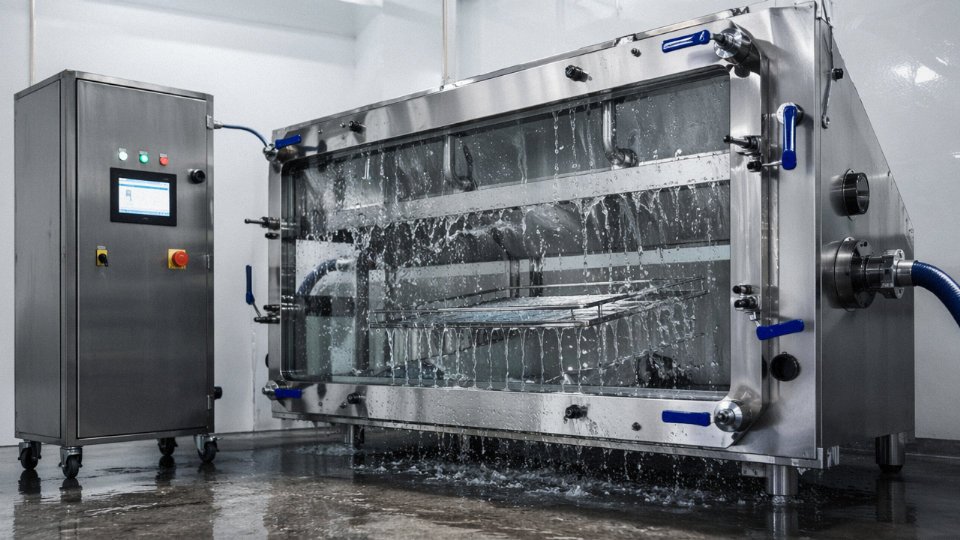
Passing once is not production capability. Lock the LSR grade, cure conditions, tool surface, venting, flash limits, assembly torque, and inspection method. Use sampling plans that match risk, then track leak-test yield and failure modes. Any change in supplier, pigment, mold, cavity balance, post-cure, housing resin, coating, screw, or gasket lubricant should trigger review. That sounds tedious because it is. It is still cheaper than sorting wet returns.
Manufacturing controls that protect waterproof performance in LSR molding
A good LSR formulation can still make a poor waterproof part if the molding process is loose. I have seen seal programs spend weeks arguing over material grade while the real leak path was a tiny parting-line step, a tired vent insert, or operators trimming flash with the wrong blade.
Cured LSR is only half the story. The other half is process discipline.
Metering, mixing, temperature, and cure control
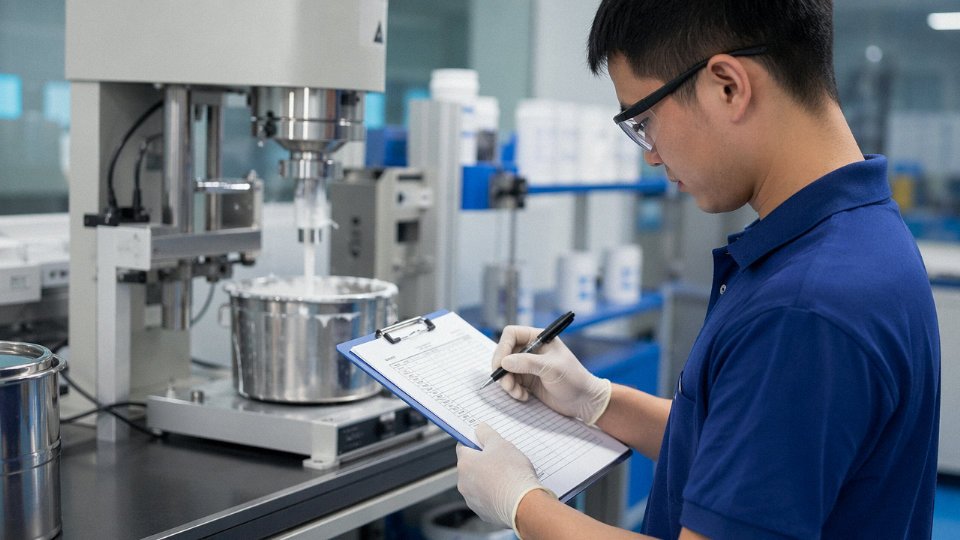
Most production LSR is supplied as a two-part platinum-cure system, commonly mixed at a 1:1 ratio. One side carries the catalyst package, the other carries the crosslinker and related chemistry. If the metering pump drifts, the mix becomes unstable: soft spots, under-cure, oily surface feel, weak tear strength, or inconsistent compression behavior. Any one of those can turn a gasket from waterproof to questionable.
In practice, a good molding cell controls:
- A/B metering ratio, typically held within a narrow process window set by the material supplier and validated during trials
- Static mixer condition and replacement interval
- Mold temperature, often somewhere around 150°C to 220°C depending on grade, wall thickness, and cycle target
- Cure time, which may be under a minute for thin small parts or several minutes for thick seals and overmolded assemblies
- Shot size, injection pressure, hold profile, and vacuum timing where used
The ugly failure is not always a dramatic reject. A slightly under-cured seal can pass visual inspection, pass a quick hand squeeze, and still take a compression set after a few heat cycles in the field. Then the housing leaks during a rain test or pressure wash. Wrong process, delayed consequence.
A molded LSR part can be made from a waterproof material and still fail an IP67 or IP68 assembly test because of molding defects, dimensional error, or poor interface design.True
Waterproof certification depends on the finished assembly and leak path control, not only on the cured polymer's low water absorption.
Defects that create leak paths
Water does not need much. A continuous surface scratch, a knit line at the sealing bead, or a bit of flash folded under a gasket can be enough.
Common waterproofing defects in molded LSR include:
- Short shots, especially at thin sealing lips or long flow ends
- Voids and trapped air, often seen near thick-to-thin transitions or poorly vented ribs
- Flash at the parting line, which can prevent even seating or tear during assembly
- Contamination from oil, dust, release agents, glove powder, or degraded material in the feed system
- Under-cure from cold tooling, short cycle time, bad mix, or heater imbalance
- Knit lines where flow fronts meet and do not fully fuse
- Surface tears from aggressive demolding or poorly polished shutoffs
- Poor bonding in LSR-to-plastic or LSR-to-metal overmolding
- Dimensional drift from tool wear, temperature changes, pump variation, or material lot changes
Flash deserves special respect. A little flash on a cosmetic boot may be harmless. On a radial seal, connector mat seal, medical device closure, or sensor overmold, flash can act like a shim. The assembler tightens the screws, the flange looks seated, but compression is uneven. Leak test tells the truth.
Tooling details that matter more than people expect
Waterproof LSR tooling is not just “a silicone mold.” It needs sealing intent built into the steel.
Precision parting lines are a big one. If the sealing surface crosses a parting line, the toolmaker must control mismatch, flash land, and vent depth tightly. Venting is needed because LSR flows easily and traps air, but vents that are too deep become flash generators. Too shallow, and the cavity burns, shorts, or traps bubbles. That balance depends on viscosity, cavity length, injection speed, and the age of the tool.
Cold runner design also matters. A balanced cold runner reduces cavity-to-cavity variation, especially on multi-cavity gasket tools where one cavity fills early and another is starved. If cavity balance is poor, quality teams end up chasing scattered dimensions and hardness readings that are really flow-history problems.
Automated demolding is often worth the money for waterproof parts. Hand picking with pliers or air guns can nick lips, stretch thin membranes, or leave parts on a dirty bench. A clean robot takeout or stripper system reduces random handling damage. Not glamorous. Very useful.
Inspection that catches real sealing risk
Visual inspection alone is weak protection. It catches obvious flash, tears, burns, and contamination, but it does not prove compression load or leak integrity.
| Control check | What it protects against | Practical note |
|---|---|---|
| Visual inspection | Tears, flash, contamination, short shots | Needs lighting standards and defect samples, not just “operator judgment” |
| Dimensional measurement | Poor squeeze, loose fit, assembly interference | Use fixtures that simulate functional datums where possible |
| Hardness testing | Mix error, cure drift, wrong material | Typical checks depend on durometer range and part geometry |
| Compression force testing | Weak seal load or over-stiff parts | More useful than hardness alone for many gasket designs |
| Flash measurement | Seating problems and assembly damage | Define allowable flash by location, not one blanket number |
| Leak testing | Actual waterproof performance | Test pressure, time, medium, and acceptance limit must match the application |
For regulated, automotive, medical, aerospace, outdoor electrical, or safety-related work, traceability is not paperwork theater. It is how you find the bad window when something goes wrong. Keep lot control for A and B materials, material certificates, cure records, machine parameters, mold ID, cavity ID where practical, inspection results, and rework records. If parts are post-cured, record that cycle too: time, temperature, oven load pattern, and verification method.
Lock the process before locking the tool
The best time to prevent waterproof failures is before production tooling is frozen. Design engineering, tool design, molding, quality, and procurement should review the seal function together. Where is the primary leak path? Which surface is functional? Can the tool vent without putting flash on the sealing bead? How will the part be measured? Can the molder hold the required compression height across all cavities and material lots?
Procurement should be in that meeting as well. A low quote from a supplier without LSR cold-runner experience, clean material handling, or leak-test capability can become expensive very quickly. The part price may look good; the field returns will not.
Frequently asked questions
Is liquid silicone rubber waterproof?
Yes, cured liquid silicone rubber is highly resistant to liquid water. In plain plant-floor terms, water does not readily soak through a properly cured LSR part the way it can migrate through some porous foams, fabrics, or poorly compounded elastomers.
That does not mean every LSR component is automatically a waterproof product. A molded LSR gasket sitting on the bench may be water-resistant as a material, but the finished assembly can still leak through a warped plastic housing, a parting-line flash path, a screw boss that bottoms out too early, or a connector interface that was never compressed evenly. I have seen good silicone blamed for leaks that were really caused by tolerance stack-up and uneven clamp load.
Cured LSR is waterproof as a material, but waterproof product performance depends on the complete assembly design and validation.True
LSR has very low liquid-water uptake, but leak paths usually occur at interfaces, joints, vents, fasteners, or molding defects rather than through the bulk silicone itself.
Does LSR absorb water?
Only a small amount under typical immersion conditions. A common range for cured LSR after 24 hours of water immersion is roughly 0.1% to 0.5% by weight, depending on the grade, filler package, cure state, test method, water temperature, and sample geometry.
Thin test plaques, thick gaskets, post-cured medical grades, and pigment-loaded industrial grades may not give the same result. Exposure time matters too. A 24-hour lab test is not the same as a pump seal sitting in warm chlorinated water for two years. If swelling, weight gain, or dimensional stability affects the seal preload, ask the supplier for data under your actual temperature and fluid conditions, not only a room-temperature datasheet value.
Is LSR safe for underwater use?
Often, yes. LSR is used in many wet and submerged applications because it stays flexible, resists liquid water, and tolerates a broad temperature window, commonly about -50°C to 200°C for many waterproof components. Specialty grades can extend beyond that range, but the details depend heavily on formulation and exposure.
“Underwater” is too broad by itself. Fresh water at shallow depth is one thing. Hot seawater, chlorinated pool water, hydraulic-fluid-contaminated bilge water, or potable-water contact is another. Pressure also changes the problem. At depth, the seal may see continuous compression, pressure cycling, and micro-movement that a simple dunk test will not catch. For regulated applications, check food-contact, drinking-water, medical, or electrical safety requirements before approving the material.
Can LSR be used for IP68 products?
Yes, LSR can be used for IP68 products, and it often is. But IP68 is not a magic material rating. It is an assembly-level performance claim tied to a defined water depth and duration agreed by the product specification or test standard.
A typical mistake is saying “IP68 silicone” without defining the test. IP67 usually means temporary immersion under specified conditions. IP68 means continuous or extended immersion, but the actual depth and time must be stated. An LSR seal may pass at 1 meter for 30 minutes and fail under a longer test, higher temperature, pressure cycling, or after UV aging.
For IP68 design, control the boring stuff: seal gland dimensions, compression percentage, housing flatness, screw torque, plastic creep, knit lines, flash, gate vestige, and contamination. One stray fiber across a radial gasket can ruin an otherwise sound design.
Is LSR better than rubber for waterproofing?
It depends which “rubber” you mean. LSR is silicone rubber, but people often compare it with EPDM, nitrile, natural rubber, TPU, or fluorosilicone.
LSR is usually strong where precision molding, clean processing, weather exposure, low-temperature flexibility, thermal stability, and soft-touch sealing are needed. It is a good fit for overmolded electronics seals, medical device seals, wearable products, lighting gaskets, sensor boots, and compact housings with fine features.
EPDM may be the better value for many outdoor water seals, especially larger extruded gaskets. Nitrile can be better around oils. Fluorosilicone earns its keep around fuels and aggressive fluids. TPU may win where abrasion and tear resistance dominate. The right choice is not “best rubber”; it is the rubber that survives your water, temperature, compression set, assembly method, and cost target.
Does LSR fail in hot water or steam?
It can perform well in hot water, and silicone is known for heat resistance, but steam and high-temperature water accelerate aging. That is where short qualification tests can be misleading.
Hot water can drive hydrothermal aging, compression set, and loss of sealing force over time. Steam is harsher because heat transfer is intense, and repeated sterilization or cleaning cycles can punish thin lips and sharp corners. The risk depends on grade, temperature, cycle count, pressure, pH, chemicals in the water, and whether the seal is under continuous compression.
A practical warning: do not approve a steam-exposed LSR seal from a dry-heat datasheet alone. Run aged compression-set checks, leak testing after cycling, and visual inspection for tackiness, cracking, or permanent deformation.
Is clear LSR waterproof?
Clear LSR can be waterproof, but transparency does not decide waterproofness. A clear grade, translucent grade, or colored grade can all resist liquid water if the formulation is suitable and the part is properly cured.
For optical or cosmetic parts, the bigger risks are often bubbles, knit marks, contamination, poor adhesion in overmolding, or geometry that leaves a thin weak section. Pigments and additives can change properties slightly, but color by itself is not the engineering control point. Cure quality, material grade, wall thickness, seal compression, and assembly validation matter far more than whether the LSR looks clear, milky, black, or custom-colored.
Specification checklist for choosing waterproof LSR parts
A waterproof LSR purchase spec should read like a service condition, not like a material brochure. “Silicone gasket, waterproof” is too loose. It gives the molder room to choose the wrong hardness, the toolmaker room to put a parting line across the sealing bead, and the buyer no clean way to reject bad parts.
Start with the water. Then define the seal.
Define the actual water exposure
Write down the exposure condition in plain operating language:
| Exposure condition | What to specify | Common trap |
|---|---|---|
| Splash or rain | Direction, frequency, drainage path, UV exposure | Water sits in a pocket after shutdown |
| Washdown | Nozzle pressure, distance, water temperature, detergent | A plant changes from hose rinse to pressure washer |
| Sweat or skin contact | Salt content, oils, cleaning cycle, regulatory needs | Cosmetic staining gets confused with leakage |
| Freshwater immersion | Depth, duration, temperature, number of cycles | A “quick dunk” test gets used for a long-life part |
| Saltwater immersion | Salinity range, drying cycles, metal contact | Corrosion of the housing causes seal failure, not the LSR |
| Chlorinated water | Chlorine level, temperature, exposure hours | Pool and sanitation conditions are not the same |
| Steam or hot water | Temperature, pressure, cycle count, venting | Steam finds weak interfaces faster than cold water |
| Cleaning chemicals | Exact chemical, concentration, dwell time, rinse method | Procurement approves “chemical resistant” without naming the chemical |
For many molded LSR sealing parts, the material itself may show low water uptake, often roughly 0.1% to 0.5% by weight after 24 hours of immersion, depending on grade and test method. That does not mean the finished device is automatically waterproof. The leak path is usually at the interface: housing flatness, screw load, flash, compression loss, or a connector overmold bond line.
A cured LSR part can be made from a highly water-resistant material and still fail a waterproof assembly test.True
Waterproof performance depends on the molded geometry, compression, mating surface, bonding, tolerances, aging, and validation test, not only on the base polymer.
Specify the operating window, not just the material name
A useful RFQ should state operating temperature, pressure, immersion depth, exposure duration, movement, compression state, and target service life. Typical LSR waterproof components are specified somewhere around -50°C to 200°C, with specialty grades extending outside that range. The real limit depends on the grade, cure system, media, compression, and aging profile.
Include details such as:
- Static seal or dynamic seal. A stationary enclosure gasket is not the same job as a moving button membrane.
- Compression range in service, not only nominal squeeze. I usually want minimum and maximum compression after tolerance stack-up.
- Pressure direction. Internal pressure can unload a seal that looked fine under external immersion.
- Assembly method: screws, clips, ultrasonic weld nearby, adhesive, insert molding, or overmolding onto metal or plastic.
- Expected life: months, a few years, or a decade-plus field installation.
If the commercial target is IP67, define the immersion depth and time used for the test. If the target is IP68, write the actual continuous or extended immersion condition. IP68 is application-specific; it is not a magic universal depth rating.
Lock down the LSR material properties
Do not approve the material only by color and Shore A. Shore A hardness matters, often sitting somewhere from soft gasket grades in the 20 to 40 Shore A range up into firmer 50 to 70 Shore A parts, but the right number depends on groove design, closure force, and handling damage risk.
Your material line item should call out:
- Shore A hardness and tolerance after cure
- Tensile strength and elongation, with test standard
- Tear strength, especially for thin lips, buttons, and demolding-sensitive parts
- Compression set at the relevant temperature and time
- Color, translucency, or optical transparency if inspection, sensors, or branding require it
- Regulatory grade, such as food-contact, medical, potable water, or skin-contact suitability where applicable
- Bonding behavior to the substrate: primer, plasma, mechanical undercut, or self-bonding LSR grade
A small warning from the floor: transparent LSR can make contamination and knit marks easier to see, but it does not make the seal better by itself. Pretty parts still leak if the shutoff is poor.
Define the waterproof acceptance test before tooling release
The acceptance test should say whether it is material-level, part-level, or assembly-level. Those are three different gates.
For a production program, I would normally expect the spec to include sample size, preconditioning, aging sequence, pass-fail criteria, and retest rules. Preconditioning may include heat aging, humidity exposure, compression aging, chemical soak, thermal cycling, salt exposure, or repeated assembly. Pick what resembles the field. Do not stack every torture test into one sequence unless the product will really see that sequence; over-testing can reject a workable design or push you into unnecessary material cost.
Pass-fail criteria should be measurable: no visible water ingress, no pressure decay beyond a defined range, insulation resistance above a stated limit, no bubbles during vacuum or pressure test, no weight gain beyond the allowed value, or no functional fault after immersion. “No leak” is not enough unless the method defines what leak rate can actually be detected.
Control dimensions and sealing surfaces
For LSR seals, dimensional tolerances need special attention because the material is flexible, shrinkage depends on grade and process, and measurement force can distort thin features. Put critical dimensions on the drawing: bead height, groove fill, lip thickness, hole diameter, overmold edge location, and flatness or profile where relevant.
Call out sealing surface requirements:
- Flash limit on sealing edges, with a realistic maximum based on tool design and inspection capability
- Parting line location away from primary sealing contact where possible
- No tears, nicks, cold slugs, voids, contamination, unmixed streaks, or exposed inserts on sealing surfaces
- Acceptable cosmetic defects separated from functional seal defects
- Measurement method for soft features, such as optical inspection, go/no-go gauges, or low-force contact measurement
A raised flash line of only a few tenths of a millimeter can be harmless on a cosmetic edge and disastrous across a compression seal. Put it on the print.
Require supplier documents and change control
Procurement should ask for more than a quote and a drawing acknowledgement. Require the material data sheet, safety data where needed, certificate of compliance, lot traceability, production inspection plan, and agreed control plan for critical dimensions. For regulated or high-volume work, include cure records, batch traceability, cavity identification, and retention sample rules.
Change notification matters. LSR grade changes, pigment changes, mold release habits, post-cure changes, tool repairs, cavity polishing, primer supplier changes, and molding site transfers can all affect waterproof behavior. Some are invisible until assemblies start failing after washdown or thermal cycling.
The practical takeaway is simple: LSR is a strong waterproof material choice, especially for elastic seals, overmolds, membranes, and outdoor or wet-service components. It earns that reputation only when the exposure is defined, the interface is designed correctly, the molding process is controlled, and the waterproof claim is validated on the real part or assembly.