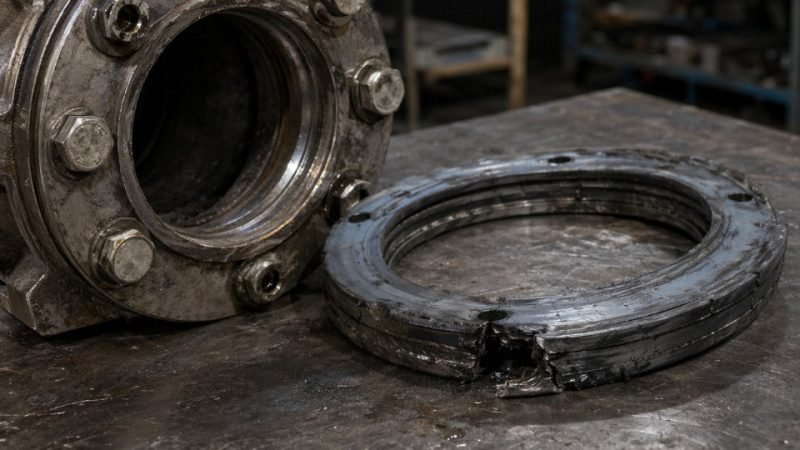
Silicone gets specified into applications it has no business being in, and the downstream cost is rarely small. A seal that tears under moderate clamp load, a gasket that swells and loses compression set after six months on a hydrocarbon line, a bracket that seemed fine at room temperature but crept under sustained stress at 180°C — these are not edge cases. They are what happens when procurement or design teams reach for silicone because it feels like the safe, chemically inert choice without checking whether the mechanical and economic trade-offs actually fit the application.
Silicone’s main disadvantages are low tensile strength (typically 4–12 MPa, well below EPDM or neoprene), poor resistance to hydrocarbon fuels and concentrated acids, high raw material cost relative to most general-purpose elastomers, and weak tear and abrasion resistance that makes it a poor choice for dynamic or high-load sealing. It also bonds poorly to most substrates without primer, and its mechanical properties drop noticeably above 200°C under sustained load even in high-temperature grades.
What makes silicone genuinely tricky from an engineering standpoint is that its strengths — excellent temperature range on paper, good UV and ozone resistance, low compression set in static applications — are real, but they tend to dominate the conversation while the weaknesses stay quiet until something fails. The goal here is to make those weaknesses loud before the part goes into service.
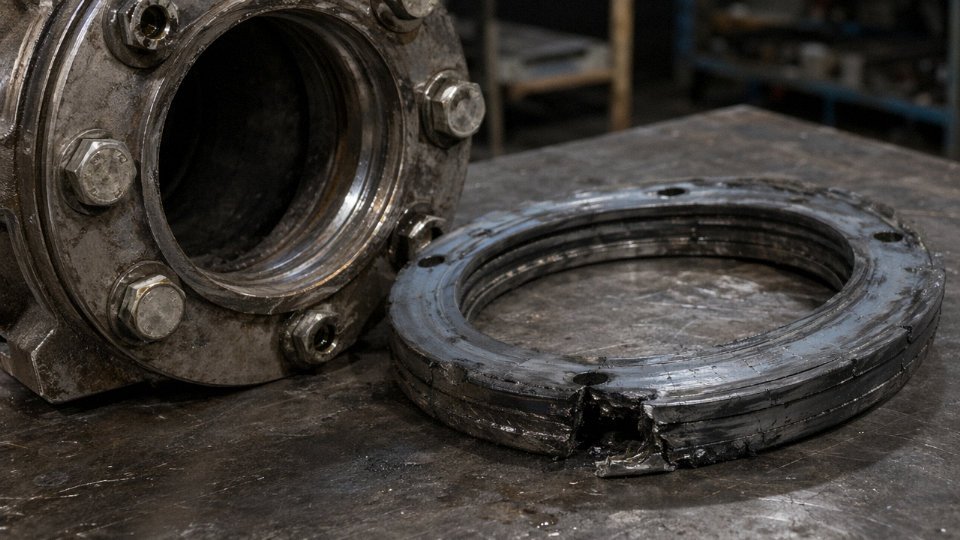
Poor Mechanical Strength and Tear Resistance Compared to Competing Elastomers
Silicone’s thermal stability is real, and nobody is disputing that. But thermal stability is not mechanical robustness, and the two get conflated in spec sheets far more often than they should.
Why the Silicon-Oxygen Backbone Creates an Inherent Strength Ceiling
The Si–O–Si backbone that makes silicone so thermally stable is the same reason it struggles mechanically. The bond angle and chain flexibility that allow silicone to remain pliable at –60°C also prevent the tight intermolecular packing that organic rubbers depend on for tensile strength. There is no equivalent of the strain-induced crystallization you see in natural rubber, and the weak van der Waals forces between polymer chains simply cannot be engineered away by compounding alone.
The numbers reflect this. Standard silicone rubber comes in at roughly 4–12 MPa tensile strength, depending on durometer, filler loading, and whether you’re looking at a peroxide-cured or platinum-cured formulation. Nitrile rubber runs 10–25 MPa. Polyurethane elastomers — the ones used in hydraulic seals and industrial rollers — land between 25–55 MPa. EPDM and neoprene typically fall in the 15–35 MPa range. Silicone is, by a meaningful margin, one of the weakest structural elastomers per unit of raw material cost, which already runs $3–8/kg for the polydimethylsiloxane base versus $1.50–3/kg for EPDM.
Tear Resistance: Where the Gap Gets Operationally Dangerous
Tensile strength matters less than tear resistance in a lot of seal and gasket applications, and this is where silicone really struggles. Per ASTM D624, standard silicone grades typically show tear resistance in the 10–30 kN/m range. Polyurethane comes in at 40–90 kN/m. That’s not a small gap — it’s roughly three times the resistance in a property that governs whether a dynamic seal survives edge loading or whether a diaphragm cracks at a molded radius under cyclic pressure.
In practice, reciprocating rod seals and pneumatic wiper seals are the applications that expose this most aggressively. A wiper seal on a hydraulic cylinder sees lateral edge loading every stroke. With polyurethane you might get 2–5 million cycles before meaningful wear. With silicone in the same groove geometry, you can see visible tearing at the lip within 500,000 cycles, sometimes less if there’s any side-load misalignment. The failure mode is gradual at first — a small notch at the lip edge — then suddenly catastrophic when the tear propagates across the seal face.
Standard silicone rubber meets the tear resistance requirements of most dynamic hydraulic seal applicationsFalse
Standard silicone grades measure 10–30 kN/m per ASTM D624, well below the 40–90 kN/m typical of polyurethane. Most hydraulic and pneumatic dynamic seal standards specify materials with substantially higher tear resistance for reciprocating service.
Abrasion Resistance: Disqualified from Entire Application Categories
Abrasion resistance is a separate failure mode, and silicone’s performance here is poor enough that it essentially disqualifies the material from whole categories of use without surface protection. Pin-on-disk testing consistently shows silicone losing material at 3–10× the rate of polyurethane, depending on surface roughness, contact pressure, and sliding speed. Conveyor belts, shoe soles, high-cycle wiper seals, and any rubber-lined chute handling abrasive bulk material — all of these will destroy silicone faster than the maintenance budget can tolerate.
Compression Set and Gasket Relaxation in Bolted Flanges
One more mechanical weakness that doesn’t show up in initial qualification tests but causes problems 6–18 months into service: compression set. Under ASTM D395 Method B (22 hours at 175°C), standard silicone rubber can show 15–40% compression set. Fluorosilicone performs somewhat better, but even that usually exceeds EPDM under equivalent conditions. In a bolted-flange application, that means the gasket progressively loses thickness and load-bearing height, bolt preload drops, and what started as a leak-free joint begins seeping — usually at the worst possible time, usually after the plant has already moved on to commissioning the next line.
The fix is re-torquing on a scheduled basis or switching to a mechanically harder material for the application. Both options cost time and money that a proper material selection upfront would have avoided.
High Raw Material and Processing Costs That Limit Industrial Scale-Up
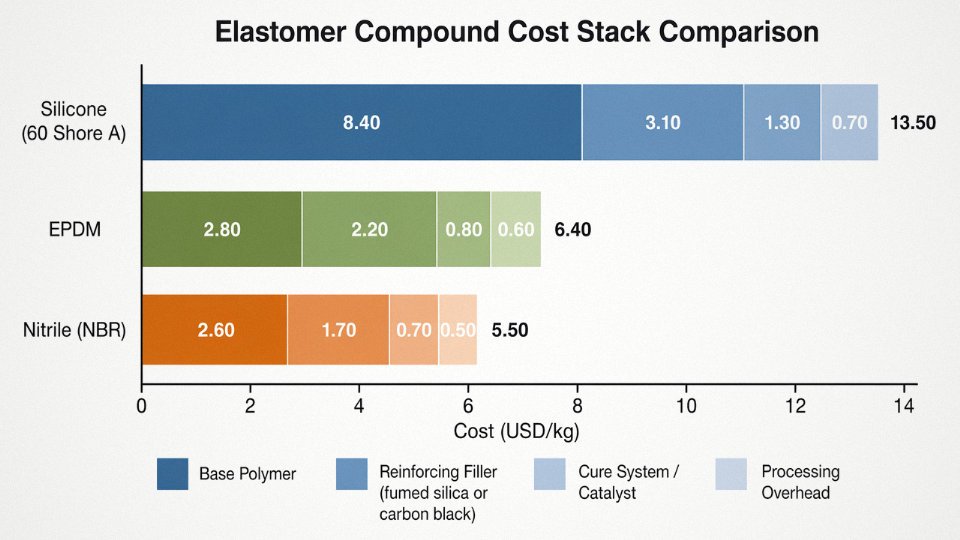
Silicone’s material and conversion costs form a compounding stack that catches buyers off guard, especially those migrating from EPDM or nitrile programs where commodity pricing is the baseline assumption. Each layer of the cost structure is real and largely unavoidable — it’s baked into the chemistry.
Raw Material Cost: Paying for the Silicon-Oxygen Backbone
Polydimethylsiloxane (PDMS) base polymer runs roughly $3–8/kg in bulk, depending on viscosity grade, order volume, and whether you’re buying from a distributor or direct from a Tier 1 silicone producer. That compares to $1.50–3/kg for EPDM and $2–4/kg for natural rubber. The spread sounds manageable in isolation, but it isn’t the whole picture.
Fumed silica — the reinforcing filler that gives silicone rubber any meaningful tensile strength at all — adds another $1–3/kg to the compound cost, and you can’t skip it. Unfilled silicone gum is mechanically useless for most industrial applications; it’s the silica that brings tensile strength into the 4–12 MPa range, which is still below EPDM and neoprene but at least functional. For liquid silicone rubber (LSR) grades, a platinum-based addition-cure catalyst enters the bill. Platinum loading varies by formulation, but its cost per kilogram of finished compound is non-trivial — and platinum is a commodity subject to its own price volatility, which procurement managers running annual contracts have learned to hedge against.
When you sum it up, finished silicone compound for a standard 60 Shore A gasket grade typically lands 30–200% higher in cost than an equivalent EPDM or neoprene compound, with the high end of that range applying to medical-grade or flame-retardant LSR formulations.
Processing Cost Multipliers: Tooling, Cure Cycles, and Press Utilization
Tooling for LSR injection molding is expensive for structural reasons, not vendor padding. The process demands heated tooling (typically 170–200°C), precision dosing of two-component streams at a 1:1 ratio, and a cold runner or valve-gate system to minimize material waste. More painfully, tool cavity tolerances need to be within roughly ±0.01 mm to produce flash-free parts — because silicone at injection viscosity will find every gap. That drives LSR mold costs into the $30,000–150,000 range depending on cavity count and part complexity, compared to $10,000–50,000 for a standard thermoplastic injection mold. Amortize that tooling cost over a program that only needs 50,000 parts per year and the per-part burden becomes uncomfortable fast.
HCR (high consistency rubber) compression molding is cheaper to tool, but the cure economics are punishing at production scale. Cycle times run 3–15 minutes at 160–180°C depending on part thickness and compound grade — versus seconds for many thermoplastic processes. Peroxide-cured HCR parts then require a mandatory post-cure: typically 4 hours at 200°C in a circulating-air oven, which adds energy cost and, more significantly, takes cured parts out of the production flow for hours. In a plant running multiple presses, the oven becomes the throughput bottleneck before you even notice it.
Post-curing is optional for peroxide-cured silicone rubber parts.False
Post-curing is functionally mandatory for peroxide-cured HCR silicone. Skipping it leaves volatile peroxide byproducts in the part, which cause compression set problems, odor issues, and can cause part failure in sealed assemblies. Platinum-cured LSR does not require post-cure, which is one reason LSR commands a price premium in medical and food-contact applications.
Scrap and Rework: Thermoset Economics Work Against You
Silicone is a thermoset. Once it’s cured, you can’t melt it back down, regrind it, and run it again the way you would with a thermoplastic. Flash, runners from cold-runner tools, and rejected parts are scrap — full stop. In typical compression molding operations, material waste from flash and setup runs anywhere from 5–20%, with the high end applying to complex geometries or when the tool is aging and flash land dimensions have opened up. On a $6/kg compound, that waste adds real dollars per thousand parts, and there is no recovery mechanism.
Adhesion and Surface Treatment: The Hidden Assembly Cost
Silicone’s low surface energy — a property people often cite as an advantage in release and anti-stick applications — becomes a liability the moment you need to bond it to anything. Bonding silicone to metal, plastic substrates, or fabric typically requires a plasma activation step, a primer (Dow Syl-Off or Wacker Primer G, for example), or both. Depending on automation level and throughput, surface treatment adds roughly $0.10–2.00 per part in direct cost. That’s a wide range because manual primer application in a low-volume shop and inline plasma treatment in a high-volume automated cell are completely different cost structures, but neither is free. In assemblies where the silicone component bonds to a second material in the same mold — insert molding over a metal bracket, for instance — the bond surface prep has to be built into the process cycle, and any inconsistency means a rejected subassembly that, again, cannot be reclaimed.
The net result is that silicone’s total cost of ownership almost always exceeds what the raw material price alone suggests. Engineering teams that do the full analysis — compound cost, tooling amortization, cure cycle energy, scrap rate, and bonding process cost — sometimes find the number surprising enough to revisit the material selection entirely.
Chemical Resistance Gaps: Fuels, Solvents, and Concentrated Acids That Degrade Silicone
Silicone has a reputation for chemical inertness that is, frankly, only partially deserved. It holds up well against dilute aqueous solutions, many oils at moderate temperatures, and weak acids — and that track record has led a lot of engineers to assume it belongs in almost any chemical environment. That assumption causes expensive failures.
Hydrocarbon Fuels: A Well-Documented Mismatch
Standard polydimethylsiloxane (PDMS) silicone swells aggressively in hydrocarbon fuels. In ASTM Reference Fuel C — the toluene/isooctane blend used as the industry benchmark — volumetric swell of 20–60% is typical, depending on silicone durometer and cure system. That number alone should end the conversation about using standard silicone for fuel system O-rings, injector seals, or hose liners. A seal that’s swollen 40% by volume doesn’t seal cleanly; it extrudes into clearances, takes a permanent set, and either tears on reassembly or weeps fuel under pressure cycling.
Nitrile rubber (NBR) sits at roughly 10–20% swell in the same test fluid, and FKM (Viton and equivalents) typically stays below 5%. Those are the right materials for fuel contact. Silicone isn’t even close.
Standard silicone rubber is suitable for use in automotive fuel system seals and hose liners.False
Standard PDMS silicone swells 20–60% by volume in ASTM Reference Fuel C, causing seal extrusion, permanent set, and leakage. Nitrile (NBR) or fluorocarbon (FKM) rubbers are the correct choice for continuous fuel contact.
Aromatic and Chlorinated Solvents
The problem gets worse with aromatic and chlorinated compounds. Toluene, xylene, trichloroethylene, and methylene chloride all cause rapid swelling and plasticization of silicone. Immersion data at 23°C over 72 hours regularly shows weight gains exceeding 100% — meaning the material has absorbed more than its own weight in solvent. At that point the rubber isn’t really functioning as a rubber anymore; it’s a swollen gel with dramatically reduced modulus and essentially no recovery.
This matters in maintenance environments as much as process environments. Silicone gaskets on equipment that gets wiped down with chlorinated degreasers — still common in food processing and precision manufacturing — will degrade faster than expected. The degradation isn’t always catastrophic and sudden; more often it’s a slow softening and dimensional growth that shows up as a leaking joint months later, by which point the root cause isn’t obvious.
Concentrated Acids and Strong Bases
Dilute acids are generally manageable. Sulfuric acid above roughly 10% concentration is not. At higher concentrations, and particularly with strong oxidizing acids, silicone undergoes surface erosion and chain scission — the Si-O backbone itself starts breaking down. Sodium hydroxide above about 30% causes similar hydrolytic attack. The result is surface tackiness, loss of tensile strength, and eventual crumbling of the elastomer surface.
For chemical processing reactors, aggressive CIP (clean-in-place) circuits running hot caustic, or pickling lines, silicone is the wrong gasket material. PTFE or EPDM (in caustic service) are standard for good reason.
Steam: The Misunderstood Failure Mode
This one catches people off guard. Silicone handles dry heat reasonably well, and that performance often leads to the assumption that steam is equally benign. It isn’t. Prolonged exposure to steam above 120°C at pressures above roughly 2 bar causes hydrolytic cleavage of the Si-O backbone. The material loses tensile strength and develops surface tackiness — the sticky residue is a physical indicator that the polymer is degrading, not just aging.
In pharmaceutical manufacturing, autoclaves run at 121°C as a standard sterilization cycle. Standard silicone tubing and seals used in those circuits should be specified as steam-resistant grades (peroxide-cured or with appropriate stabilizer packages), and even then, service life needs to be tracked rather than assumed. In practice, many facilities replace autoclave-service silicone components on a defined cycle rather than waiting for visible failure.
Substitution Choices and Their Trade-offs
Fluorosilicone (FVMQ) partially addresses the fuel resistance problem — swell in Reference Fuel C drops to roughly 10–25%, which is substantially better. The cost is significant: FVMQ typically runs 2–4× the price of standard silicone, which itself carries a 30–200% premium over EPDM depending on formulation. For a low-volume aerospace application, that’s often acceptable. For high-volume automotive production, procurement teams usually push hard toward FKM or NBR and accept the trade-offs in temperature range.
PTFE-encapsulated seals offer the broadest chemical resistance across both the fuel and solvent categories, and they handle most acid and caustic environments that would destroy silicone. The trade-off is mechanical: encapsulated PTFE seals don’t conform and recover the way an elastomeric seal does, which matters in dynamic applications or wherever joint surfaces aren’t machined flat.
The decision table is simple in concept but messy in practice: match the chemical environment first, then optimize for temperature and mechanical requirements. Silicone’s genuine strengths — flexibility at low temperatures, biocompatibility, UV resistance — don’t override a fundamental chemical incompatibility.
Adhesion, Bonding, and Assembly Challenges Caused by Silicone’s Low Surface Energy
Silicone’s surface energy sits in the 20–24 mN/m range. That sounds like an abstract materials-science number until you’re standing next to a bonding fixture watching an adhesive bead up and roll off like water on a waxed hood. Most engineering plastics — PA66, PC, ABS — run 35–45 mN/m. Aluminum oxide surfaces are typically above 40 mN/m. The gap isn’t marginal; it’s fundamental, and it cascades through every downstream assembly operation that involves silicone touching anything else.
Why Standard Adhesives Mostly Fail
Cyanoacrylate, standard two-part epoxy, and most polyurethane adhesives rely on wetting the substrate to develop mechanical and chemical grip. On untreated silicone, shear strengths of 0.1–0.5 MPa are typical — depending on the specific adhesive system, cure conditions, and silicone formulation. That’s roughly an order of magnitude below what you’d get on a prepared metal surface. In practice, bonds that appear acceptable at room temperature often peel under low peel loads or after a single thermal excursion.
Plasma treatment and UV-ozone activation genuinely work. Properly done, they can lift adhesion to roughly 1–3 MPa shear strength by temporarily oxidizing the silicone surface and introducing polar functional groups. The critical word is temporarily. The treatment window is typically 30 to 120 minutes before low-molecular-weight PDMS species migrate back to the surface and the energy reverts toward baseline. Anyone who has run bonding operations with silicone parts staged overnight before gluing has probably already seen this failure mode — even if they blamed the adhesive lot.
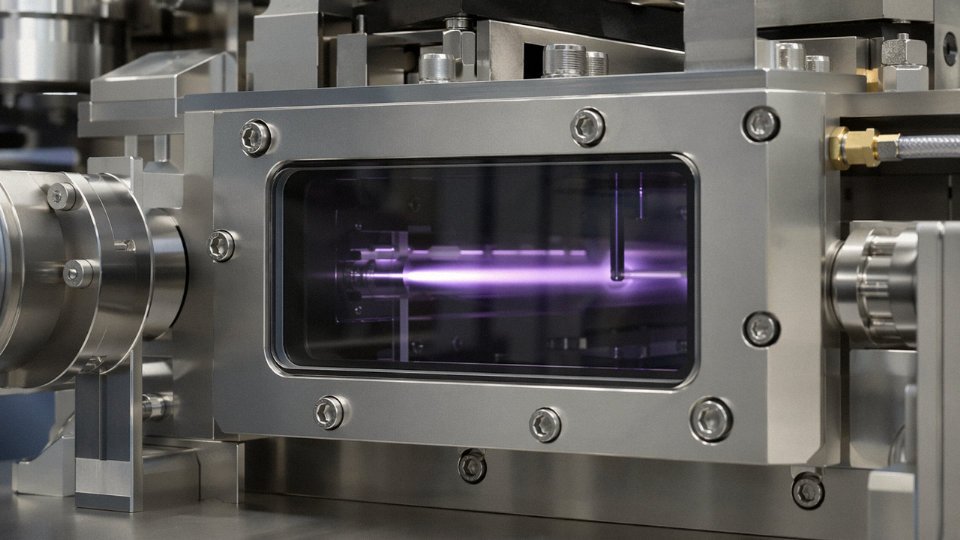
Operationally, this means plasma treatment must be in-line or very tightly scheduled. Adding a 45-minute buffer between activation and bonding to accommodate shift handoffs or queue buildup is enough to partially undo the work. Small plants without dedicated plasma equipment often skip treatment entirely, which is how you end up with field delaminations traced back to a bonding step that looked fine during process setup.
Overmolding Complexity
Two-shot and insert molding of silicone onto thermoplastic substrates compounds the problem. Reactive bonding grades of LSR (liquid silicone rubber) exist and do reduce the adhesion gap, but they cost more, sometimes require substrate surface preparation anyway, and their bond performance under repeated thermal cycling is formulation-dependent. Silane-based primers help — Dow’s Primer 4, Momentive’s SS4044C, similar products — but each one adds a processing step, a cure time, a shelf-life management headache, and another failure mode if coverage is uneven or the primer flashes off before molding.
Delamination at the silicone-thermoplastic interface under thermal cycling is a real field failure category, particularly in automotive and medical devices where assemblies see temperature swings of 50–80°C repeatedly. The bond doesn’t always fail catastrophically; sometimes it microdelaminates, and the part passes inspection before the interface leaks or loses sealing function in service.
Contamination: The Problem That Spreads Beyond the Part
Trace PDMS oligomers outgassing from silicone parts can cause paint fisheye defects even when silicone contact with painted surfaces is indirect.True
Low-molecular-weight cyclic siloxanes (D4, D5, D6) volatilize from silicone rubber at room temperature and deposit on nearby surfaces. At nanogram-per-cm² concentrations, these films are sufficient to disrupt paint wetting, causing fisheye craters — a well-documented failure mode in automotive OEM supply chains.
This is the disadvantage that tends to surprise people who are new to silicone. You don’t need direct contact for contamination to occur. PDMS oligomers — particularly the cyclic species D4, D5, and D6 — outgas at room temperature and deposit on adjacent surfaces. At concentrations measurable only in nanograms per square centimeter, these films are enough to kill paint adhesion, cause fisheye craters in coating operations, and introduce porosity in resistance spot welds.
Automotive OEMs have strict silicone exclusion zones for exactly this reason. Bringing silicone components into a body shop or paint line — even sealed in bags that were opened nearby — has triggered quarantine events, lot rejections, and formal supplier corrective action processes. The cost isn’t just scrapped parts; it’s line downtime, re-qualification audits, and in some cases temporary supplier suspension. That’s a systemic business risk, not just a technical nuisance.
In mixed-material assemblies, the standard advice is to treat silicone as a contamination source first and a bonding challenge second. Isolate it in the production flow, handle plasma activation with a strict time-to-bond window, specify primer systems with the molder rather than as an afterthought, and never stage treated silicone parts in open storage.
Environmental, Sustainability, and End-of-Life Disposal Disadvantages
Silicone’s durability — the same property that makes it attractive in aerospace seals and medical implants — becomes a liability the moment you try to dispose of it. What doesn’t break down in service doesn’t break down in a landfill either.
Non-Biodegradability and Environmental Persistence
Silicone rubber and PDMS-based materials do not biodegrade under aerobic or anaerobic conditions on any timescale relevant to industrial waste planning. Unlike natural rubber or some synthetic elastomers that show at least partial microbial attack over decades, the Si–O backbone of polydimethylsiloxane is essentially inert to the biological and chemical conditions found in landfill leachate. That’s not marketing spin in reverse — it’s confirmed by sediment monitoring studies that have detected PDMS at concentrations ranging from roughly 1 to 100 µg/kg in river sediments, municipal biosolids, and, notably, Arctic ice cores. The Arctic data matters because it signals long-range atmospheric transport of volatile low-molecular-weight siloxane fractions, not just local industrial runoff.
For a procurement manager, the practical question is: what happens to silicone scrap, trimmings, and end-of-life parts coming off your line? Right now, the honest answer is usually “landfill,” and that answer is getting harder to defend to ESG auditors and Tier-1 customers with scope-3 commitments.
Silicone rubber biodegrades within decades in standard landfill conditionsFalse
PDMS is resistant to both aerobic and anaerobic biological degradation; environmental monitoring has detected PDMS as a persistent contaminant in sediments and biosolids, with no meaningful breakdown on industrial-relevant timescales.
Production Energy and Carbon Intensity
Manufacturing polydimethylsiloxane starts with reducing quartz to silicon metal in an electric arc furnace — one of the more energy-hungry steps in industrial chemistry — followed by reaction with methyl chloride to produce chlorosilane intermediates, then hydrolysis and polymerization. Cradle-to-gate CO₂-equivalent estimates typically land in the 6–10 kg CO₂-eq per kg of polymer range, depending heavily on the energy grid of the producing region and the specific grade. That’s broadly comparable to engineering plastics like polycarbonate or nylon, but roughly three to six times higher than natural rubber (around 1–3 kg CO₂-eq/kg, though that figure shifts with land-use accounting methodology).
If your application genuinely requires silicone, that carbon intensity may be justified. If you’re specifying silicone out of habit or because the datasheet looked familiar, it’s worth running the comparison.
Why Recycling Silicone Is Harder Than It Sounds
Silicone is a thermoset. You cannot melt it, re-pelletize it, and run it through an injection press the way you would with TPE or TPU. Mechanical grinding is the most common industrial approach — shredded silicone is sometimes blended in as a filler — but grinding degrades the material’s already modest mechanical properties further, and the resulting compound rarely commands anything close to virgin-grade pricing or performance.
Chemical depolymerization back to cyclic siloxane monomers is technically sound and has been demonstrated at pilot scale, but commercial capacity globally is limited to a small number of specialized facilities, most of which are not geographically or logistically accessible to the average molding plant. In practice, very little post-industrial silicone scrap enters a genuine closed loop today. This is one area where the gap between what’s theoretically possible and what’s operationally available is real and wide.
D4 and D5 Cyclic Siloxane Regulation
Since 2018, the EU has classified octamethylcyclotetrasiloxane (D4) and decamethylcyclopentasiloxane (D5) as Substances of Very High Concern under REACH, with a 0.1% w/w concentration limit in rinse-off cosmetic products already in force. Formulators working across personal care and industrial cleaning products need to track residual cyclic siloxane content in their silicone inputs — not always straightforward when buying commodity-grade PDMS blends from upstream suppliers who may not proactively test for it. The regulatory trajectory here is toward tighter limits and broader product categories, not the other way around.
The Emerging Microparticle Problem
Abrasion of silicone products — keyboard covers, baking mats, gaskets, tubing — generates particles in roughly the 1–100 µm range. Early studies suggest these silicone microparticles behave similarly to synthetic microplastics in aquatic environments, showing bioaccumulation potential in some organisms. Regulatory frameworks are still forming, which means the compliance picture is genuinely uncertain right now. That uncertainty itself is a procurement and product-design risk: a material that’s fully compliant today can require reformulation or substitution when regulations catch up to the science, and the history of PFAS and certain flame retardants shows how quickly that transition can get expensive.
Thermal and Electrical Performance Limits That Engineers Frequently Misjudge
Silicone’s reputation as a high-temperature, electrically stable material is mostly deserved — but the gap between datasheet ratings and actual service conditions is wider than most spec engineers account for, and that gap is where failures happen.
Upper Continuous-Use Temperature: The Derating Problem
The 200–230°C continuous rating you see on premium silicone datasheets applies to static, unstressed parts in clean oven-type environments. Under sustained mechanical load, tensile strength and elongation begin dropping noticeably above roughly 150°C, sometimes losing 30–40% of room-temperature values by 180°C depending on the compound and cure system. For a static gasket sitting in place, that degradation is slow and manageable. For a vibration isolation mount or a flexible conduit connector cycling through dynamic strain, it’s a different situation entirely.
In practice, engineers should derate dynamic-use silicone components by at least 30–50°C from whatever static temperature rating appears on the datasheet. A mount rated to 200°C in static service probably has a real working ceiling closer to 150–160°C if it’s absorbing vibration from a motor running 16-hour shifts. Overlooking this is one of the more common causes of premature mount cracking in HVAC equipment near heat exchangers.
Flame and Fire Behavior: The Silica Ash Problem
Silicone rubber is non-combustible and cannot sustain a flameFalse
Standard silicone elastomers do ignite and burn. They require flame-retardant additives — typically alumina trihydrate or platinum-based systems — to achieve ratings like UL 94 V-0. Unfilled silicone often fails this test.
When silicone burns, it converts to a white silica ash. That sounds benign, and in open-air applications it mostly is. Inside an electrical enclosure, though, that fine, loosely consolidated ash can bridge contact gaps and create conductive or semi-conductive paths — which is exactly the failure mode it’s supposed to be protecting against. I’ve seen this cited in post-mortem analyses of control panel failures where silicone seals or sleeves were present near live busbars. The ash doesn’t always conduct predictably; it depends on contamination, moisture, and how much carbon residue mixed in, but the risk is real enough that fire-rated electrical applications should always spec the additive-loaded grades and verify the UL listing independently rather than trusting a distributor’s claim.
Thermal Conductivity: Insulator First, Conductor by Exception
Standard silicone elastomer sits at roughly 0.15–0.25 W/(m·K). That makes it a reasonably good thermal insulator, which is useful for some applications and quietly disqualifying for others. Engineers who assume that a silicone thermal pad between a power module and a heatsink will conduct heat efficiently are going to be disappointed.
Thermally conductive silicone compounds do exist, reaching 1–6 W/(m·K), but they get there by loading 40–70% by weight of ceramic fillers — Al₂O₃, BN, or AlN most commonly. That loading trades away elongation and softness: a compound that started at Shore A 30 and 300% elongation can end up at Shore A 70 and under 100% elongation. The part is effectively a different material in mechanical terms, and the cost roughly doubles or more. Don’t treat thermally conductive silicone as a drop-in swap for standard silicone in any application with mechanical flex.
Surface Tracking in Contaminated Outdoor Environments
Silicone’s bulk dielectric strength is genuinely impressive — typically 15–25 kV/mm — and it handles voltage stress well in clean conditions. Outdoor high-voltage applications are more complicated. In heavily polluted industrial zones, silicone insulators develop surface contamination layers from dust, salts, and chemical residues. Moisture activates those layers, and the result is leakage current followed by dry-band arcing, which progressively erodes the surface and eventually creates conductive tracking paths. Anti-tracking additives help, as does periodic cleaning, but neither is zero-maintenance.
Low-Temperature Limits Are Grade-Dependent
Most standard silicone grades genuinely do hold flexibility down to around −55°C, which is better than most elastomers. Below that threshold, though, you need fluorosilicone or phenyl-silicone formulations, both of which cost significantly more — price premiums of 2–4× over standard grades are common depending on supplier and quantity. RTV sealants deserve separate caution: even when the bulk material stays flexible, adhesion to metal substrates can fail during aggressive thermal cycling in cryogenic service, particularly if surface prep wasn’t done carefully or if the joint geometry concentrates stress at the bond line.
Regulatory, Food-Contact, and Medical-Grade Compliance Complexities
Silicone has a reputation in food and medical circles as the “safe” elastomer — and in many contexts that reputation is earned. But the compliance path from raw silicone to a legally defensible food-contact or medical component is considerably more complicated than most procurement teams realize when they first specify it.
FDA 21 CFR 177.2600 Is a Framework, Not a Blanket Clearance
The regulation permits silicone elastomers for repeated-use food contact, but it qualifies that permission based on the cured formulation — not the base polymer alone. Every filler, crosslinker, processing aid, and pigment in the compound either is or isn’t listed. A distributor selling “food-grade silicone tubing” may be selling a part that uses a compliant base polymer with a non-listed carbon black pigment or a peroxide crosslinker that leaves extractable residues outside acceptable limits. Procurement teams ordering off a spec sheet that says “food safe” without requesting formulation-specific compliance documentation — ideally a letter of conformance tied to a specific lot and compound code — are taking on legal exposure they may not discover until an FDA audit or a customer complaint.
In practice, this means your supplier needs to provide more than a general product bulletin. You want compound-level extraction data, a clear statement of which sub-sections of 177.2600 apply, and ideally third-party lab results for the specific colors and hardnesses you’re ordering. Not every supplier can produce this. Some can’t even tell you who their raw material compounder is.
Platinum Catalyst Residuals Are a Real Migration Risk
All platinum-catalyzed LSR automatically meets EU food-contact migration limitsFalse
Incomplete cure, high catalyst loading, or improper post-cure conditions can result in residual platinum migration exceeding the 10 µg/kg threshold set under EU Regulation 10/2011. Compliance requires testing of the specific cured part, not just the catalyst system.
Liquid silicone rubber cured with platinum catalyst is generally the preferred chemistry for food and pharmaceutical contact — cleaner than peroxide, lower extractables. But “platinum-catalyzed” is not a pass. Incomplete cure cycles, elevated catalyst loading used to speed production, or skipped post-cure steps can all leave residual platinum complexes that migrate into aqueous or fatty food simulants above the 10 µg/kg limit. USP Class VI testing and ISO 10993-17 toxicological risk assessment for medical applications have their own thresholds, and a part that scraped through food-contact testing may still fail biocompatibility screening if it’s being redirected into a drug delivery application. The cure validation, post-cure temperature, and duration need to be locked into the manufacturing process specification — not left to the discretion of whoever is running the oven that shift.
[Silicone Oil](https://siliconchemicals.com/silicone-oil/) Blooming: The Slow Contamination Problem
Low-molecular-weight PDMS oligomers are a byproduct of most commercial silicone polymerization. They don’t disappear during cure; they migrate to the surface over time, producing the characteristic greasy feel of unextracted silicone. In a food-processing gasket or a pharmaceutical stopper, that oily film can transfer to the product. For drug packaging, it can interfere with protein-based biologics or alter drug absorption rates — a serious issue in parenteral packaging applications. The standard mitigation is post-cure (typically 2–4 hours at 200°C) combined with solvent extraction, but both steps add cycle time and cost, and extraction efficiency depends heavily on part geometry and wall thickness. Thin tubing extracts relatively quickly; a thick molded valve seat takes much longer to reach compliant extractable levels.
Medical Device Applications Trigger a Separate and Expensive Testing Regime
Using silicone in an implantable or long-term body-contact device means running the ISO 10993 series — cytotoxicity, sensitization, systemic toxicity, implantation studies, and more depending on contact duration and body location. A realistic testing program for a Class II device runs somewhere between $50,000 and $200,000 and takes six to eighteen months, depending on how many studies are needed and whether any results require follow-up. For a startup developing a wearable sensor or a single-use surgical tool, that timeline can be genuinely company-threatening if it wasn’t budgeted into development. The formulation freeze has to happen early — changing the silicone grade or supplier partway through can restart portions of the testing program.
The Global Patchwork Makes Multi-Market Compliance Genuinely Difficult
A formulation that satisfies FDA 21 CFR 177.2600 doesn’t automatically satisfy EU Regulation 10/2011, and neither of those aligns cleanly with Japanese MHLW standards or the emerging Chinese GB standards for food contact materials. For a single gasket or seal used in equipment sold globally, you may need to maintain two or three validated compound variants, or run separate extraction studies against different simulants and limits for each market. Regulatory frameworks also change — the EU has been progressively tightening migration limits and expanding the positive list requirements, so a formulation compliant today needs monitoring. In my experience, companies that treat compliance as a one-time checkbox rather than an ongoing program tend to get caught by mid-product-lifecycle regulatory updates at the worst possible time.
Frequently Asked Questions About the Disadvantages of Silicone
Is silicone safe for food contact?
Generally yes — when it’s properly formulated, fully cured, and backed by documentation. The problem is that “food-grade silicone” is not a single defined specification; it’s a claim, and enforcement varies enormously by market. Commercial silicone from reputable compounders that meets FDA 21 CFR 177.2600 or EU 10/2011 is legitimate. The risk sits with uncertified product, usually lower-cost imports carrying no third-party migration test data.
The specific concern is oligomer migration — short-chain PDMS fragments and cyclic siloxanes (D4, D5, D6 in particular) that aren’t fully incorporated into the crosslinked network. These can leach into fatty or oily foods at detectable levels. Elevated temperature makes it worse. Always request an overall migration test report and, for fatty-food contact, a specific migration test for cyclic siloxanes. If a supplier can’t produce those documents, that’s your answer.
All silicone products marketed as food-grade are safe for food contact.False
Food-grade labeling is a manufacturer claim, not a guaranteed certification. Migration of uncrosslinked oligomers and cyclic siloxanes is a documented phenomenon, and products without third-party migration test documentation to FDA or EU standards cannot be assumed compliant.
Why does silicone feel oily or leave a residue?
That oily film is uncrosslinked PDMS oligomers and, sometimes, mold-release agents migrating to the surface. It’s not a sign the part is structurally defective, but it matters for applications involving optical surfaces, electrical contacts, or anything that needs to be bonded later.
Post-cure is the standard fix. Running the part at 200°C for a minimum of 4 hours — some specifications push to 200°C for 8 hours on thicker cross-sections — drives off the volatile low-molecular-weight fractions. Skipping post-cure to save cycle time is a common cost-cutting move that creates downstream problems. For critical applications (medical, semiconductor), extraction testing per ISO 10993-12 or equivalent establishes a quantified baseline of what’s actually coming off the part.
Can silicone be glued or bonded easily?
No, and this catches engineers off guard more often than it should. Silicone’s surface energy runs roughly 20–24 mN/m, which is low enough that most structural adhesives simply don’t wet the surface properly. Untreated silicone-to-metal or silicone-to-plastic bonds typically fail adhesively at 0.5–2 MPa — well before any structural load matters.
Plasma treatment (air or oxygen plasma, 30–60 seconds) raises surface energy temporarily and can push bond strength to 3–6 MPa with a suitable silicone-compatible primer, but that improvement decays within hours if bonding doesn’t follow immediately. Solvents alone do almost nothing. Specialty silicone adhesive primers (several major silicone manufacturers supply matched primer systems for their own compounds) give more consistent results than off-the-shelf options. The practical takeaway: design silicone assemblies to be mechanically retained wherever possible, and treat bonding as a secondary retention method rather than the primary one.
Is silicone environmentally friendly or sustainable?
This is genuinely complicated. Silicone is not biodegradable on any meaningful industrial timescale, and cyclic siloxanes — particularly D4 and D5 — have been detected in aquatic environments and classified as substances of very high concern under EU REACH. Recycling infrastructure for silicone is limited; most post-industrial silicone scrap goes to landfill or downcycling as filler. Chemical depolymerization back to usable PDMS is technically feasible and some large silicone producers are developing closed-loop programs, but industrial-scale availability remains limited as of now.
Compared to EPDM or natural rubber, silicone’s production is more energy-intensive. It’s durable, which reduces replacement frequency — but durability and environmental compatibility are not the same thing.
What materials should replace silicone when its disadvantages are disqualifying?
| Situation | Preferred Alternative | Key Reason |
|---|---|---|
| Cost-sensitive weathering/outdoor seals | EPDM | Comparable ozone and UV resistance at roughly half the material cost |
| Fuel, oil, or hydraulic fluid contact | Nitrile (NBR) | Far better volume swell resistance; silicone swells 20–60% in hydrocarbons |
| High-temperature + broad chemical resistance | FKM (Viton) | Handles fuels and aggressive chemicals above 150°C where silicone fails |
| Abrasion or cut-resistance critical | Polyurethane | Tensile strength 3–5× silicone; wear life dramatically longer in dynamic contact |
| Concentrated acids, strong oxidizers | PTFE | Non-elastomeric but chemically near-inert where silicone degrades |
Does silicone degrade over time?
It does, though the rate depends heavily on the service environment. Silicone handles outdoor UV and ozone better than most elastomers — a static outdoor seal in a temperate climate can realistically last 15–25 years before showing significant compression set or surface crazing. That figure drops sharply once you introduce steam. Hydrolytic degradation becomes a meaningful failure mode above roughly 120°C in continuous steam service; the Si–O backbone cleaves, and parts become brittle within months rather than years.
Thermal cycling accelerates degradation faster than steady-state heat alone, partly because of the repeated mechanical stress on the polymer network and any bonded interfaces. Dynamic applications — a silicone diaphragm cycling at high frequency under elevated temperature — should be budgeted for a 3–10 year replacement interval, depending on temperature and cycle rate. Static gaskets in the same environment will outlast them considerably.