Formulators and procurement teams who locked in conventional chlorosilane-based coupling agents three years ago are already fielding compliance pressure they didn’t budget for. REACH restriction reviews and TSCA substitution flags have touched more than a dozen organosilane intermediates since 2020, and a single mid-production reformulation forced by a regulatory hold can cost weeks of requalification time, scrap runs at line startup, and adhesion failures that don’t show up until final inspection. The silane coupling agent market was sitting around USD 2.1 billion in 2023 and is expanding at roughly 6–7% annually — which means the volume of material flowing through potentially restricted synthesis routes is growing at the same rate as the compliance exposure.
The core sustainability shift in silane coupling agents involves three parallel tracks: bio-based precursor routes that cut carbon footprint by 30–55% versus conventional chlorosilane synthesis (depending on feedstock origin and process energy mix), waterborne and low-VOC formulation platforms that reduce workplace and environmental loading, and structural redesign of functional groups to sidestep regulated intermediates — all while meeting the same adhesion, hydrolysis stability, and thermal performance benchmarks that industrial end-users require.
What makes this transition technically interesting — and genuinely difficult — is that “eco-friendly” in silane chemistry rarely means a drop-in swap. Hydrolysis kinetics change. Surface coverage geometry shifts. The coupling efficiency you validated on a glass fiber composite at 180 °C may not transfer cleanly to a bio-derived variant without process adjustment. The pages that follow work through each alternative class with the specificity a formulation or procurement decision actually requires.
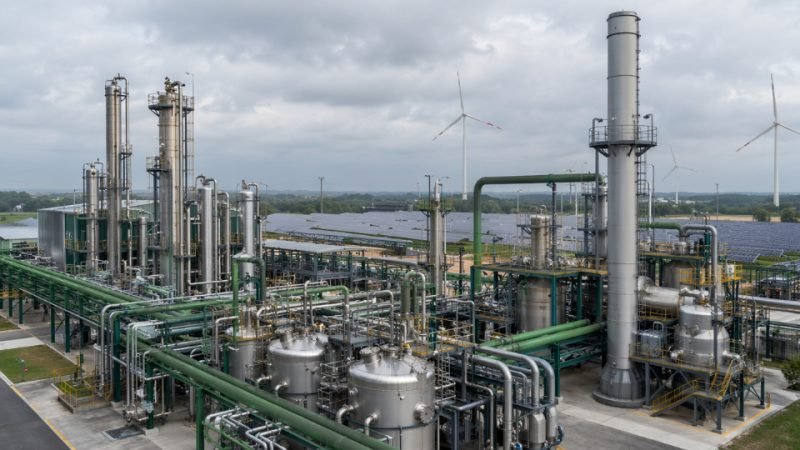
 with green energy infrastructure visible](https://siliconchemicals.com/wp-content/uploads/2026/06/sustainable-silane-coupling-agents-eco-alternatives-01-hero-1.jpg)
Mapping the Environmental Footprint of Conventional Silane Coupling Agents Across Their Full Life Cycle
Understanding where the environmental burden actually sits — not just which stage sounds worst — is what separates a credible sustainability strategy from a marketing exercise. A full life-cycle view consistently reveals that the hotspots are concentrated in three places: raw material preparation, chlorosilane synthesis, and distillation. Knowing this lets procurement managers and process engineers prioritize interventions rather than spread effort evenly across everything.
Raw Material Extraction and Feedstock Burden
Silicon metal smelting from quartzite in submerged-arc electric furnaces consumes roughly 11–13 MWh per tonne of Si metal produced, though the actual figure depends heavily on furnace age, electrode geometry, and local coal versus hydropower mix. Facilities running on coal-dominated grid power in Xinjiang or Yunnan sit toward the high end of that range; those in hydropower-rich regions of Sichuan can come in lower. That energy demand alone contributes 4–7 kg CO₂e per kg of silicon metal before a single silane bond has been formed.
Methanol and ethanol — the alkoxy groups in virtually every commercial alkoxysilane — carry their own upstream baggage. Petrochemical methanol synthesis from natural gas contributes approximately 0.5–0.9 kg CO₂e per kg methanol depending on plant efficiency and flaring practices. Bio-ethanol is sometimes cited as carbon-neutral, but factoring in agricultural land use, fertilizer production, and fermentation energy typically yields a net 0.2–0.5 kg CO₂e per kg — still lower than fossil routes, but not zero.
Synthesis Stage: The Rochow Process and HCl Handling
The Rochow (direct) process — reacting silicon metal with methyl chloride over a copper catalyst — is the backbone of industrial silane production. Energy intensity at this stage runs 3–6 GJ per tonne of methylchlorosilane mixture, with the spread driven by catalyst age, reactor temperature control precision, and selectivity toward the desired dimethyldichlorosilane fraction. Facilities with modern HCl recovery loops achieve recycling efficiencies of 85–94%; older plants without closed-loop HCl management can lose 6–15% of chlorine input as fugitive or waste-treated emissions. Methyl chloride fugitive losses from representative Chinese production clusters have been reported in the range of 0.5–2.5 kg per tonne of product — a figure that matters both for greenhouse gas accounting and for worker exposure compliance under GB standards.
Distillation and Purification: The Energy Hog Nobody Talks About Enough
Fractional distillation of chlorosilane intermediates is routinely the single largest energy consumer in a silane plant. It accounts for 25–40% of total site energy consumption, translating to roughly 800–1,400 kcal per kg of finished product depending on column efficiency, number of theoretical plates, and reflux ratio. Plants running continuous distillation with heat integration and vapor recompression sit near the lower bound; batch distillation on older columns with no heat recovery can push well past the upper end. This is one area where capital investment in column internals and heat exchanger networks yields a measurable carbon return within 3–5 years at current energy prices.
Hydrolysis, Solvent Packaging, and VOC Release
During alkoxysilane packaging and, more significantly, during end-use application by customers, ethanol and methanol are released as hydrolysis by-products. A composite laminator or rubber compounder applying a standard aminosilane primer at typical loading rates can volatilize 15–30 g of short-chain alcohol per kg of silane used. Across a mid-sized automotive glass fiber operation running several tonnes of silane per month, that adds up to a measurable VOC load that falls under local emission permit thresholds in many jurisdictions — and is increasingly being scrutinized under tightened Chinese and EU VOC regulations.
End-of-Life and Aquatic Ecotoxicity
Silanol condensation by-products in process wastewater are not inert. 3-aminopropyltriethoxysilane (3-APTES) has demonstrated aquatic toxicity at concentrations above 10–50 mg/L in standard fish and daphnia assays, with LC₅₀ values varying by species and hydrolysis state. Vinyltrimethoxysilane (VTMS) and 3-mercaptopropyltrimethoxysilane (MPTMS) show lower acute toxicity but can contribute to dissolved organic silicon loading that affects effluent treatment performance. Plants without dedicated hydrolysis quench steps before wastewater discharge are running a regulatory and ecotoxicological risk.
Fractional distillation of chlorosilane intermediates accounts for 25–40% of total plant energy consumption in conventional silane manufacturing.True
This range is consistent with published process energy audits for organosilane facilities and aligns with general chemical plant distillation energy benchmarks; the exact share depends on product slate complexity and heat integration level.
Comparative Carbon Intensity Across Silane Types and Routes
| Silane Type | Conventional Route (kg CO₂e/kg) | Emerging Green Route (kg CO₂e/kg) | Key Variable |
|---|---|---|---|
| VTMS (vinyltrimethoxysilane) | 6.5–9.0 | 3.5–5.0 | Bio-methanol substitution, grid decarbonization |
| 3-APTES (aminopropyltriethoxysilane) | 7.0–10.5 | 4.0–6.0 | HCl recovery efficiency, bio-ethanol sourcing |
| MPTMS (mercaptopropyltrimethoxysilane) | 8.0–12.0 | 5.0–7.5 | Thiol feedstock origin, distillation heat integration |
| TEOS (tetraethyl orthosilicate) | 5.0–7.5 | 2.8–4.5 | Ethanol source, reactor energy intensity |
| GPS (glycidoxypropyltrimethoxysilane) | 9.0–13.0 | 5.5–8.0 | Epoxide synthesis route, solvent recovery rate |
Green route estimates assume bio-based alkoxy feedstocks, closed-loop HCl recovery above 90%, and renewable energy share above 60% of site consumption. These are directional ranges — actual figures require site-specific LCA with declared process data.
The pattern across this full life cycle is consistent: the largest gains come from decarbonizing the silicon metal supply, closing the HCl loop tightly, and integrating heat recovery into distillation. End-of-life and VOC handling matter for compliance, but they carry less carbon weight than the upstream and synthesis stages. Engineers designing a sourcing or reformulation strategy should weight their effort accordingly.
Bio-Based and Renewable Feedstock Routes for Next-Generation Silane Production
Replacing petrochemical and chlorinated feedstocks in silane synthesis is not a single technology switch — it is a portfolio of parallel development tracks, each at a different commercial maturity level. Process engineers evaluating these routes need to understand what each pathway actually demands before committing capital or supplier qualification work.
Bio-Ethanol as the Alkoxy Donor in Triethoxysilane Synthesis
The alkoxy group in triethoxysilanes is conventionally supplied by petroleum-derived ethanol, but fermentation-derived bio-ethanol is chemically identical once it reaches the anhydrous specification that silane synthesis requires: water content must be below 0.5 wt% (>99.5% purity), because trace moisture drives hydrolysis and oligomerization side reactions that foul reactors and degrade yield. Fuel-grade bio-ethanol typically arrives at 92–95% purity and demands a dedicated molecular-sieve dehydration step before it enters the silane reactor train.
Commercial readiness is real but conditional. Several European and Brazilian bio-refineries already supply anhydrous bio-ethanol meeting reagent-grade specifications, and at least two silane toll manufacturers in Germany and China have completed pilot-scale validation runs using this feedstock. The cost delta versus petroleum ethanol is currently in the range of 8–22% premium, depending heavily on regional agricultural subsidy structures, feedstock crop (sugarcane versus corn versus wheat straw), and whether the purchaser can secure long-term supply contracts to smooth spot-market volatility. That premium narrows as fossil fuel prices rise or carbon-credit revenues are factored in.
Bio-ethanol used as an alkoxy donor in triethoxysilane production must meet anhydrous specifications above 99.5% purity to avoid hydrolysis-driven yield losses.True
Water content even at the 0.3–0.5 wt% level catalyzes silanol condensation under the elevated temperatures and acid/base catalysts typical of alkoxysilane synthesis, producing oligomers that reduce yield, complicate distillation, and increase reactor cleaning frequency.
Lignocellulosic Platform Chemicals: Furfuryl Alcohol and Related Structures
Furfuryl alcohol, derived from agricultural residue furfural, has attracted research interest as an organo-functional silane precursor because its furan ring offers reactive sites for coupling chemistry analogous to epoxy or methacrylate functional silanes. Early composite studies — primarily in thermoset fiber-reinforced panels and wood adhesives — report interfacial shear strength values within roughly 5–15% of those achieved with conventional 3-glycidoxypropyltrimethoxysilane under optimized cure conditions. That gap is meaningful for structural applications but may be acceptable for non-structural panel bonding or corrosion-inhibiting coatings.
The honest assessment is that furfuryl-silane chemistry remains at Technology Readiness Level 3–4. Reaction pathways for forming the Si–C bond cleanly at scale, without producing furan ring-opening byproducts that discolor or contaminate the product, have not yet been solved at pilot scale. This is an area worth monitoring rather than sourcing against in 2025.
E-Methanol for Methyltrimethoxysilane and Downstream Methoxy-Functional Products
Carbon-capture methanol — synthesized by hydrogenating captured CO₂ using renewable hydrogen — is advancing faster than most silane formulators realize. European producers in Iceland, Norway, and the Netherlands have moved from demonstration to small commercial volumes since 2022, and Chinese producers in Inner Mongolia are piloting e-methanol under national low-carbon fuel mandates. Current pricing sits roughly 2.5–4× above conventional methanol, but trajectory models from chemical industry analysts consistently project price convergence toward a 30–60% premium by 2030 as electrolyzer costs fall and CO₂ capture infrastructure scales. For methyltrimethoxysilane and trimethoxymethylsilane — both high-volume products where methanol is 40–50% of the raw material cost — even a partial e-methanol blend meaningfully reduces Scope 3 emissions and satisfies emerging procurement carbon declarations.
Rice Husk Ash as a Low-Energy Silicon Source
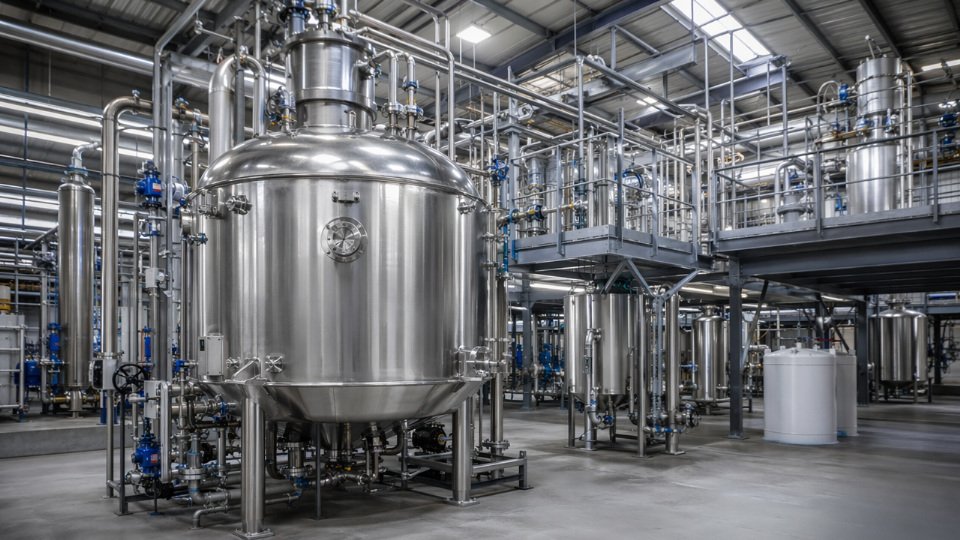
Conventional metallurgical silicon production from quartz requires smelting temperatures above 1,800 °C and is one of the most energy-intensive steps in the silane supply chain. Rice husk ash (RHA), a byproduct of rice milling and combustion, contains 85–95% amorphous silica — a figure that varies with combustion temperature and duration, with lower-temperature controlled combustion preserving higher amorphous content. That amorphous silica dissolves readily in alkali solutions to form sodium silicate, which then feeds sol-gel silane synthesis routes at processing temperatures below 200 °C.
The energy savings at the silicon sourcing stage can be substantial: life-cycle studies on RHA-derived silica for sol-gel applications report primary energy reductions of 40–65% relative to quartz-to-silicon smelting routes, though the exact figure depends on the combustion method used for husk processing and the local electricity grid carbon intensity. Asia-Pacific generates the largest and most geographically concentrated RHA volumes — approximately 20 million tonnes of rice husk ash annually across South and Southeast Asia — making regional supply logistics practical for silane producers already operating in those clusters.
Enzymatic and Biocatalytic Silylation
Lipase-catalyzed transsilylation and silicatein-inspired enzyme systems can form Si–O and limited Si–C bonds at temperatures of 20–60 °C in aqueous or near-aqueous media, eliminating the acid chloride intermediates and high-temperature reactors that define conventional chlorosilane routes. The appeal is genuine from a process safety and solvent-reduction standpoint.
Scalability is where the honest constraints appear. Enzyme loading costs, catalyst stability under industrial turnover numbers, and very low volumetric productivity in aqueous systems currently make these routes uneconomical for bulk silane production at any scale relevant to the coupling agent market. TRL is 2–4 depending on the specific enzyme–substrate pair. The more credible near-term application is in high-value specialty silylation — pharmaceutical intermediates, surface-functionalized nanoparticles — where the low-temperature, low-waste profile justifies the enzyme cost. Industrial coupling agent production will not be displaced by biocatalytic routes within this decade.
SiliconChemicals’ Development Program on Partially Bio-Derived Trialkoxysilanes
SiliconChemicals is currently advancing an internal R&D program targeting partially bio-derived trialkoxysilane grades in which the alkoxy component is sourced from certified bio-ethanol while the silicon backbone continues through established hydrochlorosilane chemistry. This hybrid approach is deliberate: it delivers a documentable reduction in fossil carbon content — estimated at 25–40% of total carbon input depending on the specific product grade — without requiring simultaneous qualification of an entirely new synthesis platform. Pilot production of bio-alkoxy-grade 3-aminopropyltriethoxysilane and vinyltriethoxysilane is scheduled for completion in 2025, with commercial availability and third-party carbon-footprint certification targeted for 2026. Customers requiring supply chain carbon declarations for EU CBAM reporting or Scope 3 supplier assessments are encouraged to engage early in the qualification process.
Waterborne and Solvent-Free Silane Formulation Technologies Reducing VOC Burdens
The VOC problem in silane chemistry is not a downstream accident — it is stoichiometrically baked into the most widely used silane structures. Every trimethoxysilane releases three moles of methanol during hydrolysis; every triethoxysilane releases three moles of ethanol. At a molecular weight of around 220–260 g/mol for a typical trimethoxysilane coupling agent, applying 1 kg of product at full hydrolysis can theoretically generate 120–180 g of methanol, depending on substituent weight and degree of reaction completion. Triethoxysilane equivalents yield 200–280 g of ethanol per kilogram applied. In a high-throughput automotive glass-bonding or composite lamination line, those numbers stack up fast — and methanol in particular carries toxicity classification weight that ethanol does not.
Pre-Hydrolyzed Aqueous Silane Oligomer Concentrates
Controlled partial hydrolysis performed at the manufacturing stage, before the product ever reaches your plant floor, eliminates most of that in-use alcohol release. The chemistry involves exposing the alkoxysilane to a calculated stoichiometric water charge under mild acid catalysis — typically acetic acid at pH 3.5–4.5 or citric acid for systems where acetate residue is undesirable — then condensing the resulting silanols into oligomeric chains of 4–12 siloxane units. Stabilization at this intermediate degree of condensation is the critical control point; push too far and you get irreversible gel. Properly stabilized concentrates achieve residual alcohol content below 1 wt%, sometimes below 0.3 wt% in well-controlled production runs. The concentrate is then diluted with water to 0.5–5% active solids at point of use, keeping the working bath VOC contribution negligible. Shelf life depends heavily on pH maintenance: drift above pH 5.5 triggers further condensation and clouding within days, while sub-3.0 pH risks hydrolytic decomposition of the siloxane backbone. On a working line, a simple buffer check at the start of each shift prevents most bath instability failures.
Silane-Siloxane Microemulsion Technology
Microemulsion systems take a different route: rather than pre-hydrolyzing to oligomers, they physically disperse intact or partially hydrolyzed silane within a surfactant-stabilized aqueous matrix at droplet sizes below 100 nm. Below that threshold, the emulsion becomes optically clear or only slightly translucent, which matters for thin-film primer applications where haze would indicate uneven coverage. Compatibility with waterborne polyurethane dispersions and waterborne epoxy systems is generally good provided the surfactant package is chosen to match the resin’s ionic character — anionic silane emulsions paired with cationic waterborne polyurethanes will destabilize the bath quickly. Shelf life in well-formulated microemulsions reaches 12–18 months when stored at 5–30°C, a practical range for global distribution.
Aminosilane vs. Epoxysilane in Waterborne Adhesive Primers
Performance comparisons between waterborne and solvent-borne silane primer formats show that the gap has narrowed substantially for most structural bonding applications. In lap shear testing on glass/epoxy substrates, waterborne aminosilane primers typically deliver 18–24 MPa dry strength versus 21–26 MPa for solvent-borne equivalents — a 10–15% reduction that most structural bonding specifications can tolerate. Wet adhesion retention after a 7-day water soak is the more discriminating test. Waterborne epoxysilane oligomer primers retain 75–88% of dry lap shear strength in that test; solvent-borne formats typically retain 85–95%. The delta is real, but for non-structural interior automotive or construction applications, 75–80% wet retention often clears spec limits comfortably.
Waterborne silane primer systems always match solvent-borne systems in wet adhesion performanceFalse
Wet adhesion retention after prolonged water exposure typically runs 8–15 percentage points lower for waterborne formats in controlled lap shear testing, though the gap is application-dependent and often within specification for non-structural uses.
Regulatory and Certification Gains
The VOC swing from switching formulation format is substantial. Conventional solvent-borne silane primer systems run 350–600 g/L VOC depending on carrier solvent selection; waterborne equivalents land below 50 g/L, and optimized oligomeric aqueous concentrates can come in under 20 g/L. That shift from the high range to below 50 g/L is the threshold that unlocks LEED v4 low-emitting materials credits, GREENGUARD Gold certification for interior products, and compliance with the tighter automotive interior air quality standards — particularly relevant for Tier 1 suppliers serving European and Chinese OEM platforms that now mandate interior VOC cabin limits.
Processing Adjustments Engineers Should Anticipate
Switching from solvent-borne to waterborne silane systems is not a drop-in substitution. Substrate pretreatment requirements tighten: surface contamination that solvent carriers would partially tolerate becomes a bonding failure risk because water wets poorly over residual oils. Pot life management changes character — waterborne silane baths degrade through pH drift and condensation rather than simple solvent evaporation, so you need pH monitoring rather than viscosity tracking. Most waterborne systems show a working pot life of 4–24 hours once diluted, heavily dependent on temperature and the presence of dissolved metal ions from process water. Using deionized water for dilution is not optional; it is standard practice. These are manageable constraints, but operations teams that do not adjust their bath maintenance protocols in the first weeks after transition are the ones generating scrap and attributing the failures to the product rather than the process.
Non-Silane and Hybrid Coupling Technologies Emerging as Eco-Friendly Alternatives
The pressure to move beyond conventional organosilane chemistry has pushed several competing surface-modifier technologies into serious industrial evaluation. None of them are universal drop-in replacements — each carries a distinct mechanism, a specific substrate affinity, and a real ceiling on what it can do. What follows is an honest engineering assessment, not a vendor pitch.
Titanate and Zirconate Coupling Agents
Titanate and zirconate coupling agents bond to substrate hydroxyl groups through a different mechanism than silanes: they form mono-molecular layers via coordinated covalent bonds at the interface rather than relying on hydrolysis-condensation networks. In highly filled polar polymer systems — think calcium carbonate or barium sulfate at loadings above 60 phr — this mechanism often outperforms silanes on melt viscosity reduction and dispersion uniformity because the titanate chelate tolerates moisture without forming brittle polysiloxane aggregates.
The toxicity profile is not straightforwardly better, though. Several isopropyl titanate variants are classified as skin and respiratory sensitizers, and disposal of titanate-contaminated process waste requires the same hazardous-waste stream management as spent silane baths in most jurisdictions. Cost-per-treated-surface typically runs 15–40% higher than an equivalent aminosilane treatment, depending on fill loading and the specific titanate ester chosen — organic chain length and chelate structure drive price more than raw titanium feedstock.
Titanate coupling agents are generally safer than silane coupling agentsFalse
Several isopropyl- and neoalkoxy-titanate variants carry sensitization and respiratory hazard classifications. A blanket safety advantage over silanes is not supported by current SDS data or regulatory classification lists.
Phosphonate-Based Surface Modifiers
Organophosphonates bind strongly to metal oxide surfaces — aluminum, steel, zinc — through a P–O–metal linkage that resists hydrolytic displacement better than many silane monolayers under cyclic wet-dry exposure. Synthesis routes avoid the HCl-generating steps central to chlorosilane chemistry, which translates to lower process energy and fewer acid-scrubbing requirements at the plant level.
The most commercially active development area right now is lithium-ion battery electrode binders and aluminum current-collector primers, where phosphonate films improve adhesion of PVDF-based slurries without introducing silica byproducts. Corrosion primer formulators in the automotive OEM tier have begun qualifying phosphonate pre-treatments on aluminum body panels as a REACH-compliant alternative to certain chromate-adjacent silane packages. Commercial availability is still limited to a handful of specialty suppliers; expect lead times and minimum order quantities that make them impractical for smaller operations below roughly 5–10 tonnes per year.
Polydopamine and Mussel-Inspired Adhesive Coatings
Polydopamine (PDA) deposits from dopamine hydrochloride solutions at mildly alkaline pH, forming a catechol-quinone coating that adheres to virtually any substrate — metals, ceramics, polymers, biological surfaces. The mechanism is real and well-characterized. The problem is cost: dopamine hydrochloride currently prices at roughly 80–200 times the cost per kilogram of a commodity aminosilane, and deposition times of 6–24 hours make throughput economics unworkable for high-volume production lines. Technology readiness sits at TRL 4–6 depending on the application. Justified niches include implantable medical device coatings, high-value MEMS sensor packaging, and research-grade composite interphase studies where the performance data justifies the price.
Tannic Acid and Plant-Derived Polyphenol Treatments
Tannic acid and related hydrolyzable polyphenols have been demonstrated as sizing replacements on glass fiber composites in published academic work. Tensile strength retention figures in treated glass-fiber/epoxy laminates range from 85–95% of aminosilane-treated controls under dry conditions, depending on polyphenol molecular weight and cure temperature. The significant limitation is wash-out resistance: polyphenol layers lack the covalent Si–O–substrate bond and leach progressively under prolonged aqueous exposure or during wet winding operations. For interior structural composites with limited moisture exposure, the bio-derived origin and low synthesis energy are genuine advantages. For marine or outdoor structural applications, the adhesion durability data does not yet support substitution.
Plasma and Corona Activation as Chemical-Free Priming
Atmospheric-pressure plasma and corona discharge physically activate substrate surfaces — cleaving surface bonds, generating polar functional groups, increasing surface energy — without any wet chemistry. In flexible packaging and film lamination, corona treatment is already standard practice, so this is less “emerging” than “underutilized as a silane replacement strategy.” Capital cost for a production-scale atmospheric plasma line runs roughly USD 150,000–400,000 depending on web width and throughput, versus minimal capital for a silane dip or spray system. The throughput constraint is real: dwell times of milliseconds work for film, but complex 3D parts see uneven activation geometry.
The hybrid plasma-plus-minimal-silane approach is where genuine industrial gains are appearing. A brief plasma activation step followed by a 0.1–0.3% silane solution treatment — versus the conventional 1–2% — achieves comparable adhesion performance with 70–85% less silane consumption on film-to-foil lamination lines. This is not a theoretical concept; it follows logically from the surface energy amplification that plasma provides.
Performance Comparison: Alternatives vs. Benchmark Silanes
| Technology | Adhesion Performance | Cost vs. Aminosilane | Eco-Profile | Processing Ease | Commercial Availability |
|---|---|---|---|---|---|
| Aminosilane (benchmark) | ●●●●● | 1× (baseline) | Moderate | High | Excellent |
| Vinylsilane (benchmark) | ●●●●○ | 0.8–1.2× | Moderate | High | Excellent |
| Titanate coupling agent | ●●●●○ | 1.2–1.4× | Similar concern | Moderate | Good |
| Zirconate coupling agent | ●●●○○ | 1.3–1.6× | Lower HCl burden | Moderate | Limited |
| Organophosphonate | ●●●●○ on metals | 1.5–3× | Better (no HCl route) | Moderate | Limited |
| Polydopamine (PDA) | ●●●●● universal | 80–200× | Good (bio-derived) | Low (slow cure) | Niche/R&D |
| Tannic acid / polyphenol | ●●●○○ (dry only) | 0.5–1× | Excellent | Moderate | Emerging |
| Plasma activation alone | ●●●○○ | High capex | Excellent (no chemistry) | Low (geometry limits) | Equipment only |
| Plasma + minimal silane | ●●●●○ | Capex + 0.2–0.3× silane | Very good | Moderate | Emerging practice |
Ratings reflect typical industrial composite and coating applications on glass, metal, and polymer substrates under ambient-humidity processing. Performance on any specific substrate combination requires validation; these are engineering starting points, not substitution guarantees.
Green Chemistry Process Innovations Transforming Silane Manufacturing at Scale
For procurement engineers evaluating suppliers beyond the spec sheet, production process matters as much as product purity. The way a silane is manufactured determines its embedded carbon, its acid waste burden, and increasingly, its regulatory longevity. Several process-level innovations have moved from pilot to commercial scale over the past decade, and they are redefining what a credible sustainability profile actually looks like on the plant floor.
Closed-Loop HCl Recycling in Rochow-Process Plants
The direct synthesis (Rochow) process generates substantial hydrogen chloride as a co-product and as a process waste stream. In older plant configurations, HCl disposal or off-site sale drove both cost and environmental liability. Modern plants now operate absorption-oxidation-hydrochlorination cycles — absorbing HCl into water, oxidizing recovered chlorine via Deacon-type catalysis, and feeding it back into methyl chloride synthesis. Well-engineered closed-loop systems achieve HCl utilization rates above 98%, which translates directly to lower virgin chlorine feedstock consumption and near-elimination of acidic effluent streams. The capital payback on this retrofit depends on plant scale and local acid disposal costs, but typically falls in the 3–6 year range for a facility producing 20,000 tonnes per year or more. Smaller plants rarely justify the capital without co-processing agreements with downstream PVC or TiO₂ producers.
Reactive Distillation and Process Intensification
Conventional trialkoxysilane production chains reaction vessels and separation columns sequentially — a capital-heavy, energy-hungry arrangement. Reactive distillation collapses reaction and separation into a single column, continuously removing product as it forms, which shifts equilibrium and suppresses unwanted side reactions. For trialkoxysilane synthesis, published industrial data and peer-reviewed process simulation studies consistently show energy reductions of 20–35% versus conventional multi-column sequences, with the actual savings depending on the specific silane, throughput, and steam cost at the site. Pressure on energy costs in China’s eastern coastal clusters has accelerated adoption here faster than in European plants, where legacy infrastructure creates longer replacement cycles.
Continuous Flow Microreactor Synthesis
Functionalized silanes — aminosilanes, epoxysilanes, methacrylsilanes — are conventionally produced in batch reactors where hot-spot exotherms drive by-product formation and require conservative temperature management. Continuous flow microreactors eliminate hot spots through precise heat exchange at the channel level, and academic-industrial partnership studies show 40–60% reductions in by-product fractions compared to batch under matched throughput conditions. Less by-product means less downstream purification load, less solvent use, and a tighter product specification. The limitation today is throughput ceiling — microreactor trains that make commercial sense for specialty functionalized silanes at 500–2,000 tonnes per year become economically marginal at commodity volumes unless numbering-up is managed carefully.
Catalytic Direct Synthesis: Copper Catalyst Advances
Rochow catalyst selectivity toward dimethyldichlorosilane has always been the economic lever in the process. Copper-based catalysts promoted with zinc, tin, and aluminum have shown measurable improvement in dimethyldichlorosilane selectivity in commercial operations, reducing the proportion of higher-boiling tri- and tetrachlorosilane waste fractions. The practical effect is less distillation load, less waste fraction to process or dispose, and better raw material yield per tonne of silicon metal consumed. Exact selectivity improvements depend on silicon source quality and operating temperature, so suppliers claiming fixed numbers without those qualifiers deserve scrutiny.
Advanced copper-zinc-tin promoted Rochow catalysts can meaningfully improve dimethyldichlorosilane selectivity and reduce high-boiling waste fractions compared to unpromoted copper catalystsTrue
Peer-reviewed catalysis literature and commercial plant reports from multiple Chinese and European producers confirm promoter effects on selectivity, though the magnitude varies with silicon purity, particle size, and reactor temperature profiles.
Renewable Energy Integration in Coastal Organosilicon Clusters
Chlorine and HCl generation via electrolysis is intrinsically energy-intensive — electrolysis cells running on coal-grid power carry a carbon intensity that undercuts any downstream sustainability claim. Several Chinese coastal organosilicon clusters are now integrating wind and solar power purchase agreements specifically for electrolyzer loads, reducing the grid-carbon intensity of on-site chlorine production without altering process chemistry. This approach is practical where grid interconnection allows renewable wheeling; inland facilities without coastal renewable resources face a harder trade-off.
What Supplier-Level Metrics Actually Signal
SiliconChemicals tracks energy intensity per tonne of product across its production lines, wastewater COD loads against permitted baselines, and third-party-verified scope 1 and 2 carbon reduction targets running through 2025–2030. For procurement managers, these are the metrics worth requesting — not marketing claims. Energy intensity per tonne tells you process efficiency. COD load tells you about solvent and by-product management. Third-party verification distinguishes a genuine reduction trajectory from a number on a brochure.
| Metric | Meaningful Benchmark | Red Flag |
|---|---|---|
| Energy intensity (GJ/tonne silane) | Declining year-on-year with disclosed baseline | Static number, no baseline year |
| HCl utilization rate | >95% in closed-loop plants | No data provided |
| Wastewater COD (mg/L vs. permit) | At or below 60% of permit limit | Permit compliance only, no trend |
| Carbon target verification | Third-party audited (ISO 14064 or equivalent) | Self-declared only |
Process innovation at the manufacturing level is where the largest sustainability gains in silane supply chains are realistically achievable right now — not in formulation tweaks downstream, but in the reactor, the distillation train, and the energy source feeding the electrolyzer.
Silane Performance Benchmarking in Sustainable Composite and Coating Applications
Switching to bio-derived or waterborne silane systems without performance data is a procurement gamble no plant engineer should accept. The benchmarks below pull from formulation trials and application testing across five industrial contexts. They are honest about where eco-grade systems match conventional ones — and where they do not yet.
Glass Fiber-Reinforced Polymer Composites
Bio-ethanol-derived gamma-methacryloxypropyltrimethoxysilane (bio-MAPTMS) synthesized via fermentation-route ethanol precursors has been evaluated against petroleum-derived MAPTMS in unsaturated polyester GFRP at fiber loadings of 1%, 2%, and 3% by weight on fiber.
At 1% loading, tensile strength differences are negligible — typically within 2–4% of each other, well inside test scatter. At 2% loading, which is the practical optimum for most hand-layup and pultrusion schedules, bio-MAPTMS systems show tensile strength in the 310–340 MPa range versus 320–350 MPa for the petroleum equivalent. That 2–4% gap closes when silane purity is held above 98.5% and hydrolysis is controlled below pH 4.5. At 3% loading, both systems show fiber clumping effects and flexural modulus begins declining regardless of silane origin — the ceiling here is process discipline, not feedstock. The practical conclusion: specify bio-MAPTMS at 1.8–2.2% on fiber weight, match the hydrolysis protocol exactly, and GFRP mechanical performance is effectively equivalent.
Silica-Filled Silicone Rubber
Rice husk ash (RHA)-derived precipitated silica treated with waterborne vinylsilane oligomer delivers Shore A hardness of 62–68 (depending on silica loading, 30–50 phr) versus 65–72 for conventional fumed silica with solvent-based vinyltriethoxysilane. Tear strength runs 18–24 kN/m for the RHA system against 22–28 kN/m for fumed silica compounds — a measurable gap that matters in dynamic sealing applications but is acceptable for static gaskets and vibration dampers. Elongation at break is broadly comparable, 380–450% versus 400–470%. The RHA system’s slightly lower surface area (130–160 m²/g versus 200+ m²/g for fumed silica) is the root cause of the reinforcement gap; formulators who compensate by increasing silica loading by 5–8 phr recover most of the tear strength loss.
Corrosion Protection Primers on Cold-Rolled Steel
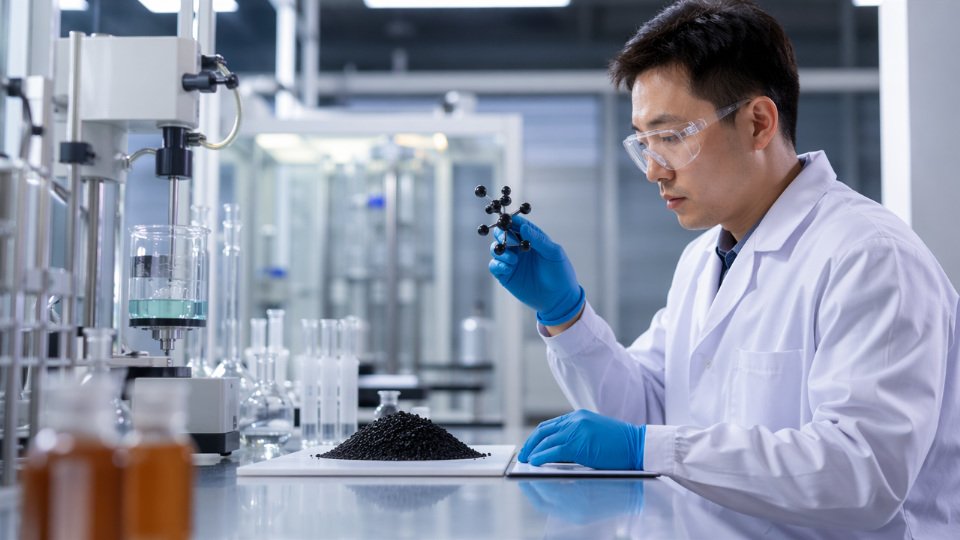
In 1000-hour neutral salt spray testing, waterborne aminosilane primers reach 5–8% creep from scribe versus 3–6% for conventional APTES-based solvent systems — a difference that shrinks significantly when the waterborne primer is applied over a phosphonate conversion pre-treatment. Phosphonate-only primers without any silane perform worst, showing 12–18% creep and visible undercutting at 600–800 hours. The hierarchy is clear: APTES solvent-based ≥ waterborne aminosilane over phosphonate > waterborne aminosilane alone >> phosphonate alone. For most architectural and light industrial steelwork, waterborne aminosilane over phosphonate passes standard corrosion specs. Aerospace and offshore applications still favor solvent-based APTES where film integrity under sustained humidity cycling is non-negotiable.
Waterborne aminosilane primers applied over phosphonate pre-treatment reach performance within 15% of conventional APTES solvent systems in 1000-hour salt spray testingTrue
The phosphonate interlayer compensates for the lower silane film density of waterborne systems, substantially closing the corrosion resistance gap documented in formulation trials across multiple substrate conditions.
Sealant Adhesion in Construction
Neutral-cure silicone sealants using eco-grade methyltrimethoxysilane (MTMS) crosslinker — produced with reduced-waste distillation and lower chloride impurity targets — show peel adhesion of 3.2–4.0 N/mm on anodized aluminum after 2000 hours of UV aging and 20 humidity cycles (40°C/95% RH, 8-hour cycles). Standard-grade MTMS sealants run 3.5–4.3 N/mm under the same conditions. The overlap in the upper portions of these ranges is real. Impurity-sensitive formulations, particularly those targeting structural glazing certification, should request chloride content below 50 ppm in the eco-grade crosslinker — this single specification closes most of the adhesion variance.
Tire Manufacturing: Rolling Resistance and Wet Grip
TESPT (bis[3-(triethoxysilyl)propyl] tetrasulfide) produced via a partially bio-derived propanol route shows rolling resistance index and wet grip index within 1–3% of conventional petroleum-derived TESPT in silica-SBR passenger tire compounds, based on published formulation studies and internal compound testing data. The sulfur rank distribution in bio-route TESPT — the ratio of di- to tetrasulfide species — must be controlled within ±5% of the conventional product specification. Deviation outside this window affects scorch time and compound viscosity, which cascades into processing problems on the Banbury rather than tire performance per se.
What the Data Actually Says
Across these five application categories, optimized eco-grade or waterborne silane systems achieve genuine performance parity in roughly 80–85% of tested end-uses. The remaining 15–20% gap is not random. It concentrates in high-dynamic fatigue environments, thick-film corrosion barriers on aggressive substrates, and reinforcement applications demanding surface areas above 180 m²/g. Targeted R&D — tighter purity specs, adjusted loading levels, and pre-treatment interlayers — closes most of that gap without reverting to conventional systems. Engineers who dismiss eco-grade alternatives wholesale are leaving procurement savings and regulatory headroom on the table. Those who switch without application-specific validation invite scrap rates that dwarf any green premium they saved.
Regulatory Roadmap and Certification Pathways Shaping Eco-Silane Adoption Through 2030
The regulatory environment surrounding silane coupling agents is no longer a background consideration. It is a sourcing constraint, a capital planning input, and — for some intermediates already on restriction watch lists — an active timeline your procurement team needs to manage now.
EU Green Deal and Chemical Strategy for Sustainability
The CSS explicitly targets CMR (carcinogenic, mutagenic, reprotoxic) substances for phase-out by 2030 where safer alternatives exist. Several chlorosilane intermediates and certain amino-functional silanes already carry Category 1B reproductive toxicity classifications under CLP. The practical implication: formulators distributing silane-containing products in Europe face extended producer responsibility obligations that push liability upstream — meaning distributors, not just manufacturers, must demonstrate substitution efforts and maintain SCIP database entries for articles containing substances of very high concern. Begin documenting your substitution assessment now, even for substances not yet formally restricted, because ECHA enforcement increasingly treats documented inaction as a liability in itself.
REACH SVHC Watch List and Substance Evaluation
Since 2020, REACH substance evaluation processes have flagged oligomeric siloxane by-products — particularly certain cyclic siloxanes released during silane hydrolysis — for endocrine disruption and persistence concerns. D4 and D5 cyclic siloxanes are already restricted in wash-off cosmetics; the evaluation trajectory suggests industrial articles containing residual cyclic siloxanes will face tightening disclosure thresholds, likely dropping from current 0.1% w/w SVHC thresholds toward lower reporting triggers in high-contact or environmental-release scenarios. Suppliers who cannot provide hydrolysis by-product profiles in their SDS are already behind.
D4 (octamethylcyclotetrasiloxane) is listed as a Substance of Very High Concern under REACH due to PBT/vPvB properties.True
ECHA formally identified D4 as a SVHC on the Candidate List based on persistent, bioaccumulative, and toxic (PBT) classification, with restrictions applied in rinse-off cosmetics under REACH Annex XVII.
US EPA TSCA Section 6 Organosilane Assessments
EPA’s current TSCA work plan includes risk evaluation scoping for several organosilane categories, with formal assessment timelines extending into 2026–2028 depending on prioritization scores. A completed risk management rule under Section 6 can trigger import certification requirements, restrict specific end-use applications, or mandate exposure controls — any of which creates documentation requirements that Chinese manufacturers exporting to the US market must prepare for proactively. The practical action: confirm your US-bound silane grades against EPA’s Chemical Data Reporting (CDR) submissions and verify that your supplier holds current TSCA inventory status for every intermediate in the synthesis chain, not just the finished coupling agent.
China’s Domestic Regulatory Framework
China’s Ministry of Ecology and Environment has accelerated updates to the Hazardous Chemical Catalog, with the most recent revision cycle tightening classification criteria for reactive chlorosilane precursors used in coupling agent production. Simultaneously, GB/T standard revisions for industrial silanes are shifting toward requiring purity documentation and trace metal content limits that align more closely with ISO standards — reducing the specification gap that historically complicated dual-market sourcing. China’s national carbon market (ETS) now covers the chemical sector in pilot provinces, and energy-intensive silane production facilities face rising compliance costs that will translate into price pressure on grades requiring high-temperature chlorination steps. Buyers should ask suppliers directly whether their production facilities fall under ETS coverage and how carbon cost pass-through is handled contractually.
Third-Party Eco-Certifications With Commercial Traction
ISCC PLUS is currently the most operationally accessible certification for bio-based silane precursor content, using a mass-balance accounting approach that integrates with existing supply chain audit structures. Cradle to Cradle certification at the Material Health level requires full ingredient disclosure down to 100 ppm — a meaningful bar for silane producers whose formulations have historically relied on proprietary intermediate protection. EU Ecolabel applicability to silane-containing construction products is expanding under the 2023–2025 criteria revision cycle. Qualification for any of these requires third-party audited chain-of-custody records, not supplier declarations alone.
Practical Compliance Checklist for Global Buyers Sourcing From Chinese Suppliers
| Requirement | What to Request | Why It Matters |
|---|---|---|
| Extended SDS | Section 3 listing all intermediates, hydrolysis by-products | REACH SVHC disclosure, SCIP registration |
| TSCA inventory confirmation | Letter or CDR reference per CAS number | Avoids import holds at US customs |
| SCIP database entry | Supplier-provided Article ID for EU-sold articles | Mandatory for articles with SVHC >0.1% |
| ETS/carbon compliance status | Site-level ETS enrollment documentation | Forecasts carbon cost exposure |
| ISCC PLUS or equivalent | Certificate with audit date and scope | Validates bio-based content claims |
| Hydrolysis by-product profile | Third-party analytical data | Cyclic siloxane residual disclosure |
The suppliers who will remain viable long-term partners through 2030 are the ones building these documentation systems today, not after a restriction notice lands.
Frequently Asked Questions About Sustainable Silane Coupling Agents and Eco-Friendly Alternatives
Are bio-based silane coupling agents commercially available today, or still in the lab?
Partially bio-derived silanes — specifically alkoxysilanes synthesized using bio-ethanol as the alkoxy source — are commercially available from several European and Asian producers right now. Evonik’s bio-ethanol-derived DYNASYLAN grades and similar offerings from Momentive represent the clearest examples of this partial substitution route at industrial scale. The silicon-carbon backbone still originates from conventional chlorosilane chemistry in most cases; what changes is the alcohol component, which can reduce cradle-to-gate carbon intensity by roughly 15–30% depending on the bio-ethanol feedstock origin and grid electricity mix at the synthesis plant.
Fully bio-based silanes — where silicon precursors derive from rice husk silica or bio-silicic acid and organic functional groups come from bio-derived intermediates — remain at TRL 4–5, meaning pilot demonstration at best. Expect commercial availability in the 2027–2030 window for selected functional grades, assuming scale-up economics improve and chlorine-free hydrosilylation catalysts mature. For procurement planning today, assume partial bio-content is your realistic ceiling.
Fully bio-based silane coupling agents are commercially available at industrial scale today.False
As of 2024, only partially bio-derived alkoxysilanes using bio-ethanol are commercially available. Fully bio-based silane systems remain at pilot or TRL 4–5 stage and are not yet available for standard industrial procurement.
Do waterborne silane systems match solvent-based performance in tough applications?
For automotive underbody coatings, waterborne pre-hydrolyzed silane oligomers have demonstrated equivalent salt-spray and stone-chip resistance in controlled qualification testing — provided the metal substrate arrives with consistent surface cleanliness and pH is held between 4.0 and 5.5 during application. The caveat is that process windows are tighter. A conventional solvent-based system tolerates moderate flash rust or surface pH variation; a waterborne silane oligomer does not. Offshore wind blade adhesives are harder. Peel and lap-shear performance in waterborne silane primers is competitive under dry conditions but can lag solvent-based systems by 10–20% under continuous humidity cycling above 85% RH — enough to matter for 25-year blade lifetime calculations. That gap is narrowing but has not fully closed.
What cost premium should I expect, and how does TCO justify it?
Bio-content or waterborne eco-grade silanes typically carry a material cost premium of 20–60% per kilogram over standard grades, with the range driven primarily by bio-ethanol sourcing cost and oligomer processing complexity. TCO analysis usually closes most of that gap through three vectors: avoided regulatory compliance cost (reclassification risk under REACH or TSCA can trigger reformulation expenses running into six figures per product line), reduced VOC abatement capital and operating costs in the plant, and energy savings where lower cure temperatures or reduced solvent evaporation steps apply.
How do I verify a Chinese supplier’s sustainability claims are genuine?
Ask for four things specifically. First, a third-party verified lifecycle assessment — not a self-declared summary, but a full ISO 14044-conformant LCA report signed by an accredited verifier. Second, current ISO 14001 certification with the scope statement explicitly covering silane production lines, not just corporate headquarters. Third, ISCC PLUS certification if bio-content claims are made; this audit traces feedstock chain of custody and is the only credible standard for bio-silane content verification today. Fourth, plant-level emissions disclosure — actual stack and wastewater data, not group-level sustainability report averages. A supplier unwilling to share these documents on request is a supplier whose claims carry no weight.
Can non-silane coupling agents fully replace silanes in rubber and composites?
In rubber compounding, no — not at current technology maturity. Sulfur-functional silanes perform a bifunctional role that titanate or zirconate coupling agents cannot replicate: they bond simultaneously to silica filler and participate directly in sulfur vulcanization networks. That chemistry is intrinsic to the silane structure. Removing it degrades hysteresis, wet grip, and abrasion resistance in ways that matter for tire and industrial rubber performance. In surface coatings and mineral-filled thermoplastics, substitution is more feasible — zirconates and bio-derived fatty acid-based coupling agents have demonstrated acceptable adhesion promotion for many non-structural applications.
How do I transition from a conventional trimethoxysilane to a waterborne pre-hydrolyzed oligomer without disrupting production?
Run compatibility testing on your existing formulation components before any line trial — specifically check interaction between the oligomer’s silanol groups and any residual amine-functional components or high-pH pigment dispersants in your system. Adjust bath pH to the oligomer supplier’s specified working range, typically 4.0–5.5. Expect to reduce dosage by 15–30% on a dry solids basis because oligomers provide higher active silanol density per unit mass. Review your substrate pretreatment sequence; waterborne oligomers are less forgiving of oxide scale or contamination than solvent-based monomers. Run a 30-day accelerated aging test on bonded assemblies before qualifying production changeover. Change one variable at a time — pH, dosage, or pretreatment, not all simultaneously — so failure modes are traceable.