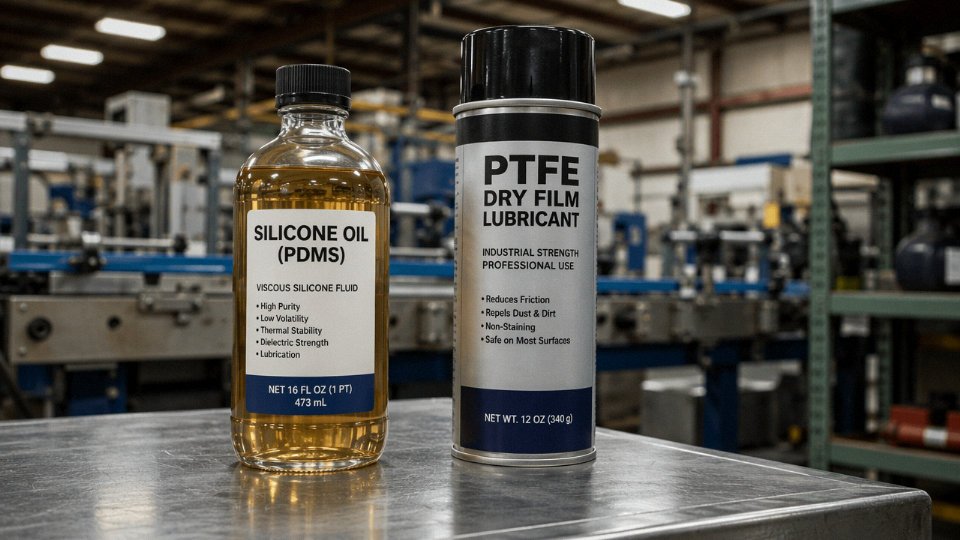
Silicone oil is everywhere in modern households—yet most people don’t even realize it. From the shampoo you use every morning to the polish that makes your furniture shine, silicone oil quietly enhances performance, durability, and user experience. The problem is that many consumers and even procurement professionals misunderstand where silicone oil is used, how it functions, and whether it is safe. This lack of awareness can lead to poor product selection, regulatory concerns, or missed opportunities for performance optimization. The good news is that once you understand where silicone oil appears and why it is used, you gain a powerful advantage in choosing better-performing and longer-lasting household products.
Silicone oil is widely found in household products such as personal care items (shampoo, conditioners, skin creams), cleaning agents (polishes, detergents), lubricants (sprays, greases), cooking aids (food-grade release agents), and specialty products like waterproofing sprays and electrical insulation fluids. Its unique properties—thermal stability, low surface tension, water repellency, and chemical inertness—make it indispensable in improving texture, protection, lubrication, and durability across a wide range of daily-use products.
Understanding this topic goes far beyond simple curiosity. For manufacturers, distributors, and informed consumers, identifying silicone oil usage reveals insights into product quality, formulation strategy, and long-term performance. In the following sections, we will systematically break down every major household category where silicone oil plays a critical role, supported by technical explanations, data tables, and real-world application insights.
Silicone oil is only used in industrial applications and not in everyday household products.False
Silicone oil is widely used in household items such as cosmetics, cleaning products, lubricants, and food-grade applications due to its safety and versatility.
Core Functional Role of Silicone Oil in Household Products
Before diving into specific product categories, it is essential to understand why silicone oil is so widely used. Silicone oil, typically based on polydimethylsiloxane (PDMS), possesses a unique combination of physicochemical properties that are difficult to replicate with organic oils or mineral-based alternatives.
Key Functional Properties
- Low surface tension
- Enables spreading, wetting, and anti-foaming behavior
- Thermal stability (-50°C to 250°C or higher)
- Suitable for extreme temperature environments
- Hydrophobicity (water repellency)
- Forms protective films on surfaces
- Chemical inertness
- Non-reactive with most materials, ensuring compatibility
- Lubricity
- Reduces friction in mechanical and бытов applications
- Electrical insulation
- High dielectric strength for electronics
Functional Mapping Table
| Property | Household Benefit | Typical Product Example |
|---|---|---|
| Low surface tension | Smooth spreading | Hair conditioners |
| Water repellency | Protection & waterproofing | Fabric sprays |
| Lubricity | Friction reduction | Door hinge lubricants |
| Thermal stability | Heat resistance | Baking release agents |
| Chemical inertness | Skin safety | Skincare creams |
| Electrical insulation | Safety | Appliance fluids |
Personal Care Products Containing Silicone Oil
Silicone oil is most visible—and most debated—in personal care products. Its presence is not accidental; it delivers tactile, aesthetic, and protective benefits that are difficult to achieve otherwise.
Hair Care Products
Silicone oil is extensively used in:
- Shampoos
- Conditioners
- Hair serums
- Leave-in treatments
Why It Is Used
- Provides smoothness and slip
- Reduces hair breakage
- Improves shine and manageability
- Forms a protective coating against heat and humidity
Common Silicone Variants
| Silicone Type | Function | Typical Product |
|---|---|---|
| Dimethicone | Conditioning, smoothing | Conditioner |
| Cyclopentasiloxane | Volatile carrier | Hair serum |
| Amodimethicone | Targeted repair | Damaged hair treatments |
Skin Care Products
Silicone oil enhances sensory feel and product stability:
- Moisturizers
- Sunscreens
- Foundations
- Anti-aging creams
Technical Advantages
- Creates a non-greasy barrier
- Enhances spreadability
- Improves water resistance (especially in SPF products)
Cleaning and Surface Care Products
Silicone oil is a hidden performance booster in many cleaning and maintenance formulations.
Furniture and Surface Polish
Silicone oil contributes to:
- Gloss enhancement
- Dust resistance
- Scratch concealment
Glass and Mirror Cleaners
- Reduces streaking
- Enhances clarity
Floor Care Products
- Improves surface durability
- Provides slip control
Cleaning Product Comparison Table
| Product Type | Silicone Function | Performance Benefit |
|---|---|---|
| Furniture polish | Film forming | High gloss finish |
| Glass cleaner | Surface leveling | Streak-free shine |
| Floor cleaner | Lubrication | Reduced wear |
Lubricants and Maintenance Products
This is one of the most technically significant household applications of silicone oil.
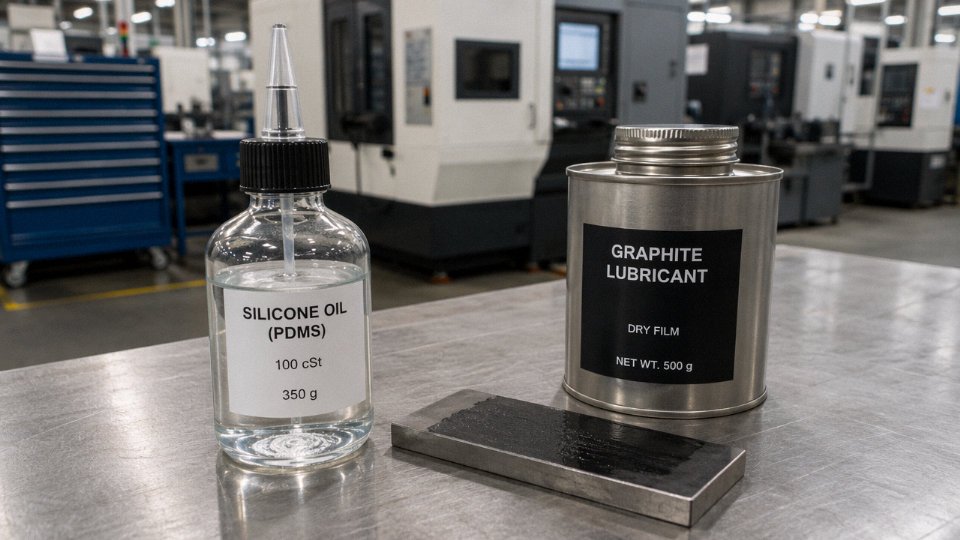
Silicone-Based Lubricant Sprays
Widely used for:
- Door hinges
- Window tracks
- Rubber seals
- Plastic components
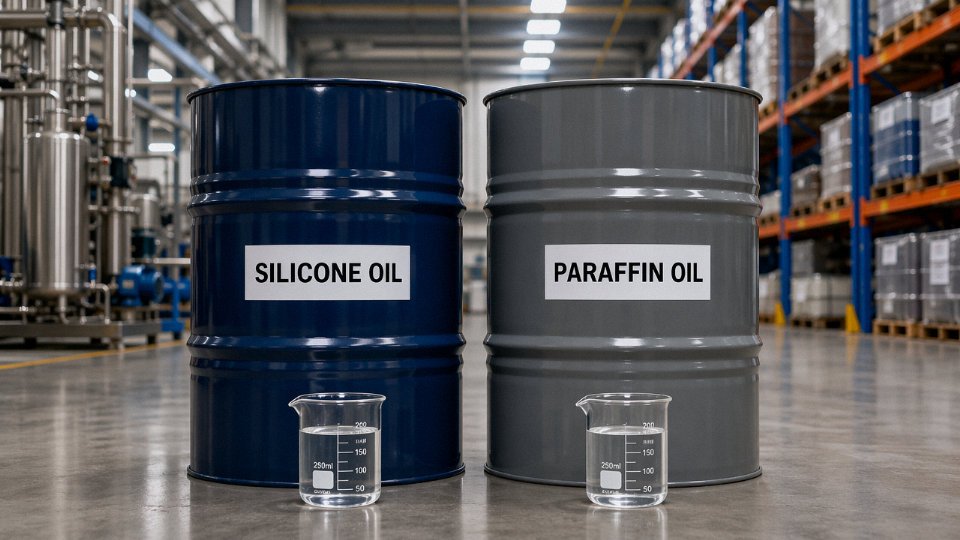
Advantages Over Mineral Oil
- Does not attract dust
- Safe for rubber and plastics
- Wide temperature range
Mechanical Maintenance Fluids
- Used in home appliances
- Reduces wear and noise
Lubrication Performance Table
| Parameter | Silicone Oil | Mineral Oil |
|---|---|---|
| Temperature stability | Excellent | Moderate |
| Compatibility with plastics | Excellent | Limited |
| Oxidation resistance | High | Medium |
| Residue formation | Low | High |
Kitchen and Food-Related Applications
Food-grade silicone oil plays a critical role in modern kitchens.
Baking and Cooking Aids
- Non-stick sprays
- Release agents for molds
Food Processing Use (Indirect Household Exposure)
- Anti-foaming agents in cooking oils
- Food additives (E900 in some regions)
Why Silicone Oil Is Used
- Heat stability
- Non-toxic (food-grade variants)
- Prevents sticking and foaming
Textile and Fabric Care Products
Silicone oil significantly improves textile performance in both industrial and consumer settings.
Fabric Softeners
- Enhances softness
- Reduces static electricity
Waterproofing Sprays
- Provides hydrophobic coating
- Maintains breathability
Ironing Aids
- Improves glide
- Reduces wrinkles
Specialty Household Products
Silicone oil also appears in niche but critical applications.
Electrical Insulation Fluids
- Used in household appliances
- Provides dielectric protection
Anti-Foaming Agents
- Found in detergents
- Prevents excessive foam during washing
Sealants and DIY Products
- Used in home repair
- Provides flexibility and durability
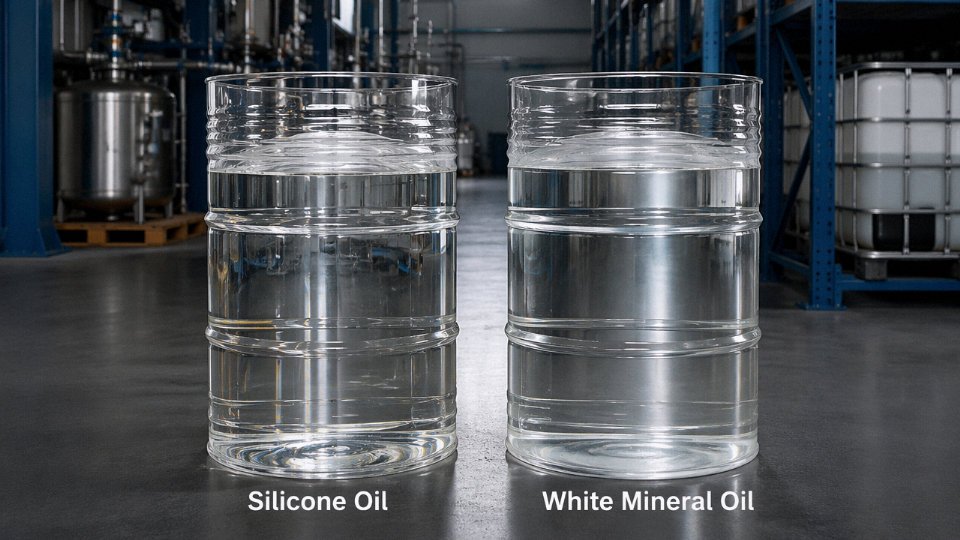
Comparative Analysis of Silicone Oil vs Alternatives
Understanding alternatives helps clarify why silicone oil dominates.
| Property | Silicone Oil | Vegetable Oil | Mineral Oil |
|---|---|---|---|
| Stability | Very high | Low | Medium |
| Oxidation resistance | Excellent | Poor | Moderate |
| Temperature range | Wide | Narrow | Moderate |
| Safety (food-grade) | High | High | Medium |
| Performance consistency | Excellent | Variable | Moderate |
Case Insights
Case 1: High-End Shampoo Formulation
- Replacing silicone oil led to:
- Reduced shine
- Increased hair tangling
- Conclusion: Silicone oil critical for premium feel
Case 2: Furniture Polish Reformulation
- Silicone-free version showed:
- Lower gloss retention
- Faster dust accumulation
Case 3: Lubricant Substitution
- Mineral oil replacement resulted in:
- Higher friction
- Material degradation
Safety and Regulatory Considerations
Silicone oil is generally regarded as safe when used correctly.
Regulatory Status
- FDA-approved (food-grade variants)
- REACH compliant
- Widely used in cosmetics
Safety Profile
- Non-toxic
- Non-irritating (most forms)
- Environmentally stable
Final Thoughts: Why Silicone Oil Remains Irreplaceable in Household Products
Silicone oil is not just another additive—it is a foundational performance material across modern household products. Its ability to simultaneously deliver lubrication, protection, stability, and aesthetic enhancement makes it uniquely valuable. While alternatives exist, they often fall short in durability, consistency, or compatibility. For manufacturers, selecting the right type of silicone oil directly impacts product quality and market competitiveness. For consumers, understanding its presence helps in making smarter purchasing decisions.
Need Reliable Silicone Oil Solutions for Your Products?
At Silicon Chemicals, we work closely with global manufacturers, formulators, and distributors to deliver high-performance silicone oil solutions tailored to real-world applications. Whether you are developing personal care products, industrial lubricants, or specialty household formulations, we provide:
- Consistent quality supply
- Technical formulation support
- Custom viscosity and functional modifications
- Global logistics and reliable delivery
If you are evaluating silicone oil for your products—or looking for a better-performing alternative solution—reach out to our team. We’re ready to help you optimize performance, reduce costs, and scale confidently.