Choosing a reliable silicone oil supplier is one of the most critical decisions for manufacturers, formulators, and industrial buyers working in sectors such as cosmetics, electronics, lubricants, textiles, pharmaceuticals, and construction. Poor supplier selection can lead to inconsistent product quality, unstable supply chains, unexpected formulation failures, regulatory issues, and costly production delays. In industries where silicone oil performance directly impacts product functionality—such as thermal stability, lubrication efficiency, hydrophobicity, dielectric strength, or anti-foaming behavior—even small variations in purity or viscosity can result in serious downstream problems.
The best silicone oil suppliers combine consistent product quality, strong manufacturing capability, strict quality control systems, reliable global logistics, regulatory compliance, and long-term technical support. Buyers should evaluate suppliers across multiple dimensions including production capacity, viscosity range coverage, functional silicone capabilities, certifications, application expertise, packaging flexibility, and supply chain reliability to ensure stable long-term cooperation.
Selecting a silicone oil supplier is not simply a procurement decision; it is a strategic partnership decision that influences product performance, production stability, and long-term business growth. Understanding how to systematically evaluate suppliers helps avoid risks while maximizing value.
All silicone oil suppliers offer essentially the same product quality.False
Silicone oil quality can vary significantly between suppliers depending on raw materials, polymerization processes, purification methods, and quality control systems.
Viscosity consistency is one of the most critical quality indicators for silicone oil.True
Silicone oil performance in lubrication, cosmetics, and electronics depends heavily on stable viscosity and molecular weight distribution.
Understanding [Silicone Oil](https://siliconchemicals.com/silicone-oil/) Supply Chains
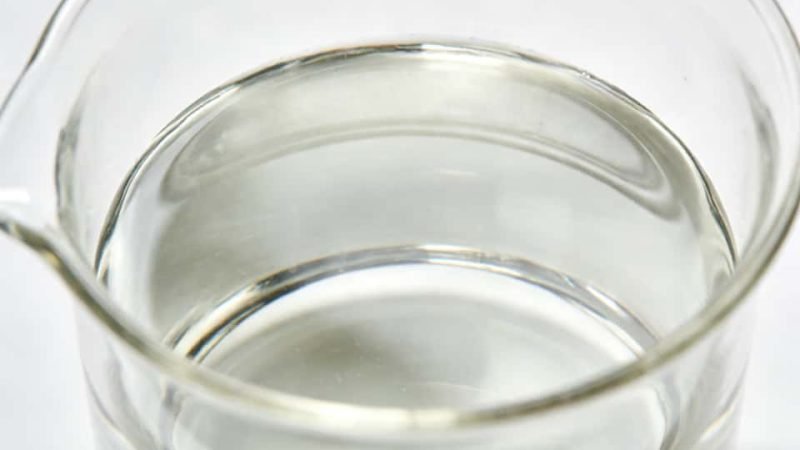
Silicone oil is primarily based on polydimethylsiloxane (PDMS) and related organosilicon polymers produced through controlled hydrolysis and polymerization of chlorosilanes such as dimethyldichlorosilane. Because the final performance depends strongly on polymerization control and purification technology, supplier capability plays a decisive role.
In the global silicone industry, suppliers generally fall into three categories:
| Supplier Type | Typical Characteristics | Advantages | Potential Limitations |
|---|---|---|---|
| Integrated silicone manufacturers | Large chemical groups producing upstream siloxanes | High stability and large capacity | Higher pricing |
| Specialized silicone manufacturers | Focus on silicone derivatives and formulations | Flexible customization | Medium capacity |
| Trading companies | Distribute silicone oil from multiple producers | Competitive pricing | Limited technical control |
A good supplier should provide transparency about its manufacturing origin, production facilities, and quality assurance systems.
](https://siliconchemicals.com/wp-content/uploads/2026/01/Silicone-Oils-2.jpg)
Key Technical Specifications to Evaluate
Silicone oil is available in a wide viscosity range, typically from 0.65 cSt to over 1,000,000 cSt, and different industries require specific grades.
| Property | Typical Range | Importance |
|---|---|---|
| Viscosity | 0.65 – 1,000,000 cSt | Determines lubrication and flow behavior |
| Refractive Index | 1.39 – 1.41 | Optical applications |
| Flash Point | 150 – 350°C | Safety and thermal stability |
| Pour Point | −50 – −70°C | Low temperature applications |
| Volatility | Very low | Long service life |
Consistency across batches is essential.
Key quality parameters include:
• Viscosity tolerance
• Molecular weight distribution
• Volatile content
• Impurity levels
• Residual catalysts
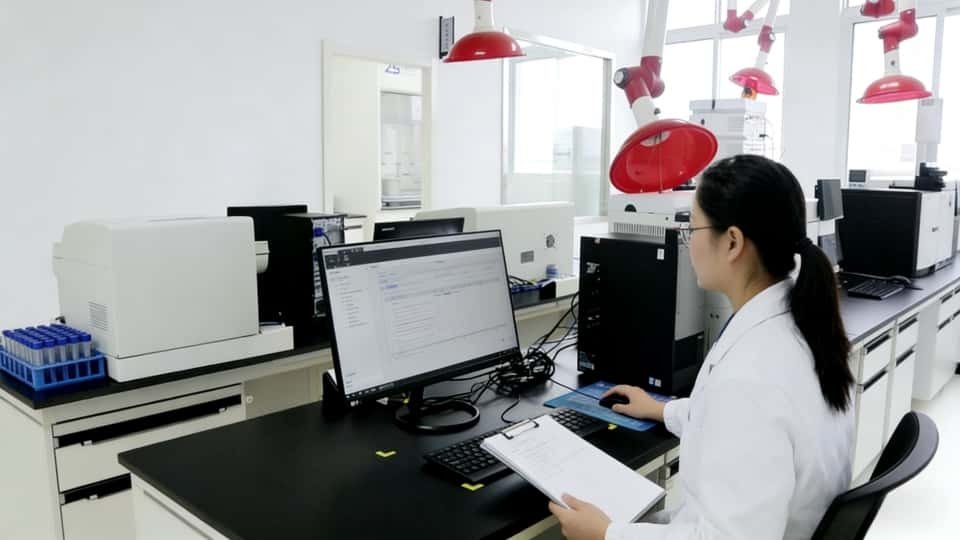
Suppliers with advanced analytical laboratories can provide gas chromatography, viscosity distribution analysis, and spectroscopic characterization.
Types of [Silicone Oils](https://siliconchemicals.com/silicone-oil/) Suppliers Should Offer
A strong supplier typically provides a wide product portfolio covering multiple silicone chemistries.
| Silicone Oil Type | Main Structure | Typical Applications |
|---|---|---|
| Dimethyl Silicone Oil | PDMS | Lubricants, cosmetics |
| Methyl Phenyl Silicone Oil | Phenyl-modified | High temperature oils |
| Hydrogen Silicone Oil | Si-H functional | Crosslinking agents |
| Amino Silicone Oil | Amine functional | Textile softeners |
| Polyether Silicone Oil | EO/PO modified | Surfactants |
| Fluoro Silicone Oil | Fluorinated | Chemical resistance |
Suppliers limited to only a few viscosities may not be suitable for complex industrial supply needs.
Evaluating Manufacturing Capabilities
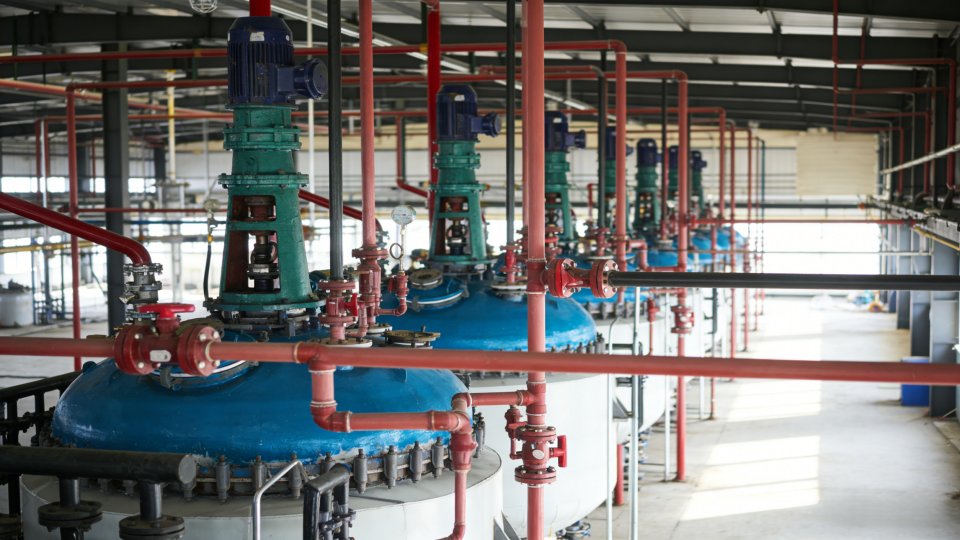
Manufacturing strength directly influences supply stability and product quality.
Important indicators include:
• Reactor capacity
• Polymerization technology
• Distillation and purification systems
• Continuous production capability
• R&D laboratories
| Capability Indicator | Weak Supplier | Strong Supplier |
|---|---|---|
| Production capacity | < 500 tons/year | > 10,000 tons/year |
| Quality lab | Basic testing | Full analytical lab |
| Product range | Few grades | Complete silicone portfolio |
| R&D | Limited | Dedicated development team |
Large suppliers often integrate siloxane monomer production, which significantly improves cost efficiency and supply security.
Quality Control Systems
Quality control systems determine product reliability.
Common certifications include:
• ISO 9001
• ISO 14001
• REACH compliance
• RoHS compliance
• FDA or cosmetic approvals (for cosmetic grade oils)
| Quality Control Process | Description |
|---|---|
| Raw material inspection | Verification of silane monomers |
| Polymerization monitoring | Reaction control |
| Purification verification | Removal of volatiles |
| Final testing | Viscosity, flash point, refractive index |
Suppliers with advanced quality systems often provide Certificates of Analysis (COA) with every batch.
Global Logistics and Supply Reliability
Supply chain reliability is a major factor in silicone oil procurement.
Key aspects include:
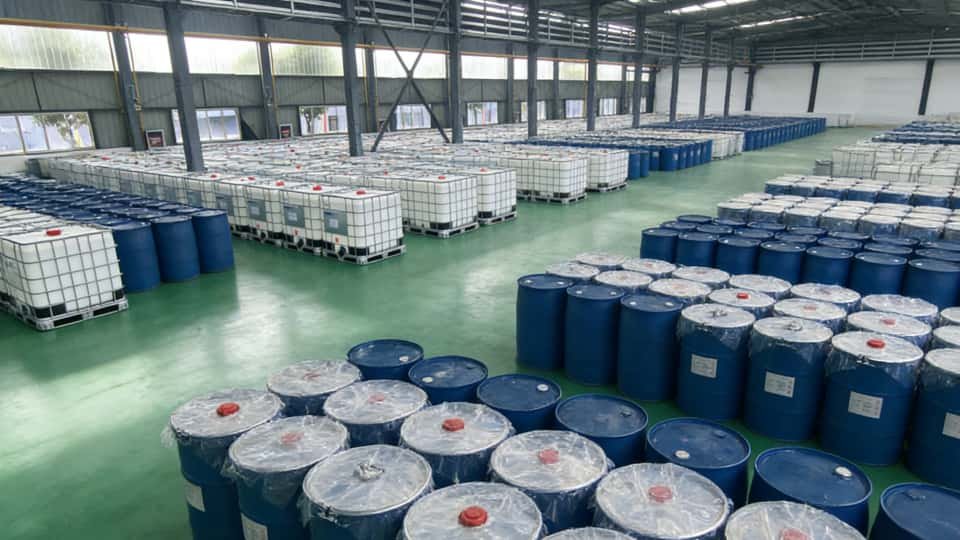
• Packaging formats
• Export experience
• international regulatory compliance
• shipping safety documentation
| Packaging Type | Capacity | Typical Use |
|---|---|---|
| Plastic bottles | 1–5 kg | Laboratory or cosmetics |
| Steel drums | 200 kg | Industrial users |
| IBC tanks | 1000 kg | Bulk manufacturing |
| ISO tanks | 20–25 tons | Large industrial buyers |
Reliable suppliers maintain stable inventory levels and established global logistics networks.
Technical Support and Application Expertise
The best silicone oil suppliers provide technical consulting, not just raw materials.
Technical support may include:
• formulation optimization
• compatibility testing
• viscosity selection guidance
• application troubleshooting
Industries that rely heavily on supplier technical expertise include:
| Industry | Typical Silicone Oil Role |
|---|---|
| Cosmetics | Skin feel modifier |
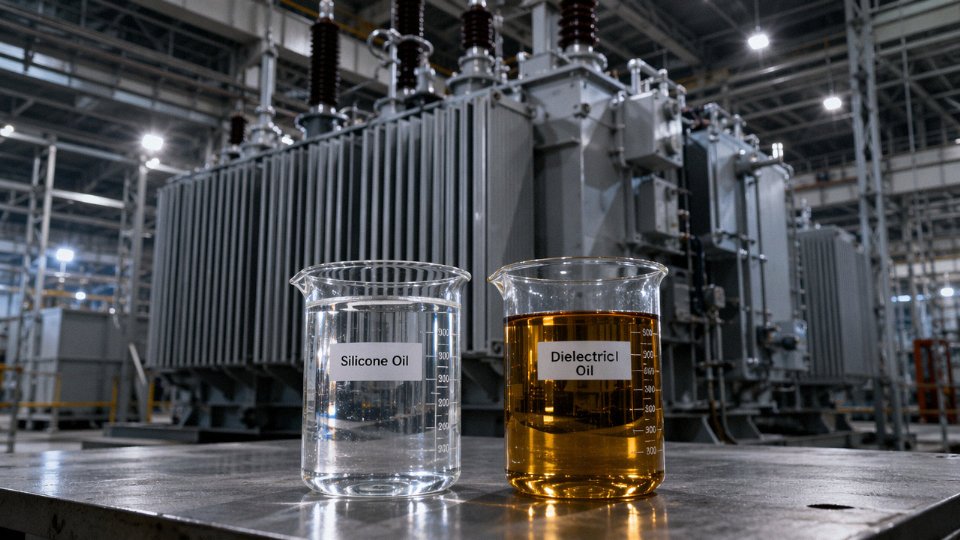
| Electronics | Dielectric fluids |
| Textile | Fabric softeners |
| Automotive | Lubrication |
| Construction | Water repellents |
Suppliers with strong R&D teams can help customers improve product performance and reduce formulation risks.
Cost Structure and Pricing Transparency
Pricing should be evaluated in the context of total value, not simply unit cost.
Key cost components include:
• raw material costs
• production technology
• purification processes
• packaging and logistics
• technical support services
| Supplier Category | Typical Price Level |
|---|---|
| Premium manufacturers | Highest |
| Specialized silicone producers | Medium |
| Trading companies | Lowest |
However, cheaper suppliers may result in hidden costs such as inconsistent quality or unstable supply.
Sustainability and Environmental Responsibility
Environmental regulations increasingly influence supplier selection.
Responsible silicone oil suppliers invest in:
• low-emission production systems
• waste recovery technologies
• solvent recycling systems
• green chemistry processes
Sustainability certifications and environmental transparency are becoming important evaluation criteria for multinational buyers.
Risk Management in Supplier Selection
Choosing the wrong supplier can introduce several risks:
| Risk Type | Consequence |
|---|---|
| Quality variation | Product failure |
| Supply disruption | Production shutdown |
| Regulatory non-compliance | Legal penalties |
| Logistics delays | Customer dissatisfaction |
Companies often mitigate risk by maintaining multiple approved suppliers.
Strategic Long-Term Supplier Partnerships
Leading manufacturers build long-term partnerships with silicone oil suppliers.
Benefits include:
• stable pricing agreements
• priority supply allocation
• collaborative product development
• technical innovation support
Strategic supplier relationships often result in competitive advantages.
Final Thoughts
Selecting a silicone oil supplier is a complex decision involving technical, commercial, and strategic considerations. The most reliable partners combine strong manufacturing capability, strict quality control systems, broad product portfolios, reliable global logistics, and long-term technical support. Buyers who evaluate suppliers systematically can reduce risk, improve product performance, and ensure sustainable supply chains.
Work With a Silicone Oil Partner You Can Trust
At Silicon Chemicals, we work closely with manufacturers, formulators, and industrial buyers around the world to provide high-quality silicone oils and technical guidance tailored to real industrial needs. If you are sourcing silicone oil for cosmetics, lubricants, electronics, textiles, or specialty industrial applications, our team is ready to help you identify the most suitable grade and ensure reliable supply.
If you would like to discuss your application, request technical data, or explore long-term supply cooperation, feel free to reach out to the team at Silicon Chemicals. We are always happy to support your next project.