Silicone rubbers are high-performance elastomeric materials based on a polysiloxane backbone. Their fundamental repeating structure is: −Si−O−Si−(polysiloxanebackbone)-Si-O-Si- (polysiloxane backbone)−Si−O−Si−(polysiloxanebackbone). This flexible silicon–oxygen backbone gives silicone rubbers exceptional thermal stability, elasticity, and chemical resistance compared with organic rubbers.
Silicone rubbers remain flexible across an extremely wide temperature range (typically –60°C to +200°C, and higher for specialty grades), while offering excellent UV resistance, electrical insulation, weatherability, and biocompatibility. Because of these properties, they are widely used in automotive seals, wire and cable insulation, medical devices, electronics encapsulation, kitchenware, and industrial gaskets.
In industrial classification, silicone rubbers are commonly divided into HTV (high-temperature vulcanizing), RTV (room-temperature vulcanizing), and LSR (liquid silicone rubber) systems, depending on their curing mechanism and processing method.
Looking for reliable, high-performance silicone rubber solutions for your application? Whether you need HTV, RTV, or LSR grades for automotive, electronics, medical, or industrial use, our technical team is ready to support you with material selection guidance, detailed technical data sheets, and customized supply options. Contact us today to discuss your project requirements and request samples or bulk pricing.
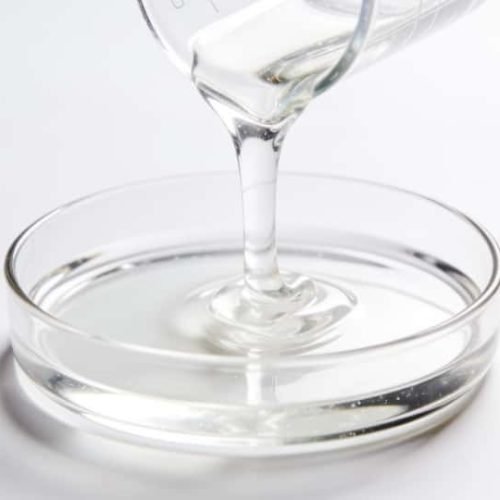
Silicone Rubbers are widely used across automotive, electronics, medical, construction, and industrial sectors due to their outstanding heat resistance, flexibility, durability, and electrical insulation performance. To help customers quickly identify the right material for their specific processing and performance requirements, silicone rubbers are categorized by curing system, processing method, and application grade. This structured classification ensures faster product selection and more efficient project development.
Solid silicone rubber cured at elevated temperature
Characteristics
Applications
Two-component liquid system for injection molding
Characteristics
Applications
| Type | Curing System | Key Features |
|---|---|---|
| Peroxide-Cured | Free radical | Cost-effective, industrial grade |
| Addition-Cure (Platinum) | Hydrosilylation | No by-products, medical/food grade |
| Condensation-Cure | Moisture-reactive | Releases small molecules |
| Grade Type | Key Property |
|---|---|
| General Purpose | Standard industrial use |
| High Temperature | ≥250°C resistance |
| Low Temperature | Flexible below –60°C |
| Flame Retardant | UL / fire-resistant |
| Conductive | Carbon/silver filled |
| Medical Grade | ISO 10993 / USP Class VI |
| Food Grade | FDA / LFGB compliant |
| Form | Typical Product |
|---|---|
| Solid Rubber | HTV compounds |
| Liquid Rubber | LSR |
| Sealant / Paste | RTV |
| Sponge Silicone | Foamed silicone |
| Silicone Gel | Soft encapsulant |
By understanding the classification and types of silicone rubbers—such as HTV, RTV, and LSR systems—buyers and engineers can match material properties with production processes, regulatory standards, and end-use environments. Whether you require high-temperature resistance, medical-grade purity, flame-retardant performance, or precision injection molding capability, selecting the correct silicone rubber category is the first step toward ensuring product reliability and long-term performance. For detailed specifications, technical support, or bulk supply inquiries, our team is ready to assist.
Silicone rubbers are selected in demanding applications where conventional organic elastomers (such as EPDM, NBR, or natural rubber) cannot maintain long-term performance. Their unique siloxane backbone provides exceptional thermal stability, chemical resistance, electrical insulation, and flexibility across a wide temperature range, making them a preferred material in high-reliability industries.
Silicone rubbers typically operate from –60°C up to +200°C, with specialty grades exceeding +250°C. Unlike many organic rubbers, they remain flexible at low temperatures and resist thermal degradation at elevated temperatures, ensuring dimensional stability and long service life in extreme environments.
They exhibit excellent resistance to UV radiation, ozone, oxygen, and moisture. This makes silicone rubber ideal for outdoor applications, automotive components, and construction sealing systems where long-term durability is critical.
Silicone rubbers maintain stable dielectric properties over a broad temperature range, making them widely used in wire and cable insulation, electronic encapsulation, and high-voltage components.
Silicone materials resist water, many chemicals, and oxidation while maintaining mechanical properties. This contributes to extended product lifespan and reduced maintenance costs.
Platinum-cured grades can meet medical and food-contact standards (such as FDA and ISO 10993), making silicone rubber suitable for medical devices, baby products, and food processing components.
Available in HTV, RTV, and LSR systems, silicone rubbers support compression molding, extrusion, injection molding, casting, and sealing applications, enabling flexible production across industries.
By choosing silicone rubber, manufacturers gain improved product reliability, lower lifecycle costs, and enhanced safety performance in demanding environments. For applications requiring heat resistance, flexibility, insulation, or regulatory compliance, silicone rubber remains one of the most versatile and durable elastomer solutions available.
If you would like assistance selecting the right grade for your project, our technical team is ready to support you.
Selecting the right silicone rubber depends on your processing method, performance requirements, operating environment, and regulatory standards. A structured evaluation approach ensures optimal performance, cost-efficiency, and long-term reliability.
Your manufacturing process is the first decision factor:
Choosing the correct curing system ensures compatibility with your production line and tooling.
Silicone rubbers are known for wide temperature resistance, but grade selection matters:
Match the rubber grade to the maximum continuous service temperature, not just short-term exposure.
Key parameters to review:
For dynamic sealing or high-load components, mechanical reinforcement and formulation type are critical.
Assess exposure to:
For harsh environments, specialty grades such as flame-retardant, conductive, or high-purity platinum-cured systems may be required.
For regulated industries:
Ensure certification aligns with your target market.
Premium platinum-cured or specialty grades offer superior purity and stability but at higher cost. For general industrial applications, peroxide-cured grades may provide better cost efficiency.
A total lifecycle evaluation—considering durability, maintenance, and warranty risk—is often more valuable than focusing on initial material price alone.
The right silicone rubber is the one that matches processing method + operating conditions + regulatory requirements + budget.
If you provide your application details (temperature range, manufacturing method, hardness target, compliance standards), our technical team can recommend the most suitable silicone rubber grade and support you with data sheets, samples, and bulk supply options.
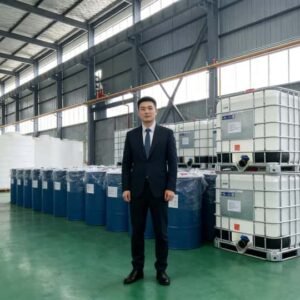
Packaging: 500 g / 1 kg / 5 kg / 25 kg / 200 kg drums / 1000L IBC container (Customized packaging is available).
Ready to move forward with the right silicone rubber solution? Whether you need HTV for high-strength industrial components, RTV for sealing and encapsulation, or precision LSR for medical and food-grade applications, our technical team is here to help. Share your temperature range, hardness requirement, processing method, and compliance standards, and we will recommend the most suitable grade with detailed technical data sheets and competitive bulk pricing.
Contact us today to discuss your project and request samples or a customized quotation.
Disclaimer
“The information provided herein is based on general industry experience and is intended for reference purposes only. Actual performance and optimal usage conditions may vary depending on formulation, processing methods, substrate characteristics, and end-use requirements. Users are responsible for conducting their own tests and evaluations to determine suitability for their specific applications. No warranty, express or implied, is made regarding the completeness, accuracy, or applicability of this information.”
Have a question, need a quote, or want to discuss your project? We’re here to help.
Selecting the right silane coupling agent is only the first step. Achieving optimal performance often requires application-specific evaluation and formulation optimization. Our technical team provides comprehensive support to ensure successful implementation across diverse material systems.

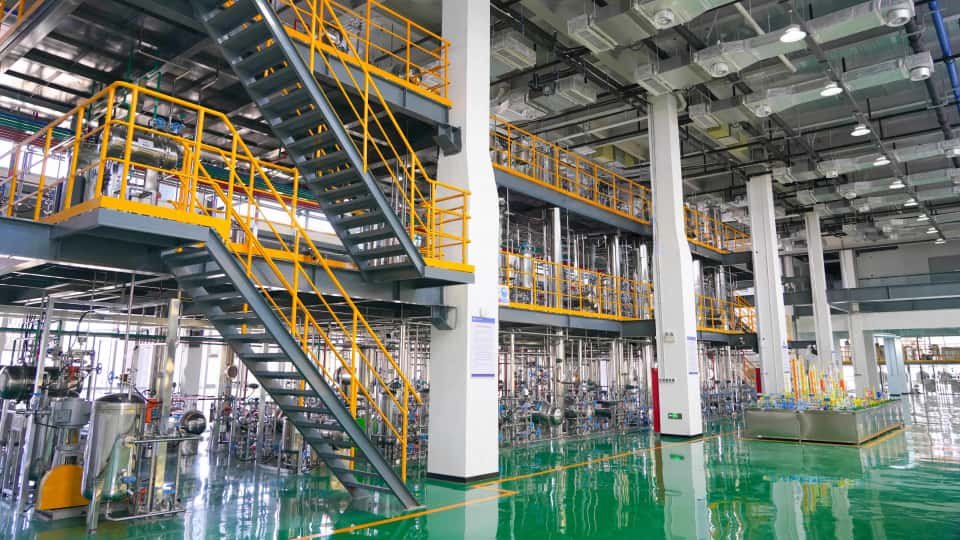
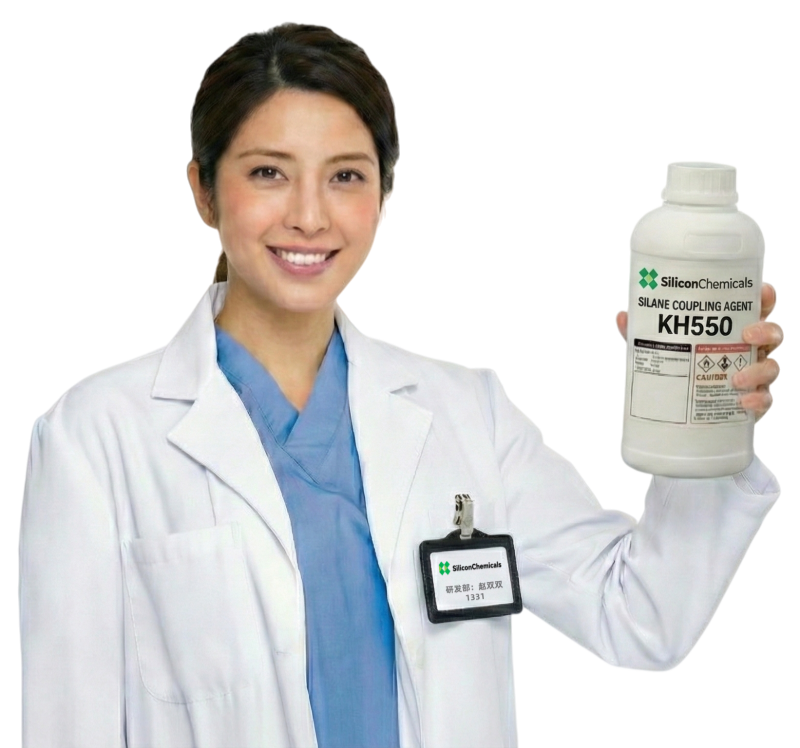
From Standard Supply to Customized Requirements
Built on technical expertise, manufacturing capability, and reliable supply
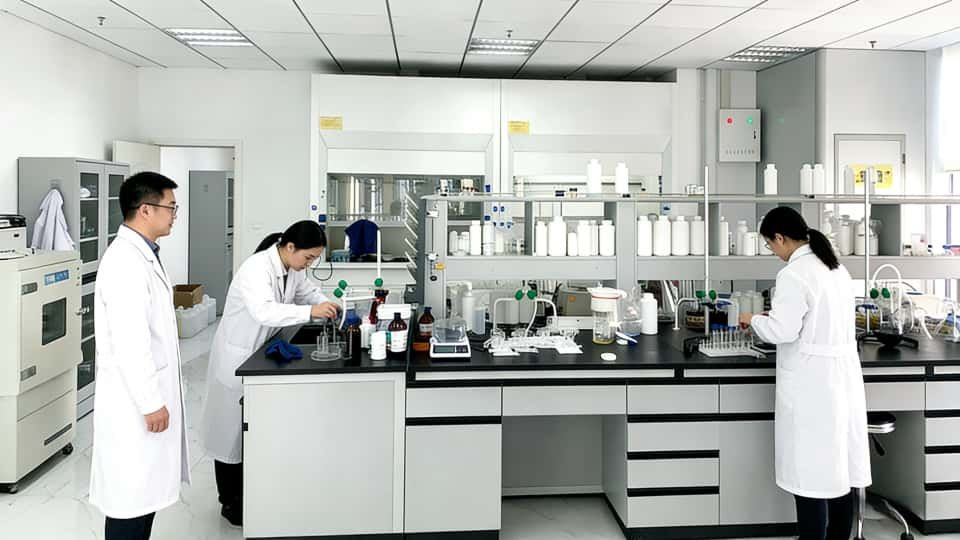
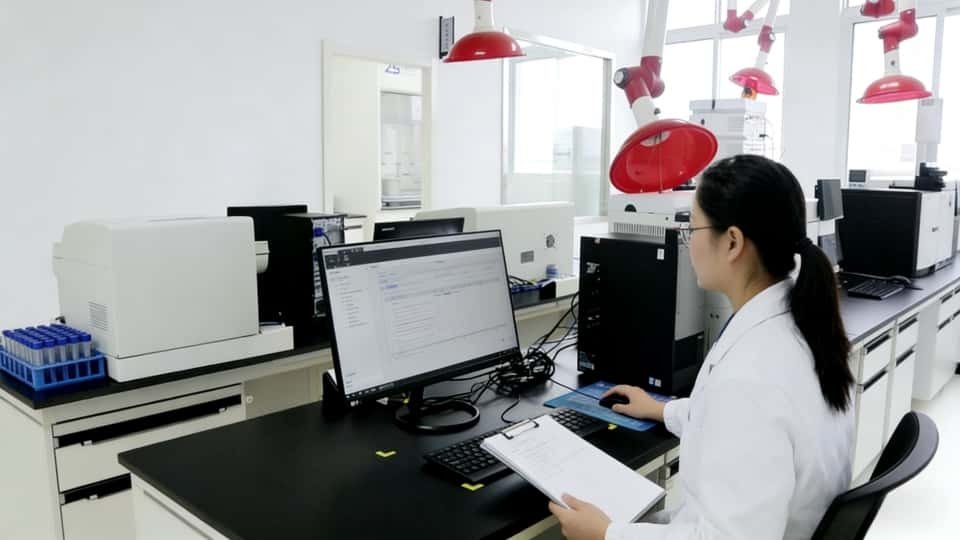
Supports batch quality verification & application-oriented testing, ensuring consistent performance & reliable product quality.
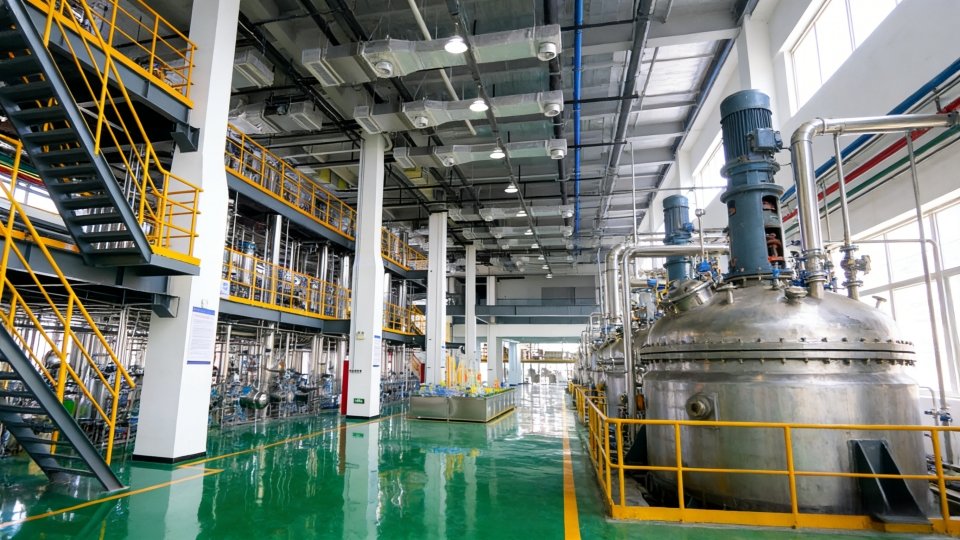
Stable, scalable manufacturing with standardized processes, supporting both regular supply and bulk industrial demand.
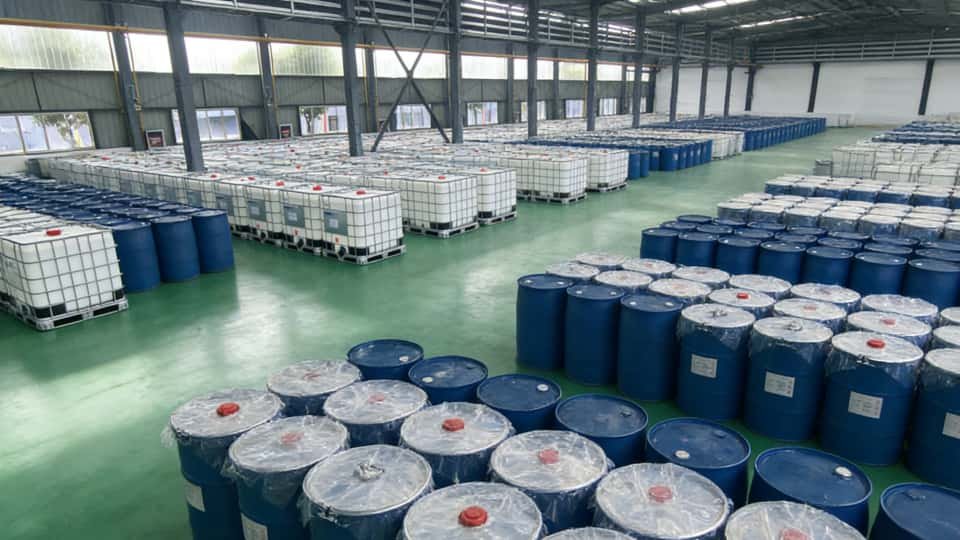
Products are stored under controlled conditions with standardized packaging, enabling efficient order fulfillment and reliable global delivery.

Clear communication and application-focused support, helping customers select suitable products and streamline procurement.
Navigate the complexities of the global Silicone oils market. This definitive report provides actionable insights, vetted supplier landscapes, and strategic sourcing methodologies to optimize your supply chain in the year ahead.