Alkyl-modified silicone oils are polysiloxane fluids in which part of the methyl groups on the silicone backbone (–Si–O–Si–) are replaced with longer-chain alkyl groups (such as ethyl, propyl, octyl, or higher C₈–C₁₈ chains). This structural modification alters compatibility, lubricity, surface energy, and thermal behavior compared to standard dimethyl silicone oils (PDMS).
SiliconChemicals Alkyl-Modified Silicone Oils are non-reactive polysiloxane fluids in which part of the methyl groups on the siloxane backbone are replaced with linear or branched alkyl groups (C₂–C₁₈+). This structural modification enhances compatibility with hydrocarbon-based systems while retaining the inherent thermal stability and lubricity of silicone.
| Product Model (SKU) | Chemistry / Structure | Alkyl Chain | Alkyl Level | Viscosity (cSt, 25°C) | Typical Positioning | Key Performance Traits | Typical Applications |
|---|---|---|---|---|---|---|---|
| ALK-AMS-C8-50 | Random alkyl-methylsiloxane | C8 | Low | 50 | Light slip additive | fast wetting, mild hydrophobe | coatings, inks, release aids |
| ALK-AMS-C8-100 | Random alkyl-methylsiloxane | C8 | Low | 100 | General-purpose | surface slip, anti-block | plastics, coatings |
| ALK-AMS-C8-350 | Random alkyl-methylsiloxane | C8 | Low–Med | 350 | Balanced | slip + compatibility | PU, acrylic coatings |
| ALK-AMS-C8-1000 | Random alkyl-methylsiloxane | C8 | Med | 1,000 | Higher film persistence | durable slip, feel | leather, textile |
| ALK-AMS-C10-50 | Random alkyl-methylsiloxane | C10 | Low | 50 | Light slip | quick migration control | inks, OPV |
| ALK-AMS-C10-100 | Random alkyl-methylsiloxane | C10 | Low | 100 | General-purpose | anti-block, gloss aid | coatings |
| ALK-AMS-C10-350 | Random alkyl-methylsiloxane | C10 | Low–Med | 350 | Compatibility-first | improved organic miscibility | PU, epoxy systems |
| ALK-AMS-C10-1000 | Random alkyl-methylsiloxane | C10 | Med | 1,000 | Durable slip | smoother hand feel | textile softening |
| ALK-AMS-C12-50 | Random alkyl-methylsiloxane | C12 | Low | 50 | Low-viscosity additive | wetting, leveling | coatings, inks |
| ALK-AMS-C12-100 | Random alkyl-methylsiloxane | C12 | Low | 100 | универсал | slip, mar resistance | plastics, coatings |
| ALK-AMS-C12-350 | Random alkyl-methylsiloxane | C12 | Med | 350 | Mainstream grade | slip + compatibility | PU, leather |
| ALK-AMS-C12-1000 | Random alkyl-methylsiloxane | C12 | Med | 1,000 | “Feel” enhancer | softness, lubricity | textile, personal-care intermediates |
| ALK-AMS-C14-100 | Random alkyl-methylsiloxane | C14 | Med | 100 | Higher hydrophobe | water beading | waterborne coatings |
| ALK-AMS-C14-350 | Random alkyl-methylsiloxane | C14 | Med | 350 | Anti-block & slip | stronger migration resistance | films, sheets |
| ALK-AMS-C16-350 | Random alkyl-methylsiloxane | C16 | Med–High | 350 | Strong hydrophobe | high slip, low surface energy | plastics, release |
| ALK-AMS-C18-350 | Random alkyl-methylsiloxane | C18 | Med–High | 350 | Max hydrophobe (mid-visc) | durable water repellency | textile finishing, repellents |
| ALK-TAC-C8-100 | Terminal alkyl-capped PDMS | C8 | End-capped | 100 | PDMS-like handling | better organic affinity | coatings, resin compatibility |
| ALK-TAC-C8-350 | Terminal alkyl-capped PDMS | C8 | End-capped | 350 | Balanced | lower volatility vs light PDMS | additives |
| ALK-TAC-C10-100 | Terminal alkyl-capped PDMS | C10 | End-capped | 100 | “Compatibilizer” | improved resin wetting | PU, acrylic |
| ALK-TAC-C10-350 | Terminal alkyl-capped PDMS | C10 | End-capped | 350 | Durable | slip without heavy blooming | coatings |
| ALK-TAC-C12-100 | Terminal alkyl-capped PDMS | C12 | End-capped | 100 | Mainstream | better organic miscibility | coatings, inks |
| ALK-TAC-C12-350 | Terminal alkyl-capped PDMS | C12 | End-capped | 350 | Workhorse | leveling + slip | clear coats |
| ALK-TAC-C12-1000 | Terminal alkyl-capped PDMS | C12 | End-capped | 1,000 | Higher persistence | durable feel | leather, textile |
| ALK-TAC-C14-350 | Terminal alkyl-capped PDMS | C14 | End-capped | 350 | Hydrophobe booster | water repellency | waterborne systems |
| ALK-TAC-C16-350 | Terminal alkyl-capped PDMS | C16 | End-capped | 350 | Slip/repellency | low COF, anti-squeak | plastics |
| ALK-TAC-C18-1000 | Terminal alkyl-capped PDMS | C18 | End-capped | 1,000 | Max repellency | strong beading, durable | textile, repellents |
| ALK-GRAFT-C8-350 | Alkyl-grafted PDMS | C8 | Med | 350 | Strong compatibilizer | improved solubility in organics | solventborne coatings |
| ALK-GRAFT-C8-1000 | Alkyl-grafted PDMS | C8 | Med | 1,000 | Durable additive | slip + scratch resistance | coatings |
| ALK-GRAFT-C10-350 | Alkyl-grafted PDMS | C10 | Med | 350 | Compatibility focus | reduced craters, better flow | coatings, inks |
| ALK-GRAFT-C10-1000 | Alkyl-grafted PDMS | C10 | Med–High | 1,000 | Film performance | leveling + slip retention | OPV, UV coatings |
| ALK-GRAFT-C12-350 | Alkyl-grafted PDMS | C12 | Med–High | 350 | Mainstream high-perf | anti-block, mar resistance | films, clear coats |
| ALK-GRAFT-C12-1000 | Alkyl-grafted PDMS | C12 | Med–High | 1,000 | High durability | stable slip, less migration | plastics, coatings |
| ALK-GRAFT-C12-5000 | Alkyl-grafted PDMS | C12 | Med–High | 5,000 | Heavy-duty | long-lasting lubrication | rubber processing |
| ALK-GRAFT-C14-1000 | Alkyl-grafted PDMS | C14 | High | 1,000 | Strong hydrophobe | water repellency + feel | textile, leather |
| ALK-GRAFT-C16-1000 | Alkyl-grafted PDMS | C16 | High | 1,000 | Max slip | very low COF | films, extrusion |
| ALK-GRAFT-C18-1000 | Alkyl-grafted PDMS | C18 | High | 1,000 | Max repellency | strong beading, durable | repellents, finishing |
| ALK-HAC-C12-350 | High-alkyl-content copolymer | C12 | High | 350 | Organic affinity | compatibility with nonpolar oils | PU, solvent systems |
| ALK-HAC-C12-1000 | High-alkyl-content copolymer | C12 | High | 1,000 | Strong slip | reduced blooming vs waxes | plastics |
| ALK-HAC-C12-5000 | High-alkyl-content copolymer | C12 | High | 5,000 | Processing aid | lubricity, mold release | rubber/plastics |
| ALK-HAC-C14-1000 | High-alkyl-content copolymer | C14 | High | 1,000 | Repellency + compat | durable hydrophobe | textile/leather |
| ALK-HAC-C16-5000 | High-alkyl-content copolymer | C16 | High | 5,000 | Ultra slip | low friction, anti-squeak | plastics, masterbatches |
| ALK-HAC-C18-10000 | High-alkyl-content copolymer | C18 | High | 10,000 | Maximum hydrophobe | very strong water repellency | finishing, industrial |
| ALK-AMS-C12-350-EMU | O/W emulsion of AMS | C12 | Med | (eqv.) | Waterborne dosing | easy incorporation | waterborne coatings, textile |
| ALK-GRAFT-C12-1000-EMU | O/W emulsion of graft | C12 | Med–High | (eqv.) | Durable WB additive | slip retention | WB coatings |
| ALK-HAC-C16-5000-EMU | O/W emulsion of HAC | C16 | High | (eqv.) | Strong WB slip | anti-block, low COF | WB plastics coatings |
| ALK-AMS-C12-350-MIE | Clear microemulsion | C12 | Med | (eqv.) | Transparent systems | clarity, fine particle | clear finishes |
| ALK-GRAFT-C12-1000-MIE | Clear microemulsion | C12 | Med–High | (eqv.) | High clarity | minimal haze | clear coatings |
| ALK-TAC-C12-350-SE | Self-emulsifying concentrate | C12 | End-capped | (eqv.) | “Pour & mix” | fast emulsification | textile finishing |
| ALK-GRAFT-C12-1000-SOL | Solvent solution (custom solvent) | C12 | Med–High | (eqv.) | Solventborne | easy metering | inks/OPV/UV |
| ALK-HAC-C16-5000-SOL | Solvent solution | C16 | High | (eqv.) | High solids | process lubrication | rubber/plastics |
Product List
Alkyl-Modified Silicone Oils are organofunctional siloxanes in which alkyl groups (C₆–C₃₀+) are grafted onto a PDMS backbone. The alkyl substitution increases hydrophobicity, lubricity, organic compatibility, and water repellency, while maintaining the thermal stability and flexibility of silicone.
Below is a structured, industrial-grade classification framework suitable for catalogs, technical datasheets, and selection guides.
Chain length directly influences hydrophobicity, compatibility, viscosity behavior, and film characteristics.
| Functional Class | Alkyl Chain Type | Typical Carbon Length | Key Properties | Typical Applications |
|---|---|---|---|---|
| Short-Chain Alkyl Silicone Oils | Linear alkyl | C6–C10 | Moderate hydrophobicity, improved compatibility | Coatings additives |
| Medium-Chain Alkyl Silicone Oils | Linear alkyl | C12–C18 | Enhanced water repellency, lubrication | Textile finishing |
| Long-Chain Alkyl Silicone Oils | Linear alkyl | C20–C30+ | Strong hydrophobicity, wax-like surface feel | Water-repellent treatments |
| Branched Alkyl Silicone Oils | Branched alkyl | C8–C18 | Improved low-temperature flexibility | Specialty lubricants |
The density of alkyl substitution affects performance balance.
| Class | Modification Level | Performance Characteristics |
|---|---|---|
| Low Substitution | Light alkyl grafting | Balanced silicone behavior |
| Medium Substitution | Controlled alkyl density | Increased hydrophobicity |
| High Substitution | High alkyl loading | Strong organic compatibility, wax-like film |
Structural architecture controls tactile perception and film formation.
| Architecture | Description | Performance Impact |
|---|---|---|
| Linear PDMS | Alkyl groups along linear chain | Smooth lubrication |
| Branched PDMS | Multi-directional alkyl substitution | Enhanced film durability |
| Comb-Type | Pendant alkyl side chains | Improved surface alignment |
| Block Copolymer | Segmented alkyl-rich domains | Tunable compatibility |
| Delivery Type | Description | Industrial Benefit |
|---|---|---|
| Neat (100% active) | Bulk fluid | Maximum flexibility |
| Self-Emulsifying | Water-dispersible | Simplified processing |
| Emulsion (30–60%) | Ready-to-use aqueous form | Textile & surface treatment |
| Functional Category | Primary Benefit |
|---|---|
| Water-Repellent Grade | High hydrophobicity |
| Slip & Lubrication Grade | Surface smoothness |
| Organic-Compatible Grade | Improved solubility in hydrocarbon systems |
| Film-Forming Grade | Durable surface coating |
| Industry | Typical Use |
|---|---|
| Textiles | Water-repellent finishing |
| Construction | Concrete and stone protection |
| Coatings | Slip additive, leveling agent |
| Plastics | Mold release and lubrication |
| Leather | Surface conditioning |
| Industrial lubrication | Specialty boundary lubrication |
Alkyl-Modified Silicone Oils are selected when increased hydrophobicity, organic compatibility, and durable surface modification are required beyond standard PDMS performance.
They serve as a bridge between:
SiliconChemicals Alkyl-Modified Silicone Oils are high-performance organofunctional siloxane fluids engineered by grafting linear or branched alkyl groups (C6–C30+) onto a PDMS backbone. This targeted modification enhances hydrophobicity, organic compatibility, boundary lubrication, and film durability, while preserving the inherent thermal stability and flexibility of silicone chemistry.
SiliconChemicals Alkyl-Modified Silicone Oils are selected when applications demand:
SiliconChemicals delivers precise alkyl chain control, consistent viscosity ranges, and reliable global supply—ensuring stable performance across demanding industrial environments.
Alkyl-Modified Silicone Oils are derived from a polydimethylsiloxane (PDMS) backbone in which part of the methyl substituents are replaced with linear or branched alkyl groups (typically C6–C30+). This structural modification introduces hydrocarbon character into the siloxane chain, enabling enhanced hydrophobicity, improved compatibility with organic systems, and more durable surface film formation—while maintaining the flexibility and thermal stability inherent to silicone polymers.
Alkyl-Modified Silicone Oils are derived from polydimethylsiloxane (PDMS) in which part of the methyl groups (–CH₃) attached to silicon atoms are replaced or supplemented with longer alkyl chains (C6–C30+).
Base PDMS backbone:
–[Si(CH3)2–O]n––[Si(CH₃)₂–O]_{n}––[Si(CH3)2–O]n–
Alkyl-modified structure (simplified):
–[Si(CH3)(Ralkyl)–O]n––[Si(CH₃)(R_{alkyl})–O]_{n}––[Si(CH3)(Ralkyl)–O]n–
Where:
These structural factors directly determine performance.
The performance of Alkyl-Modified Silicone Oils results from the combined behavior of the flexible siloxane backbone and hydrophobic alkyl segments.
Longer alkyl chains increase hydrocarbon character at the surface.
Mechanism:
Result:
This is particularly significant in:
Standard PDMS can exhibit limited miscibility with hydrocarbon resins.
Alkyl modification:
Result:
The siloxane backbone provides:
Alkyl chains contribute:
Combined effect:
Long-chain alkyl substitution increases van der Waals interactions between molecules.
This leads to:
| Structural Feature | Performance Contribution |
|---|---|
| PDMS backbone | Flexibility, thermal stability, slip |
| Short alkyl chains | Moderate hydrophobicity, compatibility |
| Medium alkyl chains | Balanced water repellency |
| Long alkyl chains | Strong hydrophobic barrier |
| High substitution density | Increased organic character |
| Branched structure | Improved durability and flexibility |
Alkyl-Modified Silicone Oils occupy a performance space between:
They provide:
Silicone-level stability
+
Hydrocarbon-level hydrophobicity
+
Improved film durability
The functional mechanism of Alkyl-Modified Silicone Oils is based on surface-oriented alkyl chain alignment combined with a flexible siloxane backbone, producing enhanced hydrophobicity, improved compatibility with organic systems, and durable boundary lubrication.
Alkyl-Modified Silicone Oils are selected when applications require enhanced hydrophobicity, improved compatibility with organic systems, and durable boundary lubrication. By combining silicone flexibility with hydrocarbon-like surface behavior, they serve a broad range of industrial sectors.
Alkyl-modified systems are widely used for water-repellent finishing and surface enhancement.
Typical uses:
Benefits:
Long-chain alkyl grades are particularly effective in mineral substrate protection.
Typical uses:
Benefits:
Used as performance additives to modify surface behavior.
Typical uses:
Benefits:
Alkyl-modified silicone oils act as lubrication and mold-release agents.
Typical uses:
Benefits:
Applied in finishing systems to improve tactile properties.
Typical uses:
Benefits:
Used in boundary lubrication systems where durable film formation is required.
Typical uses:
Benefits:
| Industry | Primary Functional Role |
|---|---|
| Textiles | Water repellency & softness |
| Construction | Hydrophobic protection |
| Coatings | Slip & surface control |
| Plastics | Mold release & lubrication |
| Leather | Surface conditioning |
| Industrial | Boundary lubrication |
Alkyl-Modified Silicone Oils are typically applied where durable hydrophobicity, improved compatibility with organic systems, and stable surface lubrication are required beyond what standard silicone fluids can offer.
Polydimethylsiloxane (PDMS) is widely used across industries not by coincidence, but because its molecular structure delivers a rare combination of stability, flexibility, and controllability that most organic polymers cannot achieve.
From routine industrial processes to high-reliability and regulated applications, PDMS offers predictable performance where other materials reach their limits.
Standard silicone oils are hydrophobic, but alkyl modification significantly increases water resistance.
Why it works:
Result:
This makes alkyl-modified systems ideal for:
Pure PDMS may show limited compatibility with hydrocarbon resins or non-polar polymers.
Alkyl substitution:
Result:
Longer alkyl chains increase intermolecular cohesion at the surface.
Compared to standard silicone oils:
For C20+ systems, a wax-like protective film can form, offering enhanced durability.
The siloxane backbone provides low friction, while alkyl chains:
This is particularly beneficial in:
Alkyl-Modified Silicone Oils function between:
They combine:
Silicone flexibility + Hydrocarbon hydrophobicity
Without sacrificing oxidative or thermal resistance.
Performance can be precisely tuned by adjusting:
This enables optimization for very specific industrial requirements.
| Property | Standard Silicone Oil | Alkyl-Modified Silicone Oil |
|---|---|---|
| Hydrophobic strength | Moderate | High–Very high |
| Organic compatibility | Limited | Improved |
| Film durability | Moderate | Enhanced |
| Lubrication | Excellent | Excellent + More stable |
| Thermal stability | Excellent | Excellent |
Alkyl-Modified Silicone Oils are chosen when enhanced water repellency, improved compatibility with organic systems, and more durable surface lubrication are required—while maintaining the intrinsic advantages of silicone chemistry.
Selecting the correct Alkyl-Modified Silicone Oil requires balancing hydrophobicity, compatibility, lubrication durability, and processing conditions. The key variables are alkyl chain length, substitution density, molecular weight, and delivery form. Below is a structured decision guide used in industrial formulation.
Start by clarifying what problem must be solved:
Performance target determines alkyl chain length first.
| Chain Length | When to Choose | Performance Profile |
|---|---|---|
| C6–C10 | Slip improvement | Moderate hydrophobicity |
| C12–C18 | General-purpose hydrophobic systems | Balanced performance |
| C20–C30+ | Maximum water repellency | Wax-like, durable film |
| Branched C8–C18 | Low-temp systems | Flexible, resilient film |
Longer chain = stronger hydrophobicity + more film durability
Substitution density controls how “hydrocarbon-like” the fluid behaves.
Low substitution
→ Retains silicone characteristics
→ Better spreadability
Medium substitution
→ Balanced hydrophobic and compatibility performance
High substitution
→ Strong organic character
→ Reduced migration
→ More cohesive surface film
Viscosity influences film thickness and lubrication durability.
| Application | Recommended Profile |
|---|---|
| Textile water-repellent finishing | C12–C18, medium substitution |
| Concrete / masonry protection | C18–C30+, high substitution |
| Coatings slip additive | C6–C12, low to medium substitution |
| Mold release | C8–C18, medium viscosity |
| Industrial lubrication | Branched or medium-chain, medium–high MW |
| Leather treatment | C12–C20, medium viscosity |
Confirm compatibility with:
Choose:
Quick Selection Logic
The right Alkyl-Modified Silicone Oil is chosen by matching alkyl chain length and substitution level to the required balance of hydrophobicity, compatibility, and durability—while maintaining silicone stability and process efficiency.
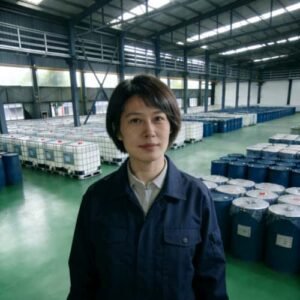
Packaging: 500 g / 1 kg / 5 kg / 25 kg / 200 kg drums / 1000L IBC container (Customized packaging is available).
SiliconChemicals® Alkyl-Modified Silicone Oils are engineered with precise alkyl chain control and consistent quality to meet demanding industrial requirements.
Contact our technical team today to:
Optimize performance with the right balance of silicone flexibility and hydrocarbon hydrophobicity—partner with SiliconChemicals® for reliable, application-focused solutions.
Disclaimer
“The information provided herein is based on general industry experience and is intended for reference purposes only. Actual performance and optimal usage conditions may vary depending on formulation, processing methods, substrate characteristics, and end-use requirements. Users are responsible for conducting their own tests and evaluations to determine suitability for their specific applications. No warranty, express or implied, is made regarding the completeness, accuracy, or applicability of this information.”
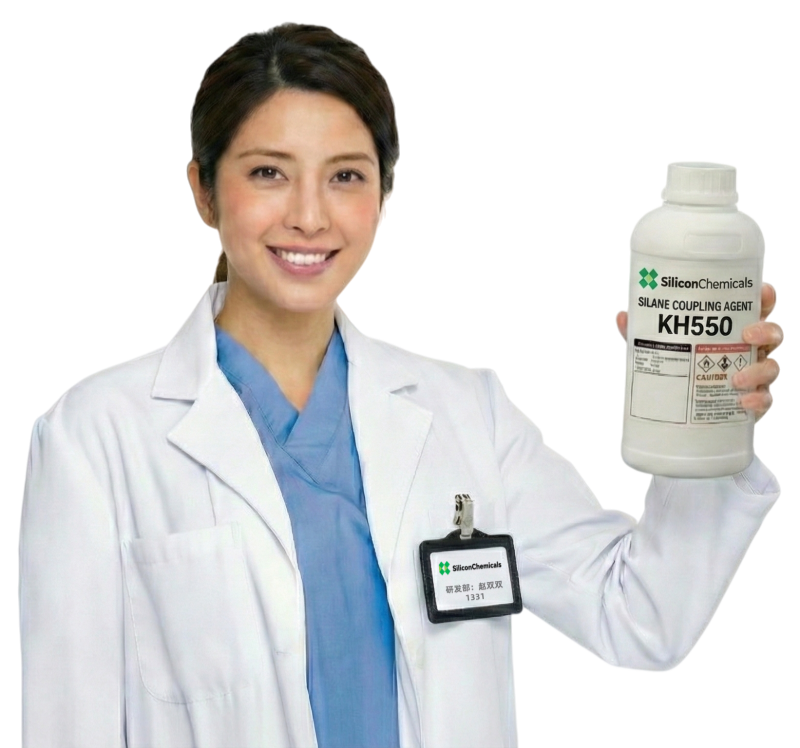
Selecting the right silane coupling agent is only the first step. Achieving optimal performance often requires application-specific evaluation and formulation optimization. Our technical team provides comprehensive support to ensure successful implementation across diverse material systems.


From Standard Supply to Customized Requirements
Built on technical expertise, manufacturing capability, and reliable supply
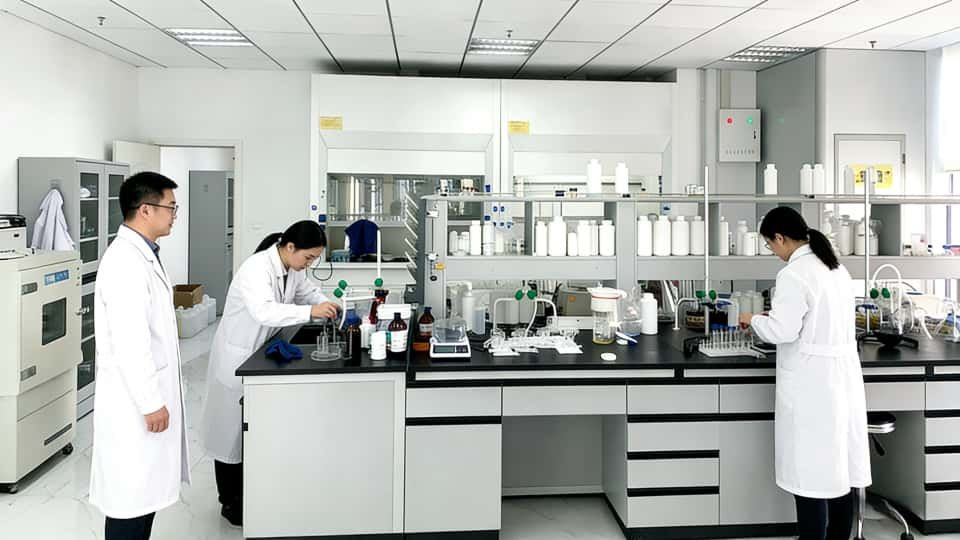
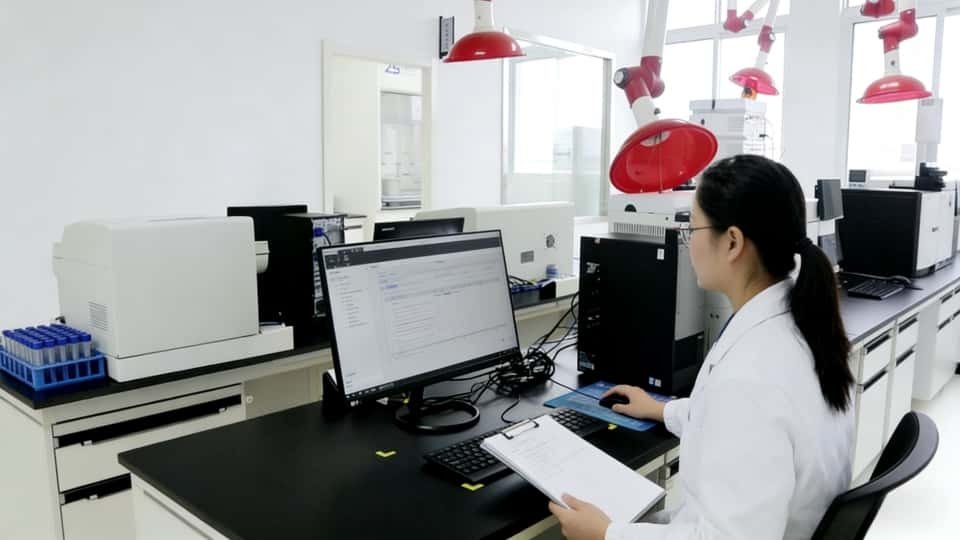
Supports batch quality verification & application-oriented testing, ensuring consistent performance & reliable product quality.

Stable, scalable manufacturing with standardized processes, supporting both regular supply and bulk industrial demand.
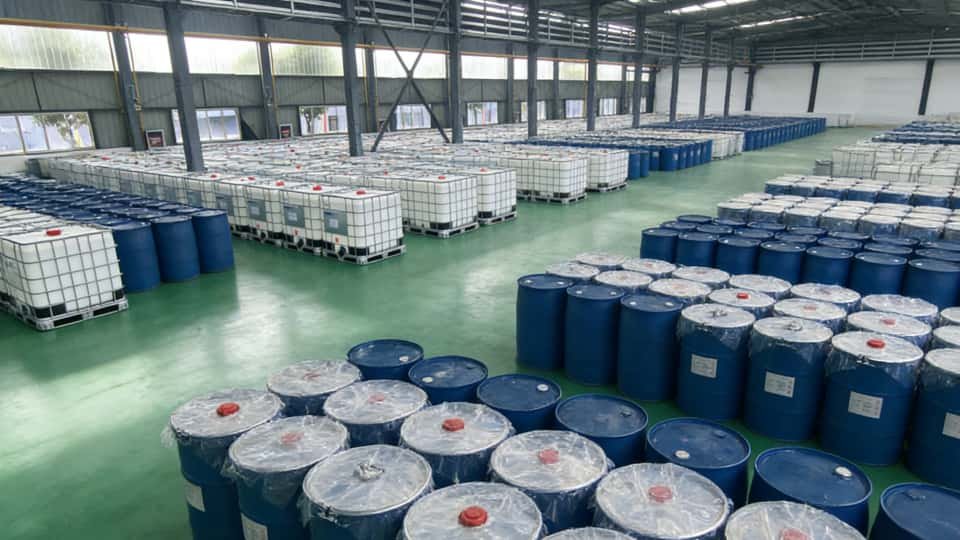
Products are stored under controlled conditions with standardized packaging, enabling efficient order fulfillment and reliable global delivery.

Clear communication and application-focused support, helping customers select suitable products and streamline procurement.
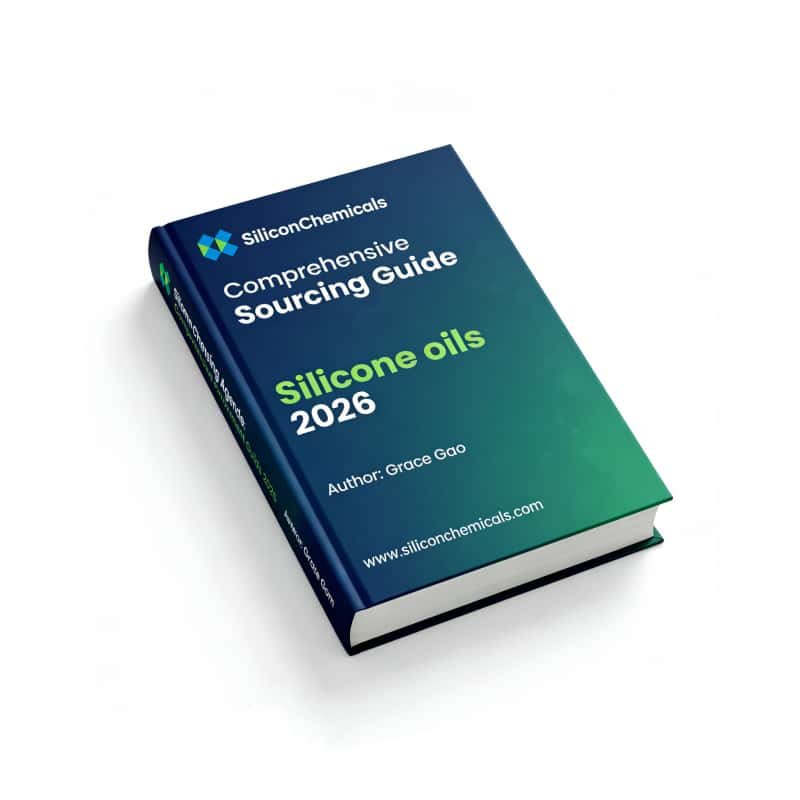
Navigate the complexities of the global Silicone Oil market. This definitive report provides actionable insights, vetted supplier landscapes, and strategic sourcing methodologies to optimize your supply chain in the year ahead.