Product Range & Functional Classification
Isocyanato silanes are high-reactivity silane coupling agents designed for systems where chemical bonding, fast reaction, and durable adhesion are critical. By combining an isocyanate (–NCO) group with hydrolyzable alkoxy silane functionality, they enable effective coupling between organic polymers and inorganic substrates, particularly in polyurethane and moisture-curable formulations.
They are most commonly used in PU adhesives, sealants, coatings, and composite materials, where performance depends on both interfacial bonding and network integrity.
Product Range
The Isocyanato Silanes product range typically includes:
- Isocyanatopropyl alkoxysilanes optimized for polyurethane and moisture-curable systems
- Variants with trimethoxy and triethoxy structures to balance reactivity, hydrolysis rate, and processing stability
- Products supplied as neat liquids to preserve reactivity and ensure precise formulation control
This range allows formulators to select isocyanato silanes suited to different curing mechanisms, moisture exposure levels, and processing windows.
Functional Classification
(Reactivity & Application Perspective)
From a functional standpoint, isocyanato silanes can be classified as:
- High-reactivity isocyanato silanes
Provide rapid reaction with hydroxyl- or amine-containing polymers, enabling strong adhesion and fast property development. - Controlled-reactivity isocyanato silanes
Offer improved processing stability and moisture tolerance while maintaining effective coupling performance.
Selection is typically guided by polymer chemistry (especially PU systems), curing method, environmental moisture conditions, and required adhesion strength and durability.
In summary, isocyanato silanes are selected when strong chemical bonding, fast reaction kinetics, and long-term interfacial durability are required—making them a key functional silane class for polyurethane-based and moisture-curable applications.
Siliconchemicals Isocyanato silanes
Siliconchemicals Isocyanato Silanes deliver high reactivity and durable chemical coupling for polyurethane and moisture-curable systems.
- Rapid chemical bonding with hydroxyl- and amine-containing polymers
- Strong adhesion to inorganic substrates via silane anchoring
- Enhanced mechanical strength and durability in PU adhesives and sealants
- Improved moisture and aging resistance for long-term performance
- Stable, consistent quality suitable for industrial production
Designed for applications where fast reaction, strong adhesion, and reliable performance are critical.
Contact Siliconchemicals to discuss your application needs, request technical data, or explore customized amino silane solutions tailored to your formulation and processing requirements.
Chemical Structure & Functional Mechanism
Isocyanato silanes combine highly reactive isocyanate chemistry with silane coupling functionality in a single molecule, enabling strong and durable bonding in polyurethane and moisture-curable systems.
Chemical Structure
A typical isocyanato silane consists of:
- Isocyanate group (–NCO)
Highly reactive toward hydroxyl and amine groups, forming urethane or urea linkages that integrate the silane into polymer networks. - Alkoxy silane group (–Si–OR)
Hydrolyzes and condenses to form stable chemical bonds with hydroxylated inorganic surfaces such as glass, silica, minerals, and metal oxides.
Functional Mechanism
- Polymer Reaction
The isocyanate group reacts rapidly with polyols, amines, or moisture, becoming chemically incorporated into the organic polymer matrix. - Hydrolysis and Surface Bonding
Alkoxy groups hydrolyze to silanols and condense with inorganic surface hydroxyl groups, forming durable Si–O–Si or Si–O–Metal bonds. - Interfacial Network Formation
These simultaneous reactions create a permanent chemical bridge between organic polymers and inorganic substrates.
Effect
This dual-reaction mechanism delivers:
- Strong and durable interfacial adhesion
- Improved mechanical strength and cohesion
- Enhanced resistance to moisture, heat, and environmental aging
- Reliable long-term performance in bonded and coated systems
Isocyanato silanes therefore function as high-reactivity coupling agents, making them essential for polyurethane-based adhesives, sealants, coatings, and composite applications where interfacial integrity is critical.
Key Performance Benefits & Functional Advantages
Isocyanato silanes deliver fast-reacting, durable chemical coupling in polyurethane and moisture-curable systems, providing the following functional advantages:
- Rapid and efficient chemical bonding with hydroxyl- and amine-containing polymers
- Strong adhesion to inorganic substrates, including glass, silica, minerals, and metal oxides
- Improved mechanical strength and cohesion in cured adhesive and sealant systems
- Enhanced moisture, heat, and aging resistance, supporting long-term durability
- Reduced interfacial failure under thermal cycling and mechanical stress
- Stable processing and predictable performance when properly handled and dosed
These benefits make isocyanato silanes especially effective in polyurethane adhesives, moisture-curable sealants, protective coatings, and composite materials where high reactivity and reliable adhesion are essential.
Typical Applications
Isocyanato silanes are primarily used in systems where high reactivity, strong adhesion, and durable interfacial bonding are required, including:
- Polyurethane (PU) adhesives and sealants, especially moisture-curable and one-component systems
- Structural and elastic adhesives requiring rapid bonding and long-term durability
- Industrial and protective coatings for improved adhesion to mineral and metal substrates
- Composite materials involving glass fibers, mineral fillers, or inorganic reinforcements
- Surface treatment of inorganic fillers and substrates to enhance compatibility with PU and reactive resin systems
- Construction and assembly applications exposed to moisture, heat, and environmental aging
Isocyanato silanes are particularly effective in applications where chemical bonding—rather than physical adhesion—is essential for long-term performance and reliability.
Why Use Isocyanato silanes ?
Isocyanato silanes are selected when applications require fast chemical reaction, strong interfacial bonding, and long-term durability, especially in polyurethane and moisture-curable systems.
- Enable true chemical bonding
The isocyanate (–NCO) group reacts directly with hydroxyl- and amine-containing polymers, forming urethane or urea linkages rather than relying on physical adhesion. - Improve adhesion to inorganic substrates
Silane functionality anchors chemically to glass, silica, minerals, and metal oxides, creating a permanent organic–inorganic interface. - Enhance mechanical strength and cohesion
Strong interfacial bonding improves load transfer and reduces debonding under mechanical stress. - Support moisture-curable and one-component systems
Reactivity with moisture enables efficient curing and network formation in ambient conditions. - Increase durability and environmental resistance
Chemical coupling improves resistance to moisture, heat, and long-term aging.
In summary, isocyanato silanes are used when high reactivity, durable adhesion, and reliable long-term performance are required—making them essential in polyurethane adhesives, sealants, coatings, and composite applications.
How to Choose the Right Isocyanato silanes ?
Selecting the appropriate isocyanato silane requires aligning reactivity, processing conditions, and durability requirements with the target formulation—particularly in polyurethane and moisture-curable systems.
Choose isocyanato silanes by balancing reactivity, alkoxy structure, moisture sensitivity, and adhesion requirements. Proper selection ensures strong chemical bonding, stable processing, and reliable long-term performance in polyurethane and moisture-curable applications.
Packaging & Storage
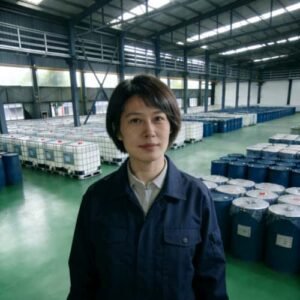
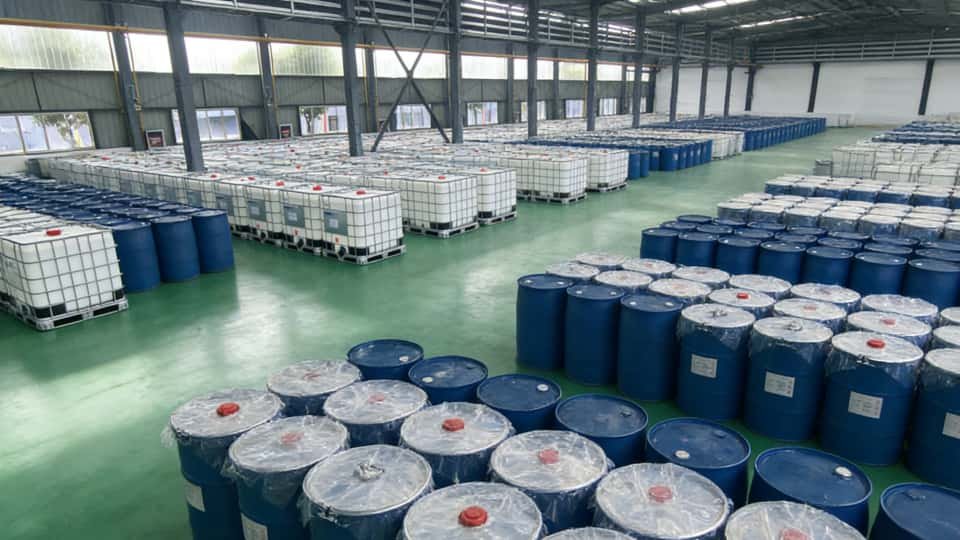
Packaging: 500 g / 1 kg / 5 kg / 25 kg / 200 kg drums / 1000L IBC container (Customized packaging is available).
Technical Support & End-to-End Delivery
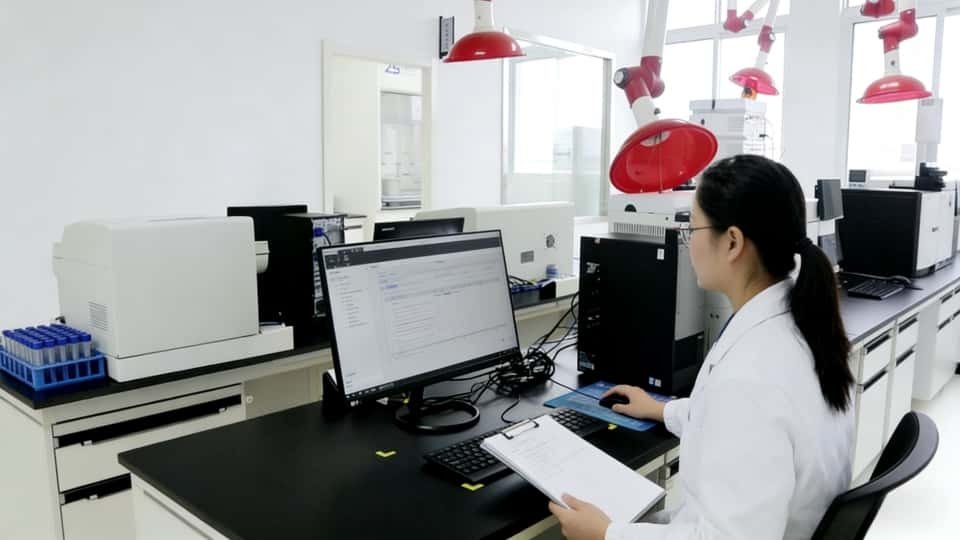
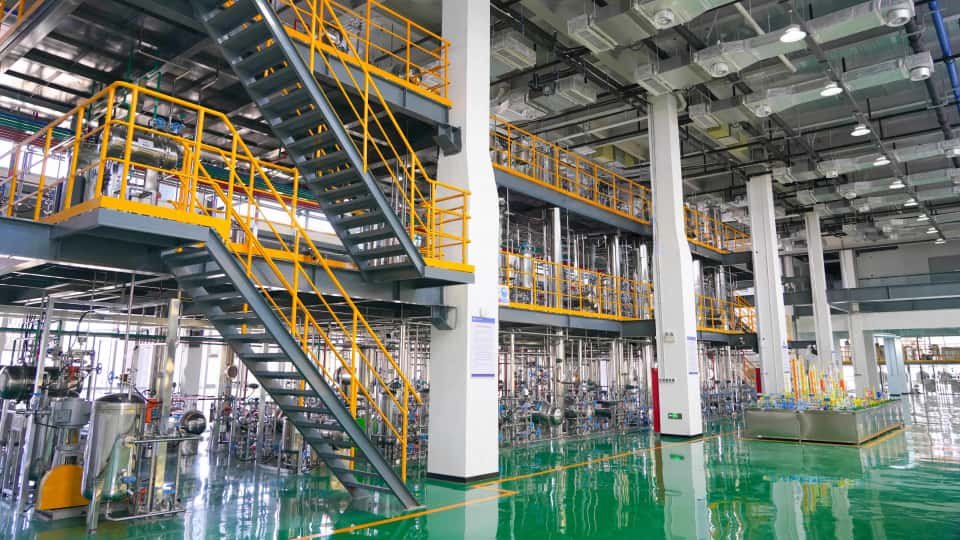
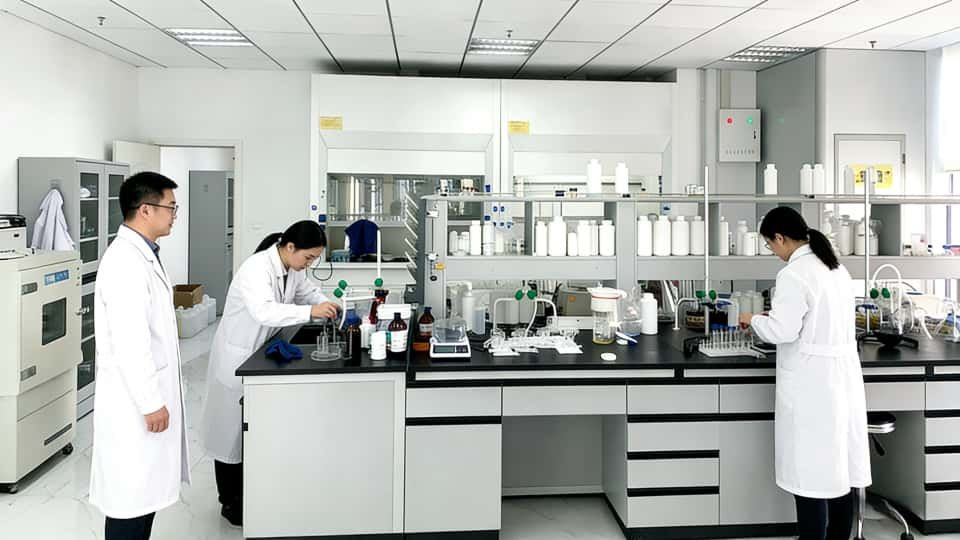
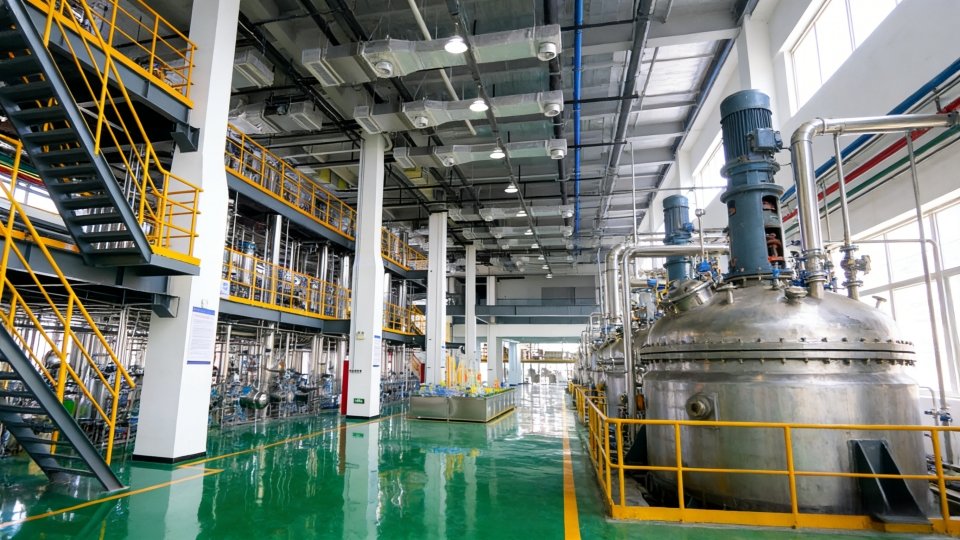
Selecting the right silane coupling agent is only the beginning. Successful implementation depends on a reliable end-to-end delivery process—from technical evaluation and product selection to production, quality control, and final shipment. Our integrated support model ensures consistent performance, stable supply, and efficient execution across global applications.
From technical selection to final shipment, we deliver silane coupling agents as a complete, reliable solution—not just a chemical product.
Contact us to discuss your application requirements, request samples, or initiate a customized silane supply program.
“The information provided herein is based on general industry experience and is intended for reference purposes only. Actual performance and optimal usage conditions may vary depending on formulation, processing methods, substrate characteristics, and end-use requirements. Users are responsible for conducting their own tests and evaluations to determine suitability for their specific applications. No warranty, express or implied, is made regarding the completeness, accuracy, or applicability of this information.”