Amino silanes are a key subclass of functional silane coupling agents characterized by the presence of one or more amino (–NH₂, –NH–, –NHR) functional groups attached to an organosilicon backbone. They are widely used to improve adhesion, compatibility, and interfacial bonding between inorganic substrates and organic polymer systems. From a materials-science perspective, amino silanes act as molecular bridges—chemically linking mineral surfaces (such as glass, silica, metals, or fillers) with organic matrices (such as resins, rubbers, adhesives, and coatings).
Siliconchemicals Amino Silanes are a comprehensive range of amino-functional silane coupling agents designed to enhance adhesion, interfacial bonding, and compatibility between inorganic substrates and organic polymer systems. Through their dual reactivity—hydrolyzable alkoxy groups and organic amino functionalities—amino silanes form durable chemical bridges that significantly improve material performance. These products are widely used in adhesives, coatings, composites, rubber, sealants, and surface treatment applications, where strong bonding, moisture resistance, and long-term durability are critical.
| Product Code | Chemical Name | CAS No. | Amino Type | Alkoxy / Structure Type | Product Form | Typical Content | Typical Applications |
|---|---|---|---|---|---|---|---|
| AS-A110 | 3-Aminopropyltriethoxysilane | 919-30-2 | Primary amino | Triethoxy | Neat liquid | ≥98% | Epoxy adhesives, coatings, composites |
| AS-A111 | 3-Aminopropyltrimethoxysilane | 13822-56-5 | Primary amino | Trimethoxy | Neat liquid | ≥97% | Adhesives, sealants |
| AS-A210 | 3-Aminopropylmethyldiethoxysilane | 3179-76-8 | Primary amino | Methyldiethoxy | Neat liquid | ≥96% | Rubber, surface treatment |
| AS-A212 | N-(2-Aminoethyl)-3-aminopropylmethyldimethoxysilane | 3069-29-2 | Diamino | Methyldimethoxy | Neat liquid | ≥97% | Structural adhesives, composites |
| AS-A112 | N-(2-Aminoethyl)-3-aminopropyltrimethoxysilane | 1760-24-3 | Diamino | Trimethoxy | Neat liquid | ≥97% | Epoxy systems, glass fiber |
| AS-A113 | Diethylenetriaminopropyltrimethoxysilane | 35141-30-1 | Polyamine | Trimethoxy | Neat liquid | ≥96% | Advanced composites, structural adhesives |
| AS-A116 | 3-Ureidopropyltrimethoxysilane | 23843-64-3 | Ureido-functional | Trimethoxy | Neat liquid | ≥96% | Mineral fillers, coatings |
| AS-A1161 | 3-Ureidopropyltriethoxysilane (50% in methanol) | 23779-32-0 | Ureido-functional | Triethoxy | Solution | 50% active | Filler surface treatment |
| AS-A117 | 3-Diethylaminopropyltrimethoxysilane | 41051-80-3 | Tertiary amino | Trimethoxy | Neat liquid | ≥96% | PU, rubber systems |
| AS-A118 | N-Phenylaminopropyltrimethoxysilane | 3068-76-6 | Aromatic amine | Trimethoxy | Neat liquid | ≥96% | High-temperature coatings |
| AS-A119 | N-(n-Butyl)-3-aminopropyltrimethoxysilane | 31024-56-3 | Secondary amino | Trimethoxy | Neat liquid | ≥96% | Adhesives, sealants |
| AS-1124 | Bis[3-(trimethoxysilyl)propyl]amine | 82985-35-1 | Secondary amino | Dual trimethoxy | Neat liquid | ≥96% | Silica-filled rubber |
| AS-479 | Diethylaminomethyltriethoxysilane | 15180-47-9 | Tertiary amino | Triethoxy | Neat liquid | ≥96% | Rubber modification, surface treatment |
| AS-AP110 | Bis(3-triethoxysilylpropyl)amine | 13497-18-2 | Secondary amino | Dual triethoxy | Neat liquid | ≥96% | Advanced fillers, rubber compounds |
| AS-A312 | Tertiary amino silane with special structure | N/A | Tertiary amino | Customized | Customized (neat or solution) | Customized | Specialty formulations |
| AS-A1121 | Mixture of silanes containing two amino groups | N/A | Diamino (mixture) | Mixed | Mixture | Customized | Multi-resin systems |
| AS-AC1128 | Silane containing amino and phenyl groups | N/A | Amino–phenyl | Customized | Customized (neat or solution) | Customized | High-performance coatings |
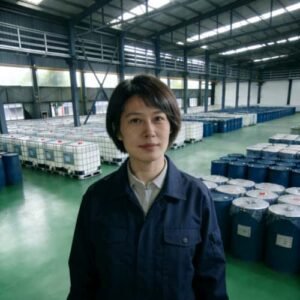
Amino silanes are a versatile class of amino-functional silane coupling agents designed to enhance interfacial bonding between inorganic substrates and organic polymer systems. They are widely applied across adhesives, coatings, composites, rubber, and surface-treatment formulations where reliable chemical coupling is essential.
From a functional perspective, amino silanes are generally classified according to amino functionality, which governs reactivity, stability, and end-use performance:
Depending on application and processing requirements, amino silanes are supplied as neat products, solutions, or customized blends, enabling flexibility across different formulation systems and manufacturing conditions. Final product selection is typically based on resin chemistry, processing parameters, and targeted performance outcomes.
Performance-Driven Solutions & Reliable Supply
Building on this broad functional foundation, Siliconchemicals Amino Silanes offer a comprehensive and well-balanced portfolio designed to support both standard industrial applications and specialized performance needs.
Siliconchemicals works closely with customers to support product selection, formulation optimization, and customized requirements, helping ensure reliable performance and long-term application success.
Contact Siliconchemicals to discuss your application needs, request technical data, or explore customized amino silane solutions tailored to your formulation and processing requirements.
Amino silanes typically follow the general structure:
R–Si(OR′)₃
The result is a durable, chemically integrated interface rather than simple physical adhesion.
mino silanes deliver multifunctional performance by forming strong chemical bridges between inorganic substrates and organic polymer systems. Their benefits include:
These advantages make amino silanes particularly effective in structural, high-performance, and durability-critical formulations, where long-term interfacial integrity is essential.
Amino silanes are widely used across industrial formulations where strong chemical bonding at the interface is required between inorganic substrates and organic polymers, including:
Amino silanes are particularly effective in applications where chemical coupling, rather than simple surface wetting, is essential to achieve reliable, long-term performance.
Amino silanes are multifunctional organosilicon compounds designed to chemically couple inorganic surfaces with organic polymers. Through hydrolysis, surface bonding, and amino-driven organic reactivity, they significantly improve adhesion, durability, and overall material performance across a wide range of industrial applications.
In modern composites, adhesives, coatings, and rubber systems, amino silanes are not optional additives—they are critical interface engineering tools that determine long-term reliability and performance.
Backed by strict quality control and consistent manufacturing standards, Siliconchemicals Amino Silanes are supplied with reliable specifications and technical documentation. Standard grades as well as customized structures and concentrations are available to meet specific formulation, processing, or regulatory requirements.
Amino silanes are used to solve one of the most critical challenges in materials engineering: creating a durable, reliable bond between inorganic surfaces and organic polymer systems. They function as true chemical coupling agents, not simple additives, delivering performance benefits that cannot be achieved through physical adhesion alone.
1. Enable True Chemical Coupling
Amino silanes form covalent bonds with hydroxylated inorganic surfaces (such as glass, silica, and minerals) while simultaneously interacting or reacting with organic resins. This dual reactivity creates a permanent molecular bridge across the interface.
2. Significantly Improve Adhesion and Strength
By strengthening the interface, amino silanes increase adhesion strength and mechanical performance, including tensile, flexural, and impact resistance. This is especially important in structural and load-bearing applications.
3. Enhance Moisture Resistance and Durability
Poor interfacial bonding is often the first point of failure under moisture, heat, or environmental exposure. Amino silanes improve moisture resistance, thermal stability, and long-term durability, extending service life.
4. Improve Filler and Fiber Performance
Amino silanes enhance dispersion and compatibility of fillers, pigments, and fibers within polymer matrices, leading to more uniform formulations and consistent product quality.
5. Reduce Interfacial Failure Under Stress
In systems exposed to thermal cycling, vibration, or mechanical load, amino silanes help prevent delamination, debonding, and interfacial cracking, improving reliability under real-world conditions.
6. Support Stable Processing and Formulation Consistency
Properly selected amino silanes contribute to stable processing behavior, controlled reactivity, and reproducible performance across batches and production scales.
Amino silanes are essential wherever long-term adhesion, durability, and performance depend on strong interfacial bonding. They are not optional modifiers, but key functional components in high-performance adhesives, coatings, composites, rubber, and surface treatment systems.
Begin by identifying the inorganic substrate to be treated or bonded:
Different substrates present varying surface hydroxyl densities, which directly affect silane anchoring efficiency. Amino silanes are most effective on hydroxyl-rich surfaces where true chemical bonding can occur.
The type of amino group determines reactivity with the organic matrix:
Resin compatibility (epoxy, polyurethane, phenolic, rubber, etc.) should always be confirmed, as over-reactivity can negatively affect processing or shelf life.
The alkoxy structure influences hydrolysis rate, stability, and processing window:
Environmental humidity, storage conditions, and application method all factor into this choice.
Processing constraints often determine whether a neat product, solution, or blend is most suitable:
Temperature, mixing sequence, and application method (pre-treatment vs in-formulation) should be considered at this stage.
Define the key performance targets clearly:
For structural or performance-critical applications, higher-functionality amino silanes or modified structures may be required to ensure long-term reliability.
Finally, practical considerations should not be overlooked:
Reliable technical support is often essential when scaling from laboratory evaluation to full industrial production.
Choosing the right amino silane requires a balanced evaluation of substrate chemistry, resin compatibility, alkoxy structure, processing conditions, and performance objectives. Proper selection ensures not only improved adhesion, but also long-term durability, processing stability, and consistent product performance.
Packaging: 500 g / 1 kg / 5 kg / 25 kg / 200 kg drums / 1000L IBC container (Customized packaging is available).
Selecting the right silane coupling agent is only the beginning. Successful implementation depends on a reliable end-to-end delivery process—from technical evaluation and product selection to production, quality control, and final shipment. Our integrated support model ensures consistent performance, stable supply, and efficient execution across global applications.
From technical selection to final shipment, we deliver silane coupling agents as a complete, reliable solution—not just a chemical product.
Contact us to discuss your application requirements, request samples, or initiate a customized silane supply program.
Disclaimer
“The information provided herein is based on general industry experience and is intended for reference purposes only. Actual performance and optimal usage conditions may vary depending on formulation, processing methods, substrate characteristics, and end-use requirements. Users are responsible for conducting their own tests and evaluations to determine suitability for their specific applications. No warranty, express or implied, is made regarding the completeness, accuracy, or applicability of this information.”
Selecting the right silane coupling agent is only the first step. Achieving optimal performance often requires application-specific evaluation and formulation optimization. Our technical team provides comprehensive support to ensure successful implementation across diverse material systems.
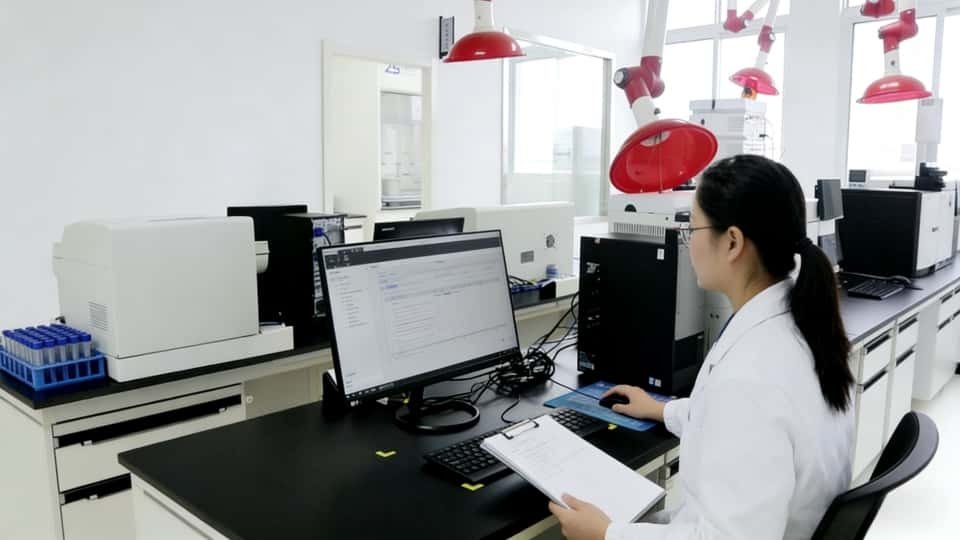
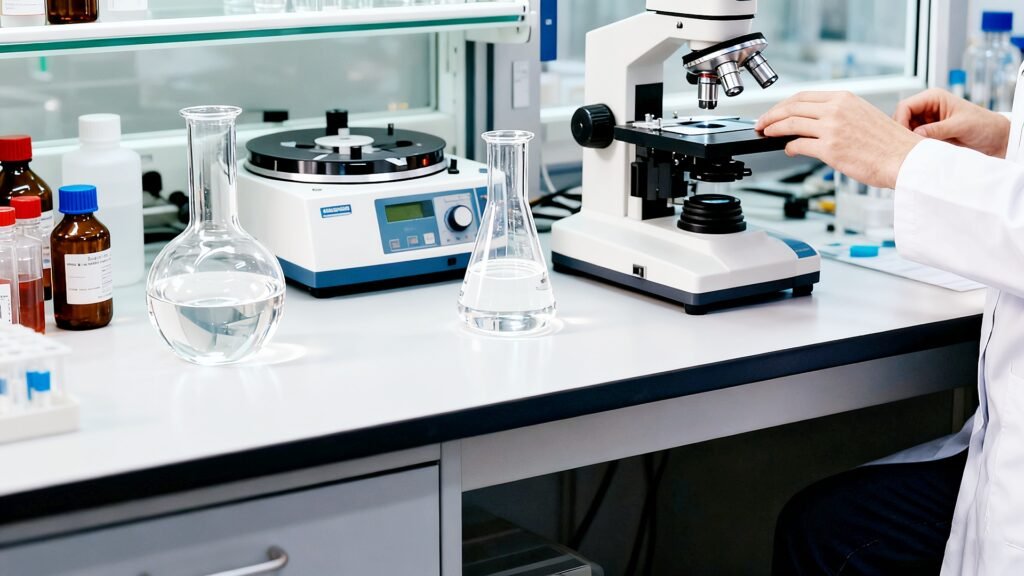
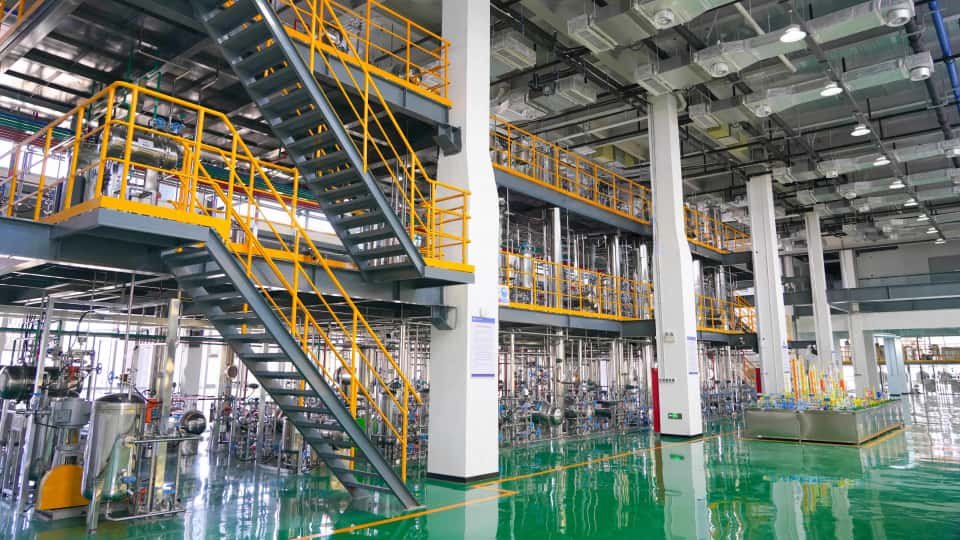

From Standard Supply to Customized Requirements
Built on technical expertise, manufacturing capability, and reliable supply
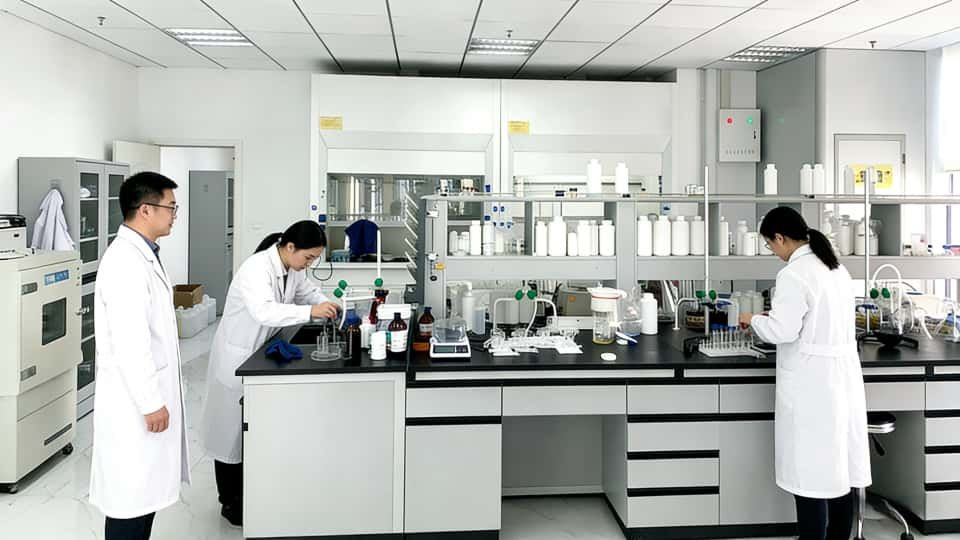
Supports batch quality verification & application-oriented testing, ensuring consistent performance & reliable product quality.
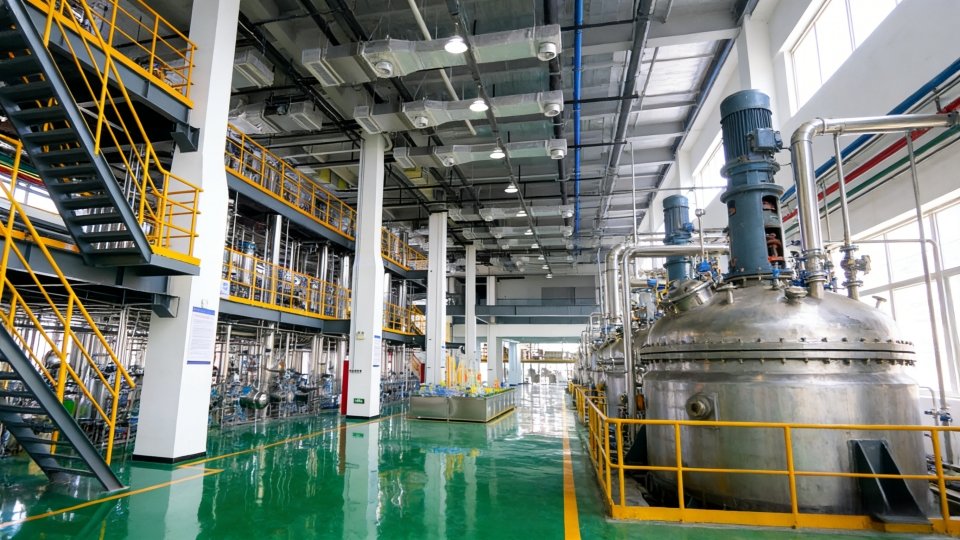
Stable, scalable manufacturing with standardized processes, supporting both regular supply and bulk industrial demand.
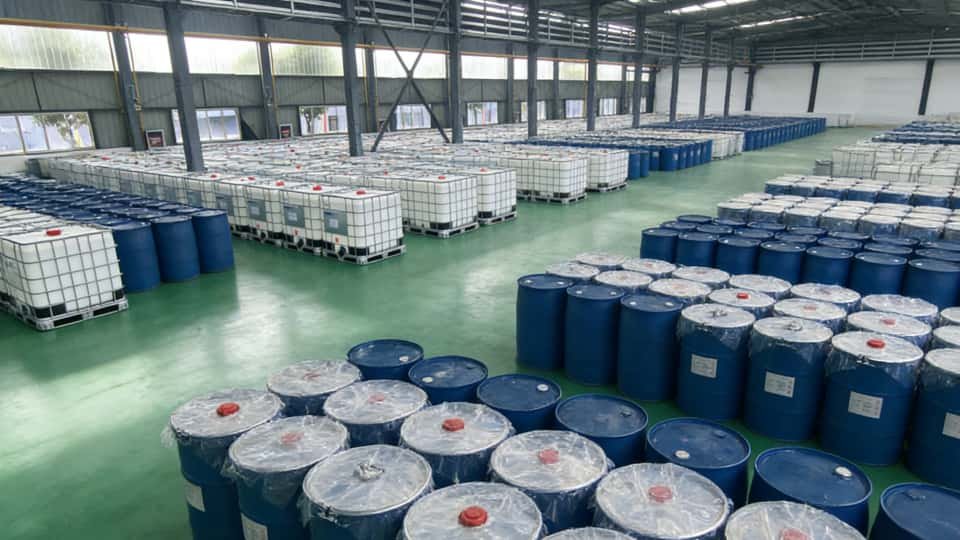
Products are stored under controlled conditions with standardized packaging, enabling efficient order fulfillment and reliable global delivery.

Clear communication and application-focused support, helping customers select suitable products and streamline procurement.

Navigate the complexities of the global silane market. This definitive report provides actionable insights, vetted supplier landscapes, and strategic sourcing methodologies to optimize your supply chain in the year ahead.