Blogs
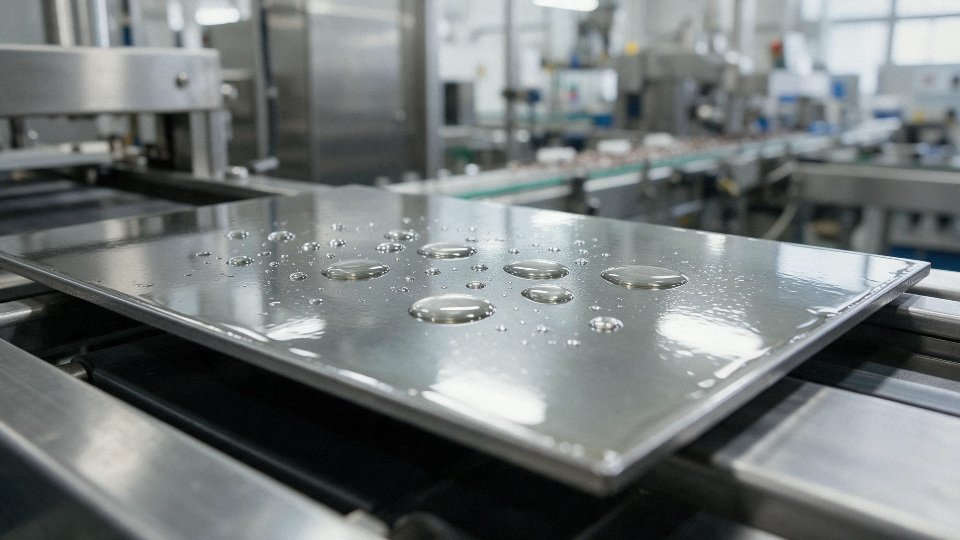
Why is silicone oil water repellent?
Learn why silicone oil is water repellent, how low surface energy prevents wetting, and what affects durable water repellency in real processes.

Learn why silicone oil is water repellent, how low surface energy prevents wetting, and what affects durable water repellency in real processes.
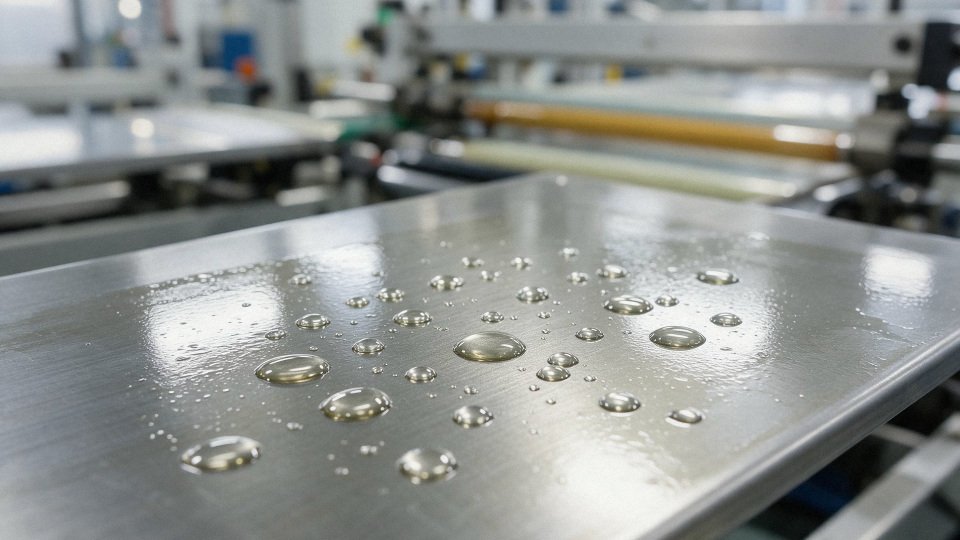
Is silicone oil hydrophobic? Learn how PDMS repels water, what affects performance, and how to choose the right silicone fluid for reliable results.
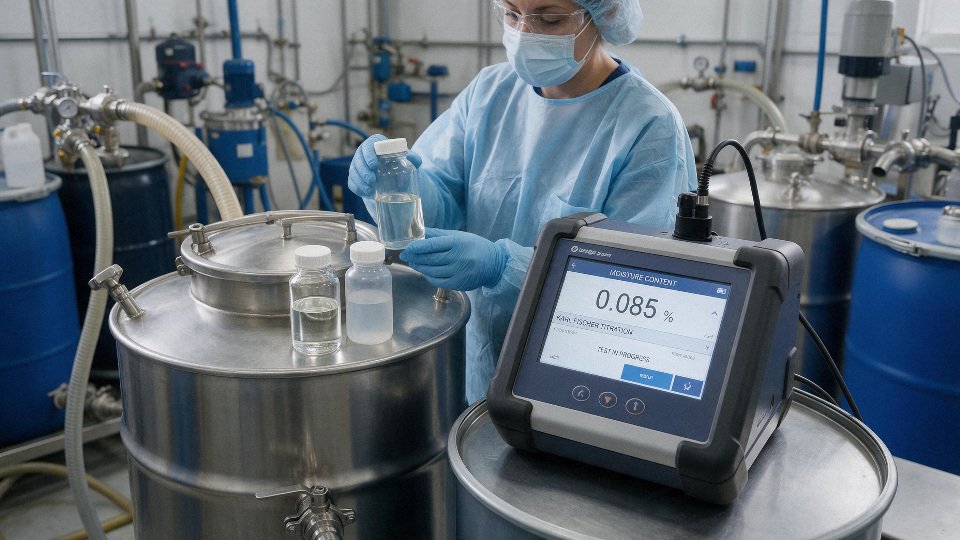
Does silicone oil absorb moisture? Learn how much water silicone oil can hold, when contamination matters, and how to prevent process issues.
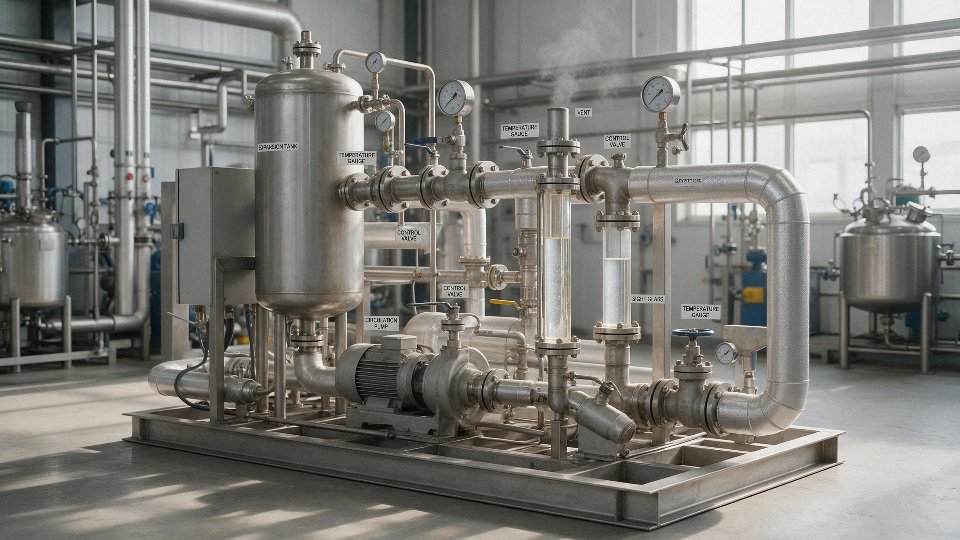
Learn the thermal stability of silicone oil, typical 150-200 C continuous use, and what affects oxidation, deposits, viscosity drift, and service life.
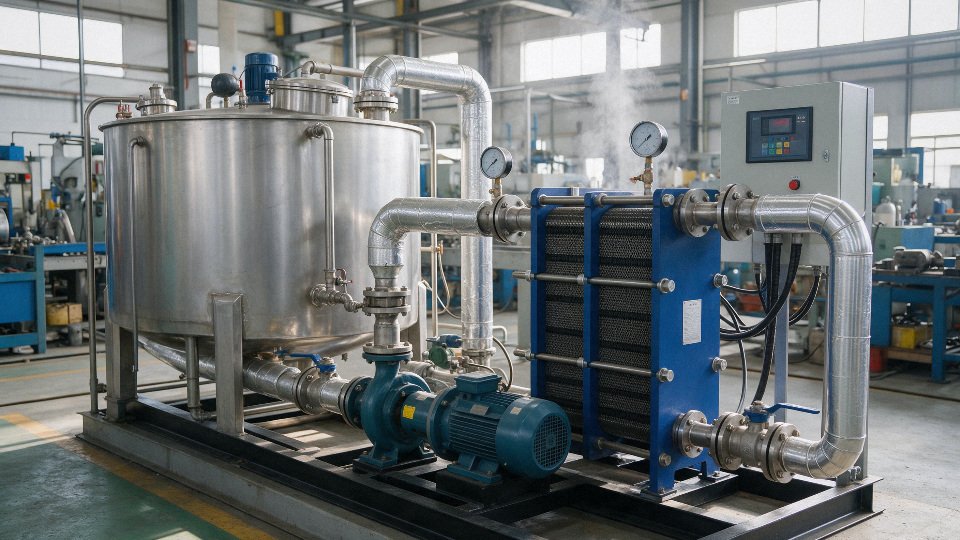
Learn what temperature silicone oil can withstand, typical operating limits, and how system design affects fluid life, stability, and safety.
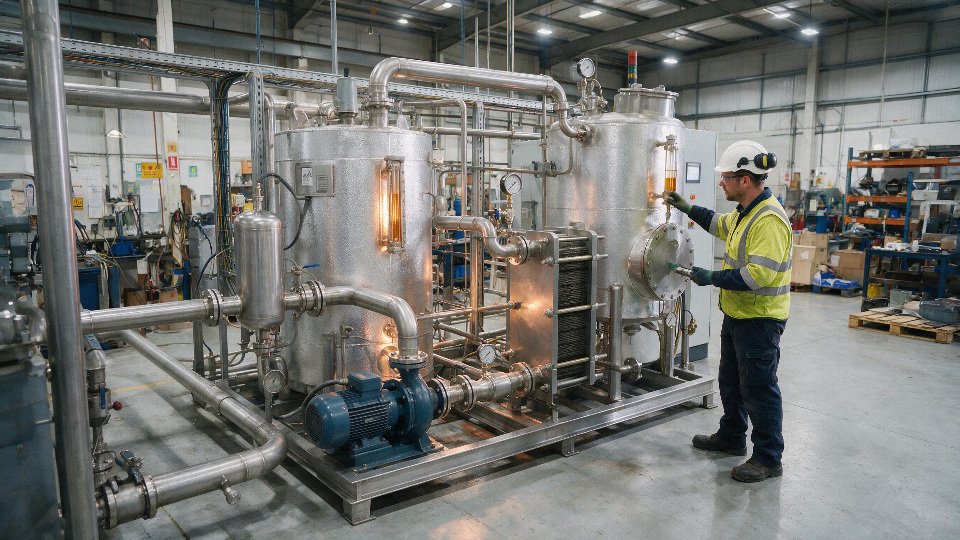
Learn what happens when silicone oil is heated, including viscosity changes, oxidation, volatilization, and how to avoid fluid failure.

Does silicone oil degrade over time? Learn the main causes, warning signs, and how to extend fluid life for stable heat transfer and lubrication.
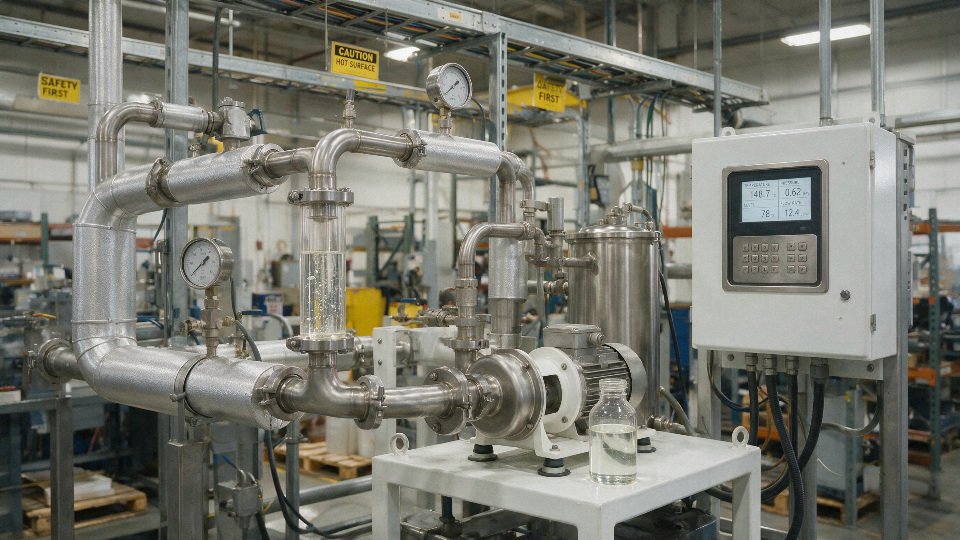
Learn whether silicone oil is chemically stable, what limits its performance, and how to prevent oxidation, contamination, and process failures.

Learn whether silicone oil reacts with alkali, when PDMS breaks down, and how to prevent viscosity loss, fouling, and process failures.
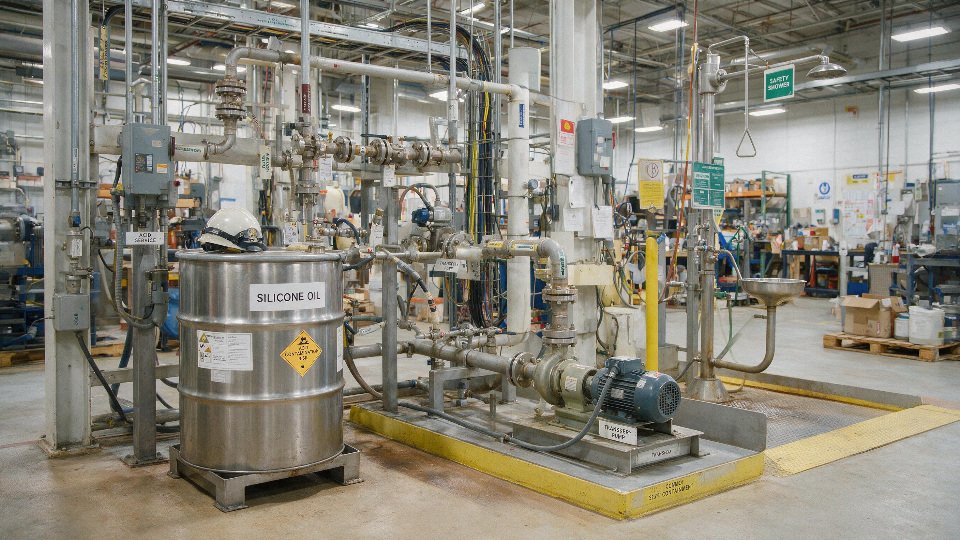
Does silicone oil react with acids? Learn when silicone oil resists acid exposure and when heat, water, and strong acids can cause viscosity change.