Adhesion failures at the filler-matrix interface, moisture-triggered delamination in composite panels, crumbling rubber compounds that won’t hold cure — these are plant-floor problems that cost real money in scrap rates, rework labor, and customer returns. Most of them trace back to a surface chemistry gap that bulk compounding cannot fix. Silanes close that gap, and understanding what they actually are determines whether you buy the right grade, treat at the right level, and get the result the data sheet promises.
Silanes are silicon-hydrogen or silicon-carbon compounds where silicon is the central atom bonded to hydrogen, organic groups, or reactive functional groups. The inorganic monosilane (SiH4) is a pyrophoric gas used in semiconductor deposition. The industrially dominant form — organosilanes — carries both an inorganic-reactive end that bonds to mineral surfaces and an organofunctional end that bonds to polymers, making them molecular bridges between otherwise incompatible materials.
That dual-reactive architecture is what makes the silane family genuinely unusual in industrial chemistry. A carbon-based coupling agent cannot replicate it; a plain surfactant cannot replicate it either. The Si–C bond energy runs around 435 kJ/mol — significantly higher than the C–C backbone bonds in many organic modifiers — which is part of why properly silane-treated composites outlast and outperform untreated equivalents under thermal and hydrolytic stress. What follows unpacks the chemistry, the commercial grades, and the practical decisions that determine whether silanes work for you or against your process.
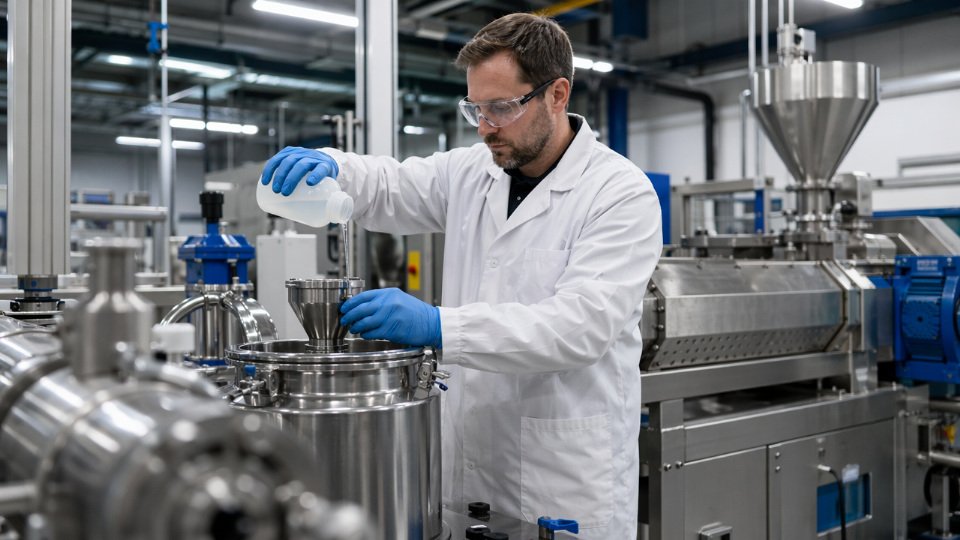
Precise Chemical Definition: What ‘Silane’ Actually Means Across Three Distinct Contexts
Walk into a procurement meeting and say “silane,” and three different engineers in the room will picture three completely different substances. That terminological blur causes real sourcing errors, formulation failures, and safety incidents. Pinning down exactly what each usage means is not pedantry — it is operational necessity.
Monosilane: SiH₄, the Parent Inorganic Hydride
The most rigorous use of “silane” refers specifically to monosilane, SiH₄ — molecular weight 32.12 g/mol, a colorless gas that boils at −112 °C and ignites spontaneously in air. That last property is not a minor footnote. Monosilane is pyrophoric: it requires no ignition source, and the energy barrier to oxidation is low enough that even trace moisture can initiate combustion in certain conditions. Semiconductor fabs handling SiH₄ for CVD polysilicon deposition run it through dedicated gas cabinets with continuous purge, flame detectors, and inert-gas dilution — not because of regulatory checkbox-ticking but because the consequences of a cabinet leak are immediate and severe.
The structural analogy to methane (CH₄) is genuinely useful as a starting point and genuinely misleading if taken too far. Like methane, SiH₄ is tetrahedral with four equivalent bonds to a central atom. Unlike methane, the Si–H bond dissociation energy sits around 318 kJ/mol, noticeably lower than the C–H bond (~414 kJ/mol). Silicon’s larger atomic radius, its accessible 3d orbitals, and its lower electronegativity relative to carbon all conspire to make SiH₄ far more reactive than methane toward nucleophiles, oxidants, and water. Treating it as “just a heavier methane” in process design is a classic and dangerous oversimplification.
The Broader IUPAC Class: Silicon Hydrides SinH(2n+2)
IUPAC defines silanes as the homologous series of silicon hydrides following the general formula SinH(2n+2) — directly parallel to alkanes. Disilane (Si₂H₆), trisilane (Si₃H₈), and higher oligomers exist and see niche industrial use, particularly in thin-film deposition where higher silanes deposit at lower temperatures than monosilane. Reactivity increases sharply up the series: trisilane ignites more readily than disilane, which ignites more readily than monosilane. In practice, when a process engineer specifies “silane” in a CVD context, they almost always mean SiH₄ unless a higher homolog is explicitly called out.
Organosilanes: Where the Commercial Volume Lives
Replace one or more of the hydrogen atoms on silicon with organic or functional groups, and you cross into organosilane territory — and into the commercial heart of the entire silane industry. The substitution can introduce alkyl groups (methyl, ethyl, propyl), aryl groups (phenyl), or reactive functional groups: alkoxy (–OCH₃, –OC₂H₅), amino (–NH₂, –NH–), epoxy, methacryloxy, mercapto, and others. Each functional group profile targets a specific interface chemistry, whether that is bonding glass fiber to an epoxy matrix, improving silica dispersion in a tire compound, or crosslinking a sealant cure system.
The defining bond shifts here. Inorganic silanes are characterized by the Si–H bond (~318 kJ/mol). Organosilanes are characterized by the Si–C bond, which is meaningfully stronger at approximately 435 kJ/mol — and that extra bond energy is precisely why organosilanes survive compounding temperatures, cure cycles, and service environments that would destroy a purely hydridic silane. The Si–O bonds formed during hydrolysis and condensation of alkoxysilanes add yet another layer of thermal and hydrolytic stability.
Four Silicon-Based Chemistries Side by Side
| Compound Class | Representative Formula Pattern | Physical State (25 °C) | Primary Industrial Use | Typical Hazard Class |
|---|---|---|---|---|
| Inorganic silane (SiH₄) | SiH₄ | Compressed gas | CVD semiconductor deposition | Pyrophoric gas (Division 2.1 + spontaneously flammable) |
| Chlorosilanes | RₙSiCl(4−n) | Liquid to fuming liquid | Silicone polymer intermediates, surface treatment | Corrosive / moisture-reactive |
| Alkoxysilanes | (RO)ₙSiR′(4−n) | Low-viscosity liquid | Coupling agents, crosslinkers, surface primers | Flammable liquid (varies by chain length) |
| Silicones | [R₂SiO]n backbone | Fluid, gel, or solid | Sealants, lubricants, release agents, elastomers | Generally low hazard |
The Si–C bond in organosilanes (~435 kJ/mol) is stronger than the Si–H bond in inorganic silane (~318 kJ/mol), which is why organosilanes retain structural integrity through polymer processing temperatures that would decompose purely hydridic silicon compounds.True
Bond dissociation energies are established values in silicon chemistry literature. The consequence for processing stability follows directly from bond thermodynamics and is consistent with observed behavior in compounding and cure applications.
Keeping these three contexts — monosilane the specific gas, the silicon hydride homologous series, and the broad organosilane family — clearly separated is the prerequisite for every technical and commercial decision that follows in this article.
Silicon, Silicone, and Silane: A Field Engineer’s Disambiguation Guide
These three terms share a root and appear in the same datasheets, yet they describe chemically and commercially distinct things. Confusing them costs real money — wrong material specified, wrong supplier contacted, wrong regulatory file submitted. Here is a grounded disambiguation that holds up on the plant floor.
The Elemental Starting Point: Silicon
Silicon (Si) is the second most abundant element in Earth’s crust at 27.7 wt%, beaten only by oxygen. The catch: it never appears as a free element in nature. Every gram of industrial silicon begins as SiO₂ — quartz, quartzite, or silicate minerals — and must be chemically reduced before it becomes useful to the organosilicon industry.
That reduction happens in a submerged-arc furnace, where quartzite reacts with carbon-based reductants (coal, coke, wood chips) at roughly 1,500–1,800 °C. The product, metallurgical-grade silicon (MG-Si), runs 98–99% pure. Energy intensity is substantial: expect 12–14 MWh per metric ton of silicon produced, a figure that shifts with furnace design, raw material moisture content, and electrode condition. This energy cost is embedded in every downstream silane and silicone product price — which is why power tariffs in silicon-producing regions directly affect organosilicon spot pricing.
Chlorosilanes: The Industrial Bridge
MG-Si does not become a useful chemical directly. The critical intermediate step is reaction with methyl chloride (or hydrogen chloride) in a fluidized-bed reactor — the Müller-Rochow process — which produces a mixture of chlorosilanes: dimethyldichlorosilane (Me₂SiCl₂), methyltrichlorosilane (CH₃SiCl₃), silicon tetrachloride (SiCl₄), and smaller quantities of other chlorinated species. Fractional distillation separates these cuts.
Dimethyldichlorosilane is the dominant product and the primary monomer for silicone polymer chains. SiCl₄ feeds optical fiber production and some silane coupling agent routes. CH₃SiCl₃ goes into resins and surface treatments. This chlorosilane slate is the upstream foundation from which both silanes and silicones branch — they are not parallel supply chains but sequential ones.
China accounts for roughly 70–75% of global PDMS production capacity as of 2024True
China's integrated organosilicon industrial clusters in Xinghuo (Jilin), Zhejiang, and Yunnan, combined with captive MG-Si production and aggressive capacity expansion through the 2010s and early 2020s, have concentrated polydimethylsiloxane manufacturing to an estimated 70–75% of global capacity, a figure cited across industry capacity trackers and trade publications.
Silicones Are Polymers; Silanes Are Not
Silicones — properly called polysiloxanes — are polymers built on a repeating inorganic –Si–O–Si– backbone, with organic groups (typically methyl, phenyl, or vinyl) attached to silicon. Polydimethylsiloxane (PDMS) is the most familiar example: flexible, thermally stable from roughly −60 °C to 200 °C (or higher for crosslinked grades), and chemically inert across a wide pH range.
Silanes, by contrast, are monomeric or small-molecule species. A silane coupling agent like 3-aminopropyltriethoxysilane (APTES) does not form a polymer backbone — it bridges an inorganic surface and an organic matrix at the interface. It is consumed in that function. A silicone sealant builds its mechanical body from polymerized siloxane chains.
The practical decision rule is straightforward:
| You need… | Reach for… |
|---|---|
| Adhesion promotion, filler surface treatment, composite coupling | Organosilane / [silane coupling agent](https://siliconchemicals.com/silane-coupling-agents/) |
| Flexible sealant, release coating, heat-stable fluid or elastomer | Silicone (polysiloxane) |
| CVD precursor gas for semiconductor deposition | Monosilane SiH₄ |
| Intermediate for silicone monomer synthesis | Chlorosilane (Me₂SiCl₂, SiCl₄) |
Why the Mix-Up Happens — and Why It Matters
Both silanes and silicones come from the same supply chain origin, are often sold by the same distributors, and share silicon as a root word in casual conversation. A procurement manager who specifies “silicone coupling agent” will either receive a correction, a wrong product, or — worst — silence from a supplier who makes assumptions. Specifying by function first (surface treatment vs. sealant vs. CVD precursor) and chemistry second eliminates most sourcing errors before they reach the warehouse.
How [Silane Coupling Agents](https://siliconchemicals.com/silane-coupling-agents/) Work: The Bifunctional Bridge Mechanism Step by Step
The commercial value of silane coupling agents rests on a single structural principle: one molecule that speaks two chemical languages simultaneously. Understanding the mechanism at a working level — not just memorizing the formula — is what separates correct specification from costly reformulation.
The X₃Si–(CH₂)n–Y Architecture
Every silane coupling agent follows the general notation X₃Si–(CH₂)n–Y. The X groups are hydrolyzable, most commonly methoxy (–OCH₃) or ethoxy (–OC₂H₅). The organic spacer chain (CH₂)n, typically n = 1–3, provides conformational flexibility and keeps the two reactive ends from sterically interfering with each other. The Y group is the organofunctional terminus — selected specifically to co-react with your polymer matrix, not just any resin.
Choosing the wrong Y group is probably the most common formulation error in composite manufacturing. An aminosilane in a peroxide-cured rubber system will not develop the intended covalent bond to the matrix; you get a weaker, moisture-sensitive interphase that often goes undetected until the part fails under humidity cycling.
Stage 1: Hydrolysis and Condensation onto the Inorganic Surface
In the presence of moisture — ambient humidity is often sufficient, though controlled aqueous treatment is more reliable — the X alkoxy groups hydrolyze to form reactive silanol species (Si–OH). This hydrolysis rate depends on pH (accelerated below ~4 and above ~8), temperature, and whether methoxy or ethoxy groups are used; methoxysilanes hydrolyze roughly 3–5× faster than their ethoxy counterparts under neutral conditions.
The resulting silanols then condense onto hydroxyl groups present on glass fiber, silica, metal oxide surfaces, or any hydroxyl-bearing inorganic substrate. The product is a covalent Si–O–Metal (or Si–O–Si) bond at the surface. A partial multilayer of silane can also form through Si–OH self-condensation, which at controlled treat rates contributes to interphase thickness without causing the brittleness that excessive loading creates.
Silane coupling agents form covalent Si–O–Metal bonds with hydroxyl-bearing inorganic surfaces during the hydrolysis-condensation step.True
This is well-established organosilane surface chemistry; the Si–O bond formed is covalent and significantly more hydrolytically stable than hydrogen-bonded or physisorbed interfaces, which is the mechanistic basis for improved wet-aged adhesion.
Stage 2: Reaction of the Y Group with the Organic Matrix
Once the silane is anchored to the inorganic surface, the Y group reacts into the polymer during processing. Reaction pathways vary by functional type: aminosilanes open epoxy rings or hydrogen-bond then crosslink with polyurethane and polyamide; vinylsilanes co-polymerize under peroxide or radiation cure into polyethylene or rubber networks; epoxysilanes react with amine hardeners in epoxy resin systems; methacrylsilanes participate in free-radical polymerization with unsaturated polyester and acrylic matrices; mercaptosilanes — and their blocked sulfido variants, which release active mercaptan only at vulcanization temperatures — react into sulfur-cured rubber with silica, which is the backbone of low-rolling-resistance tire technology.
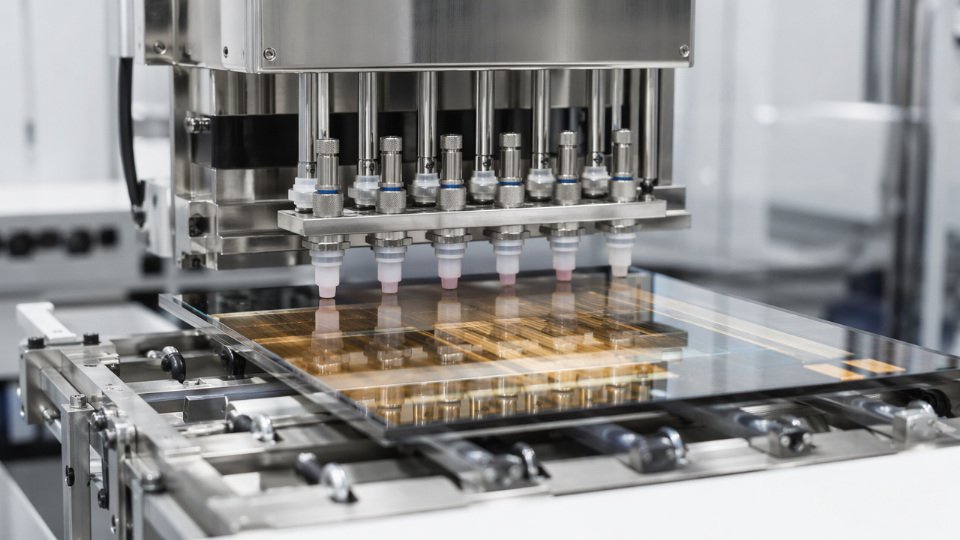
Schematic of silane coupling agent at a glass fiber/epoxy interface. Labeled callouts (left to right): “Hydrolyzable alkoxy groups (–OCH₃)” at the silicon center before hydrolysis; “Silanol formation (Si–OH)” showing the hydrolyzed intermediate; “Covalent bond to glass surface (Si–O–Si)” at the inorganic substrate; “Organic spacer chain” along the (CH₂)n segment; “Organofunctional group (–Y) bonded to polymer matrix” at the resin side.
The Molecular Interphase and Why It Matters Mechanically
Between the bulk inorganic filler and the bulk polymer matrix lies the interphase region — typically 10–100 nm thick depending on silane loading, surface area of the filler, and cure conditions. This zone is not simply a boundary; it is a graded, covalently integrated layer that distributes stress across molecular dimensions rather than concentrating it at a sharp interface.
An untreated glass fiber/epoxy interface fails preferentially under stress because moisture penetrates the hydrophilic gap, plasticizes the adhesion zone, and creates a path for crack propagation. A properly silanized interface resists this failure mode. Flexural strength retention after wet aging — immersion at 70 °C for 500–1000 hours is a common test window — can be 30–60% higher for treated versus untreated composites, though the exact spread depends on fiber surface chemistry, resin system, and post-cure schedule.
Performance Impact in Silica-Filled Rubber: A Concrete Reference Point
For tire manufacturers and rubber compounders, the numbers are commercially decisive. Proper silane treatment of precipitated silica filler — using blocked mercaptosilanes or bis-silyl polysulfides at typical treat rates of 0.1–2.0 wt% relative to filler loading — can reduce rolling resistance by 15–25% and improve wet-grip index by 10–20% compared with carbon black or untreated silica compounds. Rolling resistance reduction translates directly to fuel efficiency ratings; wet-grip index is a regulated safety parameter in EU tire labeling. Getting the silane type, loading, and mixing temperature window right is not optional — insufficient treat rate leaves unreacted silica surface that raises compound viscosity and generates heat; over-treatment causes premature scorch during mixing.
Functional Type Selection Reference
| Functional Group (Y) | Primary Target Matrix | Typical Bond Mechanism |
|---|---|---|
| Amino (–NH₂, –NH–) | Epoxy, polyurethane, polyamide | Ring-opening, hydrogen bond then crosslink |
| Vinyl (–CH=CH₂) | Peroxide-cured rubber, PE, EVA | Free-radical co-polymerization |
| Epoxy/glycidoxy | Epoxy resins, mineral fillers | Amine or anhydride ring-opening |
| Methacryl | Unsaturated polyester, acrylic | Free-radical polymerization |
| Mercapto / blocked mercapto | Sulfur-cured rubber, silica tires | Sulfur crosslink network |
| Chloroalkyl | Specialty surface modification | Nucleophilic substitution |
Selecting the Y group before considering anything else about the silane is the correct sequence. Everything downstream — alkoxy type, chain length, loading level, application method — is secondary to chemical compatibility with the matrix cure chemistry.
Industrial Application Map: Where Silanes Are Actually Specified and Consumed
Silanes don’t stay in one industry. They cut across rubber compounding, semiconductor fabs, construction chemicals, and battery manufacturing — each sector drawing on a different functional class and demanding different purity grades, treat rates, and supply reliability. What follows is a sector-by-sector account of where silanes actually land on the purchase order.
Tire and Rubber
The Green Tire revolution of the post-1990s fundamentally changed how silanes are specified in rubber compounding. Replacing carbon black with precipitated silica as the reinforcing filler slashes rolling resistance and improves wet grip — but silica and rubber are chemically incompatible without a coupling agent. TESPT (bis[3-(triethoxysilyl)propyl] tetrasulfide) remains the workhorse grade for passenger car tires; TESPD (the disulfide analog) is preferred when processors need lower scorch risk at mixing temperatures above 150 °C.
Treat rates run 4–8 phr (parts per hundred rubber), depending on silica loading, mixer type, and the target compound property profile. Get that range wrong in either direction and you pay for it: under-dosing leaves unbonded silica that increases compound viscosity and degrades dynamic properties; over-dosing wastes a relatively expensive raw material and can cause processing problems through excessive ethanol release during mixing. Aminosilanes and mercaptosilanes are specified in specialty rubber goods — seals, hoses, vibration dampers — where aminosilane provides coupling to polar elastomers and mercaptosilane offers a faster cure response.
Composites and Adhesives
Vinylsilane and aminosilane are standard components in glass fiber sizing formulations. The sizing is applied to continuous glass rovings immediately after drawing, at concentrations typically well below 1 wt% of fiber, yet the effect on composite performance is decisive. In humid service conditions, unsized glass-fiber-reinforced polyester or epoxy laminates retain roughly 40–60% of dry tensile strength; properly sized fiber with an optimized silane system holds 85–95% retention under the same conditioning. That gap represents structural integrity in marine hulls, wind blade spars, and pressure vessels — not a specification footnote.
Semiconductor and Photovoltaics
This sector demands the highest purity grades and the most rigorous supply chain qualification. Monosilane (SiH₄) and dichlorosilane (SiH₂Cl₂) are the primary CVD precursors for polysilicon deposition in both semiconductor device manufacturing and photovoltaic cell production. TEOS (tetraethoxysilane) is the standard precursor for PECVD and LPCVD silicon dioxide dielectric layers. A single 300 mm wafer fab consumes an estimated 20–50 metric tons of silane precursors per year, a figure that scales with production volume, node geometry, and the number of deposition steps in the process flow.
Monosilane (SiH4) is classified as a pyrophoric gas and ignites spontaneously on contact with air.True
SiH4 has a reported autoignition temperature below ambient; it requires dedicated gas cabinet systems, leak detection, and emergency purge protocols in any fab or CVD installation. Handling procedures are non-negotiable and regulated under SEMI standards and local fire codes.
Supply disruptions here carry consequences measured in wafer starts, not just line-item cost.
Construction and Architectural Coatings
Isobutyltrimethoxysilane and octyltriethoxysilane penetrate concrete and masonry at pore depth, hydrolyzing to form a siloxane network that lines capillary walls without blocking them. That mechanism matters operationally: pore lining preserves vapor diffusion while stopping liquid water ingress, which means treated concrete still breathes. Performance is tested under EN 13580, with compliant treatments achieving greater than 90% reduction in water absorption. Specified correctly, a single treatment on a bridge deck or façade panel can extend maintenance intervals by years. Specified incorrectly — wrong silane chain length for the substrate porosity, wrong dilution, applied to damp concrete — and the treatment fails silently, with no visible sign until the next inspection cycle reveals carbonation or rebar corrosion.
Paints, Coatings, and Sealants
Epoxysilane and aminosilane adhesion promoters are formulated into automotive OEM primer systems to improve coating adhesion to aluminum and high-strength steel substrates, particularly after cathodic electrocoating. Silane-terminated polymers (STP) are now the active crosslinking component in MS-polymer sealants and hybrid adhesives — eliminating the isocyanate chemistry of conventional PU systems and the associated regulatory and workplace exposure constraints. STP sealants cure by moisture-driven silanol condensation, tolerating application on damp surfaces where PU systems would bubble or delaminate.
Personal Care and Specialty Applications
Aminosilane surface treatment of organic and inorganic pigments improves dispersion stability and compatibility with cosmetic binders. Silicone precursors contribute to hair-conditioning formulations through film-forming and friction-reducing mechanisms. Medical device coatings use biocompatible silane primers to prepare substrate surfaces for hydrophilic polymer coatings or antimicrobial treatments — applications where biocompatibility certification and lot-to-lot consistency are primary purchasing criteria, often more important than unit price.
Energy Storage
Since roughly 2020, vinyltrimethoxysilane (VTMS) and glycidoxypropyltrimethoxysilane (GPTMS) have attracted serious R&D and commercial interest as electrolyte additives and separator surface treatments in lithium-ion battery cells. The mechanism involves forming a stable, ion-permeable solid electrolyte interphase (SEI) layer on electrode surfaces, reducing capacity fade over charge-discharge cycles. Volumes per cell are small, but the scale of battery manufacturing — driven by EV and grid storage demand — translates those small treat rates into substantial aggregate consumption. This is the fastest-growing end-use segment in the silane market at present, and procurement teams at battery materials suppliers should be actively qualifying sources now rather than scrambling when production volumes ramp.
Key Physical and Chemical Properties That Determine Storage, Handling, and Formulation Strategy
Getting silane chemistry right on the plant floor starts with understanding the physical and chemical data behind the product datasheet. The numbers in the table below are not academic — they directly govern your storage protocol, formulation window, and the risk assessment your EHS team needs before the first drum is opened.
Representative Properties of Six Commercial Silanes
| Silane | Molecular Formula | MW (g/mol) | Boiling Point (°C) | Flash Point (°C) | Hydrolysis Rate | Primary Application |
|---|---|---|---|---|---|---|
| APTES | C₉H₂₃NO₃Si | 221.4 | 217 | ~96 | Moderate (ethoxy) | Epoxy/amine composites, surface primers |
| VTMS | C₅H₁₂O₃Si | 148.2 | 123 | ~28 | Fast (methoxy) | Polyethylene crosslinking, rubber |
| GPTMS | C₉H₂₀O₅Si | 236.3 | 290 | ~135 | Moderate (ethoxy) | Epoxy adhesives, coatings |
| TESPT (Si-69) | C₂₆H₅₄O₆S₄Si₂ | 686.1 | >200 (dec.) | ~182 | Slow (ethoxy) | Silica-reinforced tire compounds |
| IBTMS | C₇H₁₈O₃Si | 178.3 | 143 | ~32 | Fast (methoxy) | Hydrophobic masonry treatment |
| SiH₄ | SiH₄ | 32.1 | −112 | n/a (gas) | Rapid/violent | CVD semiconductors, solar cells |
Boiling points and flash points depend on purity and measurement method; values shown are typical for commercial-grade material at atmospheric pressure.
Hydrolysis Kinetics and Formulation Window
Trimethoxysilanes hydrolyze 3–5× faster than their triethoxy counterparts under identical pH and temperature conditions. The liberated alcohol differs — methanol versus ethanol — which matters both for regulatory compliance in enclosed spaces and for the reaction window available to the formulator.
The pH optimum for hydrolysis of alkoxysilanes sits in the range of 3.5–5.5. Below pH 3, the reaction still proceeds but hydrolyzed silanol groups can become protonated and less reactive toward the substrate. Above pH 7, condensation accelerates sharply, shortening your working pot life from hours to minutes. Waterborne coating formulators who ignore this narrow window often see gel formation in the tank rather than a bonded interphase on the substrate.
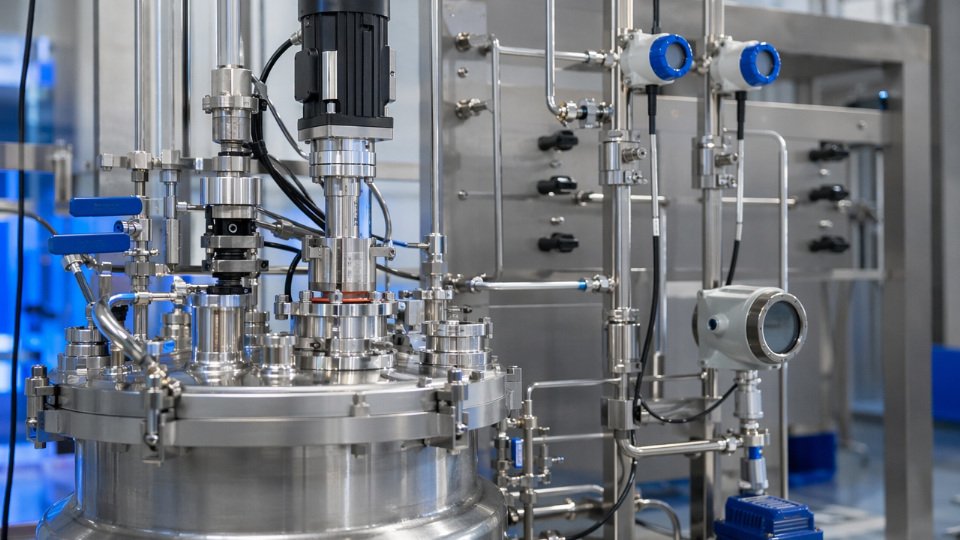
The Self-Condensation Problem
Once a silane hydrolyzes, the resulting silanol is competing against itself. Si–OH groups condense with each other to form polysiloxane oligomers at a rate that depends on concentration, pH, and temperature. A working solution above 2 wt% in water will begin forming these oligomers within minutes under neutral or alkaline conditions. The oligomers can still deposit on a surface, but they form a thick, loosely bonded polymeric layer rather than a dense covalent monolayer — coupling efficiency drops, and in fiber-reinforced composites that translates directly to reduced interlaminar shear strength and earlier fatigue failure.
Practical control: keep working solutions below 2 wt%, maintain pH between 4 and 5 with dilute acetic acid, and apply freshly prepared solutions within one to four hours of mixing, depending on the specific silane and ambient temperature.
Moisture Sensitivity and Storage Requirements
All alkoxysilanes will hydrolize in the presence of atmospheric moisture — slowly, but irreversibly. Commercial shelf life in sealed, dry containers is typically 12–24 months, contingent on storage temperature remaining below 30 °C and packaging integrity. Store under dry nitrogen blanket or with desiccant-sealed closures once a drum is opened.
Aminosilanes like APTES carry an additional risk: carbamation. Atmospheric CO₂ reacts with the free amine group to form a carbamate salt, blocking the very functionality you are paying for. A drum of APTES that has been repeatedly opened and resealed in a humid warehouse can lose 15–30% of its reactive amine content before it ever reaches the mixer. Smell alone will not tell you this has happened; titration or FTIR is required to confirm functionality.
Aminosilane carbamation can significantly reduce functional amine content after repeated atmospheric exposureTrue
The primary amine in aminosilanes such as APTES reacts with atmospheric CO₂ to form a carbamate (R-NH₂ + CO₂ → R-NH-COO⁻ + H⁺), blocking amine reactivity. This is well-documented in silane surface chemistry literature and is a recognized storage handling concern in industrial practice.
Flash Point, Fire Classification, and SiH₄ Hazard
Most trialkoxysilanes fall in the flash point range of 50–100 °C, though VTMS at ~28 °C and IBTMS at ~32 °C are classified as flammable liquids (NFPA 30 Class IB). That puts them in the same handling tier as toluene or ethyl acetate — bonded storage, grounded transfer equipment, no ignition sources within the containment zone.
SiH₄ is a different category entirely. It is pyrophoric: it can ignite spontaneously on contact with air at concentrations above roughly 1–3% by volume, with no ignition source required. Cylinder storage must be in a dedicated, ventilated gas cabinet with continuous point-of-use gas detection and automatic shutoff valves. Any facility migrating from organic chemical handling to SiH₄ service for a CVD process needs a full hazard review before the first cylinder arrives on site.
Low Viscosity: Handling Advantage and Containment Risk
Organosilane viscosity at 25 °C typically runs between 1 and 10 mPa·s — close to water. This low viscosity is operationally useful: it enables spray, dip, and roll-coat application without heated lines or specialized pumping. The downside is that silanes wick into porous substrates, joints, and concrete floor cracks readily. Over-application on a porous mineral substrate wastes material and, more importantly, can fill the surface pore structure with polysiloxane condensate, reducing rather than improving adhesion to subsequent coating layers. Secondary containment and controlled metering are not optional on lines handling low-viscosity silanes at scale.
Silane Manufacturing Routes and the China Supply Chain Advantage
Commercial silane production is not a single process — it is a cascade of interdependent chemical steps, each generating streams that feed the next stage. Understanding that cascade is essential for any procurement manager trying to evaluate supplier credibility or model supply risk.
The Müller-Rochow Direct Process: Where Almost Everything Starts
The industrial foundation for chlorosilane chemistry has been the Müller-Rochow Direct Process since the 1940s. Silicon metal reacts with methyl chloride (CH₃Cl) over a copper catalyst at 250–350 °C — the exact temperature depends on reactor design, catalyst promoter composition (zinc and tin are common co-promoters), and the desired product distribution. The output is not a single compound but a mixture: dimethyldichlorosilane (Me₂SiCl₂, the primary PDMS precursor, typically 70–85 wt% of the crude mix), methyltrichlorosilane (MeSiCl₃), and tetrachlorosilane (SiCl₄), along with trace higher silanes. Fractional distillation separates these streams. The relative yields shift with catalyst age and reactor temperature — a plant running a spent catalyst bed will see SiCl₄ yield climb and Me₂SiCl₂ selectivity fall, which directly affects downstream economics.
SiCl₄ was historically a byproduct headache. Today it is a feedstock for fumed silica, optical fiber preforms, and — critically — the starting point for trialkoxysilane coupling agent synthesis.
Hydrosilylation: The Route That Defines Coupling Agent Production
Most commercially important trialkoxysilane coupling agents are made by hydrosilylation. Trichlorosilane (HSiCl₃) adds across a terminal alkene in the presence of a platinum catalyst — either Speier’s catalyst (H₂PtCl₆ in isopropanol) or the more thermally stable Karstedt catalyst (a divinyltetramethyldisiloxane-Pt complex). Take GPTMS (3-glycidoxypropyltrimethoxysilane) as a worked example: allyl glycidyl ether reacts with HSiCl₃ under Pt catalysis to form the corresponding chloropropylsilane intermediate, which is then subjected to methanolysis to replace the Si–Cl bonds with Si–OCH₃ groups. Yield and purity are sensitive to Pt loading (typically in the ppm range), reaction temperature, and the quality of the allyl feedstock — residual allyl isomer content above a threshold causes selectivity losses and difficult-to-separate byproducts.
Hydrosilylation dominates trialkoxysilane production because it allows precise introduction of a wide range of organic functional groups onto the silicon center in a single, scalable step. The Pt catalyst is expensive and must be recovered where feasible; catalyst management is a real operating cost that separates efficient producers from marginal ones.
China’s Structural Position in Silicon Metal Supply
China produced approximately 75% of global silicon metal output in 2023, at roughly 3.2 million metric tons.True
China's dominance in silicon metal production is well-documented by industry analysts and trade bodies; the figure aligns with USGS and CRU Group tracking of global silicon metal trade flows.
That concentration is not accidental. Yunnan, Sichuan, and parts of Inner Mongolia sit near abundant hydroelectric capacity, which keeps electricity costs — the single largest variable cost in submerged-arc silicon smelting, often 40–55% of total production cost — structurally lower than in Europe or North America. Xinjiang contributes coal-power-based capacity that competes on absolute cost, though Xinjiang supply is subject to heightened regulatory scrutiny in certain export markets and buyers should factor that into sourcing decisions.
The consequence for global silane buyers is straightforward: the cost floor for chlorosilane intermediates is set in China, and producers outside China are generally operating at a 20–45% raw material cost disadvantage depending on energy price cycles.
SiliconChemicals’ Integrated Production Model
Vertical integration across the silane value chain is the single most reliable indicator of supply stability and quality consistency. SiliconChemicals operates from upstream silicon metal procurement through chlorosilane production and into organosilane synthesis, toll blending, and custom formulation. The in-house quality control laboratory runs GC for purity and isomer profiling, GC-MS for trace impurity identification, and ICP-OES for residual metal content — platinum catalyst residues in particular require monitoring because even low-ppb Pt levels can poison cure systems in some downstream applications. Full lot traceability from silicon metal batch to finished drum is documented, not assumed.
Supply Chain Risk Management for Global Buyers
Procurement teams sourcing silanes internationally should operate with 60–90 days of safety stock for Tier-1 grades — this is not conservative, it reflects realistic sea freight lead times plus port congestion variability. Key grades in SiliconChemicals’ catalog carry REACH registration (EU) and TSCA inventory listing (US), which eliminates the import compliance delay that catches buyers off-guard when switching suppliers. Packaging options span 200 L drums, 1,000 L IBC totes, and ISO tank containers; IBC and ISO tank shipments require UN-certified packaging documentation and compatibility confirmation for moisture-sensitive alkoxysilane grades, since headspace humidity ingress during a 30-day sea voyage can meaningfully degrade hydrolytic stability.
Environmental Compliance as a Procurement Factor
HCl is generated in large quantities during chlorosilane hydrolysis and alkoxysilane synthesis. A credible producer recovers it as aqueous hydrochloric acid for resale or recycles it via oxychlorination loops — discharging it as waste is both an environmental liability and a cost signal that the operation is not well-optimized. Closed-loop methanol recovery in alkoxysilane production reduces both solvent costs and VOC emissions. VOC abatement units are standard in compliant Chinese facilities. For customers with Scope 3 emissions reporting obligations, the ability to obtain verified emissions data from a supplier’s production site is increasingly a qualification criterion, not a nice-to-have. SiliconChemicals provides site-level environmental compliance documentation on request to support customers’ ESG supply chain audits.
Selecting the Right Silane Grade: A Decision Framework for Formulators and Procurement Teams
Getting the silane selection wrong costs more than the silane itself. Adhesion failures in the field, rejected batches from overtreatment, VOC compliance violations from specifying a monomeric alkoxysilane in a waterborne line — each of these traces back to a specification decision made too early with too little information. The framework below is meant to compress that decision cycle.
The Primary Selection Matrix: Substrate × Matrix Chemistry
The functional group on the silane’s organic end must react with, or at minimum be compatible with, the polymer matrix. The hydrolyzable end — typically methoxy or ethoxy — handles the substrate side. Start with the intersection of substrate and matrix:
| Substrate | Epoxy matrix | Polyurethane | Sulfur-cured rubber | Peroxide-cured rubber / polyolefin | Acrylic / UV-cure |
|---|---|---|---|---|---|
| Silica / glass | Aminosilane (APTES) or epoxysilane (GPTMS) | Aminosilane or isocyanate-functional | Bis-sulfido or mercaptosilane | Vinylsilane (VTMS, VTEO) | Methacryloxysilane (MAPTMS) |
| Metal oxide (Al, Ti, Fe) | Epoxysilane or aminosilane | Aminosilane | Polysulfidosilane | Vinylsilane | Methacryloxysilane |
| Calcium carbonate | Aminosilane (limited efficacy; stearic acid often preferred) | Aminosilane | Aminosilane at low treat rate | Vinylsilane | Acryloxy or vinyl |
| Carbon black | Aminosilane (surface oxidation sites) | Aminosilane | Polysulfidosilane (TESPT) | Vinylsilane | Limited — surface inertness constrains coupling |
Carbon black is the difficult substrate. Its surface oxidation is inconsistent lot to lot, so silane response varies. Confirm surface oxygen content (wt% by combustion or XPS) before committing to a silane-based system there.
Five Questions to Answer Before Requesting a Quote
1. What is the substrate surface chemistry? BET surface area and surface hydroxyl density determine treat rate; isoelectric point determines whether an aminosilane or an acidic functional silane bonds better. Silica at pH ~2 and alumina at pH ~9 behave very differently during hydrolysis.
2. What is the matrix cure chemistry? A mercaptosilane in a peroxide-cured system will interfere with radical cure — use a vinylsilane instead. Mismatching this single variable can reduce tensile strength by 30–60% versus the correct grade, with no obvious visual defect until the part is stressed.
3. Is the process waterborne or solvent-borne? Neat monomeric alkoxysilanes hydrolize and condense in waterborne systems within hours to days, destabilizing the bath. In solvent-borne or dry-blend processes, monomer is fine. In waterborne, specify a pre-hydrolyzed oligomeric silane solution (see below).
4. What are cure temperature and humidity conditions? Methoxy groups hydrolyze faster than ethoxy, which matters when cure temperatures are below 80 °C or ambient humidity is low. Cold, dry conditions slow crosslinking; specifying a methoxy-functional grade or adding a catalyst (dilute acetic acid at 0.1–0.5 wt%) compensates.
5. Is this a surface treatment, integral blend addition, or reactive diluent? Surface treatment (pre-treatment of filler before compounding) allows precise treat-rate control. Integral addition (silane added directly to the mixer) is operationally simpler but risks uneven distribution. Reactive diluent use in epoxy formulations is a third distinct application where the silane contributes to crosslink density — functional group equivalent weight then drives the loading calculation.
Treat Rate Optimization: The Monolayer Arithmetic
A trialkoxysilane occupies roughly 3–4 µmol/m² on activated silica. For a precipitated silica with 180 m²/g BET surface area, that works out to approximately 4–6 g silane per 100 g silica, depending on the silane’s molecular weight and the surface hydroxyl density of that specific silica grade.
Overtreating silane beyond monolayer coverage improves adhesionFalse
Excess silane condenses into polysiloxane multilayers that form a weak boundary layer, actually reducing adhesion and tensile performance. The monolayer target is a ceiling, not a floor to exceed.
Run a treat-rate sweep — typically 0.5×, 1×, 1.5×, and 2× of calculated monolayer — and measure tensile lap-shear or peel strength after wet conditioning. The peak is usually within 10–20% of theoretical monolayer. Above that, properties degrade and you are paying for material that actively hurts performance.
Commodity vs. Specialty Grades: When the Premium Is Justified
Standard grades — APTES (aminopropyltriethoxysilane), VTMS (vinyltrimethoxysilane), GPTMS (3-glycidoxypropyltrimethoxysilane) — run USD 3–12/kg in bulk volumes, depending on purity specification, order quantity, and market methanol pricing at the time. These cover the majority of glass fiber, silica-filled rubber, and general adhesion promotion applications.
Specialty grades carry a real cost step: blocked mercaptosilanes (which decouple compounding and cure temperature to reduce scorch), amino-functional oligomeric silanes (better bath stability, higher coupling density on metal oxides), and reactive oligomers with specific equivalent weights run USD 20–60/kg in equivalent volumes. The premium is justified when processing constraints make commodity grades unworkable — specifically, when scorch margin in rubber compounding is too tight for a free mercaptosilane, or when a waterborne coating bath needs 48+ hour stability that a monomer cannot deliver. Run the cost-per-kg comparison against rework rate and batch failure frequency; the economics usually close quickly.
Pre-Hydrolyzed and Oligomeric Silane Solutions for Waterborne Systems
These are partially condensed silane oligomers supplied as 15–50 wt% solutions in water-alcohol blends. The pre-condensation step has already done the hydrolysis work; what you add to the bath is a stable silanol-functional oligomer rather than an alkoxy monomer racing to condense on itself. Bath life extends from hours (monomer) to days or weeks (oligomer solution), VOC drops because most of the alcohol has already been removed or is present at low concentration, and the film formed on the substrate is more uniform.
The trade-off is cost — oligomeric solutions run 1.3–2× the price of equivalent monomer on an active-solids basis — and reduced flexibility in functional group selection since fewer functional groups are commercially available in oligomeric form.
Sample Qualification Sequence
Request a TDS and SDS before ordering any sample — if a supplier cannot provide both promptly, that is itself a qualification signal. Run a contact angle measurement on the treated substrate (a drop from ~80° untreated silica to below 30° after aminosilane treatment confirms adequate surface coverage). Follow with a tensile lap-shear test in the target matrix, then 72-hour water immersion or 1,000-hour salt spray depending on the end-use environment. Only after retained adhesion meets target should full compounding trials begin.
SiliconChemicals supplies lab-scale samples of 100–500 g for qualification across its silane coupling agent range, with batch-specific COA and application support from technical staff who work with the same grades in production — not just in a catalogue.
Safety, Regulatory Compliance, and Environmental Profile of Industrial Silanes
Silanes span a wide hazard spectrum — from gases that ignite spontaneously in air to liquids that are barely more hazardous than mineral oil. Getting this wrong at the receiving dock or in a formulation lab creates real consequences: flash fires, regulatory holds, VOC exceedances, and supply chain disqualifications. EHS managers and procurement teams need to categorize correctly before any approval is issued.
Hazard Classification by Physical Form
Monosilane (SiH4) and disilane (Si2H6) are pyrophoric gases: they ignite without an ignition source at room temperature in air. Handling requires Class 2.1 flammable gas protocols — dedicated cylinder storage with automatic gas detection (LEL sensors set to alarm at ≤10% of lower explosive limit), continuous purge systems in enclosed process areas, and emergency isolation valves on all feed lines. These gases are primarily semiconductor-grade materials and rarely appear in general industrial formulations, but any facility receiving them must treat them with the same rigor as silane-based specialty gas systems in semiconductor fabs.
Vinyltrimethoxy silane (VTMS) and methyltrimethoxy silane (MTMS) have flash points below 23 °C. They ship as Class 3 flammable liquids and require grounded, bonded containers, explosion-proof pumps, and exclusion of all ignition sources in storage and dispensing areas. These are among the highest-volume organosilane coupling agents, so this is not a niche concern.
3-Aminopropyltriethoxysilane (APTES) and glycidoxypropyltrimethoxysilane (GPTMS) fall in the combustible liquid range with flash points between roughly 60 °C and 100 °C. Handling is more forgiving, but open-flame work near heated process equipment still requires written permit procedures.
At the lower end of the hazard scale, long-chain silanes such as octyltriethoxysilane carry flash points above 100 °C. Routine spill and storage precautions apply, but these do not trigger flammable liquid transport classifications in most jurisdictions.
GHS Summary for Key Coupling Agents
| Silane (CAS) | Signal Word | Key H-Statements | P-Statement Highlights |
|---|---|---|---|
| VTMS (2768-02-7) | Danger | H225 (flammable liquid), H335 (respiratory irritant), H315, H319 | P210, P261, P280, P501 |
| APTES (919-30-2) | Warning | H226 (flammable liquid), H312, H315, H319, H335 | P260, P280, P303+P361 |
| GPTMS (2530-83-8) | Warning | H226, H315, H319 | P264, P280, P337+P313 |
| TESPT (40372-72-3) | Warning | H226, H302, H332, H315 | P261, P270, P280 |
| Octyltriethoxysilane (>100 °C fp) | Warning | H315, H319 | P264, P280, P337+P313 |
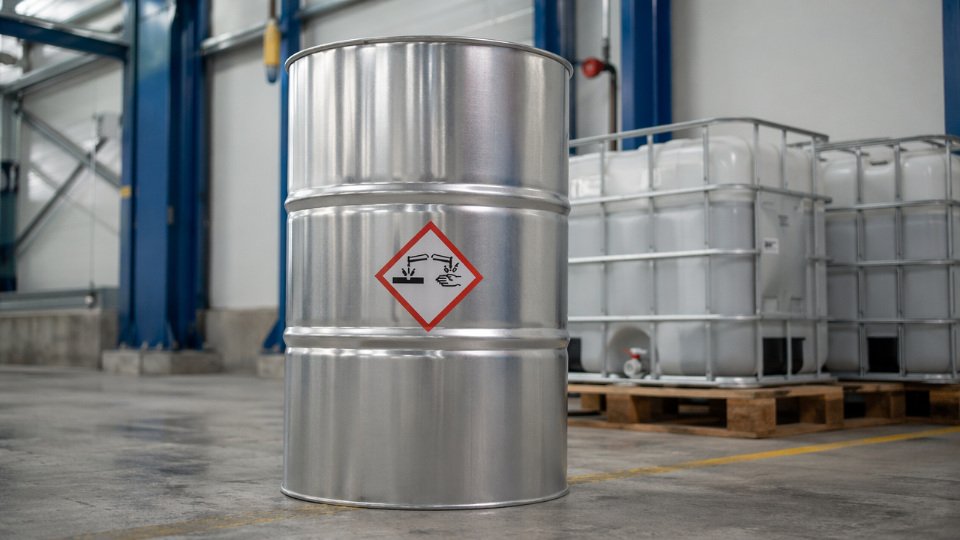
REACH and TSCA Registration
Most commodity organosilane coupling agents are registered under REACH with substance evaluation completed. When qualifying a new supplier, request a REACH SVHC declaration letter and confirm the tonnage band covers your anticipated annual import volume — a supplier registered only in a lower tonnage band cannot legally supply above that threshold without re-registration, which has delayed projects by months. APTES (919-30-2), VTMS (2768-02-7), GPTMS (2530-83-8), and TESPT (40372-72-3) all appear on TSCA’s existing chemical inventory and do not require pre-manufacture notification for standard applications, though processors should confirm any new end-use formulation against current TSCA risk evaluation updates.
VOC Emissions and Hydrolysis Byproducts
This distinction matters more than most formulators realize. Trimethoxysilanes release methanol upon hydrolysis — one mole of methanol per methoxy group. Methanol carries an OSHA PEL of 200 ppm and an ACGIH TLV of 200 ppm (skin notation applies), and it counts as a regulated VOC under California CARB regulations and EU Directive 2004/42/EC. Triethoxysilanes release ethanol instead, which has a substantially more favorable occupational and regulatory toxicological profile and lower VOC impact under the same frameworks.
Switching from a trimethoxy- to a triethoxy-functional silane in an interior construction sealant formulation can reduce reportable VOC content and simplify EU CE marking compliance, though cure kinetics and cost will shift.True
Ethanol hydrolysis byproducts are excluded or carry higher VOC thresholds in several EU and US state-level architectural coating regulations, whereas methanol is tightly restricted. The tradeoff is that triethoxysilanes hydrolyze more slowly, which affects open time and requires formulation adjustment.
For enclosed or poorly ventilated processing environments — mixing tanks, calendering lines, closed mold systems — methanol monitoring is not optional when trimethoxy grades are in use.
Waste Streams and Environmental Management
Chlorosilane synthesis generates HCl as a byproduct. Spent silane treatment baths from surface finishing operations are typically weakly acidic and may contain residual silanol oligomers. Both require neutralization and certified waste treatment — these cannot be discharged to municipal sewer systems without prior pH adjustment and often permit review. SiliconChemicals operates under ISO 14001 environmental management certification and maintains a zero liquid discharge target for HCl-bearing streams, converting recovered HCl to commercial-grade hydrochloric acid where process economics allow.
The Non-Fluorinated Compliance Advantage
Regulatory pressure on PFAS — particularly long-chain fluorinated surface treatment chemistries — is accelerating across the EU, the US EPA’s PFAS Strategic Roadmap, and national-level restrictions in several Asian markets. Silanes achieve water repellency, hydrophobicity, and surface energy reduction through silicon-oxygen bonding chemistry that contains no fluorine. For procurement teams currently under pressure to qualify PFAS-free alternatives in textile treatment, construction membranes, or paper sizing applications, this is a structural compliance argument, not just a marketing position.
Frequently Asked Questions About Silane
Is silane the same as silicone?
No — and conflating the two causes real procurement errors. Silane refers either to inorganic silicon hydrides (SiH4 and its homologs) or to organosilane monomers carrying Si–H or Si–C bonds. Silicone refers to polysiloxane polymers built on a repeating inorganic –Si–O–Si– backbone with organic side groups. The relationship is one of precursor to product: certain silanes are direct raw materials in silicone polymer synthesis, and silane coupling agents are applied at the interface between silicone elastomers and substrates. If your SDS shows a molecular weight below 300 g/mol and reactive alkoxy groups, you almost certainly have a silane monomer. If your technical datasheet describes a fluid viscosity in cSt or an elastomer Shore A hardness, you have a silicone. Wrong specification at the purchasing stage has cost formulators entire batch runs.
Is silane dangerous to handle?
Hazard level varies dramatically by product type, and treating all silanes identically is a serious EHS mistake. Monosilane (SiH4) is pyrophoric — it ignites spontaneously in air — and demands dedicated gas-handling infrastructure: stainless steel lines, automatic shutoffs, leak-detection systems, and trained gas-safety personnel. Most industrial buyers never touch SiH4 directly; it lives inside semiconductor fabs and specialized CVD operations.
Organosilane coupling agents are a different category. The majority are flammable to combustible liquids with flash points in the 22–75 °C range depending on structure. Standard industrial controls apply: nitrile gloves, chemical-splash goggles, adequate ventilation, and flammable-storage cabinets. Aminosilanes deserve extra attention — skin sensitization potential is well-documented, and respiratory protection is warranted in poorly ventilated mixing areas. The rule is simple: download and read the specific SDS for every grade before the first drum enters your facility. Generic silane safety procedures do not substitute for product-specific data.
What is the shelf life of organosilane coupling agents?
Expect 12–24 months in the original sealed container stored below 25 °C, away from moisture and direct light. The single biggest cause of premature degradation is moisture ingress, which triggers hydrolysis and self-condensation, converting a functional monomer into an oligomeric gel that performs inconsistently. Aminosilanes are the most sensitive subclass and benefit from nitrogen-blanketed storage; even brief ambient exposure accelerates quality drift. Once a drum is opened, reseal it immediately and plan to consume the contents within 3–6 months. Lot-date codes matter — don’t accept drums without them, and build first-in/first-out rotation into your warehouse procedure from day one.
Can [silane coupling agents](https://siliconchemicals.com/silane-coupling-agents/) be used in waterborne formulations?
Yes, and this is a growing application area driven by VOC-reduction pressure across coatings and adhesives. The challenge is that neat monomeric alkoxy silanes hydrolyze rapidly in water — usable bath life can be as short as a few hours before self-condensation renders the solution ineffective. Pre-hydrolyzed silane solutions and oligomeric silane formulations are specifically engineered for waterborne systems, offering bath stability measured in weeks rather than hours. The trade-off is a somewhat higher unit cost — typically 15–35% above the neat monomer price, depending on grade and oligomerization degree — but the processing reliability and elimination of pot-life losses almost always justify the premium in continuous production environments.
What is the minimum order quantity from SiliconChemicals, and what formats are available?
SiliconChemicals supplies qualification samples from 100–500 g for lab trials, scaling to 25 kg drums, 200 L drums, 1,000 L IBC totes, and ISO tank quantities for bulk commodity grades. Lead times run 2–4 weeks for standard catalog grades and 4–8 weeks for specialty or custom-functionalized products, depending on synthesis complexity and current production scheduling. If you are running a qualification program on a tight product-launch timeline, flag that at inquiry stage — scheduling a dedicated production slot is easier to arrange early than after a standard order is already in queue.
How does silane coupling agent dosage affect actual cost-in-use?
The math here consistently surprises buyers focused only on unit price. Silane coupling agents are used at treat rates of 0.1–2.0 wt% relative to filler loading — the exact rate depends on filler surface area, silane functionality, and the mechanical targets you need to hit. Even a silane priced at USD 10/kg adds only roughly USD 0.05–0.20 per kg of filled compound at those levels. The real cost question is what happens without adequate coupling: reduced tensile retention, moisture-driven delamination, accelerated fatigue failure, and the warranty or rework costs that follow. In most filled rubber and composite applications, silane is one of the cheapest insurance policies in the formulation.
Silane coupling agents typically add less than USD 0.20 per kg of filled compound even at a USD 10/kg silane price, based on standard treat rates of 0.1–2.0 wt% on filler.True
At 2.0 wt% treat rate (the high end) and USD 10/kg silane price, cost contribution equals 0.02 kg silane × USD 10 = USD 0.20 per kg of filler — confirming the stated range is arithmetically accurate under defined conditions.
What certifications and quality standards does SiliconChemicals maintain?
SiliconChemicals operates under ISO 9001:2015 quality management and ISO 14001:2015 environmental management systems. Routine product release testing includes GC purity (typically ≥98% for standard coupling agent grades), GC-MS identity confirmation, and ICP-OES for trace metal content where application sensitivity requires it — semiconductor-adjacent applications will want to request the full trace metals panel explicitly. All commercial products are REACH-compliant, and 16-section SDS documentation in EU/GHS format is available in English upon request before order placement, not just after. If your facility requires pre-approval of safety documentation before a new chemical can be received, request the SDS at the sample inquiry stage to avoid holding up your qualification timeline.
Conclusion: Specifying Silane with Confidence — and Finding the Right Supply Partner
Everything in this article traces back to three levels of definition that you need to keep distinct. SiH₄ — monosilane — is the elemental building block, a pyrophoric gas with a boiling point of −112 °C and the Si–H bond energy (~318 kJ/mol) that underpins its reactivity. Organosilanes are the commercially dominant class built from that foundation, covering hundreds of structures where at least one silicon–carbon bond (~435 kJ/mol) replaces hydrogen. Silane coupling agents are the specific bifunctional subset — one end hydrolyzes onto inorganic surfaces, the other end co-reacts with an organic matrix — and that dual functionality is precisely why they command treat rates of only 0.1–2.0 wt% relative to filler yet deliver disproportionate performance gains. Blur these three levels and you will specify the wrong product, order the wrong packaging, and trigger the kind of qualification failure that costs weeks of reformulation time.
Five Sectors, Five Functional Anchors
The selection framework is worth carrying out of this article in concrete form. Rubber and tire compounding calls for sulfur-functional silanes — TESPT class — to bond precipitated silica and cut rolling resistance, a requirement now sharpened by EU Tire Labeling Regulation EC 1222/2009 which grades tires on a published rolling-resistance scale that fleet buyers actually read. Fiber-reinforced composites — glass fiber, carbon fiber, wind blade laminates — lean on amino- and epoxy-functional silanes for interfacial adhesion and wet-strength retention. Adhesives and sealants typically specify vinyl- or methacryloxy-functional types to anchor cure chemistry into the substrate. Electronics and semiconductor applications split between ultra-pure SiH₄ precursors for CVD/ALD deposition and chlorosilane intermediates for photoresist surface treatment. Coatings and surface modification pull from the broadest palette: fluoroalkyl silanes for hydrophobic finishes, amino-functional types for corrosion primers, and mixed-oxide systems for architectural glass.
Demand Tailwinds Through 2030
The market projection — roughly USD 2.1 billion in 2023 growing toward USD 3.4 billion by 2030 at a CAGR near 7% — is not a forecast to trust blindly, but the directional drivers are unambiguous and mutually reinforcing. Electric vehicle battery packs require silane-treated ceramic separators and silicon-anode composite binders; as anode silicon content climbs from 5% toward 20–30%, silane consumption per vehicle rises with it. Offshore wind turbines demand composite blades in the 80–120 m range where interfacial integrity under cyclic loading is non-negotiable — silane coupling agent performance directly affects blade service life, which affects the levelized cost of energy. Semiconductor foundries pushing below 3 nm nodes need silicon precursor gases of semiconductor-grade purity where metallic impurities are measured in parts per trillion. These are not niche applications. They are the capital-intensive growth sectors that procurement teams will be sourcing for the next decade.
Why SiliconChemicals Is Built for This Supply Challenge
SiliconChemicals operates integrated production from silicon metal through finished coupling agent within China's organosilicon industrial cluster.True
Integrated backward integration from silicon metal feedstock to finished silane coupling agents within a single supply chain network is the basis for SiliconChemicals' cost and lead-time advantage, consistent with the structure of major Chinese organosilicon producers operating in regional industrial clusters.
Vertical integration matters operationally. When a spot shortage hits upstream chlorosilane supply, a non-integrated distributor reprices or delays. An integrated producer manages feedstock internally and holds lead times. SiliconChemicals covers REACH and TSCA registration support — not a checkbox statement, but actual registration dossiers and substance identifiers that your EHS team can hand directly to regulators. Technical documentation is in English, not translated on request after a two-week wait. Application engineers are available for consultation rather than routed through a sales layer.
The cost advantage of China’s organosilicon clusters — concentrated raw material supply, shared infrastructure, competitive energy tariffs — is real. The question procurement managers should ask is whether that cost advantage survives the quality and compliance journey to their facility. With SiliconChemicals, it does.
Submit your application inquiry or sample request through the SiliconChemicals website. Expect a technical response within 48 hours. Free application consultation calls with SiliconChemicals’ senior chemists are available — bring your formulation challenge, substrate type, and performance target, and leave with a shortlist of qualified grades rather than a catalog.