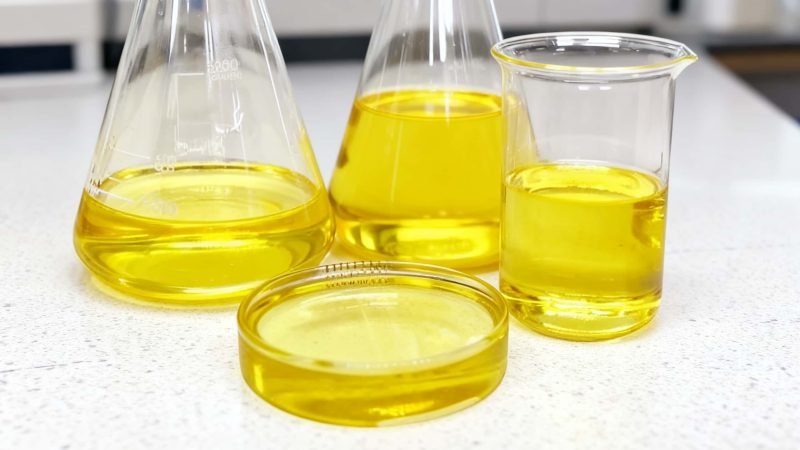
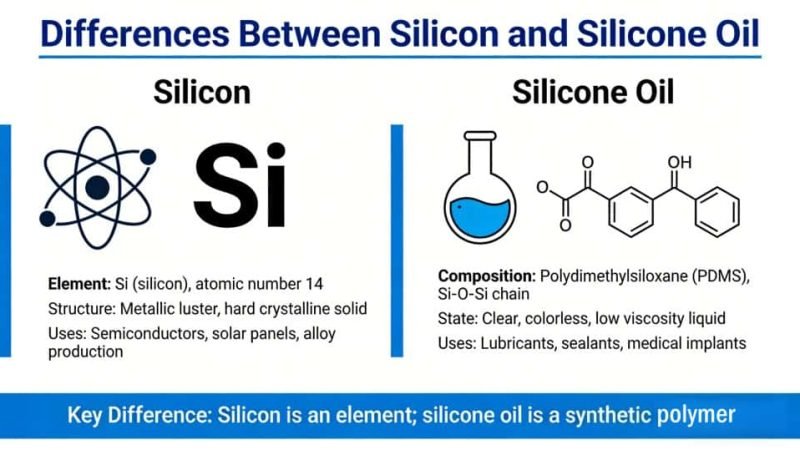
Many people confuse silicon and silicone oil, assuming they are the same substance or closely related industrial materials. This misunderstanding is extremely common in industries such as electronics, cosmetics, lubricants, and chemical manufacturing. The confusion can lead to incorrect product selection, procurement errors, or misunderstanding of chemical properties, especially when engineers, buyers, or manufacturers search for materials related to semiconductors or silicone-based fluids. Understanding the difference is essential because these two substances belong to completely different chemical categories and industrial applications.
Silicon is a chemical element (Si), a hard crystalline semiconductor widely used in electronics, solar cells, and microchips, while silicone oil is a synthetic polymer made from silicon, oxygen, carbon, and hydrogen atoms forming a flexible organosilicon fluid with lubrication, thermal stability, and hydrophobic properties. In simple terms, silicon is a solid elemental material used in electronics, whereas silicone oil is a liquid polymer used in lubricants, cosmetics, medical devices, and industrial applications.
To fully understand the distinction, it is necessary to examine their chemical structure, physical properties, production processes, industrial uses, and performance characteristics. Once these differences are clarified, it becomes obvious why silicon and silicone oil serve entirely different roles across modern industries.
Silicon and silicone oil are the same substance with slightly different spelling.False
Silicon is a chemical element used primarily in semiconductors, while silicone oil is a synthetic organosilicon polymer fluid with lubrication and thermal stability properties.
Silicone oil is derived from silicon through organosilicon chemistry.True
Silicone oil polymers are synthesized from silicon-derived intermediates such as chlorosilanes through controlled polymerization reactions.
Understanding Silicon: The Element Behind Modern Electronics
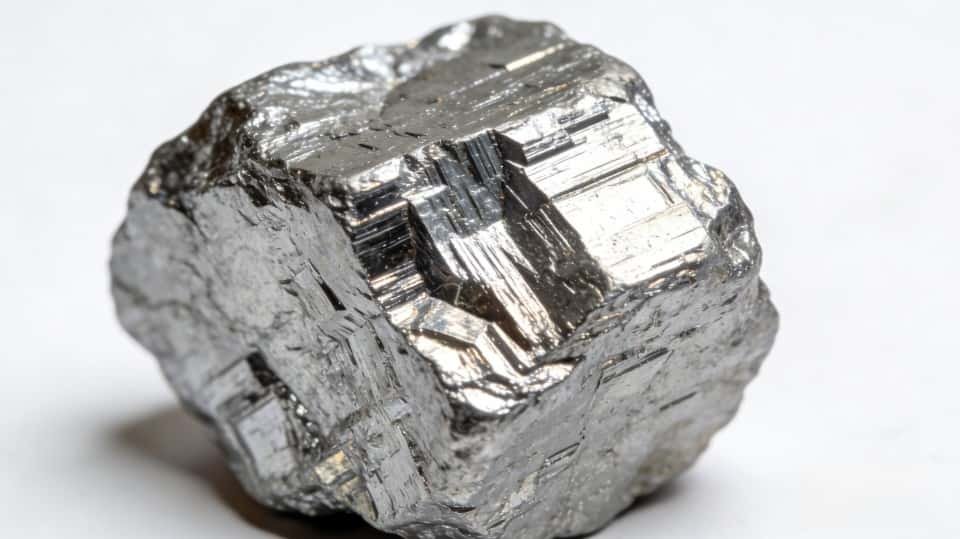
Silicon is one of the most important elements in modern technology. It belongs to the metalloid group in the periodic table, positioned between metals and non-metals, giving it unique electrical and chemical properties. With atomic number 14, silicon is the second most abundant element in the Earth’s crust, primarily found in minerals such as quartz, sand, and silicate rocks.
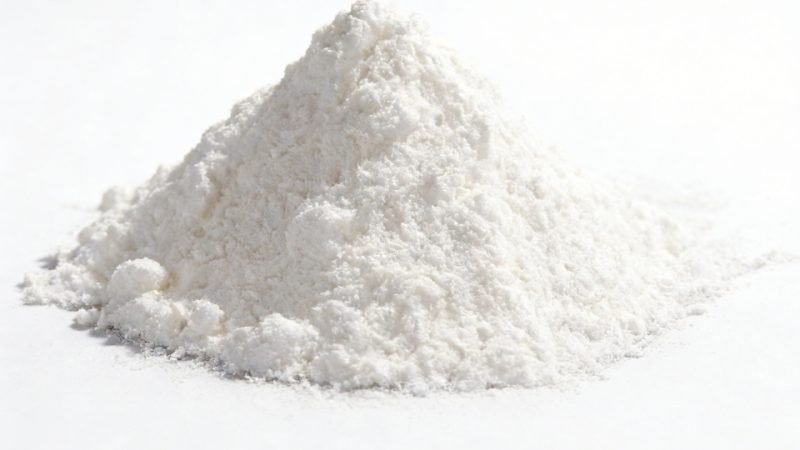
In its pure form, silicon appears as a hard, brittle crystalline solid with a metallic gray appearance. Unlike silicone oil, silicon does not behave like a liquid polymer but instead forms rigid crystal lattices capable of conducting electricity under controlled conditions. These characteristics make silicon the foundation of the semiconductor industry.
Fundamental Properties of Silicon
| Property | Description |
|---|---|
| Chemical Symbol | Si |
| Atomic Number | 14 |
| Atomic Weight | 28.085 |
| Category | Metalloid |
| Physical State | Solid |
| Melting Point | 1414°C |
| Boiling Point | 3265°C |
| Crystal Structure | Diamond cubic |
| Electrical Behavior | Semiconductor |
Why Silicon Is Essential for Electronics
Silicon’s semiconductor properties allow it to control electrical current, which is why it is used in microprocessors, transistors, and integrated circuits.
Key advantages include:
• Controlled electrical conductivity
• Thermal stability
• Abundance and low cost
• Ability to form ultra-pure crystals
• Compatibility with semiconductor fabrication techniques
Because of these characteristics, silicon has become the backbone of industries such as:
- Microelectronics
- Solar energy
- Computer processors
- Sensors
- Power electronics
Major Industrial Applications of Silicon
| Industry | Application |
|---|---|
| Electronics | Microchips, integrated circuits |
| Solar Energy | Photovoltaic cells |
| Metallurgy | Aluminum-silicon alloys |
| Construction | Silica-based materials |
| Glass Manufacturing | Silicon dioxide glass |
Although silicon is widely used in these fields, it cannot function as a lubricant, cosmetic ingredient, or fluid, which highlights the fundamental difference between silicon and silicone oil.
Understanding Silicone Oil: A Versatile Organosilicon Fluid
](https://siliconchemicals.com/wp-content/uploads/2026/01/Silicone-Oils-1.jpg)
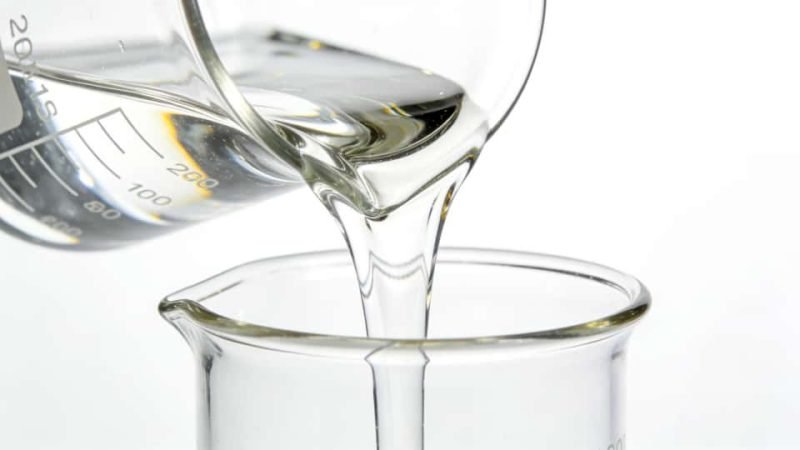
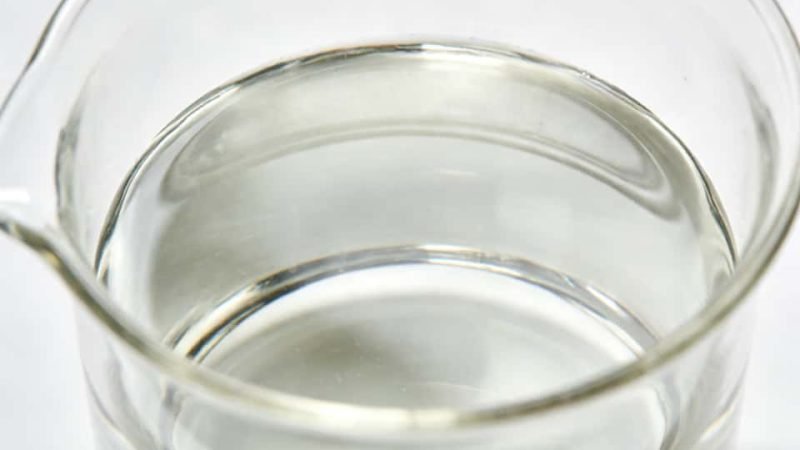
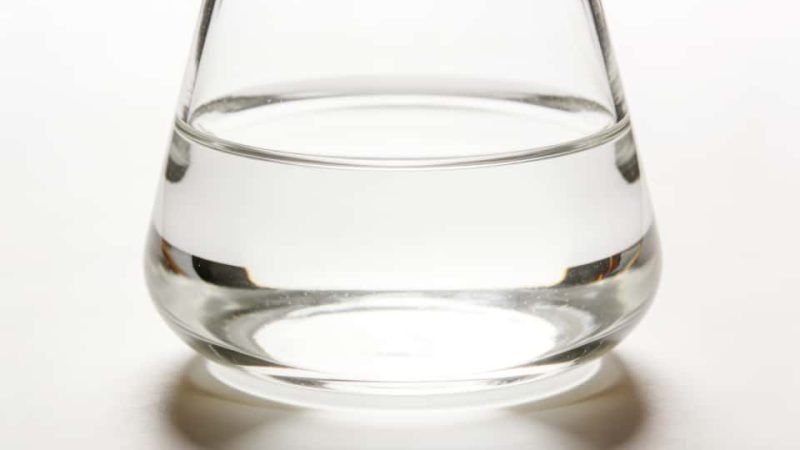
Silicone oil is a synthetic polymer belonging to the organosilicon family of compounds. Unlike elemental silicon, silicone oil contains repeating Si–O–Si backbone chains combined with organic groups such as methyl or phenyl.
The most common silicone oil is polydimethylsiloxane (PDMS), which consists of alternating silicon and oxygen atoms forming a flexible polymer chain.
Typical Molecular Structure
| Component | Function |
|---|---|
| Silicon (Si) | Structural backbone |
| Oxygen (O) | Creates flexible Si–O bonds |
| Methyl groups (CH3) | Provide hydrophobicity |
| Polymer chains | Determine viscosity |
This structure gives silicone oil unique performance characteristics not found in conventional hydrocarbons or mineral oils.
Key Properties of Silicone Oil
| Property | Typical Performance |
|---|---|
| Physical State | Clear liquid |
| Viscosity Range | 0.65 cSt – 1,000,000 cSt |
| Thermal Stability | -50°C to 250°C |
| Chemical Stability | Excellent |
| Surface Tension | Very low |
| Toxicity | Generally low |
| Electrical Insulation | Excellent |
Functional Advantages
Silicone oil offers several remarkable properties:
• Excellent thermal stability
• Low volatility
• Water repellency
• Chemical inertness
• Wide viscosity range
• High dielectric strength
• Lubrication capability
These advantages make silicone oil a multi-functional industrial fluid.
Common Industrial Applications
| Industry | Application |
|---|---|
| Cosmetics | Hair conditioners, skin products |
| Medical | Antifoaming agents, medical lubricants |
| Automotive | Brake fluids, damping fluids |
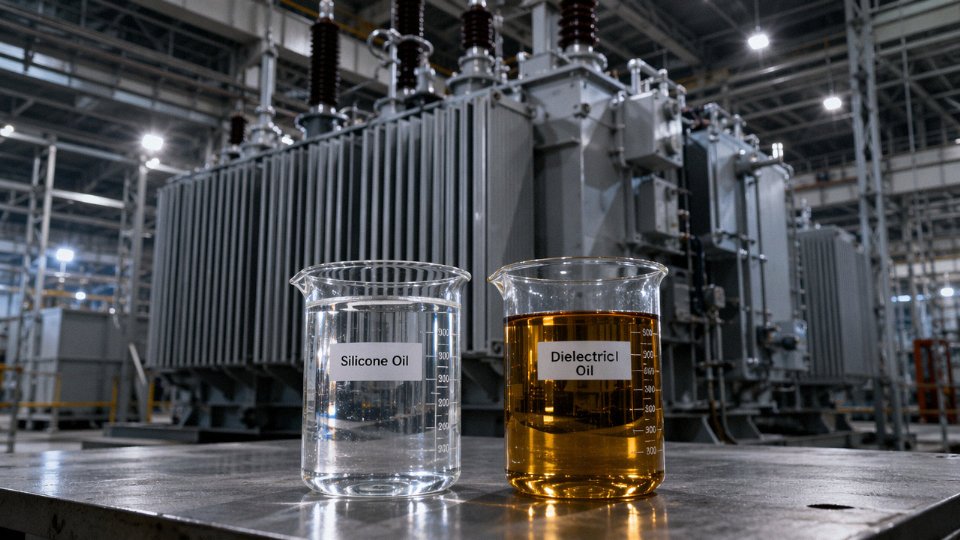
| Electronics | Dielectric fluids |
| Textiles | Softening agents |
| Food Processing | Antifoam additives |
Structural Differences Between Silicon and Silicone Oil
Understanding the chemical structure difference explains why these materials behave so differently.
Silicon Structure
Silicon atoms form rigid crystalline lattices, similar to diamond structures. These bonds create extremely strong, stable networks suitable for electronic materials.
Silicone Oil Structure
Silicone oil consists of flexible polymer chains with repeating Si–O bonds. These chains can move and rotate, creating fluid-like behavior.
Structural Comparison Table
| Feature | Silicon | Silicone Oil |
|---|---|---|
| Chemical Type | Element | Polymer |
| State | Solid | Liquid |
| Bonding | Crystal lattice | Polymer chains |
| Flexibility | Rigid | Flexible |
| Electrical Properties | Semiconductor | Insulator |
| Industrial Use | Electronics | Lubricants & chemicals |
This fundamental structural difference explains why silicon forms chips and solar cells, while silicone oil forms lubricants, cosmetics, and industrial fluids.
Manufacturing Processes Compared
Silicon Production
Industrial silicon production begins with silica (SiO₂) reduction in electric arc furnaces.
Simplified process:
- Quartz sand is mixed with carbon.
- The mixture is heated above 2000°C.
- Oxygen is removed, producing metallurgical-grade silicon.
| Stage | Process |
|---|---|
| Raw Material | Quartz sand |
| Reduction | Electric arc furnace |
| Purification | Chemical refining |
| Crystal Growth | Czochralski process |
| Wafer Production | Semiconductor slicing |
Silicone Oil Production
Silicone oil production involves organosilicon chemical synthesis.
Main stages include:
| Step | Reaction |
|---|---|
| Silicon → Chlorosilanes | Direct synthesis with methyl chloride |
| Hydrolysis | Formation of silanols |
| Condensation | Polymer chain formation |
| Polymerization | PDMS formation |
| Viscosity control | Chain length adjustment |
Manufacturing Comparison
| Feature | Silicon | Silicone Oil |
|---|---|---|
| Raw material | Quartz | Silicon intermediates |
| Production method | Metallurgical reduction | Chemical polymerization |
| Temperature | Extremely high | Moderate |
| End product | Solid crystals | Liquid polymers |
Physical Property Comparison
The physical properties of these materials highlight their distinct functions.
| Property | Silicon | Silicone Oil |
|---|---|---|
| State | Solid | Liquid |
| Density | 2.33 g/cm³ | 0.95 g/cm³ |
| Electrical conductivity | Semiconductor | Insulator |
| Thermal stability | High | High |
| Flexibility | None | Excellent |
| Lubrication | None | Excellent |
Industrial Market Comparison
The markets for silicon and silicone oil are also very different.
| Industry | Silicon Demand | Silicone Oil Demand |
|---|---|---|
| Semiconductor | Extremely high | Minimal |
| Automotive | Moderate | High |
| Cosmetics | None | Very high |
| Medical | Low | High |
| Solar energy | Extremely high | Low |
Global demand for silicone oil has grown due to its versatile chemical performance and wide industrial applications, while silicon remains the backbone of electronics and renewable energy technologies.
Environmental and Safety Considerations
Both materials are generally considered safe but behave differently environmentally.
Silicon
- Non-toxic solid
- Naturally occurring
- Recyclable in electronics
- Chemically stable
Silicone Oil
- Low toxicity
- Non-reactive
- Biologically inert in many forms
- Persistent but stable
Regulatory agencies often classify silicone oil as low-risk industrial chemicals, especially in medical-grade PDMS formulations.
Why the Names Cause Confusion
The similarity in spelling between silicon and silicone is the main reason for misunderstanding.
| Term | Meaning |
|---|---|
| Silicon | Chemical element |
| Silicone | Organosilicon polymer family |
| Silicone oil | Liquid silicone polymer |
Even professionals occasionally confuse the terms because the word silicone is derived from silicon chemistry.
Conclusion
Silicon and silicone oil may share a linguistic origin, but scientifically and industrially they represent two completely different materials. Silicon is a crystalline element essential for semiconductors, solar cells, and electronic devices, while silicone oil is a versatile synthetic polymer fluid used in lubrication, cosmetics, medical devices, and industrial processes. Their differences arise from chemical composition, molecular structure, manufacturing methods, and performance properties. Understanding these distinctions is critical for engineers, chemists, buyers, and manufacturers who work with advanced materials.
Talk With the Silicone Experts at [Silicon Chemicals](https://siliconchemicals.com/)
If you are selecting silicone oil, organosilicon fluids, or specialty silicone materials for industrial or commercial applications, working with experienced suppliers can make a significant difference in product performance and long-term reliability.
At Silicon Chemicals, we supply a wide range of high-quality silicone oils, including PDMS fluids, functional silicone fluids, and specialty industrial formulations designed for applications such as lubrication, cosmetics, electronics, and thermal management.
If you need technical guidance, product selection advice, or a customized silicone solution, feel free to reach out to our team. We are always happy to help you find the right material for your application.