Blogs
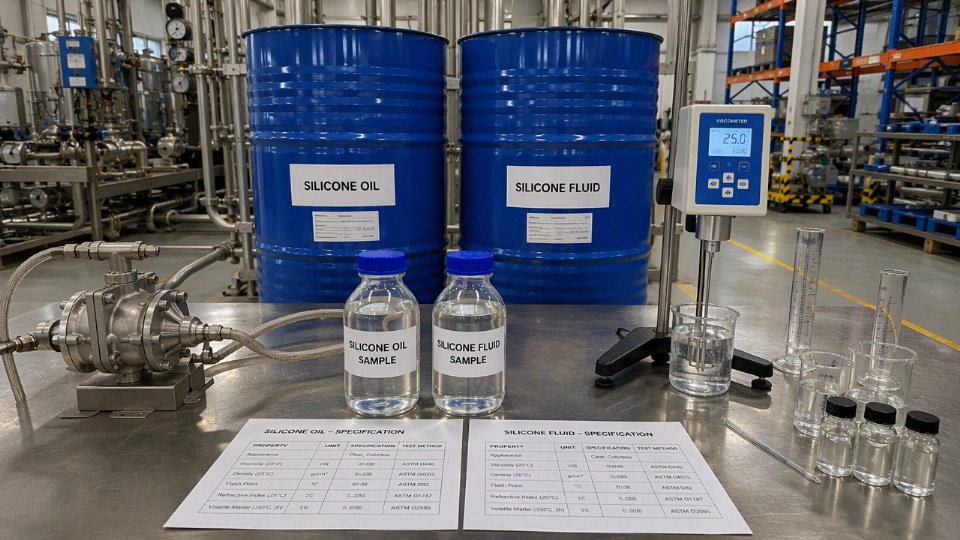
What is the difference between silicone oil and silicone fluid?
Learn the difference between silicone oil and silicone fluid to avoid spec errors, mismatched viscosity, and costly process or purchasing mistakes.

Learn the difference between silicone oil and silicone fluid to avoid spec errors, mismatched viscosity, and costly process or purchasing mistakes.

Learn what dimethyl silicone oil is, how PDMS viscosity and properties affect performance, and how to choose the right grade for your application.
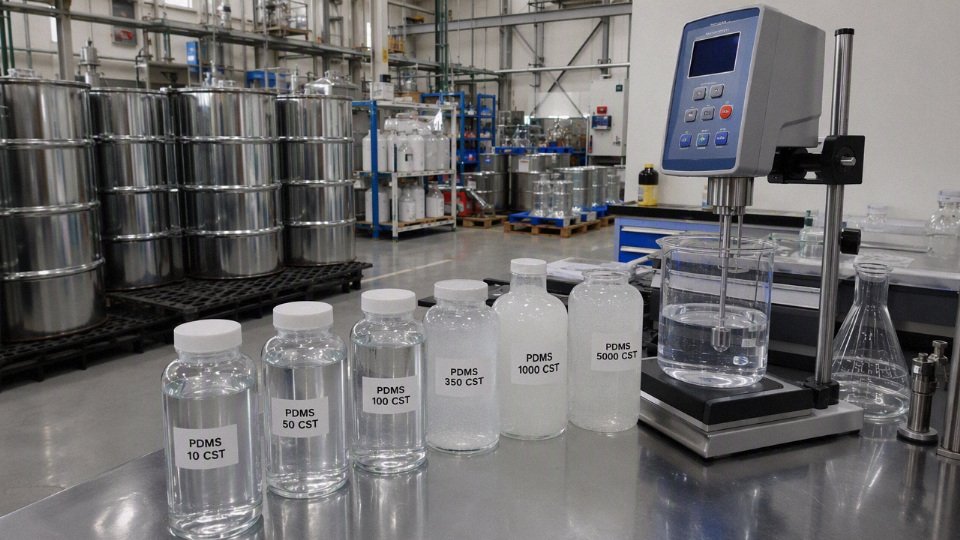
Learn what PDMS silicone oil is, how viscosity affects performance, and how to choose the right grade to reduce downtime, defects, and overuse.

Learn the chemical formula of silicone oil, why PDMS is written as [Si(CH3)2O]n, and how chain length affects viscosity and performance.
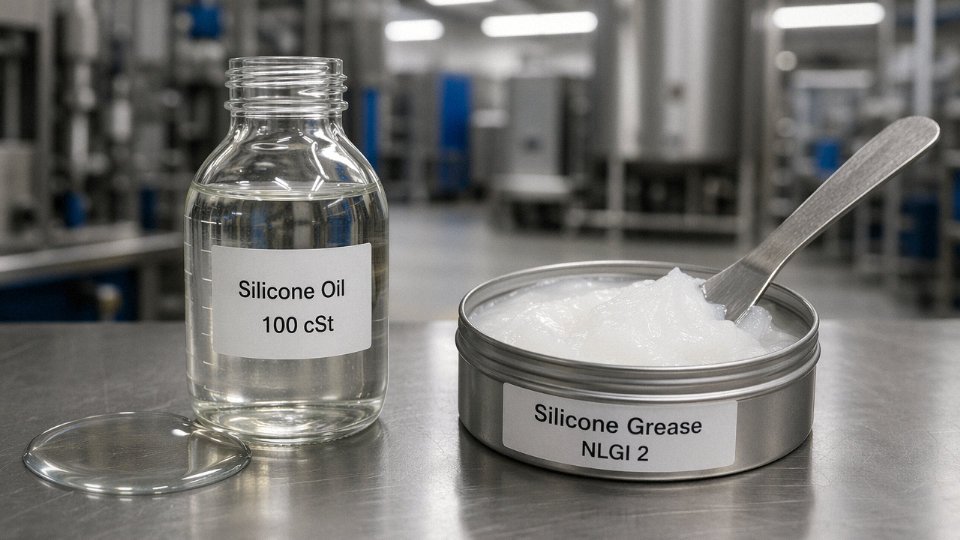
Learn the key differences between silicone oil and grease — composition, viscosity, and when to use each to avoid costly lubrication mistakes.

Compare silicone vs mineral transformer oil across fire safety, dielectric strength, cost, and lifespan to make the right fluid choice for your application.

Compare silicone oil vs dielectric oil for transformers: temperature range, dielectric strength, fire resistance, viscosity, and total lifecycle cost explained.
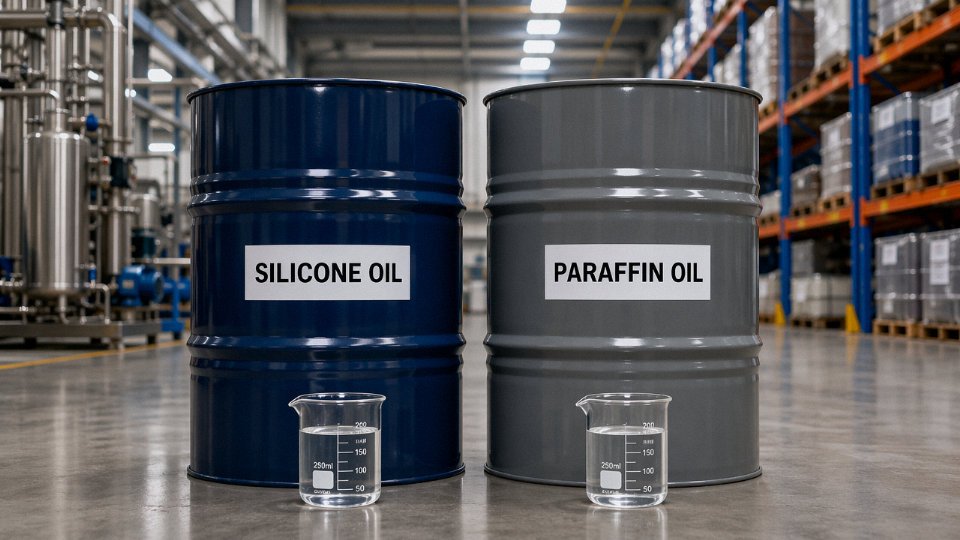
Compare silicone oil and paraffin oil across temperature range, viscosity, compatibility, and cost to choose the right lubricant or process oil for your application.
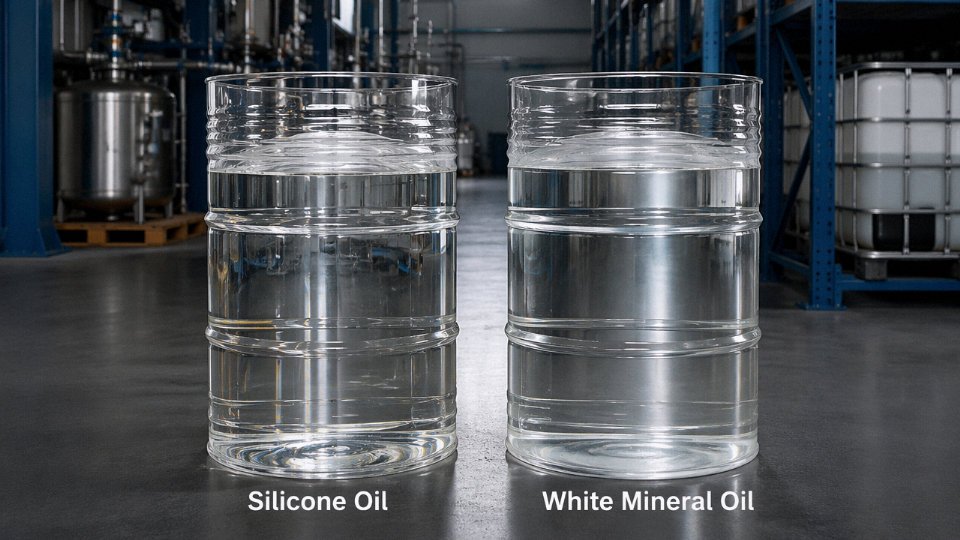
Silicone oil vs white oil: compare viscosity range, flash point, FDA compliance, cost, and which fluid suits your process without costly mistakes.
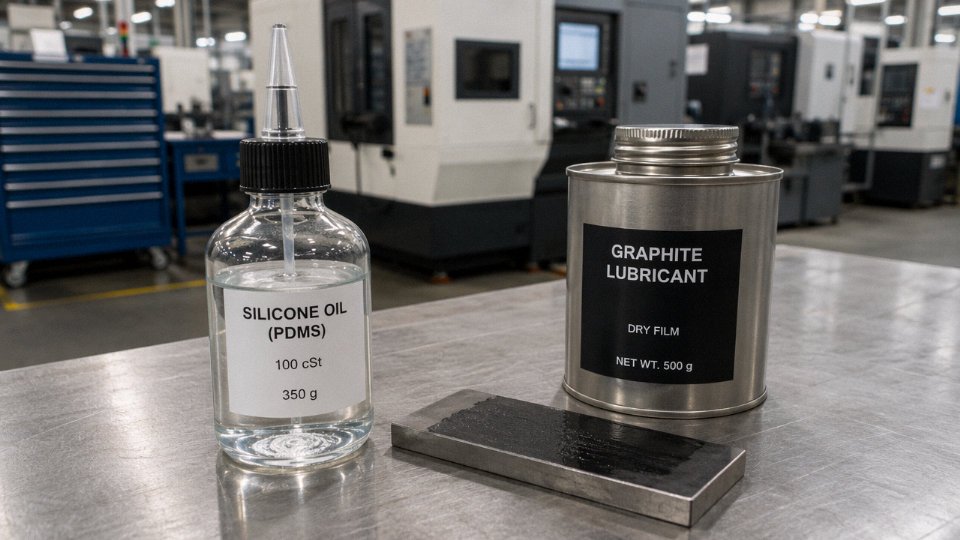
Silicone oil or graphite lubricant? Learn which performs better for your application — from temperature range and load capacity to contamination risk and edge cases.