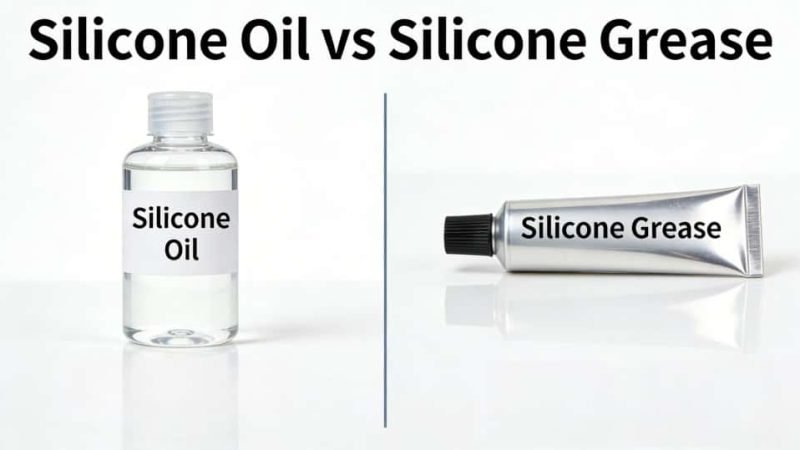
In many industrial, mechanical, and consumer applications, engineers and procurement specialists often face a subtle yet critical decision: whether to use silicone oil or silicone grease. At first glance, both are derived from similar chemical foundations and appear interchangeable, but in real-world applications, choosing the wrong one can result in leakage, insufficient lubrication, equipment wear, contamination, or even system failure. This confusion becomes especially problematic in precision equipment, sealing systems, and high-temperature environments where performance reliability is non-negotiable. Understanding the true differences between these two materials is essential for achieving optimal performance and long-term stability.
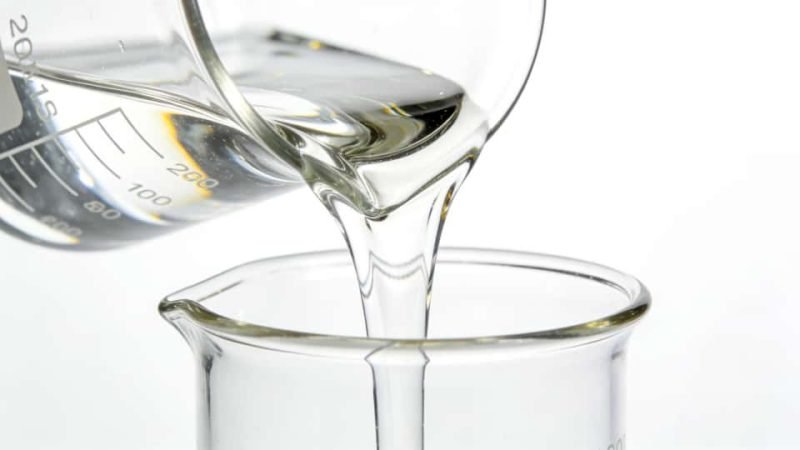
Silicone oil is a low-viscosity, free-flowing fluid designed for lubrication, heat transfer, and damping applications, while silicone grease is a semi-solid material composed of silicone oil thickened with silica or other agents, providing superior sealing, adhesion, and long-lasting lubrication under static or slow-moving conditions. The correct choice depends on whether the application requires fluid mobility or stable, non-migrating lubrication.
To make an informed decision, it is necessary to analyze not only their chemical similarities but also their structural differences, performance characteristics, and application-specific advantages. The following comprehensive guide explores these aspects in depth, providing a clear technical framework for selecting the right material.
Silicone grease is simply a thicker version of silicone oil without functional differences.False
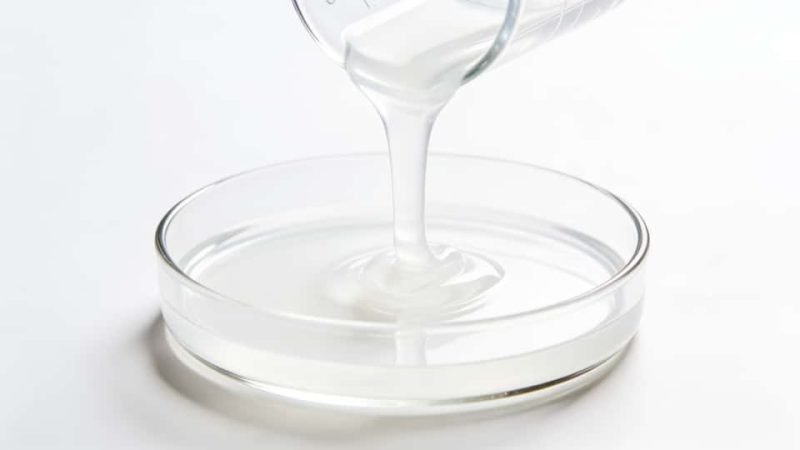
Silicone grease is a composite material where silicone oil is combined with thickeners, resulting in different rheological behavior, adhesion, and application performance compared to silicone oil.
Fundamental Composition and Structural Differences
Although both silicone oil and silicone grease are based on polydimethylsiloxane (PDMS), their structural forms differ significantly. Silicone oil is a pure fluid polymer, while silicone grease is a dispersion system where silicone oil is immobilized within a thickening matrix, typically amorphous silica.
This structural transformation fundamentally changes the material’s rheology, mobility, and application behavior. Silicone oil flows freely, conforming to surfaces and penetrating small gaps. Silicone grease, however, maintains its position due to its semi-solid consistency, providing a persistent lubricating and sealing layer.
Composition Comparison Table
| Component | Silicone Oil | Silicone Grease |
|---|---|---|
| Base Material | PDMS fluid | PDMS + thickener |
| Physical State | Liquid | Semi-solid (paste) |
| Flow Behavior | Free-flowing | Non-flowing |
| Additives | Optional | Essential ([silica](https://siliconchemicals.com/silica/), PTFE, etc.) |
| Structure Type | Homogeneous | Colloidal system |
The inclusion of thickeners in silicone grease introduces a three-dimensional network that traps the oil phase, significantly reducing mobility and enhancing adhesion to surfaces.
Rheological Behavior and Viscosity Characteristics
The rheological properties of silicone oil and silicone grease are among the most important differentiators. Silicone oil behaves as a Newtonian fluid, meaning its viscosity remains constant regardless of shear rate. Silicone grease, in contrast, exhibits non-Newtonian, shear-thinning behavior, where viscosity decreases under stress.
This difference has profound implications in real-world applications. Silicone oil is ideal for dynamic systems where continuous flow is required, such as hydraulic systems or damping devices. Silicone grease excels in static or low-speed environments where maintaining position and preventing leakage are critical.
Rheological Comparison Table
| Property | Silicone Oil | Silicone Grease |
|---|---|---|
| Flow Type | Newtonian | Non-Newtonian |
| Shear Behavior | Stable | Shear-thinning |
| Mobility | High | Low |
| Retention | Low | High |
| Application Control | Moderate | Excellent |
The shear-thinning nature of silicone grease allows it to spread under mechanical action while remaining stable when at rest, making it highly effective in sealing and protective applications.
Lubrication Mechanisms and Performance
While both materials provide lubrication, their mechanisms differ significantly. Silicone oil forms a thin lubricating film that reduces friction between moving parts. Silicone grease, on the other hand, provides a thicker, more durable layer that remains in place even under pressure.
Silicone oil is particularly effective in high-speed or precision applications where low viscosity and minimal resistance are required. Silicone grease is better suited for heavy loads, slow მოძრაობ, and environments where lubricant migration must be minimized.
Lubrication Performance Comparison
| Parameter | Silicone Oil | Silicone Grease |
|---|---|---|
| Film Thickness | Thin | Thick |
| Load Capacity | Moderate | High |
| Wear Protection | Moderate | High |
| Speed Suitability | High-speed | Low-speed |
| Leakage Risk | High | Low |
Sealing and Protective Capabilities
One of the defining advantages of silicone grease is its sealing capability. Due to its semi-solid nature, it can effectively block moisture, dust, and contaminants. Silicone oil lacks this capability because it can migrate away from the application area.
This makes silicone grease indispensable in applications such as O-ring lubrication, electrical insulation sealing, and waterproofing. Silicone oil, while offering some protective benefits, cannot provide the same level of environmental isolation.
Sealing Performance Table
| Feature | Silicone Oil | Silicone Grease |
|---|---|---|
| Water Resistance | Good | Excellent |
| Dust Protection | Limited | High |
| Sealing Ability | Low | High |
| Adhesion | Low | Strong |
Thermal Stability and Temperature Range
Both silicone oil and silicone grease inherit excellent thermal stability from their PDMS base. However, the presence of thickeners in silicone grease can slightly influence its performance at extreme temperatures.
Silicone oil typically operates within a range of -50°C to +250°C, while silicone grease can function similarly but may experience slight consistency changes depending on the thickener system.
Temperature Performance Comparison
| Parameter | Silicone Oil | Silicone Grease |
|---|---|---|
| Low Temperature | Excellent | Excellent |
| High Temperature | Excellent | Very good |
| Stability | High | High |
| Volatility | Low | Very low |
Electrical Insulation Properties
Both materials exhibit excellent dielectric properties, making them suitable for electrical applications. Silicone grease, however, offers additional advantages due to its ability to remain in place and provide consistent insulation over time.
Electrical Properties Table
| Property | Silicone Oil | Silicone Grease |
|---|---|---|
| Dielectric Strength | High | High |
| Stability | High | Very high |
| Application Stability | Moderate | Excellent |
Application Scenarios and Industry Use Cases
The choice between silicone oil and silicone grease often depends on the specific requirements of the application.
Application Comparison Table
| Industry | Silicone Oil Applications | Silicone Grease Applications |
|---|---|---|
| Electronics | Cooling fluids | Thermal interface materials |
| Automotive | Shock absorbers | Brake systems, seals |
| Medical | Lubricants | Sealing and protection |
| Industrial | Hydraulic fluids | Gear lubrication |
| Consumer | Polishes | Waterproofing |
Silicone oil dominates in fluid-based systems, while silicone grease is preferred where permanence and sealing are required.
Environmental and Safety Considerations
Both silicone oil and silicone grease are generally non-toxic and chemically inert. However, their environmental behavior differs due to physical form.
Environmental Comparison Table
| Factor | Silicone Oil | Silicone Grease |
|---|---|---|
| Toxicity | Low | Low |
| Migration Risk | High | Low |
| Environmental Stability | High | High |
| Spill Risk | Higher | Lower |
Cost and Lifecycle Considerations
Silicone grease is typically more expensive than silicone oil due to additional processing and materials. However, its longer service life can offset the higher initial cost.
Cost Comparison Table
| Aspect | Silicone Oil | Silicone Grease |
|---|---|---|
| Initial Cost | Lower | Higher |
| Maintenance | Higher | Lower |
| Replacement Frequency | Higher | Lower |
| Lifecycle Cost | Moderate | Competitive |
Selection Guidelines for Real-World Applications
Choosing between silicone oil and silicone grease requires a clear understanding of application demands:
- Use silicone oil when fluidity, heat transfer, or precision lubrication is required
- Use silicone grease when sealing, adhesion, and long-term stability are critical
- Consider operating temperature, load conditions, and environmental exposure
- Evaluate maintenance requirements and lifecycle costs
Conclusion
Silicone oil and silicone grease, while chemically related, serve fundamentally different roles in industrial and commercial applications. Silicone oil excels in dynamic systems requiring fluid movement and precise control, while silicone grease provides superior sealing, stability, and long-lasting lubrication in static or slow-moving environments. Understanding these differences ensures optimal performance, reduced maintenance, and improved system reliability.
Contact [Silicon Chemicals](https://siliconchemicals.com/)
If you’re evaluating silicone oil or silicone grease for your application and want more than just a generic recommendation, we’re ready to support you. At Silicon Chemicals, we provide not only high-quality materials but also application-driven technical guidance to ensure you select the right product for your exact conditions. Whether you need ultra-low viscosity silicone oil or high-performance silicone grease with specialized additives, feel free to reach out—we’ll help you make the right decision with confidence.