Ceramic surfaces that look perfectly clean will still deliver adhesive bond failures if the surface chemistry is wrong going in. Skip or rush the etching step, and you leave a glassy, low-energy surface that silane cannot grip. The silane then sits on top rather than reacting, the resin joint fails under thermal cycling or mechanical load, and you are looking at rework costs, warranty returns, or — in structural glazing and industrial sealing applications — catastrophic joint separation that shuts a line down.
To use porcelain etch and silane correctly: apply hydrofluoric acid etch (4–10% concentration) for 60–180 seconds depending on ceramic type, rinse thoroughly, dry, then apply a silane coupling agent such as MPS at 0.1–1.0 wt% in ethanol-water solution. Allow full hydrolysis, then heat-activate at 100–110°C for 60 seconds to drive condensation and maximize interfacial bond strength.
What most application guides leave out is the dependency chain — why the etch time that works on feldspathic porcelain will under-etch zirconia-reinforced ceramic and why air-drying your silane instead of heat-activating can cost you 20–40% of achievable bond strength before the joint ever sees a load cycle. The sequence matters more than any single step, and the margins for error are narrower than the product datasheets suggest.
Selecting the Right Etchant: HF Gel, Buffered HF, and Alternative Ceramic Etchants by Substrate Type
Before you open a bottle of anything, identify your substrate. Using the wrong etchant — or the right etchant at the wrong concentration — produces either an under-etched surface that bonds poorly or an over-etched one where microcrack propagation quietly destroys flexural strength weeks later. Neither failure is obvious at application time, which makes substrate-etchant matching the single most consequential decision in this process.
How Ceramic Microstructure Drives Etchability
The glassy phase is what HF actually attacks. Feldspathic porcelain and leucite-reinforced glass ceramics contain 60–75% glassy matrix by volume, so they respond predictably and aggressively to conventional hydrofluoric acid. A 4–5% HF gel applied for 60–90 seconds produces the honeycomb microtopography you need for mechanical interlocking. Push that same gel beyond 120 seconds on feldspathic porcelain and you start dissolving the fine crystalline ridges that silane molecules anchor to — the surface looks etched but has lost the chemistry that makes silanization work.
Lithium disilicate sits in the middle of the etchability spectrum. Its denser crystal network resists 4–5% HF at short exposures. Either step up to a 9–10% solution for 90–120 seconds in a lab setting, or keep the lower concentration and extend to 120–180 seconds while monitoring surface appearance. Both approaches work; the choice depends on whether you have lab ventilation infrastructure.
Zirconia and high-alumina ceramics are a different category entirely. Their polycrystalline structure has negligible glassy phase. HF does essentially nothing useful to them.
HF etching produces adequate bond-promoting surface roughness on zirconia ceramicsFalse
Zirconia is a polycrystalline ceramic with little to no glassy phase. HF cannot selectively dissolve a glass matrix that is not present, so conventional acid etching creates no meaningful microtopography on zirconia surfaces.
HF Gel, Solution, and Buffered Alternatives — A Practical Comparison
4–5% HF gel is the standard for chairside dental and small-scale industrial work. Gel viscosity keeps the etchant in place on irregular surfaces and limits splatter. Typical application times run 60–120 seconds for feldspathic and leucite ceramics. The tradeoff is slower ion diffusion than liquid, which matters on denser substrates.
9–10% HF solution is a laboratory-grade option that etches faster and more uniformly on lithium disilicate and denser glass ceramics. Application times of 90–180 seconds cover most substrates. Higher concentration demands a proper extraction hood, chemical-resistant PPE, calcium gluconate gel on hand, and documented emergency protocols — not optional.
Buffered ammonium bifluoride systems release fluoride ions at a controlled rate and maintain a safer handling profile than free HF. They are slower — effective times for feldspathic porcelain typically run 3–5 minutes — but where industrial-scale operations need to minimize HF hazard exposure across multiple operators, the tradeoff is defensible. Bond strength outcomes in published comparisons are within 10–15% of equivalent HF-etched controls when silanization is done correctly afterward.
Non-HF Surface Treatments for HF-Resistant Substrates
For zirconia and alumina, the toolkit shifts entirely. Sandblasting with 50–110 µm alumina particles at 2–4 bar pressure for 10–30 seconds creates surface roughness in the Ra 1.5–3.5 µm range — adequate for silane adhesion, though the mechanism is purely mechanical rather than chemical dissolution. Pressure and particle size matter: too low a pressure leaves insufficient roughness; too high risks introducing surface flaws that propagate under cyclic load.
Plasma treatment — atmospheric or low-pressure oxygen plasma — removes organic contaminants and activates hydroxyl groups without altering surface topography. It complements sandblasting rather than replacing it. Laser surface conditioning (Er:YAG or Nd:YAG) is increasingly used in precision industrial ceramic bonding where dimensional tolerances rule out abrasive blasting entirely; surface roughness outcomes depend heavily on pulse energy and scan speed, so treat any vendor’s bond strength claims as substrate- and parameter-specific.
Alkaline etching with concentrated sodium hydroxide (10–50 mol/L at 60–100°C) partially works on zirconia by attacking grain boundaries, but results are variable across zirconia grades and it sees limited industrial adoption outside research contexts.
Decision Matrix: Ceramic Type vs. Recommended Etchant
| Ceramic Type | Recommended Etchant | Concentration | Exposure Time | Notes |
|---|---|---|---|---|
| Feldspathic porcelain | HF gel | 4–5% | 60–90 sec | Standard; do not exceed 120 sec |
| Leucite-reinforced glass ceramic | HF gel or solution | 4–9% | 60–120 sec | Monitor surface closely |
| Lithium disilicate | HF solution | 9–10% | 90–180 sec | Lab ventilation required |
| Lithium disilicate (low-HF setting) | Buffered ammonium bifluoride | — | 3–5 min | Slower but safer for floor use |
| Zirconia | Alumina sandblast + plasma | 50–110 µm / 2–4 bar | 10–30 sec blast | HF ineffective; combine both steps |
| High-alumina ceramic | Alumina sandblast | 50–110 µm / 2–4 bar | 10–30 sec | Plasma optional but beneficial |
Over-Etching: The Failure Mode Nobody Sees Coming
Surface crazing from over-exposure looks like a more aggressive etch to an untrained eye. What it actually represents is microcrack initiation through the glassy matrix. Those cracks do not bond — they propagate. Flexural strength on over-etched feldspathic porcelain can drop 15–30% depending on exposure duration and acid concentration, and the silane layer applied over a crazed surface has nothing structurally sound to couple to. The bond test passes at day one; the assembly fails at month six under thermal cycling or mechanical load.
Regulatory Reality for Industrial Buyers
HF in any concentration is a GHS Category 1 acute toxicity and corrosive substance. Industrial quantities — anything beyond small clinical packs — trigger REACH obligations in the EU, require SDS documentation meeting GHS Rev. 9 standards, and typically fall under local hazardous chemical transport and storage regulations. Procurement managers sourcing HF-based etchants across borders should confirm that each shipment is accompanied by a current SDS and verify import classification with their customs broker before the first order, not after the first shipment is held.
Step-by-Step Porcelain Etching Procedure: Surface Preparation Through Rinse and Dry
Getting the etching stage right determines whether the silane treatment that follows actually works. A contaminated surface, under-etched patch, or residual fluoride deposit will undermine bond strength regardless of how carefully you apply the coupling agent. Each sub-step below has a specific mechanical reason behind it — skip one, and you introduce a failure mode that often shows up weeks or months later as adhesive fracture rather than an obvious immediate defect.
Pre-Etching Surface Preparation
Wipe the bonding surface thoroughly with isopropanol (≥99% purity) or acetone on lint-free gauze. You are removing machining oils, waxing residues from polishing compounds, and organic debris from handling. Skin oils alone are enough to create a hydrophobic barrier that prevents the HF gel from wetting the surface uniformly.
For industrial-scale ceramic components — brackets, structural bonding pads, precision instrument parts — ultrasonication in fresh ethanol for 5 minutes is worth the extra time. Ultrasonic cleaning dislodges particulate contamination from surface microcracks that solvent wiping simply cannot reach. Allow the part to dry completely before applying etchant; starting with a wet surface dilutes the gel and makes timing unreliable.
Applying the HF Gel
Apply the gel using a microbrush or an acid-resistant PTFE or polypropylene applicator — never a standard metal spatula, which will react. Target a uniform layer of roughly 1–2 mm thickness across the entire bonding area. Thin spots produce inconsistent etch depth; pooled thick areas risk running onto adjacent geometry or undercut regions you did not intend to etch.
Keep the gel confined. Masking non-target surfaces with acid-resistant tape before application is good practice on any part where dimensional tolerance matters.
Timing Discipline
Set a physical timer before the gel touches the surface. Do not estimate visually. HF reacts quickly and the surface appearance changes subtly rather than dramatically, so guessing by eye is unreliable.
Guideline ranges, which depend on HF concentration and ceramic phase composition:
| Ceramic Type | HF Concentration | Contact Time |
|---|---|---|
| Feldspathic porcelain | 4–9% | 60–90 seconds |
| Lithium disilicate (e.g., pressable or CAD/CAM blocks) | 9% | 20–60 seconds |
| Leucite-reinforced ceramic | 4–5% | 60–120 seconds |
| Zirconia-reinforced or high-crystalline ceramics | Per prior section guidance | Follow substrate-specific protocol |
Lithium disilicate etches faster than feldspathic material because the acid selectively dissolves the glassy matrix around the disilicate crystals, exposing a mechanically retentive microstructure quickly. Exceeding the upper time limit does not improve bond strength — it over-etches, weakens the surface layer, and can fracture fine marginal geometry on thin restorations or precision components.
Over-etching lithium disilicate beyond 60 seconds at 9% HF increases measurable surface microcracking without improving resin bond strengthTrue
Published adhesion studies and SEM analyses consistently show that excess HF exposure selectively dissolves too much of the glassy matrix, leaving a fragile, undercutting crystalline structure that reduces cohesive strength of the ceramic surface layer itself.
Rinsing Protocol
Flush with running water continuously for a minimum of 30 seconds. Then follow with a deionized water rinse. Examine the surface carefully — any white chalky residue is calcium fluoride precipitate, a byproduct of HF reacting with calcium-containing ceramic phases. That deposit is chemically inert and hydrophobic; it physically blocks silane from reaching the etched silica substrate beneath it.
If you see white residue, rinse longer or use a dilute phosphoric acid wash (≤37%) for 10–15 seconds, followed by another full water rinse. Do not proceed to silane until the surface is visibly clean.
Drying Requirements
Dry with oil-free compressed air or place the part in a clean oven at 60°C for 10 minutes. Compressed air from an unfiltered shop line carries compressor oil mist — that contamination is invisible and will poison the silane coupling reaction at the interface. Use an inline oil-water separator or a dedicated dental air syringe for small parts. Moisture trapped in the etched microporosity is one of the most common and underdiagnosed causes of adhesion failure in both dental and industrial ceramic bonding applications.
Quality Checkpoint
Before moving to silane application, inspect under a ×10 loupe at minimum. A correctly etched surface shows a uniform matte-frosted appearance across the entire bonding zone. Any glossy or reflective patch means that area received insufficient acid contact — either due to gel pooling away from it, surface contamination blocking wetting, or a timing error. Re-etching a localized shiny area is acceptable if you can mask the already-etched zones; re-etching the entire surface risks over-etching regions that already met spec.
For industrial quality documentation, SEM imaging at 500–2000× magnification confirms etch depth and microstructure uniformity. This step is standard practice when qualifying a new ceramic batch or a new etchant supplier lot.
Safety Equipment
HF causes deep tissue burns with delayed symptoms — pain may not appear for hours after exposure.
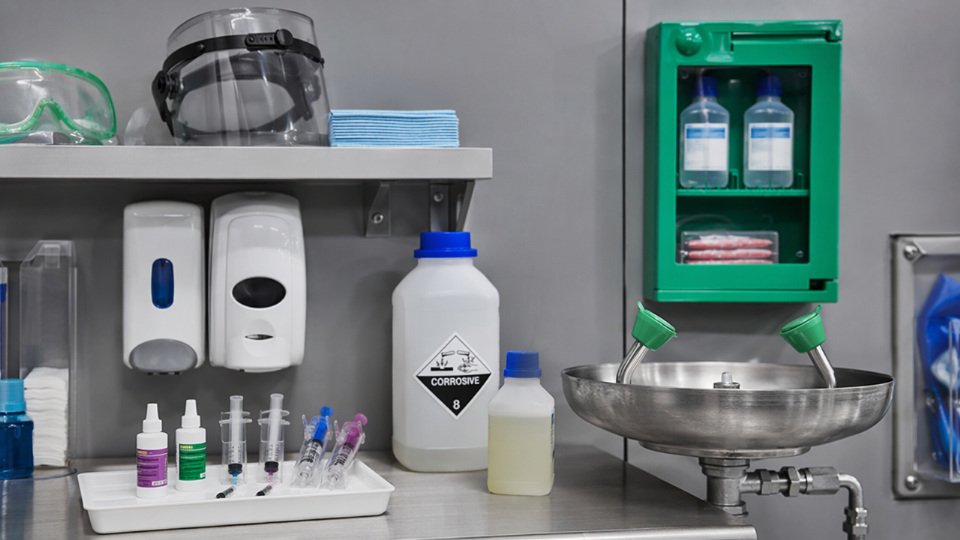
Before you open the etchant container: nitrile gloves rated for acid service (minimum 0.2 mm thickness), full face shield, lab coat or chemical-resistant apron, and confirmed ventilation — a fume hood, a local exhaust enclosure, or outdoor airflow directly away from personnel. Calcium gluconate gel (2.5%) must be physically present at the work station, not stored in a cabinet down the hall. In the event of skin contact, remove contaminated clothing, flush with water for 15 minutes, and apply calcium gluconate immediately while arranging emergency medical evaluation. Working solo with HF is a procedural violation in any well-managed facility.
Choosing the Correct [Silane Coupling Agent](https://siliconchemicals.com/silane-coupling-agents/): Chemistry, Functionality, and Industrial Grades
Every silane coupling agent shares the same backbone architecture: (RO)₃Si–R’–X. The (RO)₃Si end is the inorganic anchor — methoxy or ethoxy groups that hydrolyze in the presence of water to form silanols, which then condense with hydroxyl groups on the etched ceramic surface. R’ is almost always a propyl spacer, providing enough chain flexibility to relieve interfacial stress without sacrificing rigidity. X is the organofunctional group, and this is where selection decisions actually live. X must be chemically compatible with your matrix resin. Getting this wrong is one of the most common causes of early bond failure in both dental lab work and industrial ceramic composite manufacture — the surface looks bonded, adhesion tests at room temperature pass, and then thermal cycling or humidity exposure reveals the mismatch.
Matching the Functional Group to Your Resin System
For methacrylate-based resins — bis-GMA, UDMA, and most dental composite matrices — 3-methacryloxypropyltrimethoxysilane (MPS) is the standard choice. The methacryloxy group co-polymerizes directly into the resin network during cure. Bond strengths of 15–35 MPa at the ceramic-resin interface are achievable, depending on surface roughness after etching, silane concentration (0.1–1.0 wt% in solution), and cure conditions.
Vinyltrimethoxysilane (VTS) serves polyester laminates and some epoxy hybrids where the vinyl group participates in free-radical or addition cure. It is widely used in fiberglass-reinforced composites and ceramic-filled polymer compounding.
3-Aminopropyltriethoxysilane (APTES) targets epoxy systems. The primary amine reacts with epoxide rings, creating a covalent link rather than relying on physical entanglement. This makes APTES the preferred option in structural adhesive applications where epoxy is the matrix.
For sulfur-cured rubber compounds incorporating ceramic or silica fillers, mercaptopropyltrimethoxysilane provides a sulfur-reactive terminus that integrates into the vulcanization network. Substituting MPS in this application produces a visually acceptable compound that fails prematurely under dynamic flex loading.
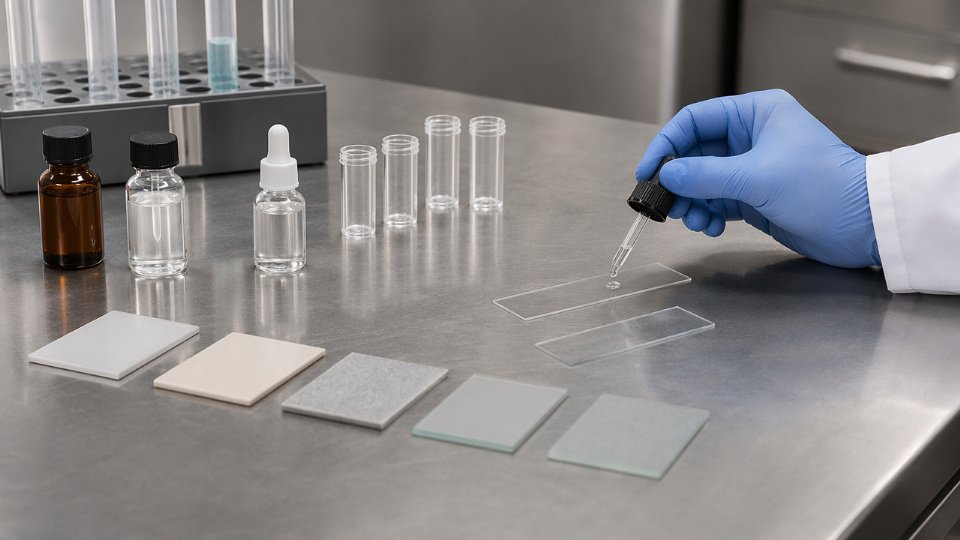
Pre-Hydrolyzed versus Two-Component Systems
Pre-hydrolyzed single-bottle silane products arrive ready to apply. They are convenient for clinical and low-volume production use, but the pre-hydrolyzed silanol species are inherently less stable — shelf life after opening can drop to 3–6 months, and reactivity decreases progressively even in sealed containers.
Two-component systems supply the neat silane separately from an acidic activator (typically a dilute acetic acid or citric acid solution). The operator mixes them immediately before use, producing freshly hydrolyzed silanol species at peak reactivity. For high-durability industrial bonds — structural glazing, ceramic-to-metal assemblies, composite tooling — the two-component approach is consistently preferred. The extra handling step is a small price for reproducible performance.
Post-silanization heat activation at 100–110°C for 60 seconds increases bond strength by 20–40% compared to air-drying alone.True
Published dental and industrial adhesion studies consistently report this range; the mechanism is accelerated condensation of silanol groups and removal of residual solvent, both of which improve the density of Si–O–ceramic bonds.
Solvent Carrier and Hydrolysis Conditions
Dilute ethanol-water (95:5 by volume) adjusted to pH 4–5 with glacial acetic acid is the standard carrier. That slight acidity catalyzes hydrolysis of the alkoxy groups without driving premature condensation. A 5–10 minute hydrolysis dwell time after mixing before application allows full silanol formation.
Never use anhydrous solvents. Without water, the alkoxy groups simply do not hydrolyze — you deposit an inert film that provides essentially no coupling activity. This is a surprisingly common error when operators substitute available lab-grade anhydrous ethanol to avoid moisture sensitivity concerns.
Quality Indicators That Actually Predict Bond Reliability
SiliconChemicals’ MPS and vinyl silane grades are produced to >98% GC purity with APHA color values below 10. These are not marketing specifications — low color confirms minimal oligomeric condensation byproducts in the neat material, and consistent hydrolysis rate (testable by monitoring viscosity change in solution over time) directly predicts film uniformity on the ceramic surface. Batch-to-batch inconsistency in hydrolysis rate is a common problem with lower-grade industrial silanes and manifests as variable bond strength across production runs.
Storage and Degradation
Sealed containers, 5–25°C, away from moisture: these are the conditions for the stated 12–24 month shelf life. Inspect every container before use. Turbidity indicates oligomeric gelation has begun. Visible gel particles confirm it. An unusually strong methanol or ethanol odor suggests hydrolysis has progressed in the container. Any of these signs means the silane is degraded and must not be used — applying degraded silane to a carefully etched surface wastes the etching step entirely and introduces a weak boundary layer that active adhesion testing may not catch until the assembly is in service.
Step-by-Step Silane Application Procedure: Mixing, Coating, Activation, and Inspection
Getting the etching right means nothing if the silane step is careless. A poorly prepared or incorrectly applied silane layer is invisible to the naked eye, yet it is the single most common cause of premature bond failure in both dental and industrial ceramic assemblies. Every variable below matters.
Preparing the Silane Solution
Most commercial silane systems for ceramic bonding — including MPS-based products — are supplied as two-component kits: a concentrated silane in ethanol and a separate acidic aqueous activator, typically a dilute acetic acid solution at pH 3–5. Combine the two components at the manufacturer-specified ratio, which is almost universally 1:1 by volume. The acid protonates the alkoxy groups, initiating hydrolysis to silanol (Si–OH) species that can actually condense with ceramic surface hydroxyls. Without this step, the silane stays largely unreactive.
After mixing, allow a minimum 5-minute hydrolysis dwell time before any application. Skipping this dwell is one of the most common shortcuts on busy production lines and in clinical settings — it produces a solution that looks identical to a properly hydrolyzed one but delivers bond strengths 30–50% lower. Once prepared, use the solution within 30–60 minutes. Beyond that window, silanol groups begin condensing with each other in solution rather than with the ceramic surface, forming oligomeric gels that contaminate rather than bond.
Choosing and Executing the Application Method
The right method depends on substrate geometry and production scale. For small dental restorations, a single-use microbrush gives the necessary control. For flat industrial substrates — heat exchanger plates, sensor housings, composite tooling — spin coating or spray atomization delivers the uniform thin films that this chemistry requires. Dip coating suits complex geometries where line-of-sight methods miss recessed features.
Whatever method you use, the target dry film thickness is 50–200 nm. Thicker deposits do not improve adhesion; they create a cohesively weak organic layer that fractures under load before the ceramic-resin interface is ever tested. A single brush pass or a 3–5 second spray burst at 0.2–0.3 MPa atomizing pressure is usually sufficient.
Wet Contact Time and Avoiding Common Coverage Errors
Apply silane uniformly across the entire etched surface. Allow a 60-second wet contact time. This dwell permits silanol groups to diffuse into the microporous etch topography and condense with surface Si–OH and Al–OH groups exposed by the HF treatment. Pooling or dripping must be corrected immediately — thick puddles leave a soft, under-condensed residue that acts as a stress concentrator. Blot pooled areas gently; do not wipe, which strips the film from adjacent areas.
Solvent Evaporation and Heat Activation
After the 60-second dwell, allow 1–2 minutes of passive evaporation at ambient temperature to drive off the bulk ethanol solvent. Then apply heat: 100–110°C for 60 seconds using a calibrated hot-air gun or a temperature-controlled oven. This step is not optional for high-performance applications. Heat drives off residual water trapped in the film, drives condensation reactions to completion, and converts physisorbed silane molecules into a chemisorbed covalent network at the ceramic surface. Published adhesion data consistently show a 20–40% bond strength increase from heat activation versus air-drying alone — the magnitude depends on film thickness, humidity conditions during application, and ceramic chemistry.
Heat activation at 100–110°C for 60 seconds consistently outperforms air-drying for silane bond strength on etched porcelain.True
Multiple peer-reviewed dental and industrial adhesion studies confirm that thermal treatment drives condensation to completion and removes physisorbed water, increasing ceramic-resin bond strength by 20–40% compared to passive ambient drying.
Second Coat Protocol for Industrial Applications
For assemblies subject to cyclic mechanical stress, thermal cycling, or aggressive chemical exposure, a second thin silane coat applied after the first heat-activation cycle reduces pinhole defects and improves surface coverage uniformity. Activate the second coat identically. Stop at two coats. Three or more layers push total film thickness into the range where cohesive failure within the silane layer — not at the ceramic or resin interface — becomes the limiting factor.
Bonding Window and Reapplication Rules
Bond within 30 minutes of the final heat activation cycle. Beyond one hour at ambient conditions, atmospheric moisture re-hydroxylates the surface and airborne organics adsorb onto it, both of which degrade silane reactivity measurably. If bonding is delayed past the one-hour mark for any reason, the correct response is not to proceed — reapply silane from a freshly prepared solution and re-activate. The 10 minutes this takes is insignificant against the cost of a bond failure in service.
Inspection and Quality Verification
The simplest in-process check is a water contact angle measurement. A properly silanized, activated ceramic surface should exhibit a water contact angle below 10°, compared to above 60° on bare polished ceramic. Values above 15–20° after treatment indicate incomplete hydrolysis, insufficient contact time, or surface contamination during handling. For laboratory or quality-audit environments, FTIR-ATR confirms successful silanization by resolving the Si–O–Si stretching band near 1020–1100 cm⁻¹ and the C=O stretch of MPS near 1715 cm⁻¹. XPS provides elemental confirmation of silicon and carbon coverage ratios when process qualification requires it.
| Verification Method | What It Confirms | Acceptable Result | Indicates a Problem |
|---|---|---|---|
| Water contact angle | Surface wettability and activation | 15–20° | |
| FTIR-ATR | Silane film presence and chemistry | Si–O–Si and C=O bands present | Absent or weak bands |
| XPS | Elemental coverage, film uniformity | Si and C signals above baseline | Low Si signal, high adventitious C |
| Visual / magnification | Film uniformity, pooling, coverage | Uniform matte appearance | Beading, pooling, dry spots |
Bonding Resin Application and Cure After Silanization: Completing the Adhesive Stack
Silane treatment is not a finish line. It is one layer in a stacked adhesive system, and if the layers above it are incompatible, incorrectly sequenced, or poorly cured, the silane work underneath is wasted. Understanding the complete stack — etched ceramic → silane → adhesive resin or primer → bulk cement or structural adhesive → cure — and why each transition must be chemically coherent is what separates durable bonds from early failures.
The Adhesive Stack: Why Each Interface Matters
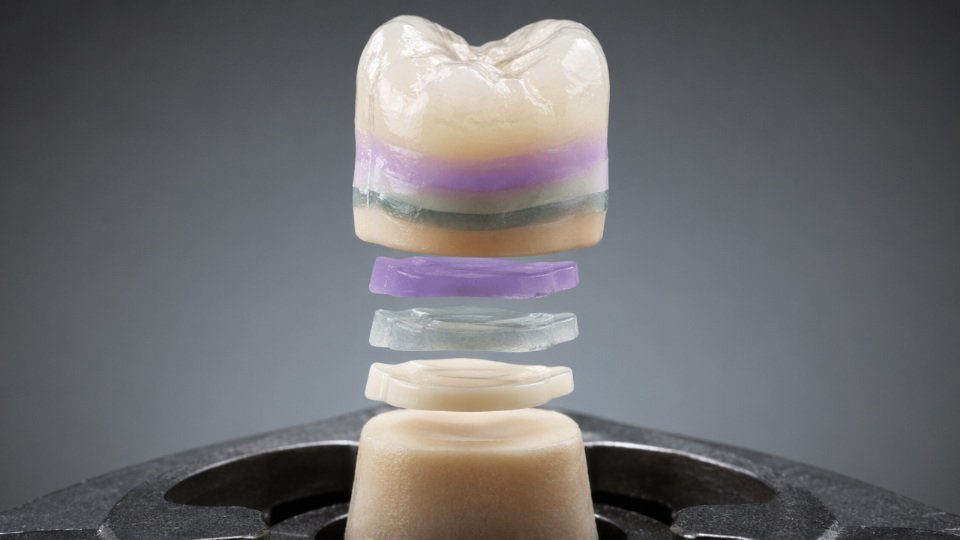
Each layer in the stack serves a distinct mechanical and chemical role. The etched ceramic provides macro- and micro-mechanical retention through surface topography. The silane layer creates covalent bridges between the inorganic ceramic and the organic resin above it. The adhesive resin or primer wets the silanized surface, fills submicron voids, and creates a continuous polymer network that the bulk cement or composite can then lock into. Remove or corrupt any one of those transitions and load transfer across the bond line becomes discontinuous.
The critical constraint at each transition is functional group compatibility. A methacrylate-functional silane — such as 3-methacryloxypropyltrimethoxysilane (MPS) — exposes methacrylate groups at its outward face. Layering a methacrylate-based adhesive resin over it allows co-polymerization across that interface during cure. Placing an epoxy adhesive over an MPS-silanized surface without an epoxy-functional silane intermediate means the bulk adhesive has no covalent pathway to the silane layer. Bond strength measurements in that configuration can drop by 30–60% depending on the adhesive system and ceramic type — a well-documented failure mode in both dental and industrial adhesion literature.
Applying an epoxy structural adhesive directly over a methacrylate-functional silane, without an epoxy-compatible coupling layer, produces significantly weaker bonds than a matched chemistry stack.True
Methacrylate silanes present vinyl/methacrylate end groups that co-polymerize with methacrylate resins but lack reactivity with epoxide rings. Without a glycidoxypropyl or other epoxy-functional silane as an intermediate, or a dual-functional primer, the silane-adhesive interface relies on mechanical adhesion only, which is the weakest link in the stack.
Dental Application Protocol After Silanization
For dental ceramic restorations, apply an unfilled resin adhesive — products in the 2–6 µm film thickness range — over the silanized intaglio surface within the silane’s open window (typically under 5 minutes after solvent evaporation). Use a microbrush to place a thin, uniform coat, then air-thin with oil-free air for 3–5 seconds. The objective is full wetting without pooling; pooled adhesive creates thick, oxygen-inhibited zones that reduce surface hardness and eventual bond strength.
Seat the restoration with resin cement and apply light cure at 1,000–1,200 mW/cm² for 20–40 seconds per accessible surface. Output below 800 mW/cm² noticeably undercures dual-cure cements, particularly in deep margins. Polywave LED units handle the broader photoinitiator spectrum in contemporary dual-cure cements better than single-peak units — worth verifying against your cement manufacturer’s spectral requirement before purchasing equipment.
Industrial Structural Adhesive Application
For industrial ceramic bonding, apply epoxy or methacrylate structural adhesive within the manufacturer’s stated open time — typically 5–30 minutes after silane activation, depending on ambient temperature and humidity. Exceeding open time means the surface energy of the silane layer has dropped and full wetting no longer occurs. Fixture time at room temperature generally ranges from 30 minutes to 2 hours. For structural applications, post-cure at 80–120°C for 1–2 hours significantly increases crosslink density and final bond strength. Skipping post-cure can leave 15–25% of theoretical strength unrealized, depending on the adhesive system.
Moisture Intrusion: The Primary Long-Term Failure Mechanism
Water is the adhesive stack’s persistent enemy. Moisture diffuses through the resin bulk and reaches the silane-ceramic interface, where it attacks Si-O-Si bonds by hydrolysis. This mechanism is slow — often taking months to years before catastrophic delamination occurs — which makes it easy to overlook during short qualification tests. Strategies that genuinely reduce this risk include minimizing bond line thickness (thinner lines reduce diffusion path exposure), using moisture-resistant silane grades with higher hydrolytic stability, and applying a hydrophobic topcoat over accessible bond edges in industrial assemblies.
Thermal cycling accelerates the hydrolytic process by pumping water in and out of the bond line with each expansion-contraction cycle. Running thermocycling durability tests — 10,000 cycles between 5°C and 55°C per standard protocol — before committing to a production adhesive system is prudent, not optional.
Post-Bond Verification
Shear bond strength testing per ISO 10477 is the standard quantitative benchmark for dental ceramic bonds; values of 15–25 MPa are typically acceptable, with anything below 10 MPa warranting process review. Pull-off adhesion testing per ASTM D4541 suits flat industrial ceramic substrates well and gives a direct tensile failure load. Neither test replaces durability data: a bond that tests well on day one and fails after aging tells you more than day-one numbers alone. Any production process change — new silane lot, different adhesive batch, revised cure schedule — should trigger at least abbreviated aging verification before full implementation.
Industrial Applications Beyond Dentistry: Electronics, Aerospace, and Composite Manufacturing
Porcelain etching and silane treatment originated in dental ceramics, but the underlying chemistry — creating a microtextured oxide surface and then coupling it covalently to an organic resin system — is exactly what dozens of industrial manufacturing processes depend on. The scale differs. The substrates differ. The performance stakes, in many cases, are higher.
Electronics and PCB Ceramic Substrate Bonding
Alumina (Al₂O₃) and low-temperature co-fired ceramic (LTCC) substrates sit beneath wire bonds, underfill encapsulants, and conformal coatings in high-reliability electronics assemblies. Bare ceramic surfaces are energetically mismatched to the epoxy and acrylate systems that encapsulate them. Without surface treatment, thermal cycling drives delamination at the ceramic-polymer interface — a failure mode that IPC-6012 Class 3 qualification testing specifically targets through aggressive thermal shock protocols.
APTES (3-aminopropyltriethoxysilane) is the standard choice before epoxy underfill application. Its terminal amine reacts directly with epoxy groups during cure, stitching the polymer network to the ceramic surface. For acrylate-based conformal coatings, MPS (3-methacryloxypropyltrimethoxysilane) is the correct functional match — the methacrylate end participates in radical cure alongside the coating resin. Applied at 0.1–0.5 wt% in ethanol-water solution (ratio and pH matter; see the earlier silane application section), these treatments can shift interfacial shear strength from marginal to retention values that survive 1,000-cycle thermal testing between −55°C and +125°C.
Silane surface treatment of ceramic substrates before epoxy underfill bonding demonstrably improves thermal cycling reliability in high-reliability electronics assemblies.True
Published IPC test data and peer-reviewed adhesion studies consistently show that aminosilane and methacryloxy silane treatments reduce delamination rates at ceramic-polymer interfaces under thermal fatigue conditions.
Aerospace Composite Fiber Sizing and Ceramic Matrix Composites
Glass fiber and ceramic fiber reinforcements for GFRP panels, pressure vessels, and ceramic matrix composites (CMCs) rely on silane-based sizing chemistry applied during fiber manufacture or post-treatment. The mechanism is identical to what the dentist uses: silanol groups condense onto surface hydroxyls on the glass or alumina fiber, and the organofunctional tail bonds into the surrounding matrix resin.
What happens when that sizing is absent or degraded? Moisture diffuses to the fiber-matrix interface and hydrolyzes the physical bond. Untreated glass fiber composites can lose 50–70% of interlaminar shear strength after accelerated moisture aging, a range well documented in open literature and validated through lap-shear and short-beam testing. Vinyl silane (VTMS) works well with polyester and vinyl ester matrices; methacryloxy silane suits higher-performance methacrylate and epoxy-methacrylate hybrid systems. For aerospace qualification, the sizing chemistry is typically locked into the material specification — but understanding which silane functional group is present tells you immediately whether a substitute fiber lot is compatible.
Architectural Glass and Ceramic Tile Installation
Structural glazing sealants and tile adhesives applied to glass facades or ceramic cladding without silane primer can maintain adequate bond strength indoors but fail progressively outdoors. UV exposure, water ingress at the bondline, and thermal movement combine to undercut adhesion. A silane primer — typically an aminosilane or epoxysilane at 0.2–0.8 wt% in solvent — applied and allowed to hydrolyze before sealant application extends outdoor adhesion durability substantially. This is standard practice in curtain wall fabrication shops, even if it does not always make it into the field installation protocol.
Ceramic Filler Dispersion in Polymer Compounds
Silica, alumina, and barium sulfate are used as functional fillers in rubber compounds, thermoplastic composites, and casting resins. Unmodified ceramic particles agglomerate during mixing, creating stress concentration sites and degrading both mechanical and dielectric properties in the final part. Surface treatment with silane at 0.5–2.0 wt% relative to filler weight — applied by dry blending, slurry treatment, or in-process reactive mixing — reduces agglomerate size, improves filler-matrix coupling, and can measurably shift tensile strength, elongation at break, and dielectric loss tangent in the direction you want.
Scaling from Lab to Production, and Supply Chain Reality
Transitioning any of these applications from bench validation to production batch processing requires confirming that silane concentration, solvent system, pot life, application method, and activation temperature all hold across your actual substrate geometry and throughput rate. Starting pilot trials at 0.5–1.0 wt% before committing to full-scale chemistry is not conservative — it is simply the correct approach, because surface area, porosity, and ambient humidity all interact with silane hydrolysis rate in ways that a datasheet cannot fully anticipate.
SiliconChemicals supplies MPS, VTMS, APTES, and specialty modified silanes in drum and IBC quantities, with batch-to-batch consistency verified by GC and FTIR and documented on traceable Certificates of Analysis. For industrial customers running continuous or high-volume processes across electronics, composites, construction, and polymer compounding, that documentation and supply stability matters as much as the silane chemistry itself. Export logistics to more than 30 countries are established, which is relevant when a production line cannot afford to wait on spot procurement.
Troubleshooting Bond Failures: Root Cause Diagnosis and Corrective Actions
Bond failures in ceramic-resin systems almost never have a single obvious cause when you first encounter them on the floor. The fracture surface tells you what happened; your process log tells you why. Work through failure modes systematically before changing anything — changing two variables at once makes the next failure uninterpretable.
Cohesive Failure Within the Ceramic
When the fracture runs through the ceramic body itself rather than along an interface, over-etching is the primary suspect. HF exposure beyond the upper end of the appropriate window — whether from concentration too high, contact time too long, or both — propagates subsurface microcracks that reduce the ceramic’s flexural strength before any load is ever applied. For feldspathic porcelain etched at concentrations above 10% or held beyond 120 seconds, strength loss can be significant and irreversible.
Corrective action: pull your etchant concentration back toward the lower end of the appropriate range for that substrate and retest. Fabricate three-point bend specimens from the same ceramic batch, etch them at the revised parameters, and measure residual flexural strength against the unprocessed baseline. If you are working with lithium disilicate rather than feldspathic glass-ceramic, the etching window is narrower and the consequences of over-etching arrive faster — treat any ambiguity in substrate identification as a process stop, not a judgment call.
Adhesive Failure at the Ceramic-Silane Interface
A fracture surface that is smooth, glassy, and carries no visible resin residue on the ceramic side is the diagnostic signature of adhesive failure at the ceramic-silane interface. SEM confirms it quickly: the ceramic looks nearly as-polished, meaning silane either never bonded or bonded so weakly that it peeled cleanly.
Three causes dominate. First, inadequate etching left insufficient surface topography and reactive silanol density for the silane to anchor to — check your etch parameters against substrate type and verify you are not using a buffered HF product on a substrate that requires standard HF. Second, silane was applied to a surface that retained moisture from the rinse step; even a thin water film competitively hydrolyzes the silane before it reaches the ceramic. Third, silane shelf life or storage temperature was out of specification. Silane coupling agents in pre-hydrolyzed single-component form degrade measurably when stored above 25°C or past the manufacturer’s stated open-shelf life, often with no visible change to the liquid itself.
Expired or improperly stored silane can appear visually identical to in-specification material while delivering substantially lower bond strength.True
Hydrolysis and self-condensation of silane coupling agents proceed without visible turbidity in the early stages, particularly in dilute ethanol-water solutions, making visual inspection alone an unreliable quality check.
Cohesive Failure Within the Adhesive Resin
If the fracture runs entirely through the resin layer with ceramic surfaces on both sides showing good coverage, the silane process worked — the resin did not. Functional group mismatch between silane and resin is one cause: a methacrylate-functional silane paired with an epoxy resin system, for instance, produces poor covalent integration at the interphase regardless of how well the silane bonded to the ceramic. Verify that the silane’s organic functionality matches your resin’s cure chemistry.
Undercure is the other major driver. Vickers hardness below approximately 50 HV on the resin surface indicates incomplete polymerization. Check light-cure intensity with a radiometer, confirm exposure time, and verify that the resin has not exceeded its stated pot life or been contaminated with inhibitor.
Delayed Hydrolytic Failure After Water Aging
Bonds that test acceptably at initial cure but degrade after water exposure or thermal cycling point to silane overlayer problems. Applying silane too generously — particularly with single-component pre-hydrolyzed formulations — deposits a thick polycondensate multilayer. The outer layers of that structure bond only to each other through siloxane linkages, not to the ceramic, and those siloxane-to-siloxane bonds hydrolyze readily in humid or aqueous service conditions.
Reduce application volume, wipe back any pooling, and increase heat activation: post-silanization treatment at 100–110°C for 60 seconds consistently improves hydrolytic durability compared to air-drying, because it drives condensation toward the ceramic surface and volatilizes residual ethanol and water from the film. For components in continuous water contact or high-humidity environments, specifying a hydrophobic-modified silane grade adds another layer of resistance.
Environmental Contamination
This is the failure mode that process documentation catches and informal workflows miss entirely. Fingerprint lipids, cutting fluids, and — critically — airborne silicone from nearby mold-release sprays all deposit on ceramic surfaces in quantities below visual detection but sufficient to block silane coupling. If your bonding area shares space with any silicone spray application, separation is not optional. Enforce a strict sequence: degrease with fresh acetone or isopropanol immediately before etching, handle surfaces only with clean powder-free nitrile gloves after that point, and do not allow the cleaned surface to sit open in a contaminated atmosphere.
Maintaining a Process Control Record
Systematic diagnosis requires systematic records. Log etchant lot number, silane lot number and opening date, application times, ambient temperature and humidity, cure conditions, and pull or shear test results for every production batch. This is not paperwork for its own sake — it is the data set that reveals when a supplier reformulation, a storage temperature excursion, or gradual process drift is degrading your yield before you have accumulated enough failures to recognize the pattern by eye. Statistical process control on bond test results, even with simple control charts, has caught supplier-side silane concentration drift that would otherwise have generated months of field returns.
When to Involve Technical Support
Non-standard ceramic substrates — dense alumina, partially stabilized zirconia, glass-infiltrated composites — and extreme service conditions such as continuous thermal cycling or chemical immersion often fall outside the guidance that standard product data sheets cover adequately. SiliconChemicals provides application-specific technical data sheets, a sample testing service for evaluating silane performance on customer-supplied substrate materials, and custom silane formulation support for cases where standard commercial grades do not meet the performance specification. If your fracture analysis points to a silane-ceramic chemistry mismatch on an unusual substrate, that is the right time to engage directly with formulation engineers rather than iterating through commercial catalog options.
Safety, Waste Disposal, and Regulatory Compliance for HF and Silane Chemicals
Hydrofluoric acid kills quietly. That is not hyperbole — it is the operational reality every technician and engineer must internalize before opening an HF etchant container. Unlike most mineral acids, HF penetrates intact skin rapidly and dissociates slowly in tissue, binding calcium and magnesium ions and triggering systemic hypocalcemia. A 2.5% body-surface-area exposure to concentrated HF can be fatal, and the insidious part is that pain onset is delayed — sometimes by hours at lower concentrations — meaning a worker may feel fine while lethal fluoride ion is already migrating into circulation. Do not let delayed pain mislead anyone into assuming minimal exposure occurred.
HF First Aid and Emergency Response
Every workstation where HF is handled must have 2.5% calcium gluconate gel physically present before work begins — not in a cabinet down the hall. On skin contact, flood the area with water for at least 15 minutes, then apply calcium gluconate gel with gloved hands, massaging continuously to drive calcium into the tissue and neutralize fluoride. Call emergency services immediately regardless of how minor the exposure appears. Intravenous calcium gluconate is required for significant exposures and is a medical decision made at the hospital, but your job is to initiate decontamination before transport, not to wait and assess.
Personal Protective Equipment for HF
Nitrile gloves alone are insufficient for any HF concentration above trace levels. Butyl rubber gloves or neoprene gloves are required; check manufacturer permeation data because glove thickness matters as much as material. A face shield worn over chemical splash goggles — not instead of them — is the minimum facial protection, because a face shield leaves gap paths at the sides. Acid-resistant apron, closed-toe footwear, and long sleeves complete the body coverage. Critically, all HF work must occur inside a fume hood rated for acid vapor capture, not just particulate hoods. Passive laminar-flow hoods with carbon pre-filters are inadequate; you need ducted exhaust with scrubber capability or at minimum verified face velocity sufficient for HF vapor control at your working concentration.
Nitrile gloves provide adequate protection for handling dilute HF etching gels in dental and industrial settings.False
Nitrile rubber has poor resistance to hydrofluoric acid permeation even at low concentrations. Butyl rubber or neoprene gloves are the correct choice for any HF handling, as confirmed by chemical compatibility data from major glove manufacturers and OSHA guidance on HF PPE.
[Silane Coupling Agent](https://siliconchemicals.com/silane-coupling-agents/) Hazards
MPS (3-methacryloxypropyltrimethoxysilane) carries a flash point around 96°C, which places it in a manageable category for most temperature-controlled storage environments, but vinyltrimethoxysilane (VTMS) has a flash point near −28°C and must be stored in rated flammable storage with grounded containers. The hazard that catches engineers off guard is methanol liberation. Methoxy silanes release methanol during hydrolysis — in the presence of moisture or when intentionally mixed into ethanol-water solutions for application. In poorly ventilated workspaces, methanol vapor accumulates to both flammable and physiologically harmful concentrations. Run silane application in ventilated areas and monitor with a combustible gas detector if batch volumes are substantial.
HF Waste Disposal
Spent HF etchant and fluoride-contaminated rinse water cannot go directly to drain in any jurisdiction with modern wastewater regulation. The standard neutralization path is addition of calcium hydroxide (lime) or sodium bicarbonate to precipitate calcium fluoride as a sludge, which can then be dewatered and handled as solid waste. Before any liquid reaches the drain, test effluent fluoride content — most jurisdictions set discharge limits in the range of 10–30 mg/L, with the EU Industrial Emissions Directive and U.S. EPA effluent guidelines typically citing limits near 20 mg/L for indirect dischargers, though your local permit may be stricter. Never assume the municipal limit; check your specific facility permit.
Silane Waste Disposal
Diluted aqueous silane solutions — the sort generated by rinsing application equipment — can be converted to inert silica gel by acidifying to pH 2–3, allowing polymerization to proceed over several hours, then disposing of the resulting gel as non-hazardous solid waste in most jurisdictions once it passes paint-filter and TCLP testing. Concentrated or neat silane, particularly VTMS and other highly reactive grades, must be segregated as hazardous flammable waste and collected through a licensed waste carrier. Do not mix silane waste with HF rinse water; the fluoride content and flammability hazards require separate handling streams and separate waste manifests.
Regulatory Framework
OSHA sets a ceiling limit of 0.5 ppm for HF vapor — a ceiling, not an 8-hour TWA — meaning instantaneous exceedances are violations. GHS-compliant Safety Data Sheets are mandatory for both HF etchants and silane coupling agents under OSHA HazCom 2012 in the United States. In the EU, MPS and the most common industrial silanes are registered under REACH; verify current registration status and tonnage band applicability before import or formulation use, since obligations cascade to downstream users. Under TSCA in the United States, common silane coupling agents including MPS appear on the TSCA Inventory, permitting commercial use, but new silane chemistries require pre-manufacture notification before introduction. Export of HF-containing products is additionally subject to dual-use controls in multiple jurisdictions.
SiliconChemicals provides current GHS-compliant SDS documentation, REACH compliance letters, and HS code classification data with all silane product shipments, which reduces the documentation burden on procurement and EHS teams managing multi-country supply chains. Request the full regulatory package at order placement rather than after the shipment arrives — customs clearance delays caused by missing SDS documentation are avoidable and expensive.
Frequently Asked Questions About Porcelain Etching and Silane Treatment
Can I skip the etching step and just apply silane?
No. Silane coupling agents work by forming covalent bonds with silanol (Si–OH) groups on the ceramic surface, and a polished or as-received ceramic surface simply does not expose enough of them. The surface area is too low and the silanol density too sparse for the siloxane network to anchor properly. What you get instead is a physisorbed silane layer that delaminates under load or moisture cycling — typically within months in service. For any glass-containing ceramic (feldspathic, leucite-reinforced, lithium disilicate), etching with hydrofluoric acid is mandatory. It dissolves the glass phase preferentially, exposing silica-rich topography and dramatically increasing both reactive surface area and silanol site density. Skipping it does not save time; it guarantees rework.
Etching is mandatory for glass-containing ceramics before silane applicationTrue
HF etching exposes reactive silanol groups and increases surface area, both of which are prerequisites for silane condensation and durable covalent bonding at the ceramic-resin interface.
Does silane need to be applied to zirconia?
Standard methacrylate-functional silane — MPS and its equivalents — is largely ineffective on zirconia. Zirconia is a polycrystalline oxide ceramic with essentially no glassy phase, so it lacks the surface silanol groups that silane targets. Applying MPS to unmodified zirconia produces bond strengths closer to 5–8 MPa, well below the 15–35 MPa range achievable on properly treated glass ceramics. Effective bonding to zirconia requires either phosphate-functional primers containing 10-MDP (which coordinates to zirconia’s Zr–OH surface), airborne-particle abrasion with 50–110 µm alumina to mechanically activate the surface, or selective infiltration etching (SIE) protocols. Some industrial workflows combine abrasion with MDP primer for additive benefit. If your substrate is zirconia, confirm the primer chemistry before specifying a product.
How long does a silanized surface remain reactive?
Shorter than most people assume. Reactivity drops significantly within 30–60 minutes of application, and the mechanism is straightforward: ambient moisture rehydrates the silane film and atmospheric organics adsorb onto it. Both processes compete with the resin’s ability to co-polymerize with the silane’s methacrylate groups. In practical terms, silanize the ceramic and bond it in the same short window. If the session runs long, re-silanize rather than risk the bond. In humidity above roughly 60% RH, that window shrinks toward the lower end of the range.
What is the difference between single-bottle and two-bottle silane systems?
Single-bottle systems arrive pre-hydrolyzed and ready to apply — convenient for chair-side use, but the hydrolysis and partial condensation have already begun in the bottle. Shelf life runs shorter (typically 12–18 months from manufacture, concentration- and storage-dependent), and peak bond strength is usually lower because some reactive silanol groups on the silane molecule have already self-condensed before reaching the ceramic surface. Two-bottle systems keep the silane and the acidified aqueous activator separate until the moment of use. Freshly mixed, they generate a highly reactive, fully hydrolyzed species that achieves more complete condensation onto the ceramic. For production environments where reproducibility and peak adhesion matter — sensor packaging, composite manufacturing, high-load dental restorations — the two-bottle format is worth the extra mixing step.
Can I reuse an etched ceramic that was not bonded in the same session?
Yes, with proper reconditioning. Clean the surface with fresh ethanol to remove contaminants, perform a brief re-etch at roughly half the original time (30–60 seconds for feldspathic porcelain, depending on the etch depth already achieved), rinse, dry, and re-silanize from scratch. Do not attempt to bond over an old silane layer. Aged silane does not activate reliably and the condensation chemistry will be incomplete. The reconditioning adds only a few minutes and prevents a bond failure that would cost far more to fix.
What silane product does SiliconChemicals recommend for general ceramic-to-resin bonding?
MPS — 3-methacryloxypropyltrimethoxysilane — is the most broadly applicable starting point for methacrylate and bis-GMA resin systems across both dental and industrial applications. SiliconChemicals supplies high-purity MPS with APHA color below 10 and GC purity above 98%, in quantities from 25 kg drums through full IBC totes for production-scale users. The methacrylate group co-polymerizes with the resin matrix during cure; the trimethoxysilyl end condenses onto surface silanols after etching. It is a well-characterized molecule with decades of published performance data behind it, which simplifies qualification for regulated applications.
Is porcelain etching used in non-dental industrial processes?
Widely. Electronics manufacturers etch ceramic substrates and glass interposers before applying underfill adhesives or conformal coatings — bond failure here means field returns. Glass fiber composite producers treat fiber surfaces before matrix impregnation, where silane coverage directly controls interlaminar shear strength. Ceramic sensor packages rely on etched-and-silanized interfaces to maintain hermeticity under thermal cycling. Architectural glass adhesive bonding — structural glazing, facade panels — uses essentially the same chemistry to achieve durable bonds to weather and UV exposure. The underlying mechanism is identical across all these applications: etch to expose reactive surface, apply silane to build a covalent bridge, bond into the resin or adhesive system while the silane remains reactive.
Sourcing High-Purity [Silane Coupling Agents](https://siliconchemicals.com/silane-coupling-agents/) From SiliconChemicals: Supply Chain and Quality Assurance
Getting the chemistry right on the bench means nothing if the silane you receive is degraded, off-specification, or inconsistently batched. For industrial buyers and procurement managers who have already invested in process development, the supply chain behind the silane is as critical as the formulation itself.
Manufacturing Base and Raw Material Integration
SiliconChemicals operates within China’s established organosilicon industrial clusters in Zhejiang and Jiangsu provinces — regions where chlorosilane feedstocks, functional organic intermediates, and downstream silane synthesis are geographically concentrated within the same supply network. That integration matters operationally: it shortens the raw material pipeline, reduces the price exposure that comes with importing intermediates across multiple tiers, and gives the production team direct visibility over input quality rather than relying on third-party certificates alone. The result is a cost structure that competes globally without the quality trade-offs that often accompany low-cost sourcing.
Product Portfolio for Ceramic Bonding Applications
The silanes most relevant to porcelain etching and ceramic-resin bonding are available as catalog grades:
| Silane | CAS Number | Primary Use in Ceramic Bonding |
|---|---|---|
| MPS (3-methacryloxypropyltrimethoxysilane) | 2530-85-0 | Methacrylate resin systems, dental and industrial composites |
| VTMS (vinyltrimethoxysilane) | 2768-02-7 | Vinyl-functional resin systems, glass fiber sizing |
| APTES (3-aminopropyltriethoxysilane) | 919-30-2 | Epoxy adhesive primers, amine-cure systems |
| MPTMS (3-mercaptopropyltrimethoxysilane) | 4420-74-0 | Thiol-ene systems, sulfur-bridged composite interfaces |
Beyond catalog grades, custom-modified silane formulations are developed for volume customers whose substrate or resin combination falls outside standard chemistry — blended primer systems with controlled hydrolysis rates, for instance, or silanes with modified spacer chain lengths for specific surface flexibility requirements.
Quality Assurance: What Every Batch Goes Through
Every production batch of SiliconChemicals silane coupling agents is tested for GC purity exceeding 98%, with Certificates of Analysis traceable to instrument records.True
This is a stated manufacturing specification from SiliconChemicals and reflects standard quality practice for industrial-grade silane coupling agents supplied to regulated industries.
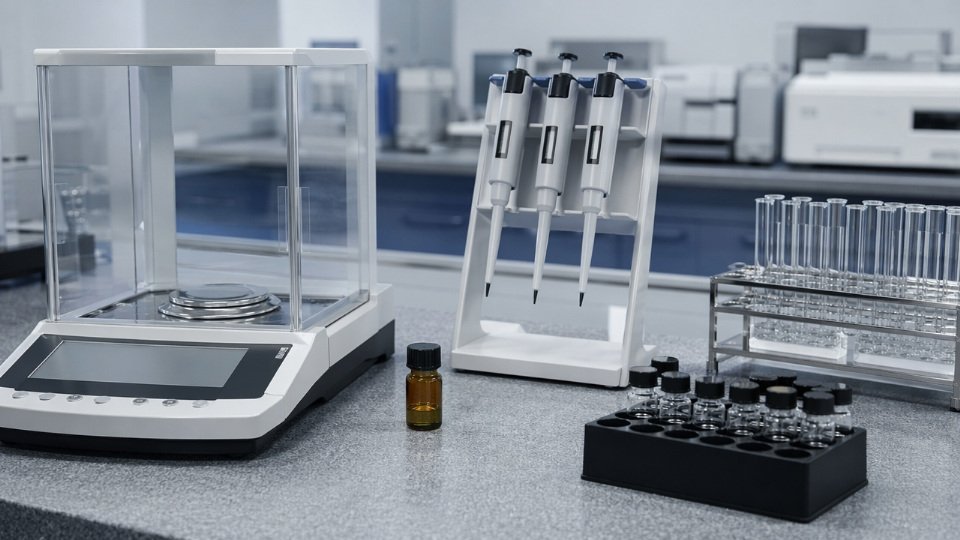
Purity by GC is the entry point, not the complete picture. Each batch also undergoes refractive index and density verification against reference ranges, FTIR identity confirmation to catch any structural deviation from the target molecule, and hydrolysis reactivity evaluation — that last test matters because a silane that measures pure by GC but has absorbed moisture and partially pre-condensed will underperform at application, often without any visible indication. Certificates of Analysis are issued per batch and linked to the specific instrument records from which the values were derived, not generated from template averages.
Packaging, Moisture Protection, and Logistics
Standard export packaging runs 25 kg HDPE drums, 200 kg iron drums, and 1000 L IBCs. Moisture-sensitive grades ship with moisture-barrier inner lining and nitrogen blanketing — a detail that procurement managers sourcing MPS or MPTMS should specifically confirm with any supplier, because silane hydrolysis during transit is a documented cause of incoming quality failures that rarely gets traced back to packaging. Dangerous goods documentation for air, sea, and road transport is prepared by the export team as a standard deliverable, not an add-on.
Technical Support and How to Engage
Application engineers are available for silane selection, dilution protocol development, and process validation support — practically useful when you are scaling from lab-qualified conditions to a production line with different temperature, humidity, and throughput variables. Sample quantities from 500 g to 5 kg are available for qualification trials. Standard grade lead times run 15–25 days ex-works, depending on order volume and destination. Send an inquiry to the export team with your substrate description, resin system, required quantity, and target specification; technical data sheets and SDS are available for immediate download, and a customized quotation returns within 48 hours.