Silane coupling agents fail quietly. A coating delamينates after six weeks in service, a glass-fiber composite loses interlaminar shear strength in humid conditions, a mineral-filled rubber compound shows poor dispersion — and the formulator blames the resin or the filler before ever auditing the silane treatment step. In nearly every case the root cause traces back to three process variables that were never tightly controlled: moisture level at the substrate surface, pH of the hydrolysis medium, and temperature during both application and cure. Each variable looks simple on paper; each one is capable of converting a functional silane layer into a brittle polysiloxane crust that bonds to nothing useful.
Moisture, pH, and temperature each act on a different step of the silane reaction sequence. Too little moisture leaves alkoxy groups unhydrolyzed; too much drives homocondensation into bulk oligomers instead of substrate bonds. pH below 3.5 or above 10 accelerates hydrolysis but destabilizes the bath; the dead zone near pH 7 slows hydrolysis to hours. Temperature controls condensation rate, with reaction rate roughly doubling per 10°C rise between 20°C and 80°C, and cure above 100°C is typically required to complete covalent bonding.
What makes this genuinely difficult on a production line is that the three variables interact — raising temperature to speed up a sluggish alkaline bath compresses an already short gel window; adjusting pH to extend bath life changes which silane chemistry is even worth using. Understanding the mechanism behind each variable, separately and in combination, is the only way to set process limits that hold across shift changes, seasonal humidity swings, and substrate lot variation.
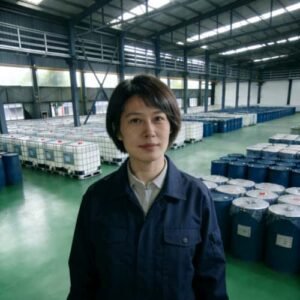
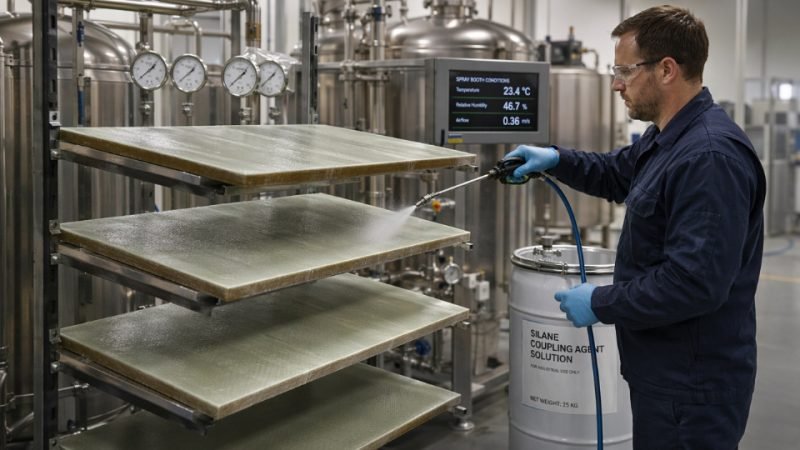
 to glass fiber composite panels in a controlled manufacturing environment](https://siliconchemicals.com/wp-content/uploads/2026/06/silane-coupling-agent-moisture-ph-temperature-reactivity-01-hero.jpg)
Moisture Concentration: The Gatekeeper Between Hydrolysis and Homocondensation
Water is not simply a solvent in silane chemistry — it is a reactant with a precise dose requirement. Get the concentration wrong in either direction and the silane either fails to activate or wastes itself bonding to other silane molecules instead of the substrate.
Adsorbed Interfacial Water vs. Bulk Free Water
Mineral surfaces — silica, glass, alumina, calcined kaolin — carry hydroxyl groups that silanol intermediates need to condense against. But those surface silanols are only accessible when a thin layer of physically adsorbed water is present. The productive window is narrow: roughly 0.1 to 0.5 monolayers of adsorbed water. At this coverage, incoming silanol groups diffuse to the surface, displace physisorbed water molecules individually, and form Si–O–Si or Si–O–metal covalent bonds with substrate hydroxyls. The molecular geometry works because each water molecule occupies roughly the same footprint as a silanol group, so displacement is energetically favorable.
Once bulk free water exceeds about 1% by mass on or in the substrate, the reaction pathway shifts decisively. Silanol intermediates encounter water molecules far more frequently than they encounter surface hydroxyls. Condensation proceeds intermolecularly — silane-to-silane — producing polysiloxane oligomers that deposit as a weak, brittle interlayer. This layer looks like a coating but contributes almost nothing to interfacial adhesion strength. In compounding operations with wet-ground calcium carbonate, for example, failing to dry the filler below this threshold before silane addition routinely causes coupling efficiency to collapse, showing up weeks later as delamination or reduced tensile retention in rubber compounds.
Substrate moisture content above 1% by mass promotes silane homocondensation rather than productive substrate bondingTrue
Excess bulk water increases the probability that hydrolyzed silanol groups encounter water molecules or other silanols before reaching surface hydroxyl groups, driving intermolecular condensation and polysiloxane oligomer formation instead of covalent substrate bonding.
Relative Humidity and Solution-Applied Silanes
When applying silane by spray, wipe, or dip from aqueous or hydroalcoholic solution, ambient relative humidity controls two competing processes simultaneously. Below 30% RH, hydrolysis of residual unhydrolyzed silane on the substrate surface is sluggish — the monolayer doesn’t complete, and subsequent cure produces a patchy, low-density siloxane network. Above 70% RH, hydrolysis is fast but premature condensation sets in before the silanol groups have time to reorient toward the substrate. The film locks into a disordered, largely self-condensed structure. The practical processing window for most trialkoxysilanes in solution application sits between 40–65% RH, though the exact limits shift with silane concentration, substrate temperature, and open time before cure.
Methanol vs. Ethanol By-Products and Bath Life
Trimethoxysilanes release methanol on hydrolysis; triethoxysilanes release ethanol. Methanol evaporates faster under standard conditions, which accelerates local water activity changes in the reaction zone — useful when you want fast hydrolysis but problematic if the bath sits open for hours. Triethoxysilanes hydrolyze more slowly (the ethoxy group is bulkier and slightly more electron-donating), but the slower ethanol evaporation rate buffers local water concentration more effectively. This is one real reason triethoxysilane-based sizing baths on glass fiber lines can hold usable consistency for a full production shift, while trimethoxy equivalents often require more frequent bath replenishment or tighter pH management to stay within specification.
Moisture Control Protocols by Process Type
| Process | Target Substrate Moisture | Practical Control Method |
|---|---|---|
| Dry-powder filler treatment | 60°C | 9–10 | Excess bulk water | Rapid gelation, loss of coupling function |
| <20°C | 6–8 | RH 60°C cure) to complete condensation after application. The risk is high variability: if ambient humidity or substrate moisture content shifts between batches, the effective hydrolysis extent shifts with it, and there is no buffering mechanism to compensate. |
The decision isn’t about which strategy is inherently superior. It’s about which one your process can actually control. A plant that can’t reliably hold substrate conditioning temperature within ±5°C should pre-hydrolyze. A continuous fiber sizing line with a heated bath and tight pH monitoring can run in-situ successfully — but only if temperature and pH are logged continuously, not checked once per shift.
Substrate-Specific Reactivity Profiles Across Silane Functional Groups
The same silane chemistry that bonds aggressively to glass fiber can sit almost inert on a talc surface under identical process conditions. That mismatch costs real money — in adhesion failures, elevated scrap, and reformulation cycles. The moisture, pH, and temperature levers discussed in earlier sections do not operate at fixed settings; the substrate’s own surface chemistry shifts which lever matters most and by how much.
Glass and Silica Substrates
Borosilicate glass and fumed or precipitated silica carry surface silanol densities in the range of 4–8 OH groups per nm², depending on prior thermal history and surface finishing. That density means condensation is rarely the limiting step — hydrolysis of the alkoxy groups is. Pre-hydrolyzing trialkoxysilanes at pH 4–5 in dilute aqueous-alcohol solution (typically 0.5–2 wt% silane) for 15–30 minutes before application gives the silanol species time to form without triggering bulk oligomerization.
Humidity control during coating is critical. At 40–60% relative humidity, one to a few monolayers of adsorbed water sit on the glass surface — enough to mediate condensation bonding, not enough to solvate the surface into a bulk water film. Push above 70–75% RH and you start building polysiloxane multilayers that don’t anchor covalently; they produce a weak boundary layer that peels under stress or hydrolytic aging. A cure step at 110–130°C for 15–60 minutes (depending on silane type and film weight) drives off residual ethanol or methanol and completes Si–O–Si bond formation with the substrate.
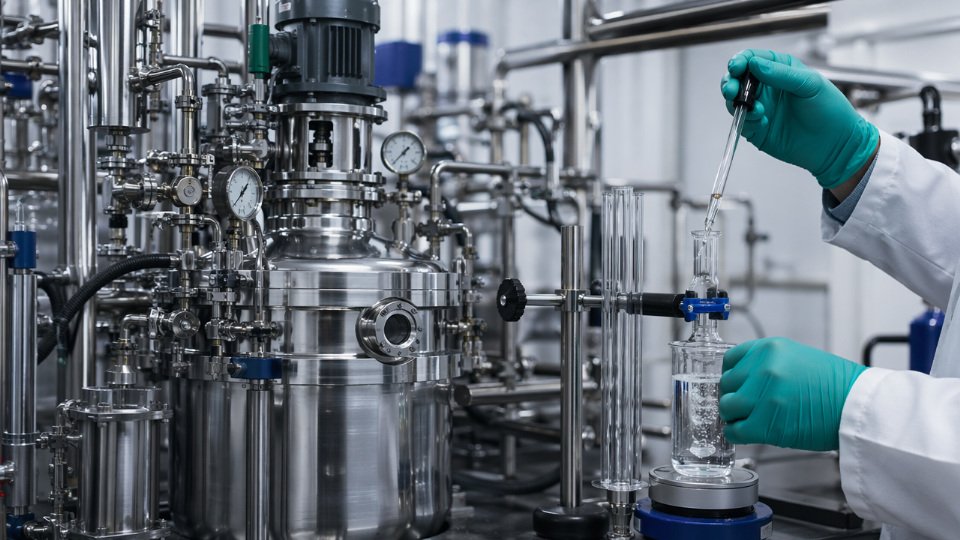
Mineral Fillers: Calcium Carbonate, Talc, and Kaolin
These fillers introduce a buffering complication. Calcium carbonate raises the local pH of any aqueous silane solution toward 8–9 almost immediately on contact. Talc and kaolin are less aggressive but still pull pH upward from acidic starting conditions. That pH rise compresses the usable pot life of your silane bath and can push condensation into the uncontrolled alkaline regime before the silane has reached the filler surface uniformly.
The practical counter-strategy is to start at pH 3.5–4.5 — acidic enough that the surface buffering action only brings you to pH 5–6 by the time mixing is complete, keeping you inside the productive hydrolysis window. In internal mixer or Henschel mixer applications at 80–120°C, the thermal input partially compensates for silane that arrived with incomplete hydrolysis; elevated temperature accelerates condensation onto the mineral surface and can recover bond density that cooler, slower processes would miss. That thermal compensation has limits, though — above 130°C with aminosilanes on kaolin you risk discoloration and amine volatilization.
Calcium carbonate surface buffering can raise the local pH of an acidic silane solution to above 8 within seconds of contact.True
Calcium carbonate is alkaline (surface pH ~9–10 in water) and rapidly neutralizes dilute acidic silane solutions; this shifts hydrolysis kinetics and accelerates uncontrolled condensation unless the starting solution pH is set low enough to absorb the buffering effect.
Metal Substrates: Aluminum and Steel
Native oxide layers on aluminum and mild steel supply hydroxyl groups, but the density is lower — typically 1–3 OH/nm² — and highly variable with surface pretreatment, oxidation state, and contamination. A degreased, lightly etched aluminum surface bonds silane meaningfully; mill-scale steel with oil contamination does not, regardless of silane concentration or temperature.
Cure temperatures of 130–150°C are generally needed to drive adequate covalent condensation at these lower hydroxyl densities; lower cure temperatures leave much of the silane physisorbed rather than chemically anchored. Aminosilanes such as APTES bring a corrosion inhibition benefit on steel through amine–iron coordination, but take care on zinc or copper surfaces — alkaline aminosilane solutions (pH 9–10) can etch zinc coatings and leave soluble copper–amine complexes that contaminate downstream adhesive bondlines.
Cellulosic and Hydroxyl-Bearing Polymer Substrates
Wood fiber, kraft pulp, and polyvinyl alcohol films carry surface hydroxyl groups, but the substrate imposes a hard ceiling on process temperature — often 80°C or below — to prevent discoloration, dimensional distortion, or polymer degradation. That constraint removes the thermal compensation available to mineral filler processors.
Compensation comes from chemistry instead: optimizing pre-hydrolysis at pH 3.5–5.0, extending contact time (10–30 minutes rather than the 2–5 minutes acceptable on glass), and using longer-chain or less hydrophobically shielded silanes that diffuse more readily into the porous substrate surface. Reaction time and pH precision carry a heavier load here than anywhere else in the substrate family. Getting either wrong shows up directly in wet tensile strength or moisture-resistance test failures — consequences that are cheap to find in the lab and expensive to find in the field.
Industrial Quality Control: Measuring and Monitoring Reactivity Parameters in Production
Getting moisture, pH, and temperature into the right window on paper is the easier half. Keeping them there across a production shift — with varying feedstock moisture, ambient temperature swings, and bath aging — is where most silane-related quality failures actually originate. The following methods are what a working process control system looks like in practice.
pH Monitoring in Silane Solution Tanks
Use industrial-grade combination pH electrodes with automatic temperature compensation; uncompensated readings at a bath running 40–50°C will read 0.3–0.8 units low relative to ambient-calibrated reference values, which is enough to push an aminosilane bath from its productive pH 9–10 window into the dead zone. Calibrate with two-point buffer solutions (pH 4.00 and pH 7.00, or pH 7.00 and pH 10.01) at the start of each shift. Check electrode slope; anything below 95% of the theoretical Nernst slope means the membrane is fouled or aging — replace it before the run, not after a scrap event.
Measurement frequency should reflect bath stability. Aminosilane baths drift slowly and checking every two hours is adequate under normal conditions. Chlorosilane-derived hydrolysate solutions are a different matter: HCl release during hydrolysis actively drops pH, sometimes dropping 1–2 units within 30–45 minutes of fresh silane addition, so 30-minute intervals are not excessive. Set action limits at ±0.5 pH units from target. Correction: drift toward neutral is the most common failure mode; bring pH down with dilute acetic acid (0.1–1% aqueous, added incrementally), or raise it with dilute ammonia solution. Never add concentrated reagent directly to a circulating bath — local concentration spikes trigger rapid gelation in the immediate addition zone.
Moisture Measurement Across the Process Chain
Capacitive relative humidity sensors positioned at the application zone — whether a spray booth, dip tank enclosure, or fluidized-bed coating chamber — give continuous readings but need monthly calibration against a chilled-mirror or salt-solution reference. For practical process control, target chamber RH between 40–60%; below 30% RH, surface-adsorbed water on mineral substrates can drop below the 0.1-monolayer threshold that supports effective hydrolysis. Above 70–75% RH, bulk condensation risk on cold feedstock surfaces becomes real.
Karl Fischer titration is the appropriate method for measuring bulk water content in silica filler or glass fiber feedstocks prior to silane treatment.True
Karl Fischer titration directly measures total water by stoichiometric reaction with iodine and sulfur dioxide, giving absolute mass-fraction results independent of water distribution or surface area, which capacitive sensors cannot provide for solid substrates.
For solid feedstocks, target bulk water content below 0.3–0.5% by mass before silane contact. Above 1%, you are feeding homocondensation rather than substrate bonding. In enclosed treatment chambers, log dew point continuously and correlate it with substrate inlet temperature; if substrate surface temperature is within 3–5°C of the dew point, moisture will condense on the surface as a bulk water film rather than the controlled monolayer you need.
Temperature Management in Mixing and Transfer
Place thermocouples at the vessel wall and at mid-bath depth — surface readings alone miss thermal stratification, particularly in larger tanks with low agitation. Heat tracing on transfer lines should maintain solution temperature within ±5°C of the mixing vessel setpoint; silane solutions cooling in untraced lines increase viscosity and, in alkaline aminosilane cases, can approach gel onset. For substrate pre-heating, target substrate surface temperature 10–20°C above the ambient dew point before silane application. Cold glass fiber rovings pulled from an unheated warehouse into a warm, humid coating zone is a classic source of variable adhesion lot-to-lot.
Reactivity Verification Tests
Hydrolysis completion can be estimated by headspace GC measuring methanol or ethanol evolution from the bath — the rate drops sharply once the alkoxy groups are consumed, giving a practical end-point signal. Contact angle measurement on treated substrates offers a fast inline check: a well-treated hydrophilic mineral surface with aminosilane or epoxysilane should show contact angles below 20°. Values above 35–40° indicate either under-treatment or significant homocondensation deposit rather than covalently bonded silane. Pull-off adhesion testing — typically 1–3 samples per production lot using a portable adhesion tester — closes the loop between process parameter records and the actual bond quality delivered to the customer. Log pH, RH, temperature, and contact angle data together against each lot; when adhesion failures occur, the pattern in those combined records almost always points to which variable drifted first.
Common Processing Mistakes and Root-Cause Diagnosis Guide
When coupling agent performance falls short, the failure mode is almost always traceable to one of three root causes: wrong water activity, wrong pH, or wrong thermal history. The difficulty is that all three can produce overlapping symptoms. This section maps the most common observable failures to their underlying chemistry so you can stop guessing and start correcting.
White Haze or Gel Particles in the Silane Bath
You pull a sample of your hydrolysis bath and it looks cloudy, or you find soft gel strings in the circulation line. This is premature condensation — silanols have cross-linked with each other instead of waiting to react with the substrate.
The usual culprit is pH drift above 7. Even a brief spike to pH 7.5–8.5, caused by alkaline carry-over from a substrate rinse or an incorrectly sequenced dosing step, is enough to accelerate silanol–silanol condensation to the point where oligomers form within minutes. A temperature excursion has the same effect: if a bath sitting at 40°C is accidentally exposed to a heat source pushing it past 55–60°C, condensation kinetics roughly double and gel formation follows quickly.
Corrective action depends on how far the bath has gone. If viscosity is within 20% of your baseline measurement (always record baseline at batch preparation), re-acidify with dilute acetic acid to pH 4–5 and cool to your target process temperature. If viscosity has climbed beyond that threshold, discard. Trying to recover a heavily condensed bath typically produces inconsistent film quality and is not worth the material savings.
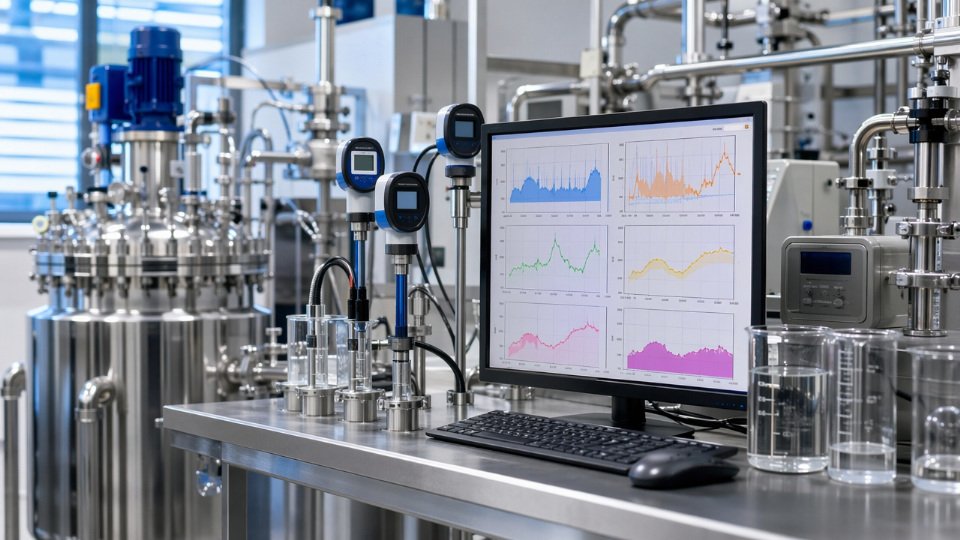
Operational warning: Aminosilanes such as APTES self-buffer toward pH 9–10 through intramolecular base catalysis. Their baths gel within 1–4 hours even under controlled conditions. Prepare only what you will use within that window and never allow an aminosilane bath to sit overnight.
Poor Adhesion Despite Confirmed Silane Coverage
XPS or ATR-FTIR shows Si–O peaks at the interface. The silane is clearly present. Yet lap-shear or peel values are 30–50% below specification. This pattern points almost exclusively to incomplete covalent condensation — the silanol groups have physisorbed onto the substrate surface but never formed Si–O–metal or Si–O–Si covalent bonds because the thermal budget was insufficient.
Measuring oven air temperature is sufficient to verify silane cure conditionsFalse
Substrate surface temperature consistently lags oven air temperature by 10–30°C depending on part mass and thermal conductivity. A thick glass-filled nylon part or a dense mineral filler bed can take significantly longer to reach cure temperature than the oven thermocouple suggests. Always verify with a contact thermocouple or thermal label on the actual substrate.
Covalent condensation onto inorganic substrates requires substrate surface temperatures of 120–150°C, held for adequate dwell time. Verify with a contact thermocouple on the actual part, not the oven air sensor. Thick substrates or high-mass filler beds lag oven air temperature by 10–30°C depending on geometry and thermal mass.
Good Initial Adhesion That Fails in Humid Aging
The part passes initial bond tests, but after 72-hour boiling water immersion or 85°C/85% RH aging, adhesion drops sharply. This is the fingerprint of a silane multilayer with a hydrolytically weak polysiloxane interlayer between the outer organic-functional layer and the substrate.
It happens when silane concentration is too high — typically above 2.0% by weight in aqueous solution — or when the substrate surface carries excess bulk water that promotes homocondensation ahead of substrate bonding. The outer molecular layers bond to each other, not to the surface, and those intersiloxane bonds hydrolyze readily under sustained humidity.
Reduce solution concentration to 0.5–2.0% by weight; for thin mineral fillers with high surface area, lean toward the lower end of that range. Control substrate moisture to the 0.1–0.5 monolayer adsorbed water target described earlier in this article.
Batch-to-Batch Inconsistency With an Unchanged Formulation
This is the most frustrating failure mode because nothing has apparently changed. Same silane grade, same substrate, same process sheet — yet bond strength varies 15–40% across production runs.
The root cause is almost always environmental moisture variation or incoming filler moisture variation, and often both. Seasonal RH swings of 30–60 percentage points between winter and summer are common in facilities without climate control, and that shift changes the effective water activity on filler surfaces enough to alter the hydrolysis-to-condensation balance. Calcium carbonate, precipitated silica, and kaolin fillers are particularly hygroscopic and can absorb 0.5–1.5% free water during humid seasons without any visible change.
Corrective actions are straightforward but require investment in process discipline. Install an RH-controlled application booth targeting 40–60% RH. Implement an incoming moisture specification for all mineral fillers — free water below 0.3% by Karl Fischer titration is a practical threshold. Log bath pH, temperature, and ambient RH for every production run so that when a deviation occurs you have the data to trace it rather than guessing.
| Symptom | Most Likely Root Cause | First Diagnostic Check | Corrective Action |
|---|---|---|---|
| Haze or gel in bath | pH >7 or temperature spike | Measure bath pH and viscosity | Re-acidify to pH 4–5; discard if viscosity >20% above baseline |
| Si–O confirmed but low adhesion | Insufficient cure temperature | Contact thermocouple on substrate surface | Raise substrate surface temp to 120–150°C |
| Adhesion fails in humid aging | Multilayer / excess concentration | Check solution concentration and substrate moisture | Reduce to 0.5–2.0 wt%; control surface water |
| Batch-to-batch variability | RH variation or filler moisture | Log ambient RH; Karl Fischer on filler | RH-controlled booth; incoming moisture spec <0.3% |
Frequently Asked Questions About Silane Coupling Agent Reactivity Conditions
Can I use silane coupling agents in fully aqueous systems, or do I need organic solvent?
Fully aqueous systems work well for most trialkoxysilanes, provided you control pH tightly. Trimethoxysilanes hydrolyze fast enough at pH 3.5–5.5 to generate stable silanol solutions before condensation dominates. A practical starting point: 0.5–2% silane by weight in deionized water, acidified to pH 4–4.5 with dilute acetic acid. Acetic acid is preferred over hydrochloric or sulfuric acid because it buffers gently and leaves no aggressive anion residue on the substrate surface.
Keep concentration below 2% for most functional silanes. Above that threshold, the local silanol concentration builds fast enough that inter-silanol condensation competes with substrate bonding — you form a polysiloxane gel in solution rather than a monolayer on your part. Organic co-solvent (isopropanol is typical at 5–20% by volume) slows condensation and extends bath life, but it is not chemically required. Many glass fiber and mineral filler treatments run as purely aqueous baths without issue.
Why does my aminosilane solution turn cloudy after 4 hours but my vinylsilane solution stays clear for 2 days?
The amine group is the culprit. Aminosilanes such as APTES or AMEO elevate their own solution pH to roughly 9–10 through intramolecular base catalysis. At that pH, silanol condensation is rapid — half-lives for oligomerization can drop to under an hour at room temperature. The cloudiness you see is polysiloxane precipitate, not contamination. The coupling function is already largely lost by that point.
Vinylsilanes carry no basic group. Applied in an acidified bath at pH 4–5, they hold as stable silanols for 24–48 hours or longer because acid catalysis slows condensation while still enabling hydrolysis. The practical rule: use aminosilane baths within 4–8 hours of preparation and never allow them to sit overnight. If your process requires longer bath life, consider using a buffered acidic pre-hydrolysis at pH 3.5–4 before substrate contact, which suppresses the amine’s self-catalysis effect.
Aminosilane coupling agents self-catalyze their own condensation through intramolecular base catalysis, making bath life fundamentally shorter than for non-basic functional silanes at equivalent concentration and temperature.True
The pendant amine raises solution pH toward 9–10, activating base-catalyzed condensation of silanols. This is well-established mechanistic chemistry and explains the characteristically short working life of aminosilane baths compared to vinylsilane or epoxysilane baths prepared under acidified conditions.
At what temperature should I store silane coupling agent concentrate before dilution?
Neat, undiluted silane should be stored at 5–25°C in sealed, moisture-proof containers — typically nitrogen-blanketed drums or tightly closed HDPE bottles. Avoid freezing: some functional silanes, particularly aminosilanes with higher molecular weight, can phase-separate on freeze-thaw cycling, and re-homogenization is not always complete. Humidity ingress is the bigger practical risk; even small amounts of atmospheric moisture will initiate hydrolysis in the headspace, generating methanol or ethanol and beginning oligomerization before the product is ever opened.
Once diluted into an aqueous bath, refrigerate at 5–10°C if the solution will not be used immediately. Even so, use within the pot life window for that specific silane type — 24–72 hours for acidified trimethoxysilane solutions, 1–4 hours for aminosilane solutions at ambient temperature.
Does higher cure temperature always mean better bonding?
No. Above roughly 150°C, most organic functional groups — epoxy, amino, mercapto — begin thermally decomposing before they can react with the polymer matrix. You retain the inorganic Si–O–substrate bond at the mineral interface, but the coupling bridge to the organic phase is gone. The result is a treated filler that still has poor adhesion to the resin, which looks identical in appearance to a properly coupled filler but fails catastrophically under mechanical or environmental stress.
Match cure temperature to both silane thermal stability and substrate constraints. Epoxysilanes tolerate up to approximately 150°C well. Aminosilanes and mercaptosilanes are generally more temperature-sensitive and should be cured in the 100–130°C range. Where substrate geometry allows, longer cure times at lower temperatures outperform short aggressive cycles.
How do I treat hydrophobic substrates that lack surface hydroxyl groups?
Polyolefins, untreated carbon fiber, and fluoropolymers present no surface hydroxyl groups for silane condensation. Silane application to these surfaces without prior activation produces nothing more than a weakly adsorbed — and easily removed — polysiloxane film. The chemistry simply cannot form covalent Si–O–substrate bonds where no surface –OH exists.
Corona discharge, atmospheric plasma, or flame treatment generates surface hydroxyl and carboxyl functionality, typically increasing surface energy from below 35 mN/m to 50–70 mN/m within seconds of treatment. Silane application must follow within minutes to hours depending on the substrate and treatment method, because surface energy decays as functional groups migrate or are covered by low-molecular-weight contaminants. No moisture, pH, or temperature adjustment compensates for missing surface chemistry.
What is the minimum effective silane concentration for glass fiber sizing?
Target 0.1–0.5% silane by weight on fiber weight, expressed as loss on ignition (LOI). Below 0.1%, surface coverage is geometrically incomplete — bare glass patches remain, and composite interlaminar shear strength reflects those weak zones under load. Above 0.5%, multilayer polysiloxane buildup forms a cohesively weak interlayer that actually degrades composite performance compared to a well-formed monolayer.
Optimize within this window by setting bath pH to 4.0–4.5 and temperature to 20–40°C. Higher bath temperatures accelerate silanol deposition onto fiber surfaces but shorten bath life, so larger operations running continuous sizing lines typically hold to 20–30°C and refresh the bath on a timed schedule rather than trying to push deposition speed.
Selecting the Right Silane Grade and Supply Chain Considerations for Consistent Reactivity
Everything discussed in the preceding sections — optimal pH windows, moisture thresholds, temperature-dependent condensation kinetics — assumes you start with a silane that is chemically clean, dry, and consistent lot to lot. That assumption breaks down more often than most engineers expect, and the failure mode is insidious: the product looks fine on arrival, performs well on the first trial batch, then drifts subtly over weeks or across supplier shipments until adhesion statistics or composite interfacial strength begins to scatter.
Residual HCl and As-Received Acidity
Most trialkoxysilanes are manufactured via the chlorosilane route: reaction of a trichlorosilane precursor with an alcohol to yield the trialkoxy product and HCl byproduct. Incomplete neutralization or insufficient stripping leaves residual HCl dissolved in the neat silane. Levels above 50 ppm create a measurable problem in moisture-sensitive applications. Even trace moisture absorbed through imperfect container seals will initiate hydrolysis in the presence of that acid — essentially running an uncontrolled pH 3–4 hydrolysis reaction inside your drum before you ever open it.
Residual HCl above 50 ppm in a neat trialkoxysilane accelerates premature hydrolysis during storage if any moisture ingress occurs, shifting the silanol/silane equilibrium before the product reaches your process.True
HCl is an effective acid catalyst for alkoxy hydrolysis. At concentrations above 50 ppm in a neat silane, even sub-percent moisture contamination generates silanol species and initiates oligomer formation, degrading reactive –Si(OR)₃ content before use. This is consistent with standard silane supplier quality specifications and published hydrolysis kinetics literature.
Controlling this starts at the reactor. Fractional distillation after synthesis separates residual HCl and unreacted chlorosilane precursors from the product; the tighter the cut, the cleaner the alkoxy product. SiliconChemicals follows distillation with dry-nitrogen blanketing during transfer and drum filling, keeping headspace moisture below the level that would initiate measurable hydrolysis over a 12-month shelf life under normal storage. Lot release requires HCl content ≤50 ppm by ion chromatography for standard industrial grades, with tighter limits applied to aminosilane and epoxysilane products destined for electronics or medical-adjacent applications.
Packaging and Transit Conditions That Preserve Reactivity
Shipping from China to Europe, North America, or Southeast Asia takes three to eight weeks by sea depending on routing and port congestion. A lot of things can go wrong with moisture-sensitive chemistry in that window.
The practical packaging standard for bulk quantities is a moisture-barrier IBC or steel drum with a pressure-relief valve rated for thermal expansion — because even “temperature-controlled” containers see diurnal cycling that creates pressure differentials that pump humid air past inadequate seals. Desiccant packs inside the outer carton or pallet shroud provide a secondary barrier for smaller packaged quantities. For thermally labile functional silanes — methacrylsilanes, certain aminosilane adducts — temperature-controlled sea freight (typically 15–25°C maintained) is not a luxury; thermal excursions above 40°C during a three-week transit are sufficient to measurably increase oligomer content and reduce free alkoxy concentration on arrival.
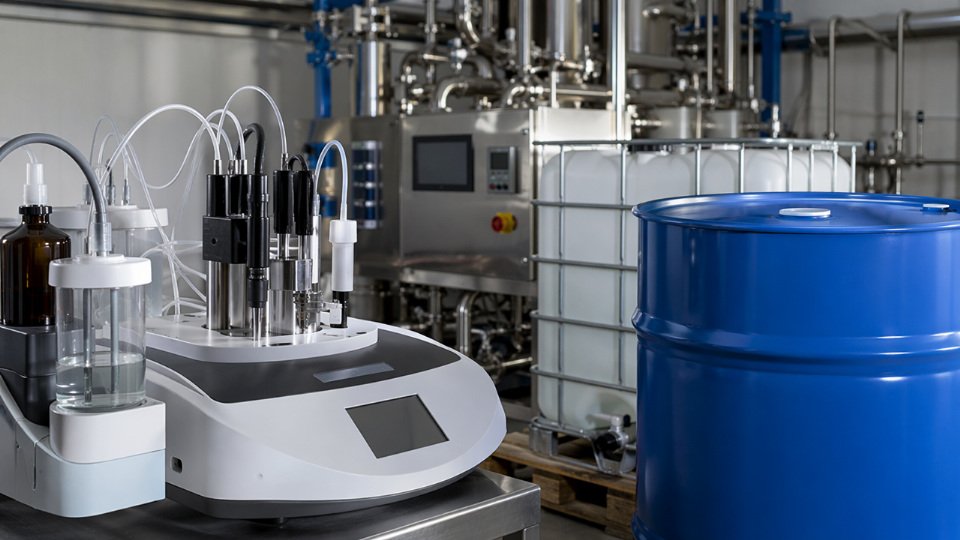
Every shipment should be accompanied by a certificate of analysis documenting moisture content (typically by Karl Fischer titration, acceptable range depends on grade but commonly <200 ppm for sensitive applications), HCl content, GC purity by alkoxy group distribution, and color/appearance. Lot traceability matters when you are diagnosing a process drift six months after receipt.
GC Purity and Batch-to-Batch Hydrolysis Reproducibility
This is the specification that most procurement teams overlook until they have a scrap event. The alkoxy group distribution — specifically the ratio of trialkoxy to dialkoxy and monoalkoxy species — directly controls hydrolysis kinetics and crosslink density at the interface. A nominally trimethoxy silane at 95% GC purity may contain 3–5% dialkoxy byproduct. That fraction hydrolyzes at a different rate, forms a bifunctional silanol rather than a trifunctional one, and produces a statistically lower crosslink density in the condensed silane layer. Run that product at scale on glass fiber or silica filler and you will see measurable degradation in wet mechanical properties versus a 98.5%-pure equivalent.
Industrial-grade coupling agents should carry GC purity ≥98.5% by area normalization as the baseline specification. Technical-grade products in the 95–97% range are appropriate for applications where coupling efficiency is not performance-limiting — bulk concrete admixtures, some surface-hydrophobing treatments — but should not be the default choice for fiber-reinforced composites, adhesive primers, or any application where the silane monolayer is doing structural work.
Practical Support Before Committing to Bulk Volumes
New applications almost always require iteration on moisture, pH, and temperature conditions specific to your substrate, your solvent system, and your cure schedule. SiliconChemicals offers small-batch sampling — typically 1–5 kg — before customers commit to full IBC or drum quantities, which is the only rational way to validate processing window compatibility without carrying inventory risk. For customers who lack pH control capability in their own process lines, pre-hydrolyzed silane concentrates are available: the hydrolysis is performed under controlled pH 4–4.5 conditions, the concentrate is stabilized, and it arrives ready to dilute and apply without requiring the end user to manage the hydrolysis step. Application engineering support — specifying dilution ratios, substrate pre-treatment protocols, and cure schedules — is part of the standard technical engagement rather than a premium add-on.