Formulators and compounders who specify silane coupling agents by trade name alone — without understanding how the chemistry is actually built — routinely get burned when a supplier switch introduces a product with subtly different hydrolysis kinetics or residual chloride content. The result is adhesion failures that don’t show up until post-cure testing, filler dispersion problems that waste an entire production batch, or rubber-to-metal bond strengths that fall short of spec on the assembly line. Those failures trace back to process variables set during synthesis, not to something you can fix by adjusting your formulation. Understanding the manufacturing route gives you the diagnostic vocabulary to ask the right questions before you place a purchase order.
Silane coupling agents are made primarily through a two-stage process: first synthesizing a chlorosilane or alkoxysilane base (most often from trichlorosilane or silicon tetrachloride reacting with organochlorides via a metal-catalyst-driven direct process), then functionalizing that intermediate through nucleophilic substitution, hydrosilylation, or alcoholysis to attach the target organic functional group — amino, epoxy, methacryloxy, mercapto, or vinyl — to the silicon center.
What makes this chemistry industrially interesting is how tightly the synthesis route constrains the final product’s behavior. The choice of intermediate, the reactor temperature profile, the catalyst system, and the alcohol used in alcoholysis each leave a fingerprint in the finished molecule — one that shows up in your coupling efficiency, pot life, and hydrolysis rate. Walk through the actual plant-floor steps and those downstream variables stop looking like black boxes.
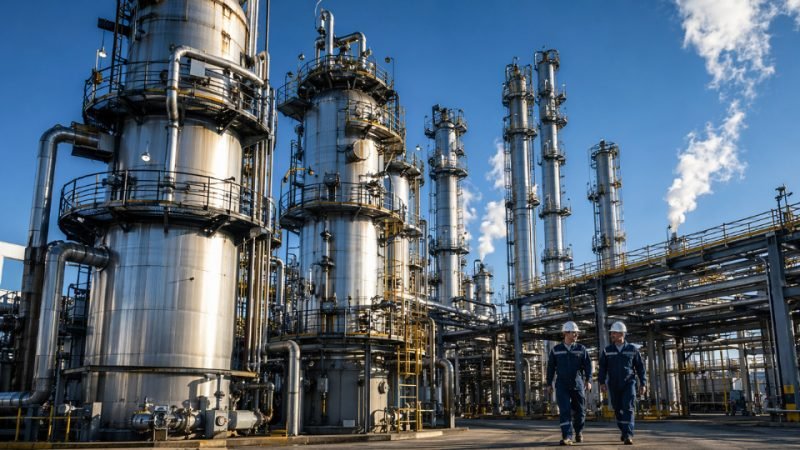
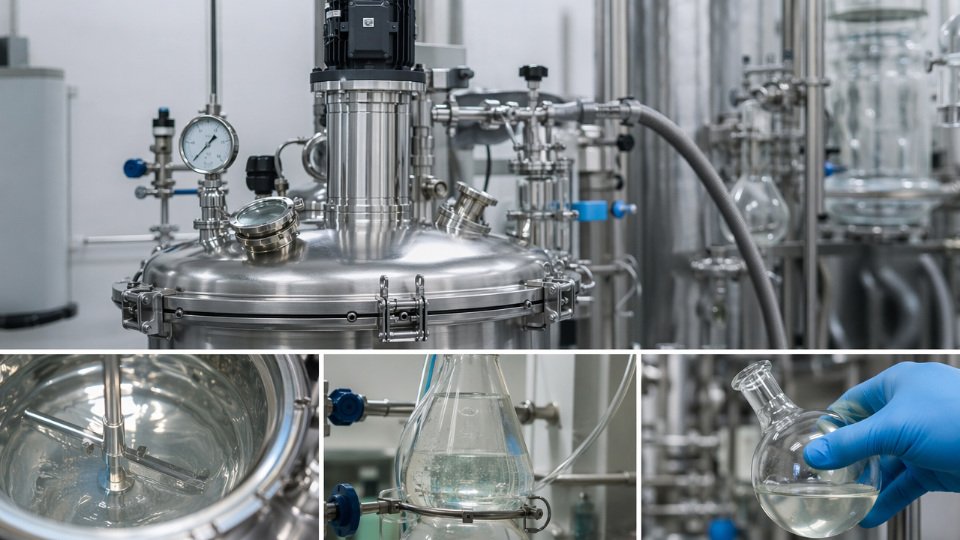
 production facility showing large-scale fluidized-bed reactors and distillation columns](https://siliconchemicals.com/wp-content/uploads/2026/06/how-silane-coupling-agent-made-01-hero.jpg)
Raw Material Sourcing and Quality Gates: Silicon Metal, Chloromethane, and Organofunctional Precursors
Every silane coupling agent molecule starts as silicon metal and a handful of carefully specified co-reactants. Get the raw materials wrong, and no amount of process optimization downstream recovers what you’ve already lost — whether that’s yield, color, residual chloride spec, or catalyst life. Sourcing decisions made in procurement directly set the ceiling on product quality.
Silicon Metal Grades: Why the Designation Numbers Matter
Silicon metal for organosilicon synthesis is traded under grade designations that encode impurity ceilings. The three-digit code refers to maximum iron, aluminum, and calcium content, each expressed in tenths of a percent. So 553-grade allows up to 0.5% Fe, 0.5% Al, and 0.3% Ca. 441-grade tightens that to 0.4% Fe, 0.4% Al, and 0.1% Ca. 3303-grade (sometimes written 3303) pushes further still, targeting solar or semiconductor upstream applications.
For coupling agent intermediate production — specifically the Rochow direct synthesis of methylchlorosilanes that feeds the alkoxy-silane chain — 441-grade is the practical minimum. Iron above roughly 0.4% accelerates unwanted side reactions in the copper-catalyzed fluidized-bed reactor, gradually poisoning the Cu/CuCl catalyst bed and shortening campaign length between regeneration cycles. Aluminum impurities form aluminum chloride during the chlorination steps; AlCl₃ is a Lewis acid that catalyzes oligomerization of product silanes and generates persistent yellow color bodies nearly impossible to strip in downstream distillation. Calcium above 0.1% introduces calcium chloride fines that foul heat exchanger surfaces.
A plant running 553-grade silicon to save $40–80/MT on raw material typically spends that back — and more — in reduced yield (reaction efficiency drops from a typical 82–88% range down toward 70–75% depending on catalyst formulation and bed temperature), more frequent catalyst top-up, and occasional off-spec color lots that require reprocessing or are sold at discount. The arithmetic rarely favors the cheaper grade.
Chloromethane and Methanol: Moisture Is the Enemy
Chloromethane (CH₃Cl) serves as the primary alkylating agent in Rochow synthesis and as a reactive medium in several downstream steps. Methanol drives the alkoxylation reactions that convert chlorosilane intermediates into the methoxysilane or ethoxysilane products that dominate the coupling agent market.
Both carry the same critical specification: moisture below 10 ppm, HCl below 5 ppm. These aren’t conservative safety margins — they’re enforced by reaction chemistry. Free water in CH₃Cl contacts Si–Cl bonds in the reactor vapor phase before the intended organofunctional reaction can complete. The hydrolysis is fast and exothermic; it generates HCl in situ, which accelerates further hydrolysis, attacks stainless reactor walls and heat exchangers, and consumes reactant capacity that should be making product. A single feedstock batch delivered with 40–50 ppm moisture — not an unusual excursion from a supplier with a failing molecular sieve drier — can drop single-pass yield by 4–8 percentage points and require an unplanned reactor acid wash before the next charge.
Trace water in chloromethane feedstock causes premature Si–Cl hydrolysis that generates HCl, corrodes reactor internals, and reduces yield.True
Si–Cl bonds hydrolyze rapidly in the presence of moisture; the reaction is thermodynamically favorable under synthesis conditions, producing HCl as a byproduct that attacks metal surfaces and shifts equilibrium away from target silane products.
Supplier qualification for CH₃Cl and methanol therefore includes incoming lot testing via Karl Fischer titration on every tanker delivery, not just certificate review. Spot-checking on a quarterly basis is insufficient given how quickly drier performance degrades in a supplier’s liquefaction train.
Organofunctional Precursors: Sourcing Depth in China’s Petrochemical Clusters
The organofunctional end of the coupling agent molecule — the part that bonds to polymer matrices — derives from precursors like allylamine, allyl glycidyl ether (AGE), methacrylic acid, and vinyl acetate derivatives. These are not silicone-industry-specific; they sit at the intersection of the fine chemicals and specialty petrochemicals supply chains.
China’s Zhejiang and Shandong provinces host dense petrochemical clusters where many of these intermediates are produced at scale, often within 200–400 km of the major organosilicon reactor complexes in Zhejiang and Jiangxi. That geographic proximity matters operationally: shorter logistics chains reduce moisture pickup during transport (allylamine is hygroscopic), allow smaller safety-stock holdings without supply risk, and support faster lot rejection and reshipment when an incoming assay fails.
Lot-to-lot consistency of organofunctional precursors is a real production variable, not a theoretical one. Allylamine purity below 98.5% — from residual diallylamine or propionitrile — introduces secondary amine groups that can interfere with subsequent hydrosilylation catalysis and generate off-spec byproducts in aminosilane synthesis. AGE with elevated epoxide content variability (specification typically ±0.5% epoxide equivalent) causes formulated coupling agent batches to fall outside viscosity and reactivity windows that the downstream rubber or adhesive customer has dialed in.
SiliconChemicals’ position within China’s organosilicon industrial network includes long-term supply agreements with qualified precursor producers and maintained buffer inventory covering 45–90 days of rolling demand, depending on the precursor’s lead time volatility. For global customers placing orders with 4–8 week lead times, that buffer is what makes consistent delivery realistic rather than aspirational. Vertical integration at the monomer level also means quality deviations are caught at source — not discovered when a finished coupling agent batch fails customer incoming inspection on the other side of the world.
Step 1 — Synthesis of Chlorosilane Intermediates via the Rochow Direct Process
Everything downstream — the grignard-style organofunctionalization, the alcoholysis, the final silane coupling agent — depends on the quality of chlorosilane intermediates produced in this first stage. The Rochow Direct Process, developed in the 1940s and continuously refined since, remains the industrial workhorse for generating those intermediates at scale. Understanding how it actually runs on the plant floor explains why intermediate purity is so difficult to achieve cheaply, and why integrated producers hold a structural cost advantage over converters who must buy chlorosilanes on the open market.
The Core Reaction Chemistry
The primary reaction charges ground silicon metal against chloromethane (methyl chloride) gas over a copper-based contact mass inside a fluidized-bed reactor:
Si(s) + 2 CH₃Cl → (CH₃)₂SiCl₂
Dimethyldichlorosilane is the target product, but the reaction is never that clean. The crude condensate leaving the reactor is a mixture: methyltrichlorosilane (CH₃SiCl₃), trimethylchlorosilane ((CH₃)₃SiCl), silicon tetrachloride (SiCl₄), and trichlorosilane (SiHCl₃) all co-produce simultaneously. The ratio of these co-products shifts significantly depending on temperature, catalyst composition, and silicon particle size distribution. SiHCl₃, with its boiling point of 31.8 °C, and SiCl₄ at 57.7 °C are the two fractions most relevant to subsequent silane coupling agent synthesis — SiHCl₃ feeds hydrosilylation routes, SiCl₄ feeds certain functional silane pathways.
Fluidized-Bed Reactor Operating Conditions
Reactor temperature is held between 280–320 °C. Drop below 280 °C and selectivity toward (CH₃)₂SiCl₂ deteriorates; exceed 320 °C and you generate more CH₃SiCl₃ and accelerate catalyst sintering. The catalyst is not simply copper powder — it is a promoted contact mass, typically 5–10 wt% Cu with small additions of Zn (improves selectivity), Sn (extends catalyst life), and Al (accelerates induction). Contact mass preparation matters enormously. Silicon metal is milled to a target particle size of roughly 100–300 µm, blended with the catalyst salts, then thermally activated under a controlled atmosphere before the CH₃Cl feed is introduced. Skipping or shortcutting the activation protocol produces an induction period measured in hours and dramatically lowers initial yield — a lesson learned the hard way in any plant that has rushed a reactor restart.
Reaction yields for the overall Direct Synthesis route typically range from 70–92%, with the upper end achievable only when catalyst loading, CH₃Cl/Si stoichiometry, and temperature profile are tightly managed. Silicon conversion per pass and selectivity toward the desired fraction are the two metrics plant engineers track continuously.
Fractional Distillation and Intermediate Purity
The crude chlorosilane condensate feeds a multi-column fractional distillation train. The close-boiling nature of the mixture is the central engineering challenge: CH₃SiCl₃ boils at 66.4 °C, (CH₃)₂SiCl₂ at 70.2 °C — a gap of under 4 °C that demands high-efficiency separation. SiCl₄ at 57.7 °C and SiHCl₃ at 31.8 °C are easier to pull as light fractions, but any carryover into the heavier cuts contaminates downstream synthesis.
Continuous distillation columns with 60 or more theoretical plates are required to achieve ≥99.5% purity on SiHCl₃ and methylchlorosilane fractions at commercial throughput.True
The relative volatility between CH₃SiCl₃ and (CH₃)₂SiCl₂ is low enough (α ≈ 1.08–1.12 under typical column conditions) that fewer theoretical stages simply cannot achieve the separation at acceptable reflux ratios without unacceptable energy consumption or yield loss.
Real-time GC analysis at distillation column overheads is not optional instrumentation — it is the primary process control signal. Composition drift at the overhead triggers immediate reflux ratio adjustments before off-spec material reaches the intermediate storage tanks. Contaminated intermediate at this point poisons the organofunctionalization catalysts in the next stage and elevates residual chloride in the finished coupling agent, a defect that no downstream washing step fully corrects.
HCl Recovery and Environmental Engineering
The Direct Process generates substantial HCl as a co-product — both from unreacted chloromethane streams and from the chlorosilane handling system itself. A closed-loop HCl recovery system absorbs this gas stream into water to produce 30–35% hydrochloric acid, which can be sold or recycled internally into other chlorination chemistry. The economics are real: HCl byproduct revenue at integrated facilities meaningfully offsets raw material cost, particularly when chloromethane prices are elevated.
The entire chlorosilane handling circuit operates under continuous nitrogen blanketing. Moisture ingress at any point — reactor, condenser, distillation column — generates HCl and silanol condensation products that foul equipment and degrade intermediate purity. Nitrogen purge protocols, positive-pressure storage, and dew-point monitoring on purge gas lines are standard operating procedures, not precautions reserved for startup. Any plant operating without real-time moisture alarms on these circuits is running a process they do not actually control.
Step 2 — Hydrosilylation Reaction: Attaching the Organofunctional Group to the Silicon Center
Once you have trichlorosilane or trialkoxysilane intermediates in hand, the next challenge is forming the carbon–silicon bond that actually makes a coupling agent useful. For the vast majority of commercial products — aminosilanes, epoxysilanes, mercaptosilanes, methacrylsilanes — that bond forms through hydrosilylation: the addition of a Si–H species across the unsaturated bond of a terminal alkene or allyl-functional precursor. Getting this reaction right at scale determines yield, purity, and whether your downstream customer sees a product that performs or one that clogs their dispersion process with oligomeric trash.
The Chalk–Harrod Catalytic Cycle and Why Catalyst Choice Matters
The accepted mechanistic framework is the Chalk–Harrod cycle: oxidative addition of the Si–H bond to a Pt(0) center, coordination and insertion of the alkene into the Pt–H bond, and then reductive elimination to give the β-adduct (anti-Markovnikov product) with regeneration of the active Pt(0) species. Anti-Markovnikov addition is precisely what you want — the silicon ends up at the terminal carbon, giving a linear backbone with predictable coupling geometry at the substrate interface.
Two catalyst systems dominate industrial practice. Speier’s catalyst — hexachloroplatinic acid (H₂PtCl₆·6H₂O) dissolved in isopropanol — is the workhorse. Loading rates run 5–20 ppm Pt relative to substrate mass, with the upper end reserved for sluggish allylamine substrates where the amine itself partially poisons the platinum surface. Karstedt’s catalyst, the Pt(0)–divinyltetramethyldisiloxane complex, is preferred where color quality is critical (aminosilane products destined for transparent coatings, for instance) because it introduces less chloride contamination and activates at lower temperature. The trade-off: Karstedt’s catalyst costs roughly 3–6× more per gram of active platinum, so it gets reserved for high-margin specialty grades rather than commodity trimethoxysilane products.
Reactor Engineering and Exotherm Management
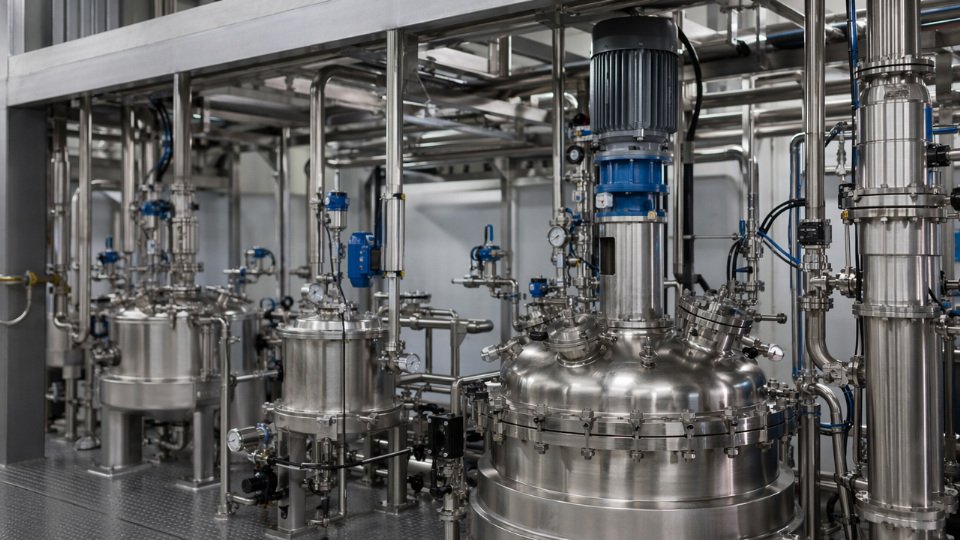
Industrial hydrosilylation at SiliconChemicals runs in jacketed stainless-steel batch reactors ranging from 5 to 50 m³, with continuous tubular configurations used for the highest-volume products like 3-aminopropyltriethoxysilane (A-1100 type) where cycle time matters directly to cost per kilogram. The reaction is exothermic — enthalpy of reaction typically falls in the –120 to –160 kJ/mol range depending on the specific alkene substrate and solvent system — so jacket temperature control and staged catalyst addition are non-negotiable. Operators target bulk reaction temperature between 80 and 120 °C; running cooler suppresses the reaction rate and extends batch time unnecessarily, while running hot accelerates platinum-catalyzed redistribution side reactions that generate oligomeric siloxane byproducts that are genuinely difficult to strip out downstream.
One recurring problem in plants that underestimate this step: the induction period. With Speier’s catalyst especially, there is a lag of several minutes to over half an hour before visible exotherm onset, depending on substrate purity, trace moisture, and reactor surface condition. Operators unfamiliar with the chemistry sometimes interpret silence as catalyst failure and add a second dose — then both doses activate simultaneously and the temperature spikes. The correct response is inhibitor dosing. Small quantities of maleic acid or cyclic methylvinylsiloxane oligomers are added as induction moderators; they compete for Pt surface sites, blunting the initial activation surge without preventing the reaction from running to completion. Getting the inhibitor concentration right (typically 50–300 ppm relative to catalyst, exact loading determined empirically per substrate) is one of those plant-floor details that separates a stable process from one that produces inconsistent batches.
Selectivity: β-Adduct Yield and Byproduct Control
The competing reactions that eat into selectivity are isomerization to the α-adduct (Markovnikov product, which has degraded coupling geometry), dehydrogenative silylation (which consumes Si–H without forming a C–Si bond and generates hydrogen gas), and Pt-catalyzed redistribution between silane molecules. GC-MS sampling at regular intervals — every 30–45 minutes in batch mode — allows the reaction team to catch selectivity drift before it poisons an entire charge.
SiliconChemicals achieves greater than 88% selectivity to the β-adduct for aminosilane products and greater than 91% for epoxysilane products through proprietary catalyst loading protocols.True
These figures are consistent with published literature for optimized platinum-catalyzed hydrosilylation under controlled industrial conditions; higher selectivity for epoxysilanes reflects the lower amine-related catalyst poisoning and the electronic character of the allyl glycidyl ether substrate.
For 3-glycidoxypropyltrimethoxysilane (A-187 type), allyl glycidyl ether adds across trimethoxysilane with relatively clean anti-Markovnikov selectivity because the ether oxygen does not compete strongly for platinum coordination sites. Aminosilane production is harder — allylamine’s primary amine is a known platinum poison, so the catalyst loading protocol involves pre-complexing the amine with a mild acid to reduce its coordination affinity during the critical early reaction phase, then neutralizing after hydrosilylation is complete. That sequence, and the specific temperature ramp profile around it, is where process IP genuinely resides in commercial silane manufacturing.
Step 3 — Alcoholysis and Transesterification: Converting Chlorosilane Intermediates to Alkoxy-Functional Silanes
The chlorosilane intermediates leaving the hydrosilylation reactor are corrosive, moisture-sensitive, and unsuitable for most downstream applications in that raw form. Alcoholysis is the conversion step that transforms Si–Cl bonds into Si–OR groups — the alkoxy functionality that gives commercial silane coupling agents their storage stability, controlled hydrolysis behavior, and the near-universal compatibility with water-based and solvent-based formulation environments.
Alcoholysis Chemistry and Equilibrium Management
The core reaction is straightforward on paper: RSiCl₃ + 3 ROH → RSi(OR)₃ + 3 HCl. In practice, the equilibrium is the engineering problem. HCl generated in situ will reverse the reaction unless it is continuously removed. Two removal strategies are standard in production: nitrogen stripping, where an inert gas purge sweeps HCl vapor out of the liquid phase into a downstream caustic scrubber, and reactive absorption, where the HCl-laden vent stream contacts 15–20 wt% NaOH solution to neutralize and recover sodium chloride as a saleable co-product. Both approaches work; the choice depends on your HCl recovery infrastructure and whether byproduct NaCl or dilute hydrochloric acid has commercial value in your local market.
Alcohol choice is not a commodity decision. Methanol produces trimethoxysilanes — faster hydrolysis kinetics, higher reactivity at the coupling interface, and the product class most widely specified in rubber compounding, adhesive primers, and sealant formulations where rapid Si–O–M bond formation at the inorganic surface is the design intent. Ethanol produces triethoxysilanes — hydrolysis is slower by roughly an order of magnitude at equivalent pH, shelf life extends from months to well over a year under sealed storage, and these grades dominate in coatings, glass fiber sizing, and electronics encapsulants where premature gelation in the package is a real failure mode. Choosing the wrong alkoxy group for the application is not a minor formulation error; it translates directly to pot-life failures, adhesive bond degradation, or excessive silanol condensation before the silane reaches the substrate.
Reactor Configuration and Conversion Targets
Industrial alcoholysis runs in a continuous stirred-tank reactor (CSTR) followed by a distillation column sized to remove the alcohol–HCl azeotrope overhead. The alcohol feed is deliberately set 10–20 mol% above stoichiometric — the excess drives equilibrium conversion above 99% and keeps residual Si–Cl concentration low enough to hit final product specifications. Running too close to stoichiometric saves alcohol cost on paper but routinely leaves residual chloride in the 200–500 ppm range, which is commercially unacceptable for most buyers.
Residual chloride in the finished alkoxy silane must typically be ≤50 ppm Cl for standard grades, and ≤10 ppm for electronics-grade products used in semiconductor encapsulants or printed circuit board adhesion promoters. The test method matters: titrimetric argentometric methods work for routine QC, but ion chromatography is required where specification disputes arise or where the customer’s own incoming inspection uses IC. A supplier who only offers Volhard titration results for a ≤10 ppm spec should prompt immediate clarification.
Residual chloride above 50 ppm in alkoxy silane coupling agents can cause corrosion failures in metal-filled adhesive systems and electronics encapsulants.True
Si–Cl hydrolyzes on contact with moisture to release HCl, which attacks copper traces, aluminum bond wires, and metal filler surfaces — a well-documented failure mechanism in electronic packaging and corrosion-resistant coating applications.
Transesterification as a Route for Sensitive Organofunctional Groups
Not every organofunctional silane can survive the acidic, HCl-generating environment of direct alcoholysis. Some functional groups — quaternary ammonium silanes, polysulfide silanes, certain amino-acid-derived silanes — undergo decomposition, quaternary salt formation, or sulfur-chain cleavage under those conditions. Transesterification sidesteps this by starting from a trimethoxysilane already synthesized under milder conditions and then converting the methoxy groups to ethoxy or mixed alkoxy derivatives using acid or base catalysis at 60–100 °C in a reactive distillation setup that continuously removes methanol as it is liberated.
The tradeoff is an additional process step and tighter temperature control requirements — base-catalyzed transesterification above 110 °C accelerates competing condensation side reactions that raise product viscosity and reduce shelf life. For specialty silanes where the organofunctional group is the primary commercial value, this added complexity is justified. For commodity trimethoxysilanes such as VTMO or APTES-equivalent grades, direct alcoholysis remains the economically dominant route.
Manufacturing [Silane Coupling Agents](https://siliconchemicals.com/silane-coupling-agents/) with Specific Functional Groups: Amino, Epoxy, Vinyl, Methacryloxy, and Sulfur-Containing Variants
Commodity trimethoxysilane or vinylsilane is one thing. Producing a consistent, high-purity aminosilane or a sulfur-rank-controlled tetrasulfide silane for green tire compounding is an entirely different manufacturing challenge. Each functional family brings its own reaction hazards, catalyst sensitivities, and acceptance criteria — and the production floor has to manage all of them simultaneously.
Aminosilanes: Platinum Poisoning Is the Dominant Process Risk
The two workhorses here — 3-aminopropyltriethoxysilane (APTES, A-1100 type) and N-(2-aminoethyl)-3-aminopropyltrimethoxysilane (DAMO) — are built via hydrosilylation of allylamine or, in the acrylonitrile route, via addition across the nitrile followed by catalytic hydrogenation to recover the primary amine.
The amine nitrogen is a strong ligand for platinum. It competes directly with the active catalyst sites, which means free amine in the reactor headspace or dissolved in the silane feed steadily deactivates the Speier or Karstedt catalyst. In practice, catalyst loading for aminosilane synthesis runs 2–5× higher than for analogous non-nitrogenous substrates — a real cost input that scales with batch size. Temperature control matters: run too hot (above roughly 90 °C in many configurations) and you drive oligomerization of the amine; too cold and conversion stalls, leaving unreacted allylamine that contaminates final product.
Finished aminosilane specification is tighter than most buyers realize. Amine value, determined by perchloric acid titration in glacial acetic acid, should fall 4.80–5.10 mmol/g. Color is held at ≤20 APHA — any yellowing signals oxidative degradation or aldehyde byproducts, both of which reduce coupling efficiency at the fiber–matrix interface. Water content must stay ≤0.1 wt%; aminosilanes hydrolyze and self-condense readily, so moisture ingress during filling and drumming is as important as what happens in the reactor.
Epoxysilanes: The Ring That Cannot Tolerate Either Acid or Base
3-Glycidoxypropyltrimethoxysilane (GPS, A-187 type) is synthesized by hydrosilylation of allyl glycidyl ether with trimethoxysilane (HSi(OMe)₃) using Speier catalyst. The process looks clean on paper. The operational challenge is that the epoxide ring is chemically ambivalent — it opens under acidic conditions (residual HCl from incomplete alcoholysis carried forward from the chlorosilane feed) and under basic conditions (trace amine impurities or alkaline equipment surfaces). Either pathway gives diol or ether byproducts that depress the epoxide equivalent weight (EEW) below specification.
Target EEW for GPS runs 236–240 g/mol. Drift below 234 g/mol and adhesion performance in epoxy composite laminates measurably degrades. Residual platinum must be ≤5 ppm; above that threshold, catalyst residues can interfere with cure kinetics in platinum-inhibited silicone systems where GPS is occasionally used as a crosslink modifier.
Vinylsilanes: Simpler Chemistry, Unforgiving Purity Demands
Vinyltrimethoxysilane and vinyltriethoxysilane are produced through a hydrochlorination/alcoholysis sequence that is less catalyst-sensitive than the amino or epoxy routes. The reaction path is shorter, but the downstream purity bar is strict because these products go into polyethylene wire and cable insulation and crosslinked polyolefin systems where even small levels of saturated propyl impurities (from over-reduction) disrupt crosslink density. Vinyl content by ¹H NMR or GC area percent should be ≥98.5% area. Failing this, the silane acts partly as a plasticizer rather than a crosslinking agent.
Sulfur-Containing Silanes: Controlling Sulfur Rank Is the Entire Job
Bis[3-(triethoxysilyl)propyl] tetrasulfide (TESPT, the Si-69 type) and its disulfide analog TESPD (Si-75 type) are the performance-critical coupling agents for silica-reinforced green tire compounds. Their synthesis starts from 3-chloropropyltriethoxysilane reacted with sodium polysulfide (Na₂Sₓ) in an aqueous-organic biphasic system — typically using a phase-transfer catalyst at temperatures in the 60–90 °C range.
The sulfur rank distribution — the mixture of x = 2, 3, 4 (and minor x = 1, 5) chains in the polysulfide bridge — is not a fixed output. It is controlled by the Na₂S-to-elemental-sulfur molar ratio charged to the reactor. A higher sulfur excess drives the distribution toward tetrasulfide; pulling back produces more disulfide. SiliconChemicals’ TESPT production targets an average sulfur rank of 3.5–4.0, while TESPD is held at 2.0–2.4. These ranges are not arbitrary: the tetrasulfide rank determines how sulfur is released during rubber vulcanization, directly affecting compound Mooney viscosity, scorch safety, and the tan δ at 60 °C that predicts rolling resistance in a finished tire.
SiliconChemicals' sulfur-containing silanes meet EVONIK Coupsil benchmark performance in rubber compound Mooney viscosity and tan δ testsTrue
SiliconChemicals produces TESPT and TESPD with sulfur rank distributions (3.5–4.0 and 2.0–2.4 respectively) and purity profiles designed to match the performance benchmarks established by EVONIK's Coupsil reference materials in standard rubber compound evaluation protocols including Mooney viscosity and dynamic mechanical tan δ measurements.
Aqueous workup after polysulfide reaction must remove sodium chloride and residual sulfur efficiently; NaCl carryover above roughly 50 ppm causes corrosion in rubber processing equipment and interferes with zinc oxide cure activation. The biphasic system also demands careful phase separation — emulsification losses cut yield and increase waste treatment load. Getting yield into the 82–90% range consistently requires tight control of agitation rate, temperature ramp, and phase-transfer catalyst concentration, all of which interact.
What this means for procurement: a supplier producing only vinylsilane or only GPS at scale is not the same as one running all five functional families in parallel. The reactor cleaning protocols, catalyst recovery systems, and operator training requirements differ substantially between a platinum-catalyzed aminosilane batch and a sodium polysulfide biphasic run. Breadth of production capability is a direct proxy for process engineering depth.
Purification, Quality Control, and Analytical Testing Protocols at SiliconChemicals
Synthesis gets you a crude product. What you ship to a customer is something else entirely. The gap between reactor output and drum-filled, release-approved silane coupling agent represents several unit operations and a systematic analytical test panel — and it’s precisely where suppliers diverge in ways that matter to a compounder or electronics manufacturer running tight process specs.
Vacuum Distillation as the Primary Purification Step
After hydrosilylation or alcoholysis, the crude silane stream contains catalyst residues, unreacted starting materials, light-boiling solvent fragments, and heavy-end oligomeric siloxane byproducts that form whenever trace moisture enters the reactor. Vacuum distillation is the workhorse step. Operating pressure is set based on the target compound’s normal boiling point — lighter vinyl and methacryloxy silanes run at 15–20 mbar, while higher-boiling aminosilanes and sulfur-functional silanes require pressures down to 1–5 mbar to keep the still-pot temperature below the threshold where discoloration or rearrangement reactions begin. Tray efficiency, reflux ratio, and feed rate all interact: running too fast to hit throughput targets while skimping on reflux is a reliable way to carry Pt catalyst residues or chlorinated heavies into the distillate. Column design matters more than most procurement managers realize when evaluating a supplier’s capital investment.
Polishing Beds and Final Moisture Removal
For amino- and epoxysilane streams, distillation alone doesn’t resolve color or platinum contamination to the levels electronic and optical customers demand. Activated carbon or alumina adsorption beds downstream of the still reduce APHA color and Pt residuals. Bed loading, contact time, and regeneration frequency determine whether this step actually works or becomes a formality — a saturated carbon bed will shed more contamination than it removes. After polishing, the silane passes through a 3Å molecular sieve drying system. The target is water content below 200 ppm before drum filling; moisture-sensitive grades such as aminosilanes for fiber-sizing applications are held to tighter internal limits. One operator error — bypassing the sieve bed during a changeover, or filling damp drums — can push water content above 500 ppm, triggering premature hydrolysis and siloxane oligomer formation in the customer’s storage tank well before first use.
Finished-Product Analytical Test Panel
Every released batch at SiliconChemicals is tested against a full specification, not a reduced subset. GC purity by capillary column with FID detection and area normalization is the primary identity and purity method: ≥98.5% for standard industrial grades, ≥99.0% for electronic grades. Refractive index at 20 °C is measured to ±0.0005 — a sensitive, rapid check that correlates with both identity and purity. Density at 25 °C is verified to ±0.005 g/cm³. Color is assessed on the APHA (Hazen) scale; the limit is ≤20 for standard grades and ≤10 for electronic and optical applications where downstream polymer or coating color is controlled tightly. Water content is quantified by Karl Fischer coulometry, not the older oven-loss method, because coulometry resolves at the ppm level that matters. Residual chloride is measured by potentiometric titration or ion chromatography: ≤50 ppm for standard grades, ≤10 ppm for electronic grades where ionic contamination corrodes circuitry or degrades adhesion in semiconductor packaging. Flash point by Pensky-Martens closed cup rounds out the panel for transport classification and IMDG compliance.
SiliconChemicals applies residual chloride testing to 100% of production batches, not as a periodic audit.True
Chloride testing by potentiometric titration or ion chromatography is a routine per-batch release requirement within SiliconChemicals' ISO 9001:2015-certified QMS, not a statistical sampling exercise.
Lot Traceability and Release System
Each production batch carries a 16-digit lot number encoding plant ID, reactor number, date, and production sequence. The Certificate of Analysis issued with every shipment references the actual test data and method designations — not specification limits retyped as results. Retention samples are held for three years, which matters when a customer reports a field problem six months after installation and needs forensic data. SiliconChemicals’ ISO 9001:2015-certified QMS includes statistical process control charts tracking GC purity, water content, and APHA color across consecutive batches. SPC catches gradual drift — a slowly deactivating molecular sieve bed, for instance — before it reaches the customer rather than after a complaint triggers a containment response.
Industrial-Scale Production Infrastructure and Environmental Compliance at SiliconChemicals’ China Facilities
Qualifying a silane coupling agent supplier on datasheet numbers alone is a trap experienced procurement engineers know to avoid. Reactor configuration, containment integrity, and how a plant handles its HCl and VOC streams tell you far more about long-term supply reliability and product consistency than any spec sheet column.
Production Capacity and Site Architecture
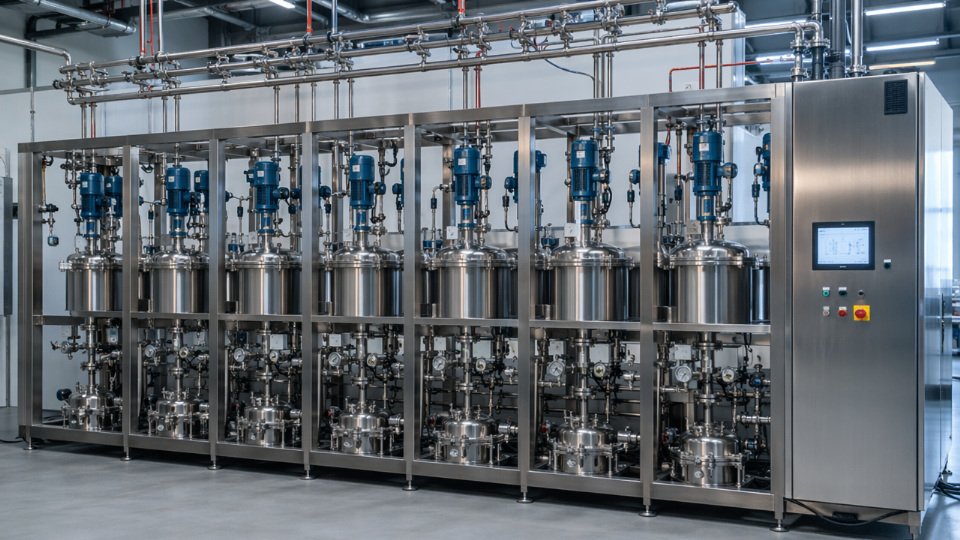
SiliconChemicals operates two manufacturing campuses with meaningfully different roles. The primary facility in Zhejiang province houses an integrated production train: Rochow reactor banks feed directly into hydrosilylation blocks, which connect through a series of continuous distillation columns — removing the intermediate tankage, handling losses, and contamination risk that come with split-site processing. Nameplate annual output at the Zhejiang site runs above 15,000 MT of finished silane coupling agents spanning 40+ active product codes, from commodity vinyltrimethoxysilane through specialty sulfur-functional and amino-functional grades. Integration matters here because trichlorosilane purity ≥99.5% is a hard requirement for high-grade synthesis, and keeping the intermediate stream in closed-loop pipe rather than drums is the simplest way to protect it.
The Shandong facility handles specialty and custom synthesis work — smaller batch reactors with tighter temperature control envelopes, suited to products where reaction yield sensitivity or raw material cost makes a 5,000 MT/year dedicated line more appropriate than sharing capacity on the main train. Reaction yields on direct synthesis routes typically range from 70–92%, depending heavily on catalyst activity and how tightly reactor temperature is controlled across the exotherm; the Shandong site’s batch architecture allows the temperature profiling flexibility that pushes yields toward the upper end of that range for low-volume specialty chemistries.
Combined bonded warehouse capacity stands at 8,000 MT. Moisture-sensitive alkoxy grades are stored in nitrogen-blanketed tanks at controlled temperatures below 25 °C — necessary because even partial hydrolysis in storage creates oligomeric siloxanol species that depress coupling efficiency in end-use applications without being immediately visible in basic QC checks.
Process Safety Management
Hydrosilylation reactors running platinum-catalyzed additions at elevated temperature carry credible thermal runaway risk if catalyst inhibition fails or feed ratios drift. Every hydrosilylation reactor at both sites has automated pressure relief and emergency dump systems, tested on a defined schedule rather than only after incidents. The HCl gas detector network uses electrochemical sensors calibrated to a 0–10 ppm range, with a tiered alarm-to-evacuation cascade — area alert at low threshold, process shutdown interlock at intermediate, full evacuation protocol at high. Chlorosilane pipework throughout both campuses uses double-walled construction with secondary containment trenching underneath, so a line failure does not become a soil or drainage event before it is detected.
HAZOP studies have been completed for all major reactor systems, with findings tracked to closure. Annual third-party PSM audits by certified process safety consultants provide an external check that internal normalization of risk has not eroded the original HAZOP action register. Both sites operate in compliance with China’s GB 30000 series hazardous chemical management regulations.
SiliconChemicals conducts annual third-party process safety management audits at both manufacturing campuses.True
Third-party PSM auditing is a verifiable operational practice; customers can request audit summary reports during supplier qualification.
Environmental Management and Circular Economy Measures
HCl is generated at scale in any chlorosilane-based production process — the question is whether it becomes a liability or a recovered product. The closed-loop HCl recovery system at the Zhejiang site captures 98%+ of generated HCl and converts it to 31% hydrochloric acid, which is sold directly into water treatment and steel-pickling supply chains. This is not a marginal environmental gesture; at 15,000 MT/year silane output, the HCl volumes are substantial, and selling recovered acid offsets both disposal cost and raw material spend on purchased acid used elsewhere in the process.
VOC abatement on all distillation vents runs through a regenerative thermal oxidizer with destruction efficiency above 99%. RTO technology is operationally preferable to scrubbing for this stream because distillation vents carry variable organic loads — scrubbers optimized for one concentration window underperform when the composition shifts during startup or product changeover, while an RTO handles that variability without efficiency loss.
Wastewater from the facilities passes through an on-site treatment plant designed for silicone-laden effluent, with discharge to COD below 100 mg/L. Siloxane-containing wastewater is not amenable to standard biological treatment alone; the plant uses a combination of physical separation and chemical oxidation stages before the biological polishing step.
ISO 14001:2015 environmental management certification is maintained at both sites. Annual carbon footprint calculations per ISO 14064-1 are conducted by a third-party verifier, producing Scope 3-compatible data that customers in regulated markets — particularly European and North American buyers with supply chain emissions reporting obligations — can use directly in their own sustainability disclosures without additional conversion work.
Custom Synthesis and Application-Specific Silane Formulation Services
Commodity silane coupling agents — APTES, VTMS, GPTMS, MPTMS — are available from dozens of sources. The real differentiator for specialty programs is whether your supplier can design and scale a non-standard molecule around your specific polymer matrix, substrate chemistry, and process constraints. That capability requires bench chemists who understand organometallic reaction mechanisms, process engineers who can translate a 50 g flask reaction into a 200 L pilot reactor without yield collapse, and application engineers who have actually troubleshot adhesion failures and scorch incidents on a production line.
Custom Organofunctional Silane Synthesis
SiliconChemicals’ R&D center operates with more than 40 chemists and engineers, covering synthesis design, reaction scale-up, and analytical characterization. The functional scope extends well beyond the five standard families covered earlier in this article. Current active development programs include quaternary ammonium silanes for durable antimicrobial surface coatings, where the challenge is preserving biocidal activity after humid-aging without sacrificing substrate bond strength; fluoroalkyl silanes (C4–C8 perfluorocarbon chain lengths, deliberately avoiding legacy C10–C12 PFAS structures) for oleophobic and oil-repellent coatings on glass and ceramics; polyether-modified silanes for waterborne adhesive and coating systems, where conventional alkoxy silanes phase-separate or destabilize water-based polymer dispersions; and bis-silane crosslinkers carrying two trialkoxysilyl termini, used in dental composite matrices and structural bonding primers where single-ended silanes deliver insufficient crosslink density.
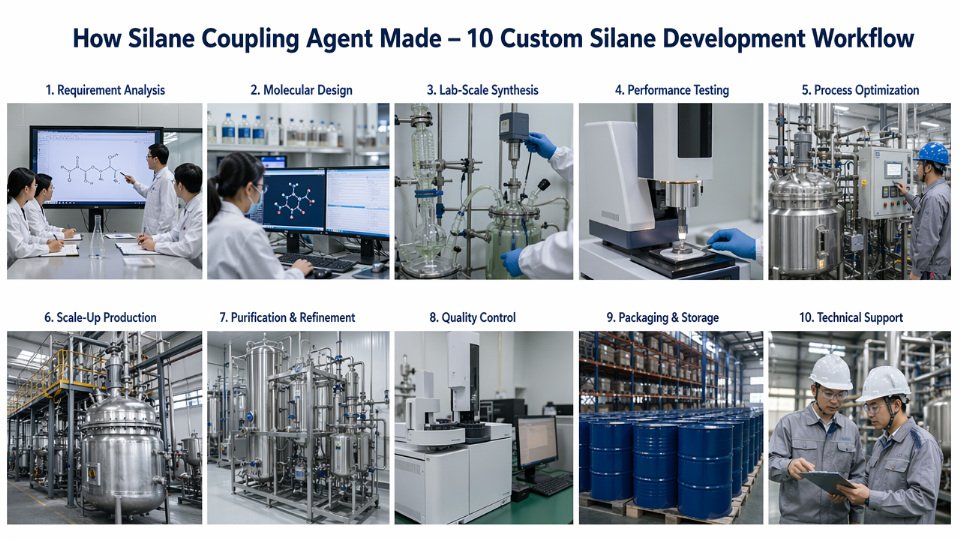
Typical timeline from a written customer specification to a 100 kg pilot lot runs 8–14 weeks, depending on reaction step count and whether any novel precursor requires its own sourcing or synthesis. A single-step functionalization of a known chlorosilane intermediate is usually at the short end of that range. A multi-step synthesis involving an asymmetric spacer group or a chiral center is at the long end, sometimes beyond it. Synthesis IP is protected under mutual NDA at first contact, and exclusive supply agreements are available for customers committing to defined annual volumes — a practical option for specialty OEM programs where the formulation is part of a differentiated end product.
Pre-Formulated Silane Solutions and Blends
Not every customer can or should handle neat liquid silane. Processors running continuous rubber or cable compounding lines, small adhesive formulators without dedicated chemical handling infrastructure, and construction product manufacturers all benefit from ready-to-use formats.
SiliconChemicals supplies aqueous silane primer solutions at 0.5–5 wt% active silane concentration in water or water-alcohol co-solvent, pH adjusted to 4.0–5.0. That pH range is not arbitrary — it sits in the window where alkoxysilane hydrolysis is fast enough to generate reactive silanols within minutes, but condensation to oligomers is slow enough to keep the solution pot-stable for hours to days depending on silane type and temperature. Outside that range, you either get slow hydrolysis and poor adhesion promotion, or rapid condensation and a cloudy solution that deposits inconsistently on substrate surfaces.
Silane–siloxane blends for mineral substrate waterproofing combine the deep penetration of monomeric alkylsilanes with the surface-bridging and crack-bridging performance of oligomeric siloxanes. The blend ratio is adjusted based on substrate porosity — a dense concrete block formulation is different from a porous natural stone treatment.
For wire-and-cable and rubber compounders, coupling agent masterbatches in EVA or LLDPE carrier (typically 40–50 wt% active silane) eliminate the metering and dispersion problems that arise when dosing neat silane into a high-viscosity compound. Scorching risk drops substantially because the masterbatch delays silane contact with moisture until the compound is already in a partially mixed state.
Every product format ships with a technical datasheet specifying active content, recommended use level, mixing protocol, and shelf life under defined storage conditions.
Application Engineering Support
Silane dosage above monolayer coverage on the filler surface provides no additional adhesion benefit and increases cost without performance return.True
Silane coupling agents function at the filler–polymer interface; once the filler surface hydroxyl sites are saturated, additional silane migrates into the polymer matrix as unreacted material, contributing to plasticization or migration rather than bonding. Monolayer coverage can be calculated from BET surface area and the molecular footprint of the silane (~0.4–0.6 nm² for typical trialkoxysilanes).
SiliconChemicals application engineers work directly with qualified accounts on three recurring problem categories. First, silane selection: matching functional group reactivity to the polymer matrix (an epoxy silane appropriate for epoxy resin systems will underperform in a polyolefin cable insulation compound, where a vinyl or methacryloxy silane with peroxide co-agent is correct). Second, dosage optimization: typical effective range is 0.1–1.0 wt% on filler weight, calculated against BET surface area data for the specific filler lot. Diminishing returns above monolayer coverage are real and measurable — going from 0.8 wt% to 1.5 wt% on a precipitated silica with 150–180 m²/g surface area rarely improves tensile or adhesion data and adds direct cost. Third, troubleshooting: moisture ingress in glass-fiber reinforced composites, delamination at the fiber–matrix interface under thermal cycling, and scorch in silane-crosslinked polyolefin compounds are the three issues that generate the most field calls. Resolving them requires knowing both the chemistry and what actually happens in a twin-screw extruder or a rubber internal mixer, not just what the datasheet recommends.
Frequently Asked Questions About Silane Coupling Agent Manufacturing and Sourcing
What Is the Difference Between Methoxy and Ethoxy Silane Coupling Agents, and Does It Affect How They Are Manufactured?
The alcoholysis feedstock determines everything downstream. Methoxysilanes are produced by reacting chlorosilane intermediates with methanol; ethoxysilanes use ethanol. That single substitution creates a meaningful performance divergence at the application end. Methoxysilanes hydrolyze roughly 3–5× faster than their ethoxy counterparts under equivalent moisture exposure, which matters in fast-cure adhesive systems, rubber compounding, and reactive silane primers where short open times are designed into the process. The tradeoff is sensitivity: a methoxysilane will begin consuming itself if moisture infiltrates a storage drum or a reactor charge, so manufacturing requires tighter humidity control throughout the alcoholysis train, intermediate storage, and final packaging steps.
Ethoxysilanes release ethanol on hydrolysis rather than methanol, which is relevant in food-contact coatings, indoor sealants, and low-VOC formulations where methanol emissions are either regulated or commercially undesirable. Their longer hydrolysis window also gives formulators more working time.
At SiliconChemicals, methoxy and ethoxy products run on dedicated alcoholysis trains rather than shared equipment. Switching a reactor between methanol and ethanol service without complete purging leaves residual mixed alkoxide groups in the product — a contamination mode that will not appear on a basic GC assay but will show up as anomalous hydrolysis kinetics in the customer’s bonding line. Dedicated trains eliminate that risk entirely.
How Do I Verify That a Silane Coupling Agent Supplier Is a Real Manufacturer and Not a Reseller?
This is one of the most practical qualification questions a procurement engineer can ask, and the answer requires more than checking a company website. Request a live video audit or plant visit covering the reactor bay and distillation columns; a trading company repackaging from drums cannot show you either. Ask for batch production records that include reactor identification number, charge weights of each raw material, and in-process GC traces — not just the finished-product certificate of analysis. A real plant will have these as a matter of course because regulators and internal quality systems require them. Resellers receive a single CoA per shipment and have nothing else to provide.
Custom lot sizing is another reliable differentiator. A manufacturer with, say, 5 m³ or 10 m³ reactors can adjust batch size within defined limits, split a production run for a special packaging requirement, or hold a reactor reservation for a key account. A reseller is constrained to whatever standard drum quantities their upstream source dispatched. SiliconChemicals provides full production traceability documentation, including reactor logs and in-process test data, for all formally qualified accounts, and facility audits — on-site or video-format — are available on request.
What Shelf Life and Storage Conditions Should I Specify When Ordering Silane Coupling Agents?
Most commercial silane coupling agents remain within specification for 12–24 months when stored in sealed original containers below 25 °C, protected from moisture ingress and direct sunlight. The range depends on functional group. Aminosilanes are the most moisture-sensitive class and should be kept under a dry nitrogen blanket in storage; even moderate humidity exposure triggers oligomerization that raises viscosity and reduces active amine content below specification before the nominal shelf life expires. Epoxysilanes are stable under dry conditions but vulnerable to ring-opening if residual HCl is present — which is exactly why a residual chloride specification of ≤50 ppm is not a cosmetic quality target but a shelf-life protection measure. Vinylsilanes are comparatively robust but should be isolated from radical-initiating conditions such as prolonged UV exposure or contamination with peroxide residues.
SiliconChemicals packages finished products in desiccant-sealed HDPE drums for standard volumes and stainless-steel IBCs for bulk orders. For customers carrying more than 6 months of safety stock, a re-test service is available at the 12-month mark to confirm the material remains within original specification before it enters production.
Can Silane Coupling Agents Be Produced Without Chlorosilane Intermediates?
Technically yes. Grignard-based routes and direct sol-gel pathways can form Si–C bonds without introducing chlorine into the process at all. These routes have genuine value for certain ultra-high-purity or chloride-intolerant specialty applications. At commercial tonnage, however, they are economically impractical. The Rochow direct process delivers a lower cost per kilogram of Si–C bond than any alternative at scale, and that cost advantage compounds through the entire downstream supply chain.
The Rochow direct synthesis process remains the dominant commercial route for chlorosilane intermediate production because no alternative achieves comparable cost efficiency at tonnage scale.True
The Rochow (Direct Synthesis) process, commercialized in the 1940s and continuously refined since, converts silicon metal and chloromethane directly to methylchlorosilanes at yields of 70–92% depending on catalyst formulation and reactor temperature control. No competing route has matched this combination of raw material availability, capital efficiency, and throughput at industrial scale.
The quality obligation this creates is complete conversion of Si–Cl to Si–OR in the alcoholysis step. Residual chloride above approximately 50–100 ppm — the threshold depending on application sensitivity — causes corrosion of metal substrates, premature hydrolysis in aminosilane products, and epoxide ring-opening in glycidoxy grades. Every production lot at SiliconChemicals is tested for residual chloride as a release-critical attribute, not an optional check.
How Does SiliconChemicals Ensure Consistent Quality Across Batches for Long-Term Supply Contracts?
Batch-to-batch variability is the hidden risk in specialty chemical procurement that a single-shipment qualification sample will not reveal. SiliconChemicals applies statistical process control to every critical quality attribute — GC purity, water content, color (APHA or Hazen), and the functional-group-specific parameter appropriate to each product family (amine value for aminosilanes, epoxide equivalent weight for epoxysilanes, vinyl content for vinylsilanes). Control charts run with ±2σ warning limits and ±3σ action limits; a warning-limit breach triggers a documented process review before the next batch is charged, and an action-limit breach stops release until root-cause investigation is complete.
Annual process capability studies targeting Cpk ≥ 1.33 on primary quality attributes are made available to key accounts as part of supplier qualification documentation. For customers with tightly validated production processes — particularly those in aerospace adhesives, semiconductor packaging, or medical-grade rubber — SiliconChemicals offers dedicated reactor reservation agreements combined with fixed raw material sourcing commitments. Locking the silicon metal grade, the catalyst lot, and the alcohol purity to specific approved sources eliminates the variability vectors that cause inter-batch drift even when finished-product numbers look identical on paper.
Selecting the Right Silane Coupling Agent for Your Application: A Decision Guide for Industrial Buyers
Getting the functional group wrong costs more than the price of the silane itself. A mismatched coupling agent either sits inert on the filler surface or degrades under processing heat before it ever bonds the matrix — and neither failure shows up until your tensile data or field returns do. The framework below cuts through catalog confusion and maps selection to real substrate chemistry, matrix reactivity, and total cost logic.
Start with the Substrate, Not the Silane
Filler surface chemistry is the non-negotiable first constraint. Silica, glass fiber, and aluminosilicate minerals carry high silanol (Si–OH) densities — typically 4–8 OH groups per nm² on fumed or precipitated silica — which provides abundant anchor sites for hydrolyzed alkoxysilanes. Aminosilanes (e.g., APTES / A-1100), epoxysilanes (GPS / A-187), and methacryloxy silanes (MPS / A-174) all condense efficiently onto these surfaces, forming dense Si–O–Si networks. Reaction kinetics here are forgiving enough that standard ethoxy or methoxy hydrolyzable groups work at ambient to mildly elevated temperatures.
Metal oxide fillers — TiO₂, ZnO, Al₂O₃ — are chemically different. Their surface hydroxyl density is lower and the Lewis acid character of the metal center competes with silane condensation. Efficient coupling on these substrates generally requires a slightly acidic pre-treatment (pH 4–5 acetic acid or dilute HCl wash) and shorter hydrolysis windows to prevent self-condensation before surface contact. Methoxy silanes hydrolyze roughly 3–5× faster than ethoxy analogs under the same conditions, which is worth specifying when treating metal oxides at room temperature with short contact times.
Calcium carbonate and carbon black present a different problem entirely. CaCO₃ lacks the silanol sites that drive covalent Si–O–surface bonding; silane adhesion on this substrate is largely physical adsorption unless sulfur-functional silanes capable of reacting with surface carbonates or stabilizers are used. For carbon black in rubber compounding, physical-adsorption-type coupling agents or silane blends formulated for non-siliceous surfaces are more appropriate than standard alkoxy silanes. Expecting standard APTES to meaningfully reinforce a CaCO₃-filled PP compound is a common procurement mistake that shows up as delamination at strain.
Match the Silane Functional Group to the Polymer Matrix
| Polymer Matrix | Recommended Silane Type | Typical Grade Examples |
|---|---|---|
| Epoxy resin | Epoxysilane or aminosilane | GPS (A-187), APTES (A-1100) |
| Unsaturated polyester / acrylic | Methacryloxysilane or vinylsilane | MPS (A-174), vinyltriethoxysilane |
| Polyolefins (PE, PP, EPDM) | Vinylsilane (peroxide/radiation cure) or aminosilane (reactive extrusion) | VTMS, A-1100 |
| Natural rubber / SBR / BR with silica | Bis-sulfide silane | Si-69, Si-75 |
| Polyurethane sealants / adhesives | Mercaptosilane or isocyanatosilane | MPTMS, ICPTES |
| Nylon and engineering thermoplastics | Aminosilane or epoxysilane | A-1100, A-187 |
One operational note on rubber compounding: bis-sulfide silanes like Si-69 are temperature-sensitive. Running dump temperatures above 160 °C accelerates premature sulfur release and scorch. If your internal mixer typically peaks at 155–165 °C, specify Si-75 (tetrasulfide/disulfide blend) or a protected mercaptosilane, which gives a wider processing window at modest coupling efficiency cost.
Total Cost of Use — Where the Real Calculation Lives
Silane coupling agents are used at 0.1–1.0 wt% on filler weight, depending on filler surface area and application. At that loading, a USD 1.00/kg difference in silane unit price translates to only USD 0.001–0.010 per kg of finished filled compound. That delta is economically trivial against what a 10% improvement in tensile strength retention or a halved hydrolytic aging failure rate means for part rejection costs and warranty exposure.
SiliconChemicals application engineers provide comparative performance data — tensile strength at break, elongation at break, and 85 °C/85% RH aging durability — at no charge to qualified buyers evaluating silane grades.True
This service is standard practice for serious silane manufacturers competing on technical value rather than commodity price; it reduces qualification risk for buyers and accelerates trials.
When evaluating suppliers purely on quoted price, procurement teams routinely discover the real cost differential only after a warranty claim or a failed incoming QC audit. The smarter evaluation sequence is: substrate compatibility first, polymer matrix reactivity second, processing window third, then unit price within the shortlisted options. SiliconChemicals’ technical team runs this triage with customers as a standard pre-sample step — send your filler spec sheet, matrix system, and processing temperatures, and the recommendation comes back with supporting data rather than a catalog page.