Specifying the wrong elastomer for a sealing, encapsulation, or overmolding application doesn’t just cause prototype failures — it generates scrap runs, warranty returns, and line stoppages that ripple through production schedules for weeks. Engineers who default to thermoplastic elastomers or conventional solid silicone often discover the mismatch only after tooling is cut and qualification testing has started. At that point, re-specification costs far more than the material differential ever would have.
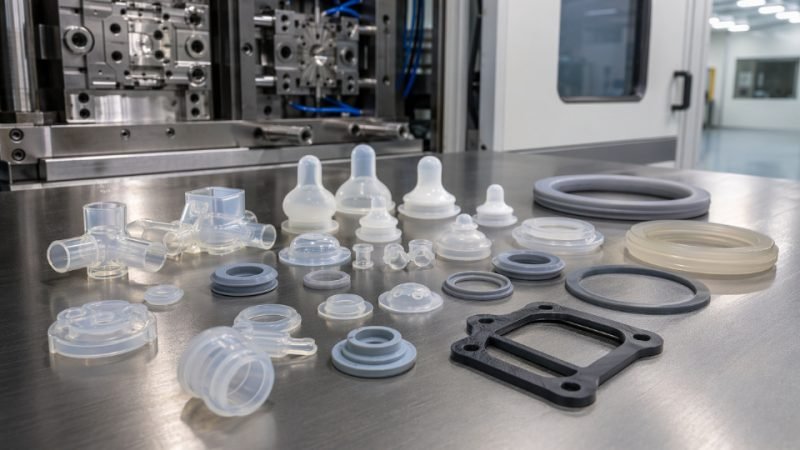
Liquid silicone rubber (LSR) is a two-part, platinum-cured elastomer used across medical devices, automotive systems, infant products, electronics, and industrial sealing. It handles continuous service from -60°C to +200°C, flows cleanly through cold-runner injection molds with cycle times of 15–60 seconds depending on wall thickness and geometry, and cures to a chemically stable, biocompatible solid — making it the material of choice where heat resistance, precision, and regulatory compliance converge.
What makes LSR genuinely interesting from an engineering standpoint is how the same base chemistry serves such different functional demands — a neonatal nipple and a turbocharger duct both rely on it, for reasons that have nothing to do with marketing and everything to do with the underlying polymer physics. Understanding where LSR earns its cost premium, and where it doesn’t, is what separates a well-built BOM from an over-specified one.
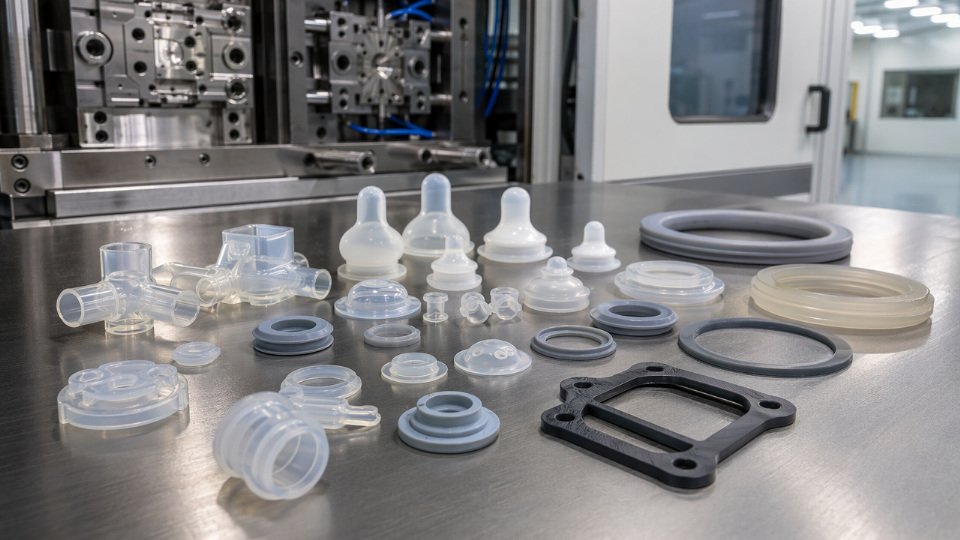
Medical and Healthcare Applications: Where LSR’s Biocompatibility Becomes a Commercial Requirement
Medical and healthcare remains the single largest end-use vertical for liquid silicone rubber, and for reasons that go well beyond material chemistry. Regulatory bodies, hospital procurement committees, and device OEMs have converged on LSR because it satisfies biocompatibility requirements that thermoplastic elastomers and natural rubber simply cannot meet consistently at scale. For procurement engineers specifying materials on a new device program, understanding why LSR qualifies — not just that it qualifies — is what separates a smooth validation cycle from a six-month delay.
The Device Categories That Drive Volume
Neonatal and adult respiratory masks represent one of the highest-volume categories, where the combination of skin contact, sterilization cycling, and tight dimensional tolerances eliminates most alternatives immediately. Infant bottle nipples and pacifiers follow similar logic: repeated autoclave exposure, direct mucosal contact, and zero tolerance for extractable residuals. Cochlear implant components and implantable seals sit at the more demanding end — here, long-term implant grades must meet ISO 10993-6 (implantation testing) and often require additional extractables and leachables profiling beyond standard biocompatibility panels.
Catheter tips and valve membranes benefit from LSR’s ability to be micro-molded to tight tolerances with essentially no flash — a critical requirement when a 0.1 mm fin on a valve membrane can cause a check valve to fail. Peristaltic pump tubing leverages LSR’s fatigue resistance; a tube running 60 rpm continuously in an IV infusion pump will flex hundreds of millions of times over its service life, and compression set values below 10% after 22 hours at 175°C (a standard test condition) translate directly into pump flow accuracy over time. TPE tubing in the same application typically shows compression set in the 20–40% range, which introduces flow drift that clinical settings cannot accept.
Navigating the Regulatory Pathway
Platinum-cure LSR passes ISO 10993 biocompatibility testing more consistently than peroxide-cure LSRTrue
Peroxide-cure systems leave residual peroxide decomposition byproducts (primarily dicumyl peroxide fragments) that can cause cytotoxicity failures in ISO 10993-5 testing. Platinum-cure LSR, when properly formulated, produces no catalytic residuals that trigger these failures, which is why virtually all medical-grade LSR on the market today uses platinum addition-cure chemistry.
The regulatory stack most procurement engineers encounter is ISO 10993 at the material characterization level, USP Class VI as a legacy screen still requested by many hospital group purchasing organizations, and FDA 21 CFR 177.2600 for food and drug contact applications. It is worth being precise about scope: ISO 10993 applies to the finished device in its final sterilized state, not the raw compound. A material supplier can provide supporting biocompatibility data, but the device manufacturer owns the 510(k) or CE Technical File and bears responsibility for final testing. USP Class VI, by contrast, is a material-level test and can be certified by the compound manufacturer — making it genuinely useful as a procurement filter early in supplier qualification.
Design and Processing Advantages That Reduce Total Cost
Overmolding LSR onto polycarbonate or ABS substrates in a two-shot process allows device designers to integrate soft-touch sealing surfaces, ergonomic grips, and gasket features into a single part — eliminating assembly steps that add both labor cost and potential failure points. Cycle times for medical LSR components typically run 15–45 seconds depending on wall thickness and part geometry, which is fast enough to justify dedicated tooling even at annual volumes of 500,000 parts.
Sterilization compatibility is broad: validated across autoclave (134°C steam), gamma radiation, ethylene oxide (EtO), and e-beam. Most TPEs degrade mechanically under repeated gamma exposure; LSR retains elongation at break — typically 300–700% depending on durometer — across all four modalities.
Wearable Health Tech: A Fast-Growing Segment
Continuous glucose monitor skin patches, hearing aid ear domes, and ECG electrode housings are shifting from TPEs to LSR as wearable duty cycles lengthen. A CGM patch worn continuously for 14 days must survive sweat, mechanical flex, and skin pH variation without causing sensitization — a profile where LSR’s hypoallergenic chemistry and Shore 10A–30A softness range provide a genuine functional advantage, not just a marketing claim. Hardness selection here matters: too firm and the patch edge lifts; too soft and dimensional stability during application suffers.
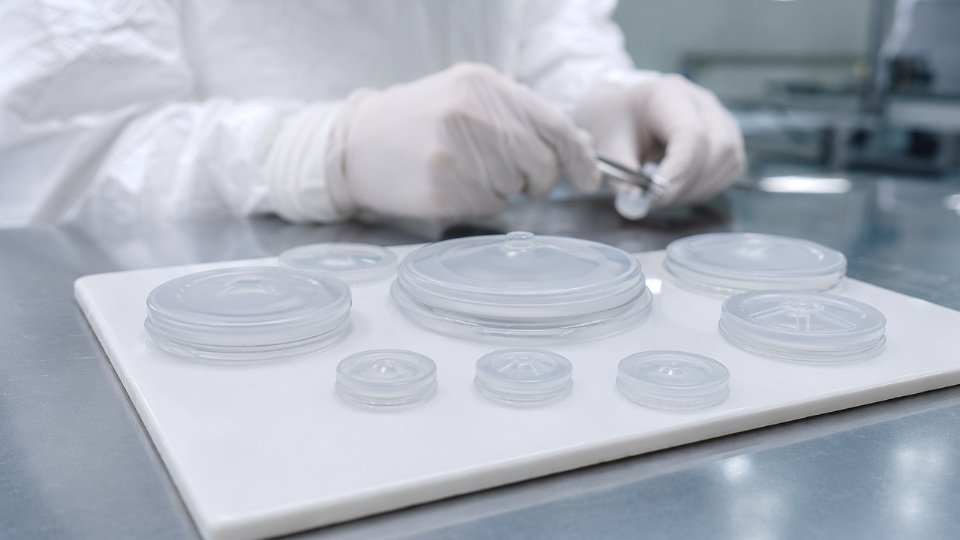
Infant and Food-Contact Products: Meeting Global Food Safety Standards with LSR
Baby bottle nipples, sippy cup valves, collapsible food storage containers, baking molds, pressure cooker seals — these are among the highest-volume LSR molded parts in the world, and they sit at the intersection of strict regulatory scrutiny and ruthless cost pressure. For procurement managers sourcing these components, the material decision is never just about performance. It is about compliance documentation, auditable supply chains, and what happens when a regulator or a retailer asks for proof.
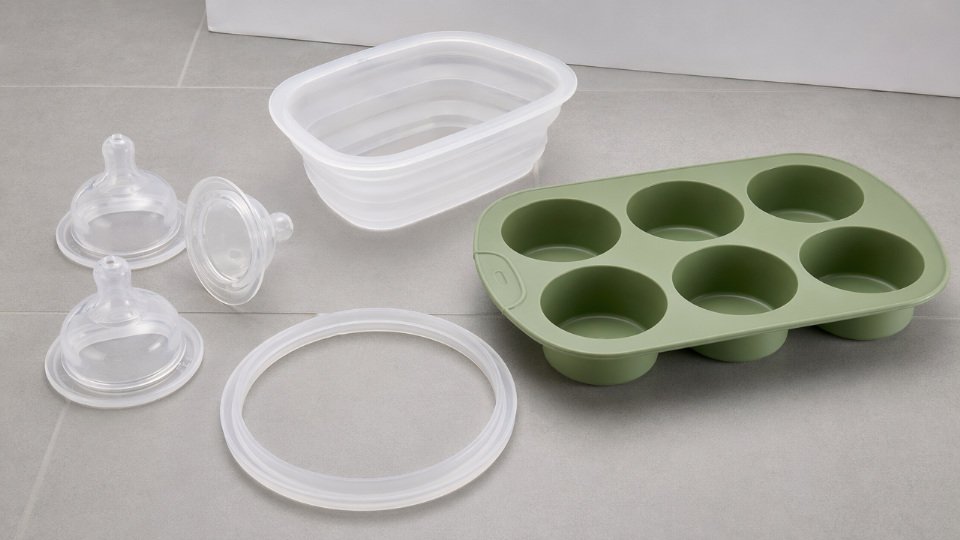
The Regulatory Landscape and What Migration Testing Actually Means
Four frameworks dominate sourcing decisions for food-contact LSR globally. In the United States, FDA 21 CFR 177.2600 covers rubber articles intended for repeated food contact, specifying extraction limits under different food simulants. In Europe, EU Regulation 10/2011 on plastic materials contains a specific overall migration limit (OML) of ≤10 mg/dm² — a threshold that every formulator, compounder, and finished-goods manufacturer must validate through standardized simulant testing before a part enters the EU market. Germany’s LFGB (Lebensmittel- und Futtermittelgesetzbuch) adds a sensory dimension: products must not impart taste or odor to food, a requirement that catches out poorly post-cured parts. China’s GB 4806.11-2016 establishes its own migration and extractables limits for silicone food-contact articles and is increasingly enforced as domestic regulatory capacity improves.
Migration testing is not a formality. You expose finished parts to food simulants — acetic acid solution, ethanol, vegetable oil — at defined time and temperature conditions, then measure what transfers. The 10 mg/dm² OML under EU 10/2011 sounds generous until you are running parts with thin cross-sections and high surface-area-to-volume ratios, where incomplete cure or an ill-chosen additive package pushes you into non-conformance. Formulators selecting LSR grades for this segment must request full compliance documentation and batch-specific test data, not just a generic certificate.
Platinum Cure vs. Peroxide Cure: A Practical Distinction
Platinum-catalyzed addition-cure LSR is the standard for food contact, and the reason is chemical, not marketing. Peroxide-cure systems leave decomposition by-products — typically low-molecular-weight alcohols and ketones — that require aggressive post-cure cycles to drive off. Even after post-cure, residual volatiles can impart detectable taste or odor, which creates an immediate LFGB compliance problem and consumer rejection risk. Platinum-cure LSR, when properly formulated and processed, produces negligible volatile residuals. Post-cure is still recommended practice for food-contact parts — typically 1–4 hours at 180–200°C, depending on part mass and wall thickness — but the compliance margin is substantially wider.
Platinum-cure LSR inherently requires no post-cure for food-contact complianceFalse
Post-cure is not always legally mandated, but industry best practice and most compliance frameworks strongly recommend it to reduce volatile siloxane content and ensure sensory compliance under LFGB and similar standards. Skipping post-cure on food-contact parts is a documented source of consumer complaints and regulatory findings.
Colorability, Transparency, and Consumer-Facing Design
Optically clear LSR grades, with light transmission typically above 90% in thin sections, have opened design possibilities in infant products and kitchen tools that opaque thermoplastics cannot match. Parents can see fluid levels in a bottle nipple; consumers can inspect mold cleanliness in a storage container. Achieving color while maintaining compliance requires FDA-approved pigment dispersions specifically formulated for incorporation into the silicone matrix — standard industrial colorants are not a valid substitute and can introduce migratables that breach OML limits.
China’s Role in This Supply Chain
The concentration of consumer goods OEMs and contract molders in Guangdong and Zhejiang makes Chinese LSR supply infrastructure structurally important to this segment globally. Upstream silicone polymer and specialty silicone material suppliers — SiliconChemicals among them — feed directly into the compound producers and molders serving these clusters. Cycle times for food-contact LSR parts typically run 15–45 seconds depending on cavity count and wall thickness, which means material consistency batch-to-batch matters as much as the compliance paperwork. A viscosity shift or catalyst variance that disrupts demolding adds scrap cost fast at those cycle rates.
Electronics, Electrical Insulation, and LED Optics: LSR as a Functional Engineering Material
LSR’s role in electronics is frequently underestimated by procurement teams who still think of silicone primarily as a sealing elastomer. The specification driver here is electrical and optical performance first, mechanical flexibility second. That distinction matters when you’re evaluating materials for a 5G antenna housing or an LED street-light lens — the part needs to function in a specific electromagnetic or photonic context, and the elastomeric properties are almost incidental.
Dielectric Performance Across the Temperature Range That Actually Matters
Volume resistivity for well-formulated LSR grades runs above 10¹⁴ Ω·cm, with dielectric strength in the 20 kV/mm range — figures that hold up across most of the -60°C to +200°C continuous service window. That stability is what separates LSR from EPDM and even standard fluorosilicone when the application involves EV battery pack seals or high-voltage charging connector boots, where the seal must maintain its insulating integrity at 80–120°C ambient for tens of thousands of thermal cycles. EPDM loses dielectric stability faster at elevated temperature; fluorosilicone handles fuel and oil exposure but costs considerably more per kilogram. For purely electrical applications in a clean thermal environment, LSR hits the right balance.
High-voltage cable accessories — stress cones, end terminations, and surge arrester housings up to 35 kV class — have used silicone rubber for decades precisely because the low dissipation factor doesn’t drift with frequency the way polar polymers do. LSR’s processability via injection molding lets manufacturers produce these geometrically complex components with flash-free precision that compression-molded solid silicone simply cannot match consistently.
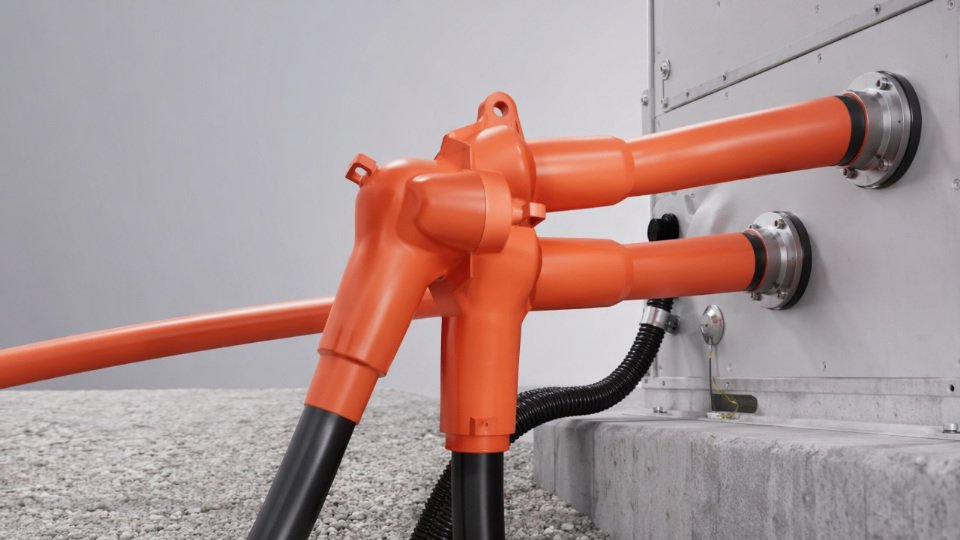
Keyboard and keypad membranes, connector seals, grommets, and vibration-damping mounts in hard-drive actuators represent higher-volume but lower-drama applications. The cycle times here — typically 15–60 seconds depending on wall thickness and part geometry — make LSR injection molding cost-competitive with thermoplastic elastomers for mid-to-high volume runs, usually above 100,000 parts annually where tooling amortization is justified.
Optical Encapsulation for LED Lighting
Optical-grade LSR is a genuinely distinct product category. Refractive index is engineered into the base polymer, typically ranging from 1.41 to 1.53 depending on the methyl-to-phenyl substituent ratio on the siloxane backbone — higher phenyl content raises RI but reduces low-temperature flexibility. Light transmittance exceeds 93% across the 400–700 nm visible range for well-specified grades. Compare that to epoxy encapsulants, which start yellowing measurably after 3,000–5,000 hours of UV exposure at the wavelengths LEDs emit; optical LSR remains essentially colorless past 10,000 hours under equivalent conditions.
Optical LSR grades maintain >90% transmittance after extended UV exposure where epoxy encapsulants show significant yellowingTrue
The Si-O backbone lacks the chromophore precursors that cause epoxy photo-oxidation; this is documented in LED lifetime testing under IESNA LM-80 protocols and widely reported in photonic materials literature.
Phosphor-in-silicone (PiS) remote phosphor plates are a particularly demanding application: the matrix must suspend phosphor particles uniformly, survive the thermal cycling of the LED module, and transmit efficiently without haze. Getting that phosphor dispersion wrong means color uniformity failures across a production batch — costly to catch at final inspection and catastrophic if it reaches a customer’s luminaire assembly line.
5G Infrastructure and the Case for Low Water Absorption
Outdoor small-cell antenna housings, radome gaskets, and fiber optic cable entry seals for 5G deployments demand a material that combines UV stability, a broad service temperature range, and low water absorption — below 0.1% by weight for quality LSR grades. Water ingress that shifts a gasket’s dielectric constant even slightly can detune a radome at millimeter-wave frequencies. That consequence is invisible during incoming inspection and only surfaces during field performance testing or, worse, after installation.
Functional Additives Engineered at the Compound Level
The upstream silicone polymer supplier’s role becomes critical here. Reinforcing silica filler selection determines tear strength and rheology; beyond that, specialty functional additives transform base LSR into a designed composite. Thermally conductive fillers — alumina, boron nitride, or hybrid systems — can push thermal conductivity to 1–3 W/m·K, enabling heat-dissipating LSR pads for power electronics. Conductive carbon black or silver-coated particles produce EMI shielding grades with surface resistivity low enough for gasketed enclosure applications. These aren’t off-the-shelf modifications; they require formulation work at the base compound stage, which is why material traceability back to the polymer supplier matters when you’re qualifying a new electronics application.
Automotive and EV Applications: How LSR Performs Under Hood, on the Road, and Inside Battery Systems
The automotive sector has consumed LSR for decades, but the electrification wave has reshuffled the part families and performance thresholds that matter. Traditional ICE vehicles and next-generation EV platforms demand fundamentally different things from their elastomers — and in both cases, LSR increasingly wins the specification battle.
Traditional ICE Applications and Their Hardness Demands
Spark plug boots sit directly on the ignition coil stub and experience continuous dielectric stress alongside cyclic thermal shock between cold starts and sustained 150–180°C underhood temperatures. Typical specs call for Shore A 40–60 with volume resistivity above 10¹⁴ Ω·cm; a boot that creeps or takes a compression set will arc and misfire. Throttle body seals and intake manifold gaskets require tighter compression set control — generally below 20% after 70 hours at 175°C per ASTM D395 Method B — because any relaxation translates directly to vacuum leaks and rough idle. Turbocharger charge-air hoses are almost never pure LSR; they are typically co-extruded or bonded LSR/HCR constructions where the LSR inner layer provides heat resistance up to 200–220°C and the HCR outer layer carries the burst pressure, which can reach 2.5–3.5 bar on boosted engines. Coolant connector O-rings use Shore A 60–70 formulations with low glycol/water swell — under 8% volume change after 168 hours at 120°C is a common OEM target. Airbag igniter seals are the strictest application in this family: zero-defect dimensional tolerance, certified biocompatibility is irrelevant here but lot traceability is not, and compression set must be essentially nil over a 10–15 year vehicle life at temperatures ranging from -40°C to 85°C in the steering column environment.
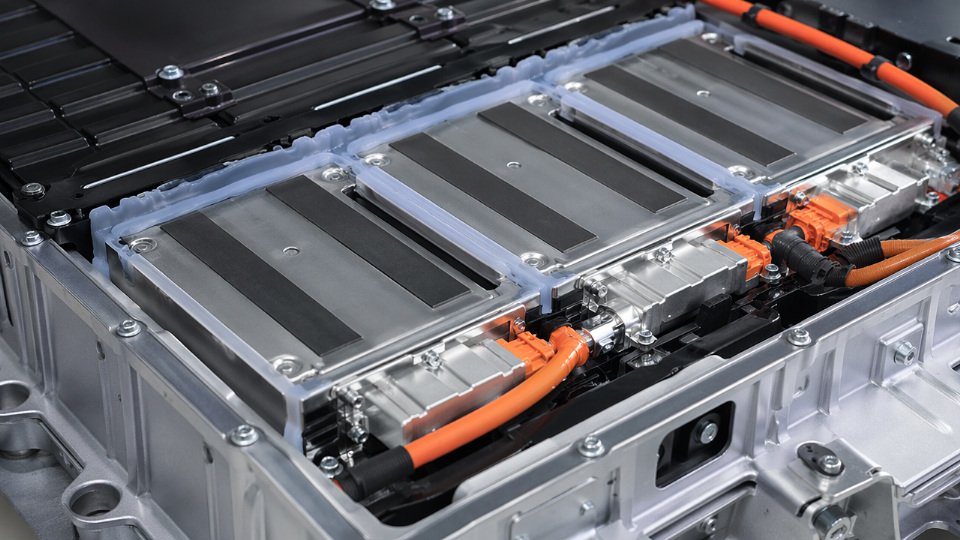
EV-Specific Applications Driving Above-Market Growth
Battery pack architecture has created a cluster of LSR applications that did not meaningfully exist before 2018. Cell-to-cell seals and module-level gaskets must resist not just heat but electrolyte solvent exposure — ethylene carbonate, dimethyl carbonate, and their breakdown products are aggressive toward many elastomers. LSR’s inherent solvent resistance gives it a structural advantage over standard EPDM here, and volume swell data from ASTM D471-immersion testing in representative electrolyte solutions typically shows LSR swell under 6–10% versus 15–25% for general-purpose EPDM grades, depending on filler loading and cure system.
High-voltage connector boots rated to 1000V AC are now a genuine production commodity in EV platforms. LSR’s dielectric strength — typically 20–30 kV/mm depending on formulation — and its thermal stability through repeated charge cycles make it the default choice where a TPE would either track, stiffen below -30°C, or degrade at contact points running warm.
Thermal interface pads between cells and cooling plates are where the thermal management specification gets genuinely demanding. Standard unfilled LSR conducts heat poorly, around 0.2 W/m·K. Boron nitride or alumina filler loading pushes that to 1.0–3.5 W/m·K, the exact value depending on filler particle size, loading percentage, and whether the application can tolerate a slightly harder durometer. The simultaneous requirement of compression set below 15% after prolonged exposure at 150°C is what eliminates commodity TPE from consideration — that material either flows under clamp load or stiffens to the point where it stops conforming to cell surface variation.
Thermally conductive LSR grades with alumina or boron nitride filler can achieve 1.0–3.5 W/m·K while maintaining compression set below 15% at 150°C.True
Filler type, particle morphology, and loading level are the primary variables. Boron nitride platelet fillers tend to give higher conductivity at equivalent loading compared to spherical alumina, but alumina is lower cost. Both are used commercially in EV battery interface pads.
E-motor stator encapsulation uses LSR or silicone gel systems to protect windings from moisture ingress and vibration fatigue. The requirement here is more about low-viscosity processability and adhesion to copper and lacquered wire than about mechanical hardness, so formulation selection is different from sealing applications.
The Integration and TCO Argument
Two-shot overmolding of LSR onto polyamide 66 or PBT substrates is the argument Tier-1 procurement engineers bring to OEM purchasing meetings. Eliminating a separate assembly step — mechanical fastening or adhesive bonding of a discrete seal — reduces part count, removes a potential leak path, and cuts cycle time in the sub-assembly cell. With LSR injection cycle times running 15–60 seconds depending on wall thickness and part geometry, the integrated component often reaches cost parity with a separately assembled alternative when total landed cost is calculated honestly. Lightweighting is a secondary gain; replacing a metal-reinforced seal assembly with an LSR overmold on a structural polymer substrate can trim 20–80 grams per connector housing, a figure that compounds across the hundreds of sealed connections in a modern EV architecture.
Industrial Sealing, Fluid Handling, and Harsh-Environment Applications
LSR’s reputation tends to lead with medical and food-contact applications, but some of the most demanding—and least forgiving—deployments happen on the plant floor, in subsea equipment rooms, and inside aircraft. Industrial sealing and fluid handling represent a wide and technically rigorous segment where material selection errors translate directly into unplanned downtime, process contamination, or safety incidents.
Pumps, Valves, and Flow Control Components
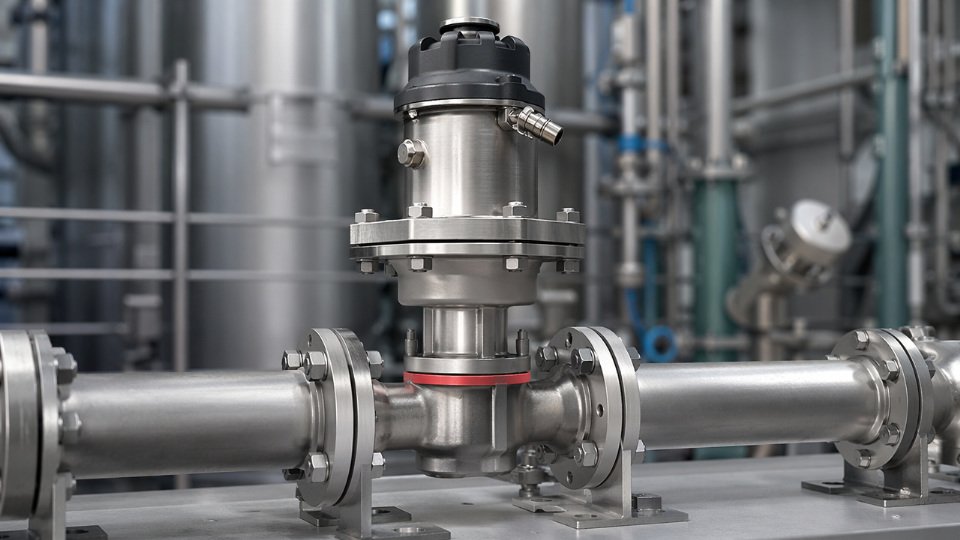
Diaphragm actuators in chemical dosing pumps cycle tens of millions of times over their service life. LSR’s combination of low compression set, consistent modulus across temperature, and resistance to water-based process fluids makes it a practical choice where EPDM fatigues and PTFE membranes crack under dynamic flexing. Duck-bill check valves in sanitary piping benefit from LSR’s ability to hold a reliable cracking pressure across a range of viscosities without creep deformation. For peristaltic pump tubing handling dilute reagents—pH adjustment chemicals, hypochlorite solutions, and similar water-treatment media—LSR outperforms natural rubber on both chemical resistance and tube life, with wall thickness and durometer grade driving cycle count before replacement.
Ball valve seats in smaller-bore pipelines carrying aggressive aqueous media present a cost-engineering decision. Machined PTFE seats are excellent but expensive to retrofit in large quantities; metal seats are over-specified when the operating pressure and temperature are moderate. Injection-molded LSR seats, particularly in 50–80 Shore A hardness, fill that gap at cycle times of 15–60 seconds depending on wall thickness and cavity count.
Chemical Resistance: What LSR Handles and What It Does Not
LSR exhibits good resistance to dilute acids, dilute bases, alcohols, ketones, and water-based fluids, but shows significant swelling and degradation in concentrated aromatic hydrocarbons such as toluene or xylene, and in chlorinated solvents such as methylene chloride.True
This matches published swell data from silicone polymer chemistry. The siloxane backbone is vulnerable to non-polar solvents that can penetrate and swell the network; polar and aqueous media are far less aggressive. Grade and crosslink density influence the magnitude but not the direction of this behavior.
For applications where the process fluid includes fuel traces, aromatic process streams, or halogenated solvents, fluorosilicone (FVMQ) is the correct upgrade path—not a different LSR grade. The fuel-resistance improvement is substantial; the trade-off is higher cost and slightly reduced low-temperature flexibility. Knowing this boundary before specifying saves a failed seal audit later.
Oil and Gas Downstream and Arctic Service
Flare tip seals, analyzer sampling system seals, and wellhead cable entry seals share one unforgiving requirement: they must remain elastic and leak-free when ambient temperature drops to -40°C or below. In Arctic installations, that means -50°C operational conditions are realistic. Standard LSR grades retain elasticity well below this point—brittle point is typically below -80°C—whereas EPDM and many thermoplastic elastomers stiffen to the point of seal failure in the same environment. Cable entry seals on wellhead control systems depend on this low-temperature flexibility to maintain dielectric integrity and prevent gas ingress, consequences of failure being both safety and regulatory.
Aerospace and Defense
Aircraft cabin pressure seals and oxygen system component seals require documented LOX compatibility—liquid oxygen systems demand testing per ASTM G63 or G86 because an incompatible elastomer in an oxygen-rich environment is a fire and explosion risk, not just a seal leak. LSR performs well in this regime, but the specific grade and formulation must carry test documentation; assuming compatibility without it is a procurement error with serious consequences. UAV airframe bonding films and radome protective coatings use LSR’s UV stability and wide thermal tolerance across altitude cycling.
Industrial Food and Beverage Processing
CIP (clean-in-place) cycles in dairy processing expose seals to hot caustic wash solutions and hot acid rinses in alternating sequences, sometimes at 85–90°C, daily for years. LSR seals compatible with both extremes, combined with an extractables/leachables profile satisfying USP and FDA 21 CFR 177.2600 simultaneously, are the specification standard for gaskets and bioreactor seals in pharmaceutical fermentation and food production. Beer keg pressure valves and carbonated beverage line check valves see similar requirements—CO₂ compatibility, clean-in-place endurance, and no taste or odor transfer. The dual regulatory burden—food safety and pharmaceutical—is exactly where generic-grade silicone falls short and a documented, tested LSR grade justifies its price premium.
Liquid Silicone Rubber Processing Methods: From LIM Injection Molding to 3D Printing
Choosing the right LSR grade matters only if your processing setup can actually realize the material’s potential. The manufacturing method determines cycle economics, part complexity ceiling, scrap rate, and ultimately whether your cost-per-part justification holds at production volume.
Liquid Injection Molding: The Core Industrial Process
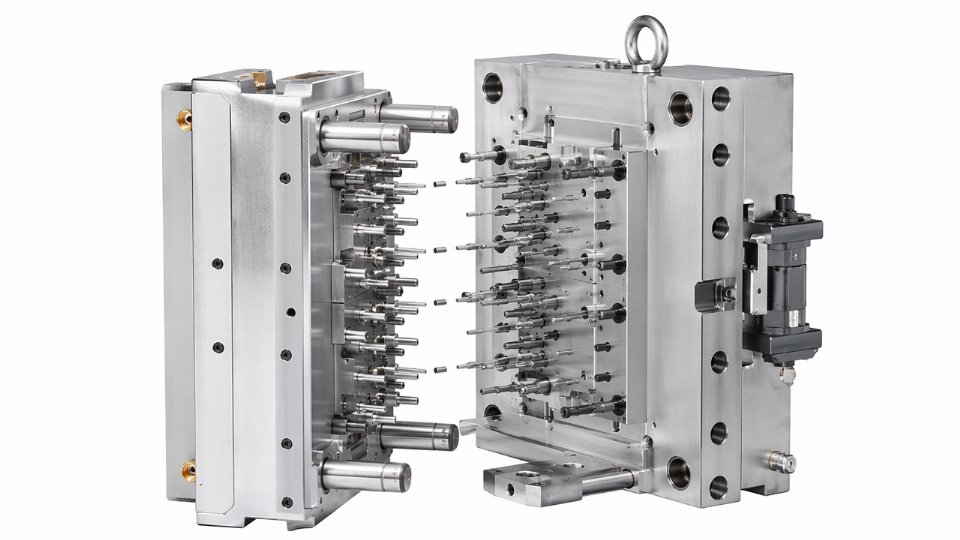
LIM is purpose-built for LSR. A two-component metering-and-mixing system draws from Part A (base polymer plus platinum catalyst) and Part B (crosslinker plus inhibitor) — typically at a 1:1 volumetric ratio, though some specialty formulations run 10:1. The system meters, mixes, and injects under controlled pressure into a thermally inverted mold: the runner stays cold (10–25°C, chilled by water circuits) while the cavity runs hot (160–200°C). The cold runner keeps uninjected material stable between shots; the hot cavity drives rapid platinum-catalyzed addition cure.
Cycle times range from 15 seconds for thin-wall parts under 1 mm to 60 seconds for thicker geometries or multi-cavity tools with aggressive thermal mass. What determines where you land in that window is wall thickness, cavity count, shot weight, and how aggressively you’ve balanced your thermal circuits. With a properly designed cold-runner system, material waste approaches zero — no sprue, no runners to regrind. That matters both for cost and for the fact that LSR cannot be reground and reused anyway.
The process is inherently automation-compatible. Robots handle demolding, trimming, and in-line inspection without difficulty. For medical and food-contact parts where human handling introduces contamination risk, that automation compatibility is part of the regulatory argument for LIM, not just a cost argument.
LIM Versus Compression and Transfer Molding of HCR
Compression and transfer molding with high-consistency rubber remain relevant — but for a narrower application set than many engineers assume. HCR still makes practical sense for very large cross-section parts (think thick gaskets or vibration isolators where thermal soak time would penalize LIM cycle economics), for low-volume prototype runs where tooling investment needs to stay minimal, and for certain calendered or extruded product forms. HCR tooling can be simpler and cheaper for single-cavity, low-volume work.
Against that, LIM wins on labor, material utilization, and repeatability at scale. HCR compression molding generates flash that requires manual trimming — adding labor cost, cycle time variability, and a scrap stream. At volumes above roughly a few thousand parts per year, the LIM economics typically dominate even accounting for higher tooling investment.
Overmolding and Insert Molding: Making LSR Adhere
LSR’s adhesion behavior is not passive. With self-adhesion grades — formulated with reactive functional groups — LSR bonds to polyamide (PA6, PA66) substrates via platinum-catalyzed addition to surface amine groups during cure. No primer needed if mold temperature, injection pressure, and surface preparation are controlled. For polyolefins (PP, PE) or metals, primer systems activate the surface. Skipping primer on a PP substrate to save a process step is a reliable way to generate delamination failures in the field.
DFM for overmolding requires deliberate bond-line geometry: undercuts or through-holes that allow mechanical interlocking add insurance beyond chemical adhesion alone, particularly for parts that will see peel-loading in service.
3D Printing of LSR: Real Capability, Real Limits
Additive manufacturing of LSR has moved past laboratory curiosity. Volumetric extrusion approaches deposit uncured LSR through a precision nozzle and cure layer-by-layer; inkjet-style deposition systems achieve finer feature resolution. Photocurable silicone systems use SLA-adjacent photocuring chemistry. Practical resolution sits in the 200–500 µm range depending on process, and production rates are orders of magnitude slower than LIM. These methods make sense for patient-specific devices, design validation parts, and complex internal geometries that LIM tooling cannot produce economically. They are not a path to high-volume production.
LSR 3D printing can match LIM in production throughput for complex geometriesFalse
Current additive LSR processes are significantly slower than LIM and are suited to prototyping, low-volume specialty parts, and geometries impractical to tool — not volume production replacement.
Quality Control Parameters That Trace Back to Raw Material Consistency
Processors monitor Shore A durometer, tensile and elongation per ASTM D412, tear strength per ASTM D624, and compression set per ASTM D395 Method B. The MDR oscillating disk rheometer tracks cure profile — scorch time, cure time, minimum and maximum torque — and is the earliest signal of batch-to-batch variation in catalyst activity or inhibitor level. When an upstream supplier ships a batch with shifted rheology, the processor sees it first as erratic cure times, then as dimensional variation, then potentially as out-of-spec compression set on finished parts. Traceability from raw material COA to MDR curve to molded part properties is not administrative overhead; it is the mechanism by which incoming material quality connects directly to production yield.
Selecting the Right LSR Grade: Hardness, Optical Clarity, Thermal Conductivity, and Self-Adhesion Variants
Treating LSR as a single material category is one of the most expensive sourcing mistakes a procurement engineer can make. The grade selection decision drives tooling design, process parameters, regulatory compliance pathways, and ultimately whether a part passes qualification or generates scrap. The variables that matter most are hardness, optical performance, thermal conductivity, adhesion mechanism, and specialty filler systems — each representing a distinct formulation family with its own trade-off profile.
Hardness Spectrum: What Changes Beyond the Shore A Number
Ultra-soft grades in the 10–20 Shore A range are formulated with higher polymer-to-crosslinker ratios and minimal reinforcing filler. They deliver elongations routinely above 800% and excel in skin-contact wearables, neonatal interfaces, and infant nipples where low compression set under gentle clamping force is non-negotiable. The operational catch: flash control becomes demanding at these durometers. Thin flash tears rather than trimming cleanly, and parting-line tolerances on tooling need to be tighter than for mid-range grades.
Standard 30–60 Shore A is where the majority of seals, diaphragms, valve membranes, and general medical device components sit. Tensile strength peaks in this band — typically 6–10 MPa depending on filler loading and cure conditions — and elongation remains high enough (400–700%) to accommodate assembly stresses. This is the safe default, but “safe default” only works when the application load case and compression set requirements have actually been verified against a specific supplier’s data sheet, not a generic industry table.
Firm grades at 70–80 Shore A serve structural applications: connector boots, grommet seals in harsh automotive environments, and speaker diaphragm surrounds where stiffness is a design parameter rather than a compromise. Elongation drops to the 200–400% range, and tear resistance degrades relative to mid-range grades. Specifying 80 Shore A when 50 Shore A would meet the mechanical requirement wastes material and introduces unnecessary brittleness risk at low-temperature extremes.
Optical LSR: When Haze Is a Failure Mode
Transparent LSR grades achieve greater than 90% light transmittance — a figure that depends on base polymer purity, filler type, and the absence of contamination during processing. These formulations use either unfilled polymer systems or treated nano-silica that remains optically invisible at cure. LED optic lenses, microfluidic chip substrates, and display gaskets are typical end uses.
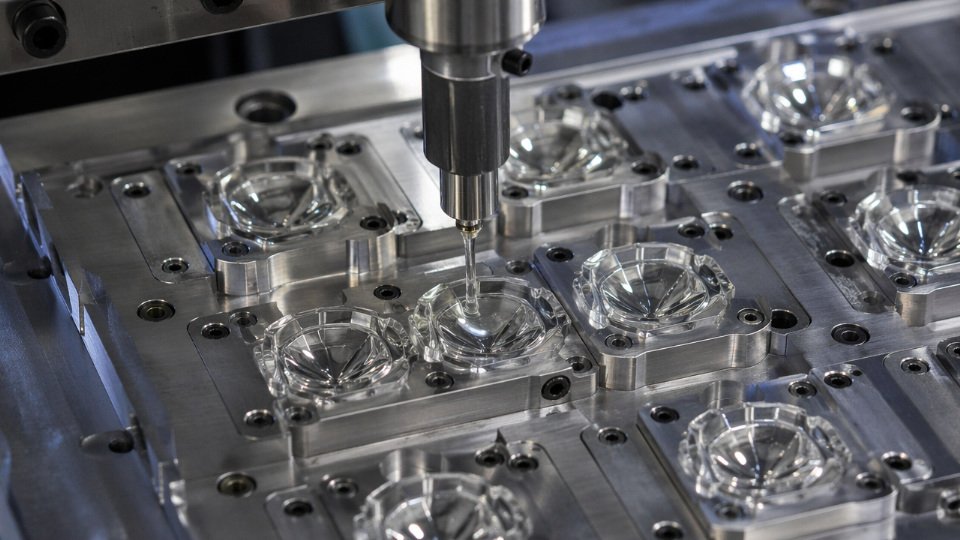
The processing discipline required here is stricter than for pigmented grades. Residual mold release agents, colorant cross-contamination from a shared press, or incomplete purging between material changeovers can introduce haze that no post-process step corrects. Dedicated presses or rigorous documented purge protocols are not optional in this application space.
Thermally Conductive Grades: Matching Filler Geometry to Heat-Flow Direction
Thermally conductive LSR incorporates boron nitride platelets, aluminum oxide, or magnesium oxide to achieve conductivity in the 0.5–6.0 W/m·K range, versus roughly 0.2 W/m·K for unfilled LSR. Boron nitride platelet fillers produce anisotropic conductivity — heat flows preferentially through the thickness direction when platelets align during injection, which suits thermal interface pads between a power device and a heat sink. Aluminum oxide and magnesium oxide systems are more isotropic and lower cost, but they load at higher weight fractions to hit equivalent conductivity targets, which compresses elongation and tear strength. At loadings required for 4–6 W/m·K, expect elongation to fall below 150% and plan tooling geometry accordingly.
Thermally conductive LSR can fully replace thermal grease in all power electronics applicationsFalse
Thermally conductive LSR pads offer handling and assembly advantages over grease but typically carry higher contact resistance unless applied with defined clamping pressure. Application geometry, surface flatness, and clamping load all determine whether pad performance meets the thermal budget.
Self-Adhesion Grades: Eliminating Primers Without Sacrificing Bond Integrity
Self-adhesion LSR incorporates adhesion promoters — typically organosilane-based functional groups — into the Part B stream. During the cure cycle, these promoters migrate to the interface and react with surface hydroxyls or polar groups on the substrate. The result is direct chemical bonding to engineering thermoplastics including PA6, PA66, PC, and PBT without a primer application step.
The process benefit compounds quickly in high-volume two-shot or insert-molding operations. Eliminating a primer step removes a VOC emission source, a cure dwell time, and an inspection point for primer coverage uniformity — each of which adds cost and potential variation. Bond strength achieved with qualified self-adhesion grades on compatible substrates is generally comparable to primed systems, but substrate surface cleanliness and mold temperature profiles during co-injection are critical variables that must be locked into the process control plan before production release.
Specialty Grades: When Standard Formulations Reach Their Limits
Electrically conductive LSR uses carbon black or silver-coated particle fillers to achieve surface resistivity below 100 Ω/sq, qualifying parts as EMI gaskets in electronics enclosures. Silver-filled systems reach lower resistivity but carry a material cost premium that only justifies itself in high-frequency shielding applications where carbon black grades fall short.
Flame-retardant LSR grades achieve UL 94 V-0 ratings through halogen-free additive packages — important in electronics enclosures and transportation interiors where both flammability and regulatory substance restrictions apply simultaneously. These grades typically carry a modest cost premium over standard LSR and may require process temperature adjustments to avoid premature crosslinking of the flame-retardant additive.
Fluorosilicone (FVMQ) deserves mention as its own decision branch rather than an upgrade path. When the fluid environment includes fuel, aggressive solvents, or concentrated oils, standard polydimethylsiloxane-based LSR swells unacceptably. FVMQ replaces methyl side groups with trifluoropropyl groups, dramatically improving fluid resistance at the cost of higher material price and reduced low-temperature flexibility versus PDMS-based LSR. The cost is justified when standard LSR fails swell testing against the actual process fluid — not before that data exists.
LSR Supply Chain Structure: How Upstream Silicone Chemistry Determines Downstream Product Quality
Every quality problem a molder encounters with LSR — inconsistent Shore A hardness lot to lot, compression set that drifts outside specification after thermal aging, a two-part system that gels too fast at ambient temperature — traces back through the supply chain to decisions made long before the material arrived at the injection press. Understanding that chain is not academic. It is the difference between a stable production process and a chronic firefighting operation.
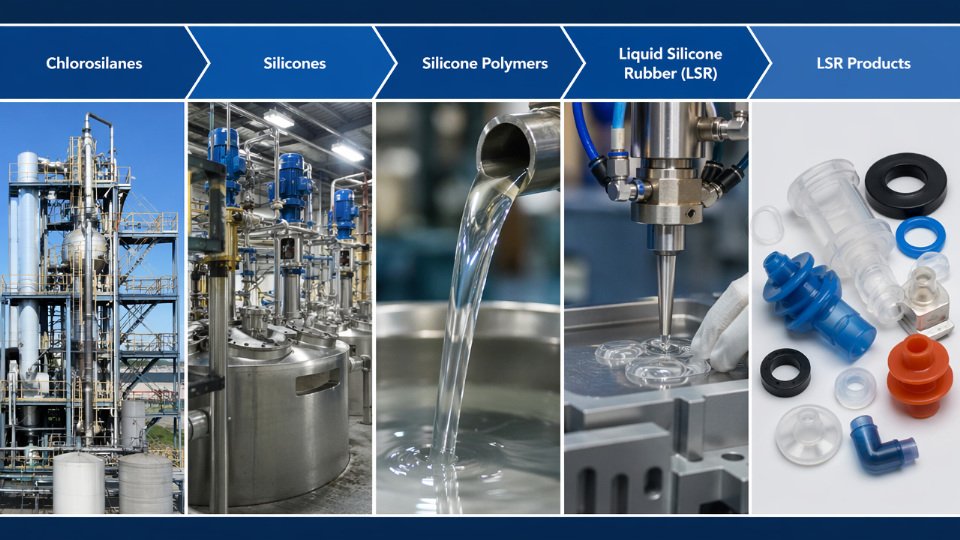
From Silicon Metal to Finished Two-Part System
The silicone value chain opens with the Müller-Rochow direct process: silicon metal and methanol react to yield methylchlorosilanes, primarily dimethyldichlorosilane. Hydrolysis and condensation of those chlorosilanes produce cyclic siloxanes — D4 and D5 being the dominant intermediates — which then undergo ring-opening polymerization under base or acid catalysis to build polydimethylsiloxane (PDMS) base polymers of controlled chain length. That PDMS, compounded with a platinum catalyst on the Part A side and a crosslinker plus reaction inhibitor on Part B, is what arrives at your dock as a two-part LSR system.
Each step is a leverage point for quality or error.
Why Base Polymer Specification Matters to the Molder
Vinyl content in the PDMS backbone — typically in the range of 0.02 to 0.3 mol%, with the exact target depending on the desired crosslink density and final hardness — controls how densely the hydrosilylation network forms during cure. Higher vinyl content drives a tighter network: higher hardness, lower compression set, reduced long-term creep. Too tight, and elongation and dynamic fatigue life suffer. The practical implication is straightforward: a supplier that cannot hold vinyl content within ±0.02 mol% batch to batch will deliver cured parts with Shore A hardness that wanders 3–5 points across production runs. For a medical valve seat or an automotive connector seal, that is a non-conformance, not a process note.
Molecular weight distribution matters for a different reason. Broad distribution elevates low-molecular-weight species content, which bleeds out during post-cure and has historically been the root cause of fogging failures in automotive lighting and optical LSR assemblies.
Consistent upstream PDMS molecular weight and vinyl content directly reduces batch-to-batch Shore A variation in finished LSR compoundsTrue
Crosslink network density is a direct function of vinyl group concentration and chain mobility. Upstream variation in these parameters propagates mathematically to variation in cured mechanical properties — this is established polymer network theory confirmed by commercial molder experience.
Fumed [Silica](https://siliconchemicals.com/silica/) Surface Treatment: The Invisible Determinant of Compound Behavior
Reinforcing fumed silica with a BET surface area in the 150–300 m²/g range is what gives LSR its mechanical strength — neat PDMS without filler has tensile strength under 1 MPa. But untreated silica surface silanols hydrogen-bond aggressively with PDMS chains, producing a compound that creeps in viscosity over time and mixes unevenly on injection equipment. Surface treatment with hexamethyldisilazane (HMDS) or purpose-engineered functional silanes caps those silanols, controlling compound viscosity and ensuring the filler disperses reproducibly. The silane chemistry used for treatment is precisely where an integrated organosilicon supplier’s product line connects directly to LSR compounding performance — the treatment agent is not a commodity purchase, it is a formulation variable.
China’s Integrated Cluster Economics
Production hubs in Xinghuo, Jilin, and Zhejiang operate chlorosilane-to-polymer integration at a scale that compresses raw material cost structurally. Compared with equivalent Western-sourced PDMS intermediates, this integration typically yields a 15–25% raw material cost reduction, a range that depends on product grade, order volume, and prevailing methanol and silicon metal prices. These facilities operate under ISO 9001 and IATF 16949 quality systems — certifications that Tier-1 automotive and medical converter supply chains require before approving any upstream raw material source.
SiliconChemicals’ Service Model for Formulation and Procurement Teams
Technical engagement at SiliconChemicals goes beyond a standard TDS package. Custom molecular weight targeting, viscosity bracketing for specific LIM equipment configurations, and application-level formulation troubleshooting are part of the supplier relationship. Supply logistics — ISO tank for high-volume polymer supply, drums for specialty grades — serve customers across Southeast Asia, Europe, and North America with documented CoA and SDS traceability on every shipment. For procurement engineers qualifying a new upstream source, that traceability package is not optional; it is the audit trail regulators and OEM customers will ask for.
Frequently Asked Questions About Liquid Silicone Rubber
What is the difference between LSR and silicone rubber (HCR)?
The material chemistry is closely related — both are polydimethylsiloxane-based networks — but processability separates them completely. LSR arrives as a pumpable two-part liquid system, mixed at a 1:1 ratio and injection-molded in heated closed tools, with cycle times running 15–60 seconds depending on wall thickness and part geometry. HCR (high-consistency rubber) is a solid gum that requires a mill, a press, and significantly more labor. Where HCR earns its place is in large cross-section profiles, extrusions, and low-volume parts where tooling investment for LIM injection molding isn’t justified. For high-volume, tight-tolerance, automated production — think multi-cavity medical components or EV connector seals — LSR’s net-shape precision and minimal flash make it the clear operational choice. End-use properties like temperature resistance and biocompatibility are broadly comparable; the decision turns on your production economics and part geometry, not the polymer itself.
Is liquid silicone rubber food safe?
Not automatically. Platinum-cure LSR formulated and tested to FDA 21 CFR 177.2600 or EU Regulation 10/2011 is approved for contact with solid, wet, and fatty foods. The qualifier that matters in procurement is grade-specific documentation. A general-purpose LSR using a tin-cure system, or a grade not tested for migration limits, does not qualify regardless of the base polymer.
All silicone rubber is inherently food safe without grade verificationFalse
Food safety compliance requires grade-specific testing and documentation against applicable regulations such as FDA 21 CFR 177.2600 or EU 10/2011; cure system, fillers, and pigments all affect extractables and migration results.
Ask your supplier for lot-traceable Certificates of Compliance, not generic material data sheets.
What temperature can LSR withstand?
Standard commercial grades handle continuous service from -60°C to +200°C, with intermittent excursions to +250°C — performance that depends on cross-link density and filler system. Phenyl-modified silicone grades push low-temperature flexibility below -100°C, relevant for aerospace and cryogenic sealing. For continuous duty above +200°C, specialty grades with reinforced filler packages can sustain +230°C, though service life shortens meaningfully above that threshold. Verify your specific operating duty cycle, not just peak temperature, when selecting a grade.
Can LSR be colored?
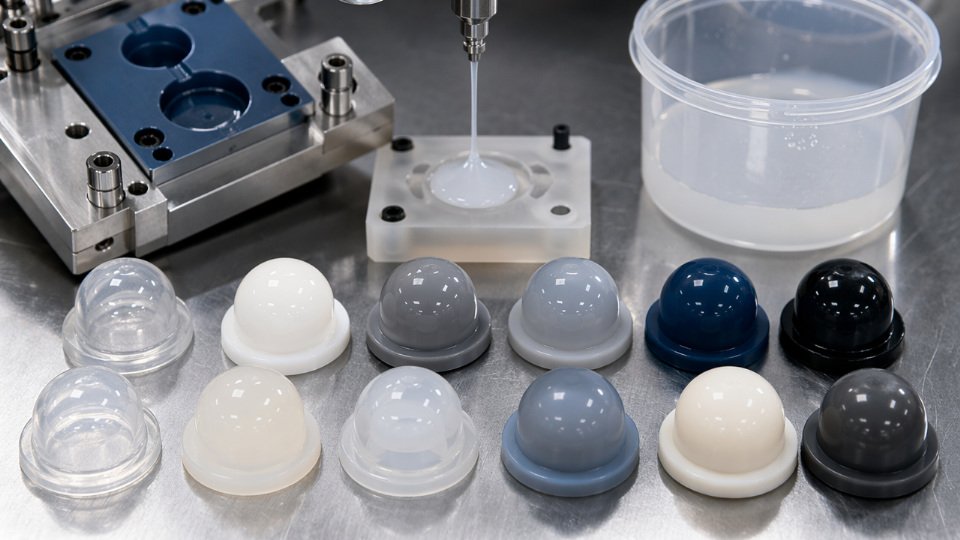
Yes. Pigment dispersions are metered into the Part A or Part B stream through a third dosing line before the static mixer — clean, repeatable, and compatible with multi-cavity automation. Optical and transparent grades require careful pigment loading control; too much colorant compromises light transmission. Where LSR outperforms TPE and natural rubber significantly is color stability at elevated temperatures. A TPE part cycling through under-hood temperatures will fade or bleed; a properly formulated LSR part holds color through thousands of thermal cycles.
How does LSR compare to TPE in cost and performance?
Raw material cost for LSR typically runs USD 8–25/kg depending on grade, hardness, and specialty function, against USD 3–8/kg for comparable TPE. That gap is real. But in applications where TPE hits its thermal ceiling, fails ISO 10993 biocompatibility testing, or accumulates compression set over a long service life, the total cost of ownership math shifts. A medical device seal that requires replacement every 12 months in TPE versus a 5-year service life in LSR changes the procurement calculus entirely.
What causes LSR to fail prematurely in service?
Four failure modes account for the majority of field problems. First, catalyst inhibition — sulfur, nitrogen, tin compounds, or amines from contaminants, mold release agents, or adjacent materials prevent full cure and leave tacky, weak parts. Second, incorrect mold release selection causes surface adhesion or contamination. Third, skipping or shortening post-cure leaves elevated extractables that can cause regulatory failures or sensory issues in food and medical applications. Fourth, specifying standard PDMS-based LSR in aromatic or aliphatic solvent environments where fluorosilicone is the correct material choice. Each of these is a process or specification error, not a material limitation.
How do I source consistent LSR raw materials from China?
Consistency comes from supply chain structure, not just price. Verify that your supplier controls their own PDMS polymerization — a supplier reselling base polymer from multiple upstream sources cannot guarantee batch-to-batch viscosity or vinyl content stability. Request specification ranges for viscosity and vinyl functionality across a minimum of five production lots before qualifying a source. ISO 9001 certification with lot-traceable CoA is a baseline, not a differentiator. Finally, assess technical support: a supplier who can answer questions about platinum inhibition, post-cure schedules, and grade selection for your application is a different class of partner than one who ships drums and invoices.