A production line switches to silicone gaskets, a formulator moves to a silicone-based release agent, a medical device OEM specs silicone tubing — and somewhere downstream, a compliance failure surfaces. Maybe it’s a migration result that breaches the EU 10 mg/dm² food-contact limit. Maybe it’s a platinum inhibition event that halts an addition-cure batch. Maybe it’s a regulatory audit flagging unreduced D4 residuals in a cosmetic intermediate. The machine reports nothing wrong. The silicone “looks fine.” But the cost — a recall, a batch write-off, a delayed product registration — lands hard, and tracing it back to material selection decisions made months earlier is expensive and slow.
Silicone materials are chemically stable, biologically inert as fully cured polymers, and safe across a wide range of industrial and regulated applications — but they are not unconditionally inert. Real side effects arise from residual cyclic siloxanes (D4, D5), unreacted curatives, platinum catalyst inhibition, filler dust exposure, and solvent swelling. Grade selection, post-cure protocol, and application context determine whether a silicone performs safely or becomes a liability.
That answer is accurate as far as it goes, but it collapses a genuinely complex material science and regulatory picture into a single verdict. The Si–O backbone that gives silicone its 452 kJ/mol bond energy and its legendary thermal stability is not the issue — the issue is everything that travels with it: process residuals, compounding ingredients, degradation byproducts at temperature, and environmental fate. Understanding where the real risks live, how they surface slowly rather than catastrophically, and how to specify around them is what separates a procurement decision that holds up under audit from one that creates a quiet, compounding problem.
Silicone Chemistry Taxonomy: Why the Side-Effect Profile Differs Radically Across Silicone Grades
The single most expensive misconception in industrial silicone procurement is treating “silicone” as a monolithic material class. An engineer who reads a regulatory concern about cyclic siloxanes and concludes that their silicone gasket is a liability, or conversely, who reads “biologically inert” in a product brochure and assumes their aminosilane primer carries no occupational hazard, is operating on a dangerously incomplete model. The chemistry tells a more structured story — and once you understand the taxonomy, the risk profile of each grade becomes predictable rather than ambiguous.
The Si-O Backbone: What It Gives You and What It Costs You
The foundational structure of all silicone materials is the siloxane backbone: alternating silicon and oxygen atoms, with organic side groups (most commonly methyl) attached to silicon. The Si-O bond energy of approximately 452 kJ/mol is meaningfully higher than the C-C bond energy of approximately 347 kJ/mol that forms the structural backbone of most organic polymers. That 30% energy advantage is not trivial — it is the direct reason silicone retains flexibility and resists oxidative degradation at continuous service temperatures where polyurethane or EPDM have already begun to embrittle.
The tradeoff is less obvious. When silicone does thermally degrade — above roughly 300°C in oxygen-limited environments, or during incomplete combustion — the backbone does not simply unzip into small gas molecules the way organic polymers do. Instead, it cyclizes, regenerating low-molecular-weight cyclic siloxanes: D4, D5, D6. These are not exotic industrial chemicals; they are structural rearrangement products of the same backbone you started with. This means thermal degradation byproduct hazard is essentially baked into the chemistry of any silicone, regardless of formulation quality — though the quantity generated and the likelihood of worker exposure depend heavily on process conditions and ventilation design.
Grade Taxonomy and Divergent Hazard Classes
The practical consequence of that chemistry is that hazard profiles do not travel with the word “silicone” — they travel with molecular weight, cure state, and formulation additives.
Low-MW PDMS fluids and cyclic siloxanes sit at the highest regulatory scrutiny end of the spectrum. D4 carries a bioconcentration factor in fish exceeding 5,000 and is classified as very persistent, very bioaccumulative (vPvB) under REACH. Even a well-controlled 50 cSt PDMS fluid can contain 50–500 ppm residual D4; low-cyclic-grade material brings this below 10 ppm, which matters enormously for rinse-water or washdown processes that discharge to aquatic environments. High-MW PDMS — the bulk matrix of most cured silicone articles — is largely inert by comparison, with a soil adsorption coefficient (Koc) exceeding 10,000 L/kg, meaning it binds strongly to soil organic matter and does not meaningfully migrate into groundwater.
Silicone elastomers (RTV, LSR, HTV) introduce a processing-state distinction that engineers frequently miss. Uncured RTV and LSR formulations contain active crosslinkers, chain extenders, and catalysts — and in some cure chemistries, these carry their own regulated-substance concerns that vanish entirely post-cure. Oxime-cure one-part RTVs release butanone oxime as a condensation byproduct during cure; this compound is under classification review as a Category 2 carcinogen suspect under EU CLP. The cured product is not the problem. The cure environment is. Adequate ventilation during assembly or potting operations is an engineering control issue, not a materials substitution issue — a distinction that gets blurred when procurement writes a blanket “no hazardous silicone” specification.
HTV (high-temperature vulcanizing) elastomers cured with peroxide initiators such as DCP generate acetophenone as a byproduct. For food-contact or pharmaceutical applications, post-cure heat treatment at 200°C for four hours is standard practice precisely because it drives extractable acetophenone below the 0.5% w/w specification threshold for compliant grades. A plant that skips post-cure to save cycle time and then wonders why food-contact migration testing keeps failing is encountering a process-side effect, not a material defect.
Silane coupling agents — aminosilanes, vinylsilanes, epoxysilanes — are a structurally distinct branch of the organosilicon family that share essentially nothing in practical hazard profile with PDMS or cured elastomers. These are reactive, low-MW monomers. Aminosilanes carry skin sensitization and respiratory irritation potential in liquid handling. Epoxysilanes contain the epoxy functional group with its associated skin and eye hazard in the uncoupled state. Treating them as “silicone” in a generic safety assessment is a category error.
Silicone resins and functional emulsions occupy intermediate positions — resins are highly crosslinked, film-forming, and typically low-extractable once cured, but their solvent-borne precursor solutions require standard VOC and flammability controls during application.
| Silicone Grade | Primary Hazard Class | Key Regulated Substance | Typical Industrial Application |
|---|---|---|---|
| PDMS fluid (low-MW, Operational warning — the “it’s just silicone” assumption in HTV processing: Fumed [silica](https://siliconchemicals.com/silica/) exposure during open-mill operations is the most commonly undercontrolled hazard in silicone fabrication shops. Because HTV compound looks and handles like a benign rubber, respiratory controls are often absent or informal. Plants that would never run a carbon black operation without enclosed milling and LEV routinely run fumed-silica HTV compound on open mills with no exhaust ventilation and paper dust masks. The chronic exposure consequence accumulates quietly over years of shift work. |
PPE and exposure control by operation
Quick verdict: Nitrile gloves and local exhaust ventilation are non-negotiable for any silicone mixing or spray operation involving uncured systems — “it’s not reactive” is a cured-material statement, not a processing-environment statement.
| Operation | Primary exposure route | Key chemical hazard | OEL reference benchmark | Minimum PPE requirement |
|---|---|---|---|---|
| Mixing uncured two-part compound | Dermal / incidental inhalation | Tin/titanate catalyst, platinum complex | Catalyst-specific; DBTL: Repr. 1B per CLP | Nitrile gloves, safety glasses, local ventilation |
| Spray coating (cold application) | Inhalation — respirable aerosol | PDMS aerosol, solvent carrier | PDMS: ~10 mg/m³ TWA; solvent per substance SDS | Half-face respirator (OV/P100), full enclosure booth with LEV |
| Oven curing / vulcanization | Inhalation — thermal decomposition products | Formaldehyde, [silica](https://siliconchemicals.com/silica/) particulate, CO (>300°C) | Formaldehyde: 0.3–0.5 ppm STEL (jurisdiction-dependent) | General ventilation minimum; LEV at oven door; CO monitoring in confined oven rooms |
| Trimming / deflashing cured parts | Inhalation — fine particulate | Silica dust, cured elastomer particles | Respirable dust: 1–3 mg/m³ general limit | P2/P100 dust respirator, LEV at trimming station |
| Solvent-borne coating application | Inhalation + dermal | Organic solvent (xylene, naphtha) + PDMS | Solvent-specific OEL per SDS | Supplied-air or appropriate OV cartridge respirator, chemical-resistant gloves, enclosed booth |
The table makes a point that SDS documents often obscure: the silicone polymer is rarely the controlling hazard. The solvent carrier, the catalyst system, the application method, and the processing temperature together determine what actually threatens worker health. Specifying a “safe” silicone without specifying the processing environment and formulation components is an incomplete safety analysis.
Cyclic Siloxanes D4, D5, D6: The Regulatory Side Effect That Is Reshaping Global Silicone Supply Chains
Cyclic polydimethylsiloxanes — octamethylcyclotetrasiloxane (D4), decamethylcyclopentasiloxane (D5), and dodecamethylcyclohexasiloxane (D6) — are not contaminants in the conventional sense. They are structural relatives of the linear PDMS backbone, and they appear in commercial silicone fluids and emulsions in two distinct ways: as unintentional residuals from polymerization equilibration, and as deliberate functional components in release agents, textile softeners, and personal care vehicles where their low surface tension and rapid volatility are precisely the point. That dual role — sometimes contamination, sometimes specification — is exactly what makes the regulatory story so commercially disruptive. A procurement team that treats D4/D5/D6 restrictions as a cosmetics problem and stops reading has just created a supply chain liability in their paper release coatings or metalworking fluid line.
What D4, D5, and D6 Actually Are in Your Supply Stream
At the polymerization stage, PDMS fluids are produced from cyclic and linear siloxane intermediates via acid- or base-catalyzed ring-opening equilibration. The thermodynamic equilibrium favors some residual cyclics — typically D3 through D6 — remaining in the finished fluid unless a stripping or distillation step is applied. In a standard 50 cSt PDMS fluid, D4 residual commonly runs 50–500 ppm depending on the manufacturer’s process control and whether a post-polymerization stripping step is used. Specialty low-cyclic grades, produced by molecular distillation or extended vacuum stripping, can reliably achieve less than 10 ppm total cyclics. That 50-fold difference is not a minor specification footnote — it is the difference between REACH compliance and a restricted substance violation in several EU product categories.
D4 carries the most regulatory weight because its bioconcentration factor (BCF) in fish exceeds 5,000, meeting the very persistent, very bioaccumulative (vPvB) classification threshold under REACH. Persistence in aquatic sediments and biota means that even low continuous releases accumulate at the top of food chains over time. D5 and D6 share similar environmental persistence profiles, though their regulatory trajectories have moved slightly more slowly than D4’s.
The Regulatory Timeline and Where It Is Heading
The EU moved first and most aggressively. In 2018, the European Chemicals Agency (ECHA) enforced a concentration limit of 0.1% w/w for D4 and D5 in wash-off cosmetic products under REACH Annex XVII. D6 was added to the restriction in 2020. These were framed as consumer product controls — but the underlying PBT/vPvB dossiers for D4 were always broader in scope, and the EU’s ongoing SVHC (Substance of Very High Concern) authorization track for D4 in industrial applications signals that the cosmetics restriction was the opening move, not the final one.
Canada listed D4 and D5 on CEPA Schedule 1 as toxic substances, triggering domestic regulatory action on both manufacturing and import. In the US, EPA has conducted risk evaluations under TSCA but has not yet implemented hard concentration limits; the current posture is monitoring and voluntary stewardship, though that regulatory gap may close as EU enforcement precedent builds trade pressure. China’s GB standard framework currently lacks a direct equivalent cyclic siloxane restriction in industrial chemicals, though products exported to EU markets must comply with EU REACH regardless of origin — a point that catches some domestic formulators by surprise.
| Jurisdiction | D4 Limit | D5 Limit | D6 Limit | Affected Categories | Enforcement Date |
|---|---|---|---|---|---|
| EU REACH Annex XVII | ≤0.1% w/w | ≤0.1% w/w | ≤0.1% w/w | Wash-off cosmetics; SVHC evaluation ongoing for industrial use | D4/D5: Jan 2018; D6: Jan 2020 |
| Canada CEPA | Risk management in progress; import/manufacture controls | Risk management in progress | Under assessment | Cosmetics, consumer products, environmental release | 2009 listing; ongoing measures |
| US EPA (TSCA) | No hard limit; voluntary commitments in cosmetics sector | No hard limit | No hard limit | Consumer products (industry stewardship) | No mandatory enforcement date yet |
| China GB/T | No direct restriction on cyclic content in industrial silicones | No direct restriction | No direct restriction | Export products must meet destination-market requirements | N/A domestic; EU rules apply on export |
D4/D5 restrictions under EU REACH currently apply only to cosmetic wash-off products and do not affect industrial silicone fluids.False
While the initial REACH Annex XVII restriction targeted wash-off cosmetics at 0.1% w/w, D4 remains under active SVHC/PBT evaluation for broader industrial applications. Formulators using silicone emulsions in textile finishing, paper coatings, and metalworking fluids are already being asked for cyclic content data by EU customers — anticipating broader restrictions.
Industrial Applications Caught in the Crossfire
The commercial disruption extends well beyond cosmetics. Textile softener emulsions that use amino-functional PDMS fluids as their active ingredient routinely carry the cyclic residual profile of the base fluid — and if that base fluid was not produced to a low-cyclic specification, the finished emulsion can breach the 0.1% threshold in blended formulations destined for EU markets. Paper release coatings, where PDMS emulsions are applied as anti-sticking treatments on baking parchment or release liners, face similar scrutiny because the coating migrates into food contact conditions. Metalworking lubricity additives that contain silicone emulsions for draw-die applications are not currently restricted, but procurement teams at Tier 1 automotive suppliers in Europe have started requesting GC headspace data as a condition of approval — driven by their own REACH due diligence obligations, not by a specific limit on metalworking fluids.
In a typical textile finishing operation running three shifts on a continuous pad-mangle line, a plant buyer switches silicone emulsion supplier mid-contract to capture a 12% cost reduction. The incoming emulsion uses standard PDMS without a low-cyclic specification. Finished fabric exports to Germany fail a retailer’s restricted substances audit six weeks later. The root cause takes another two weeks to trace because the SDS showed no flagged substances — cyclics below a certain level don’t always trigger SDS disclosure requirements. The fix requires re-specifying the emulsion to a low-cyclic grade and re-running production. The 12% cost saving is gone, and then some.
Supplier Qualification: What a Compliant CoA Actually Looks Like
An SDS is not sufficient qualification documentation for cyclic siloxane content. A compliant supply chain requires GC headspace analysis data — typically GC-FID or GC-MS — reporting D3, D4, D5, and D6 individually in ppm, with a stated method detection limit and batch traceability. A certificate of analysis that lists “cyclics: compliant” without reported concentration values and method reference is not auditable and should not be accepted by any procurement team with EU market exposure.
Switching from a standard PDMS emulsion to a verified low-cyclic grade typically adds 15–40% to raw material cost, depending on viscosity grade and emulsion type. The premium reflects the added distillation or stripping step, stricter in-process QC, and lower batch yields. In lubricity applications, low-cyclic PDMS grades can show slightly reduced initial spreadability compared to cyclic-rich grades, because some of the cyclic content was contributing to the low-surface-tension wetting behavior. Formulators often compensate by adjusting HLB balance or adding a small complement of a low-MW linear siloxane — but that formulation work takes time and validation runs, which is a hidden cost that rarely appears in the raw material price comparison.
Procurement warning: Requesting a low-D4 specification verbally is not the same as writing it into a purchase order. Specify maximum total cyclic content (D3+D4+D5+D6 combined, in ppm), the test method, and the required reporting format in your supplier agreement. Without that contractual anchor, you may receive a grade that meets the spirit of your request one delivery and reverts to a standard specification the next when the supplier’s low-cyclic batch is allocated elsewhere.
Quick verdict: If you sell into EU markets and your silicone-containing product contacts water, skin, or food surfaces — treat D4/D5/D6 content as a required specification, not an optional datapoint.
Mechanical and Performance Side Effects: When Silicone Fails in Ways Engineers Don’t Anticipate
Silicone’s reputation for inertness is one of the most operationally dangerous half-truths in materials engineering. The failure modes are real, but they rarely announce themselves with an alarm — they show up as a seal that weeps three months after commissioning, a potted PCB that never quite cures in one corner, or a bonded assembly that passes incoming inspection and fails during vibration testing six weeks into service. By then, the silicone is rarely the first suspect.
Silicone Migration and Surface Fouling
Low-molecular-weight PDMS fractions are mobile at room temperature. They migrate along surfaces, outgas into enclosures, and deposit as nanometer-thin contamination films on substrates that were clean when assembled. In electronics manufacturing, this is the leading root cause of adhesive bond failures on flex circuits, cover lenses, and heat-sink interfaces — yet the failure shows up in peel tests attributed to adhesive selection or surface prep. The contamination is functionally invisible to visual inspection; it requires XPS (X-ray photoelectron spectroscopy) or FTIR surface analysis to confirm. Operators often compensate by switching adhesive suppliers, which solves nothing.
The migration source is almost never the silicone component itself but an upstream process: release agent residue on a mold, silicone-containing mold-release spray used on nearby tooling, or a silicone gasket in an adjacent assembly fixture. Once PDMS is in a factory environment, it distributes.
Operational warning — silicone exclusion zones in electronics assembly: If silicone-containing materials are processed anywhere in the same cleanroom or SMT line environment, surface energy on bonding substrates can drop below the threshold for reliable adhesive wetting within hours. FTIR audits of bonding surfaces before and after silicone-adjacent operations should be part of process qualification, not just first-article inspection.
Compression Set and Long-Term Seal Failure
Silicone elastomers exhibit compression set in the range of 15–40% after sustained static loading at elevated temperature, depending on compound formulation, cure system, and load duration. The practical consequence: a flange seal that performs correctly at commissioning progressively loses recovery force over months of static compression at 80–120°C, until contact stress falls below the sealing threshold and a slow, intermittent leak begins. The leak is often blamed on flange flatness or bolt relaxation before anyone measures the gasket.
Quick verdict: Specify maximum compression set ≤20% (measured per ISO 815 at the actual service temperature) for any silicone seal in static elevated-temperature service — don’t accept a default datasheet value measured at 23°C.
Swell and Extractables in Fluid Contact Applications
Silicone can swell up to 150% by volume in aromatic solvents like toluene, and significant swelling occurs in most aliphatic hydrocarbons — making it unsuitable as a dynamic seal in any hydrocarbon-wetted system without explicit chemical compatibility testing. This is widely known but routinely overlooked in cost-driven maintenance scenarios where “silicone O-ring” is ordered as a generic replacement.
The extractables dimension is less discussed and more consequential in regulated industries. In pharmaceutical fluid paths and food-contact applications, low-MW siloxanes, processing aids, and cure byproducts leach from silicone tubing and gaskets into product streams. FDA 21 CFR 177.2600 governs silicone for food contact and requires extractables testing under conditions representative of end use. A compliant medical-grade silicone tubing benchmark is total extractables below 5 μg/cm². Post-cure heat treatment at 200°C for four hours reduces extractables by 60–80% — skipping this step to save cycle time is one of the most common quality shortcuts, and one of the hardest to detect in finished product unless you’re running extractables assays.
In a typical single-use bioprocess assembly operation, tubing validated on one silicone lot can pass qualification and then generate extractables failures when production shifts to a new lot from a different compounder. The formulation may be nominally identical, but low-MW fraction control varies significantly between suppliers without tight incoming specification.
Thermal Aging and Embrittlement
Silicone’s thermal stability is genuine — the Si-O bond energy of approximately 452 kJ/mol provides a meaningful margin over carbon-backbone polymers. But “resists high temperatures” is not the same as “is unaffected by high temperatures over time.” Extended exposure above 200°C causes progressive crosslink densification: measured hardness typically increases by 10–20 Shore A points, elongation at break drops sharply, and dynamic fatigue life falls. A silicone vibration isolator or flexible coupling that begins service at 40 Shore A may functionally behave as a 55–60 Shore A part after 12–18 months at 220°C, transmitting rather than attenuating vibration loads it was specified to absorb.
Silicone is unaffected by heat and does not degrade over time at elevated temperaturesFalse
While silicone has excellent thermal resistance relative to organic polymers, sustained exposure above 200°C causes crosslink densification, measurable hardness increase of 10–20 Shore A points, and loss of elongation — all of which reduce dynamic mechanical performance and fatigue life over service life.
Platinum Catalyst Inhibition: The Invisible Cure Failure
Addition-cure silicone systems depend on platinum catalyst. Trace quantities of sulfur, nitrogen, phosphorus, and organotin compounds — present in uncured sulfur-vulcanized rubber, some epoxy curing agents, PVC stabilizers, and certain mold release systems — can poison the catalyst and prevent complete crosslinking. The result is a part with a cured surface and a permanently soft, tacky interior, or localized uncured zones at bond interfaces.
This failure mode is particularly damaging because it doesn’t fail loudly on day one. Parts that appear cured on the surface pass visual and dimensional checks. The mechanical and electrical failure manifests later, in service. During simultaneous demand peaks on a potting line where multiple encapsulant systems are processed, cross-contamination through shared mixing equipment is a common but rarely diagnosed inhibition source.
Electrical Performance Degradation Over Service Life
Silicone encapsulants are used in outdoor high-voltage hardware, LED modules, and automotive electronics specifically because of their dielectric properties and flexibility. But silicone absorbs moisture — typically 0.1–0.3% by weight in humid environments — and sustained moisture uptake increases dielectric loss tangent and reduces tracking resistance. In high-voltage outdoor insulators, UV and ozone exposure over 3–5 years degrades the surface hydrophobicity that silicone rubber provides as its primary functional advantage, accelerating leakage current and surface tracking.
Specifying a silicone encapsulant by initial dielectric constant alone, without UV aging data and tracking resistance data per IEC 60587 or equivalent, is a common procurement gap that doesn’t surface as a field problem until the second or third year of a ten-year installation.
Silicone mechanical failure mode reference table:
| Failure Mode | Root Cause Mechanism | Affected Sector | Detection Method | Prevention Specification |
|---|---|---|---|---|
| Adhesive bond failure | Low-MW PDMS surface migration; reduced surface energy | Electronics, optoelectronics | XPS or FTIR surface analysis | Silicone exclusion zone protocol; low-cyclic-grade stock only |
| Static seal leak | Compression set >25% under sustained thermal load | Process plant, HVAC, fluid systems | Leak testing + durometer measurement of removed gasket | Specify CS ≤20% per ISO 815 at service temperature |
| Chemical swell/seal extrusion | Volume swell in hydrocarbon media | Oil & gas, automotive | Immersion swell test per ASTM D471 | Chemical compatibility pre-screening; fluorosilicone for HC service |
| Extractables exceedance | Low-MW siloxane leaching from uncured or unpost-cured parts | Pharma, food & bev, medical devices | Extractables per FDA 21 CFR 177.2600 or USP | Post-cure 200°C/4 hr; specify extractables limit in purchase spec |
| Embrittlement/fatigue failure | Thermal crosslink densification above 200°C | Industrial ovens, engine bay, LED | Durometer trend monitoring; elongation at break testing | Phenyl-modified grade for >200°C sustained; hardness acceptance window in spec |
| Inhibited cure / soft interior | Platinum catalyst poisoning by S, N, P, Sn compounds | Electronics potting, medical molding | Cross-section Shore A mapping; extractable gel fraction | Dedicated tooling; inhibition-check protocol before production runs |
Environmental Side Effects of Silicone: Persistence, Aquatic Toxicity, and the End-of-Life Problem
The environmental narrative around silicone has been shaped, for decades, by a single talking point: “silicone is inert and safe.” That framing is useful shorthand for a medical-device salesperson, but it collapses badly the moment you’re preparing an Environmental Product Declaration for a construction sealant, filing Scope 3 disclosures for a procurement audit, or answering a downstream customer’s Chemical Transparency Initiative questionnaire. The reality is more differentiated — and the distinctions matter for regulatory exposure, ESG scoring, and supply chain continuity.
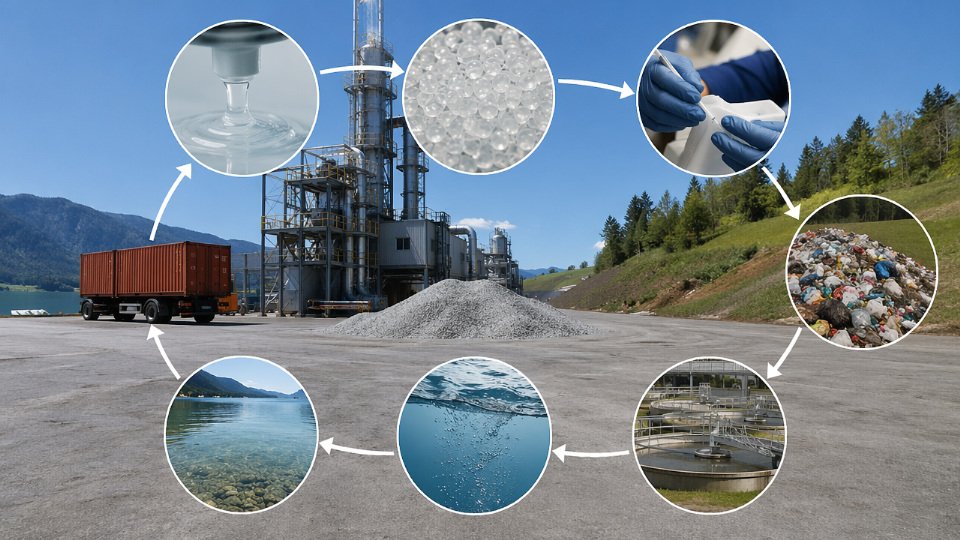
Soil Persistence: Borderline, Not Benign
PDMS applied in agricultural adjuvants, construction joint sealants, or land-applied industrial waste does not move through the soil matrix the way most organic contaminants do. Its soil-water adsorption coefficient (Koc) exceeds 10,000 L/kg — one of the highest in any commercial polymer class — meaning it binds tightly to organic matter and clay particles and effectively immobilizes. The consequence is low leaching risk to groundwater, which is often cited as evidence of environmental safety. The less-cited consequence is slow degradation.
Soil half-life for PDMS is estimated in the range of 100 to 1,000+ days, depending on soil temperature, moisture, clay content, and microbial activity. That range spans roughly three months to several years. Under current EU and US frameworks, PDMS is not formally classified as persistent, but the upper end of that degradation range sits uncomfortably close to the PBT persistence criterion. Regulators in several jurisdictions have noted this gap, and precautionary language is beginning to appear in construction product environmental declarations — particularly for sealants used at high volume in civil infrastructure.
In a typical large-scale construction project consuming several tonnes of silicone sealant annually, the cumulative soil loading around foundations or drainage systems is not trivial. The material won’t leach into a river — but it also won’t be gone in a season.
Aquatic Toxicity: High-MW vs. Low-MW Is Everything
High-molecular-weight PDMS fluids and elastomers pose negligible direct aquatic toxicity. LC50 values exceed 1,000 mg/L across standard test species — practically non-toxic by conventional classification. The problem is not PDMS itself; it’s what’s inside it.
D4 (octamethylcyclotetrasiloxane), present as a residual in standard-grade PDMS at 50–500 ppm, carries a bioconcentration factor above 5,000 in fish and is classified as very persistent, very bioaccumulative (vPvB) under REACH. It does not acutely poison aquatic organisms at typical environmental concentrations — but it accumulates through the food chain at levels that regulators have determined are unacceptable. This is why the EU restricted D4 in rinse-off cosmetics and why it remains under active scrutiny for industrial discharge.
High-MW PDMS is hazardous to aquatic organismsFalse
Standard high-MW PDMS fluids have LC50 values above 1,000 mg/L and are classified as practically non-toxic. The aquatic concern in silicone materials is driven by low-MW cyclic siloxane residuals — particularly D4 — not the PDMS polymer chain itself.
The practical procurement implication: specifying low-cyclic-grade silicone (D4 residual 10,000 L/kg; HL 100–1000+ days | Low (polymer); risk from D4 residuals 50–500 ppm | Incineration or landfill | REACH D4 restriction; EU Annex XVII |
| Low-cyclic PDMS (5,000 in fish | Not applicable (chemical intermediate) | REACH vPvB; EU rinse-off restriction; ongoing SVHC review |
| Silicone sealant (RTV, construction) | Immobile in joint; degradation 1–3+ years | Low from cured matrix; risk from uncured D4 residuals | Landfill dominant; EPD required in EU construction products | EU CPR; EN 15804 EPD; Declare label disclosure |
Operational warning: ESG disclosures built on generic “silicone is inert” sourcing language carry real audit risk. EPD frameworks and chemical transparency platforms require substance-level disclosure. A supplier unable to provide a product-specific carbon footprint, D4 residual content, and extractables data is a liability in regulated markets — not just an inconvenience. This gap is increasingly being flagged in third-party construction product certifications and pharmaceutical supply chain audits.
Silicone in Food Contact, Medical, and Pharmaceutical Applications: Side Effect Thresholds That Define Compliance
The side-effect conversation changes character entirely once silicone enters a regulated application. In industrial sealing or construction, an off-spec gasket might cause a leak. In a food processing line, a non-compliant silicone gasket triggers a migration exceedance, a regulatory hold, and — if product has already shipped — a recall that commonly exceeds $10 million once brand impact is factored in. In a biologics manufacturing suite, a single lot of non-extractables-tested tubing can contaminate a cell culture batch worth multiples of that. The stakes are not incremental.
Regulatory Framework: Four Overlapping Standards That Don’t Always Agree
Silicone in regulated applications sits at the intersection of several frameworks, and they are not harmonized. In the United States, food contact elastomers fall under FDA 21 CFR 177.2600, which permits silicone rubber meeting specific composition requirements. The EU applies Regulation (EU) 10/2011 — technically covering plastics — by analogy to silicone food contact materials, with an overall migration limit (OML) of 10 mg/dm² and substance-specific migration limits layered on top. These two frameworks use different test media, different exposure temperatures, and different calculation methods, so a gasket cleared under 21 CFR 177.2600 cannot be assumed compliant in the EU without independent migration testing.
For medical devices, ISO 10993 is the governing series. ISO 10993-1 defines the biocompatibility evaluation framework; ISO 10993-5 covers cytotoxicity; ISO 10993-12 governs sample preparation for extractables — meaning the test result is only as valid as the extraction protocol. Pharmaceutical applications add USP Class VI biological reactivity testing and **USP ** container extractables profiling, the latter being increasingly supplemented by ICH Q3D (elemental impurities) for platinum residuals from addition-cure systems.
Quick verdict: Confirming “it’s medical-grade silicone” means nothing without the test reports — medical grade is a supplier label, not a standard.
Extractables and Leachables: What Actually Migrates from Platinum-Cure Silicone
The most common extractables from well-formulated platinum-cure silicone are low-molecular-weight PDMS oligomers (primarily cyclic D3–D6 species), residual platinum complex, unreacted vinyl-silicone oligomers from incomplete cure, and processing aids such as mold-release agents. For compliant medical-grade tubing, total extractables benchmarks sit below 5 μg/cm² — but that number is only meaningful when the extraction conditions (solvent, temperature, duration, surface-area-to-volume ratio) match the intended application.
Incomplete cure is the failure mode that procurement teams rarely catch because the finished part looks, feels, and dimensionally measures correctly. Residual vinyl-silicone oligomers are reactive; they do not simply leach inertly — they can participate in downstream reactions in pharmaceutical formulations or sensitize biological tissue under ISO 10993-5 cytotoxicity screening. Post-cure heat treatment at 200°C for 4 hours is the industry-standard intervention: it reduces total extractables by 60–80% by volatilizing low-MW species and completing residual crosslinking. Many commodity silicone parts are sold without post-cure confirmation in the documentation package, and buyers routinely accept them.
Post-cure heat treatment eliminates the need for extractables testing in medical silicone componentsFalse
Post-cure significantly reduces extractable levels (60–80% reduction is typical), but it does not replace lot-specific extractables testing. Residual platinum complex, processing aids, and non-volatile oligomers require analytical confirmation regardless of thermal post-treatment.
Food Contact Compliance Failures at the Gasket Level
Silicone gaskets in coffee machines, food processing equipment, and beverage dispensing systems are among the most frequent food contact compliance failures — not because silicone is inherently problematic, but because procurement selects on price and color, not on grade. A general-purpose RTV silicone formulated for industrial sealing may contain plasticizers, pigment carriers, or cure-system byproducts that are not approved under 21 CFR 177.2600 or EU 10/2011. The migration testing was never performed because the manufacturer never intended the product for food contact.
In a typical food equipment OEM operation, the engineering team specifies “food-safe silicone” in the bill of materials, but the purchasing decision is made on a commodity catalog listing that uses the phrase loosely. The line runs without incident for months until a customer market audit or a change in EU enforcement posture triggers a migration test — at which point the noncompliance surfaces not as a material failure, but as a documentation failure that the physical evidence cannot retroactively fix.
Biologics Manufacturing: Particle Shedding and Cytotoxicity in Single-Use Systems
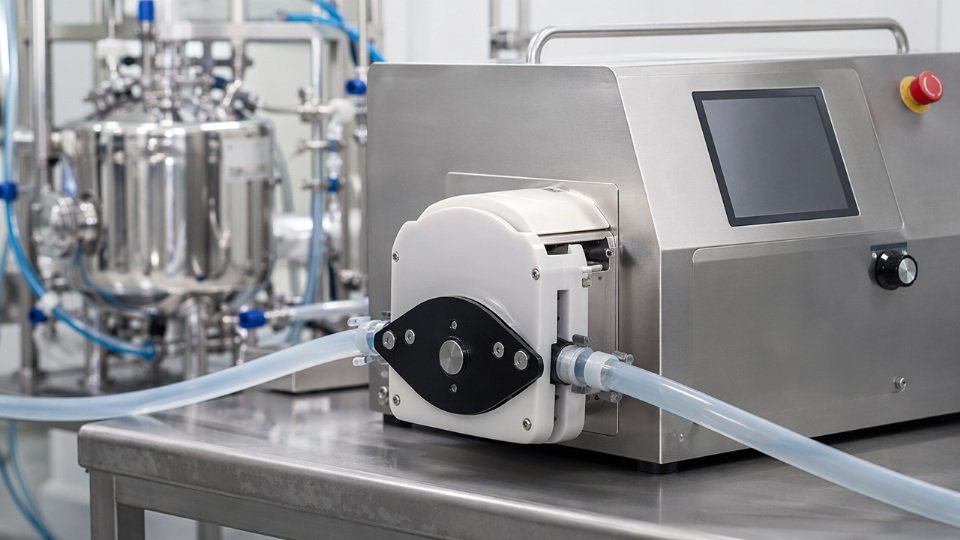
Single-use bioprocessing systems rely heavily on silicone tubing in peristaltic pump assemblies. The mechanical stress of repeated peristaltic compression generates sub-visible particulate — silicone fragments in the 1–100 µm range — that enters the fluid path directly. In cell culture applications, this particulate load is a documented risk to culture integrity, with particle-induced cytotoxicity detectable under USP screening. The risk scales with pump speed, tubing wall hardness, and contact time. Operators often compensate by reducing pump speed or increasing tubing replacement frequency without tracing the root cause to material specification — the culture variability is attributed to media lot differences or environmental factors before tubing is considered.
Compliant tubing for this application must pass extractables profiling under process-representative conditions (aqueous buffer, physiological temperature, extended contact time), USP cytotoxicity, and — where platinum content is material to the drug substance — ICH Q3D elemental impurity limits.
Compliance Requirements Matrix
| Application sector | Governing standard | Key test parameter | Acceptable limit | Documentation required from supplier |
|---|---|---|---|---|
| Food contact (EU) | EU Reg. 10/2011 | Overall migration | ≤10 mg/dm² | Migration test report, substance compliance declaration, lot CoA |
| Food contact (US) | FDA 21 CFR 177.2600 | Composition compliance + extractables | Composition-based; no single OML | FDA compliance letter, formulation attestation, lot CoA |
| Medical device | ISO 10993 series | Cytotoxicity, extractables, biocompatibility | Pass ISO 10993-5; extractables <5 μg/cm² (compliant grade) | ISO 10993 test summary, extractables report, post-cure confirmation |
| Pharmaceutical (container/tubing) | USP Class VI, USP , ICH Q3D | Biological reactivity, extractables, Pt residual | USP Class VI pass; Pt within ICH Q3D limits | USP Class VI certificate, elemental impurity report, lot-specific CoA |
| Infant/food-simulating | EU 10/2011 + EFSA guidance | Migration in fatty simulants (e.g., olive oil) | ≤10 mg/dm²; tighter for specific substances | Full migration panel including fatty simulant, EFSA dossier reference where applicable |
Operational warning — grade substitution at reorder: Supplier reformulations, raw material shortages, or distributor substitutions between catalog SKUs can silently change a silicone compound’s extractables profile between qualified lots. Demand lot-specific CoA and periodic re-qualification intervals contractually — a qualification performed at product launch does not cover every subsequent production lot.
What to Demand From Your Silicone Supplier: Procurement Audit Checklist
The documentation gap is where most compliance failures originate. A technically sound silicone compound with incomplete paperwork is operationally equivalent to an unqualified one — it cannot be used in a regulated application without generating the missing data at your cost. For any food contact, medical, or pharmaceutical silicone purchase, the minimum documentation set should include:
- Lot-specific Certificate of Analysis with viscosity, cure system, and filler content confirmed against specification
- Extractables test report generated under application-representative conditions, not generic solvent extraction
- Platinum content certification (for addition-cure grades) including method of determination
- Post-cure confirmation stating temperature, duration, and oven atmosphere where applicable
- ISO 10993 test summary or USP Class VI certificate with test date and lot traceability
- Migration test report for food contact grades, identifying test simulants, temperatures, and contact durations
Suppliers who cannot provide this package on request — or who offer a single document covering an entire product family without lot traceability — are telling you something about their quality system that no amount of reassurance language should override.
Hidden Cost Side Effects: How Silicone Specification Errors Translate Into Production Losses and Warranty Claims
Raw material cost is almost never the largest number in a silicone procurement decision. It just looks that way on the requisition. The real cost sits downstream — in rework, in field warranty claims, in a decontamination crew working through a weekend in a Class 100 clean room, or in a legal team managing a food contact recall. The 20% saving on a lower-cost silicone grade is real. What it can trigger is not.
The Substitution Trap
Grade substitution is the single most common source of hidden silicone cost. A purchasing team sees two silicone sealants with similar cure chemistry and comparable room-temperature hardness, selects the lower-price option, and records a material saving. The problem surfaces six to eighteen months later, not on day one — because silicone specification errors rarely fail loudly. They fail slowly.
A lower-cost PDMS-based elastomer may carry higher cyclic siloxane content, a broader viscosity tolerance (±30% vs. ±10% in a well-controlled grade), or a different crosslink density profile that shows no difference in ambient compression hardness but diverges sharply after sustained load at 80–120°C. In a typical automotive HVAC assembly operation running three shifts, a seal that passes incoming inspection and initial assembly validation can still begin to take permanent set at operating temperature within two seasons — because compression set was never tested at the actual service temperature, only at 23°C per the standard data sheet.
A 20% raw material saving that introduces a 3–5% field failure rate across a production run of 50,000 units doesn’t look like a material problem. It looks like a warranty spike in the second year. By the time the root cause is traced back to silicone grade, the cost multiplier is 5–15x the original saving — in rework, warranty labor, and supplier qualification restart.
Cure Inhibition: The Silent Batch Killer
In electronics potting and liquid silicone rubber (LSR) injection molding, cure inhibition from contaminated substrates or tooling represents one of the most financially acute hidden costs. Addition-cure silicone systems using platinum catalysts (typically 5–20 ppm Pt in the Part B component) are extremely sensitive to sulfur-containing compounds, organotin residues, and certain amines — all commonly present in adhesives, release agents, or substrate coatings used on adjacent process lines. Contamination doesn’t partially inhibit cure. It stops it entirely, producing tacky, structurally useless parts that cannot be reworked.
A single contamination event in a high-value potting operation — an aerospace sensor housing, a medical implant enclosure — can result in 100% batch rejection. Production loss per event commonly runs $2,000 to $50,000 depending on part value, mold cycle time, and downstream disruption. Operators often compensate by running elevated cure temperatures or extended cycles, which masks the inhibition root cause and adds energy cost while the underlying contamination persists.
Cure inhibition in addition-cure silicone systems causes partial or gradual under-cureFalse
Platinum catalyst poisoning from sulfur compounds, organotin residues, or amines typically causes complete cure failure, not partial inhibition — the affected batch is structurally non-conforming and cannot be salvaged by extended cure time alone.
Silicone Fouling in Downstream Processes
PDMS contamination of paint adhesion lines, bonding stations, and semiconductor clean rooms is in a different cost category from most industrial contamination events — because it is nearly irreversible. Silicone’s extremely low surface energy (approximately 20–21 mN/m) causes it to spread and migrate onto any adjacent surface, and its high Koc value (>10,000 L/kg) means it binds tenaciously once deposited. Standard solvent wipes reduce but rarely eliminate contamination at the part-per-million concentrations that cause paint fisheye or adhesive delamination.
In semiconductor and precision electronics environments, silicone is effectively banned from the assembly floor for this reason — not because it is chemically reactive, but because a single aerosol release or contact transfer event can require full clean-room decontamination protocols. Remediation costs in controlled environments routinely reach six figures when lost production time, specialist cleaning crews, and requalification testing are included.
Consider a typical PCB conformal coating operation that introduces a silicone-based mold release on a component processed one station upstream. The coating station sees adhesion failures with no obvious defect on the board surface. The failure is intermittent, which delays diagnosis. By the time silicone transfer is identified as the cause, several production lots may have been shipped — creating potential field reliability risk that extends the cost exposure well beyond the immediate rework.
Regulatory Recall Risk
For silicone components in food contact or pharmaceutical packaging, the financial consequence of using a non-compliant grade scales in a way that no procurement model typically captures. A silicone gasket or tubing manufactured from a standard industrial grade — rather than a food-contact-compliant grade tested against the EU OML of 10 mg/dm² — does not fail a sensory test or trigger an immediate process alarm. It fails a regulatory audit or a migration test, often after the product has been packed and distributed.
The average US food product recall costs exceed $10 million when brand damage, retailer penalties, logistics, and legal costs are included. The silicone component at the origin of the recall may have cost a few thousand dollars. No total cost of ownership model that omits regulatory failure risk reflects what silicone grade selection actually costs.
Industrial-grade silicone can be substituted for food-contact-grade silicone if the parts look identical and hardness is the sameFalse
Compliance grade is determined by extractables testing and migration limits, not physical appearance or Shore hardness. An industrial-grade part may pass all dimensional checks while failing EU OML or FDA 21 CFR extractables requirements, creating full regulatory non-compliance liability.
Total Cost of Ownership: The Five Pillars
A silicone grade selection decision built only on material unit price is incomplete. The full TCO framework for silicone specification covers five cost pillars:
- Material cost — unit price per kg or per formed part
- Processing waste rate — rejection rate driven by cure inhibition, viscosity variation, or dimensional non-conformance
- Regulatory compliance cost — testing, certification, and ongoing supply chain documentation
- End-of-life disposal — silicone’s persistence (soil half-life 100–1,000+ days) creates landfill classification and disposal cost that varies significantly by jurisdiction
- Failure risk reserve — probability-weighted cost of field failure, warranty claims, and recall exposure
Most procurement decisions model only pillar one. Plants that have absorbed a warranty spike or a contamination event model all five.
| Specification Error | Immediate Symptom | Downstream Financial Consequence | Detection Point | Prevention Action |
|---|---|---|---|---|
| Grade substitution without compression set validation | Passes incoming inspection | Seal failure in field at 2–4× rate; warranty labor and parts cost | Year 1–2 warranty data | Compression set testing at actual service temperature before qualification |
| Cure inhibition from contaminated substrate | 100% tacky, non-conforming batch | $2,000–$50,000 per event; repeat if root cause not isolated | End-of-line cure check | Substrate compatibility testing; dedicated silicone-free zones for addition-cure lines |
| Industrial grade in food contact application | Passes dimensional and visual inspection | Regulatory non-compliance; recall exposure >$10M | Migration testing or audit | Specify food-contact grade at design stage; verify OML compliance documentation |
| High-cyclic silicone in REACH-restricted market | No process signal | Import non-compliance, product seizure, supply disruption | Customs or customer audit | Require D4/D5/D6 residual test data (<10 ppm low-cyclic grade) from supplier |
| PDMS contamination in paint or bond line | Intermittent adhesion failure | Six-figure clean-room decontamination; production shutdown | QC adhesion testing | Silicone material segregation protocol; ban silicone aerosols from sensitive areas |
| Incorrect viscosity grade in precision dispensing | Bead weight variation, incomplete fill | Rework, scrap, downstream assembly defects | Process SPC charts | Specify viscosity tolerance ±10%; incoming viscosity verification at goods receipt |
Quick verdict: If your silicone specification sheet doesn’t include compression set at service temperature, extractables data for the application class, and cyclic siloxane content — it is not a complete specification, and the cost gap will appear somewhere downstream.
Silicone Side Effects Specific to Processing Conditions: Injection Molding, Extrusion, Coating, and Adhesive Bonding
Process engineers often inherit a silicone specification written for performance in the final part — durometer, temperature rating, elongation — without anyone documenting the process-specific chemical and mechanical side effects that emerge during manufacturing itself. Those side effects don’t show up in the product datasheet. They show up as rejects at the inspection station, field returns six months later, and corrective-action reports that never quite identify the root cause.
| Processing Method | Primary Side Effect Risk | Root Cause Parameter | In-Process KPI | Acceptable Specification Limit |
|---|---|---|---|---|
| LSR Injection Molding | Flash, mold fouling, surface tackiness | Viscosity tolerance, release agent chemistry, cure temperature | Shot weight CV%, flash inspection frequency | Viscosity ±10% of target; flash area <0.05 mm on critical faces |
| HTV Extrusion + Peroxide Cure | Acetophenone contamination; swelling/porosity | DCP loading, cure temperature profile, post-cure completion | Residual volatile content by weight | <0.5% w/w extractable volatiles post-cure |
| Coating / Release Liner | Cure incompleteness, peel force drift | UV dose or oven temperature uniformity, line speed | Peel force (cN/cm) at 24 h and 72 h post-cure | ±15% of target peel; Cobb test for transfer level |
| RTV Adhesive Bonding | Corrosive or toxic cure byproducts; poor substrate adhesion | Cure chemistry type, primer system, ventilation | Cure depth, byproduct concentration (VOC monitor) | Acetic acid 2 N/mm |
LSR Injection Molding: Flash, Inhibition, and Release Agent Chemistry
Liquid silicone rubber injection molding operates on a tight rheological window. The low viscosity that makes LSR fill fine features also makes it catastrophically prone to flash if shot weight or injection pressure drifts above the validated range. Many plants unknowingly run viscosity-grade mismatches — ordering the same product across multiple lots without specifying the ±10% tolerance — and then compensate by nudging clamp force upward, which accelerates mold wear and eventually widens parting-line gaps permanently.
Cold slug inhibition is a subtler problem. Platinum-catalyzed addition-cure LSR can be poisoned at the sprue and runner by trace sulfur, amine, or organotin contamination from mold release agents, lubricants, or even operator hand cream. The inhibited zone looks like a soft, tacky surface — operators often blame undercure and increase barrel temperature, which doesn’t fix the chemistry but does accelerate degradation of the mold coating. The correct diagnostic is a DSC cure confirmation on the suspect shot: inhibited material shows a shifted or suppressed exotherm, not an absence of it.
Release agent selection deserves its own qualification step. Fluoropolymer-based release agents are generally compatible with platinum-cure LSR; silicone-based release agents containing low-MW siloxanes can migrate into the part surface and create persistent tackiness that survives secondary cleaning — a side effect that only appears after a mold changeover.
HTV Extrusion and Peroxide Post-Cure Outgassing
High-temperature vulcanizate profiles cured with dicumyl peroxide (DCP) generate acetophenone as the primary decomposition byproduct. In a typical continuous extrusion line running medical-grade tubing, the freshly cured extrudate can carry residual acetophenone levels well above the 0.5% w/w threshold required for food and pharmaceutical compliance. The standard remedy — post-cure at 200°C for four hours — reduces extractables by 60–80%, but only if oven airflow is sufficient to carry volatiles away from the part surface. Batch post-cure ovens with poor circulation create a local vapor saturation layer and dramatically reduce outgassing efficiency, leaving compliant-looking parts that fail extraction testing.
ISO 9001 certification guarantees consistent silicone batch qualityFalse
ISO 9001 certifies that a quality management system exists, not that process capability for silicone polymer MW distribution or cyclic siloxane content is actually tight. Suppliers can hold ISO 9001 while delivering ±30% viscosity variation across lots — the standard requires documented processes, not specific product performance outcomes.
Manufacturing Site Audit Criteria: Reading Certifications Correctly
ISO 9001 is genuinely table stakes — necessary but not differentiating. The certifications that carry operational signal for silicone procurement are: ISO 14001, which indicates the manufacturer has environmental management systems relevant to cyclic siloxane emission controls and waste silicone handling; IATF 16949, which requires statistical process control and APQP documentation disciplines that correlate with tighter lot-to-lot property control; and ISO 13485, which mandates design history files, device master records, and change-control procedures that directly protect against undisclosed formulation or raw material substitutions in medical-grade materials.
Ask specifically whether the certification scope covers the production line supplying your material, not just the facility’s administrative office. It is not unusual for a large Chinese silicone facility to hold ISO 13485 for one production building while the standard-grade polymer lines operate under ISO 9001 only.
The China Supplier Tier Structure and How to Verify Manufacturing Status
China produces approximately 50% of global silicone intermediates, and the supplier landscape is stratified in ways that procurement documentation rarely reveals. Integrated producers — manufacturing from silicon metal through chlorosilane synthesis to finished polymer — include Xinghuo, Dongyue, Wynca, and Bluestar. Secondary compounders purchase base polymer from these producers and compound, blend, or formulate for specific applications. Trading companies may hold no manufacturing assets at all.
The operational consequence of buying from a trader who represents themselves as a manufacturer is loss of raw material traceability, no access to process change notifications, and no recourse when a batch fails that can reach back to a root cause. Verification approach: request the manufacturer’s business license (营业执照) and production permit (生产许可证), cross-reference against the China National Enterprise Credit Information Publicity System, and ask for the silica sand or silicon metal supplier’s name as a traceability anchor. Legitimate integrated producers can answer that question immediately.

Red Flags in Supplier Documentation
Generic SDS files with no lot-specific analytical data are the most common signal of a documentation-light supplier. Equally concerning: certificates that list test methods (e.g., “viscosity measured per ASTM D445”) without reporting the actual measured value for that lot. A compliant certificate shows the method, the specification range, and the measured result — all three.
Additional disqualifying patterns include: inability to provide the name and location of the silica sand source (relevant for heavy metal trace contamination in food and medical grades), missing post-cure or secondary heat treatment records for HTV elastomer components, and the absence of a formal change notification procedure — meaning raw material or process substitutions may occur without buyer notification.
Procurement Qualification Scorecard
| Audit Category | Minimum Documentation | Preferred Evidence | Disqualifying Deficiency | Re-audit Frequency |
|---|---|---|---|---|
| Viscosity / MW control | Lot CoA with measured value ± specification | 12-month lot-level data with σ reported | CoA with “conforms” only, no measured value | Annual + after any process change |
| Cyclic siloxane content | Per-lot GC or GC-MS report with ppm values | Third-party lab confirmation on 20% of lots | Annual-only qualification testing | Per lot (high-risk applications) |
| Platinum catalyst content | Lot-level Pt ppm certification | ICP-MS confirmation available on request | No lot-level data; “within spec” only | Per lot |
| Tin catalyst / REACH declaration | Substance declaration with measured content | SVHC self-declaration with analytical backup | No declaration; “RoHS compliant” assertion only | Annual + regulatory update trigger |
| Manufacturing site status | Business license, production permit | On-site audit report within 24 months | Cannot confirm manufacturing vs. trading status | Every 24 months |
| Environmental certifications | ISO 14001 scope covering relevant lines | Audit report summary available | No environmental management system | Every 3 years |
| Medical / food grade traceability | ISO 13485 or food-contact migration reports | Full extractables package per product grade | No grade-specific testing; general food compliance claimed | Per new product introduction |
| Change notification procedure | Written CNF policy with lead-time commitments | Demonstrated CNF record from prior 12 months | No formal procedure; verbal assurance only | Annual review |
Frequently Asked Questions: Shop-Floor and Procurement Voice on Silicone Side Effects
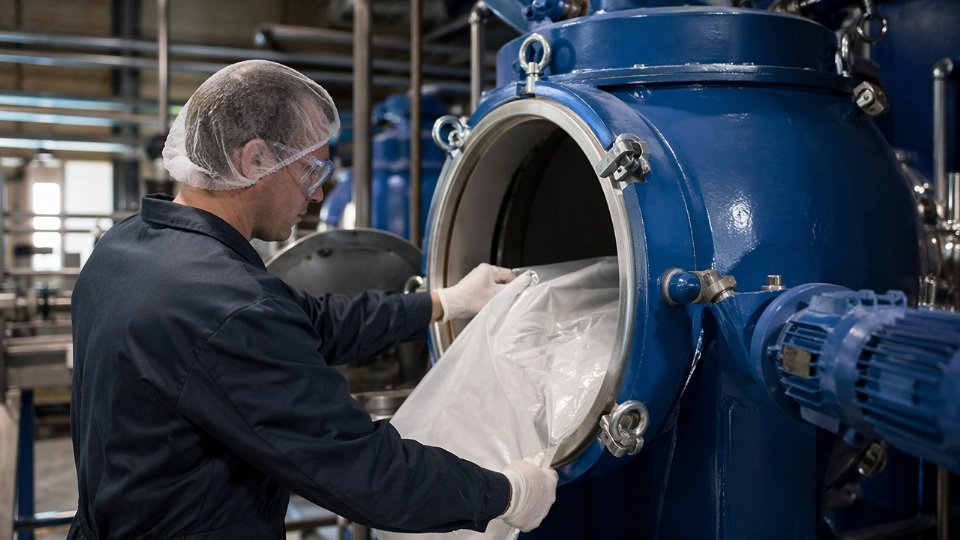
Is silicone toxic if it burns or catches fire?
Silicone ignites at approximately 450°C — well above most accidental ignition thresholds — but the combustion products deserve attention. Unlike many organics, burning silicone yields silicon dioxide particulate alongside CO, CO₂, and trace formaldehyde. The SiO₂ fume is the primary respiratory concern; chronic inhalation of fine silica particles carries well-established pulmonary risk even at concentrations that produce no immediate symptoms. In a confined-space scenario — an oven malfunction, a curing-press fire — workers can accumulate meaningful SiO₂ exposure before any alarm triggers. Fire suppression should use CO₂ or dry chemical powder; water fog disperses the aerosol and extends respiratory exposure rather than suppressing it. Ventilate and evacuate before re-entry. Silicone is not uniquely catastrophic in a fire, but the residue is not inert ash.
Can silicone cause allergic reactions in workers?
Cured, high-molecular-weight PDMS is not a recognized allergen. When workers on a silicone assembly line develop contact dermatitis or respiratory sensitivity, the culprit is almost never the bulk polymer. It is typically residual platinum catalyst in addition-cure systems, aminosilane crosslinkers, or tin compounds from condensation-cure formulations. Occupational health teams who skip patch testing and assume “it’s the silicone” often miss the real sensitizer and fail to resolve the problem. The correct protocol is targeted patch testing — platinum salts, relevant amine compounds, organotin species — not a blanket silicone avoidance recommendation. Reformulating to a different cure chemistry is sometimes the fix; eliminating exposure to the specific compound is always the answer.
Does silicone leach into food or water?
Food-grade silicone meeting FDA 21 CFR 177.2600 has demonstrably low extractables, and properly specified product that also complies with the EU overall migration limit of 10 mg/dm² presents minimal food-contact risk. The problem is the market for consumer silicone kitchenware, bakeware, and tubing, where non-compliant or uncertified grades are common. Three practical identification checks: the white-paper twist test (a compliant, unfilled grade shows no white streaking; heavy filler loading that whitens under stretch suggests non-standard compounding), an odor check after heating to 200°C (persistent hydrocarbon or solvent smell suggests non-silicone extenders), and — most reliably — a request for the supplier’s FDA or LFGB compliance declaration with lot traceability. In industrial food processing, silicone hose or gasket materials without documented OML test data represent an unquantified contamination risk and, in the event of a recall, provide no defensible compliance position.
Cured silicone is chemically inert and therefore safe in any food contact application.False
Cure chemistry and grade matter critically. Uncertified or improperly post-cured silicone can exceed migration limits; residual platinum catalysts, peroxide decomposition products like acetophenone, and low-MW cyclics are the specific extractables that must be characterized and controlled against applicable food contact standards.
What is the shelf-life side effect of silicone materials?
One-part RTV systems are specified for 12–18 months sealed; two-part systems, once Part A and Part B are mixed, carry a working life of roughly 6–12 months before measurable property degradation begins. In practice, the failure mode from shelf-life violation is not an obvious “won’t cure” event — it is a partial cure that passes visual inspection but delivers reduced elongation at break, lower adhesion strength, and inconsistent Shore A hardness. In a typical multi-shift assembly operation where adhesive or sealant stock is pulled from a slow-rotating shelf and not date-checked, this shows up weeks later as field delamination or seal failure under thermal cycling. Storage discipline matters: sealed containers at 5–25°C, away from moisture and UV, with a formal FIFO rotation enforced at the point of use.
Can silicone be used in contact with oxygen systems?
Below approximately 10 bar, silicone elastomers are generally accepted in oxygen service for seals, tubing, and gaskets, and are used in medical oxygen delivery for exactly this reason. Above that pressure threshold, the calculus changes. Silicone’s limiting oxygen index of approximately 26–28% means it will sustain combustion in enriched-oxygen environments, and at elevated pressure, the energy release from ignition rises sharply. For high-pressure oxygen systems — industrial gas handling, oxygen-enriched combustion control, aerospace pneumatics — PTFE or perfluoroelastomers (FFKM) are the standard specification. The failure mode if silicone is used outside its oxygen-service envelope is not gradual degradation; it is rapid, pressure-driven ignition that is difficult to control.
How does silicone interact with other polymers in multi-material assemblies?
Silicone is a persistent surface migrant. Low-molecular-weight species diffuse out of the bulk and onto adjacent surfaces, where they plasticize thermoplastics, reduce the surface energy needed for adhesion, and contaminate bonding interfaces. In multi-layer flexible packaging, a silicone release coating on one substrate can migrate to the adhesive layer and cause delamination — particularly under elevated-temperature laminating conditions. In multi-material over-molding, silicone migration can prevent adhesion of subsequently applied urethane, epoxy, or acrylic layers even when the silicone surface appears clean. Compatibility testing — a coupon-level contact aging trial at the application’s maximum temperature for at least 500 hours — should precede any new multi-material design that places silicone adjacent to an adhesive interface or a painted or coated thermoplastic surface.
Are there side effects of using silicone in cold environments?
Standard PDMS-based silicone retains flexibility and sealing function down to approximately -50°C, which covers most industrial refrigeration and cold-chain applications. Where the specification fails is in arctic field service, cryogenic ancillary equipment, or cold-room startup cycles where ambient temperatures regularly drop below -60°C. Phenyl-modified silicone extends the low-temperature limit to approximately -100°C by disrupting the crystallization tendency of the PDMS backbone, but it carries a cost premium and different compression-set characteristics. The failure mode from an under-specified low-temperature grade is brittle fracture of seals or gaskets during the initial pressurization at startup — not during steady-state operation, which is why it can persist through multiple maintenance cycles before being identified as a material specification issue rather than an installation or torque problem. Specify minimum service temperature explicitly in every seal and gasket RFQ, and confirm the supplier’s tested Tg, not just the nominal polymer classification.
Mitigating Silicone Side Effects: A Decision Framework for Material Selection, Process Control, and Supplier Management
The sections above have mapped the risk landscape. This one converts it into decisions. Every side effect discussed — cyclic siloxane extractables, compression set drift, regulatory non-compliance, occupational exposure, supply inconsistency — is preventable or manageable if it is addressed at the right point in the procurement and engineering workflow. The mistake most plants make is treating silicone as a commodity line item and only discovering its complexity after a quality hold, a regulatory audit, or a field failure.
Three-Tier Risk Classification: Setting the Right Qualification Burden
Not every silicone application carries equal risk, and over-engineering a specification wastes money as reliably as under-engineering one creates liability. A practical tiering structure aligns qualification effort with actual consequence:
| Application Tier | Typical Applications | Silicone Grade Required | Mandatory Testing | Supplier Qualification Level | Typical Cost Premium vs. Standard Grade |
|---|---|---|---|---|---|
| Tier 1 — Standard Industrial | Gasketing, general sealing, non-contact coatings, vibration mounts | Industrial PDMS, RTV, standard HTV | Incoming viscosity, Shore A, visual | Approved vendor list, COA review | Baseline (0%) |
| Tier 2 — Regulated Process Contact | Food processing seals, pharmaceutical tubing, automotive coolant systems, HVAC components | Food-contact or USP Class VI certified grade; low-cyclic siloxane (<10 ppm D4) | Extractables per EU OML or USP , batch traceability, cure verification (DSC or Shore A), cyclic siloxane GC-MS | Full QMS audit, annual requalification, quality clause appendix in supply agreement | +15–40%, depending on grade and volume |
| Tier 3 — Ultra-High Purity / Life-Critical | Semiconductor fabrication, implantable medical devices, aerospace critical seals | Medical-grade or semiconductor-grade; full lot genealogy; platinum catalyst content verified 5–20 ppm | ISO 10993 biocompatibility suite, total extractables <5 μg/cm², ionic contamination, lot genealogy documentation | On-site process audit, source inspection option, change notification clause mandatory | +50–150% or more, depending on specification |
Tier misclassification in either direction has consequences. A Tier 1 general-industrial seal silicone placed in a dairy CIP wash-down circuit will almost certainly fail an EU food-contact audit — not because it is chemically dangerous, but because it lacks the documentation chain. A Tier 3-specified silicone used in a standard automotive weatherstrip program adds cost and lead time with no engineering benefit.
Material Selection Sequence: Discipline Over Habit
The correct selection sequence is non-negotiable: operating temperature range first, then chemical environment compatibility, then applicable regulatory framework, then processing method constraints, then mechanical performance KPIs (compression set requirement, elongation at break, hardness target range), and only then unit cost. Inverting this sequence — starting with price or with “what we used last time” — is how most specification errors originate. In a typical three-shift food-packaging operation, this plays out as an engineer reordering the same RTV grade used successfully on a dry conveyor line, then applying it to a wet wash-down station without reassessing extractables compliance; the grade performs mechanically but fails the next scheduled food-contact audit.
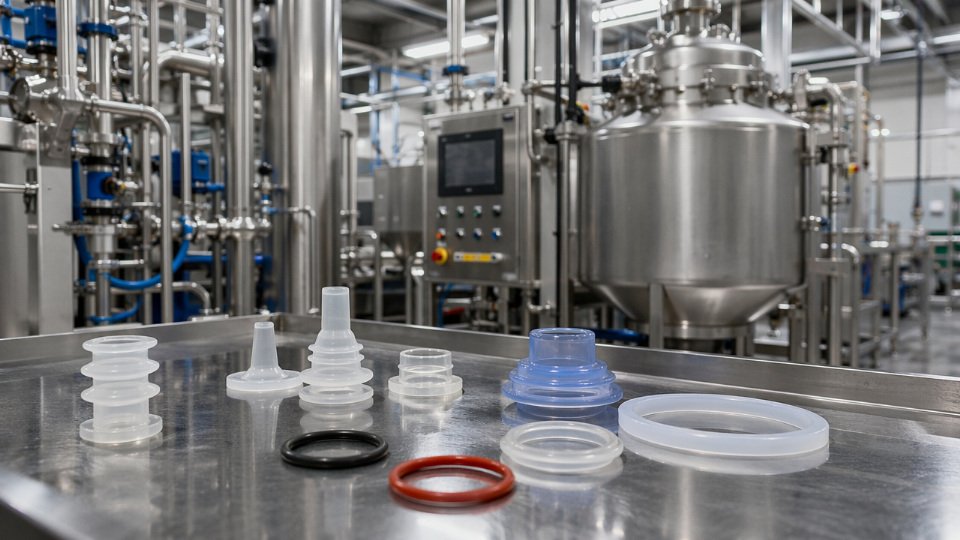
Process Control Minimum Viable KPI Set
Four metrics convert “it seems fine” into something auditable across any silicone production process:
- Incoming viscosity acceptance window: For well-controlled 1000 cSt PDMS, hold suppliers to ±10% of nominal. A ±30% spread in incoming viscosity propagates directly into inconsistent pot life, fill variation in molding, and uneven coating thickness.
- In-process cure verification: Shore A hardness at a defined post-cure dwell, or DSC peak exotherm confirmation for addition-cure systems, gives a documented cure state record that downstream QA can trace.
- Post-cure outgassing protocol: For Tier 2 and Tier 3 applications, 200°C for 4 hours is the industry-standard starting point, reducing extractables by 60–80%. Skipping this step on a medical-grade HTV part because “the molder didn’t think it was necessary” is a recurring source of extractables non-conformances.
- Finished-part extractables sampling frequency: Set statistically defensible sampling intervals — not a calendar-driven habit. Sampling every twelfth batch on a production line running three grades simultaneously on shared tooling is not statistically meaningful.
Supplier Relationship Architecture
Sole-sourcing a critical Tier 2 or Tier 3 silicone grade because one supplier offered the best price on the first order is the “temporary becomes permanent” risk in procurement form. The supply agreement for any regulated silicone grade should contain a quality clause appendix specifying: batch traceability to raw material lot, declared cyclic siloxane content with GC-MS method reference, platinum catalyst concentration range, change notification lead time (typically 90 days minimum for formulation changes), and retention sample protocol.
Dual qualification — qualifying a second approved supplier before the primary supplier has a problem — adds 10–15% of upfront qualification cost and eliminates the catastrophic scenario of a six-month supply disruption on a Tier 2 or Tier 3 grade with no qualified alternative.
Backward-integrated silicone manufacturers offer inherently better traceability than trading company sourcesTrue
A manufacturer producing from methylchlorosilane intermediates through polymerization to finished grade can provide lot genealogy linking the finished silicone to specific raw material batches. A trading company reselling third-party product typically cannot provide sub-component traceability, which is a disqualifying gap for Tier 2 and Tier 3 supplier qualification audits.
Regulatory Change as a Procurement Risk Function
REACH SVoC restriction proposals, EU Green Deal chemical strategy developments affecting siloxane classification, and China GB standard revision cycles (GB/T 24267 silicone rubber is subject to periodic revision) are not theoretical risks — they are supply chain disruptions with 12–36 month lead times if caught late. Designating a regulatory watch function in procurement (even one person with a quarterly review task) is the minimum viable response. The cost of a reformulation triggered by a surprise regulatory change is orders of magnitude higher than the cost of monitoring it and adjusting specifications proactively.
Quick verdict: Match your qualification intensity to your application tier — over-qualifying wastes budget, under-qualifying creates liability, and the sequence always starts with temperature and regulatory context before price.