Silicone resins are highly crosslinked organopolysiloxane polymers characterized by a three-dimensional network structure built from siloxane (Si–O–Si) linkages. Their general structural unit can be represented as:
RnSiO(4−n)/2R_nSiO_(4-n)/2RnSiO(4−n)/2
where R represents organic groups such as methyl, phenyl, or vinyl. Compared with silicone oils (linear polymers) and silicone rubbers (elastomers), silicone resins have a much higher degree of crosslinking, giving them superior hardness, thermal stability, and chemical resistance.
Because of this rigid network structure, silicone resins are widely used in high-temperature coatings, electrical insulating varnishes, pressure-sensitive adhesives (PSA), release coatings, and specialty composite systems. They offer outstanding heat resistance (often above 250–300°C), excellent weatherability, UV stability, dielectric strength, and long-term durability in harsh environments. These properties make silicone resins essential materials in industrial, automotive, electronics, and protective coating applications.
SiliconChemicals Silicone Resins are engineered for high-temperature coatings, electrical insulation systems, pressure-sensitive adhesives, and specialty industrial formulations requiring long-term thermal stability and weather resistance. From methyl and methyl-phenyl grades to high-performance MQ resin systems, we deliver consistent quality, stable global supply, and full technical documentation to support your production and formulation needs. Contact SiliconChemicals™ today for technical data sheets, samples, and competitive bulk pricing tailored to your application.
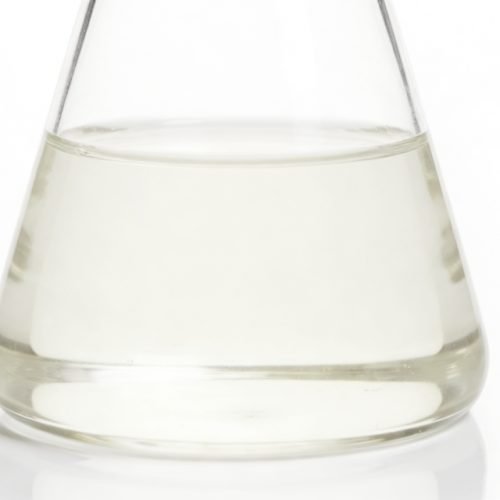
Silicone resins are highly crosslinked organopolysiloxane materials built from three-dimensional siloxane networks. Their general structural representation is:
RnSiO(4−n)/2R_nSiO_(4-n)/2RnSiO(4−n)/2
Because of this rigid network structure, silicone resins are classified in industry based on molecular architecture, organic substitution, curing mechanism, and application field.
Silicone resins are constructed from combinations of M, D, T, and Q units:
| Unit | Structure | Function |
|---|---|---|
| M Unit | R₃SiO₁/₂ | Chain termination |
| D Unit | R₂SiO₂/₂ | Linear segment |
| T Unit | RSiO₃/₂ | Crosslink node |
| Q Unit | SiO₄/₂ | Fully inorganic node |
General-purpose industrial coatings and varnishes.
Improved thermal stability and electrical insulation performance.
Enhanced high-temperature resistance (often >300°C).
Reactive systems for crosslinking and curing.
Improved compatibility and flexibility in organic systems.
| Type | Curing Method | Typical Use |
|---|---|---|
| Heat-Cured | Thermal crosslinking | Industrial heat-resistant coatings |
| Condensation-Cured | Moisture / catalyst | Sealants & electrical varnish |
| Addition-Cured | Platinum catalyzed | Electronics & specialty systems |
By clearly understanding the classification and types of silicone resins, buyers and formulators can quickly identify the most suitable grade for their specific performance and processing requirements. Whether your application involves high-temperature industrial coatings, electrical insulation systems, pressure-sensitive adhesives, or specialty composite materials, selecting the right silicone resin structure directly impacts durability, stability, and cost efficiency. For detailed specifications, technical consultation, and competitive bulk supply options, our team is ready to support your project.
Silicone resins are chosen for applications that demand extreme thermal stability, long-term weather resistance, and superior electrical performance. Thanks to their highly crosslinked siloxane network structure, silicone resins can withstand continuous temperatures above 250–300°C while maintaining mechanical integrity and coating adhesion. This makes them ideal for high-temperature industrial coatings, exhaust systems, and protective finishes exposed to harsh environments.
In addition to heat resistance, silicone resins offer excellent UV stability, oxidation resistance, and moisture protection. Unlike many organic resins, they resist cracking, chalking, and degradation under prolonged outdoor exposure. Their strong dielectric properties also make them widely used in electrical insulation varnishes, motor coatings, and electronic encapsulation systems where long-term reliability is critical.
From a commercial perspective, silicone resins deliver extended service life, reduced maintenance costs, and improved performance in demanding industrial conditions. Whether used in protective coatings, PSA formulations, release systems, or specialty composites, silicone resins provide a reliable balance of durability, stability, and processing flexibility that conventional resin systems cannot match.
Selecting the right silicone resin is a critical step in ensuring coating durability, electrical reliability, and long-term performance under demanding conditions. Because silicone resins vary in molecular structure, organic substitution, curing chemistry, and processing behavior, a structured evaluation approach is essential. The following step-by-step guide will help you align resin type with your application, production process, and performance targets.
Start by defining what the resin must do in the final system. Silicone resins are not interchangeable across use cases.
If you pick the wrong “family” first, later parameter tuning won’t fix it.
The structural unit composition determines hardness, tack, thermal stability, and compatibility.
Practical tip:
If your coating cracks → structure is usually too rigid (too T/Q-heavy).
If your coating is soft/tacky → structure is often too M-heavy or insufficiently cured.
Organic groups drive thermal stability, compatibility, and reactivity.
Rule of thumb:
Higher phenyl content → better high-temp performance (but cost and viscosity may rise).
Vinyl → better controllable curing (but needs matching crosslinker/catalyst).
Your production line and performance targets dictate curing chemistry.
If you need low VOC + clean cure: addition-cure is usually the safest route.
Even the “right” resin fails if it doesn’t process well.
Check:
For coating lines: stable viscosity window and consistent solids are usually more important than small differences in resin structure.
Silicone resins often need adhesion promotion depending on the substrate.
Confirm:
Specify measurable targets (and test methods) early:
Over-spec increases cost quickly (especially phenyl-rich and high-purity systems).
For commercial procurement, this is mandatory:
Use this quick mapping to finalize:
Before bulk purchase, validate with:
This prevents expensive reformulation after production begins.
By carefully aligning resin structure, substitution type, curing chemistry, and processing conditions, you can ensure optimal durability, formulation stability, and cost efficiency. If you share your application details—temperature range, substrate, curing method, and performance targets—our technical team can recommend the most suitable silicone resin grade and support your project with detailed technical documentation and supply solutions.
Packaging: 500 g / 1 kg / 5 kg / 25 kg / 200 kg drums / 1000L IBC container (Customized packaging is available).
Choosing the correct silicone resin can significantly impact your coating durability, electrical reliability, and overall production efficiency. Whether you are developing high-temperature industrial coatings, electrical insulation systems, PSA formulations, or specialty composite materials, our technical team is ready to support you with tailored recommendations.
Contact us today to share your application requirements, curing method, and performance targets — and receive detailed technical data sheets, formulation guidance, and competitive bulk supply solutions.
Disclaimer
“The information provided herein is based on general industry experience and is intended for reference purposes only. Actual performance and optimal usage conditions may vary depending on formulation, processing methods, substrate characteristics, and end-use requirements. Users are responsible for conducting their own tests and evaluations to determine suitability for their specific applications. No warranty, express or implied, is made regarding the completeness, accuracy, or applicability of this information.”
Have a question, need a quote, or want to discuss your project? We’re here to help.
Selecting the right silane coupling agent is only the first step. Achieving optimal performance often requires application-specific evaluation and formulation optimization. Our technical team provides comprehensive support to ensure successful implementation across diverse material systems.
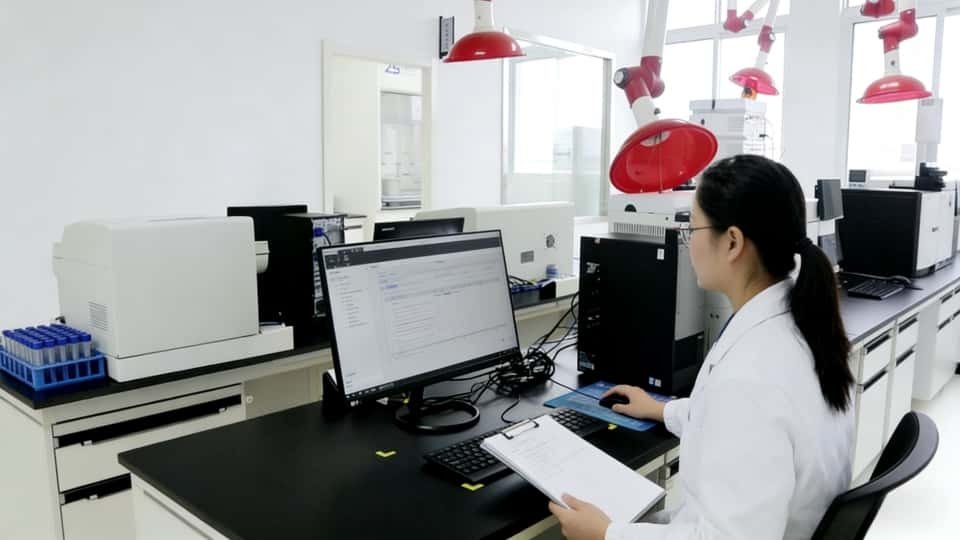

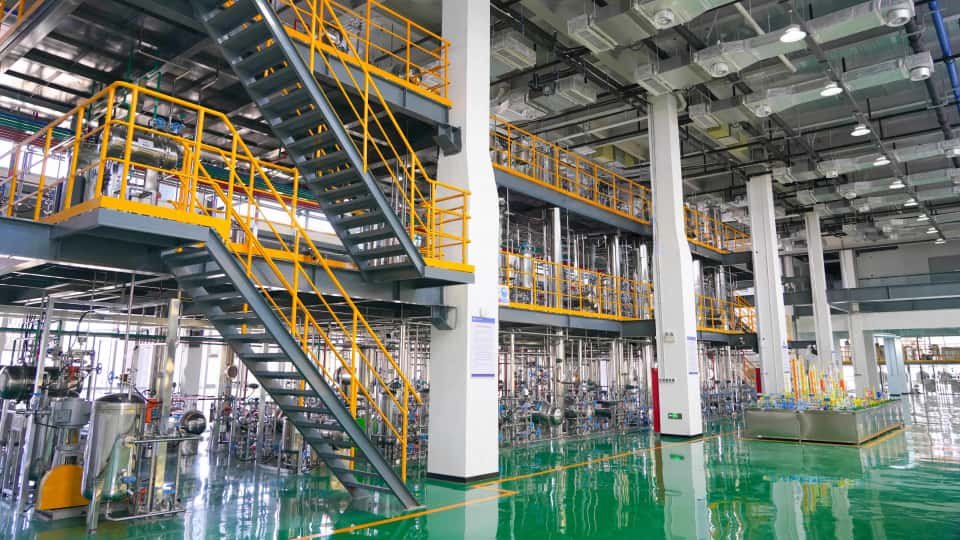
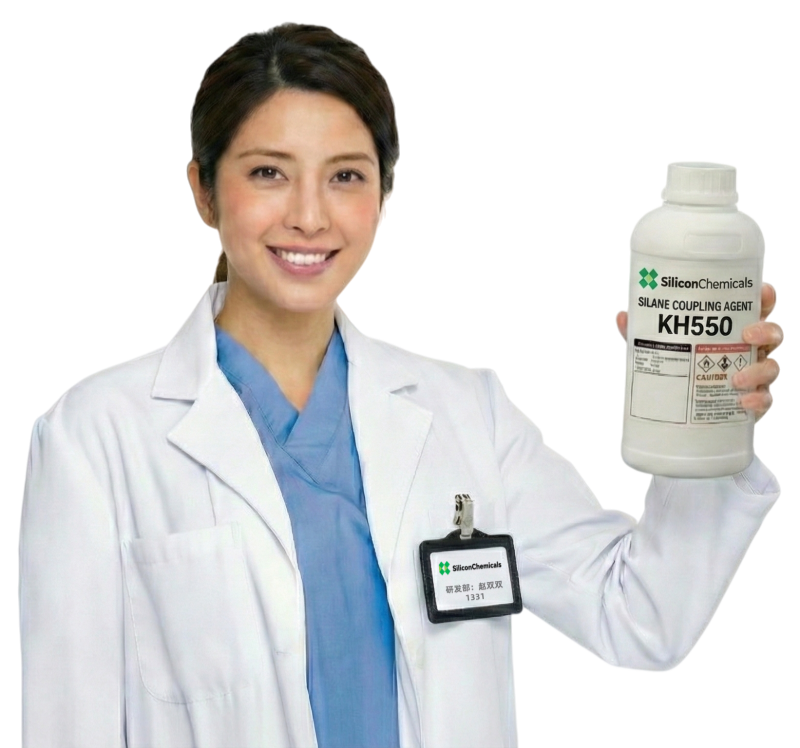
From Standard Supply to Customized Requirements
Built on technical expertise, manufacturing capability, and reliable supply
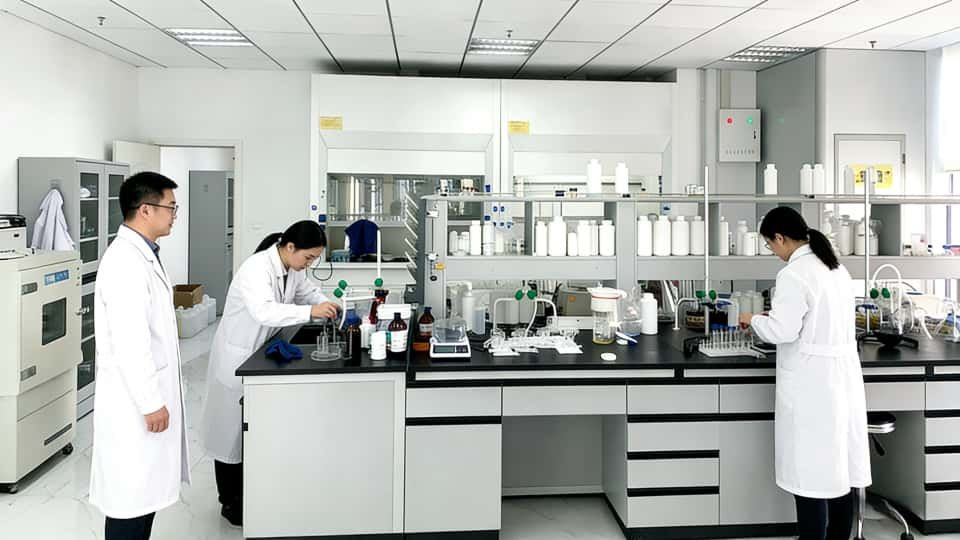
Supports batch quality verification & application-oriented testing, ensuring consistent performance & reliable product quality.
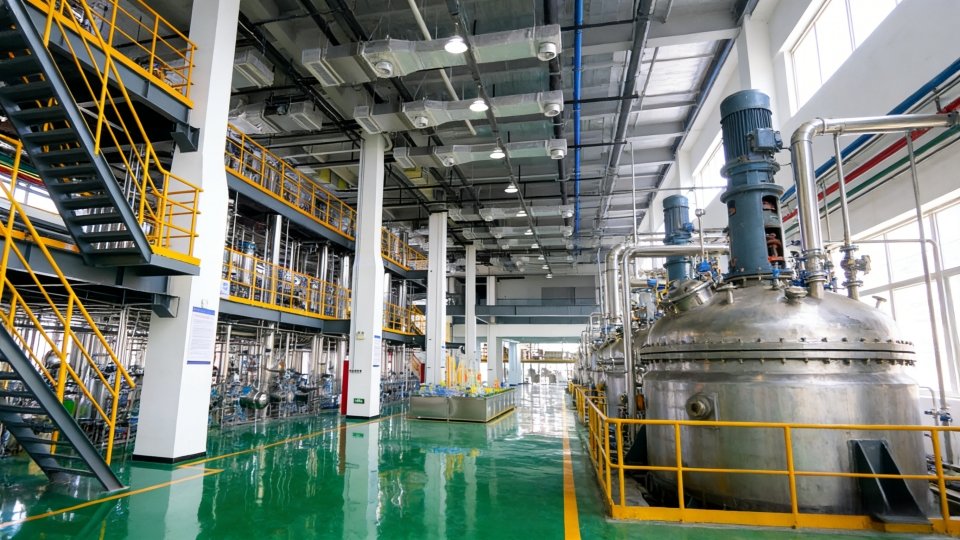
Stable, scalable manufacturing with standardized processes, supporting both regular supply and bulk industrial demand.
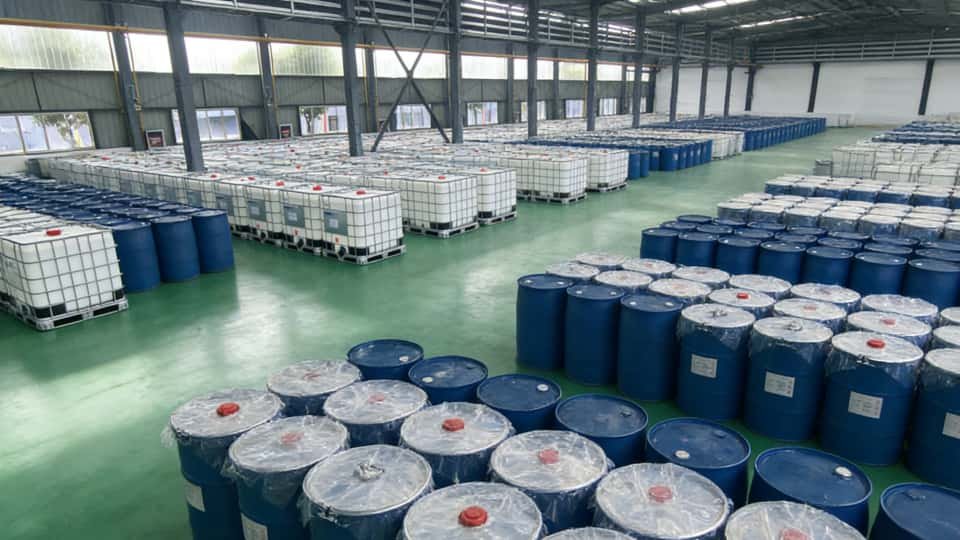
Products are stored under controlled conditions with standardized packaging, enabling efficient order fulfillment and reliable global delivery.

Clear communication and application-focused support, helping customers select suitable products and streamline procurement.
Navigate the complexities of the global Silicone oils market. This definitive report provides actionable insights, vetted supplier landscapes, and strategic sourcing methodologies to optimize your supply chain in the year ahead.
