Polydimethylsiloxane (PDMS) is the most widely used and commercially important type of silicone polymer. It belongs to the broader family of silicone oils, fluids, elastomers, and resins, and is fundamentally characterized by a siloxane backbone (–Si–O–Si–) with methyl (–CH₃) side groups.
In simple terms: PDMS is a flexible, chemically stable, hydrophobic silicone polymer whose properties can be precisely tuned from low-viscosity fluids to soft elastomers and rubbers.
SiliconChemicals Polydimethylsiloxanes (PDMS) represent a comprehensive portfolio of high-purity silicone polymers engineered for performance-critical industrial, electronic, medical, and consumer applications. Built on the robust –Si–O–Si– siloxane backbone with methyl side groups, our PDMS products deliver exceptional thermal stability, chemical inertness, flexibility, and surface control across a wide viscosity and molecular-weight range.
| Product Name | Product Class | Molecular Architecture | End Group / Functionality | Viscosity / MW (25 °C) | Physical Form | CAS No. | Compliance / Variant | Typical Applications |
|---|---|---|---|---|---|---|---|---|
| PDMS Silicone Fluid 5 cSt | Standard PDMS Fluid | Linear | Methyl-terminated | 5 cSt | Clear liquid | 63148-62-9 | REACH / RoHS | Light lubrication, release |
| PDMS Silicone Fluid 10 cSt | Standard PDMS Fluid | Linear | Methyl-terminated | 10 cSt | Clear liquid | 63148-62-9 | REACH / RoHS | Industrial lubrication |
| PDMS Silicone Fluid 50 cSt | Standard PDMS Fluid | Linear | Methyl-terminated | 50 cSt | Clear liquid | 63148-62-9 | REACH / RoHS | Damping fluids |
| PDMS Silicone Fluid 100 cSt | Standard PDMS Fluid | Linear | Methyl-terminated | 100 cSt | Clear liquid | 63148-62-9 | REACH / RoHS | Heat transfer |
| PDMS Silicone Fluid 1,000 cSt | High-Viscosity PDMS | Linear | Methyl-terminated | 1,000 cSt | Clear liquid | 63148-62-9 | REACH / RoHS | Shock absorption |
| PDMS Silicone Fluid 10,000 cSt | Very High-Viscosity PDMS | Linear | Methyl-terminated | 10,000 cSt | Viscous liquid | 63148-62-9 | REACH / RoHS | Specialty lubrication |
| Low-Volatility PDMS Fluid | Specialty PDMS | Linear | Methyl-terminated | 100–10,000 cSt | Liquid | 63148-62-9 | Low D4/D5/D6 | EU-regulated uses |
| Ultra-Low Volatility PDMS | Specialty PDMS | Linear | Methyl-terminated | Custom | Liquid | 63148-62-9 | Vacuum-grade | Optics, aerospace |
| Low-MW PDMS Fluid | Oligomeric PDMS | Linear | Methyl-terminated | <10,000 MW | Liquid | 69430-24-6 | Controlled oligomers | Surface treatment |
| Hydroxyl-Terminated PDMS Fluid | Reactive PDMS | Linear | –OH | 5,000–80,000 cSt | Liquid | 70131-67-8 | RTV-ready | Sealants, adhesives |
| Vinyl-Terminated PDMS Fluid | Reactive PDMS | Linear | –Vi | Custom MW | Liquid | 68083-19-2 | Addition-cure | LSR, HTV systems |
| Hydride-Terminated PDMS Fluid | Reactive PDMS | Linear | –Si–H | Custom | Liquid | 70900-21-9 | Crosslinker | Silicone rubber |
| PDMS Gum – Standard Grade | High-MW PDMS | Linear | Methyl / Vinyl | >300,000 MW | Gum | 9016-00-6 | Industrial | Silicone rubber base |
| Ultra-High-MW PDMS Gum | High-Elasticity PDMS | Linear | Vinyl-terminated | >700,000 MW | Gum / solid | 68037-59-2 | Premium elastomers | High-performance rubber |
| Branched PDMS Fluid | Architecture PDMS | Branched | Methyl-terminated | Medium–high | Liquid | 63148-62-9 | Custom | Rheology control |
| Block-Copolymer PDMS | Architecture PDMS | Block / Copolymer | Functional blocks | Custom | Liquid | Custom | R&D / specialty | Advanced surfactants |
| Amino-Modified PDMS Fluid | Functional PDMS | Linear | Amino-functional | Medium–high | Liquid | 71750-79-3 | Textile-grade | Softening, adhesion |
| Polyether-Modified PDMS Fluid | Functional PDMS | Linear | EO/PO side chains | Custom | Liquid | 68937-54-2 | Defoamer-grade | Wetting, defoaming |
| Phenyl-Modified PDMS Fluid | Functional PDMS | Linear | Phenyl-substituted | Medium | Liquid | 63148-58-3 | Low-temp | Electronics, aerospace |
| Epoxy-Modified PDMS Fluid | Functional PDMS | Linear | Epoxy-functional | Custom | Liquid | 102782-97-8 | Reactive | Coatings, composites |
| Fluorinated PDMS Fluid | Functional PDMS | Linear | Fluoro-modified | Custom | Liquid | 67923-07-3 | Ultra-low surface | Anti-fouling |
| PDMS Silicone Emulsion (30–60%) | Formulation PDMS | Linear | Methyl-terminated | 30–60 % solids | Emulsion | 63148-62-9* | Water-based | Textile, paper |
| PDMS Microemulsion (Clear) | Formulation PDMS | Linear | Methyl-terminated | Nano-scale | Clear liquid | 63148-62-9* | High stability | Premium finishing |
| Self-Emulsifying PDMS Concentrate | Modified PDMS | Linear | Self-emulsifying | Custom | Liquid | 63148-62-9* | Easy dispersion | Industrial blends |
| Electronic-Grade PDMS Fluid | Application-Grade PDMS | Linear | Methyl-terminated | Custom | Liquid | 63148-62-9 | Low ionic | Electronics encapsulation |
| Semiconductor-Grade PDMS | Ultra-Pure PDMS | Linear | Methyl-terminated | Custom | Liquid | 63148-62-9 | Ultra-low metals | Semiconductor fabs |
| Food-Contact Grade PDMS Fluid | Application-Grade PDMS | Linear | Methyl-terminated | Custom | Liquid | 63148-62-9 | FDA / LFGB | Food processing |
| Medical-Grade PDMS | Application-Grade PDMS | Linear | Controlled | Custom | Liquid / elastomer | 63148-62-9 | USP / ISO 10993 | Medical devices |
Product List

SiliconChemicals supplies linear, methyl-terminated PDMS silicone fluids covering a broad viscosity range from 0.65 cSt to over 100,000 cSt (25 °C).
These clear, chemically inert fluids offer excellent thermal stability, low surface tension, and consistent viscosity–temperature behavior, making them ideal for lubrication, mold release, damping, heat transfer, and defoaming applications.
To address regulatory and high-reliability requirements, low-cyclic and ultra-low-volatility PDMS grades are available.
These materials are specifically developed for EU-regulated markets, vacuum systems, optical components, aerospace, and precision electronics, where outgassing and cyclic content must be tightly controlled.
SiliconChemicals® offers a full range of end-functional PDMS designed for controlled curing and network formation:
These products form the foundation of modern silicone elastomer and sealant technologies.
Our portfolio includes PDMS gums and ultra-high-molecular-weight PDMS, typically exceeding 300,000 MW and up to 700,000+ MW.
These materials serve as base polymers for silicone rubber and elastomer systems, delivering elasticity, tensile strength, durability, and long-term mechanical stability.
To achieve application-specific performance, SiliconChemicals® provides a wide range of functional-modified PDMS, including:
These materials enable tailored solutions beyond standard silicone fluids.
For water-based and formulation-ready applications, SiliconChemicals® offers:
PDMS products are available in multiple grades to meet industry-specific requirements, including:
SiliconChemicals Polydimethylsiloxanes (PDMS) deliver a complete product range—from standard silicone fluids to highly specialized, reactive, and functional polymers—engineered to support reliable performance, precise processing control, and global regulatory compliance across diverse industries.
This section classifies PDMS by functional behavior and engineering role, helping you understand how different PDMS types work and how to select the right material beyond basic viscosity or product form.
Function: Physical performance without chemical participation
Non-reactive PDMS are linear, methyl-terminated polymers that do not take part in curing or crosslinking reactions. Their value lies in thermal stability, chemical inertness, and low surface energy.
Key characteristics
Typical applications
Function: Controlled curing and network formation
End-functional PDMS contain reactive terminal groups that enable condensation or addition curing, forming the backbone of silicone sealants, adhesives, and elastomers.
Main types
Typical applications
Function: Mechanical strength and elasticity
High-MW PDMS, commonly supplied as gums, provide the elastic backbone of silicone rubber systems. Increasing molecular weight directly enhances tensile strength, elongation, and durability.
Typical applications
Function: Targeted surface, interfacial, or chemical performance
Functional modification introduces specific side groups onto the PDMS backbone, enabling properties not achievable with standard PDMS.
Common functional types
Typical applications
Function: Rheology control and compatibility tuning
Beyond linear chains, PDMS molecular architecture can be engineered to meet advanced formulation needs.
Architecture types
These materials are typically supplied as custom or project-specific solutions.
SiliconChemicals Polydimethylsiloxanes (PDMS) represent a comprehensive, engineering-grade silicone polymer portfolio designed to meet the performance, processing, and regulatory requirements of global industrial markets.
Our PDMS product range spans standard silicone fluids, reactive and functional polymers, high-molecular-weight gums, and formulation-ready systems, enabling precise material selection across a wide spectrum of applications.
SiliconChemicals Polydimethylsiloxanes (PDMS) comprise a complete, engineering-grade silicone polymer portfolio designed for consistent performance, precise process control, and global regulatory compliance. Built on a robust siloxane (Si–O–Si) backbone, our PDMS materials deliver a unique balance of thermal stability, chemical inertness, surface control, and tunable rheology.
Portfolio highlights
Why SiliconChemicals PDMS
SiliconChemicals PDMS provide a scalable silicone materials platform—from commodity fluids to advanced functional polymers—engineered to support reliable, long-term performance across industrial, electronic, medical, and specialty applications.
PDMS is composed of repeating siloxane units with the general structure:
–[Si(CH₃)₂–O]–ₙ
Silicon–oxygen (Si–O–Si) backbone
Methyl side groups (–CH₃)
This inorganic–organic hybrid structure distinguishes PDMS from conventional carbon–carbon backbone polymers.
The Si–O bond length and bond angle are larger and more flexible than C–C bonds found in organic polymers. This results in:
As a result, PDMS remains flexible, stable, and functional where many organic polymers become brittle or degrade.
In non-reactive, methyl-terminated PDMS, functionality is governed by physical interactions rather than chemical reactions.
PDMS acts as a stable lubricant, damping fluid, release agent, or insulating medium without undergoing chemical change during use.
The degree of polymerization (n) directly determines PDMS viscosity and mechanical response:
Despite large changes in viscosity, the chemical backbone remains identical, ensuring predictable behavior and compatibility across grades.
While the PDMS backbone is inherently inert, reactivity can be precisely introduced at the polymer chain ends:
Linear PDMS chains are converted into three-dimensional silicone networks, forming elastomers, sealants, and coatings with defined mechanical properties.
Replacing part of the methyl side groups introduces application-specific functionality:
This controlled modification allows PDMS to move beyond inert performance into active interfacial and reactive roles.
Structure–Function Relationship Summary
| Structural Feature | Functional Result |
|---|---|
| Si–O–Si backbone | Thermal stability and durability |
| Flexible bond geometry | Elasticity and low-temperature performance |
| Methyl side groups | Hydrophobicity and low surface energy |
| Chain length control | Tunable viscosity and damping |
| Reactive end groups | Curable silicone networks |
| Functional side groups | Targeted surface and chemical performance |
The performance of PDMS is a direct consequence of its siloxane backbone, flexible molecular geometry, and controllable functionalization. By adjusting chain length, end groups, and side-chain chemistry, PDMS can be engineered to function as a fluid, elastomer, surface modifier, or reactive polymer system—without changing its fundamental stability.
This structure-driven versatility is what makes SiliconChemicals Polydimethylsiloxanes (PDMS) a reliable and widely adopted material platform across industrial, electronic, medical, and specialty applications.
PDMS is widely used as a functional fluid and processing aid in industrial environments.
Typical uses
Why PDMS
PDMS is the core building block of silicone elastomer systems.
Typical uses
Why PDMS
PDMS is trusted in electronics for its electrical insulation and thermal stability.
Typical uses
Why PDMS
Select PDMS grades are used in medical and healthcare products where material safety and stability are critical.
Typical uses
Why PDMS
PDMS is applied in food-contact environments using compliant grades.
Typical uses
Why PDMS
Functional-modified PDMS plays a key role in surface treatment and finishing.
Typical uses
Why PDMS
PDMS contributes to surface control and performance enhancement in coatings.
Typical uses
Why PDMS
Specialty PDMS grades are used in high-reliability and controlled environments.
Typical uses
Why PDMS
Polydimethylsiloxane (PDMS) is applied wherever thermal stability, chemical inertness, surface control, and long-term reliability are required—making it a foundational material across industrial, electronic, medical, food, and specialty sectors.
At SiliconChemicals, our PDMS portfolio is engineered to support these applications with precise viscosity control, functional customization, and application-specific grades.
Polydimethylsiloxane (PDMS) is widely used across industries not by coincidence, but because its molecular structure delivers a rare combination of stability, flexibility, and controllability that most organic polymers cannot achieve.
From routine industrial processes to high-reliability and regulated applications, PDMS offers predictable performance where other materials reach their limits.
PDMS is built on a siloxane (Si–O–Si) backbone with high bond energy, allowing it to remain stable over a broad temperature window.
Why it matters:
Reliable performance in environments with temperature cycling, heat exposure, or cold-start conditions.
PDMS is chemically inert to water, many acids and bases, and atmospheric oxygen.
Why it matters:
Long service life, reduced maintenance, and stable performance in harsh or outdoor environments.
The methyl side groups of PDMS create a naturally low-energy, water-repellent surface.
Why it matters:
Ideal for mold release, surface treatment, anti-adhesion, and moisture protection.
By controlling molecular weight and structure, PDMS can be engineered across a wide performance spectrum:
Why it matters:
One polymer platform supports multiple functions without changing base chemistry.
PDMS exhibits excellent electrical properties:
Why it matters:
Trusted material for electronics, insulation, potting, and encapsulation applications.
PDMS can remain completely inert—or be engineered to react—depending on end-group and side-chain design.
Why it matters:
Engineers can choose exactly the level of chemical participation required—no more, no less.
PDMS is available in forms suited to different manufacturing needs:
Why it matters:
Easy integration into existing processes without major equipment changes.
PDMS is available in grades that meet diverse regulatory and industry standards:
Why it matters:
One material platform supports global compliance and multi-industry deployment.
PDMS is used because it combines thermal stability, chemical inertness, surface control, and tunable performance in a single polymer system—while remaining adaptable through controlled molecular design and functional modification.
This is why SiliconChemicals® Polydimethylsiloxanes (PDMS) continue to be the material of choice for applications demanding reliability, flexibility, and long-term performance across industries.
Choosing the right Polydimethylsiloxane (PDMS) is not about selecting a single product name—it is about matching molecular structure, viscosity, functionality, and regulatory grade to your actual application conditions. The guide below reflects real engineering decision logic, not marketing shortcuts.
Ask first: What role does PDMS play in your system?
| Primary Requirement | Recommended PDMS Type |
|---|---|
| Lubrication / release / damping | Standard (non-reactive) PDMS fluid |
| Sealant / adhesive / RTV | Hydroxyl-terminated PDMS |
| Silicone rubber (LSR / HTV) | Vinyl-terminated PDMS + Hydride PDMS |
| Adhesion / softness / hand feel | Amino-modified PDMS |
| Wetting / defoaming | Polyether-modified PDMS |
| Low-temperature or radiation resistance | Phenyl-modified PDMS |
| Ultra-low surface energy | Fluorinated PDMS |
| Water-based formulation | PDMS emulsion / microemulsion |
👉 Functional role always comes before viscosity.
Non-reactive PDMS
Reactive (end-functional) PDMS
If curing, bonding, or network formation is required, reactive PDMS is mandatory.
Viscosity directly affects flow behavior, film thickness, damping, and processing.
| Viscosity Range (25 °C) | Typical Use |
|---|---|
| 0.65–10 cSt | Surface treatment, light lubrication |
| 20–100 cSt | General lubrication, release |
| 350–1,000 cSt | Damping, heat transfer |
| 5,000–10,000 cSt | Shock absorption, specialty lubrication |
| >10,000 cSt | Thick films, slow flow |
| PDMS Gum (>300k MW) | Silicone rubber base |
👉 When in doubt: start mid-range, then adjust upward or downward.
PDMS must be compatible with how you manufacture and apply it.
This step is often overlooked—but critical.
| Requirement | PDMS Consideration |
|---|---|
| EU compliance | Low D4 / D5 / D6 PDMS |
| Electronics / semiconductors | Low ionic, ultra-pure PDMS |
| Food contact | FDA / LFGB compliant PDMS |
| Medical use | Biocompatibility-controlled PDMS |
| Aerospace / vacuum | Ultra-low outgassing PDMS |
👉 Regulatory constraints can override all other choices.
| Physical Form | When to Choose |
|---|---|
| Clear PDMS fluid | Direct use, blending |
| High-viscosity fluid | Damping, thick films |
| PDMS gum | Elastomers, rubber compounding |
| Emulsion / microemulsion | Water-based processing |
| Self-emulsifying PDMS | Simplified formulation |
The right PDMS is defined by function first, reactivity second, viscosity third, and compliance always.
Selecting PDMS is an engineering decision, not a catalog choice. By aligning functional role, molecular structure, viscosity, processing method, and regulatory requirements, users can achieve predictable performance and long-term reliability.
Packaging: 500 g / 1 kg / 5 kg / 25 kg / 200 kg drums / 1000L IBC container (Customized packaging is available).
At SiliconChemicals, our technical team supports customers from initial material selection to formulation optimization and scale-up.
👉 Contact SiliconChemicals today to discuss your requirements and identify the most suitable Polydimethylsiloxane (PDMS) solution for reliable, long-term performance.
Disclaimer
“The information provided herein is based on general industry experience and is intended for reference purposes only. Actual performance and optimal usage conditions may vary depending on formulation, processing methods, substrate characteristics, and end-use requirements. Users are responsible for conducting their own tests and evaluations to determine suitability for their specific applications. No warranty, express or implied, is made regarding the completeness, accuracy, or applicability of this information.”
Selecting the right silane coupling agent is only the first step. Achieving optimal performance often requires application-specific evaluation and formulation optimization. Our technical team provides comprehensive support to ensure successful implementation across diverse material systems.

From Standard Supply to Customized Requirements
Built on technical expertise, manufacturing capability, and reliable supply
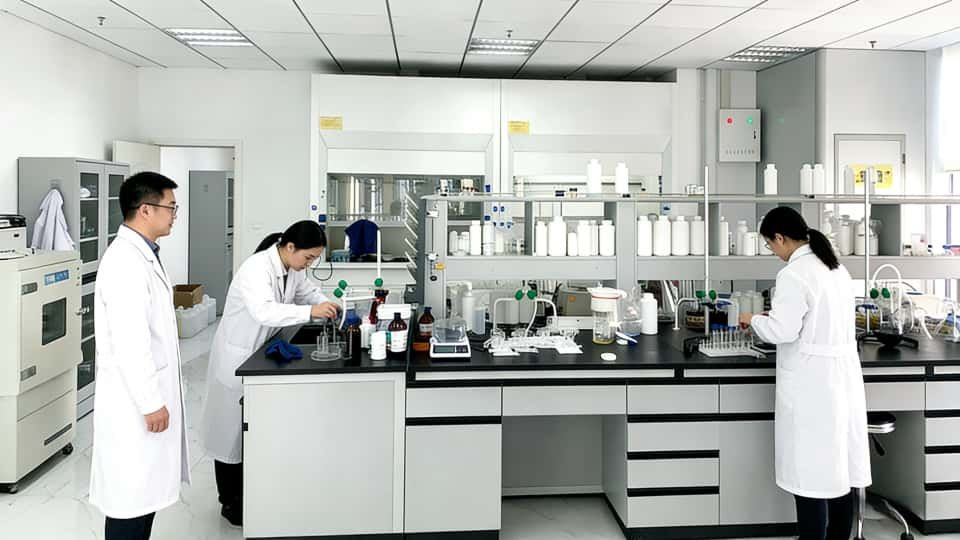
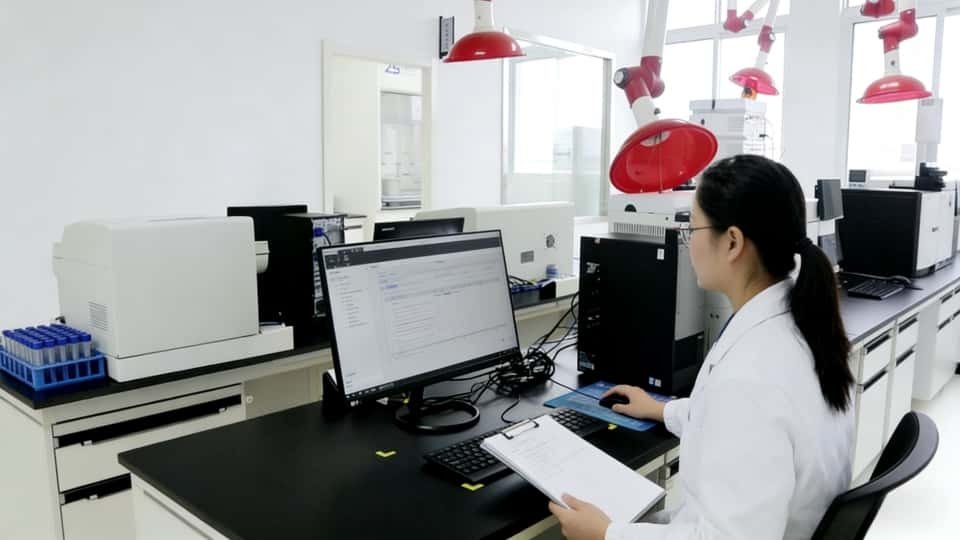
Supports batch quality verification & application-oriented testing, ensuring consistent performance & reliable product quality.
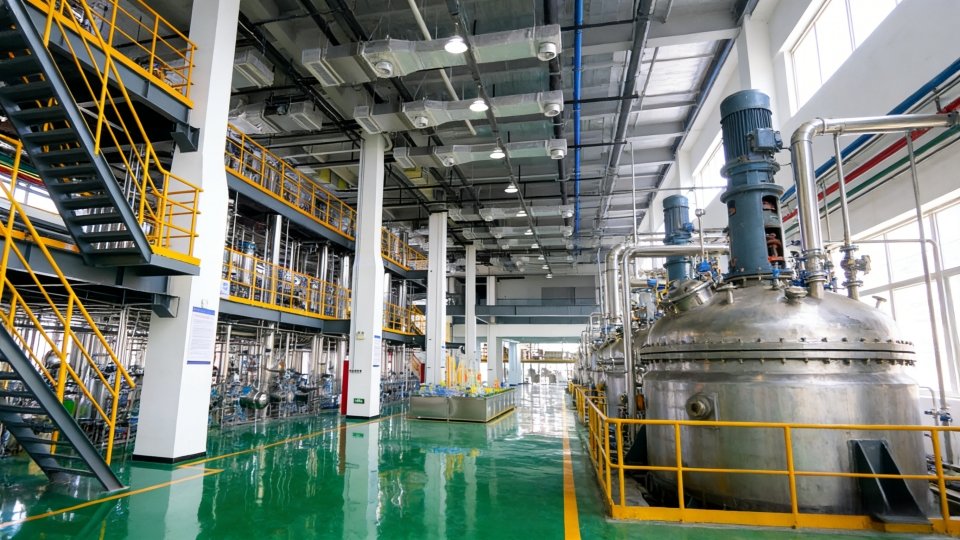
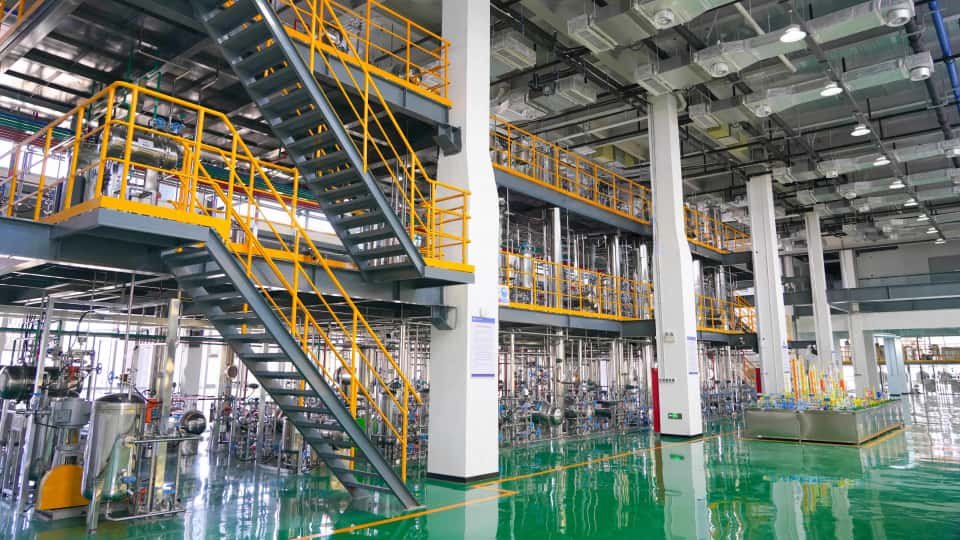
Stable, scalable manufacturing with standardized processes, supporting both regular supply and bulk industrial demand.
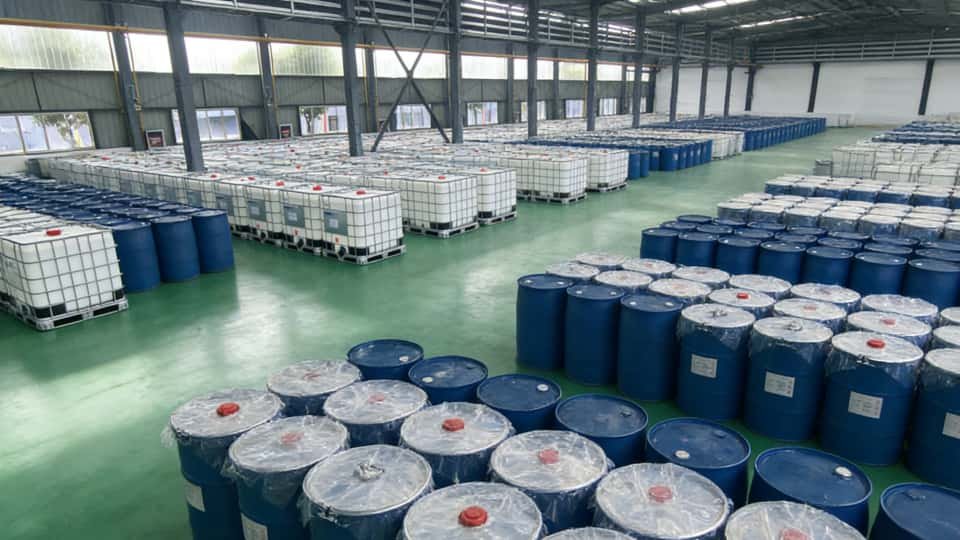
Products are stored under controlled conditions with standardized packaging, enabling efficient order fulfillment and reliable global delivery.

Clear communication and application-focused support, helping customers select suitable products and streamline procurement.
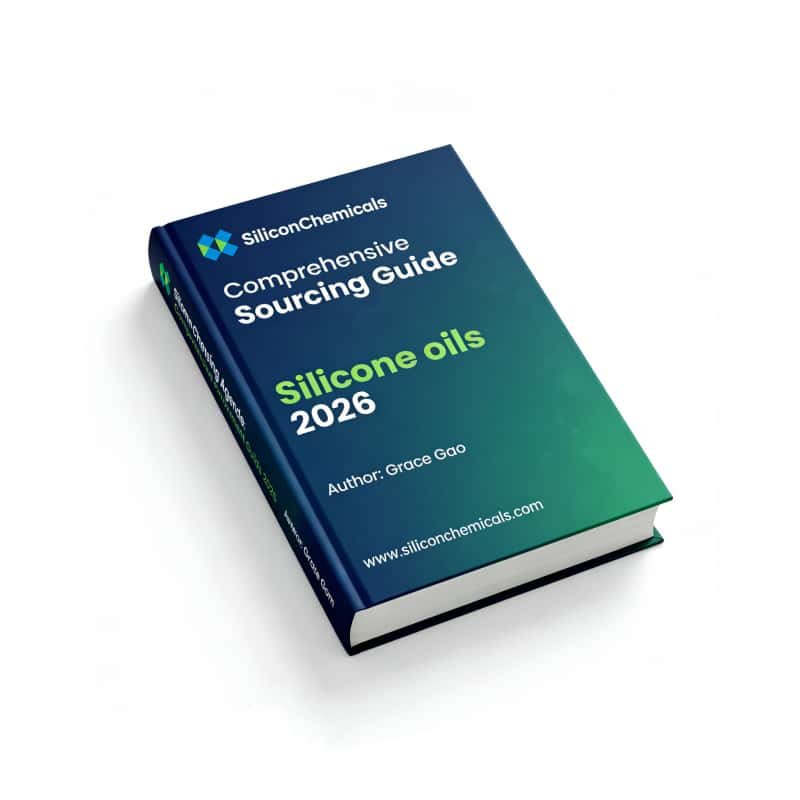
Navigate the complexities of the global Silicone Oil market. This definitive report provides actionable insights, vetted supplier landscapes, and strategic sourcing methodologies to optimize your supply chain in the year ahead.